Precision Tactile Membrane Switches & Dome Arrays
Engineered to withstand rigorous duty cycles up to 5,000,000 actuations. Directly manufactured by Dongguan Cevra Electronic Technology Co., Ltd. for seamless deployment in European embedded hardware.
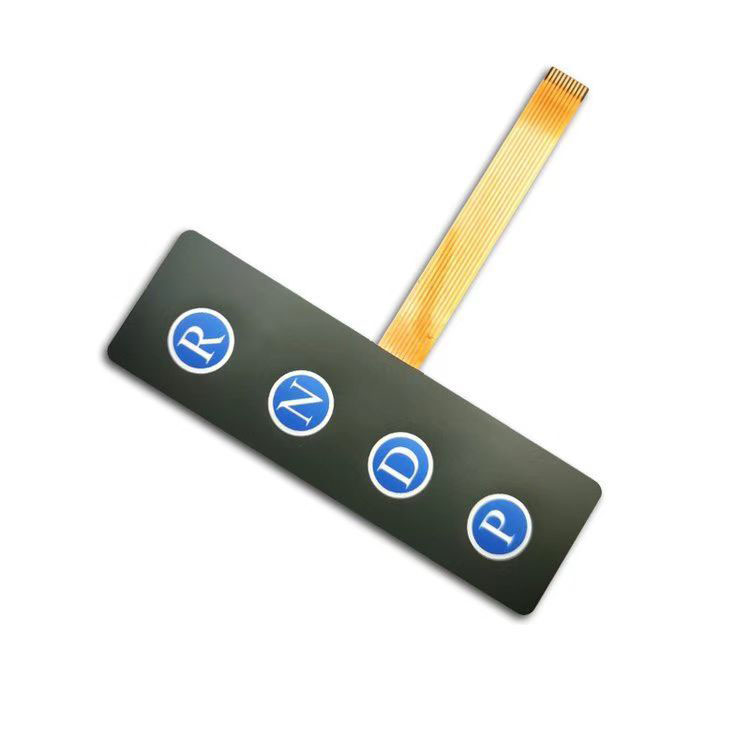
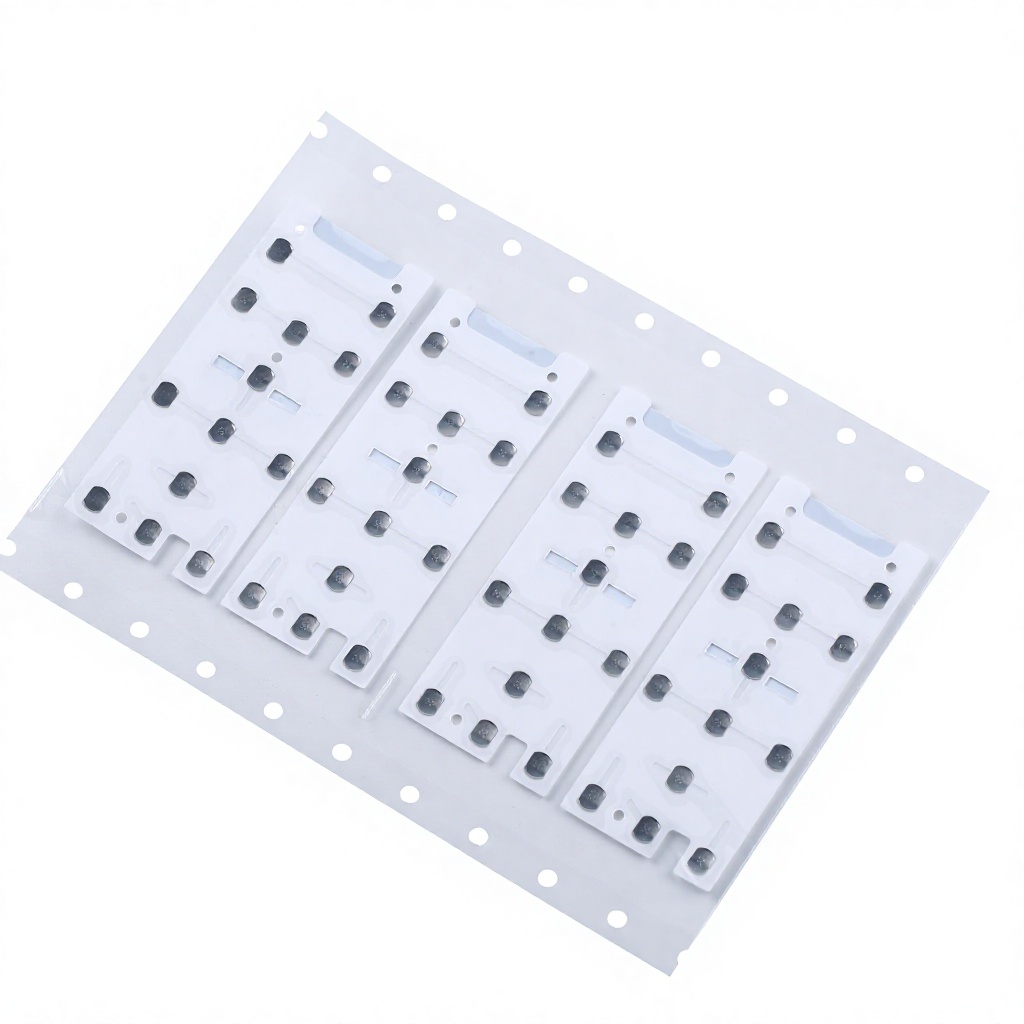
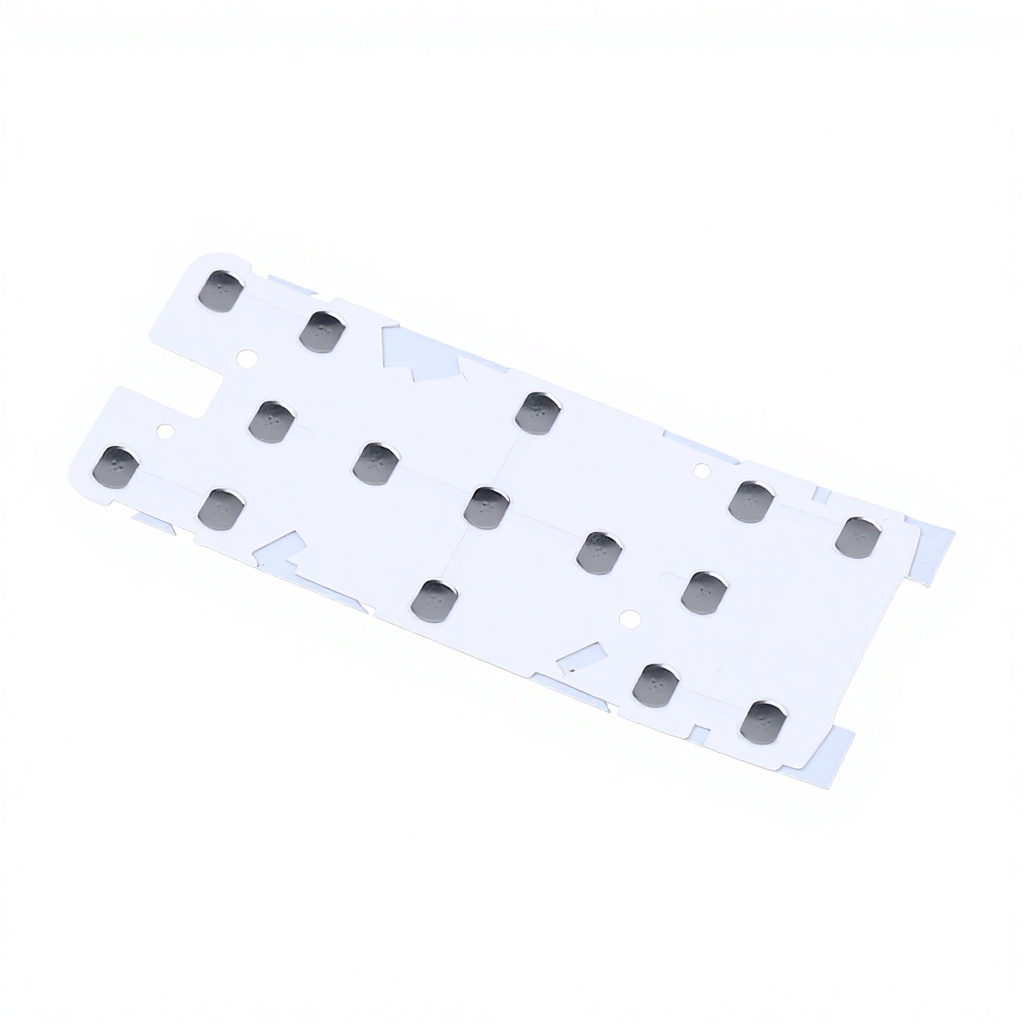
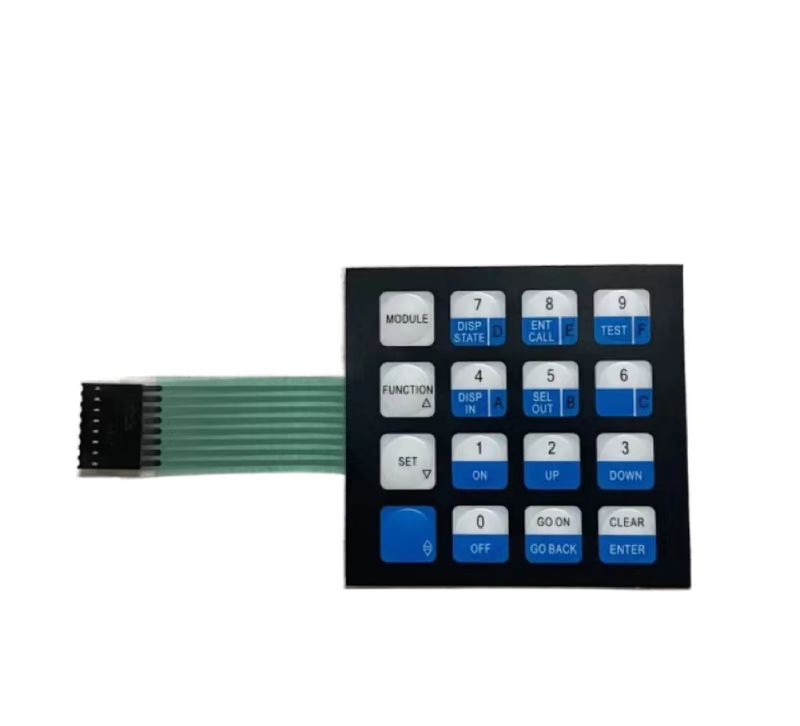
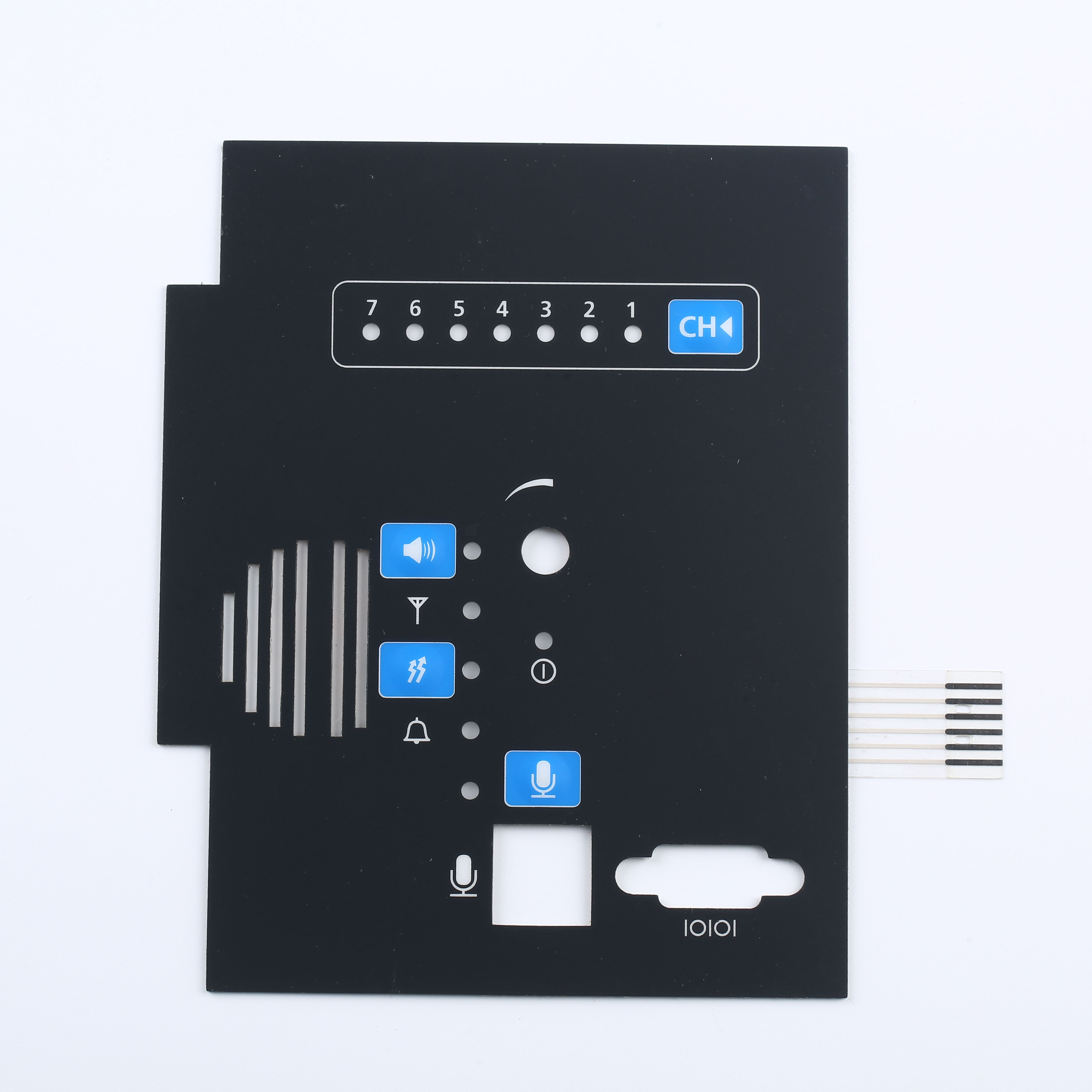
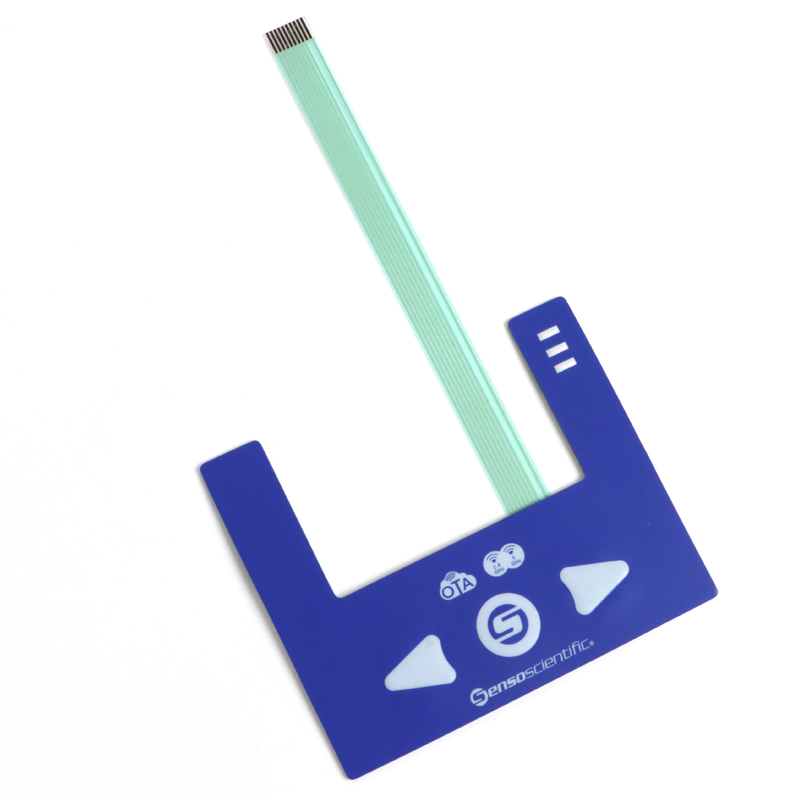
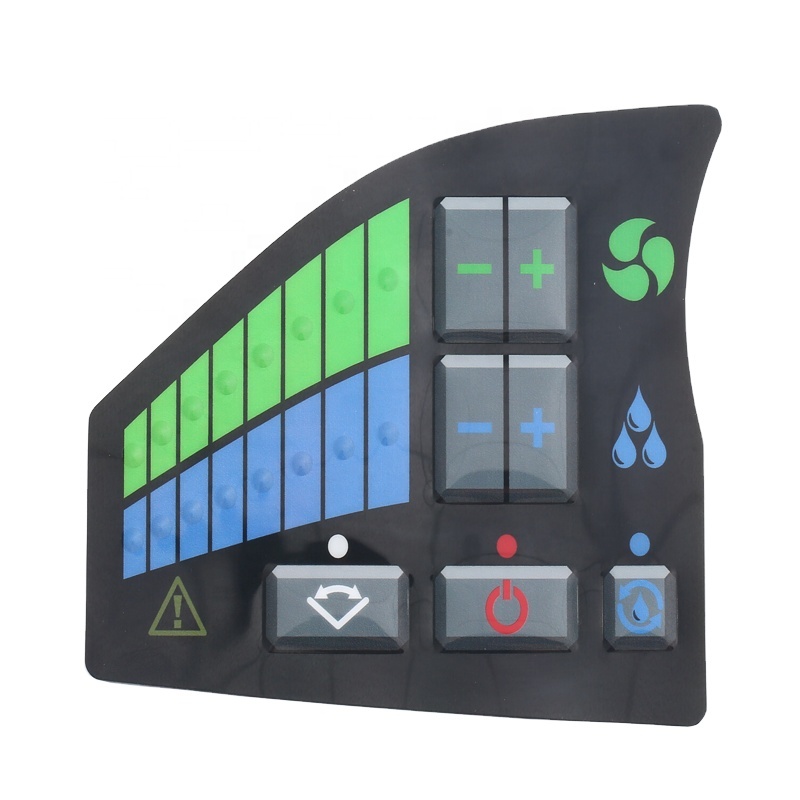
Engineering Resilient Human-Machine Interfaces (HMI) for the Braga Industrial Ecosystem
The industrial landscape of the Braga and Minho district in Northern Portugal has rapidly evolved from traditional contract manufacturing into an advanced European powerhouse of mechatronics, connected automotive electronics, embedded IoT instruments, and intelligent textile automation. Tier-1 automotive suppliers (such as the extensive clusters in Ferreiros, Celeirós, and Guimarães), medical device incubators near the University of Minho, and robotic machinery builders demand human-machine interfaces that do not merely register keystrokes, but perform flawlessly in hostile, high-interference environments.
For procurement officers, hardware lead architects, and design engineers in Braga, selecting a direct China manufacturer for custom tactile membrane keypads requires looking beyond simple unit cost. It demands an exhaustive evaluation of mechanical actuation kinematics, polymer film chemical resistance, silver flake conductivity stability, and micro-gap ingress protection. Dongguan Cevra Electronic Technology Co., Ltd. brings sixteen years of direct manufacturing rigour to Portuguese engineering teams, providing end-to-end customisation ranging from graphic overlays to complex multi-layer FPC/PET hybrid switch assemblies.
Localized Application Scenarios Across the Minho Region
Targeted tactile keypad architectures deployed across Braga’s primary industrial, medical, and automotive clusters.
Automotive Subsystems & Cockpit Telematics
Braga serves as a critical software and hardware automotive development hub in Western Europe. Our SUS301 stainless steel tactile dome arrays and deadfront graphic overlays are deployed in climate control panels, commercial vehicle telematics, and EV charging station interfaces where operating temperatures oscillate between -40°C and +85°C with zero hysteresis.
Medical Diagnostics & Sterilized Instruments
Partnering with biomedical startups incubated in Startup Braga and regional hospital equipment integrators, Cevra supplies antimicrobial-treated textured polyester (PET) overlays. Engineered with continuous peripheral perimeter gasket seals, our keypads resist aggressive hospital-grade cleansers, isopropyl alcohol, and sodium hypochlorite sterilization without yellowing or delamination.
Textile Machinery & Industrial Automation
The Minho valley is historically renowned for textile engineering. Modern automated weaving, spinning, and dye-sublimation machines operate in high-humidity, fiber-dust saturated environments. Our IP67-rated 4x4 matrix keypads feature hermetically isolated trace channels and high-snap 400g actuation domes, delivering unmistakable tactile acknowledgment through heavy operator gloves.
Market Trends in Braga: The Convergence of Capacitive Sensing and Tactile Snap Feedback
As Portuguese engineering firms align with Industria 4.0 and Horizon Europe circular economy standards, HMI panel requirements have shifted significantly. Industrial designers in Braga are no longer choosing solely between flat capacitive glass panels or purely mechanical switchboards. The contemporary market standard demands a hybrid convergence: In-Mold Electronics (IME), Capacitive-Tactile blends, and Ultra-Low Profile Backlighting.
EMI/RFI Metallized Shielding
With CE compliance regulations tightening, our solid aluminum foil or cross-hatched conductive silver-carbon grounding layers prevent radiated emissions from interfering with internal CAN-bus, RS-485, and micro-controller loops.
Integrated LGF Backlighting
Light Guide Film (LGF) micro-groove etching allows a few side-firing LEDs to uniformly disperse illumination across wide button graphics and deadfront status legends without hot-spots or excessive battery draw.
Ultra-Reliable FPC Circuits
For applications where standard screen-printed silver ink faces extreme vibration or flex fatigue, Cevra bonds polyimide-based Flexible Printed Circuits (FPC) with gold-plated contacts, eliminating silver migration entirely.
Ingress Safeguards (IP67/NEMA 4X)
Utilizing high-performance 3M 300LSE and 200MP modified acrylic transfer adhesives alongside closed-cell polyurethane perimeter gaskets guarantees resistance to washdown jets, salt air, and petrochemical vapor.
Tactile Keypad Substrate & Dome Material Comparison
Reference data compiled by Cevra’s application engineering lab to aid Portuguese R&D teams during DFM analysis.
| Evaluation Parameter | Autotex Textured PET | Optical Polycarbonate (PC) | SUS301 Stainless Metal Dome | Polyester Polydome (Formed) |
|---|---|---|---|---|
| Mechanical Flex Life | >5,000,000 cycles | >100,000 cycles | 1,000,000 - 5,000,000 clicks | >1,000,000 cycles |
| Chemical / Solvent Resistance | ✔ Excellent (Ketones, Alcohols, Oils) | Moderate (Susceptible to aromatic solvents) | ✔ Impervious (Corrosion-free) | ✔ Excellent |
| Tactile Ratio & Snap Feel | Determined by internal dome | Determined by internal dome | ✔ Crisp, Positive (40% - 65%) | Soft / Muffled (20% - 35%) |
| Operating Temperature | -40°C to +85°C | -30°C to +75°C | -45°C to +105°C | -20°C to +65°C |
| Optical Window Clarity | High transparency with gloss prints | ✔ Ultra-Clear (LCD/OLED Grade) | N/A (Internal component) | N/A |
| Primary Application Suitability | Industrial machines, Medical HMI | Indoor displays, Consumer devices | Tactile remote, Automotive dashboards | Cost-sensitive non-critical panels |
Why Braga Procurement & Engineering Teams Partner with Cevra
No intermediaries, no trading markups. An ISO 9001 certified Chinese manufacturing powerhouse with complete vertical integration under one roof.
Rigorous In-House Testing Laboratory
Every production batch is validated within our Dongguan QA testing suite. We verify actuation travel via automated dome load force curve testers, gauge trace adhesion using cross-hatch tape tests, and validate environmental survival inside precision high-and-low temperature thermal cycling cabinets.
Full Precision Production Line
Spanning 2,600 square meters, our facility houses semi-automatic silk-screen printing beds, laser cutting machines, high-speed CCD drilling systems, continuous hot-press embossing rigs, and automated pick-and-place dome tape laminators, ensuring consistent layer registration within ±0.05mm.
Direct Western Europe Logistics Integration
We provide seamless shipping to Portugal via DDP (Delivered Duty Paid) air freight direct to Francisco Sá Carneiro Airport (OPO) in Porto—only 45 minutes from Braga—or ocean cargo consolidation through the Port of Leixões, backed by full EU customs documentation, EUR.1 origin data, and zero tariff surprises.
Frequently Asked Questions by Portuguese Hardware Engineers
Transparent engineering answers addressing technical feasibility, tooling costs, lead times, and regulatory compliance.
How does Cevra ensure CE, RoHS, and REACH compliance for shipments into Portugal?
Every raw material consumed in our Dongguan facility—including Autotex polyester films, 3M conductive/non-conductive adhesives, conductive silver paste, dielectric insulating varnishes, and stainless steel domes—is fully accompanied by authenticated third-party laboratory SGS test reports. We certify zero restricted substances under RoHS Directive 2011/65/EU and EU REACH Regulation (EC) No 1907/2006 (SVHC list). Full Declaration of Conformity (DoC) dossiers are issued with mass production deliveries to satisfy Portuguese customs inspections at Porto/Lisbon entry points.
What are the typical prototyping costs and lead times for Braga-based hardware projects?
For custom membrane switches with steel rule die tooling, rapid laser cut prototyping typically requires 5 to 8 working days following technical drawing sign-off (CAD / DXF / Gerber files). Initial prototype tooling costs range conservatively between €150 and €380 depending on embossing complexity and circuit layers. Mass production runs are completed within 12 to 16 working days, supported by expedited DHL / FedEx air freight directly to your facility in Braga within 3 to 4 business days.
Which metal dome profile is optimal for high-vibration industrial controllers?
For industrial machinery and automotive cockpits subject to engine or motor resonance, we strongly recommend our 4-leg cross-shaped stainless steel metal domes with center dimple (8.4mm, 10mm, or 12mm). Cross domes provide exceptional lateral stability, preventing accidental lateral displacement under vibration. A center dimple focuses the operator’s finger pressure directly at the apex, ensuring a crisp actuation force (typically 300g to 400g) with positive mechanical snap acknowledgment, even through thick synthetic work gloves.
How do you prevent silver migration in high-humidity coastal Portuguese environments?
Silver migration occurs when moisture combines with DC electrical bias across narrowly spaced conductive silver traces. Cevra mitigates this risk through a three-tier defense: First, we maintain minimum trace pitch design rules (≥0.5mm). Second, we screen a completely pinhole-free dielectric UV insulating mask over all silver tracks, followed by an overprinted conductive carbon graphite barrier on contact pads. For critical applications, we offer copper-flex FPC (Polyimide) circuits that eliminate silver inks altogether.
Can Cevra match exact corporate Pantone colors and deadfront display window requirements?
Yes. Our screen-printing laboratory utilizes optical spectrophotometers to guarantee Pantone Matching System (PMS) and RAL color fidelity with Delta E (ΔE) < 1.0. For modern UI deadfront displays, we print specialized semi-translucent smoke-tinted inks behind polycarbonate or anti-glare polyester windows, ensuring that system indicators, alerts, and 7-segment digital readouts remain invisible until activated by internal LEDs.
Ready to Accelerate Your Next HMI Project in Braga?
Send your CAD outlines, Adobe Illustrator artwork, or schematic pinouts today. Our direct application engineers deliver an exhaustive Design for Manufacturability (DFM) review and binding factory quote within 24 hours.