Industrial & Subsea Specification Keypad Assemblies
From autonomous underwater exploration along the Grand Banks to ruggedized fuel dispensing across Atlantic Canada, Dongguan Cevra Electronic Technology delivers high-precision Flexible Printed Circuit (FPC) keypads. Certified to ISO 9001 and verified on-site by SGS Group, our integrated engineering guarantees seamless tactile consistency, IP67/IP68 hermetic ingress sealing, and zero contact degradation down to -40°C.
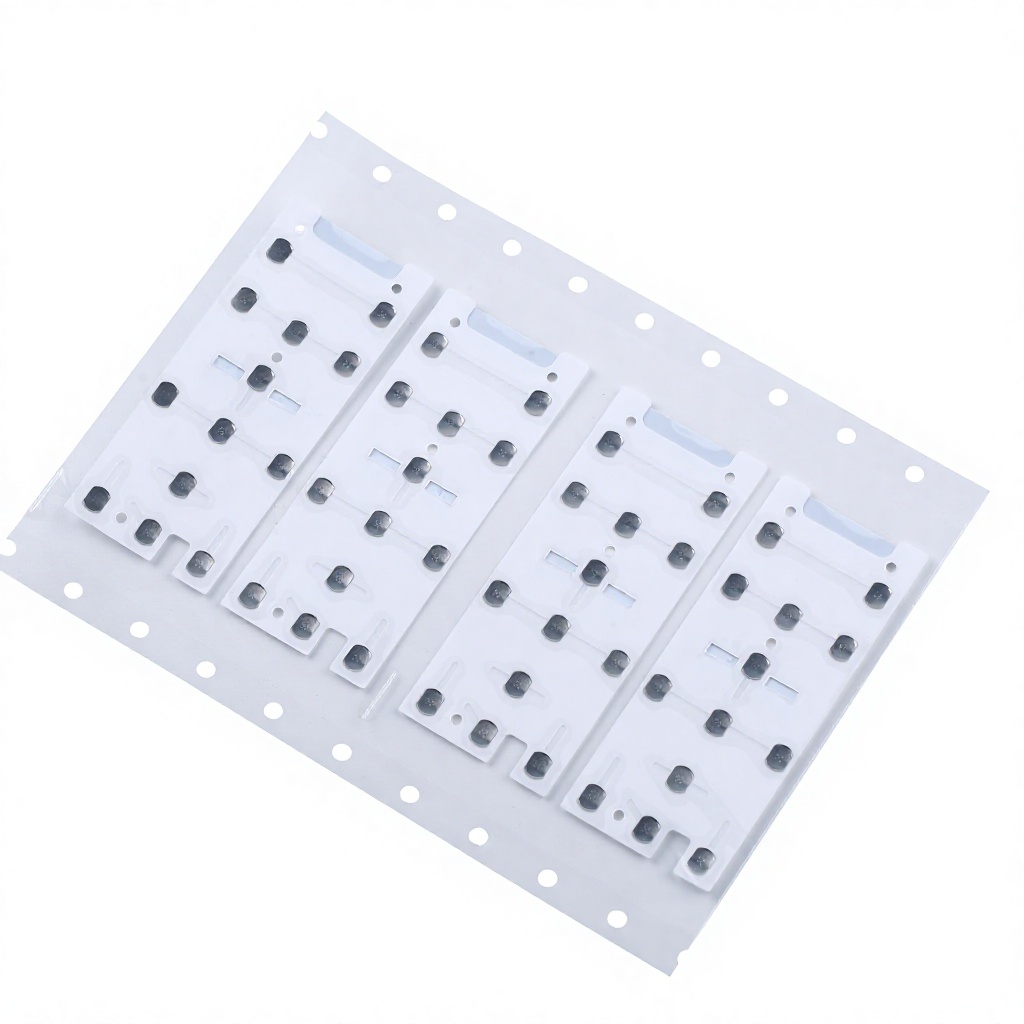
Double-sided Tape Single Layer SUS301 Stainless Steel Dome Array Remote Control Metal Dome Array
- Substrate: SUS301 Stainless Steel
- Adhesion: Double-Sided 3M Layer
- Tactile Life: > 1,000,000 Cycles
- Trip Force: 180g – 350g (±15g)
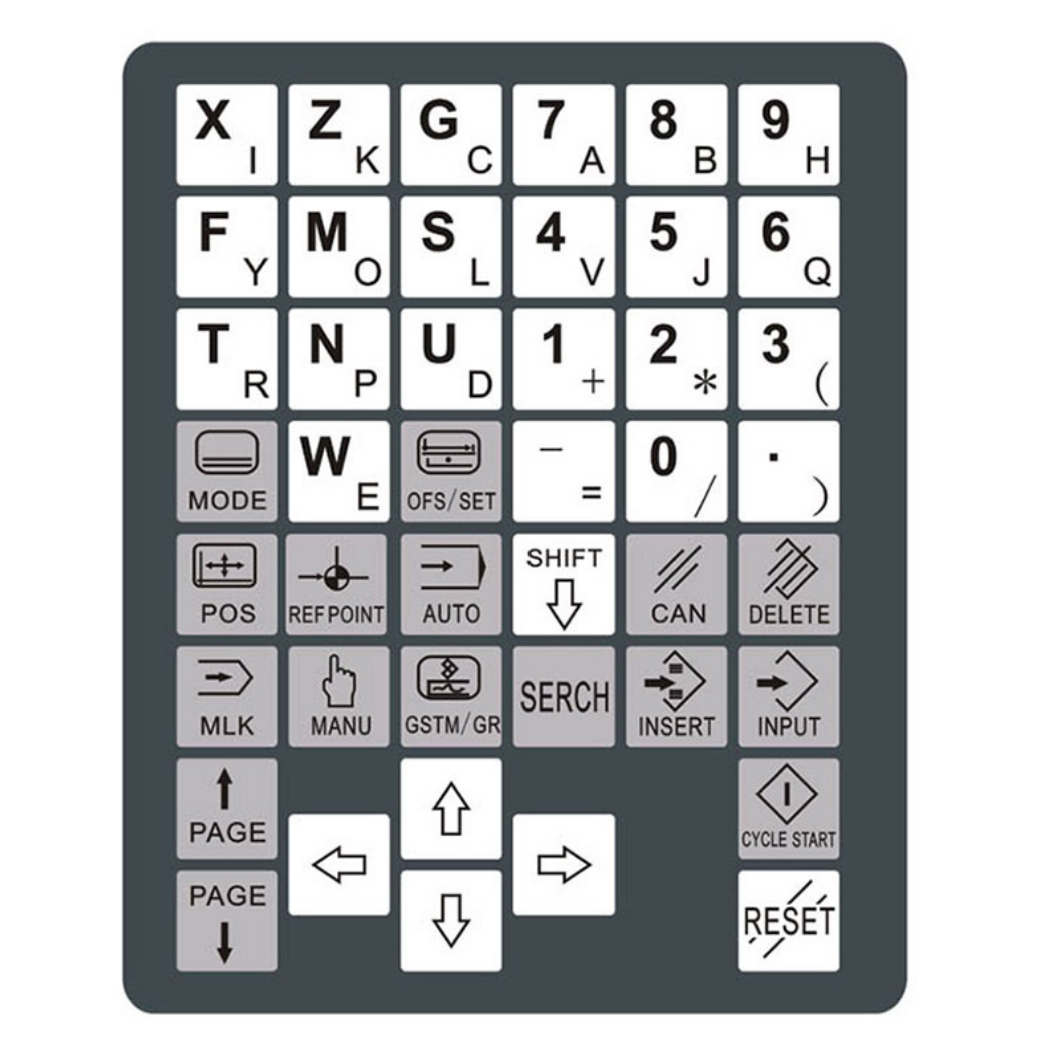
Custom Standard Good Price 3X3 4X5 Matrix Membrane Switch Keypad Keyboard Panel for Fuel Dispenser
- Circuit Type: 3x3 / 4x5 Matrix
- Overlay: Autotex PET / Anti-UV
- Target Sector: Fuel Dispenser / Refueling
- Chemical Shield: Hydrocarbon Resistant
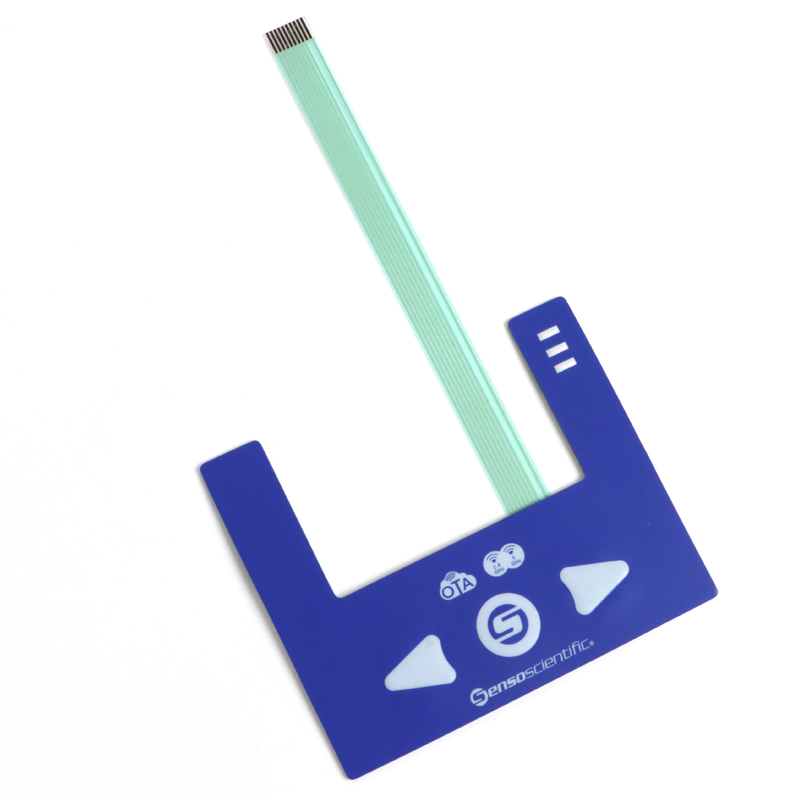
Manufacturer Custom Membrane Keypads Membrane Keyboard and Led Membrane Graphic Overlay
- Illumination: Surface-Mount Micro-LEDs
- Conductor: FPC Copper / Screened Ag
- Embossing: Rim or Pillow Profile
- Window: Optical Filter Clear/Smoked
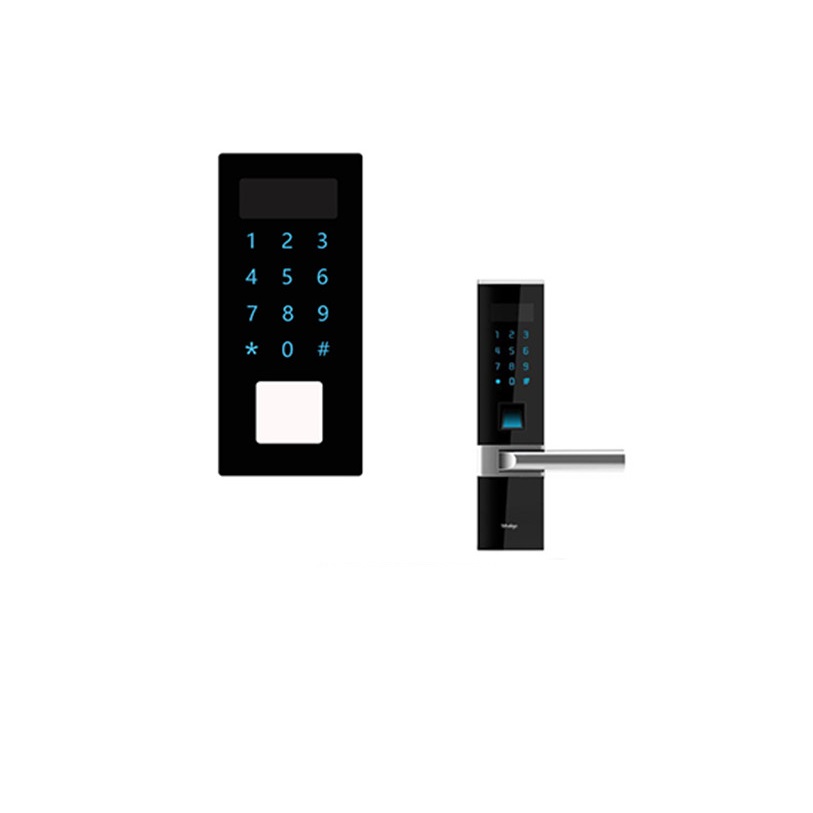
Custom Waterproof Keypad Smart DoorTouch Switch Button Membrane Switch PMMA Membrane Switch Panel Capacitive
- Interface: Solid-State Capacitive Touch
- Fascia: Hard-Coated PMMA / Acrylic
- Sealing: Total Waterproof IP68
- Output: I2C / Matrix / Direct Logic
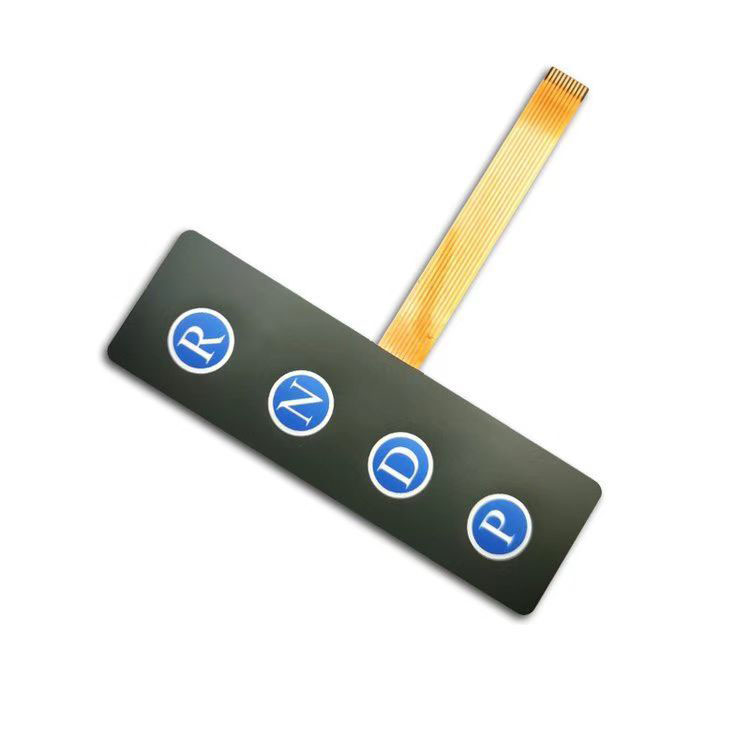
Embossing Diy Backlit 3 4 5 Button Touch Controller Membrane Switch Keypad Repair
- Keys: 3 / 4 / 5 Tactile Button Array
- Feedback: Crisp Snap Metal Dome
- Layering: Ultra-Thin Profile (<0.8mm)
- Replacement: Plug & Play Retrofit
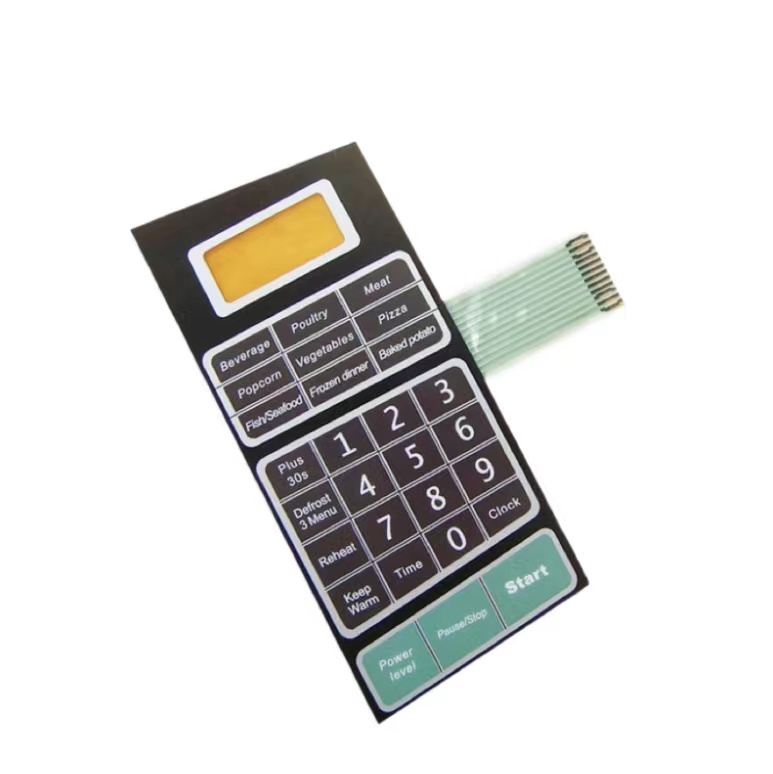
Low Moq Custom Membrane Switch Panel Keypad Control
- Batch MOQ: Starts at 10 – 100 Pcs
- Tail Pitch: 1.0mm / 2.54mm ZIF Options
- Adhesive: 3M 467MP / 468MP Grade
- Turnaround: Prototype DFM in 24 Hours

New Trend Factory Custom Cross 4-Legged Snap Dome Poly Metal Dome in Reel Packing for SMT Assembly on Membrane Switch
- Form Factor: 4-Legged Cross (With Dimple)
- Packaging: Tape & Reel Automated Pick
- Plating: Bright Nickel / Gold Flash
- Contact R: < 0.1 Ω Residual Resistance
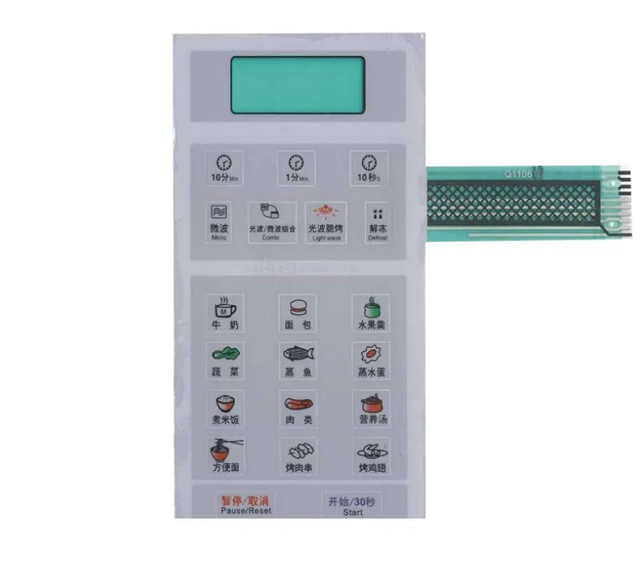
Factory Cheap Price Electronic Membrane Switch Membrane Switch Control Panel
- Structure: Multi-Layer Composite Panel
- Backer Plate: Aluminum / FR4 Stiffener
- ESD Shielding: Printed Carbon / Al-Mylar
- Compliance: RoHS, REACH, ISO 9001
Navigating Harsh Maritime Hardware Demands in St. John’s, NL
Hardware developers throughout Newfoundland and Labrador face operational constraints unlike those in temperate manufacturing regions. As Canada’s Atlantic gateway for offshore oil extraction, deep-water ocean technology, and defense surveillance, devices engineered in St. John’s must endure hyper-saline Atlantic fog, freezing temperatures, and intense cyclic vibration.
Subsea ROVs & Hydrographic Instrumentation
The OceanTech cluster centered around Mount Pearl and St. John's requires topside operator pendants and shallow-submersible tether controls with uncompromising tactile response. Cevra’s polyimide FPC keypads provide micro-pitch trace density for ultra-compact enclosures, completely preventing the silver electromigration commonly triggered by high sea-humidity environments.
Offshore Energy & Fuel Logistics Controls
Operating offshore on Jeanne d'Arc Basin installations (such as Hibernia or Hebron) necessitates intrinsically safe, explosion-proof operator panels. We calibrate our 3x3 and 4x5 fuel dispenser matrix panels with anti-static shielding, ESD dissipation barriers (>15kV), and hydrocarbon-impermeable Autotex polyester graphic fascias that resist direct fuel contamination.
Sub-Zero Atlantic Cold-Climate Monitoring
Exterior telemetry equipment installed along the coast of Newfoundland confronts severe freeze-thaw cycles. Standard polyester membrane switches experience trace micro-fractures below -15°C. Cevra incorporates rolled-annealed (RA) copper foil on flexible Kapton polyimide cores, maintaining stable conductivity and mechanical elasticity down to -40°C.
Architectural Superiority: Copper FPC vs. Silver-Printed PET
For procurement leads and electrical systems designers in St. John’s, selecting between standard silver-printed PET and polyimide Flexible Printed Circuits (FPC) dictates whether a field unit survives or fails within its warranty period in marine salt-spray conditions.
| Evaluation Parameter | Cevra Polyimide Copper FPC Keypad | Conventional Silver-Printed PET | Marine Operating Significance |
|---|---|---|---|
| Conductor Metallurgy | Rolled-Annealed (RA) Copper Foil (1/2 oz to 1 oz) | Polymer Thick Film (PTF) Screen-Printed Silver Ink | Copper Prevents Oxidation |
| Silver Migration Vulnerability | Zero Risk (Pure copper traces, nickel/gold plated) | High Risk (Dendritic growth under high V and RH) | Essential for Coastal Humidity |
| Sub-Zero Flex Endurance (-40°C) | Passes >100,000 bends without resistance change | Cracks and delaminates below -15°C | Crucial for St. John's Winters |
| Component Integration (SMT) | Direct reflow/SMT soldering for LEDs, ICs, & Resistors | Conductive epoxy bonding only (Vibration prone) | Withstands Vessel Shock |
| Contact Trace Resistance | < 0.05 Ω / trace (Minimal signal degradation) | 10 Ω – 150 Ω / trace (Higher trace losses) | Ultra-Precise Logic Sensing |
| Minimum Interconnect Pitch | Down to 0.3mm – 0.5mm high-density pitch | Limited to 1.0mm – 2.54mm wide pitch | Enables Compact ROV Consoles |
| Chemical & Fuel Resilience | Extreme (Impervious polyimide base film) | Moderate (PET softens under aromatic solvents) | Offshore Rig Survivability |
Technological Trends Shaping Keypad Integration (2025–2030)
As hardware programs supported by the Ocean Frontier Institute, Canada's Ocean Supercluster, and local marine engineering incubators advance, Human-Machine Interfaces must deliver greater functional integration.
Hermetic Perimeter Gasketing (IP67 / IP68)
Simple surface perimeter adhesives are no longer sufficient for Atlantic offshore duties. The current industry standard requires continuous perimeter O-ring elastomer channels, die-cut 3M 300LSE/VHB high-tack laminates, and hermetically sealed internal venting channels that normalize barometric pressure fluctuations without ingress of salt fog or driven precipitation.
Optical Light Guide Film (LGF) Illumination
Navigating vessels at night or reading sensor clusters inside sub-sea vessel pilot cabins requires balanced, low-power illumination. Rather than uneven point-source discrete LEDs, St. John's OEMs are standardizing on 0.125mm ultra-thin Light Guide Films (LGF) driven by side-firing micro-SMT diodes, providing uniform backlighting without thermal buildup.
Capacitive-Tactile Hybrid Topologies
Harsh operating conditions demand both streamlined hygienic wipe-down properties and tactile confirmation for gloved technicians. Cevra’s hybrid assemblies marry glass or PMMA capacitive touch panels with high-actuation SUS301 metal dome tactile buttons (350g to 500g trip force) to guarantee positive user feedback in vibrating engine rooms.
Why Engineering Teams Partner with Cevra
We operate a 2,600㎡ custom manufacturing facility in Dongguan, Guangdong, eliminating trading-house markups and third-party QA gaps for our Canadian partners.
ISO 9001 & SGS On-Site Verified
Our full operation—from raw material storage to cleanroom lamination—has been audited and validated on-site by SGS Group. Full documentation is available for your QA file.
Fully Integrated In-House Production
We run precision CCD drilling, automatic silkscreen printers, digital laser cutters, high-speed stamping presses, and automatic dome placement systems under one roof.
16+ Years HMI Specialization
Established in March 2009, Cevra focuses exclusively on tactile snap domes, polyimide FPC keypads, graphic overlays, and capacitive panels for export to over 40 countries.
Exhaustive Laboratory Testing
Every batch undergoes rigorous quality checks: dome trip force testing, electrical loop resistance verification, high/low thermal cycling, adhesive tension peel tests, and pencil hardness screening.
Rapid Prototype & Flexible MOQ
Supporting iterative engineering cycles with pilot run minimum order quantities starting as low as 10 to 100 units, paired with full DFM analysis delivered within 24 hours.
Direct Logistics to St. John’s (YYT)
Experienced export shipping using express air (DHL/FedEx/UPS directly to St. John's International Airport within 4-6 business days) or sea freight via Halifax/St. John's Port.
Frequently Asked Questions by St. John’s Buyers
Clear technical answers addressing environmental testing, file formats, lead times, and customs clearance for Canadian Atlantic procurement officers.
What specific test documentation accompanies our FPC keypad shipments to St. John’s?
Every custom production run is shipped with an ISO 9001 Certificate of Conformance (CoC), an in-house dimensional inspection report from our CCD optical measurement system, and an electrical test log verifying 100% trace continuity, open/short circuit absence, and contact resistance under specified load. On customer request, we also provide ASTM B117 salt fog corrosion reports and thermal cycling verification data (-40°C to +85°C).
Can your team accommodate custom tail lengths, connector types, and pinouts?
Yes. We routinely fabricate Flexible Printed Circuit tails in customized lengths ranging from 15mm up to 500mm. We support standard 1.0mm, 1.27mm, and 2.54mm pitch connectors, including bare gold-plated fingers for ZIF (Zero Insertion Force) sockets, female Amphenol/FCI crimp housings, and solder-ready through-hole pins with stiffener backings.
How do you resolve condensation and pressure variations in offshore subsea control boxes?
Rapid barometric transitions can cause sealed membrane keypads to balloon or collapse against internal contacts. We design internal micro-venting labyrinths that connect all key cavities to a central port equipped with an ePTFE waterproof, oleophobic membrane patch (e.g., Gore vent material). This allows air pressure equalization while keeping water, salt fog, and hydrocarbon vapor outside the enclosure.
What engineering design files are required to generate an actionable quotation and DFM?
We work with CAD drawings in DXF, DWG, or STEP format for mechanical dimensions, key placement, and cutouts. Overlay graphic files should be supplied in vector formats (Adobe Illustrator .AI or vector .PDF) with Pantone or RAL color codes specified. For complex FPC routing, Gerber (RS-274X) files ensure precise trace geometry, circuit matching, and rapid tooling creation.
What are the typical lead times and customs logistics to Newfoundland and Labrador?
Prototype samples are fabricated, inspected, and shipped within 5 to 8 business days following DFM approval. Mass production runs of 500 to 10,000 units are completed in 12 to 18 business days. We provide express DDP (Delivered Duty Paid) door-to-door air freight via DHL/FedEx arriving at your St. John's address within 4 to 6 business days, handling all customs clearance and import paperwork seamlessly.
Accelerate Your St. John’s Hardware Project
Whether you are developing next-generation subsea robotics, upgrading offshore marine control consoles, or replacing obsolete keypad stock, our team provides DFM reviews and layer stack-up guidance within 24 hours.