Engineering Human-Machine Interface Solutions in Greater Chicago
The Chicago metropolitan area—anchored by massive industrial corridors in Cook, DuPage, Lake, and Will counties—stands as one of North America's premier discrete manufacturing and medical technology hubs. Choosing an industrial switch and human-machine interface (HMI) partner demands critical consideration of NEMA ratings, chemical resistance against aggressive hydraulic fluids, flex-circuit lifecycle engineering, and seamless supply-chain resilience. This industrial guide evaluates top suppliers and exporters servicing Chicago, accompanied by precision component recommendations engineered to withstand demanding Midwestern operational settings.
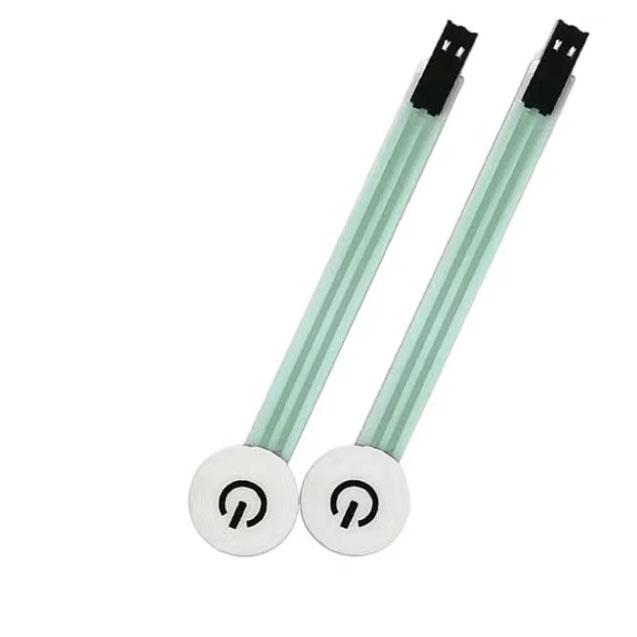
High Quality Single Button Small Membrane Switch
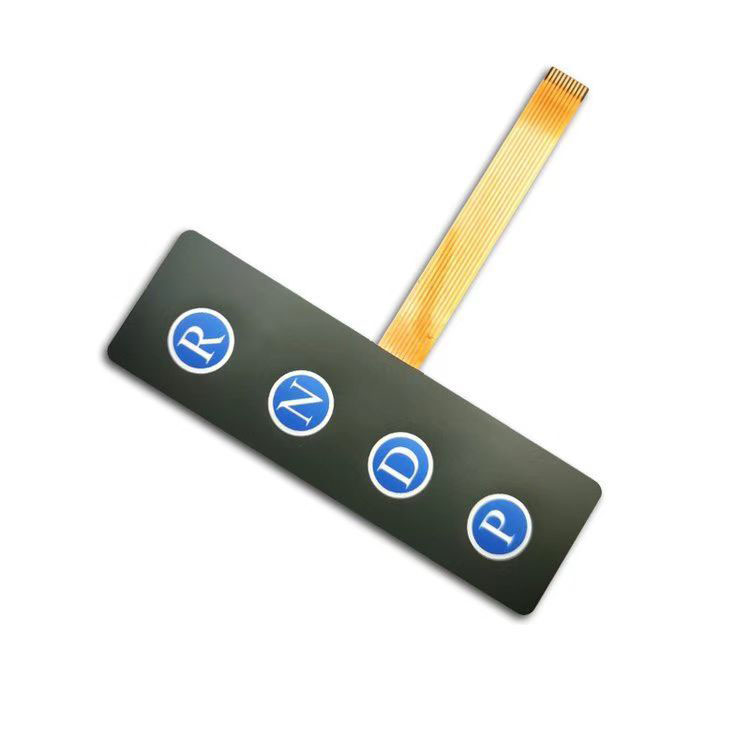
Embossing Diy Backlit 3 4 5 Button Touch Controller Membrane Switch Keypad Repair

New Trend Factory Custom Cross 4-Legged Snap Dome Poly Metal Dome in Reel Packing for SMT Assembly on Membrane Switch
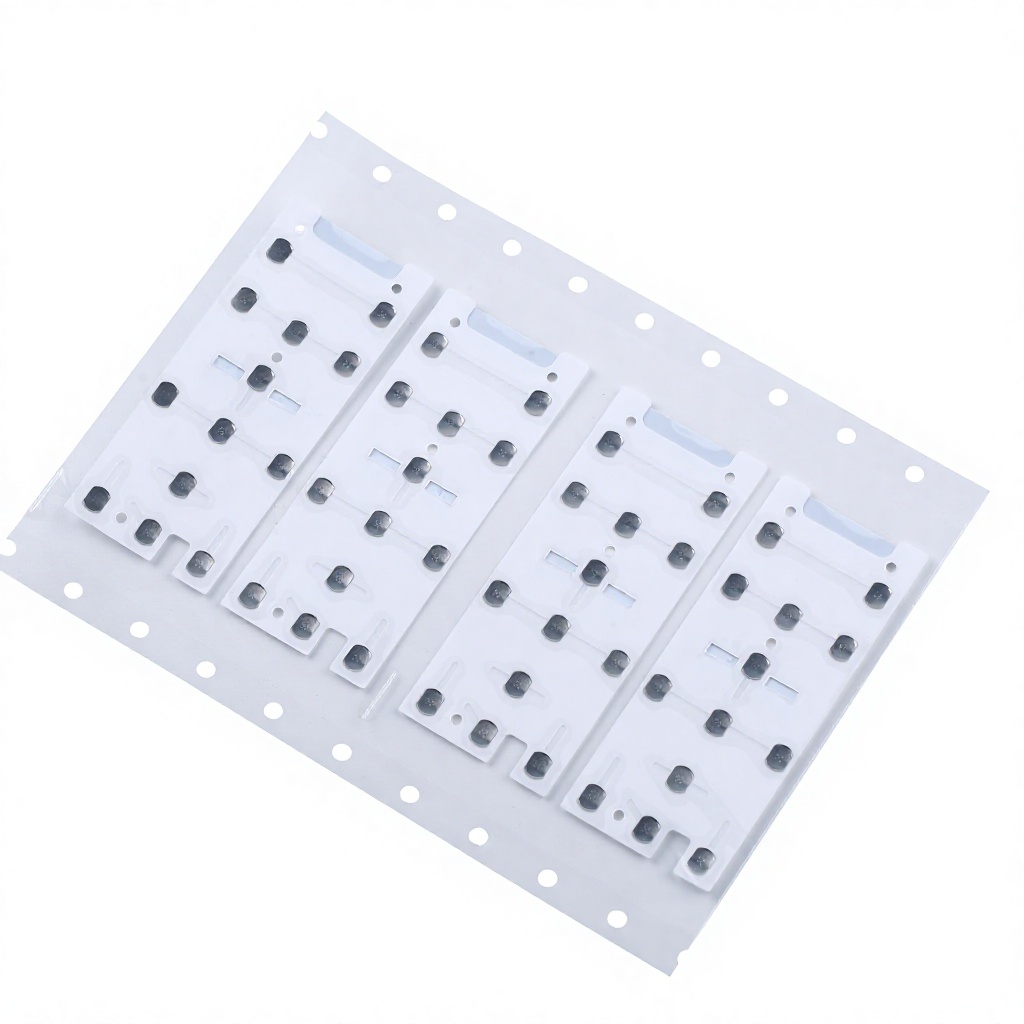
Double-sided Tape Single Layer SUS301 Stainless Steel Dome Array Remote Control Metal Dome Array
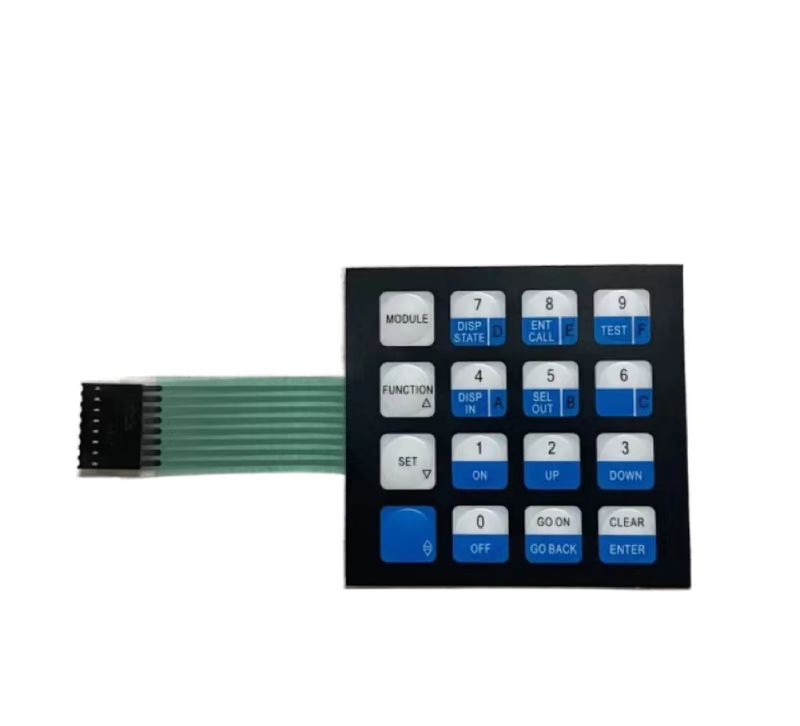
Custom Diy 4x4 Tactile Dome Flexible Membrane Switch Graphic Overlay Membrane Keypad
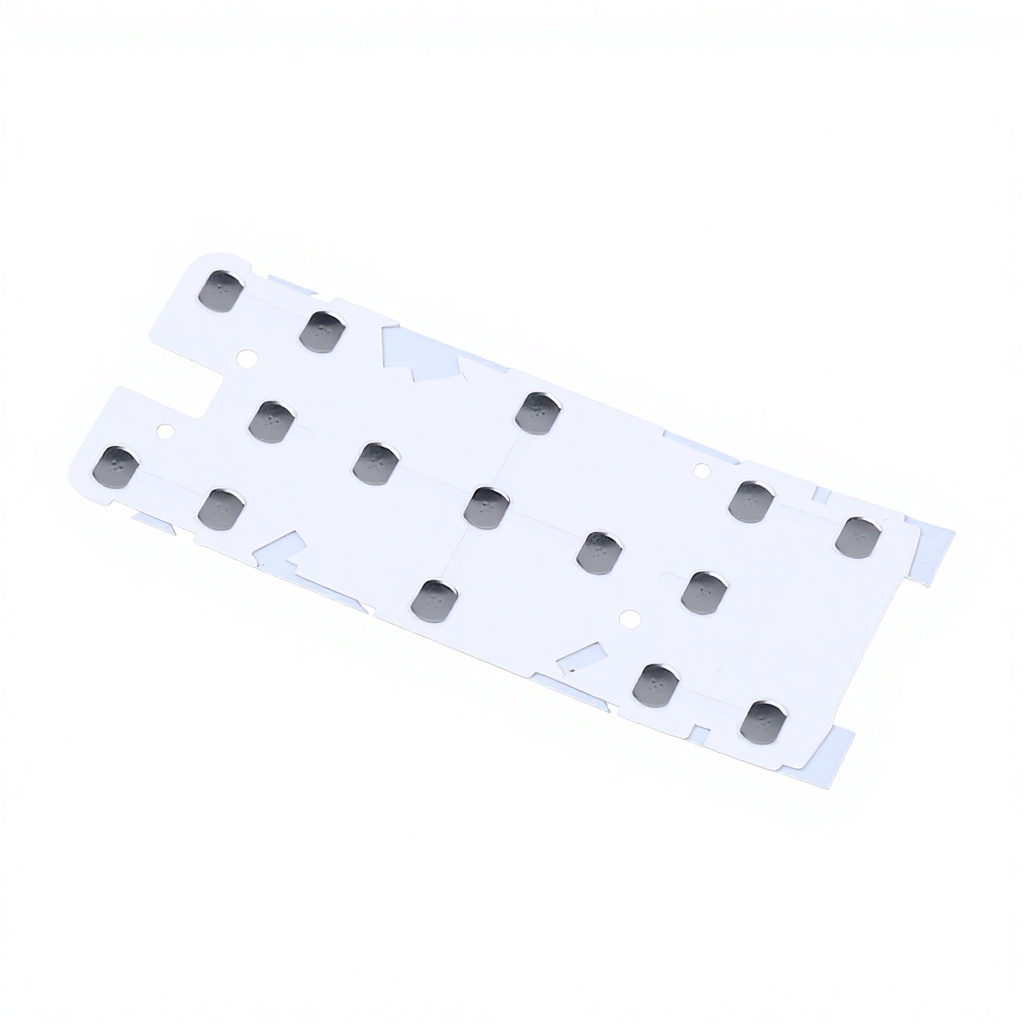
Customized White PET Waterproof Single Layer SUS301 Stainless Steel Dome Array Remote Control Metal Dome Array
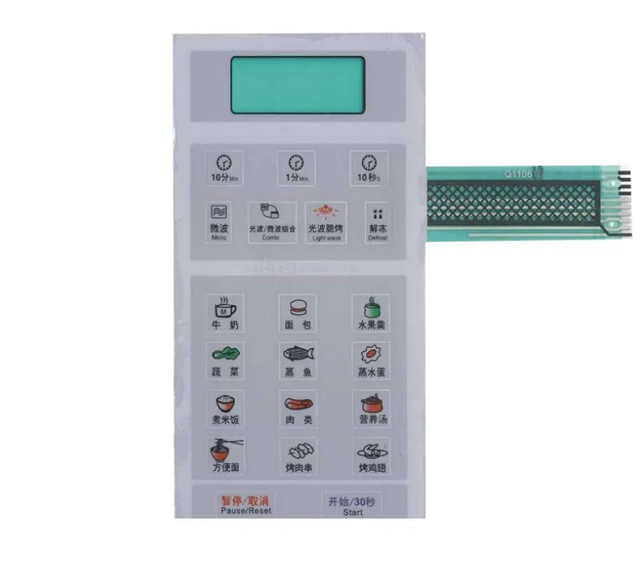
Factory Cheap Price Electronic Membrane Switch Membrane Switch Control Panel
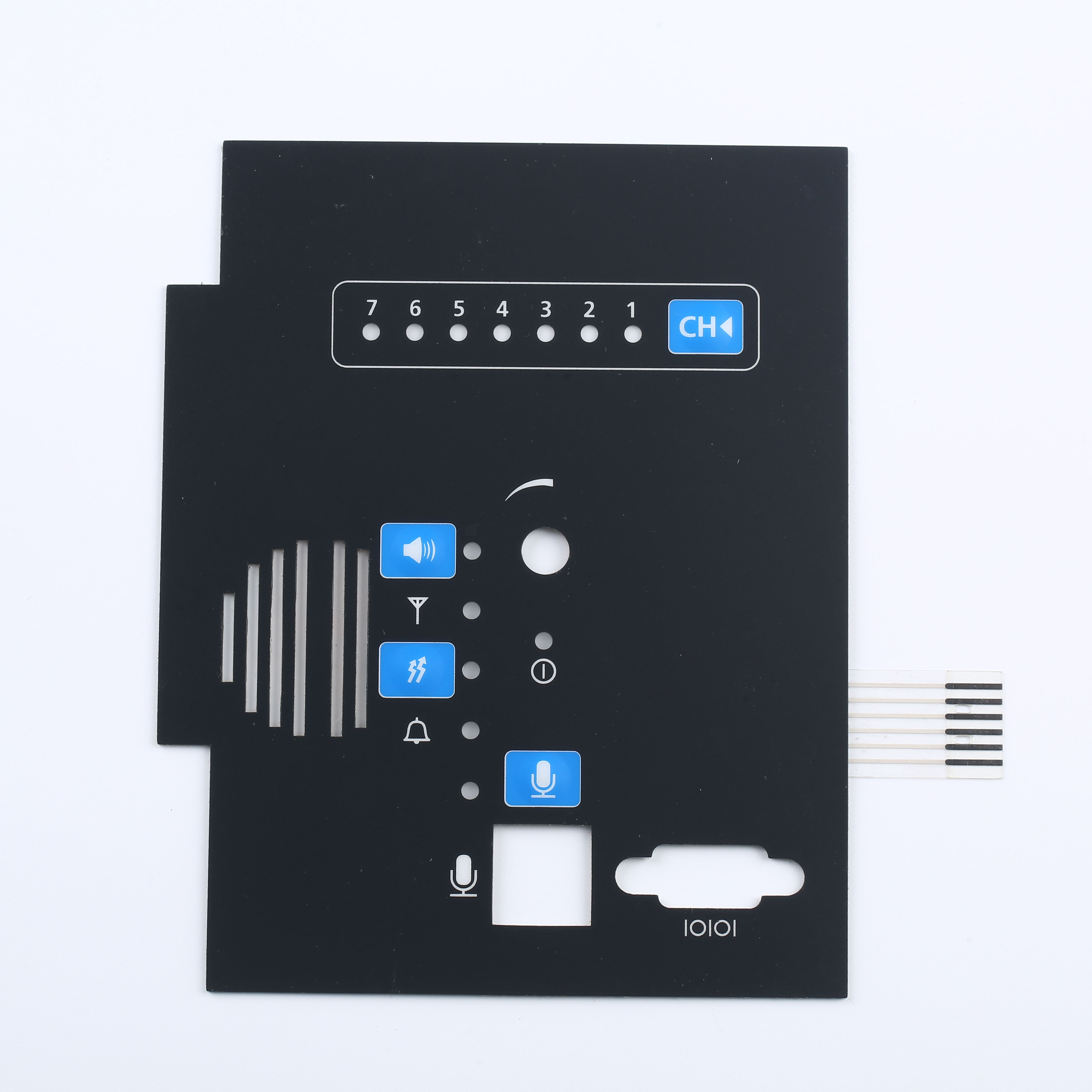
Polycarbonate Film Touch Switch Panel Screen Printing Process Electronic Product Instrument Display Membrane Switch
Top 10 Touch Panel Switch Suppliers & Exporters Serving Chicago
An objective breakdown of prominent regional fabricators, distributors, and global manufacturing partners providing custom touch switches, metal dome arrays, and graphical interfaces to Illinois original equipment manufacturers (OEMs).
1. Dongguan Cevra Electronic Technology Co., Ltd. (Direct Factory Exporter)
Operating since 2009, Cevra bridges high-end custom engineering with cost-efficient direct-export manufacturing. Operating a 2,600㎡ cleanroom workshop equipped with automatic screen printing, laser die-cutting, CCD visual inspection, and robotic dome placement, Cevra is an OEM/ODM supplier for North American equipment builders. Cevra excels at bespoke membrane touch panels, high-density metal dome arrays (SUS301), and backlighting integration using Light Guide Films (LGF), offering direct engineering collaboration without broker markups.
2. GGI Solutions (Regional North American Partner)
GGI Solutions provides advanced human-machine interfaces across North America, servicing Chicago’s high-reliability medical and defense engineering clusters. They specialize in complex capacitive switch integration, electromagnetic shielding (EMI/ESD), and specialized medical console interfaces designed for intense cleanroom sanitization.
3. Nelson-Miller, Inc.
Nelson-Miller is widely recognized for combining tactile membrane arrays with elastomer keypads and injection-molded plastic enclosures. Their engineering team frequently assists Midwest automation firms needing ruggedized IP67 control interfaces capable of handling outdoor cold-weather exposure.
4. Dyna-Graphics Corporation
A legacy supplier for industrial controls, Dyna-Graphics designs custom membrane switches with embossed tactile feedback, selective textures, and embedded surface mount LEDs. They supply control panels for food processing and packaging machinery throughout the greater Chicago and Milwaukee industrial corridors.
5. DesignMark Industries
DesignMark excels at aesthetic and functional interface prototyping. Their solutions include thin-gauge polycarbonate and polyester overlays combined with tactile metal snap domes, providing rapid turnaround on design verification samples for Chicago hardware startups.
6. Pannam Imaging (Division of Nelson-Miller)
Pannam Imaging focuses on ruggedized user interfaces capable of enduring continuous exposure to moisture, disinfectants, and industrial solvents. Their designs feature vented sealed switch cavity technology and conductive silver grid printing for heavy machinery consoles.
7. Lustre-Cal Corporation
Lustre-Cal serves manufacturers requiring rugged metal substrates merged with functional membrane touch buttons. Their anodized aluminum touch panels and heavy-duty polyester graphic overlays frequently appear in Chicago freight and rail terminal control hardware.
8. CSI Keyboards
CSI Keyboards designs and manufactures high-reliability membrane switches with flexible copper circuits (FPC) and PCB-backed tactile assemblies. They support Chicago medical diagnostic equipment manufacturers with backlighting, antimicrobial overlays, and multi-layer shielding.
9. EPEC Engineered Technologies
EPEC integrates printed electronics, user interface panels, and custom battery systems. Their strong engineering presence across the Midwest provides Chicago OEMs with comprehensive DFM support for complex high-density tactile switch arrays.
10. Conductive Technologies Inc. (CTI)
CTI focuses on fine-pitch conductive printing and precision capacitive sensor films. Their sensor film switches and ultra-thin touch switch modules are utilized in scientific test instruments and analytical apparatus produced in Illinois research centers.
HMI Switch Architecture Comparison for Chicago Applications
Selecting the optimal switch layer construction requires balancing tactile feel, fluid hermeticity, and mechanical duty life under continental climate swings.
| Evaluation Parameter | Tactile Metal Dome Membrane | Capacitive Membrane Touch Panel | Non-Tactile Printed Silver Switch |
|---|---|---|---|
| Tactile Sensation | Crisp physical snap (250g - 450g trip force) | Zero travel; auditory/haptic LED feedback | Flat touch; low actuation travel (<0.5mm) |
| Actuation Lifespan | 1,000,000 to 3,000,000 cycles | > 5,000,000 cycles (No mechanical wear) | 1,000,000 cycles |
| Midwest Winter Tolerance | -40°C to +85°C (Stable trip dynamics) | -20°C to +70°C (Requires calibrated sensitivity) | -30°C to +75°C |
| Liquid & Oil Ingress | IP65 to IP67 when perimeter-sealed | Up to IP68/IP69K completely flat seal | IP65 standard splash seal |
| Glove Actuation | High reliability (Heavy industrial gloves) | Requires auto-tuning capacitive MCU | Moderate (Depends on operator pressure) |
| Optimal Local Sector | Heavy Machinery, CNC, Food Processing | Medical Devices, Lab Consoles, Appliances | Consumer Electronics, Access Control |
Mission-Critical Applications Across Chicago Industrial Corridors
Real-world integration of membrane switch panels engineered for the economic engines of Northern Illinois.
Heavy Machinery & Material Handling
Chicago is the logistics hub of North America. Forklifts, overhead gantry cranes, and automated conveyor systems produced in Elk Grove Village and Bolingbrook utilize our sealed SUS301 stainless steel dome switches. These panels endure intense vibration, sub-zero warehouse conditions, and greasy hydraulic fluids without contact oxidation.
Medical Diagnostics & Patient Monitoring
Medical device manufacturers in Lake County require IP67 anti-microbial membrane touch interfaces. Cevra’s custom PET graphic overlays are resistant to harsh chemical sterilizing agents, such as bleach, isopropyl alcohol, and quaternary ammonia solutions, safeguarding hospital patient monitoring consoles from cross-contamination.
Commercial Food Processing Equipment
Processing plants across Fulton Market and surrounding Illinois suburbs deploy automated packaging, industrial slicing, and baking ovens. Food-grade polycarbonate and embossed polyester touch control switches endure repeated hot-water washdowns, steam exposure, and thermal cycles without overlay delamination or electrical shorting.
Market Shifts: The Future of Touch Panel Switches in the Midwest
Three core technological evolutions reshaping how Chicago design engineers source and deploy human-machine interface components.
1. Convergence of Capacitive Sensing with Thin-Film Backlighting: Traditional discrete pushbuttons are rapidly being supplanted by continuous, flush-surface capacitive touch film sensors. Midwest automation builders increasingly design unified control dashboards that integrate Light Guide Films (LGF) or side-firing SMT LEDs. This provides distinct operator visual confirmation in low-light industrial environments while eliminating openings where particulate pollutants could ingress.
2. Transition from Silver Inks to Flexible Copper (FPC) Circuits in Harsh Environments: While silver paste circuits remain cost-effective for standard office and consumer applications, Chicago industrial equipment manufacturers operating in fluctuating humidity are migrating to polyimide Flexible Printed Circuits (FPC). FPC circuitry completely eliminates silver migration risk under continuous electrical load and allows ultra-dense micro-pitch ZIF connector terminations.
3. Resilience-Driven Hybrid Sourcing Models: Supply chain bottlenecks have encouraged Chicago procurement managers to establish hybrid relationships: partnering with domestic system integrators for localized inventory safety stock while collaborating directly with verified ISO 9001 manufacturers like Cevra for volume custom tooling, precision dome arrays, and complete membrane assemblies at substantial cost advantages.
Why Chicago Engineering Teams Partner with Cevra
Direct manufacturing rigor built upon verified credentials, advanced instrumentation, and end-to-end quality validation.
ISO 9001 & SGS Onsite Verified
Founded in March 2009, Dongguan Cevra Electronic Technology Co., Ltd. operates under strict ISO 9001 certified quality management protocols. Our workshop, cleanrooms, and testing facilities are authenticated onsite by SGS Group, verifying authentic fabrication capacity rather than third-party middlemanship.
Full In-House Manufacturing Loop
From CAD layout optimization and precision silk-screen printing to high-speed die-punching, laser cutting, CCD alignment drilling, and automatic layer lamination. Every step occurs under our roof to maintain strict process control and accelerate prototyping schedules.
Comprehensive Reliability Laboratory
Every production batch undergoes exhaustive stress testing: computerized dome load-force deflection analysis, electrical continuity and contact resistance verification, high/low temperature testing (-40°C to +105°C), peel tension tests, tackiness evaluation, and pencil hardness surface scratch testing.
Frequently Asked Questions by Chicago Procurement Teams
Clear, direct answers regarding custom interface manufacturing, international logistics, material selection, and testing protocols.
What engineering documentation is required to initiate a custom membrane switch quote?
How should we choose between Polycarbonate (PC) and Polyester (PET) graphic overlays?
Polycarbonate (PC, e.g., Lexan): Highly moldable and cost-effective, PC offers optical clarity for display windows and deep embossing properties, but has lower chemical and repeated-flex resistance. For heavy-duty Chicago industrial consoles, PET is generally recommended.
How do Cevra’s metal dome snap switches perform in Midwest sub-zero winters?
What are standard sample lead times and transit schedules to Chicago (O'Hare IATA: ORD)?
What Minimum Order Quantities (MOQ) apply for OEM runs?
Ready to Build Your Custom HMI Touch Panel Interface?
Speak directly with our senior application engineers. Receive a comprehensive DFM manufacturability analysis, layer stack-up guidance, and rapid quotation tailored to your production schedule.