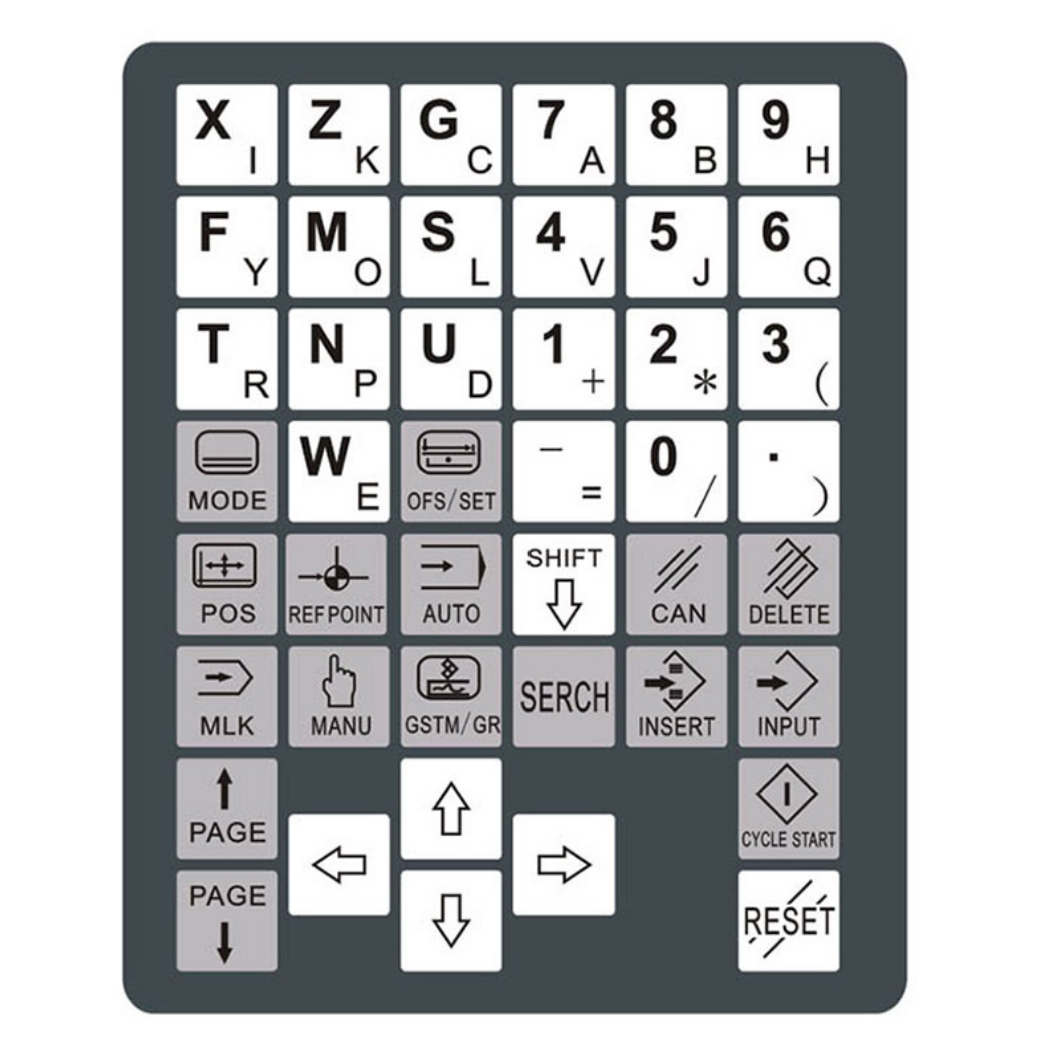
Industrial HMI Components Catalog
Standard & Custom Non-Tactile Control Assemblies
Manufactured under rigorous ISO 9001:2015 frameworks with high mechanical integrity, anti-corrosion barrier layers, and zero switch bouncing for high-duty cycling.
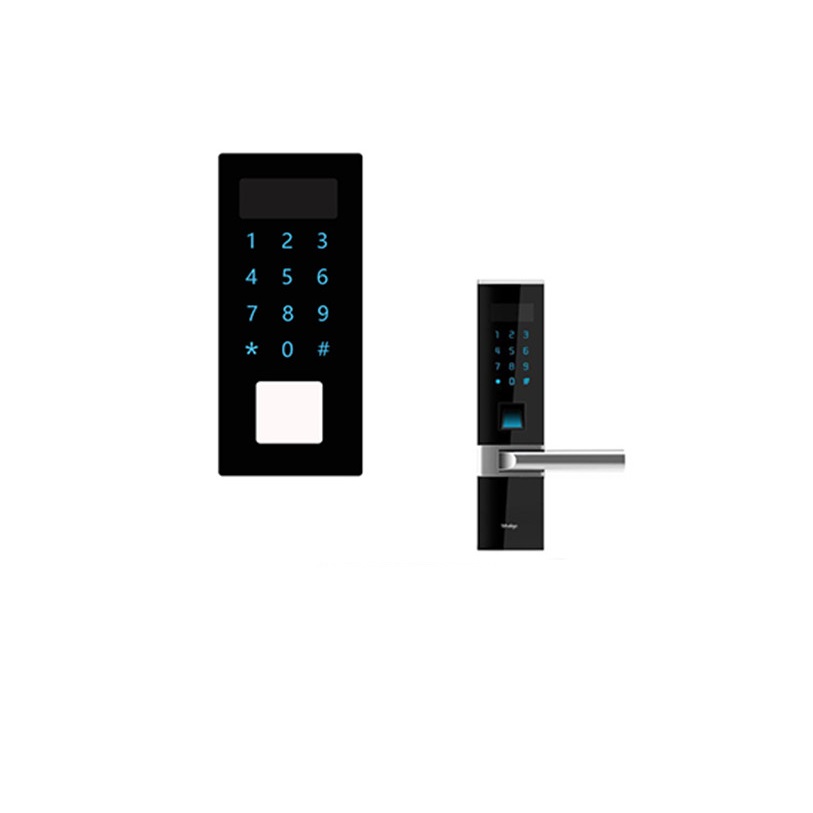
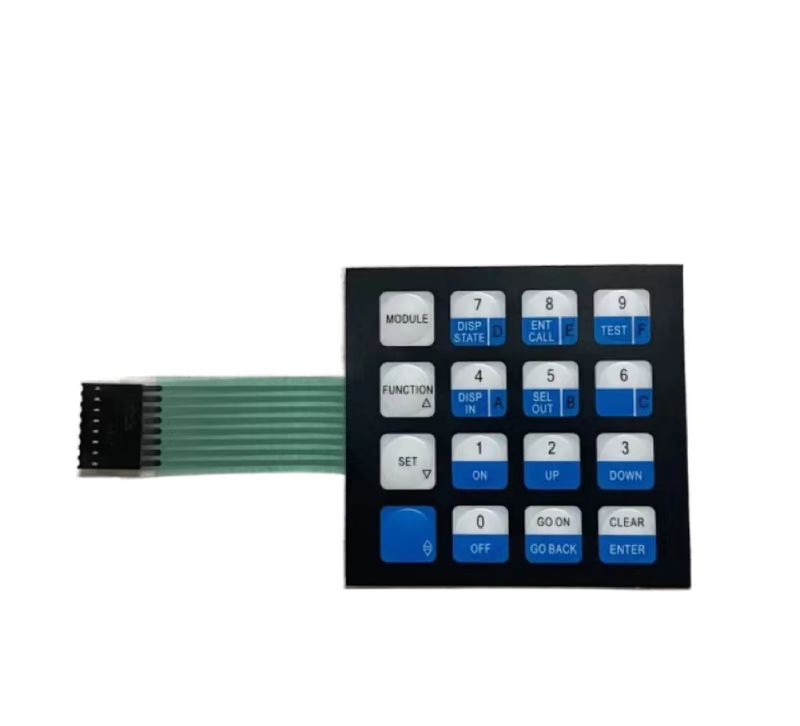
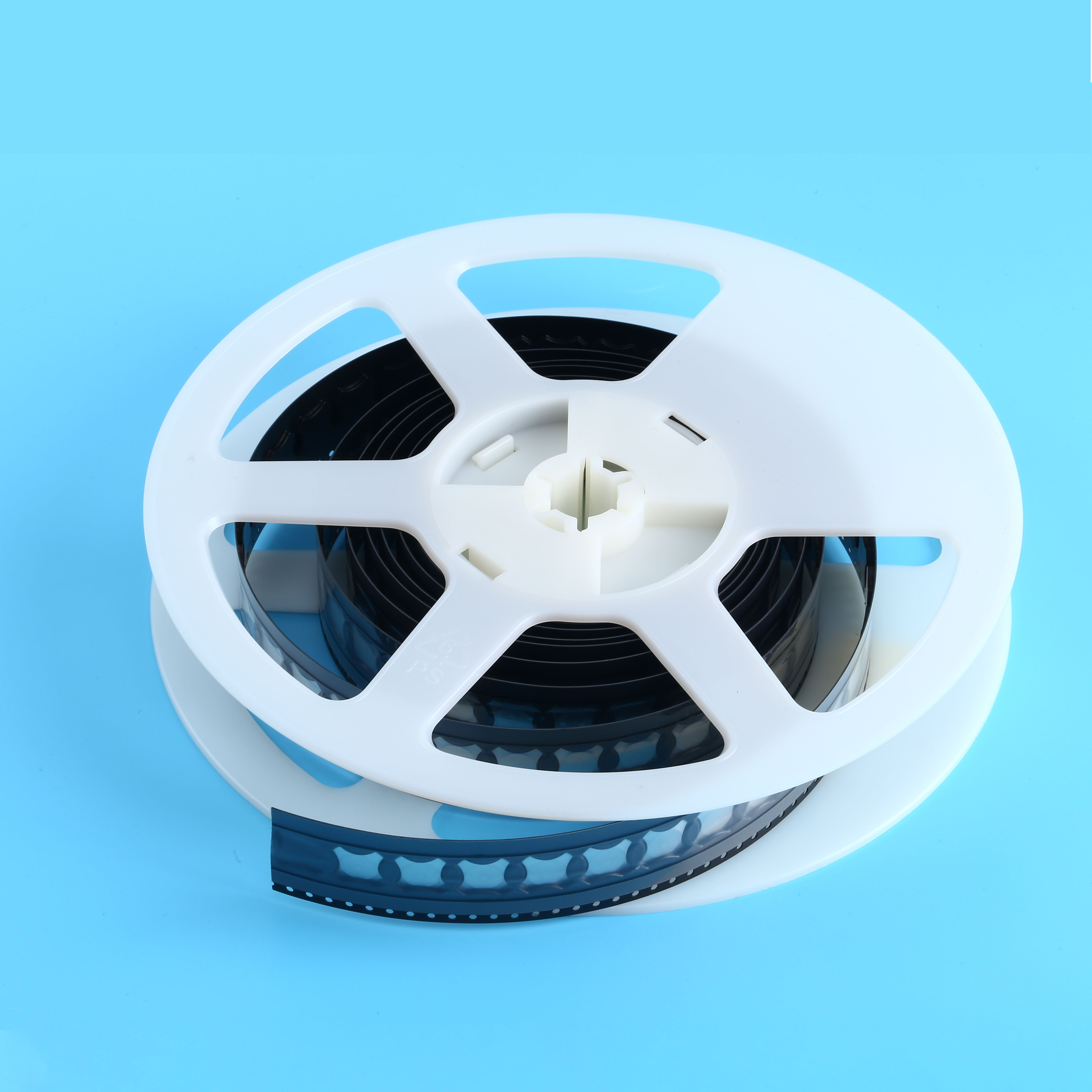
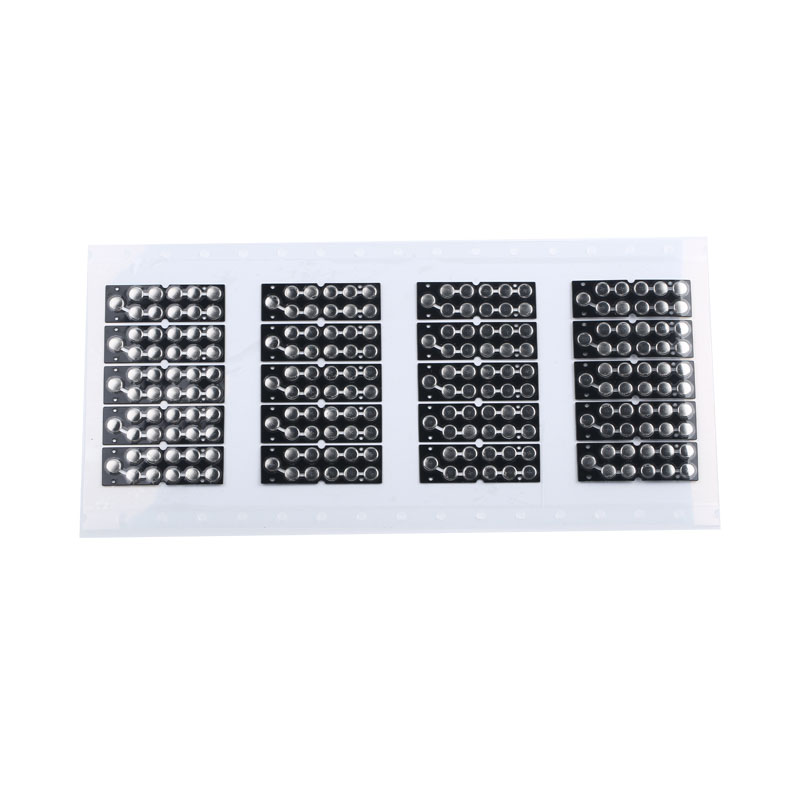
16+
Years Industrial Precision
2,600 m²
Class 1,000 Cleanroom Area
>5,000,000
Non-Tactile Actuations MTBF
IP67/IP68
Hermetic Enclosure Rating
Engineering Whitepaper Analysis
Why Non-Tactile Membrane Switches Dominate Marseille’s Industrial Landscape
A comprehensive examination of why heavy industry, naval engineering, and terminal management choose non-tactile switch matrices over standard tactile snap domes.
| Performance Criterion | Non-Tactile Membrane Keypads | Tactile Dome Switch Assemblies | Capacitive Touch Front Glass |
|---|---|---|---|
| Mechanical Wear & Fatigue | Exceeds 5,000,000 cycles (No metal snap fatigue) | Typically 1,000,000 to 2,000,000 cycles | Unlimited (Solid state, zero flexure) |
| Washdown & Hygiene Sterilization | 100% Flat; prevents particulate stagnation; resists bleach/alcohol | Embossed ridges can harbor microbial deposits | High chemical resistance, but prone to false actuation with saline water |
| Direct Actuation Force | 0.5 N to 1.5 N (Gentle contact closure) | 2.0 N to 5.0 N (Crisp tactile snap resistance) | 0 N (Electrostatic field disruption) |
| Environmental Salt-Spray (Marseille Port) | Hermetically encapsulated perimeter via 3M 467MP/468MP | Venting channels required for dome recovery can invite salt-fog | Vulnerable to dielectric surface bridges under heavy marine spray |
| Production Tooling Cost vs Scale | Minimal initial NRE; optimized for fast turnaround | Additional dies for dome placement arrays | High initial tooling and controller firmware programming |
Hermetic Seal Isolation
Unlike tactile configurations that require air venting channels between switch cavities to facilitate snap dome recovery, non-tactile architectures do not undergo voluminous displacement. The entire circumference can be completely sealed using aggressive 3M 200MP pressure-sensitive adhesive barriers, providing ingress protection against salt air, fine limestone dust, and solvent vapors.
Extended Cycle Life
Without the mechanical stress concentrations found in stamped metallic snap domes or polyester hydro-formed domes, non-tactile switch assemblies feature conductors printed directly on heat-stabilized polyester film (PET). Operating life cycles regularly exceed 5 million actuations without conductive flake migration, switch resistance degradation, or snap fracture.
Low-Profile Integration
Total stack-up thickness for a standard non-tactile keypad is often under 0.60 mm. This ultra-flat profile allows hardware designers to integrate custom control interfaces directly into cast aluminum, stainless steel, or polyurethane equipment enclosures without costly, deep milled pockets.
Local Ecosystem Focus
Critical Applications Across Marseille & The PACA Region
Marseille-Fos Port, the Étang de Berre petrochemical cluster, and the Sophia Antipolis technology corridor demand human-machine interfaces that survive extreme conditions.
Maritime & Port Terminal Logistical Cranes
Operating inside container handling terminals at the Grand Port Maritime de Marseille (GPMM), non-tactile switch assemblies are built into heavy spreader controls and cabin interface consoles. Sealed Autotex PET graphic foils withstand humid maritime atmospheres, diesel exhaust residues, and intensive 24/7 round-the-clock shift operation.
Petrochemical Refining & ATEX-Zoned Modules
In the industrial sectors of Fos-sur-Mer and Martigues, explosive vapors require intrinsically safe electrical architectures. Non-tactile keypads generate zero mechanical sparks, operate below 30V/100mA safe threshold parameters, and interface easily into hermetic flame-proof industrial electronics.
Public Transport Ticketing & Port Access Consoles
Public-facing hardware throughout RTM transit systems, ferry terminals, and secure customs access bays requires flat, cut-resistant front facings. Chemically bonded polycarbonate and hard-coated PET layers prevent knife vandalism while remaining completely impermeable to pressure-washing graffiti cleaning crews.
Strategic Sourcing Analysis
Emerging HMI Engineering Trends in Southern France
Key technological transformations steering B2B specification and procurement across Marseille-based equipment builders.
LGF Uniform Backlighting for Offshore Visibility
Naval shipbuilders and terminal equipment operators around the Mediterranean basin increasingly reject point-source LED hot spots. Ultra-thin Light Guide Film (LGF) layers direct light evenly through legends, maintaining NVG (Night Vision Goggle) compatibility and low power draw during nighttime vessel berthing.
Integration of Audio-Visual Feedback Loops
Because non-tactile switches do not provide a physical snap, European safety standards require explicit acknowledgment of input commands. Modern layouts combine micro-buzzer acoustic outputs and rapid dual-color LED status rings beneath transparent display windows to verify actuation instantly.
Hybrid Rigid-Flex (PCB/FPC) Circuit Layering
Procurement teams are transitioning from screened conductive silver inks to polyimide Flexible Printed Circuits (FPC) and FR4 backer boards. This hybrid approach allows active microcontrollers, transceivers, and I2C/RS485 communication chips to be soldered directly behind the flat membrane faceplate.
Procurement Due Diligence
Frequently Asked Questions by Marseille Sourcing Directors
Key technical, legal, and operational considerations when importing high-reliability membrane components from international manufacturing hubs.
How do non-tactile membrane keypads resist Mediterranean marine salt corrosion?
Salt-fog corrosion primarily attacks switch contact silver ink migration. We construct non-tactile assemblies using completely hermetic perimeter gaskets (utilizing 3M 467MP or 468MP acrylic adhesives) paired with carbon-paste overprinting across all silver conductor tracks. This ensures zero open-air exposure to salt-spray humidity.
Can non-tactile keypads comply with ATEX explosive atmosphere directives?
Yes. Non-tactile membrane switches are classified as "simple apparatus" under EN 60079-11 when designed without internal inductive or capacitive components. Operating below intrinsically safe circuit limits, they generate zero thermal or spark risks, making them suitable for petrochemical installations around Fos-sur-Mer.
What are the import tariff classifications and customs procedures at Marseille-Fos Port?
Industrial membrane switch assemblies typically fall under EU TARIC code 8537.10.98.00 (boards, panels, consoles, desks, cabinets and other bases for electric control). Our international trade documentation is fully compliant with French customs, providing EUR.1, CE certification dossiers, and RoHS/REACH SVHC declarations for smooth clearance.
How do operators register button input without physical snap-feel?
Operator confirmation is achieved through dual-state backlighting (green/red LED shift) directly behind the graphic layer or paired piezo-buzzer audio pulses. This flat arrangement is preferred in food processing, clinical labs, and petrochemical settings where physical switch crevices must be avoided.
What graphic materials prevent UV yellowing and sea mist degradation?
We specify outdoor-rated Autotex XE (UV-stabilized textured polyester) or Lexan HP92W polycarbonate. These materials undergo accelerated weathering tests equivalent to 5+ years of intense Southern French UV exposure without embrittlement, optical fading, or delamination.
What are prototype lead times and mass production minimums?
DFM engineering reviews are delivered within 24 hours. Functional prototypes are fabricated using precision digital laser plotting and CCD drilling within 5 to 7 business days. High-volume serial production runs from 100 to 100,000+ units on our automated roll-to-roll screen printing and lamination lines.
Enterprise Manufacturing Capabilities
Why International OEMs Partner with Cevra Electronic Technology
Founded in March 2009 in Dongguan, China, we operate 2,600 m² of specialized production space serving industrial equipment builders across Europe, North America, and global hubs.
ISO 9001:2015 & SGS Factory Verified
Every phase of our production—from incoming ink conductivity testing to automated CCD optical alignment—is monitored under certified quality management systems verified on-site by SGS Group.
End-to-End Vertical Manufacturing
Artwork drafting, precision silk-screen printing, Class 1,000 cleanroom lamination, automated laser contour cutting, and mechanical force testing are managed 100% in-house with zero subcontracting risk.
Advanced Environmental Test Lab
Our facility houses high-and-low temperature test chambers (-40°C to +85°C), electric pencil hardness testers, adhesive holding tack analyzers, and automated contact resistance cycle meters.
Rapid DFM & Engineering Support
Direct communication with seasoned HMI hardware engineers. We optimize your circuit layer stack-up, select exact 3M adhesive families, and route pinouts for fast delivery to Marseille and the broader EU market.
Global Trade Assurance & Export Security
Five-year verified Alibaba.com gold supplier standing, flexible payment terms, and air or sea freight arrangements to Marseille-Provence Airport (MRS) or Port de Marseille-Fos with reliable lead times.
Extensive Component Portfolio
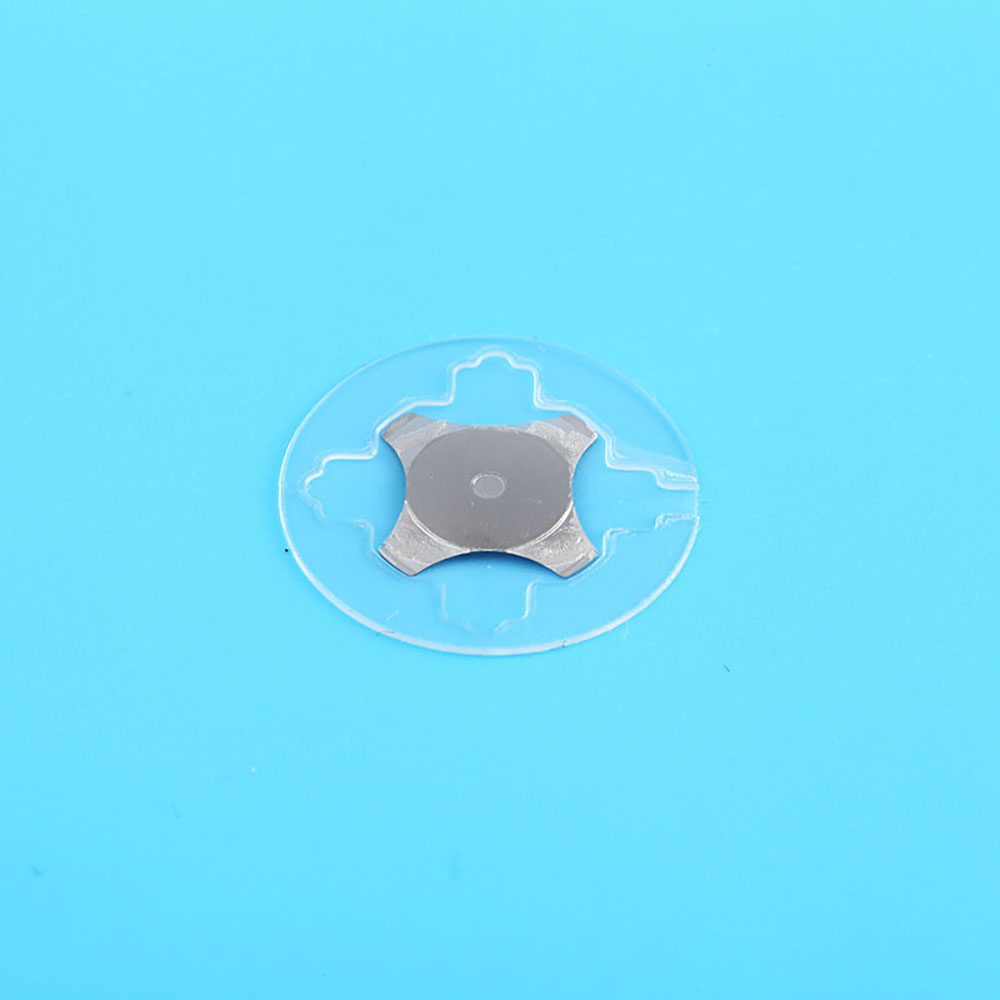
Beyond non-tactile switch matrices, our lines produce 4-leg metal snap domes, dome arrays, LGF assemblies, capacitive touch foils, PMMA front overlays, and precision die-cut gaskets.
Accelerate Your Next Industrial HMI Project
Send us your CAD, DXF, or AI drawings. Our team will review manufacturability, suggest optimal layer stack-ups, and deliver a detailed engineering quotation within 24 hours.
Get a Quote