Featured Light Guide & Tactile Membrane Keypads
Factory-verified HMI interfaces, tactile dome arrays, and ultra-thin backlighting stacks customized to rigorous industrial, automotive, and medical grade specifications.
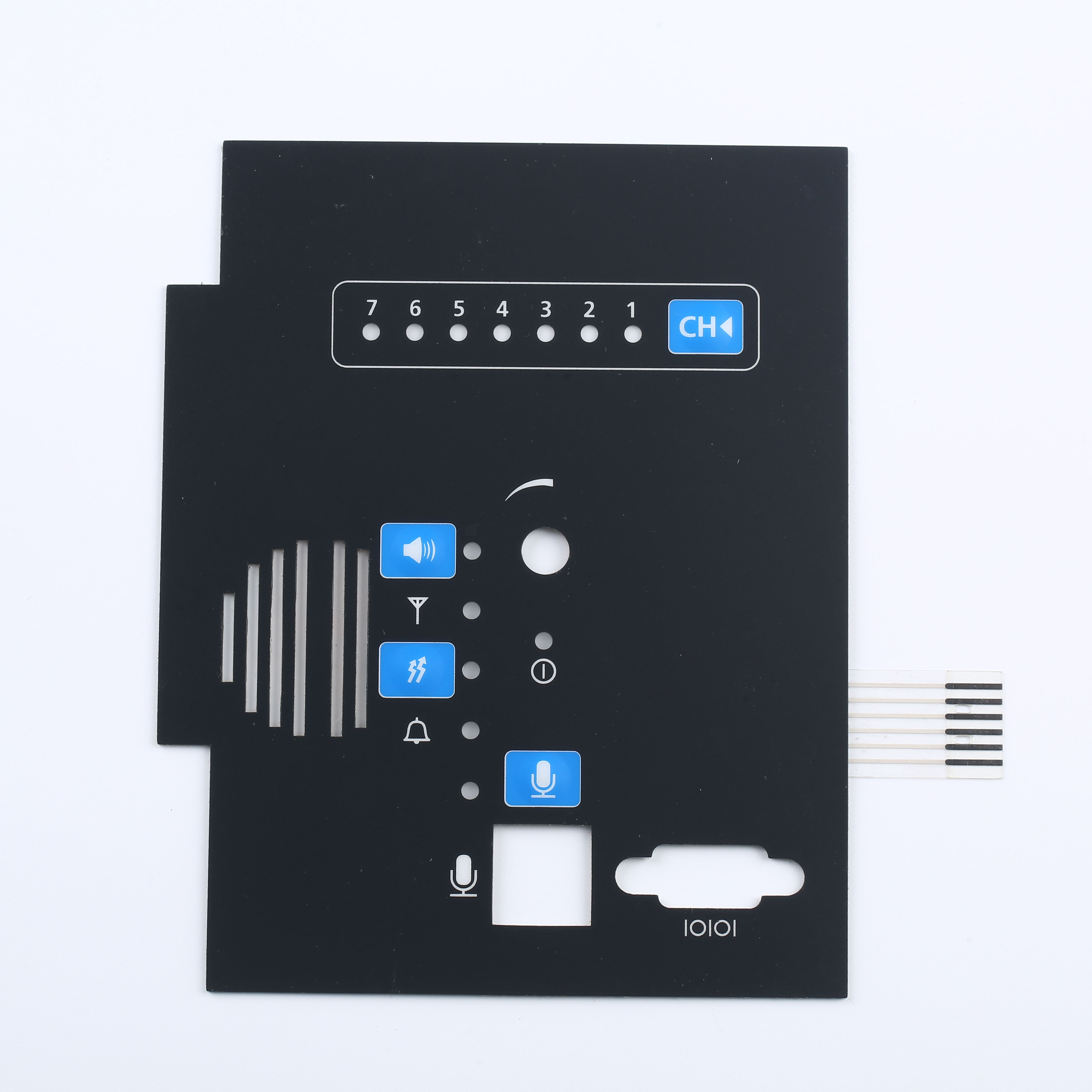
Polycarbonate Film Touch Switch Panel Screen Printing Process Electronic Product Instrument Display Membrane Switch
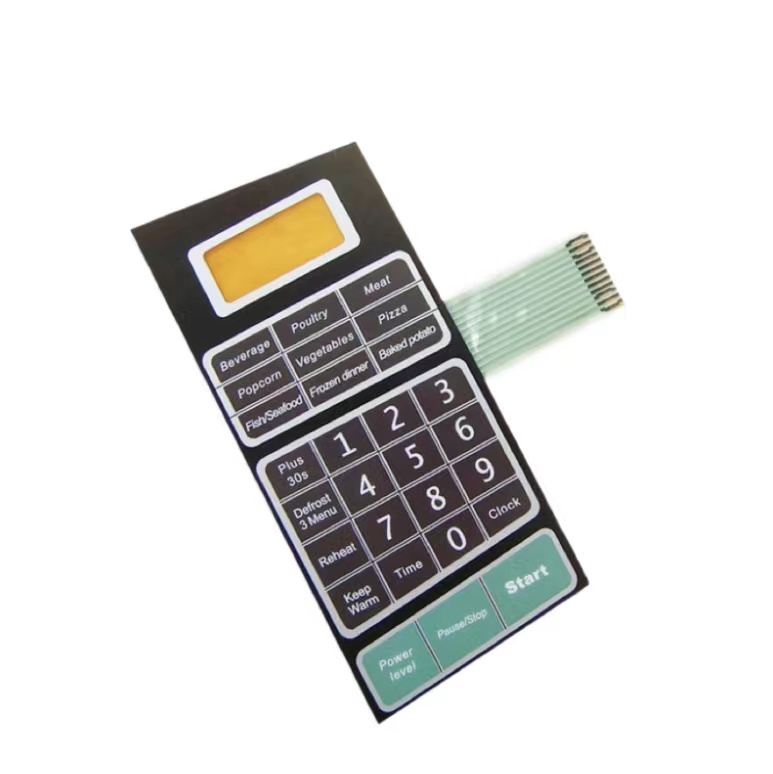
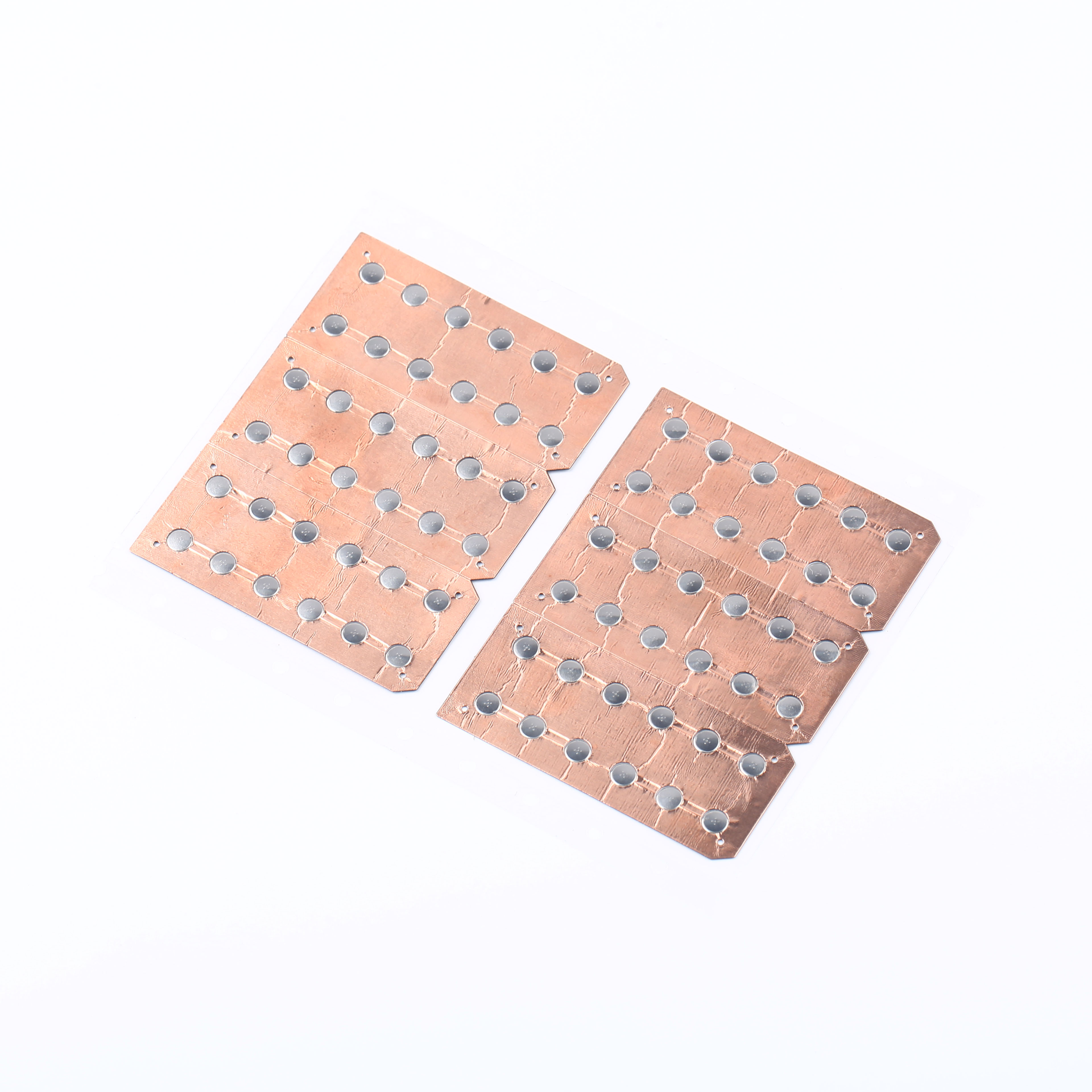
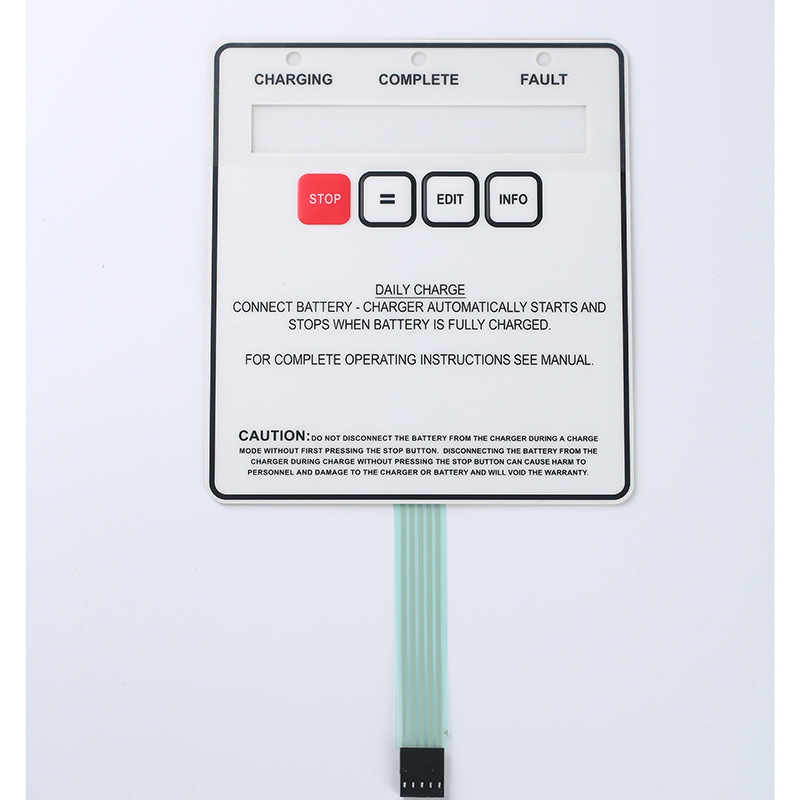
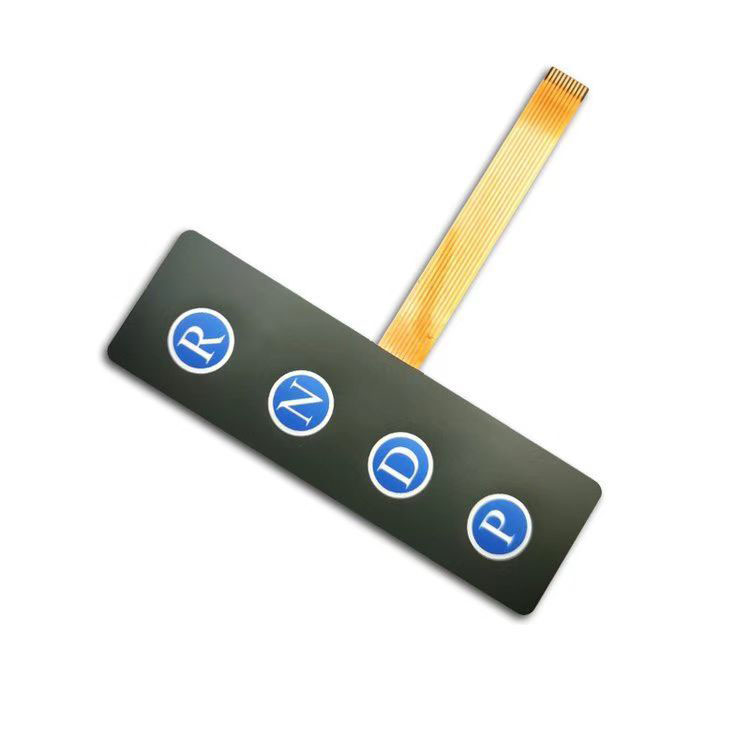
Embossing Diy Backlit 3 4 5 Button Touch Controller Membrane Switch Keypad Repair
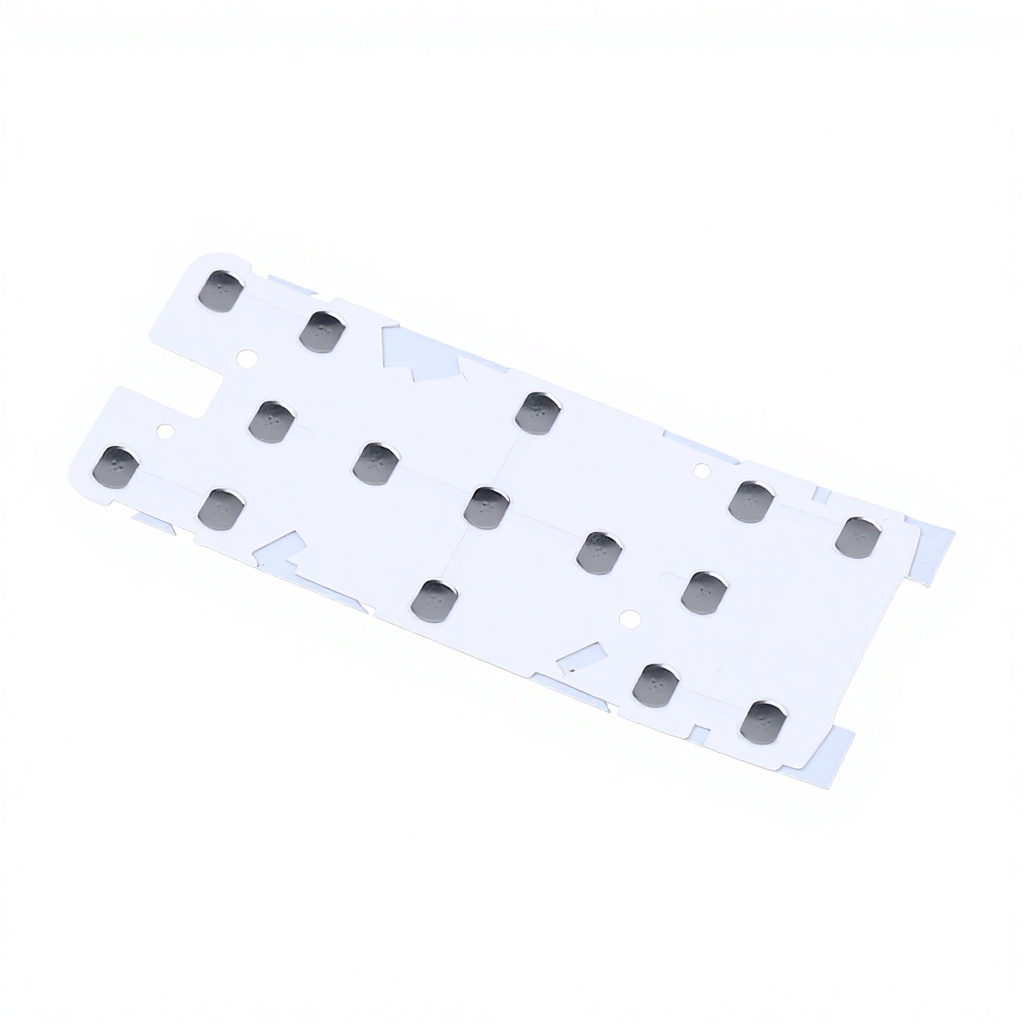
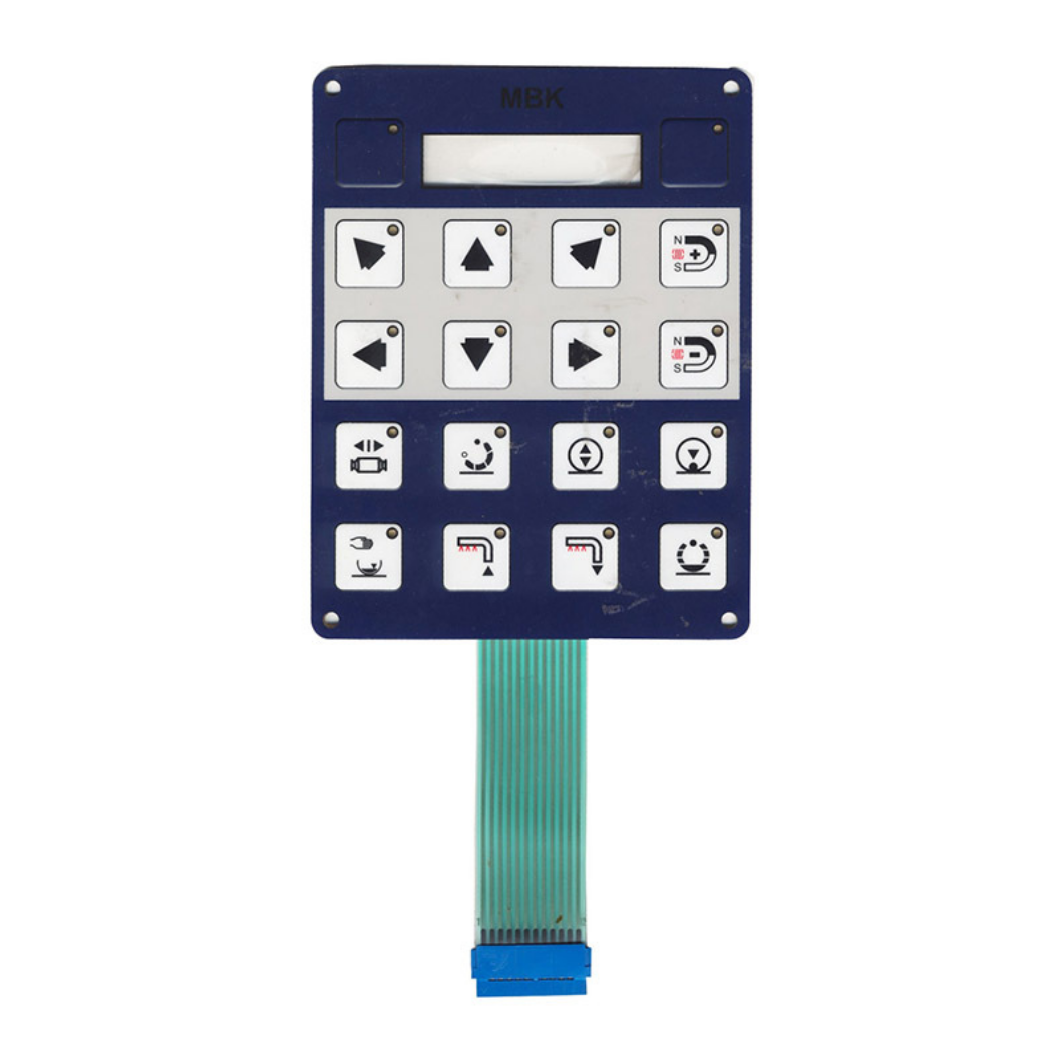
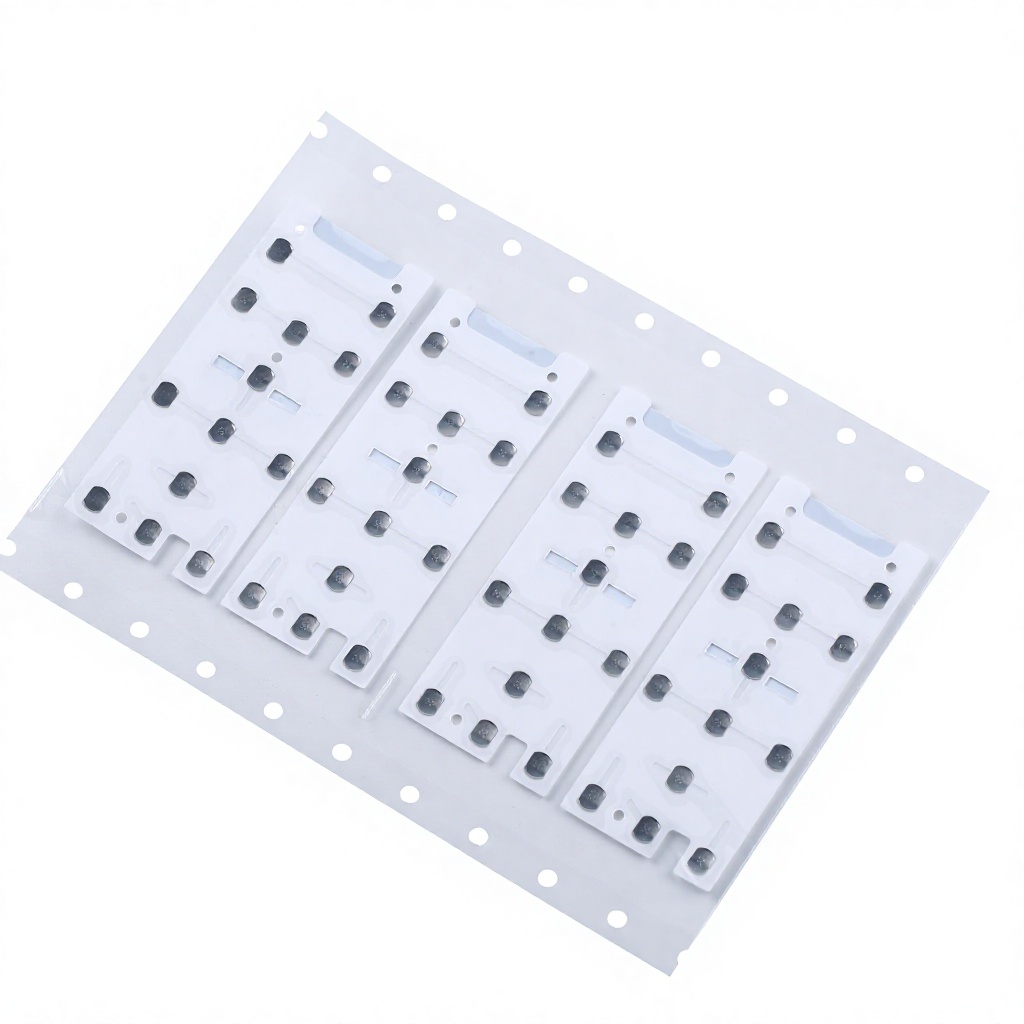
The Engineering Anatomy of Light Guide Film (LGF) Membrane Switches
As industrial automation, electronic medical instrumentation, and defense telecommunications evolve within Pristina and the wider Western Balkan technological corridor, the demand for compact, ultra-reliable Human-Machine Interfaces (HMI) has shifted permanently toward Light Guide Film (LGF) Membrane Switches. Conventional backlighting approaches—such as bulky point-source surface-mount LEDs beneath elastomeric keycaps, fragile Electroluminescent (EL) foils with high-frequency alternating current requirements, or labor-intensive fiber-optic bundles—suffer from rapid luminance degradation, electromagnetic interference (EMI), high parasitic power drain, and pronounced optical hot-spotting.
An LGF membrane switch resolves these mechanical and photonic constraints by leveraging an ultra-thin optical-grade polycarbonate (PC) or polymethyl methacrylate (PMMA) light-guiding layer, ranging from 0.125 mm to 0.25 mm in thickness. Side-firing bi-color or RGB micro-LEDs (typically 0603 or 0402 packages) are positioned along the peripheral edges of the LGF film within precision die-cut pockets. Photons enter through the polished edge faces and propagate via Total Internal Reflection (TIR). At targeted tactile actuation zones, high-precision micro-replication dots or specialized optical extraction ink patterns disrupt the internal critical angle, scattering light perpendicular to the plane and projecting crisp, perfectly uniform illumination through graphic legends.
Optical Stack-up Architecture & Layer Stratification
The construction of a mission-critical LGF membrane switch manufactured for severe Balkan climatic environments comprises seven to nine distinct engineered strata:
| Layer Sequence | Component Layer | Material Specification | Functional Contribution |
|---|---|---|---|
| Layer 1 | Graphic Overlay | Autotex XE PET / Lexan 8010 PC (0.125mm - 0.188mm) | Sub-surface screen-printed legends, chemical barrier, anti-glare finish |
| Layer 2 | Overlay Adhesive | 3M 467MP / 200MP High-Performance Acrylic | Permanent shear resistance, hermetic bonding against solvent ingress |
| Layer 3 | Light Guide Film (LGF) | Optical Grade PC / PMMA (0.125mm - 0.200mm) | Lateral photon propagation, micro-dot diffusion pattern for uniform lux |
| Layer 4 | Upper Circuit / Spacer | Toray Lumirror PET + Silver Conductive Paste | Defines dome cavities, houses side-emitting 0402/0603 edge LEDs |
| Layer 5 | Tactile Snap Domes | SUS301 Stainless Steel (Nickel/Gold Plated) | Delivers crisp tactile feedback (250g - 450g), completes mechanical closure |
| Layer 6 | Lower Circuit Layer | Flex Printed Circuit (FPC) or Silver-Printed PET | Traces route signals and low-voltage DC drive to FPC tail connector |
| Layer 7 | Rear Mounting Adhesive | 3M 9472LE / 300LSE Low Surface Energy Tape | Anchors assembly to cast aluminum, steel, or ABS host enclosures |
By confining the lighting propagation strictly within a sub-millimeter horizon, the total stack profile remains remarkably slim—often under 1.2 mm including tactile snap domes. This presents hardware engineers in Pristina with significant physical volume savings inside handheld diagnostic consoles, outdoor smart-grid metering units, and rugged avionics panels.
Top 10 Light Guide Membrane Switch Manufacturers & Suppliers Serving Pristina
A detailed capability assessment of tier-1 global manufacturers and verified regional systems integrators supporting Pristina's high-tech industrial base.
Dongguan Cevra Electronic Technology Co., Ltd.
Balkan HMI Solutions Sh.p.k.
Kosova Precision Electronics Group
EuroTouch Interface Systems GmbH
Adriatic Sensoric Devices d.o.o.
Dardanian MicroSystems
Illyria Controls & Membrane Tech
Hellenic Tactile Solutions S.A.
Central European Switchworks Sp. z o.o.
Pristina Automation & Panel Supply
Comparative Engineering Benchmark: LGF vs. Competing Backlighting Methods
When selecting backlighting methods for mission-critical interfaces deployed in Kosovo's harsh thermal cycles (ranging from continental sub-zero winter temperatures of -20°C to intense summer peaks of +38°C), engineers must carefully weigh luminous efficacy, envelope thickness, and long-term mean time between failures (MTBF):
| Evaluation Parameter | Light Guide Film (LGF) Switch | Discrete Surface-Mount LEDs | Electroluminescent (EL) Foil | Fiber Optic Woven Panel |
|---|---|---|---|---|
| Typical Thickness | 0.125 mm – 0.250 mm | 1.20 mm – 2.50 mm (Requires cavities) | 0.20 mm – 0.30 mm | 0.35 mm – 0.60 mm |
| Luminance Uniformity | 90% – 95% (Laser/chemical micro-dots) | Poor (Hot spots above LED positions) | 95% (Highly uniform initial state) | 80% – 85% (Gradual drop across bundle) |
| Power Consumption | Ultra-Low (2-4 micro edge LEDs) | High (Requires array of 12-30 LEDs) | Medium (Requires high-voltage inverter) | Low-Medium (1-2 high-power LEDs) |
| Half-Life (Luminance) | 50,000 – 100,000 Hours (LED life) | 50,000 – 100,000 Hours | 3,000 – 8,000 Hours (Severe decay) | 20,000 – 40,000 Hours |
| EMI / RFI Generation | Zero (Direct low-voltage DC drive) | Zero (Low-voltage DC drive) | Substantial (AC inverter noise, 400Hz) | Zero (Passive light conduction) |
| Tactile Actuation Feel | Crisp (Domes sit unimpeded below film) | Variable (Spacers impede travel) | Good (Thin foil overlay) | Stiff / Spongy (Fiber dampens snap) |
| Balkan Ambient Stability | Excellent (-40°C to +85°C rated) | Good (Solder joints must be vented) | Poor (Moisture causes phosphors blacking) | Moderate (Fibers embrittle in freezing) |
Industrial Application Scenarios Across Pristina & Kosovo
How advanced tactile LGF membrane interfaces are integrated across high-reliability sectors within the emerging Western Balkan industrial corridor.
KOSTT Grid Substation Monitoring & SCADA Consoles
Kosovo's extensive electric transmission grid modernisation overseen by KOSTT requires control room consoles and remote terminal unit (RTU) keypads capable of round-the-clock visibility in dark utility shelters. LGF switches provide crisp, low-power legibility without disturbing night vision, shielded against high-voltage EMI surges common in electrical switchyards.
Clinical & Diagnostic Devices at UCCK Pristina
In medical intensive care units and laboratories at the University Clinical Center of Kosovo (UCCK), medical equipment interfaces must endure routine sterilization with aggressive hospital-grade wipes (isopropyl alcohol, sodium hypochlorite). Continuous polyester graphic overlays bonded with 3M 467MP adhesive seal out fluid ingress to IP67 standards, while sealed LGF backlighting provides clear status visibility.
Commercial Food & Beverage Processing in Peja/Pristina
From beverage bottling lines to dairy processing facilities across the Pristina-Peja industrial artery, machinery operators regularly hose down control panels with high-temperature washdowns. Embossed LGF keypads with stainless steel SUS301 snap domes deliver tactile tactile feedback through thick industrial rubber gloves while preventing moisture infiltration.
Agricultural IoT & Telematics Harvesters
Kosovo's agricultural technology revival relies on ruggedized cabin controllers and field sensor transceivers. Operating under direct solar irradiance and extreme dust conditions, our UV-resistant Autotex XE polyester overlays prevent surface yellowing and micro-cracking, maintaining optical clarity of the light guide channels across multi-year field cycles.
Defense & Tactical Handheld Communications
Security and tactical telecommunications gear operated across Balkan security entities require silent or tactile positive actuation, zero thermal signature, and minimal light footprint. Custom LGF switches enable multi-zone dimming and selective color-shifting (e.g., green to covert red) with zero parasitic RF emissions, crucial for radio reliability.
District Heating & HVAC Management Systems
Pristina’s Termokos district heating network and municipal commercial complexes employ automated heat-exchange substations. Wall-mounted boiler controllers utilize slim LGF panels that operate flawlessly in humid, vibrating boiler rooms, resisting temperature shifts and mechanical fatigue over more than one million actuations.
Balkan Sourcing Trends: Direct-to-Factory Procurement Models
Historically, procurement directors in Pristina and neighboring Western Balkan capitals (Skopje, Tirana, Podgorica) secured human-machine interface assemblies through multiple layers of European trading middlemen or distributors based in Austria, Italy, or Germany. However, current supply chain dynamics reveal two major shifts:
- Elimination of the "Broker Markup": Regional hardware creators face global competition. Sourcing membrane panels through European resellers typically adds a 35% to 65% markup on unit prices and inflates non-recurring tooling fees. Modern engineering procurement teams in Pristina now deal directly with certified manufacturers like Dongguan Cevra Electronic Technology Co., Ltd., gaining immediate access to factory floor engineers and unbundled tooling costs.
- Transition from Rigid Touchscreens to Hybrid Tactile LGF Panels: While capacitive glass touchscreens are common in consumer gadgets, industrial designers across Kosovo have encountered high failure rates in rugged field scenarios due to accidental water droplet activation, glove incompatibility, and glass shatter hazards. Hybrid LGF membrane switches provide the modern aesthetic of backlighting paired with the failsafe physical click of a stainless steel snap dome.
- Rapid Air Freight to Pristina International Airport (PRN): Streamlined air routes between Shenzhen/Guangzhou cargo hubs and Pristina via Istanbul or Vienna reduce door-to-door transit times to 4–6 business days, making factory-direct prototyping batches and production runs faster than traditional domestic European freight schedules.
Dongguan Cevra Electronic Technology Co., Ltd.
Established in March 2009 in Dongguan, China—the epicenter of precision electronics manufacturing—Cevra has spent over 16 years perfecting the design, tooling, and mass fabrication of custom membrane switches, metal snap dome sheets, and light guide assemblies.
Operates under rigorous ISO 9001 quality management systems. Our factory premises and production lines are verified onsite by SGS Group, providing traceable material lot control.
From silkscreen printing and CCD precision optical alignment drilling to automated laser cutting, lamination, and dome sorting—every fabrication step remains under our strict internal supervision.
Every production batch undergoes computerized dome load/force curve profiling, peel tension testing, environmental high/low thermal cycling, adhesive holding tack checks, and pencil hardness verification.
We support early-stage European R&D teams with prototype orders starting at just 10 pieces for graphic overlays, rapid turnaround on DFM drawings within 24 hours, and complete OEM/ODM engineering support.
Frequently Asked Questions for Balkan Engineers & Buyers
Key technical and logistical clarifications addressing local procurement regulations, customs, and design specifications.
What engineering documentation is required to initiate an LGF membrane switch quote for Pristina delivery?
To produce an exact manufacturability assessment and quotation, our engineering department requires: (1) Vector artwork in Adobe Illustrator (.AI), CorelDraw (.CDR), or PDF format specifying Pantone/RAL color codes and embossed button borders; (2) Mechanical dimensional drawings in DXF, DWG, or STEP format depicting overall envelope dimensions, cutouts, and tail layout; (3) Schematic or pinout chart for switch matrices, LED polarity, and connector pitch (standard 1.0mm, 1.27mm, or 2.54mm ZIF/crimp); and (4) Desired tactile actuation force (typically 280g to 350g) and target annual volume.
How does Cevra ensure uniform light distribution across multi-key LGF panels without hot spots?
Uniformity is achieved through computerized optical simulation and micro-dot density gradation. Close to the side-firing micro LEDs, the extraction dots are microscopic and spaced widely to prevent excessive light loss. As distance from the optical source increases, the dot diameters and packing density increase proportionally, forcing consistent perpendicular light extraction. Our optical testing ensures a luminance uniformity index exceeding 85% to 90% across the entire active graphic surface.
What is the difference between choosing a Polycarbonate (PC) and Polyester (PET) overlay for local equipment?
Polycarbonate (e.g., Sabic Lexan 8010) offers high flame resistance (UL94 V-0 options), ease of deep embossing, and high optical clarity for display windows. However, for industrial switches subjected to repetitive actuation, Polyester (e.g., MacDermid Autotex XE) provides superior mechanical flex life (over 5 million switch cycles without fatigue cracking) and chemical resistance to industrial cleaning solvents, oils, and environmental chemicals prevalent in Pristina's manufacturing and clinical sectors.
What customs tariffs, import documents, and certifications apply when importing into Kosovo?
Industrial electronic components such as membrane switches entering Kosovo typically fall under HS Code 8537.10 or 8536.50. Cevra provides full commercial invoicing, packing lists, EUR.1 / Certificate of Origin documentation, and CE/RoHS/REACH chemical compliance certificates required by Kosovo Customs (Dogana e Kosovës) at Pristina International Airport or overland clearance customs depots.
Can LGF membrane switches operate reliably in unheated outdoor facilities during Kosovo's freezing winters?
Yes. By pairing Autotex XE polyester graphic overlays with optical-grade silicone or specialized polycarbonate light guides and extreme-temperature 3M adhesives (such as 3M 9472LE or 468MP), our switches operate reliably within a thermal range of -40°C to +85°C. Stainless steel SUS301 snap domes maintain tactile trip snap and return force without embrittlement or contact chatter in sub-zero Balkan winter conditions.
What are the standard lead times for prototypes versus full production batches shipped to Pristina?
Engineering DFM reviews are returned within 24 hours. Once artwork proofs and stack-up drawings are formally signed off, prototype batches (10 to 50 pcs) are fabricated in our Dongguan facility in 10 to 14 business days. Mass production tooling and volume runs (500 to 50,000+ pcs) require 15 to 20 working days. Shipments via express air couriers (DHL, FedEx, UPS) arrive directly at your Pristina facility in 4 to 6 business days.
What metal snap dome profiles are available, and how is tactile snap degradation prevented?
We manufacture 4-leg cross domes, round domes, and triangular snap domes ranging from 6.0mm to 20mm in diameter, with actuation forces from 180g to 500g. We utilize genuine SUS301 high-yield stainless steel with selective nickel or gold contact plating. Each production lot is verified on our automated dome load tester across 1,000,000 cycles, verifying that tactile ratio retention remains within 15% of the original nominal trip force.
Can backlighting be compartmentalized so individual keys light up independently?
Yes. Utilizing internal opaque light-blocking barrier masks and die-cut optical isolation channels inside the spacer and LGF strata, we can fully compartmentalize illumination zones. This allows individual status annunciators, emergency stop halos, or directional keys to illuminate independently with zero optical bleed into adjacent key legends or display windows.