Engineered Interface Catalog
Precision-Engineered Switch & Dome Assemblies
Custom OEM/ODM configurations built to stringent ISO 9001 operating tolerances, featuring custom tactile responses, robust environmental seals, and advanced illumination stack-ups.
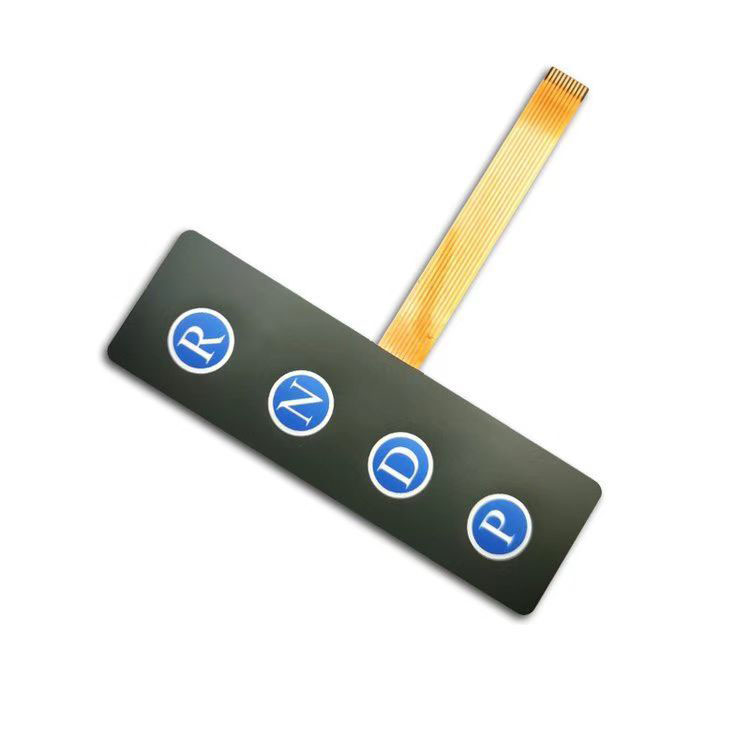
Embossing Diy Backlit 3 4 5 Button Touch Controller Membrane Switch Keypad Repair
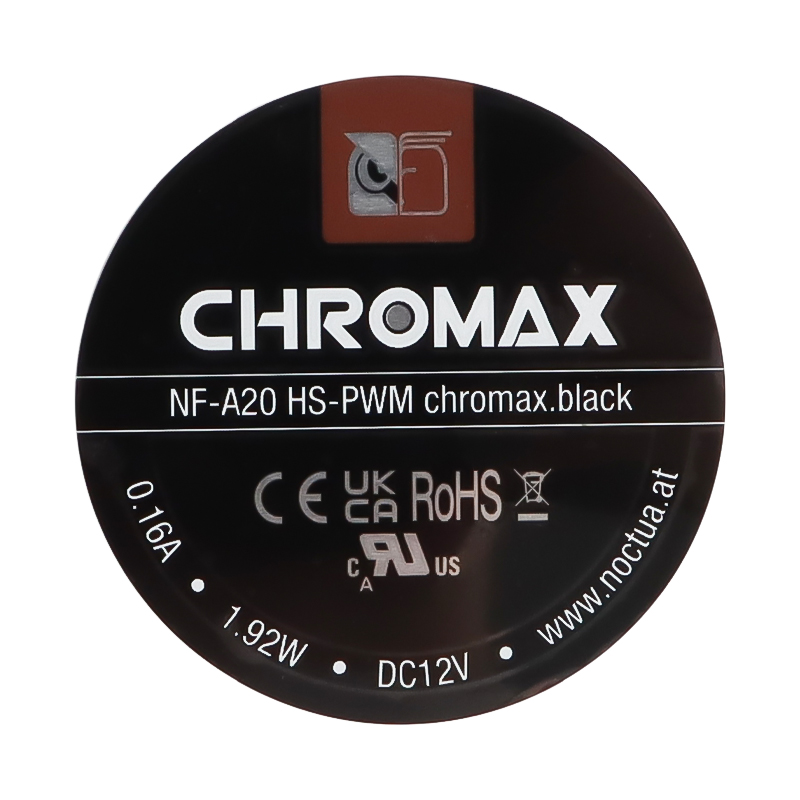
High Quality Customized Logo Stainless Steel Aluminum Metal Crafts Nameplate Round Number Model Laser Engraving
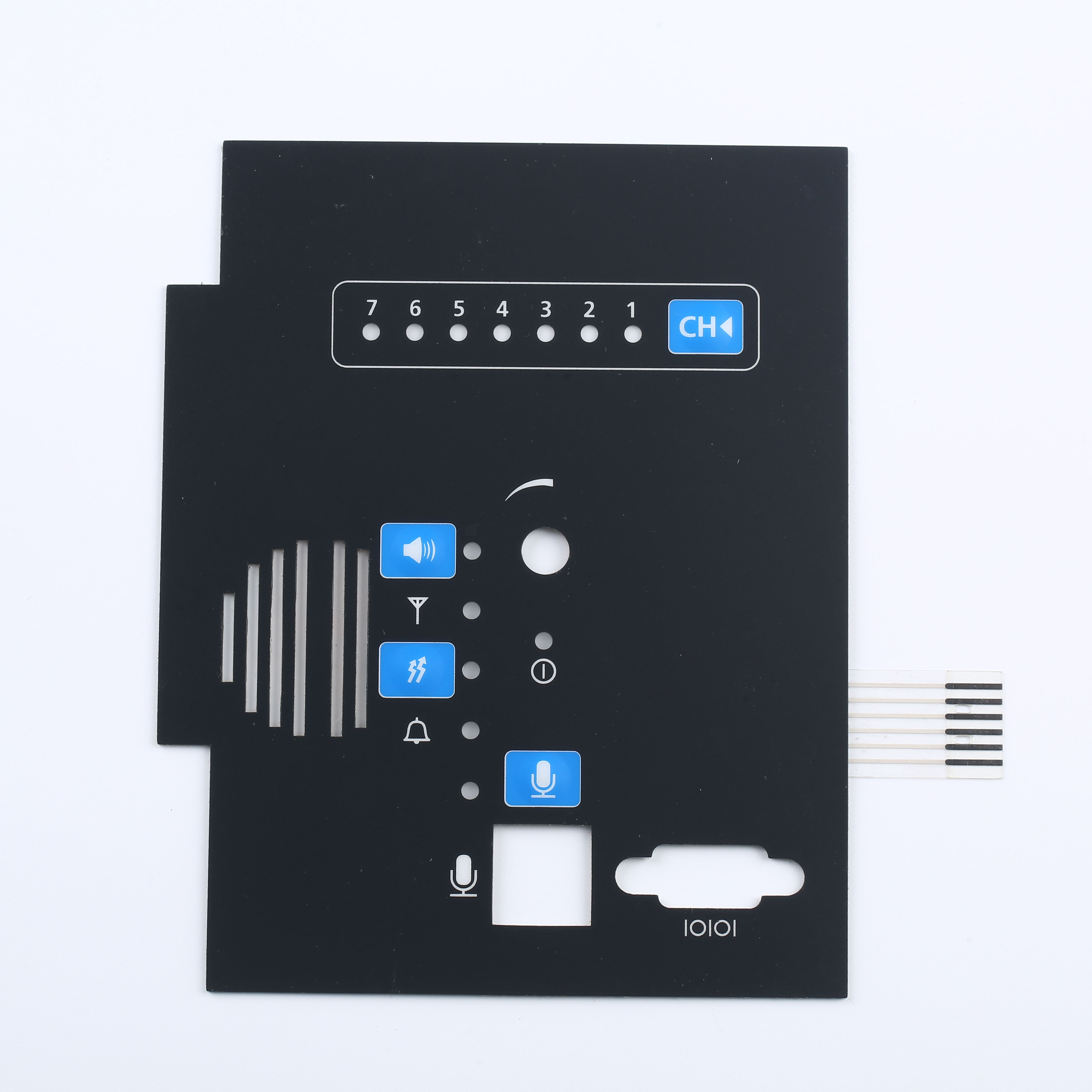
Polycarbonate Film Touch Switch Panel Screen Printing Process Electronic Product Instrument Display
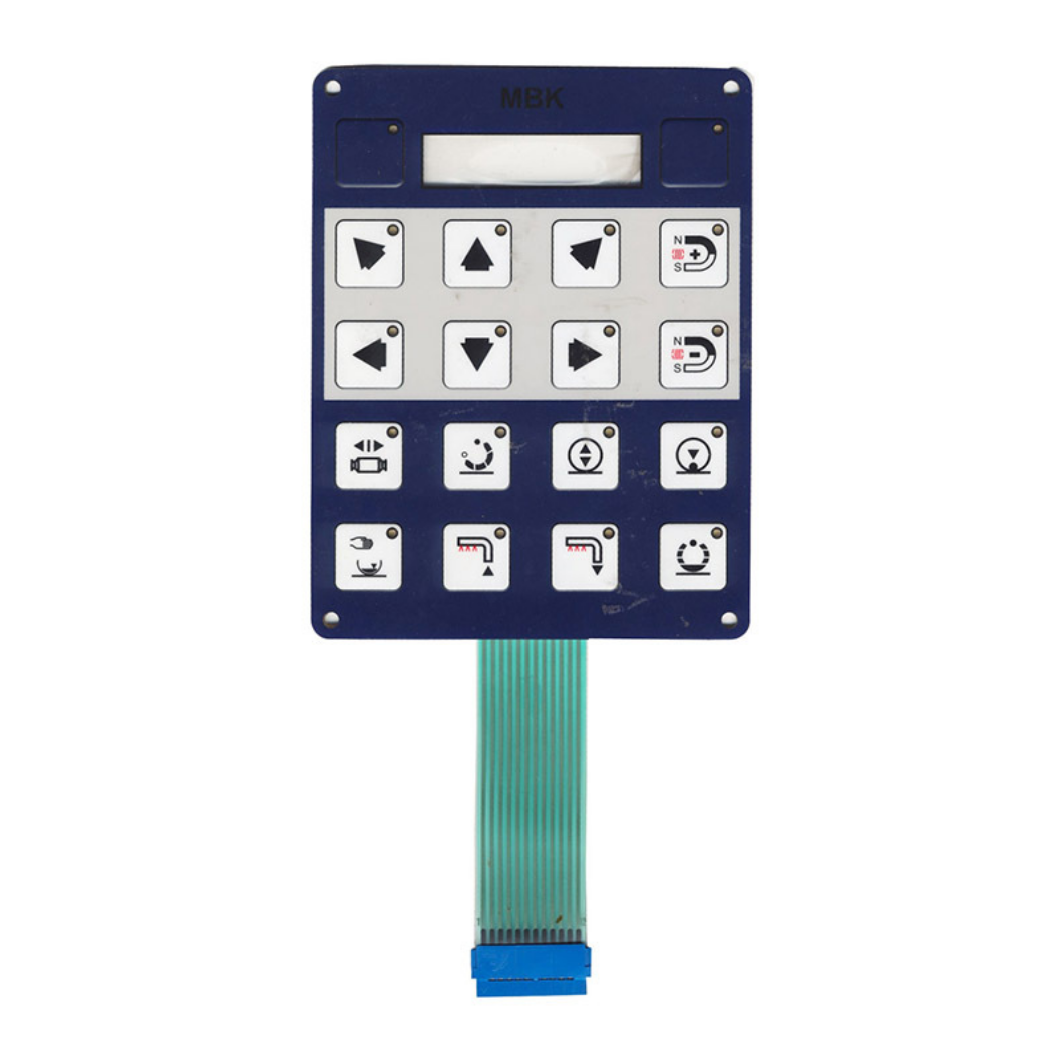
Price 1 Row 4 Key Custom Made One Button Quality Golden Supplier Keyboard Membrane Switch
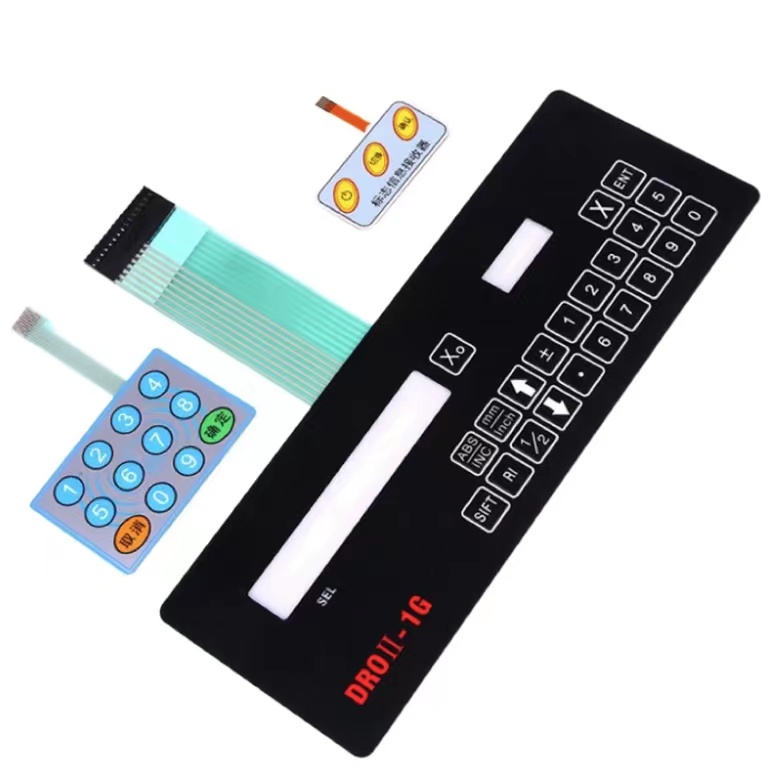
Factory Direct Graphic Overlay Custom Membrane Keyboard Switch Membrane Switch
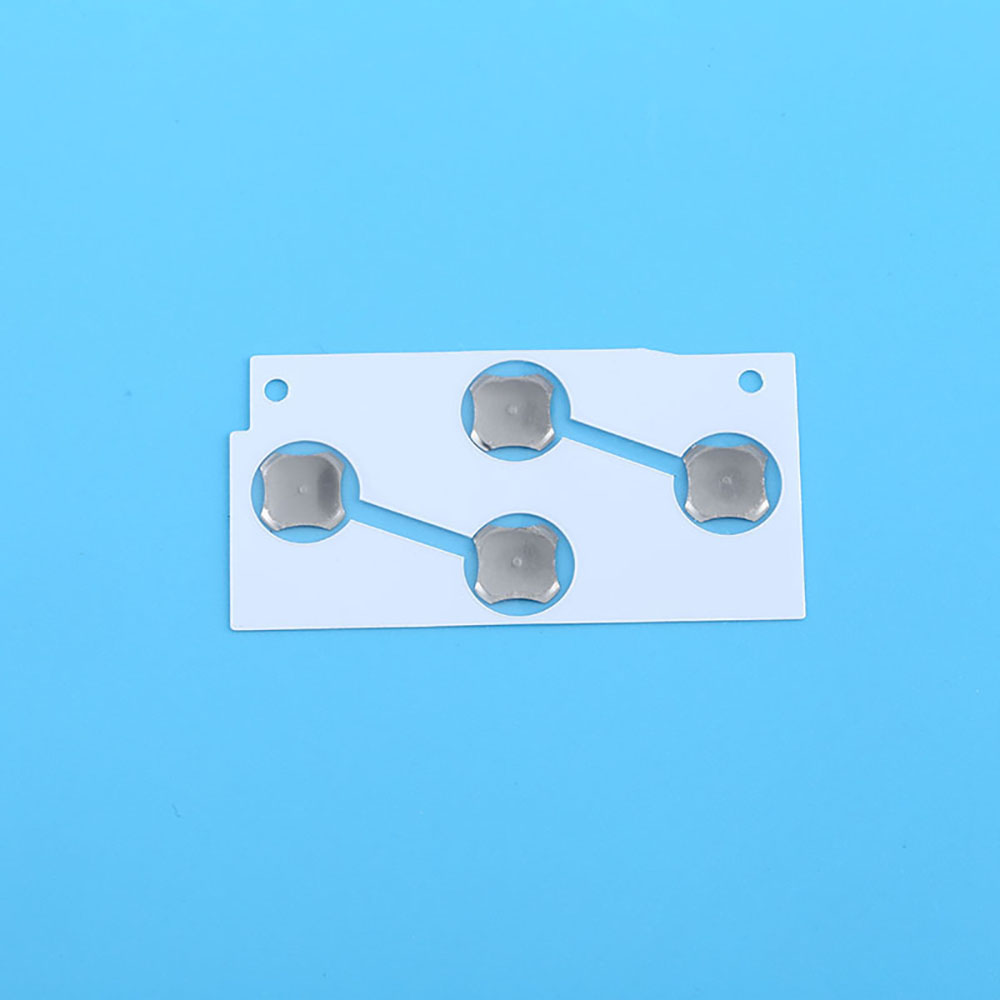
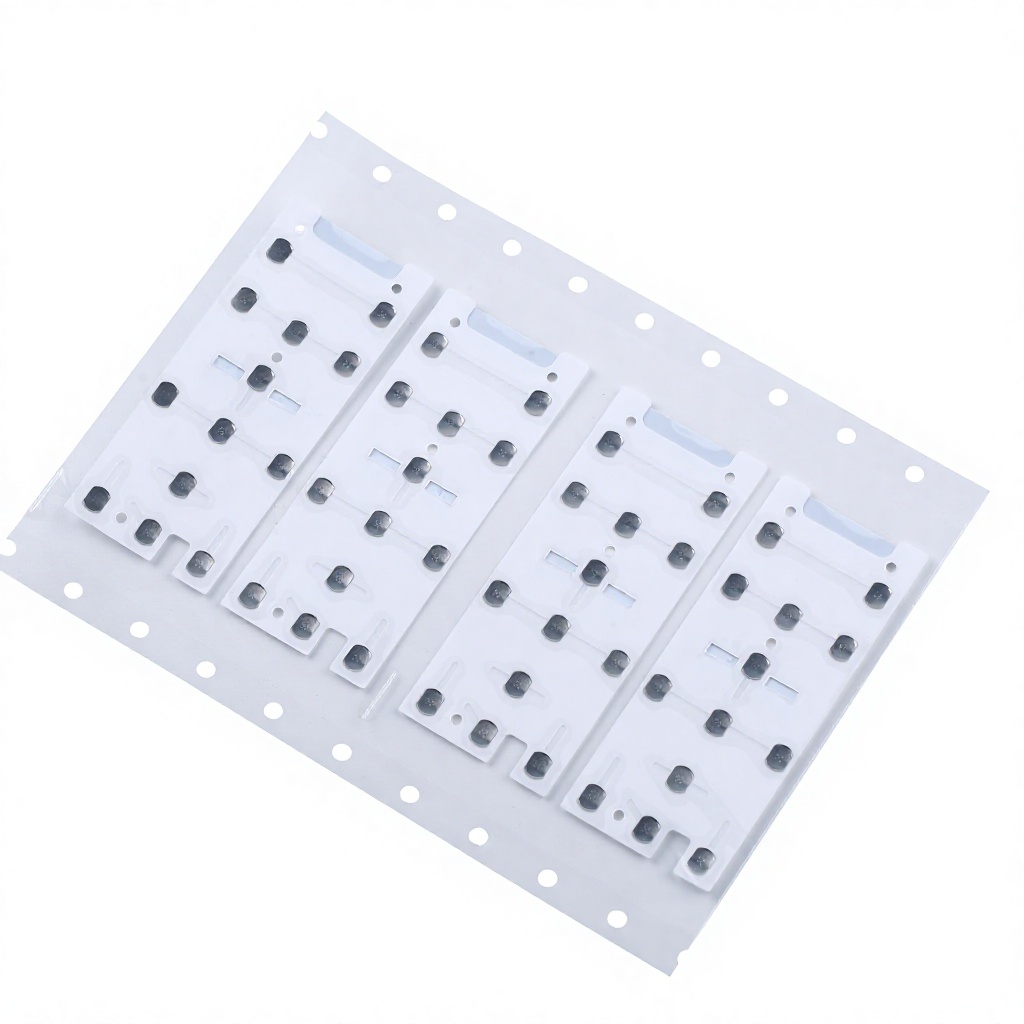
Customized Metal Dome Array Industrial Tactile Feedback Assembly
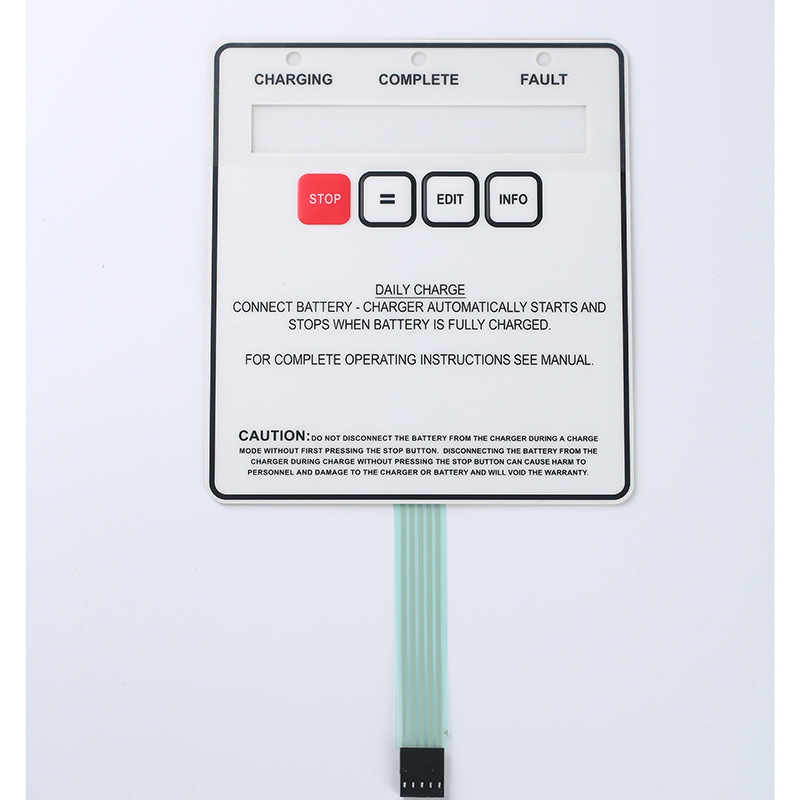
Waterproof and Dustproof Membrane Control Panel in Medical Equipment Medical Membrane Switch
16+
Years Engineering (Since 2009)
2,600㎡
In-House Production Floor
100%
CCD & Load Cycle Tested
#5
Alibaba Global Keypad Rank
Balzers Industrial HMI Landscape: Precision Thin-Film Integration
Balzers, renowned globally as a pioneer in thin-film coating technologies, high-vacuum engineering, and specialized optoelectronics, imposes extraordinary demands on Human-Machine Interfaces (HMIs). When instrumentation operates within environments requiring cleanroom standard compliance, high-vacuum chambers, and intensive optical monitoring, traditional mechanical switches introduce particulate contamination risks, outgassing liabilities, and inadequate protection against corrosive chemical splashes.
Modern backlit membrane switches serve as the vital operational bridge across industrial control clusters in the Rhine Valley. Modern high-vacuum deposition systems and optical metrology consoles demand flat, hermetically sealed control interfaces that seamlessly merge zero-dead-zone cleanability with high-contrast night/darkroom legibility. By layering precision-molded Light Guide Films (LGF), localized surface-mount LEDs, and chemically inert polyester (PET) or polycarbonate (PC) graphic substrates, contemporary membrane switches guarantee absolute ingress resistance up to IP67 ratings without sacrificing crisp tactile click feedback.
Comparative Technology Matrix for Advanced Instrumentation
Selecting the optimal control architecture requires balancing user ergonomics, light leakage constraints, tactile thresholds, and production volumes. The following matrix illustrates the performance differences critical for procurement teams:
| Evaluation Parameter | LGF Backlit Membrane | Capacitive Touch Film | Standard Non-Backlit PET |
|---|---|---|---|
| Tactile Feedback | Definite mechanical snap (SUS301 Domes) | None (relies on audio/haptic cues) | Crisp tactile snap (180g - 450g) |
| Sealing & Chemical Shielding | IP65 - IP67 continuous seal | Hermetic glass/acrylic seal (IP68) | IP65 standard ingress resistance |
| Luminance Uniformity | >88% across keys via micro-dots | Border/halo illumination only | External lighting required |
| Operating Profile | -25°C to +85°C stable flex cycles | -10°C to +60°C (driver dependent) | -40°C to +85°C resilient silver/carbon |
| Tooling & Prototyping Lead | Rapid laser cut & screen tooling (7-10 days) | Extended sensor tuning (15-25 days) | Fast low-cost tooling (5-7 days) |
Emerging Localization Trends in Liechtenstein & Central Europe
Industrial automation in the DACH manufacturing corridor has shifted dramatically toward intuitive, multi-spectrum visual feedback. Rather than broad, excessive background illumination that strains operators during long monitoring cycles in low-ambient lighting labs, engineering specifications increasingly dictate selective backlighting combined with capacitive slider integration. Furthermore, high-vacuum deposition facilities require graphic layers utilizing autotype hard-coated films resistant to aggressive cleaning agents like isopropanol, ethanol, and acetone, while eliminating static buildup via embedded silver grid shielding layers.
Enterprise Manufacturing Advantages
Precision Manufacturing Backed by Verified Infrastructure
Headquartered in Dongguan, Cevra Electronic Technology Co., Ltd. delivers direct factory capabilities that eliminate middleman markups while enforcing rigorous Western industrial tolerances.
ISO 9001 & SGS Onsite Verified
Our 2,600㎡ facility undergoes annual physical audits by the SGS Group. Layer stack-up checks, trace thickness tests, and adhesion peel parameters are maintained through an audited quality framework.
Precision SUS301 Metal Domes
In-house stamping of 4-leg cross, round, and triangular snap domes using authentic SUS301 stainless steel. Plated in nickel or gold to secure contact resistance <1Ω over 1,000,000 actuation cycles.
Full In-House Cycle Control
Equipped with CCD automated optical drilling, automatic laminating, laser profiling, and multi-color screen printing lines. We guarantee direct engineering accountability from initial CAD files to final shipment.
Balzers Procurement FAQ
Frequently Addressed Engineering & Sourcing Questions
Actionable guidance for European system architects and strategic buyers evaluating custom thin-film switches.
How does Cevra ensure backlighting consistency without hot spots on complex panels?
We use precision-molded Light Guide Films (LGF) micro-etched with light refraction dots tailored to LED junction placements. Unlike traditional diffusion layers that suffer from center blooming, our LGF distribution controls lateral light paths, providing over 85% chromatic and lumen uniformity across the entire embossed graphic overlay.
What substrates are recommended for vacuum apparatus and medical instrumentation in Balzers?
We recommend Autotype biaxially oriented polyester (PET) films (such as Autoflex or Autotex) over standard Polycarbonate (PC). PET displays zero plasticizer migration, low outgassing tendencies, and superior resistance to chemical washdowns (including IPA, bleaches, and hydrocarbon solvents), preventing micro-cracking during extended switch life cycles.
What is the typical prototype and mass-production lead time for European buyers?
Laser-cut functional prototypes accompanied by electrical verification reports typically dispatch within 7 to 9 business days via express courier (DHL/FedEx). Mass production batches requiring full progressive dies and screen stencils typically ship within 18 to 22 business days, supported by air freight options reaching Zurich or Basel in 3 to 4 transit days.
Can you integrate ESD / RFI shielding directly inside the thin membrane switch stack?
Yes. We integrate continuous aluminum foil, silver-grid printed shields, or ITO coatings situated immediately beneath the graphic overlay. These shields terminate at a designated grounding trace or peripheral chassis contact pin, preventing electrostatic discharges (up to 15kV) from damaging sensitive microcontrollers on your host PCB.