Engineering Human-Machine Interfaces for the Havana Operating Environment
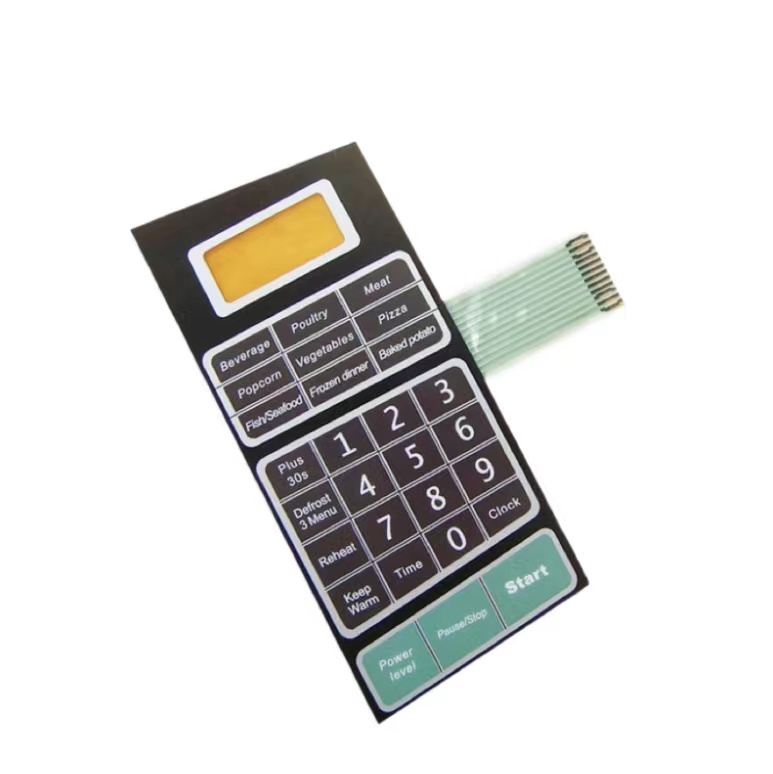
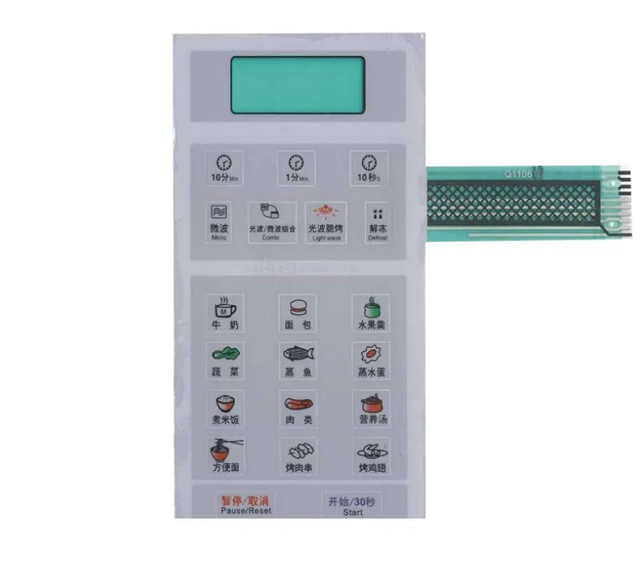
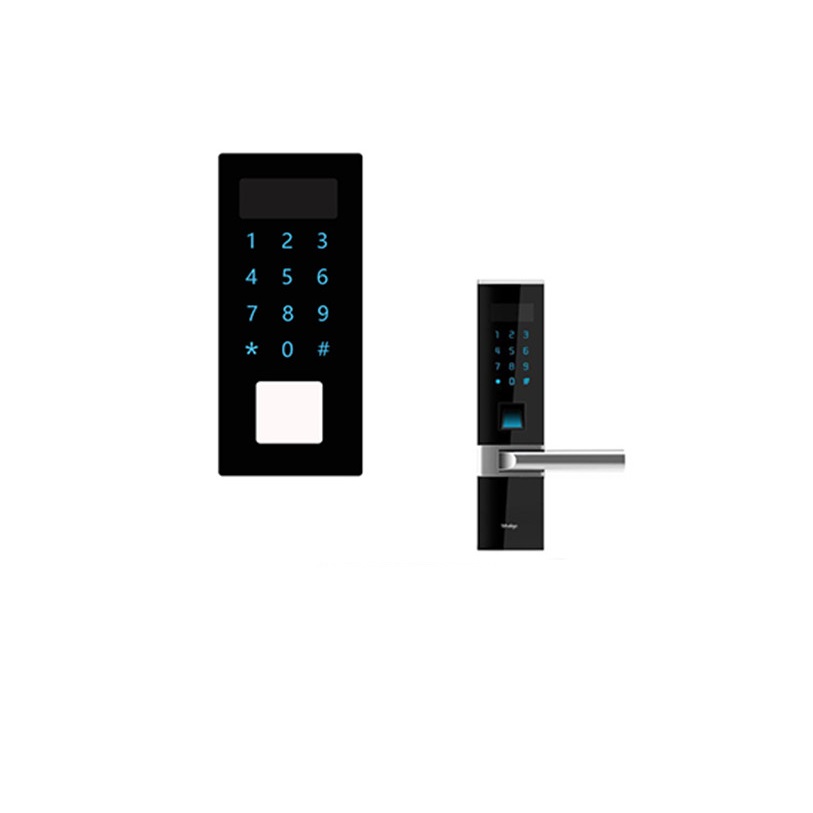
Procuring electronic components and electromechanical assemblies for the Havana market requires balancing rigorous mechanical specifications with severe tropical environmental realities. Located within the Caribbean climatic zone along the Straits of Florida, the urban and industrial infrastructure of Havana—from the maritime logistics corridors of the Bay of Havana and the Mariel Special Development Zone (ZEDM) to the biomedical laboratories in Playa and Cubanacán—imposes environmental strains rarely accounted for by standard off-the-shelf industrial keypads.
Industrial machinery, electro-medical instruments, and agro-processing controls operating across Havana routinely encounter ambient relative humidity levels fluctuating between 75% and 92%, compounded by airborne coastal salinity and sustained ambient operating temperatures often exceeding 35°C (95°F). In unconditioned industrial plants or outdoor port interfaces, these conditions trigger galvanic corrosion, accelerated silver migration (dendrite growth across adjacent circuit traces), adhesive delamination, and tactile fatigue in subpar switch assemblies.
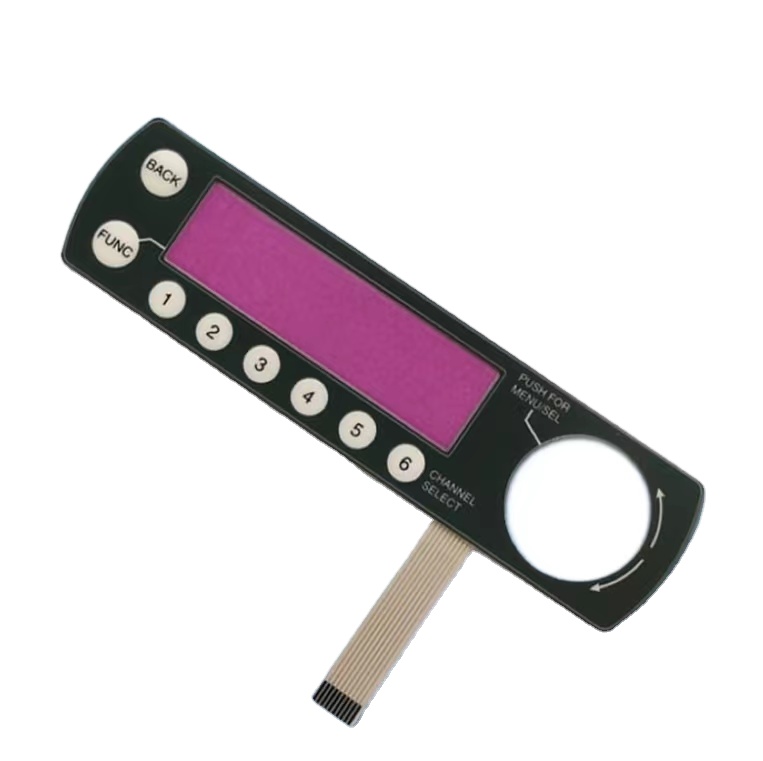
Climatic Engineering Insight: In coastal tropical environments like Havana, standard silver conductive inks printed on untreated polyester substrates risk short-circuiting due to moisture ingress and ionic migration. Cevra incorporates proprietary carbon-overprint shields, micro-venting moisture baffles, and medical-grade Autotype anti-microbial PET graphic films bonded with hydro-phobic 3M acrylic transfer adhesives to guarantee electrical stability over millions of actuations.
Micro-Climate Resilience: Addressing Caribbean Coastal Salinity & Thermal Expansion
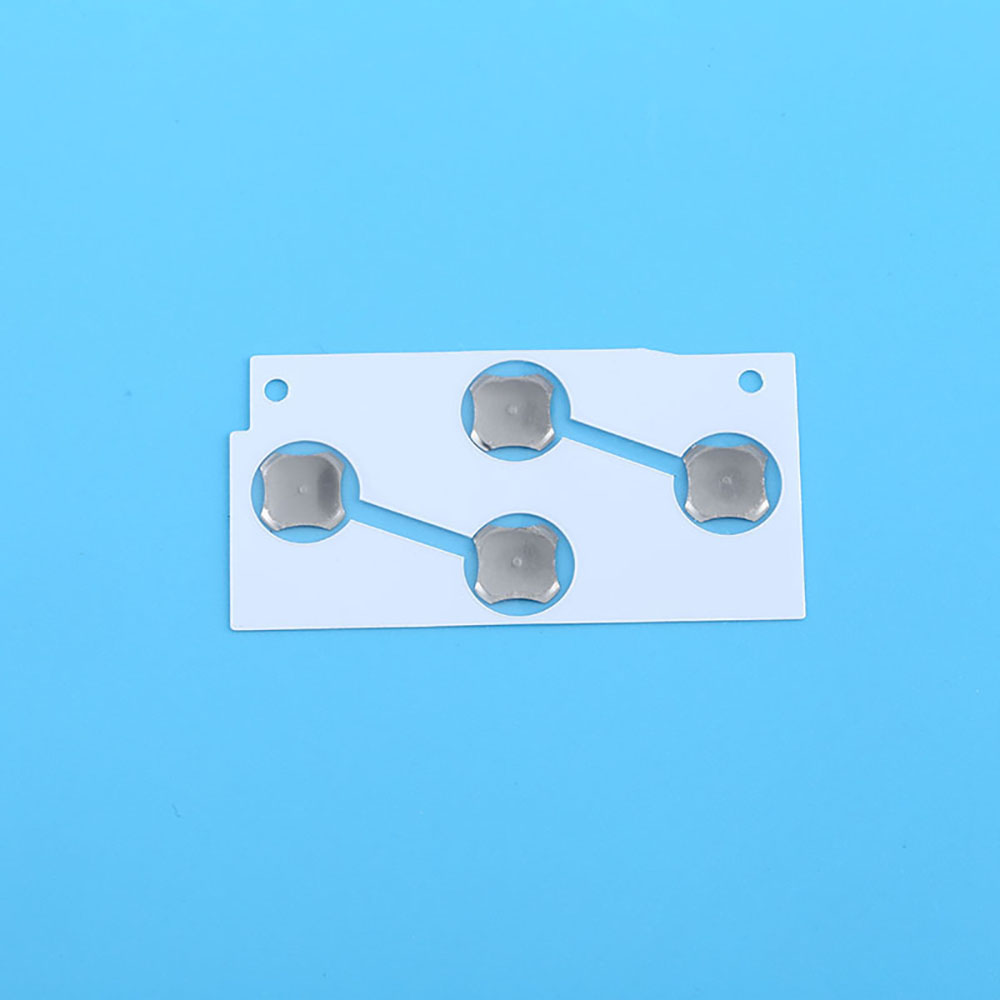
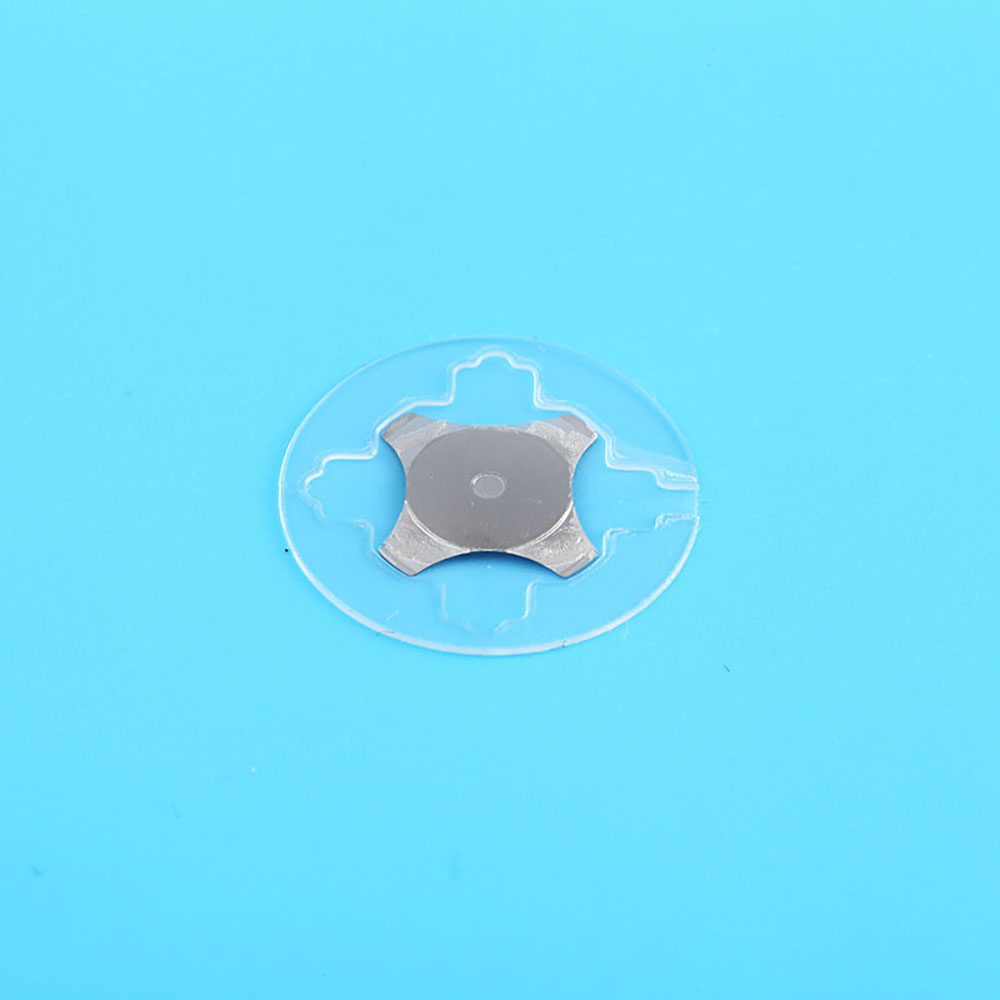
A primary failure mode documented in imported membrane switches across western Cuba is tactile switch degradation caused by internal air pressure differentials and salt-fog oxidation. When a sealed keypad transitions between high ambient outdoor temperatures and air-conditioned operational suites, internal chamber pressure shifts dramatically. Without precision-routed internal venting channels, the keypad bladder balloons, changing the required actuation force and causing premature snap failure of the internal snap dome.
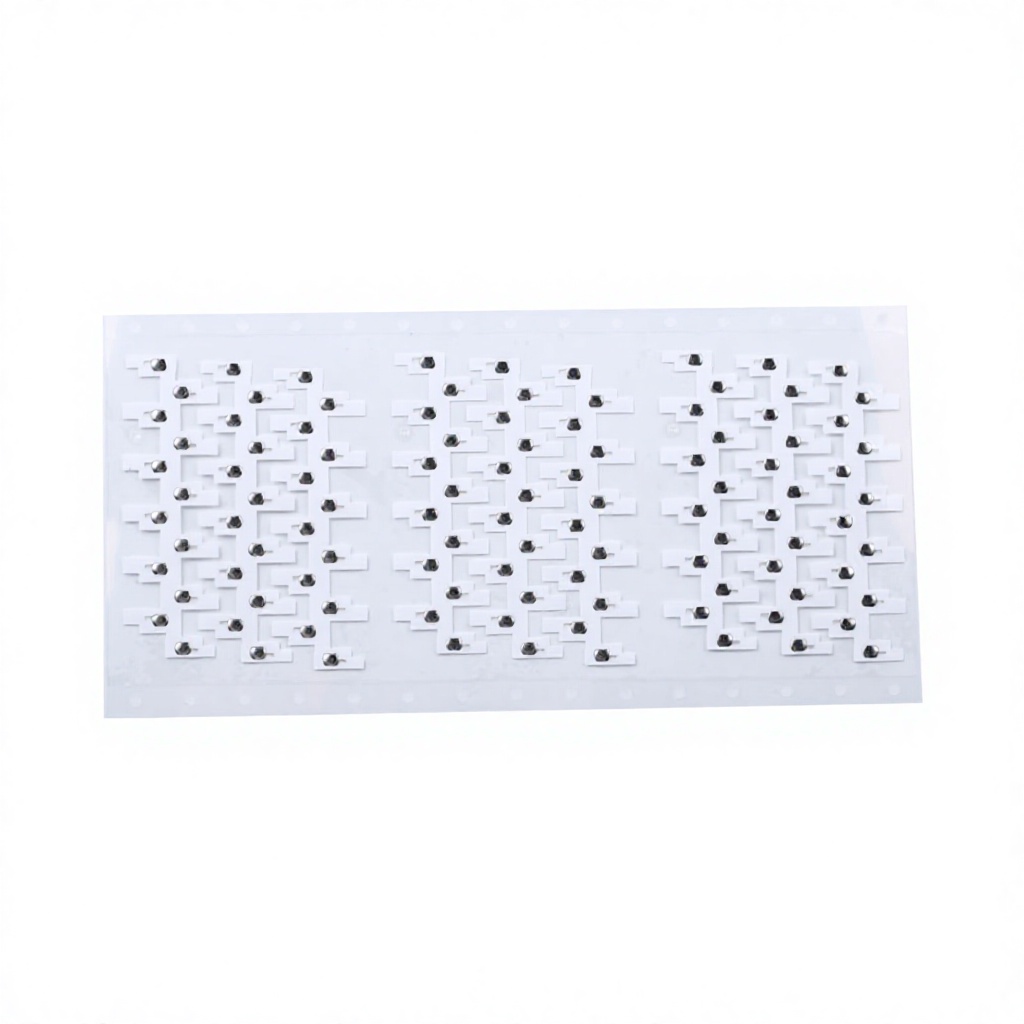
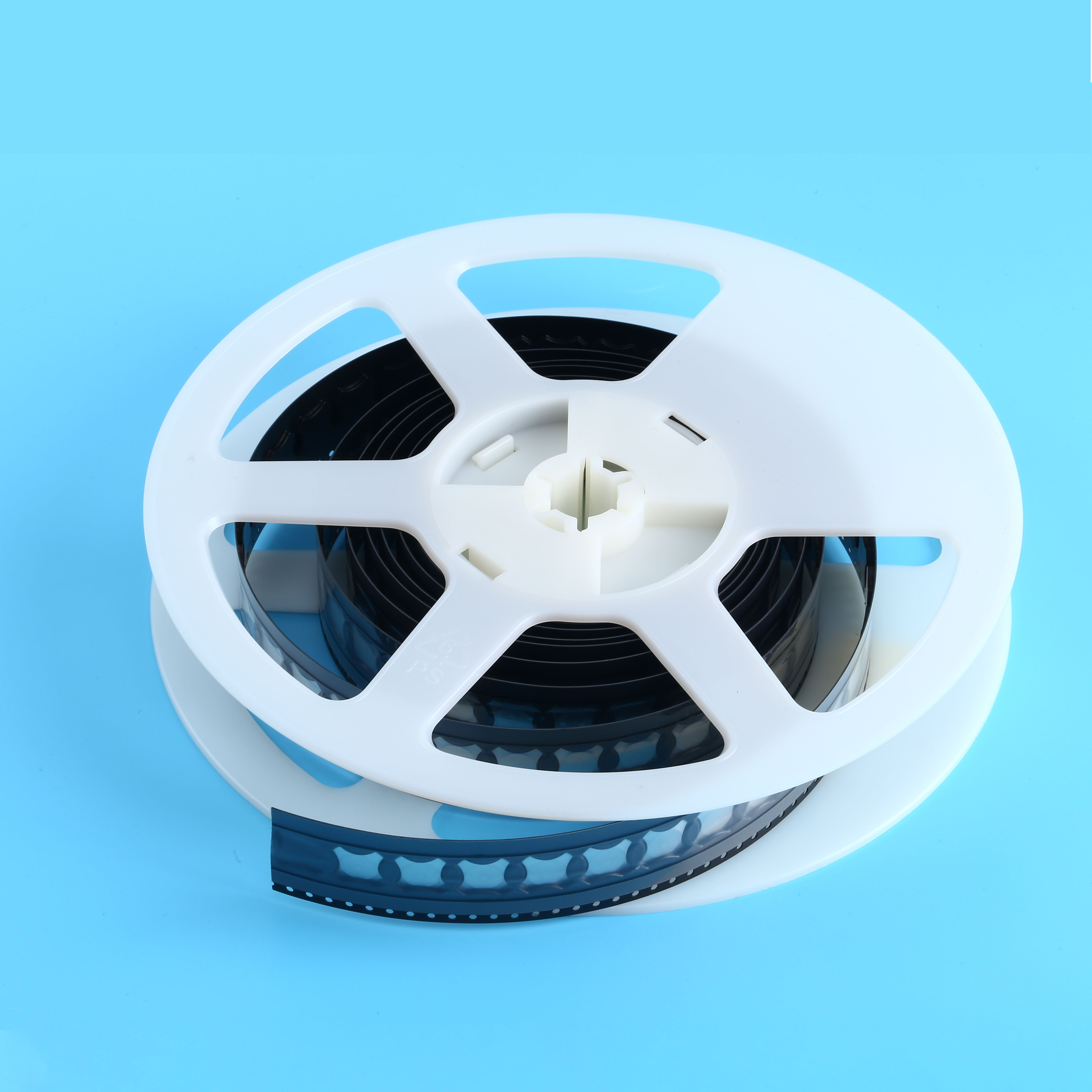
Our Dongguan manufacturing headquarters mitigates this vulnerability through hermetic labyrinth-venting topologies. Rather than venting to the external atmosphere where saline moisture can penetrate, internal channels equalize pressure between keys through a sealed closed-loop desiccated reservoir. Furthermore, our stainless steel metal domes are strictly stamped from high-purity Japanese SUS301 stainless steel with elective nickel or hard gold plating (0.03μm–0.1μm), delivering salt-spray resistance exceeding 96 hours under ASTM B117 testing standards.