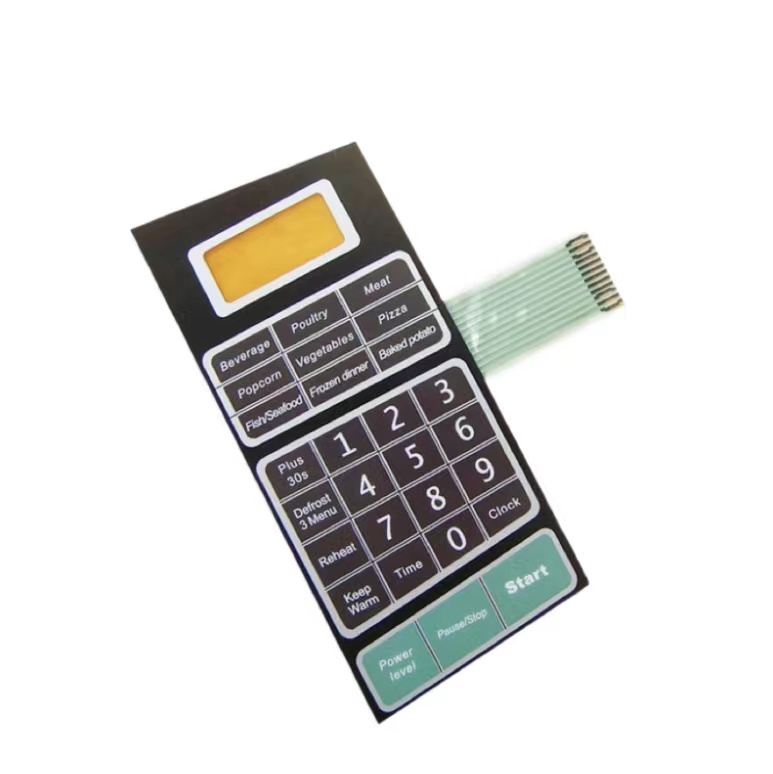
Low MOQ Custom Membrane Switch Panel Keypad Control
- Overlay: Autotex Hard-Coated PET
- Flex Life: > 1,000,000 actuations
- MOQ: From 10 units
Direct from our Dongguan manufacturing cleanrooms to Auckland engineering teams. Custom prototypes and production runs built according to ISO 9001 quality specifications.
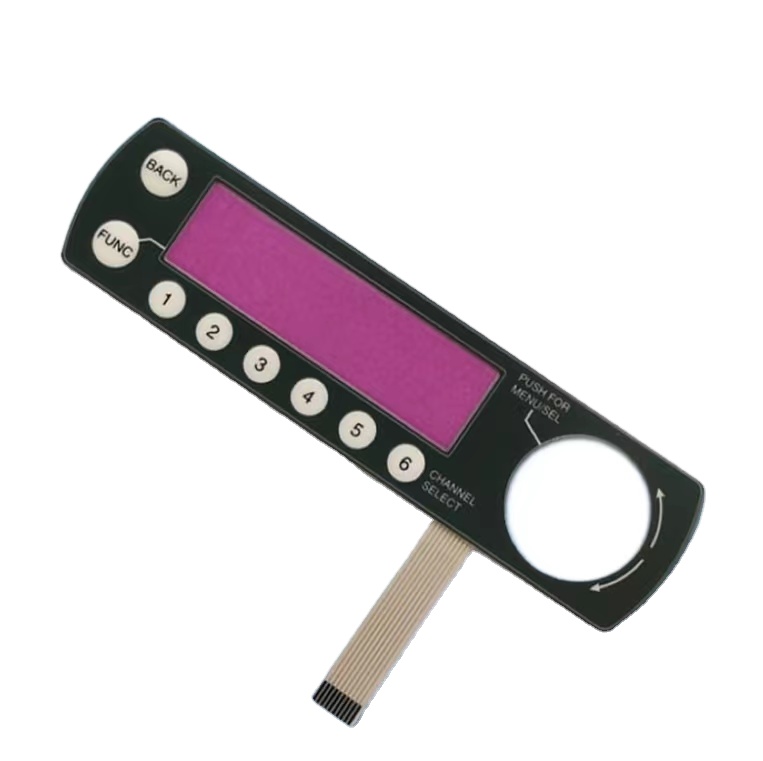
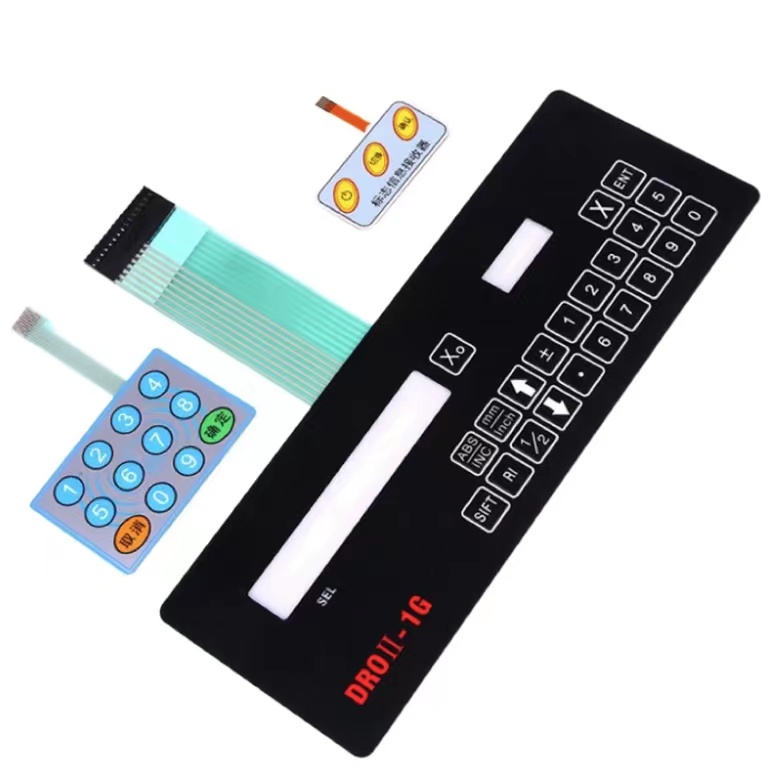
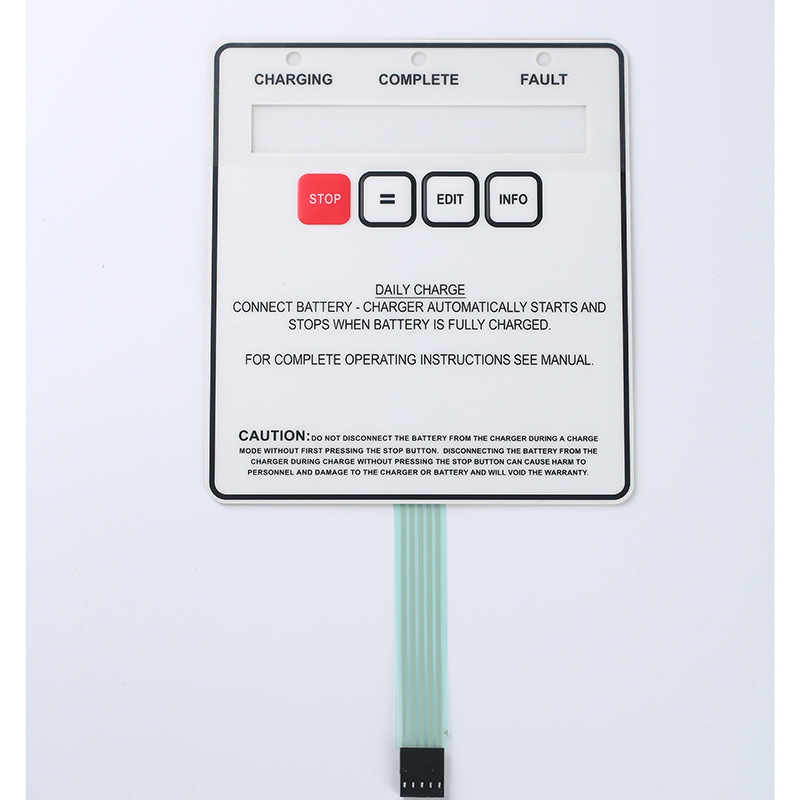
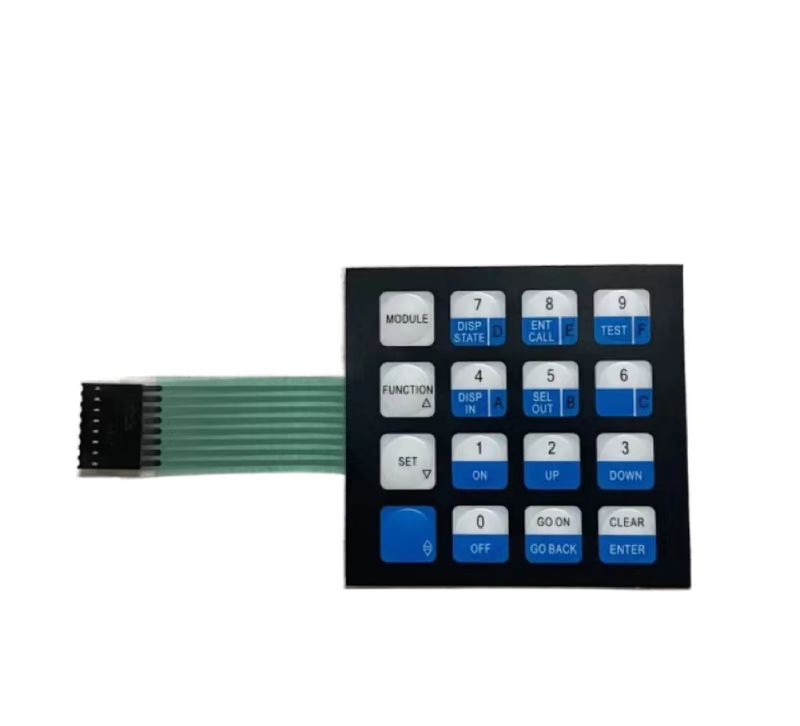
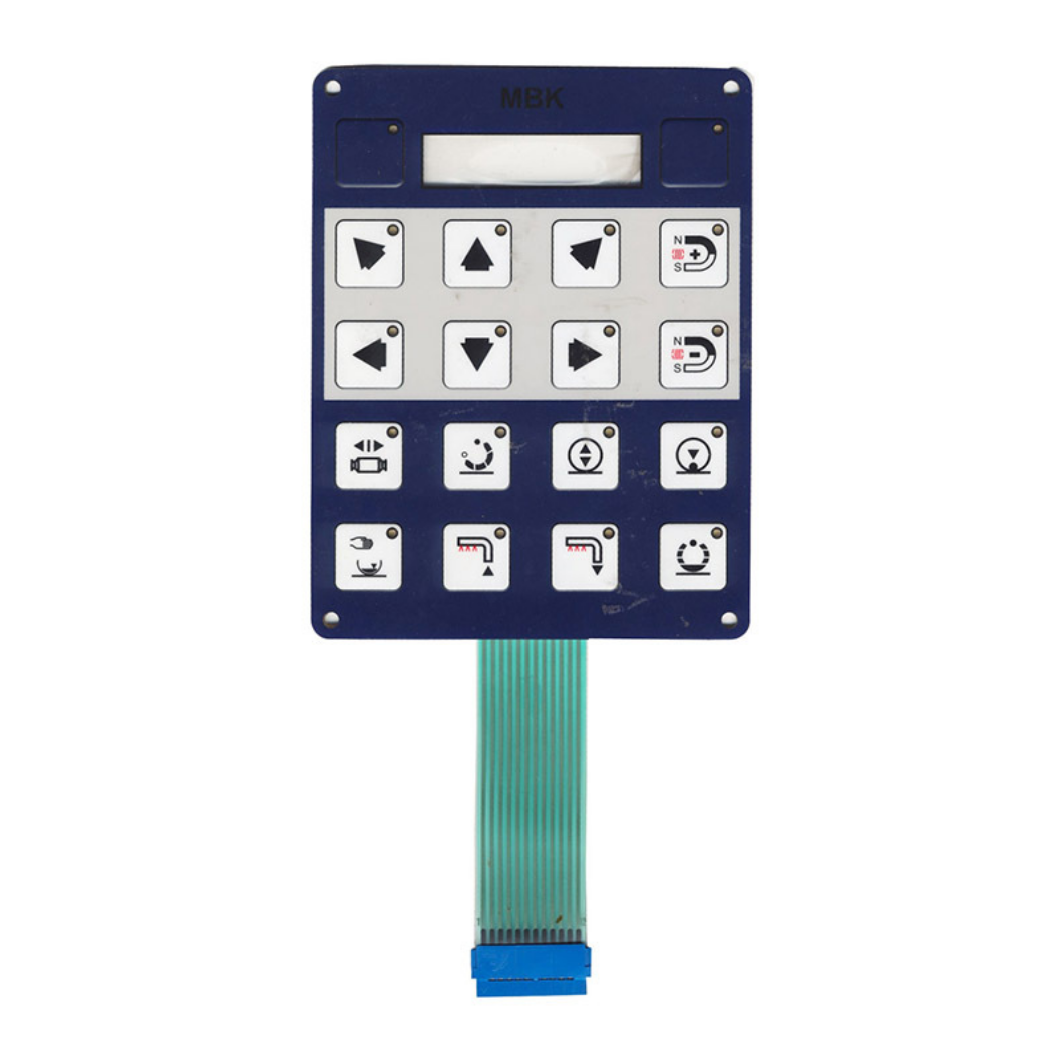
Addressing the stringent material, climatic, and hygiene specifications demanded by Australasia's high-tech industrial hubs.
The manufacturing sector across the Greater Auckland area—spanning major industrial corridors including Penrose, Mount Wellington, Highbrook, Albany, and East Tamaki—exhibits a distinctive demand profile for Human-Machine Interfaces (HMIs). Unlike generic mass-market consumer electronics, Auckland’s technology exporters operate heavily across marine instrumentation, advanced agricultural automation (AgTech), automated dairy processing, outdoor security systems, and high-precision clinical medical devices. These specialized applications require polyester (PET) graphic overlays that exhibit exceptional mechanical longevity, chemical inertness, and structural resistance against environmental stressors that polycarbonate (PC) substrates simply cannot endure over extended operating lifecycles.
Polyester, particularly biaxially oriented polyethylene terephthalate (such as MacDermid Autotype’s Autotex or XE series), remains the definitive substrate of choice when engineering resilient control surfaces. While polycarbonate offers higher initial impact strength, it falls dramatically short under cyclic mechanical deflection, succumbing to flexural fatigue stress cracking around embossed switch perimeters after approximately 100,000 cycles. High-grade PET overlays manufactured by Cevra easily exceed 5,000,000 continuous switch actuations without flex embrittlement, delamination, or tactile deformation, making them essential for critical industrial consoles and long-warranty Australasian machinery.
| Evaluation Parameter | Hard-Coated Industrial PET (Autotex) | Standard Polycarbonate (PC / Lexan) | Impact on Auckland Local Operations |
|---|---|---|---|
| Flexural Fatigue Life | > 5,000,000 switch operations | ~ 100,000 operations (prone to micro-cracking) | Vital for high-frequency packing lines and processing plants |
| UV Degradation & Sunlight Exposure | Excellent (UV-stabilized XE polyester series) | Prone to yellowing and hazing without heavy topcoats | Withstands intense New Zealand solar radiation (UVI > 11 in summer) |
| Chemical & Washdown Resistance | Resistant to IPA, sanitizers, diesel, dairy acids | Susceptible to aromatic hydrocarbons & stress crazing | Critical for CIP washdowns in Waikato & Auckland dairy facilities |
| Embossing Profile Retention | Maintains tactile crispness up to 85°C | Relaxes over time under repetitive heat cycles | Ensures crisp user feedback in outdoor and marine consoles |
| Sub-Surface Ink Adhesion | Superior with specialized screen/digital ink chemistries | High affinity for solvent inks | Prevents graphic wipe-off, scratch damage, and fading |
Furthermore, Cevra applies sub-surface (reverse) screen printing inside an ISO 9001-controlled, Class 10,000 cleanroom environment. By depositing high-opacity pigment inks and conductive silver traces onto the rear face of the transparent polyester film, the graphic legends, branding logos, and illuminated windows remain permanently isolated from mechanical abrasion, aggressive washdown solvents, and environmental UV exposure. The exterior surface retains its micro-textured, fine-matte, or anti-glare finish, while the underlying print remains completely protected for the entire operational life of the device.
Customized layer stack-ups engineered to meet the unique operational challenges of Auckland’s leading manufacturing segments.
The Hauraki Gulf and Auckland's world-renowned boatbuilding infrastructure demand HMI panels that survive high-salinity air, continuous salt fog, and prolonged solar exposure. Our UV-stabilized polyester overlays, paired with marine-grade 3M 300LSE or 468MP adhesives, seal against corrosive moisture ingress and prevent salt-crust shorting across electronic circuits.
Processing plants across the Waikato basin and Auckland's food-tech sectors must comply with stringent hygiene regulations requiring frequent washdowns with caustic cleaners, nitric acid solutions, and high-pressure steam. Our sealed PET membrane overlays deliver smooth, crevice-free planar interfaces that prevent bacterial harborage and resist chemical stress cracking.
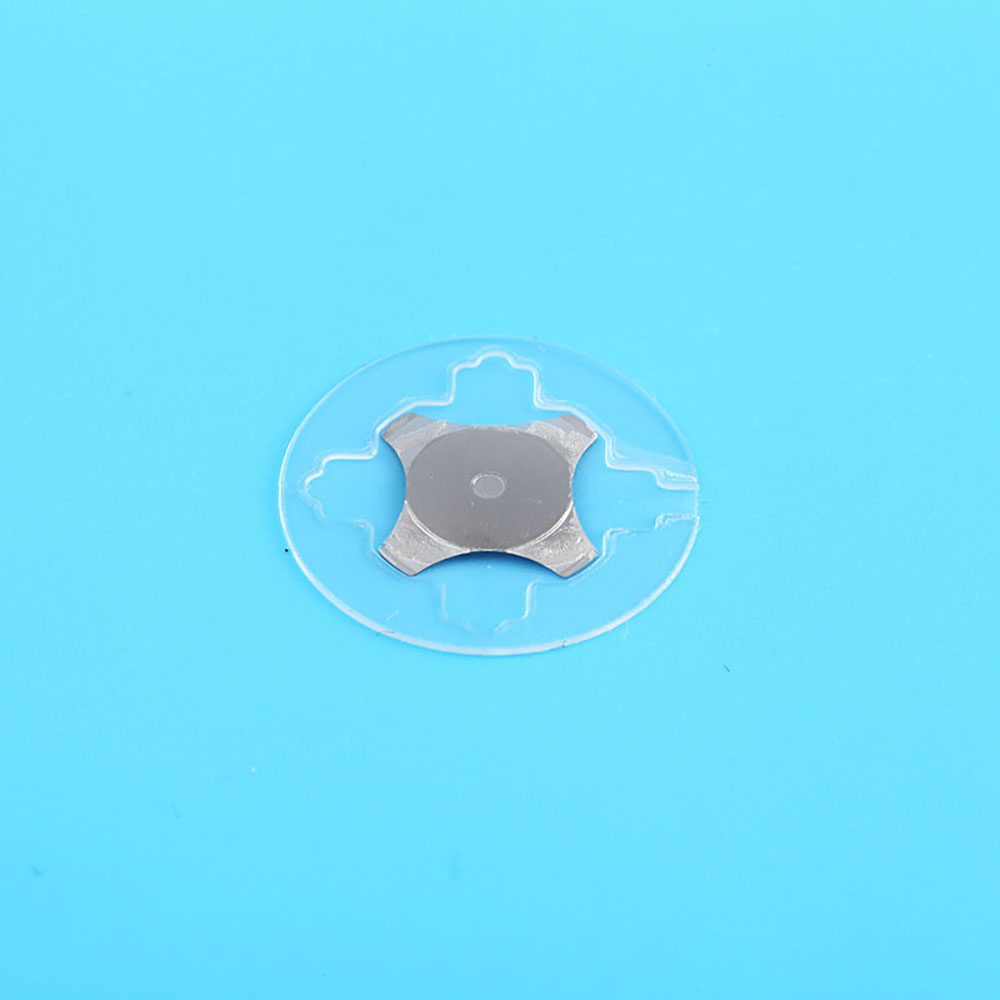
New Zealand's agricultural robotics, automated irrigation controllers, and orchard sorting systems operate in harsh field conditions subjected to dust, mud, fertilizers, and temperature swings from -10°C to +40°C. We integrate stainless steel snap domes with nickel or gold plating inside sealed venting arrays to ensure consistent tactile feedback even when operators wear heavy work gloves.
How New Zealand hardware teams are modernizing HMI architectures for next-generation hardware deployments.
In recent years, procurement engineers and industrial designers in Auckland, Hamilton, and Christchurch have shifted their purchasing preferences away from unbranded, low-tier trading intermediaries toward direct-to-factory engineering collaborations. Five key procurement trends dominate the local market:
Many equipment builders are transitioning from mechanical pushbuttons to flat capacitive touch sensor foils laminated behind unbroken polyester front sheets. This architecture eliminates physical gaps entirely, yielding IP68 watertight enclosures that are effortless for end-users to sanitize.
To reduce power consumption on field-battery devices while elevating brand aesthetics, Auckland OEMs are specifying thin Light Guide Films (LGF). LGF delivers razor-sharp, uniform key backlighting with minimal LEDs, paired with "dead-front" display windows that appear opaque until backlit.
Recognizing that New Zealand's high-mix hardware market rarely begins with 100,000-unit volumes, design teams demand agile manufacturing partners. Cevra accommodates prototype batches starting from 10 to 100 units with fast laser cutting, eliminating expensive preliminary hard-tooling costs.
16+ years of direct manufacturing excellence, rigorous ISO 9001 quality infrastructure, and seamless international logistics.
Operating since March 2009 in Dongguan, our 2,600 m² cleanroom facility is strictly managed under ISO 9001:2015. Onsite audits conducted by SGS Group confirm genuine manufacturing capacity, verifiable testing protocols, and complete material batch traceability.
Every production batch undergoes thorough validation before dispatch, including dome trip-force testing, automated CCD camera registration, high/low temperature humidity cycling (-40°C to +85°C), 180° peel adhesion testing, holding tack analysis, and pencil scratch hardness checks.
Our bilingual DFM engineers work directly with your DXF, AI, or CAD files within 24 hours to optimize layer stack-ups and venting channels. With express courier transit (DHL/FedEx) direct to Auckland Airport (AKL), prototype iterations arrive on your testing bench in days.
Common questions asked by New Zealand hardware engineers, procurement specialists, and product managers.
Connect with our senior membrane switch and overlay engineering team today. We provide complimentary DFM reviews, material stack-up recommendations, and comprehensive product catalogs tailored to the Auckland industrial market.