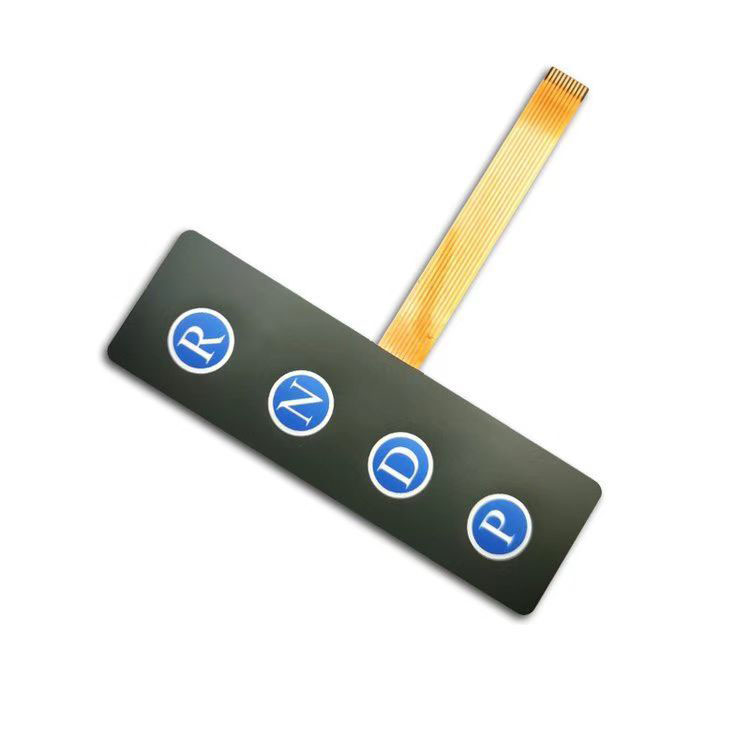
Precision Control Interfaces
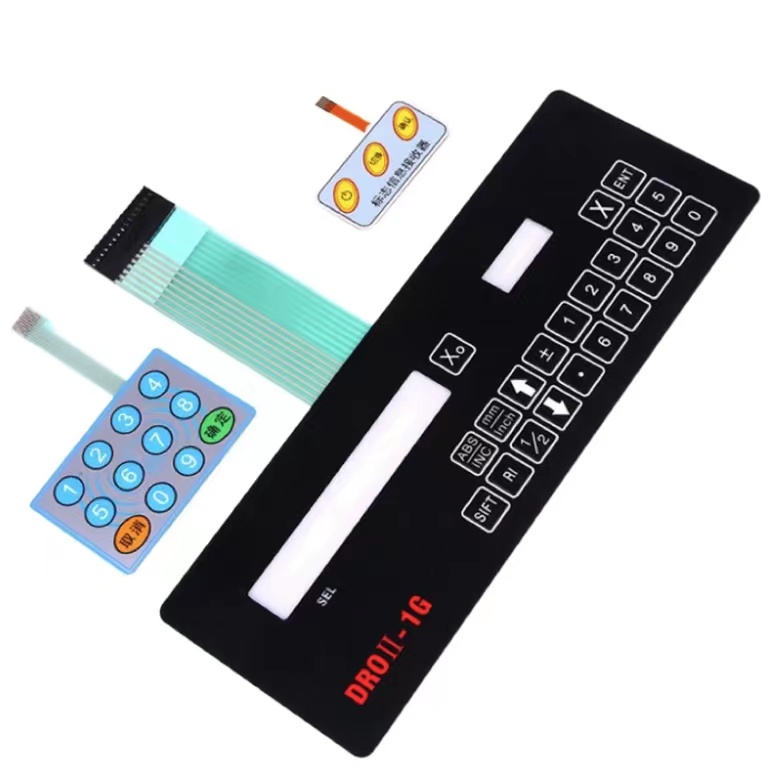
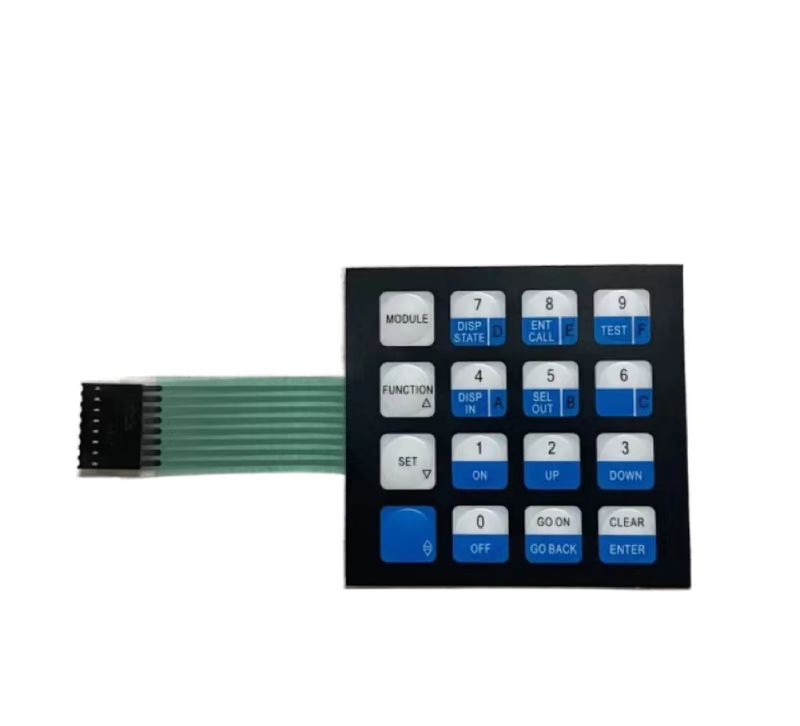
Featured Membrane Panels & Tactile Subsystems
Fully customizable polycarbonate front panels, flexible silver-printed circuits, and tactile snap-dome arrays engineered for rugged duty cycles and extreme operational environments.
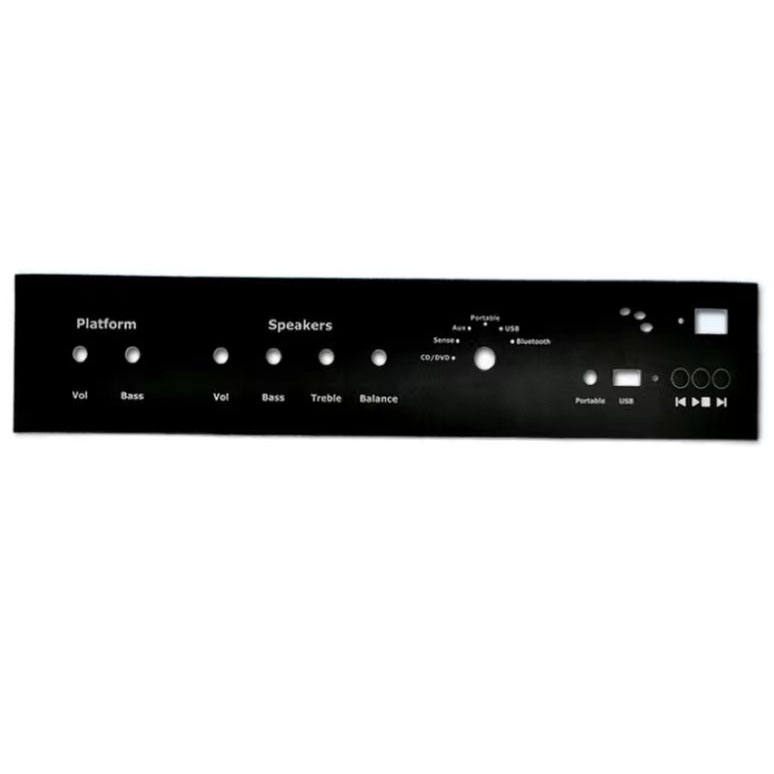
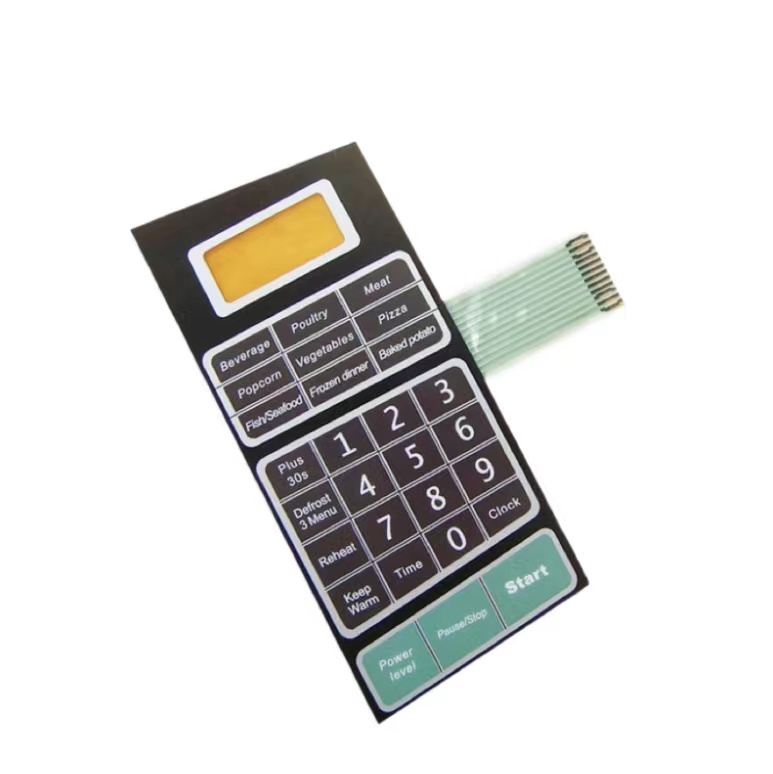
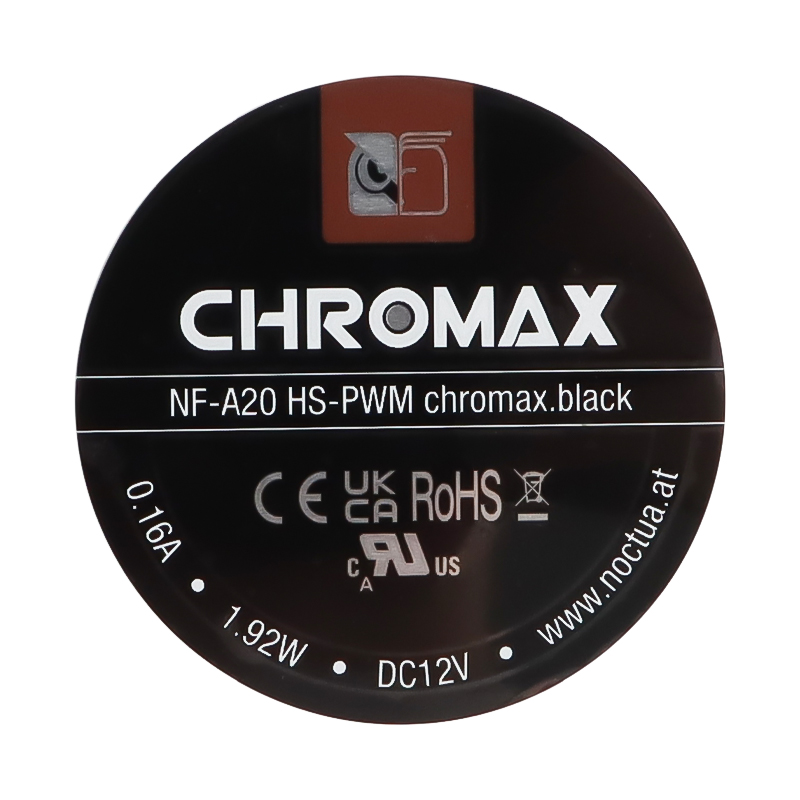
Engineering Whitepaper Analysis
Material Substrate Selection: Optical Clarity vs. Dynamic Fatigue Life
Evaluating thermoplastic film dynamics for human-machine interfaces deployed across intensive industrial, medical, and specialized encamp-based field apparatuses.
Dimensional Stability & Embossing
Polycarbonate (Lexan/Makrofol) features superior thermal glass transition temperature (Tg ~145°C), enabling crisp, cold or hydro-form embossing of tactile perimeter rims, pillow keys, and display bezels without deformation over extended operating lifespans.
Optical Transmittance & Filtering
With an intrinsic transmission rate exceeding 89-91%, high-clarity optical grade PC facilitates dead-front graphics, transparent LED illumination zones, and anti-glare display apertures calibrated with precision tint screening for daylight readability.
Hard-Coat Chemical Resistance
Standard untreated polycarbonate is susceptible to aggressive solvents; Cevra integrates UV-cured textured and hard-coat lacquer coatings (up to 3H pencil hardness) to prevent cosmetic degradation against hydrocarbons, alcohols, and industrial sanitizers.
| Evaluation Parameter | Polycarbonate (PC) Overlay | Polyester (PET) Overlay | Engineering Selection Matrix |
|---|---|---|---|
| Dynamic Flex Switch Cycles | 100,000 – 500,000 actuations | > 5,000,000 actuations | PET for hyper-repetitive membrane circuits; PC for aesthetic overlays with metal domes. |
| Embossing Retention & Formability | Exceptional; holds deep pillow & rim profiles | Moderate; requires heated tooling & micro-reliefs | PC excels in bold tactile keys and complex thermoformed three-dimensional bezels. |
| Optical Window Clarity | High transparency; < 0.5% internal haze | Standard clarity; slight biaxial birefringence | Polycarbonate is the undisputed industry choice for instrument readout displays and LCD overlays. |
| Thermal Range Stability | -40°C to +125°C continuous | -40°C to +85°C continuous | PC handles elevated storage temps without shrinkage, maintaining connector-tail registration. |
Field Deployments & Trends
Engineering Polycarbonate Panels for Encamp & Regional Industrial Deployments
How decentralized modular infrastructure, rugged field shelters, and utility monitoring hubs in the Encamp market mandate high-integrity HMI hardware.
Rugged Encamp Field Utilities & Tactical Deployments
Temporary installation complexes, remote field operations, and containerized utilities within the Encamp sector encounter high thermal swings, dust storms, and heavy mechanical handling. Our polycarbonate panels feature sub-surface screen printing that isolates ink pigments entirely from atmospheric moisture and UV degradation, combined with 3M 300LSE adhesive layers that bond permanently to powder-coated cast aluminum and rough polymer housings.
Smart Industrial Sanitation & Wash-Down Proof Panels
From centralized commercial laundry installations to automated dispensing units deployed in high-occupancy quarters, modern encamp operations require IP65 to IP67 ingress protection. Cevra incorporates closed-cell perimeter gasket rings, breathable vent channels with micro-porous membrane filters, and hermetically isolated circuit loops that prevent short circuits caused by moisture ingress.
Integration of Light Guide Film (LGF)
Traditional discrete surface-mount LEDs cause uneven hot spots. Procurement trends across modern localized infrastructure prioritize thin Light Guide Films (LGF), delivering perfectly uniform backlighting across keypad clusters while reducing current drain down to mere milliamps.
Capacitive Touch Front Glass Integration
While tactile snap domes dominate heavy equipment, hybrid panels combining capacitive touch sensing areas behind rugged 0.5mm-1.0mm polycarbonate windows allow wipe-down cleanability without compromising glove-friendly physical control knobs.
ESD / EMI Sub-Shielding Layers
Field installations prone to high electrostatic discharge utilize our grounded conductive silver/carbon grid shielding or solid aluminum foils, effectively buffering micro-controllers from up to 15kV air discharge and severe magnetic interference.
Certified Manufacturing Facility
Dongguan Cevra: Over 16 Years of Dedicated OEM/ODM Manufacturing
Operating 2,600㎡ of modernized cleanroom production, automated screen printing, and micro-metric testing laboratories directly verified by SGS Group.
STEP 01
DFM Engineering
Artwork vector review, layer stack-up optimization, trace resistance simulation, and tail pitch validation.
STEP 02
Cleanroom Printing
Multi-color sub-surface graphic screen printing with automated tunnel drying to lock in dimensional scale.
STEP 03
Laser & CCD Punching
High-precision optical target alignment and laser cutting down to ±0.05mm perimeter tolerance.
STEP 04
Automated Dome Collation
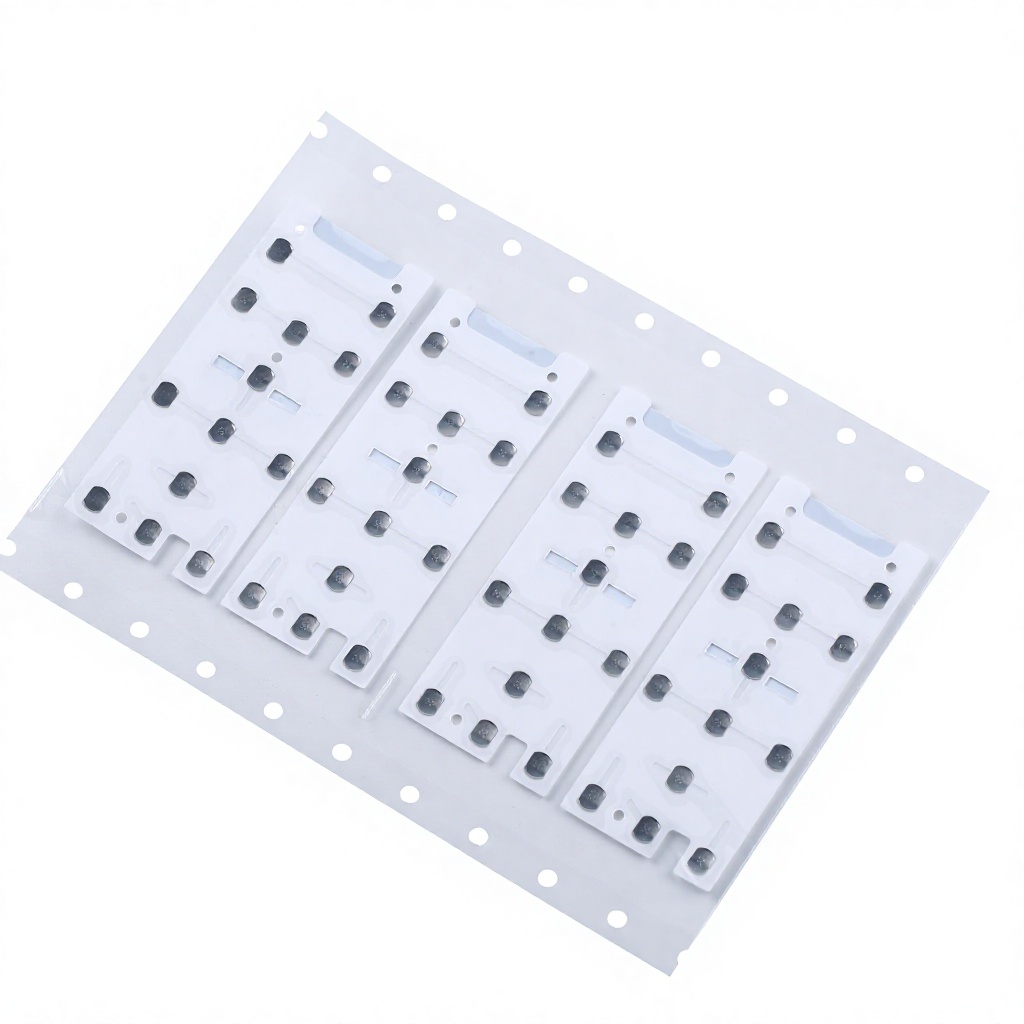
Automated high-speed placement of SUS301 stainless steel domes ensuring consistent trip forces.
STEP 05
100% Final Inspection
Electrical open/short verification, loop resistance confirmation, tactile click ratio, and visual CCD analysis.
Procurement Intelligence
Frequently Asked Technical & Sourcing Questions
Everything design engineers and procurement officers need to know before initiating custom polycarbonate panel production runs.
Why choose Polycarbonate over Polyester for industrial enclosure panels?
Polycarbonate (PC) is primarily chosen when high mechanical impact resistance, optical display clarity, flame retardancy (UL94 V-0 or V-2 options), and thermoformed embossing geometries are required. While PET offers higher flexural cycling for keys without domes, PC provides unmatched dimensional stiffness, crisp laser-cut edges, and optically clean LCD/LED display apertures without birefringence distortion.
What design files and technical parameters are required to generate an engineering quote?
We accept native CAD drawings (DXF, DWG, STEP) or vector graphics (Adobe Illustrator, Vector PDF) specifying: 1) Outline geometry with overall cutouts and display windows; 2) Circuit schematic or pinout definition; 3) Embossing profiles (rim, pillow, or flat); 4) Connector specifications (standard 2.54mm, 1.0mm, or 0.5mm ZIF pitch); 5) Adhesive requirements (e.g., 3M 467MP, 3M 468MP, or 3M 300LSE for low surface energy plastics).
How do you ensure long-term environmental sealing against dust, chemicals, and water ingress?
All Cevra panels can be fabricated with integrated closed-loop perimeter gaskets using high-tack acrylic adhesives. By pairing precision die-cut adhesive spacers with specialized IP67 venting pathways, internal air displacement during switch actuation occurs without drawing in ambient humidity, preventing silver trace oxidation and circuit bridging.
What tactile snap dome options are integrated into custom keypad layouts?
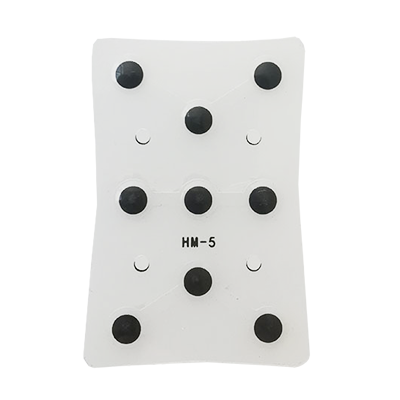
We manufacture and assemble 4-leg cross-shaped domes, round tactile domes, and triangular snap domes using premium SUS301 stainless steel. Actuation forces typically range from 160g to 450g depending on tactile preference, with contact plating available in bright nickel or gold flash to ensure loop resistance remains below 100 ohms across 1,000,000+ operations.
What is the standard sampling protocol and minimum order quantity (MOQ)?
Our flexible manufacturing lines accommodate rapid engineering prototypes (typically starting from 10 to 50 pieces for pilot runs and validation testing). Standard mass-production runs typically begin at 100 to 1,000 units, backed by Trade Assurance guarantees and certified SGS incoming/outgoing inspection reports.
Accelerate Your Custom Membrane Panel Project
Collaborate directly with our Dongguan engineering team. Receive rapid design-for-manufacturability (DFM) reviews, layer stack-up guidance, and comprehensive material testing data sheets within 24 hours.