Industrial Membrane Assemblies & Metal Dome Systems
Precision-die-cut graphic overlays, tactile dome matrices, and hermetically sealed sub-surface printed interfaces configured for mission-critical operations across Port Moresby and greater PNG.
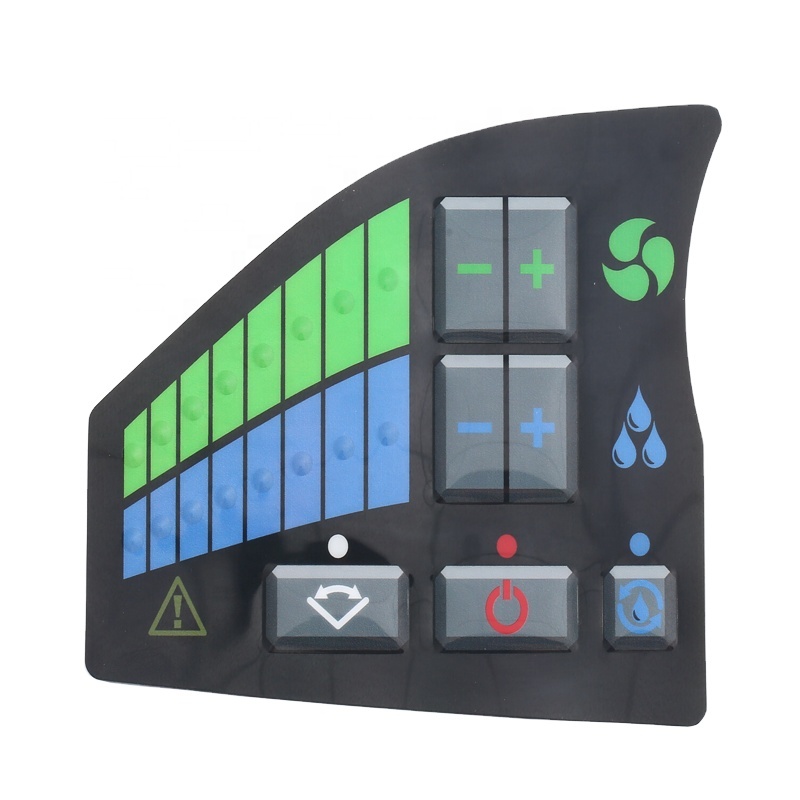
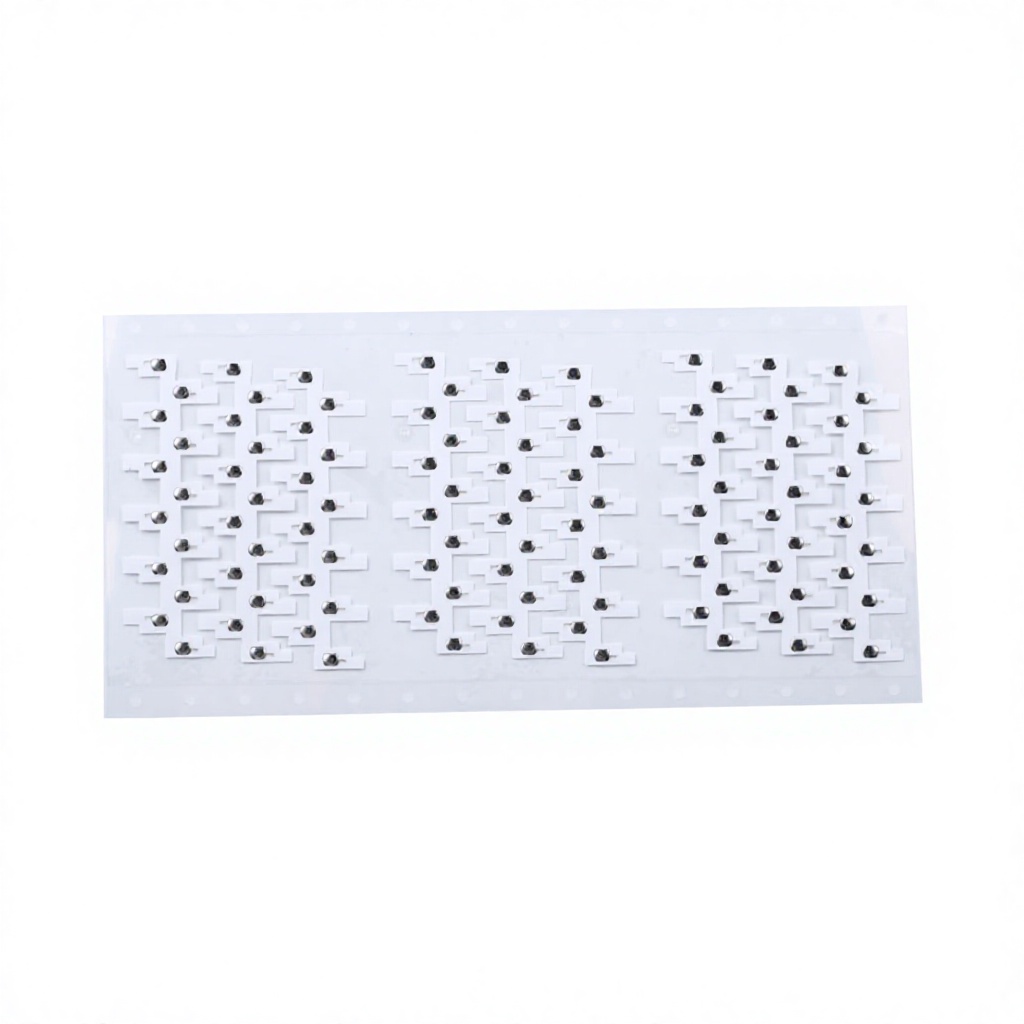
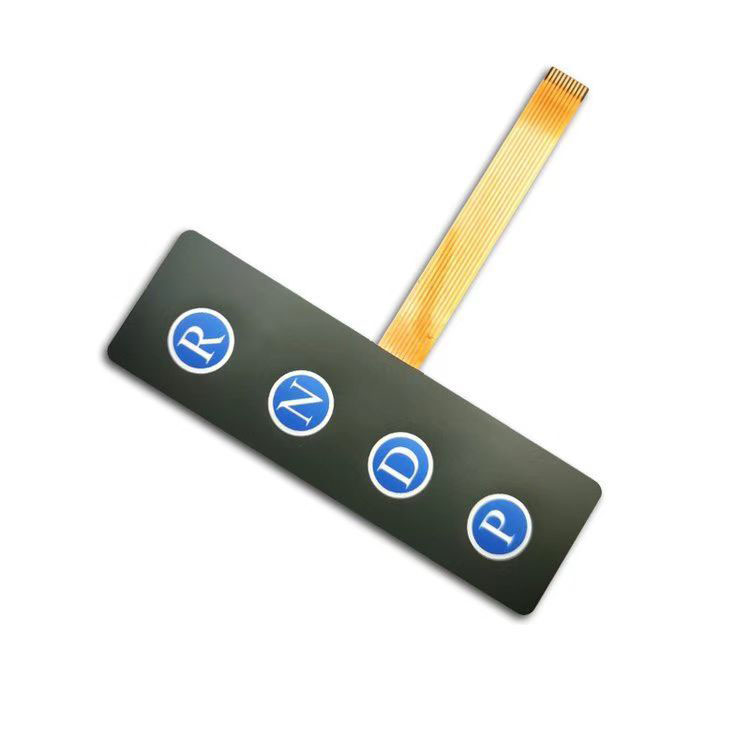
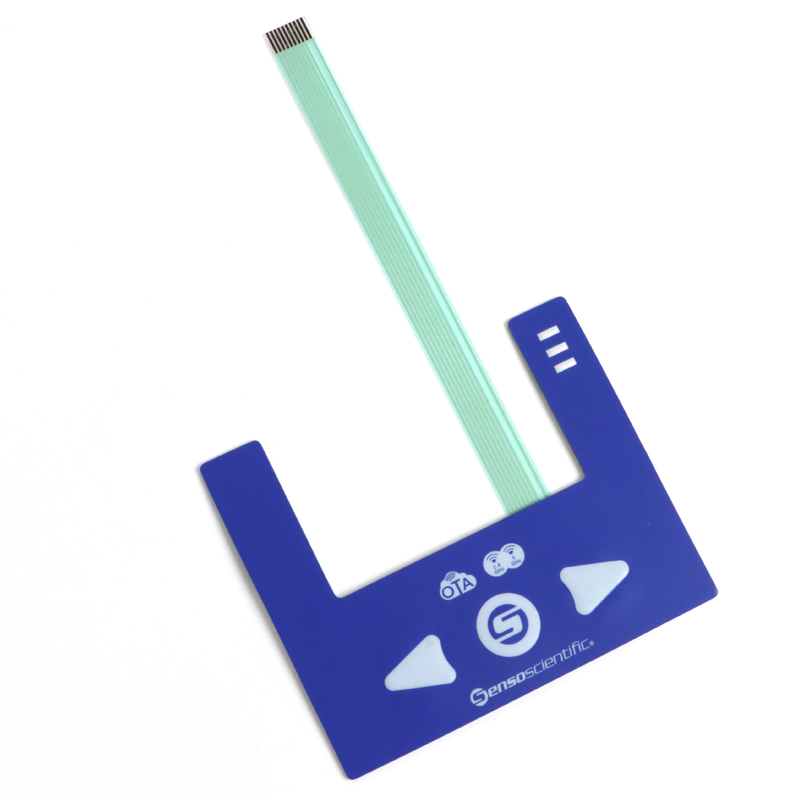
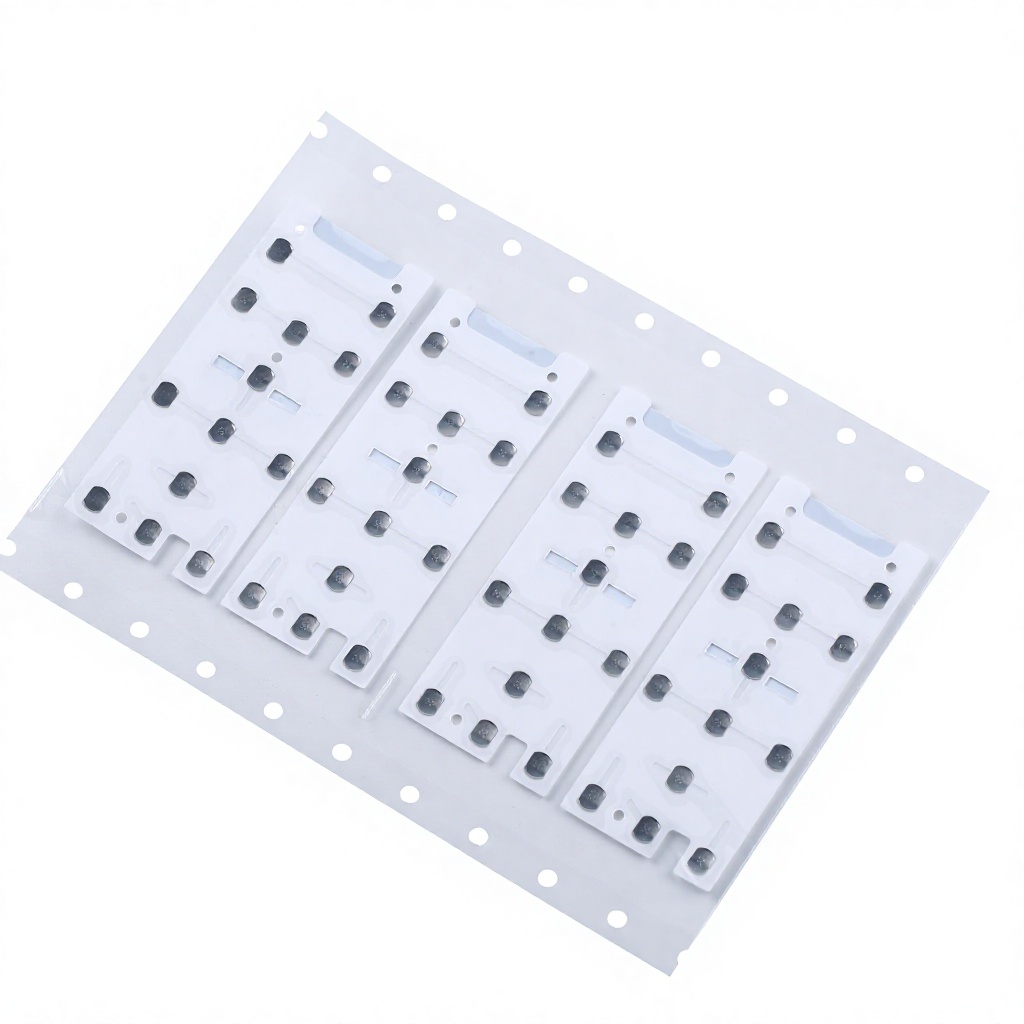
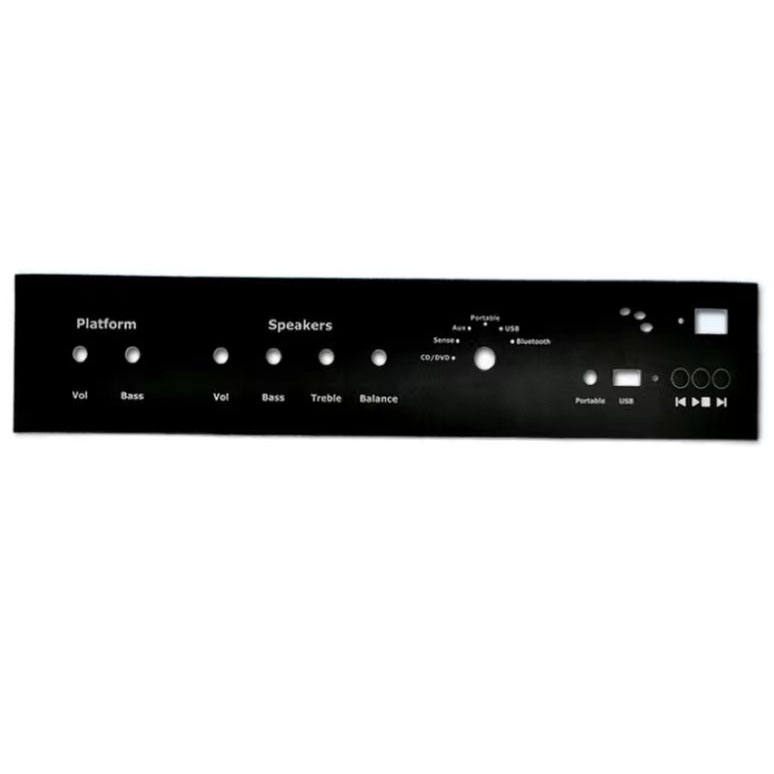
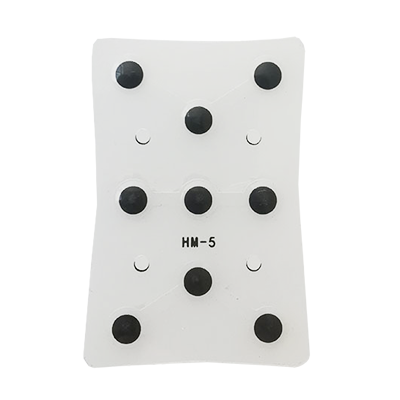
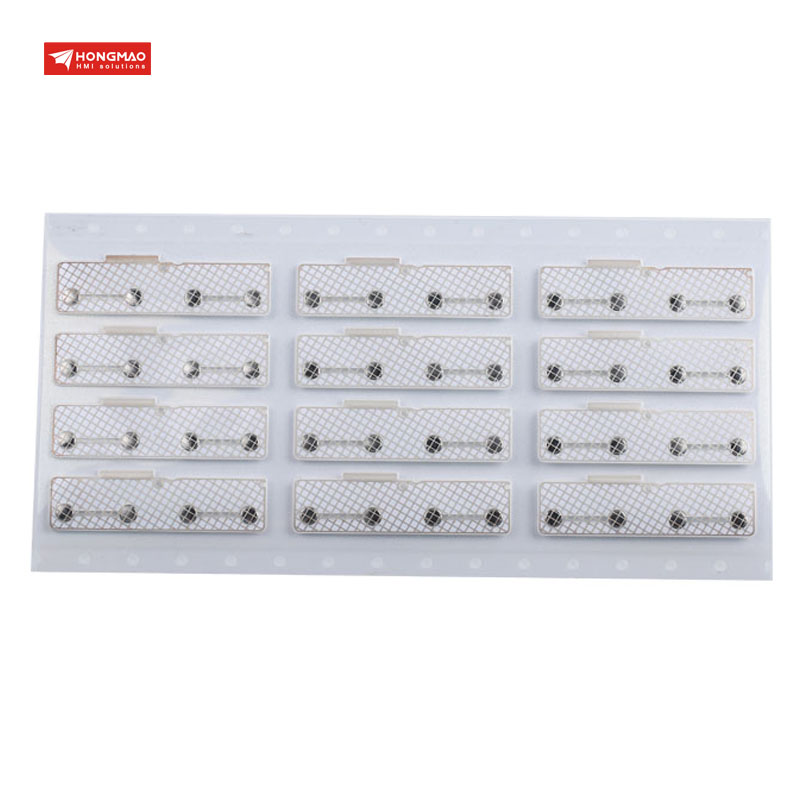
Technical White Paper: Engineering Resilient PET Graphic Overlays for Port Moresby's Industrial Ecosystem
Operating industrial electronics and mechanical interface controls in Port Moresby, Papua New Guinea, presents a demanding convergence of environmental stress factors. Located along the shores of Fairfax Harbour and the Coral Sea within a tropical wet-and-dry macro-climate, industrial machinery is constantly exposed to high ambient temperatures, relentless relative humidity cycling between 75% and 92%, airborne saline mist, and high-intensity ultraviolet (UV Index 11+) radiation.
For original equipment manufacturers (OEMs), engineering procurement contractors (EPCs), and plant maintenance managers operating across the National Capital District (NCD) and Central Province, standard commercial control panels and commodity Polycarbonate (PC) keypads deteriorate rapidly. Standard PC substrates suffer from plasticizer embrittlement, UV photo-yellowing, environmental stress cracking, and micro-delamination when exposed to ambient hydrocarbons and industrial degreasers. Dongguan Cevra Electronic Technology Co., Ltd. fills this mission-critical reliability void by engineering high-performance Polyethylene Terephthalate (PET) graphic overlays and multi-layered membrane switches purpose-built for harsh equatorial deployment.
Material Selection Comparative Analysis: Biaxially Oriented PET vs. Traditional Polycarbonate
Biaxially oriented PET (specifically premium grades such as MacDermid Autotype Autotex® and XE series) provides an order-of-magnitude increase in flexural fatigue resistance compared to traditional polycarbonate films. When an operator actuates an embossed switch key, the material undergoes concentrated tensile and compressive stress. In standard PC panels, micro-fissuring begins around the switch rim perimeter after approximately 100,000 actuations, leading to moisture seepage. Cevra's precision-formed PET membrane keys consistently demonstrate actuation lifecycles exceeding 5,000,000 cycles without sign of perimeter crazing or loss of tactile snap ratio.
| Engineering Parameter | Autotex® Industrial PET (Cevra Standard) | Standard Commercial Polycarbonate (PC) | Significance for Port Moresby Industry |
|---|---|---|---|
| Switch Flex Life (Actuations) | > 5,000,000 continuous cycles | < 100,000 to 300,000 cycles | Vital for 24/7 continuous mineral processing and packaging facilities. |
| Chemical & Solvent Resistance | Immune to diesel fuel, alcohols, mild acids, industrial sanitizers | Prone to stress crazing and hazing when cleaned with solvents | Essential for marine washdown zones and diesel genset controller interfaces. |
| UV Radiation Resistance (XE Grade) | Accelerated UV exposure tested (>1,000 hrs ASTM G154) | Yellows, clouds, and embrittles under direct sunlight | Port Moresby's equatorial solar radiation degrades non-stabilized films in months. |
| Moisture Vapor Transmission Rate (MVTR) | Exceptionally low moisture permeability (< 2.5 g/m²/day) | Moderate to high permeability (> 25 g/m²/day) | Prevents condensation formation behind display windows and on silver traces. |
| Tensile Strength at Yield | 150 - 180 N/mm² (High dimensional stability) | 60 - 70 N/mm² (Subject to plastic creep) | Maintains tight dimensional tolerances without adhesive creep under tropical heat. |
Sub-Surface Screen Printing & Conductive Circuit Protection
Cevra utilizes semi-automatic screen printing lines located in Class 10,000 cleanroom environments. Text legends, visual warnings, custom Pantone brand color palettes, and deadfront translucent indicators are printed reverse (sub-surface) onto the second surface of the transparent PET film. This ensures that physical friction, aggressive detergent washdowns, abrasive mineral dust, and mechanic tool abrasions never make contact with the printed inks.
Beneath the graphical facade, the electrical architecture relies on high-conductivity silver-printed PET conductors or custom Flexible Printed Circuits (FPC). In tropical island environments like Papua New Guinea, silver trace migration—an electrochemical phenomenon where dendritic silver crystals grow across adjoining conductor paths in the presence of DC potential and ambient moisture—is a common cause of short circuits. Cevra engineers mitigate this risk through four primary design rules:
- Dielectric Encapsulation Overcoats: Applying 100% solids UV-cured dielectric barrier coatings completely over conductive silver tracks, eliminating bare metal exposure.
- Carbon Overprinting: Printing high-density graphite/carbon crossover layers over switch contact fingers to guard against galvanic corrosion between the silver ink and SUS301 stainless steel domes.
- Labyrinth Internal Vent Channels: Rather than venting switches directly to the rear atmosphere where humid maritime air can enter, our venting networks breathe internally into sealed air-compensating reservoir chambers.
- Perimeter Hydrophobic Gasketing: Utilizing precision laser-cut 3M double-sided acrylic adhesive spacers that form an IP67 perimeter seal around the entire assembly.
Localized Industrial Applications Across Port Moresby
From the container handling wharves of Motukea to deep-hinterland mining supply chains routed through POM logistics corridors, Cevra's HMI control solutions are integrated into key national operations.
LNG, Oil & Gas Refineries
Serving the Caution Bay LNG plant and auxiliary petroleum depots. Our flame-retardant PET overlays, anti-static ESD shielding layers (tested up to 15kV), and sparkless low-voltage tactile switch panels meet strict explosion-safety and chemical-wash parameters in pump transfer hubs.
Maritime & Port Container Stevedoring
Port Moresby's Motukea Island is the primary maritime lifeline for international shipping. Cevra builds weather-sealed control pendants for rubber-tyred gantry (RTG) cranes, container reach stackers, and bilge monitoring consoles impervious to salt mist, high humidity, and direct wave spray.
Mining & Quarry Extraction Support
While major gold and copper mines operate across PNG's provinces, administrative management, control system repairs, and panel assembly are coordinated from Port Moresby. We manufacture rugged, high-force (350g–500g) tactile dome interfaces designed for gloved heavy-machinery operators.
Agri-Food, Beverage & Brewery Processing
Installed inside major food, beverage, and edible oil facilities around Port Moresby (such as SP Brewery and regional palm oil processing hubs). Our sealed graphic overlays resist high-pressure, hot-water sanitization cycles, caustic CIP chemicals, and oil splatters without delaminating.
Solar Microgrids & Remote Telecom Towers
Decentralized infrastructure across the Highlands Highway and Central Province relies on solar hybrid inverters and Digicel relay stations. Our UV-stabilized Autotex XE graphic overlays protect field charge controllers against continuous solar radiation and sudden tropical downpours.
Industrial Equipment Fleet Refurbishment
High capital equipment replacement costs make retrofitting critical in PNG. Local electrical contractors replace degraded Japanese, Australian, and American equipment keypads by sending Cevra worn panels; we duplicate the exact dimensional fit, circuitry, and graphics in fresh, tropicalized PET.
Emerging Technology Trends in the Port Moresby HMI & Electronics Market
Papua New Guinea is experiencing an industrial modernization wave driven by nationwide infrastructure projects, foreign direct investment into natural resource processing, and renewable energy adoption. These shifts are transforming what Port Moresby procurement teams expect from Human-Machine Interface components:
1. Transition from Mechanical Pushbuttons to Sealed Flat Membrane Panels
Legacy processing machinery in PNG often utilized discrete electromechanical pushbuttons and rocker switches. In Port Moresby's dust-heavy quarry conditions and humid coastal environments, open button housings accumulate silt, insect debris, and moisture, causing internal contact pitting and mechanical freezing. Facility upgrades are systematically shifting to flat or lightly embossed PET graphic panels with sealed perimeters. These eliminate all particulate entry points and can be hosed down directly without shorting.
2. Integrated Backlighting for Low-Light & Night Shift Operations
With round-the-clock operations at shipping wharves, mining yards, and continuous manufacturing facilities, night-shift visibility has become an essential safety parameter. Cevra's Thin Light Guide Film (LGF) and surface-mounted low-draw LED membrane technologies distribute crisp, uniform illumination across switch keys and symbol legends without the heat generation or high power consumption of older incandescent backlighting.
3. Adoption of Capacitive Touch alongside Tactile Metal Dome Feedback
While tactile snap feedback using SUS301 stainless steel domes remains the gold standard for heavy industrial and maritime equipment where operators wear thick leather or rubber gloves, capacitive touch membrane panels are rapidly gaining ground in medical diagnostic clinics, clean pharmaceutical packaging, and laboratory monitoring devices across Port Moresby. Cevra supports both engineering philosophies, providing custom tactile dome snap ratios (40% to 65%) or true zero-force capacitive sensor films.
Dongguan Cevra Electronic Technology Co., Ltd.
Direct manufacturer capabilities headquartered in the world's leading electronic manufacturing cluster, offering custom OEM/ODM production verified under strict international oversight.
ISO 9001 & SGS Audited
Our 2,600㎡ modern manufacturing facility in Dongguan, China operates under certified ISO 9001:2015 quality standards and has undergone complete onsite verification by the SGS Group.
Fully In-House Cleanroom Workflow
From silk screen graphic printing and laser plotting to precision CCD drilling, automated layer laminating, and dome pick-and-place assembly, 100% of production remains under one roof.
Comprehensive Testing Laboratory
Every batch undergoes dome trip force load curve analysis, high/low temperature & humidity cycling (-40°C to +85°C), 180° adhesive peel tension checks, tack testing, and 3H pencil scratch tests.
SUS301 Stainless Steel Precision Domes
We manufacture 4-leg cross domes (8.4mm, 10mm, 12mm), triangular snap domes, and round tactile arrays with nickel or selective gold plating to ensure ultra-low contact resistance (<1Ω).
Direct English Engineering Support
No trading middlemen or miscommunicated CAD drawings. Our bilingual application engineering team reviews your DXF, DWG, STEP, or AI vector artwork directly, offering complete DFM optimizations.
Direct Air Express Shipping to Port Moresby
Reliable door-to-door air freight dispatch directly to Jacksons International Airport (POM) via DHL, FedEx, and air cargo consolidators, backed by secure Alibaba Trade Assurance terms.
Frequently Asked Questions for Port Moresby Buyers
Direct answers addressing technical specifications, tropicalization requirements, ordering procedures, and freight logistics to Papua New Guinea.
What engineering documentation do I need to supply to initiate a custom PET graphic overlay order?
How do Cevra's membrane panels prevent delamination and circuit corrosion in Port Moresby's humid climate?
Can you manufacture replacement membrane keypads for obsolete imported equipment in PNG?
What tactile actuation force is recommended for heavy industrial and mineral extraction environments?
What are your Minimum Order Quantities (MOQs) and prototype lead times for Port Moresby clients?
How do you handle shipping, customs paperwork, and payments for deliveries into Port Moresby?
Ready to Build Custom HMI Panels for Your Port Moresby Operation?
Consult directly with Cevra's experienced application engineering department. We evaluate your mechanical CAD files, advise on tropicalized material stack-ups, and deliver rapid factory-direct pricing within 24 hours.