High-Performance Membrane Switches & Integrated HMI Modules
Engineered to exact OEM schematics. Select from precision-printed non-tactile switch arrays, graphic overlays, reinforced tactile domes, and metal nameplates engineered for heavy machinery, diagnostic devices, and infrastructure.
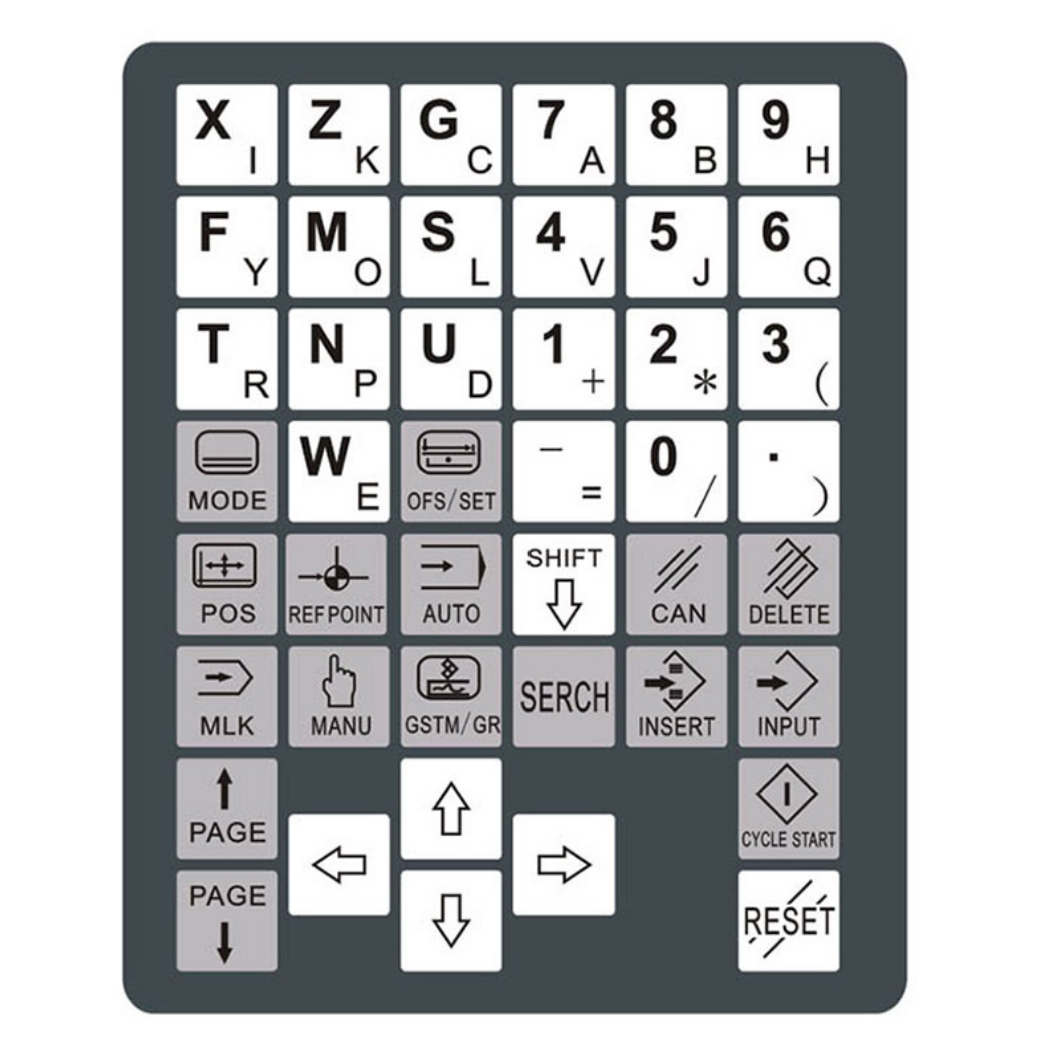
- Matrix Circuit: 3x3 / 4x5 Array
- Chemical Resistance: Petroleum / Solvents
- Sealing Grade: IP67 Hermetic
- Substrate: SUS304 / Anodized AL
- Engraving: High-Precision Fiber Laser
- Durability: Vandal & UV Proof
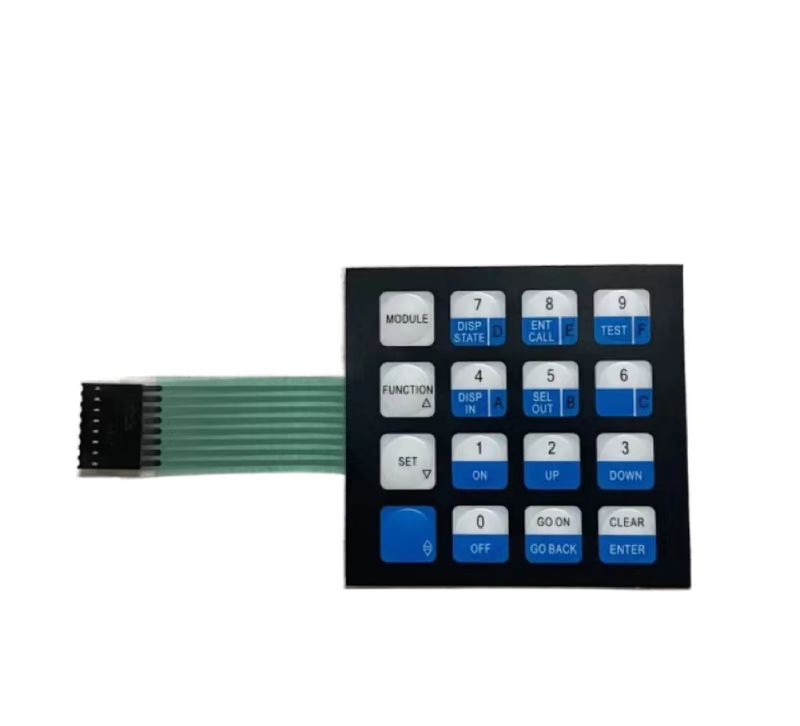
- Layer Build: Flexible Polyester Substrate
- Tail Pitch: 2.54mm / 1.0mm Pitch
- Actuation Rating: >1,000,000 Presses
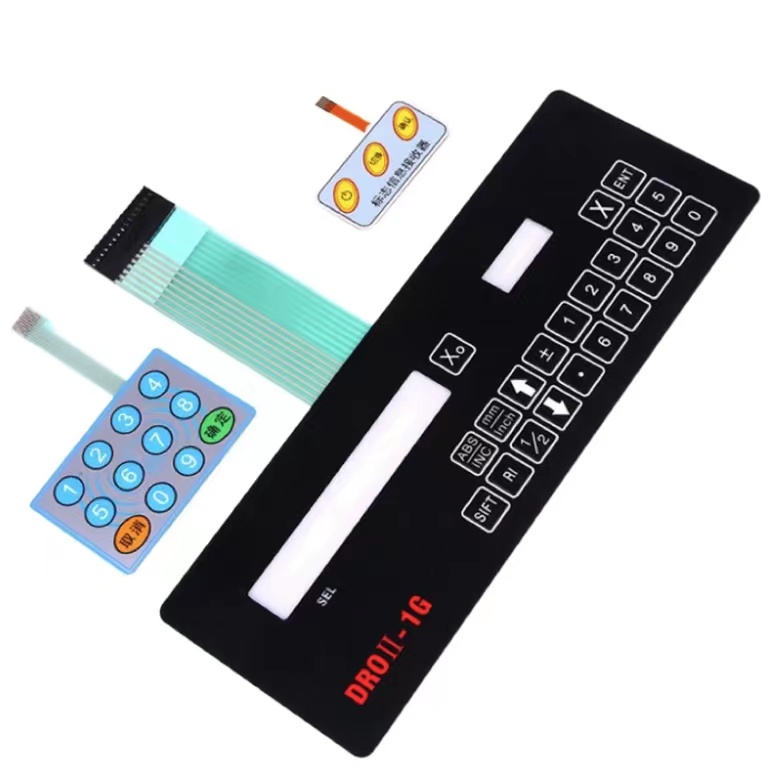
- Print Tech: Sub-Surface Screen Print
- Overlay Media: Autotex PET / Lexan PC
- Mounting: High-Bond 3M 467/468MP

- Sanitization: Alcohol & Bleach Safe
- Surface: Anti-Microbial Flush Overlay
- Protection: Hermetic IP68 Certified
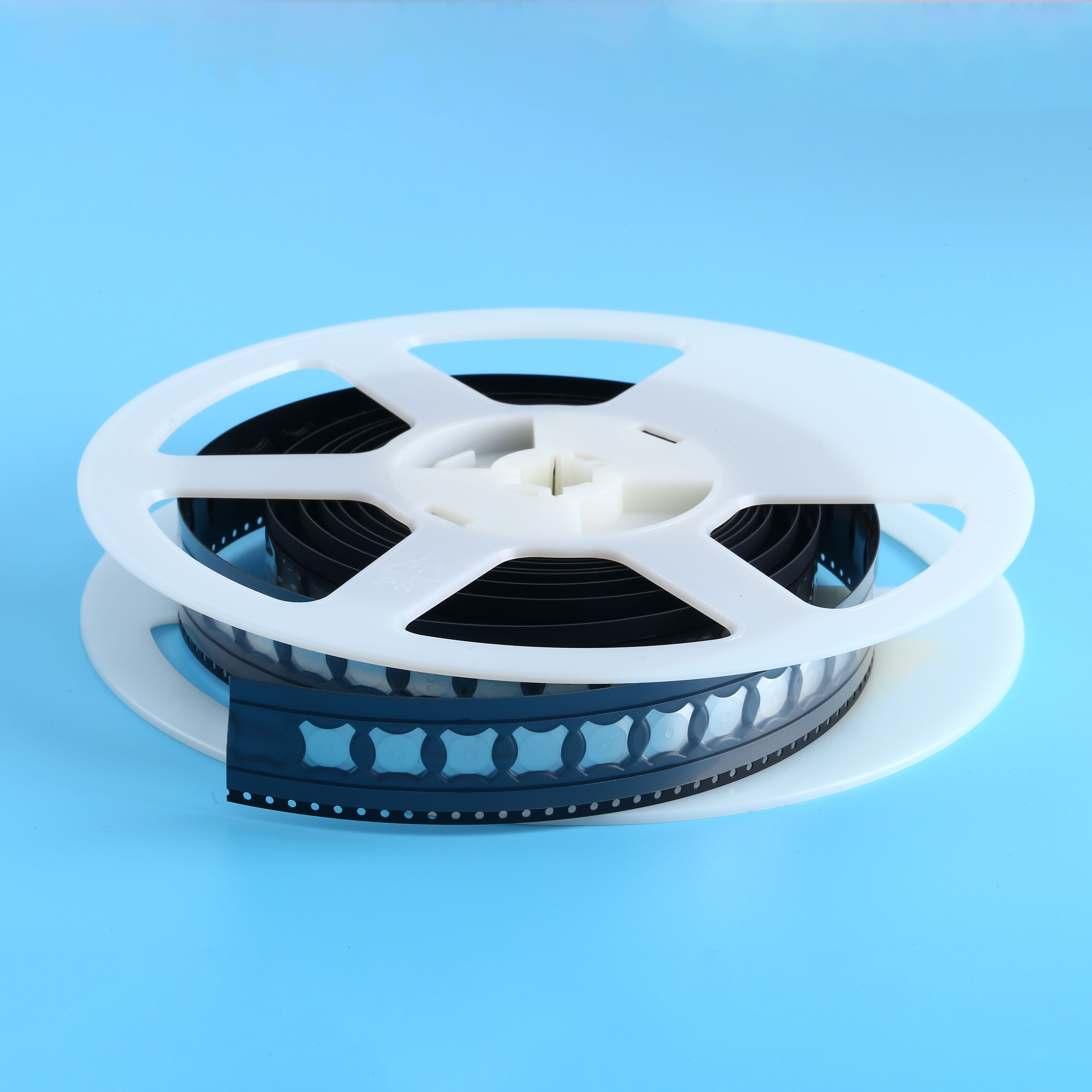
- Dome Typology: 4-Leg / Round Dimpled
- Carrier Film: Optically Clear PET
- Adhesive: Custom Die-Cut Pressure Liner
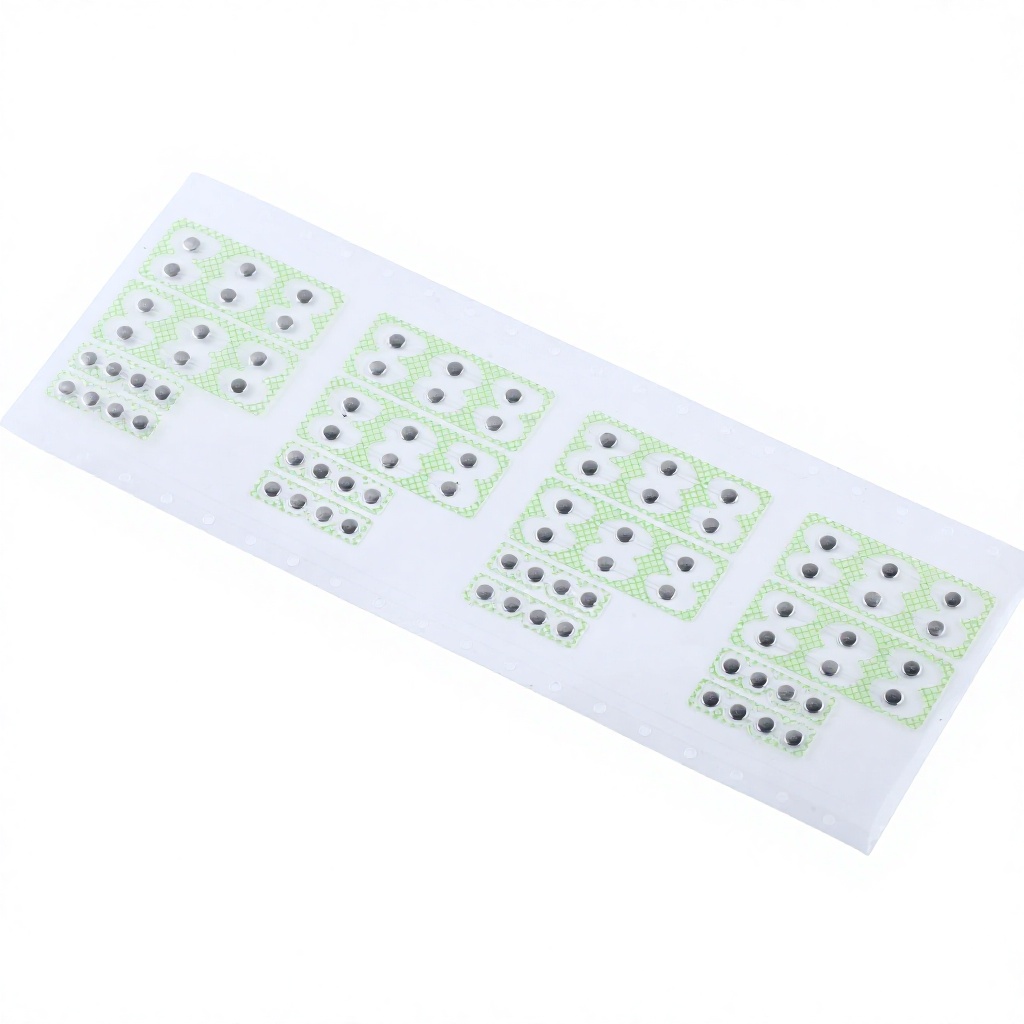
- Alloy: Japanese SUS301 Hardened
- Plating: Nickel / Gold Plated Contact
- Trip Force: Custom 180g - 500g Force
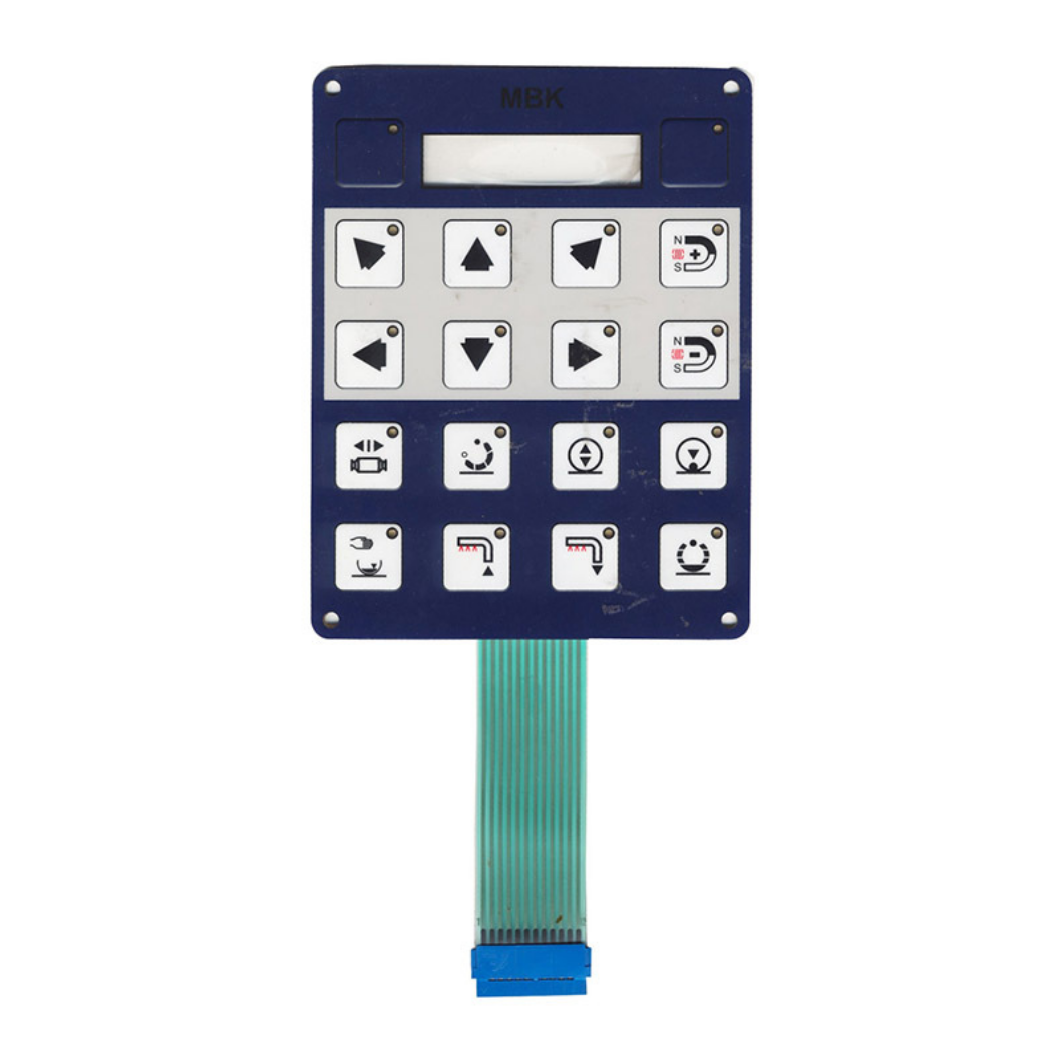
- Profile: Ultra-Slim <0.8mm Thickness
- Conductor: Conductive Silver + Carbon Overprint
- Connector: Female Micromatch / Standard ZIF
Why Non-Tactile Membrane Switches Dominate Extreme-Duty Applications
A rigorous examination of electrical conductivity, layered mechanical fatigue, zero-travel hermetic barrier design, and environmental robustness for engineering design teams.
Fundamental Principle & Mechanical Architecture of Non-Tactile Keypads
In high-reliability Human-Machine Interfaces (HMIs), non-tactile membrane switches represent the pinnacle of mechanical longevity, contamination resistance, and low-profile integration. Unlike tactile switches—which incorporate mechanical snap domes (stainless steel or embossed polyester domes) to provide an abrupt tactile "click"—non-tactile switches function via direct surface contact across a precision-calibrated spacer cavity.
Actuation occurs when the operator applies light vertical pressure (typically 1.0 to 3.5 Newtons) directly to the graphic overlay. This deflects the upper flexible circuit layer across an aperture in the dielectric spacer, bringing upper conductive silver contact pads into instantaneous closure with the lower circuit pattern. Because there are no metallic spring elements undergoing mechanical stress cycles, material fatigue is virtually eliminated. A non-tactile membrane switch routinely achieves an operating lifespan exceeding 5,000,000 to 10,000,000 actuations, far outlasting tactile switches which tend to suffer metal fatigue, dome inversion failure, or micro-cracking after 1,000,000 cycles.
1. Graphic Overlay & Surface
Constructed from biaxially oriented polyethylene terephthalate (PET, such as Autotex) or high-grade Polycarbonate (PC). Printed sub-surface using UV-cured or solvent inks to guarantee that chemical washdowns, scratching, and intense sunlight never degrade legends or optical display windows.
2. Upper Conductive Trace
Flexible heat-stabilized optical-grade polyester (0.100mm to 0.125mm) screen-printed with low-resistance conductive silver ink (conductive loop resistance <100 Ω), capped with screen-printed colloidal carbon paste to eliminate silver migration and prevent micro-oxidation.
3. Precision Dielectric Spacer
Die-cut polyester film laminated with double-sided pressure-sensitive adhesive (typically 3M 467MP or 3M 468MP). The spacer thickness (0.075mm to 0.125mm) defines the switch travel distance and switch activation force, vented internally to prevent barometric pressure lock.
Furthermore, because non-tactile switch assemblies are flat, the exterior graphic overlay requires zero key embossing. This creates a completely flat, non-porous front panel that eliminates crevices where soil, bacterial cultures, fuel vapor, or particulate contaminants can accumulate. In industries where hygienic washdowns or total environmental sealing is mandatory, non-tactile architectures are the standard of choice.
| Performance Characteristic | Non-Tactile Membrane Switch | Tactile Switch (Metal Dome) | Tactile Switch (Polydome) |
|---|---|---|---|
| Actuation Lifespan | > 5,000,000 to 10,000,000 cycles | 1,000,000 cycles (typical) | 500,000 to 1,000,000 cycles |
| Actuation Travel Distance | 0.10 mm to 0.15 mm (Flat, zero-perceptible) | 0.30 mm to 0.60 mm (Distinct click) | 0.20 mm to 0.40 mm (Soft snap) |
| Switch Actuation Force | 1.0 N to 3.5 N (Light touch pressure) | 2.0 N to 5.0 N (Custom spring force) | 2.5 N to 4.5 N (Temperature dependent) |
| Operator Feedback Mechanism | Visual (LEDs / LCD) or Auditory (Buzzer) | Physical tactile snap / click | Mild mechanical collapse |
| Ingress Protection Capability | IP67 / IP68 Hermetic barrier compliant | IP65 / IP67 (Requires perimeter seal) | IP65 (Subject to dome collapse under vacuum) |
| Overall Module Profile | Ultra-thin: 0.5 mm to 0.8 mm | Medium profile: 1.0 mm to 1.5 mm | Medium profile: 1.0 mm to 1.3 mm |
| Severe Cold (-40°C) Behavior | Exceptional (Zero brittle dome fatigue) | Good (Metal dome retain elasticity) | Poor (PET domes stiffen & can crack) |
Electrical Integrity, Contact Bounce, and Anti-Silver Migration
In electronic control panels, switch contact bounce can trigger false trigger interrupts within microcontrollers (MCUs). Non-tactile membrane switches produced in our Dongguan facility exhibit switch bounce times of <5 milliseconds, which can be effortlessly debounced using standard resistor-capacitor (RC) networks or software debouncing algorithms in the firmware.
A primary failure mode in substandard membrane keypads subjected to moisture and electric fields is electrolytic silver migration. When DC voltage is applied across adjacent conductive traces in the presence of moisture, silver ions can migrate through micro-pores in dielectric spacers, creating short circuits. To counteract this, Dongguan Cevra Electronic Technology Co., Ltd. implements a multi-layer preventive protocol:
- Carbon Capping: A secondary conductive layer of high-density carbon ink is printed over all silver contact pads and flexible traces, providing a physical, inert barrier between the silver and ambient humidity.
- UV Dielectric Masking: High-build UV-curing dielectric coatings are applied across non-contact circuit traces, ensuring dielectric insulation withstand voltages >500V DC.
- Vent Channel Engineering: Breath channels are routed strictly internally between closed cavities or through a desiccant-protected membrane vent, preventing wet ambient air ingress while preserving atmospheric pressure equilibrium during abrupt thermal cycling.
Mission-Critical Applications Across Ukrainian Industrial Hubs
Tailored HMI hardware supporting Ukrainian equipment manufacturers, modernization programs, and infrastructure rebuilding in mechanical, agricultural, energy, and medical engineering.
Agricultural Processing & Combine Machinery
Ukraine's agricultural centers (Poltava, Vinnytsia, Cherkasy, Kropyvnytskyi) operate in abrasive, dusty atmospheres during grain harvesting and seed oil processing. Non-tactile membrane switches provide completely flush panels that prevent grain dust, organic oils, and high-pressure steam cleaning from entering cab consoles or grain drying silos.
Electrical Power Distribution & Substations
Substation monitoring, transformer relay enclosures, and diesel generator controllers across Kyiv, Dnipro, and Zaporizhzhia require HMIs that resist severe electromagnetic interference (EMI/RFI). Our non-tactile switch assemblies incorporate aluminum foil or printed carbon grid shielding layers connected to ground, protecting control processors from switching surges.
Fuel Dispensing & Petrochemical Terminals
With critical oil, fuel distribution, and transport hubs operating around Odesa, Lviv, and Kremenchuk, fuel dispenser keypads demand chemical impermeability against diesel, high-octane gasoline, and alcohol additives. Our textured Autotex PET overlays with 3M 300LSE adhesive provide permanent resistance to solvent ingress.
Railway & Transit Vehicle Systems
Ukrainian Railways (Ukrzaliznytsia) passenger and freight locomotives endure heavy vibration, rapid barometric changes, and extreme winter temperatures down to -30°C. Non-tactile control panels eliminate moving mechanical parts that lock or crack under sub-zero icing, guaranteeing uninterrupted operation across transport corridors.
Medical Diagnostics & Sterilization Equipment
Hospitals, diagnostic labs, and field mobile clinics demand interface panels that withstand aggressive daily wipe-downs with medical-grade ethanol, chlorhexidine, and hypochlorite solutions. Non-tactile continuous membrane faces provide completely hermetic surfaces compatible with ISO 13485 clean protocols.
Heavy Machine Tools & Rebuilding Automation
Industrial machinery builders and retrofitting workshops in Western and Central Ukraine require operator control pendants for CNC lathes, plastic extruders, and robotic welders. Non-tactile keypads sealed to IP67 resist cutting fluid splash, lubricating oils, and intense mechanical vibration without unseating or switch flutter.
Emerging Trends & Logistics for Ukrainian Buyers
Strategic factors driving human-machine interface component sourcing, regulatory compliance, and cross-border logistics between South China and Ukraine.
1. Transition to Robust Hermetic Sealing (IP67 / IP68)
Industrial design engineering in Ukraine has shifted decisively away from mechanical pushbuttons and toggle arrays on exterior machine housings. Dust accumulation, rain, snowpack, and aggressive chemicals degrade discrete mechanical switches. Non-tactile membrane switches, manufactured with continuous full-perimeter closed-cell acrylic foam adhesive gaskets, provide genuine IP67/IP68 ingress protection that seals the internal electronics enclosure completely against water immersion and airborne particulate intrusion.
2. Harmonization with European Standards (CE, RoHS, REACH) & DSTU
As Ukrainian manufacturers expand export integration into the European Union, imported electronic sub-assemblies must satisfy strict EU environmental and safety mandates. Every component produced at our Dongguan factory—including adhesives, substrate films, silver and carbon inks, and connector housings—is fully compliant with RoHS Directive 2011/65/EU and REACH (EC) No 1907/2006. Flame retardancy ratings adhere to UL94-V0 and UL94-VTM2, allowing seamless certification under Ukrainian DSTU standards and European CE marking.
3. Resilient Logistics Routes via Polish, Slovak, and Romanian Hubs
International procurement into Ukraine demands secure, dependable logistics corridors. Cevra has established streamlined multimodal air and rail freight partnerships. Shipments from our Guangdong facility dispatch via Shenzhen (SZX) or Hong Kong (HKG) air cargo directly into major European logistics centers—primarily Warsaw (WAW), Katowice (KTW), Krakow (KRK), Poland, or Budapest (BUD) and Bucharest (OTP). From there, goods transfer via bonded road express carriers directly to Ukrainian customs terminals in Lviv, Kyiv, Odesa, and Chop within 7 to 12 transit days, complete with compliant commercial invoices, packing lists, and Certificates of Origin.
4. Integration with Integrated Backlighting & Display Windows
In low-light command cabs and field instruments, non-tactile switches are frequently combined with precision Light Emitting Diode (LED) surface-mount technology or Light Guide Films (LGF). Ultra-thin 0603 or 0805 SMD LEDs are embedded directly within the spacer matrix, providing discrete backlighting for symbols or status indication. Display windows with selective anti-glare or high-gloss dead-front printing allow underlying OLED, TFT, or 7-segment LED screens to remain completely invisible until energized.
Why Global OEMs Partner with Dongguan Cevra
Direct manufacturing authority from an audited ISO 9001 facility. No trading intermediaries, complete process control from circuit CAD design to automated cleanroom lamination.
ISO 9001:2015 & SGS Onsite Verified
Our quality management system is verified onsite by SGS Group. Full material traceability, incoming raw material inspection (IQC), in-process quality control (IPQC), and final 100% functional testing.
2,600㎡ Dedicated In-House Facility
Class 10,000 clean printing workshops, semi-automatic flatbed screen printers, conveyorized curing tunnels, and precision lamination machines based in Dongguan's premier manufacturing corridor.
Comprehensive Lab Test Instrumentation
In-house laboratory equipped with programmable high/low temperature chambers, adhesive peel tension testers, holding tack testers, electric pencil hardness testers, and computer-controlled dome load meters.
CCD Precision Alignment & Laser Die-Cutting
High-resolution CCD visual positioning drilling machines ensure layer-to-layer register accuracy within ±0.05 mm. Complex overlay cutouts and adhesive shapes executed with high-speed digital laser cutters.
Dedicated OEM/ODM Engineering Team
English-fluent CAD and materials engineers assist with Design for Manufacturability (DFM) reviews, schematic pinout optimization, connector selection, and color matching against RAL or Pantone standards.
Flexible MOQ & Fast Prototyping
From rapid prototyping batches of 10 to 50 pieces for initial R&D trials, scaling effortlessly to mass production orders of 50,000+ units, backed by Alibaba Trade Assurance payment security.
Frequently Asked Questions by Ukrainian Procurement Teams
Clear, direct answers regarding materials selection, harsh environment endurance, testing criteria, and cross-border commercial terms.
How does an operator know a non-tactile switch has activated if there is no physical "click"?
1. Integrated Surface LEDs: Sub-surface surface-mount LEDs light up immediately upon contact closure.
2. Buzzer / Audio Tones: The host motherboard's microcontroller emits a short audible beep (<50ms) upon sensing pin pull-down.
3. Graphic Display Update: Real-time on-screen numerical or graphical confirmation on an adjacent LCD/OLED panel.
4. Embossed Rim Ring: An embossed perimeter line around the flat key helps operators guide their finger into position without looking, even while wearing heavy gloves.
Should our engineering team specify Autotex Polyester (PET) or Lexan Polycarbonate (PC) for Ukraine?
How do non-tactile membrane switches perform in sub-zero Ukrainian winters (-20°C to -35°C)?
What engineering design files are required to issue a prototype quotation and DFM analysis?
1. Graphic Artwork File: Vector graphic format (.AI, .CorelDRAW, .PDF, or .EPS) indicating color codes (Pantone Matching System or RAL numbers), window clear/tint zones, and key boundaries.
2. Mechanical / Circuit Drawing: 2D mechanical file (.DXF, .DWG) or 3D step file showing exact outer dimensions, tail location, tail length, pitch, connector pinout schematic, and mounting cutouts.
3. Environmental Specifications: Operating temperature range, UV exposure requirements, chemical contact expectations, and desired ingress protection level (e.g., IP65, IP67).
What tail termination and connector options are available for PCB / MCU connectivity?
• Female Crimp Connectors: Standard 2.54mm (0.100") pitch housings (FCI Berg, Nicomatic, or Amphenol-compatible) with male solder tabs or latching headers.
• ZIF / LIF Connectors: Bare conductor tail configured for 1.0mm, 1.25mm, or 2.54mm Zero Insertion Force (ZIF) PCB socket connectors, reinforced with a rigid polyimide/PET stiffener.
• Flexible Printed Circuit (FPC) Tails: Copper-clad polyimide circuits with gold-plated contact fingers for high-density, high-vibration applications.
What is your typical production lead time and shipping route to Ukrainian destinations?
Request Engineering Consultation & Product Samples
Collaborate directly with Cevra's senior HMI engineering team. Receive custom layer stackup proposals, chemical compatibility reviews, and complete factory price quotations for your Ukrainian hardware application.