Recommended Membrane Switches & HMI Sub-Assemblies
OEM-grade precision switches, flat non-tactile arrays, metallic dome keyboards, and chemically inert surface overlays engineered to meet rigorous Australian standards.
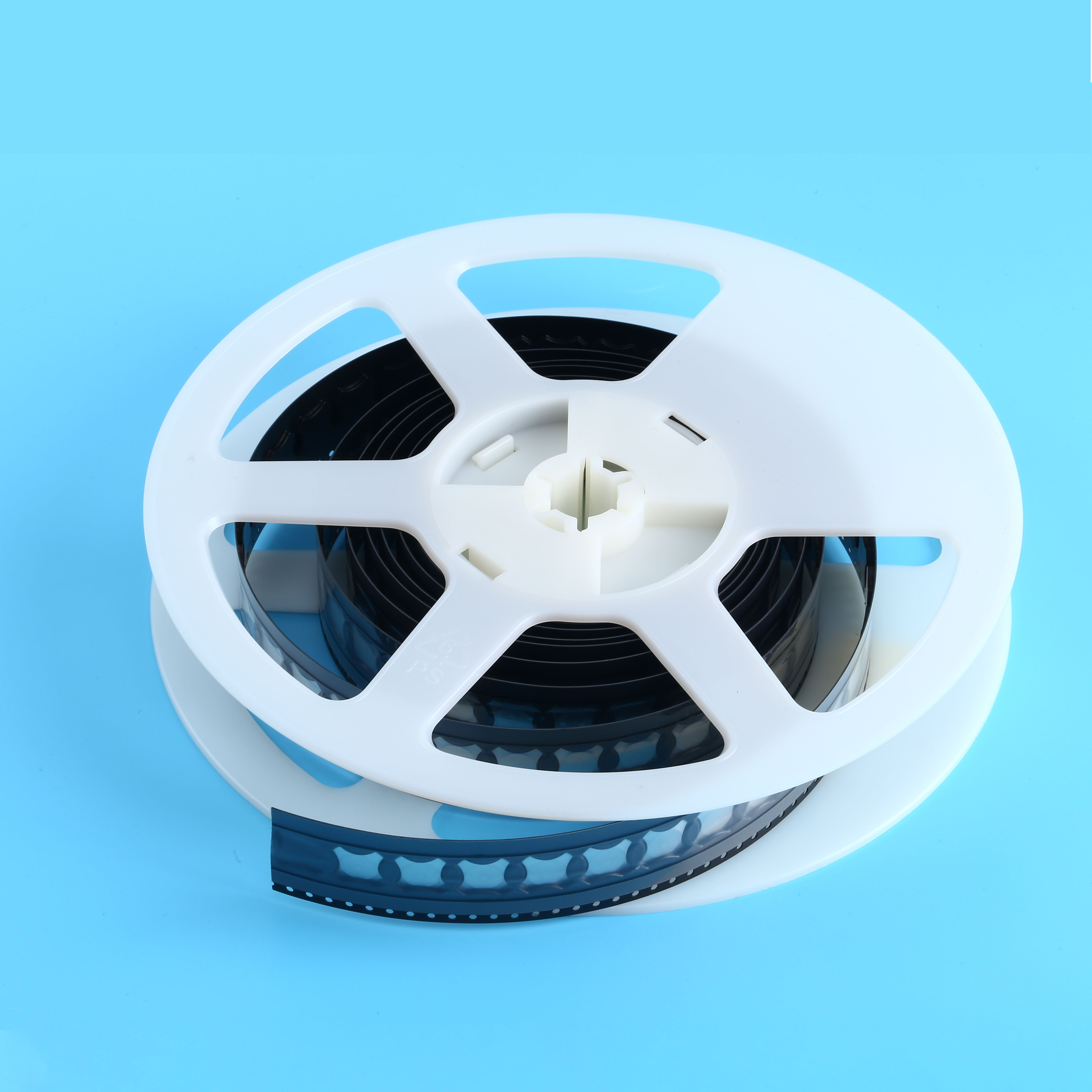
New Trend Factory Custom Cross 4-Legged Snap Dome Poly Metal Dome in Reel Packing Metal Dome Array
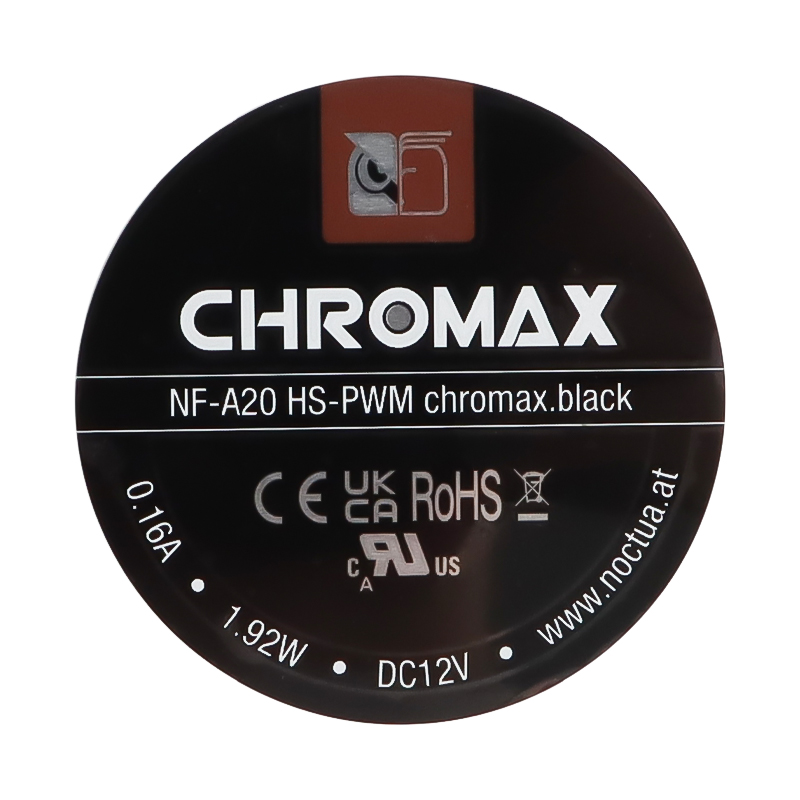
High Quality Customized Logo Stainless Steel Aluminum Metal Crafts Nameplate Round Number Model with Artistic Laser Engraving
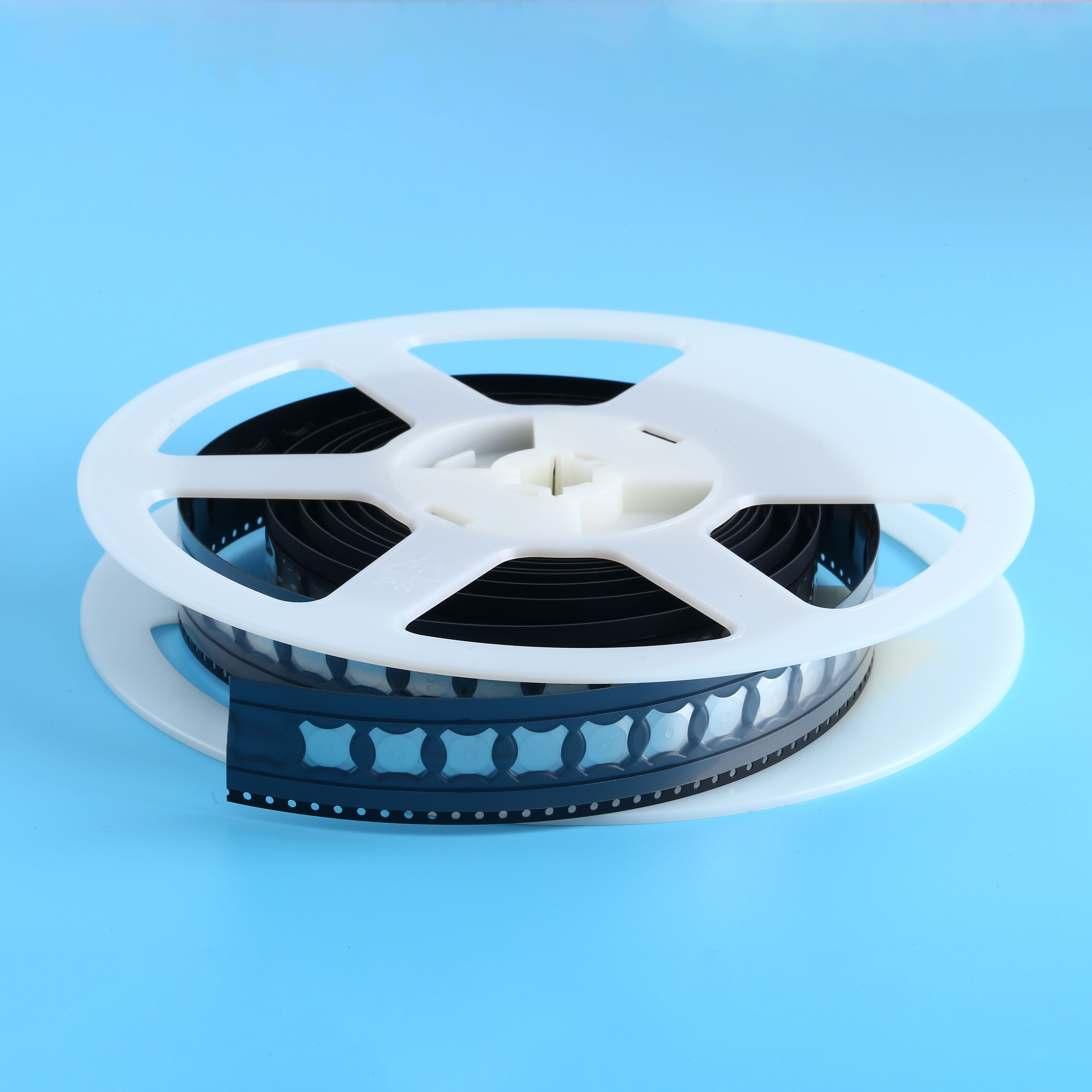
Free Sample Metal Dome Array Single Layer Transparent Pet With Adhesive for Television Remote Control
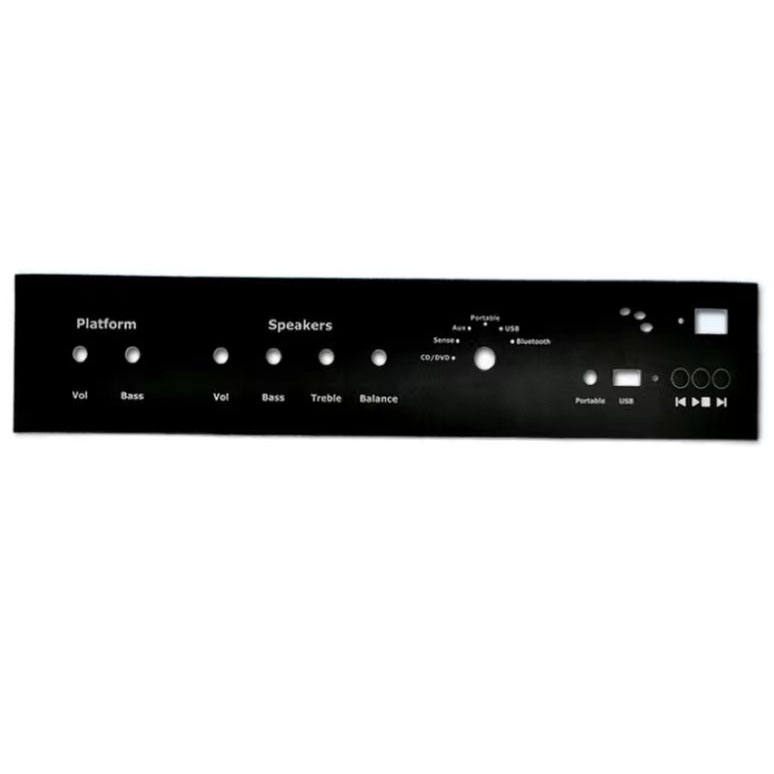
Intelligent Membrane Switch Panel, Washing Machine Touch Panel, Customized Membrane Switch
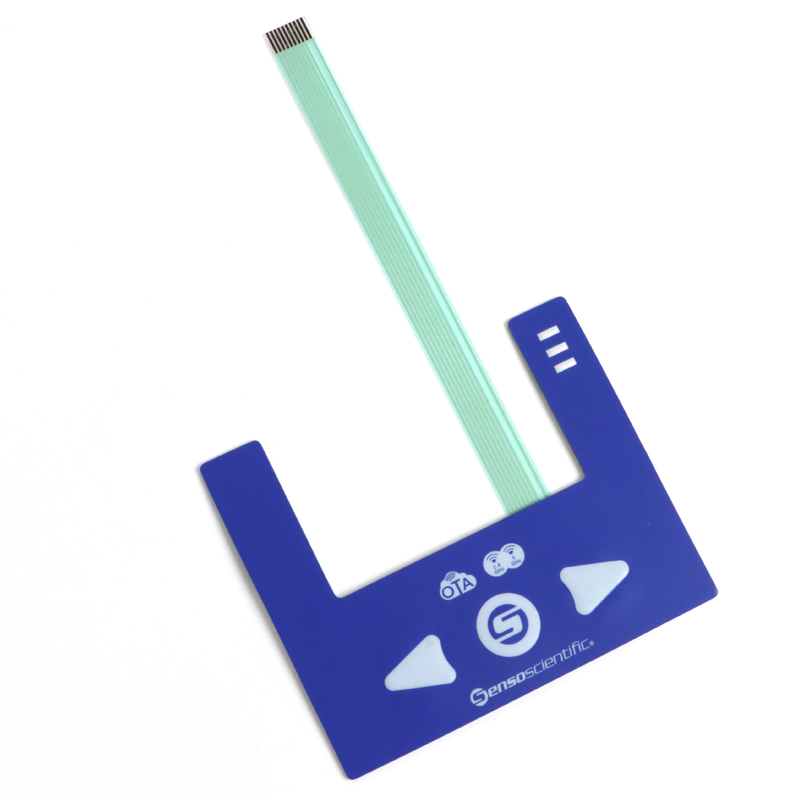
Manufacturer Custom Membrane Keypads Membrane Keyboard and Led Membrane Graphic Overlay
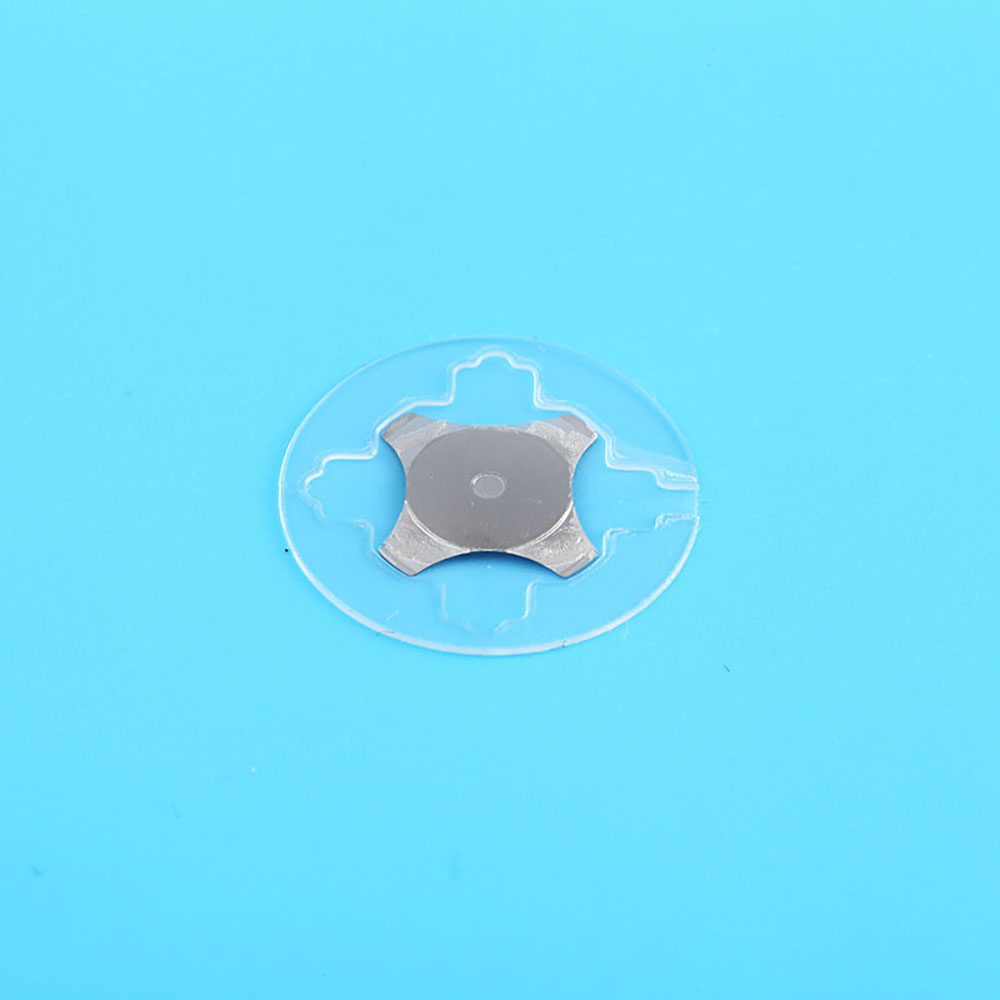
Free Sample Metal Dome Array Single Layer Pet With Adhesive
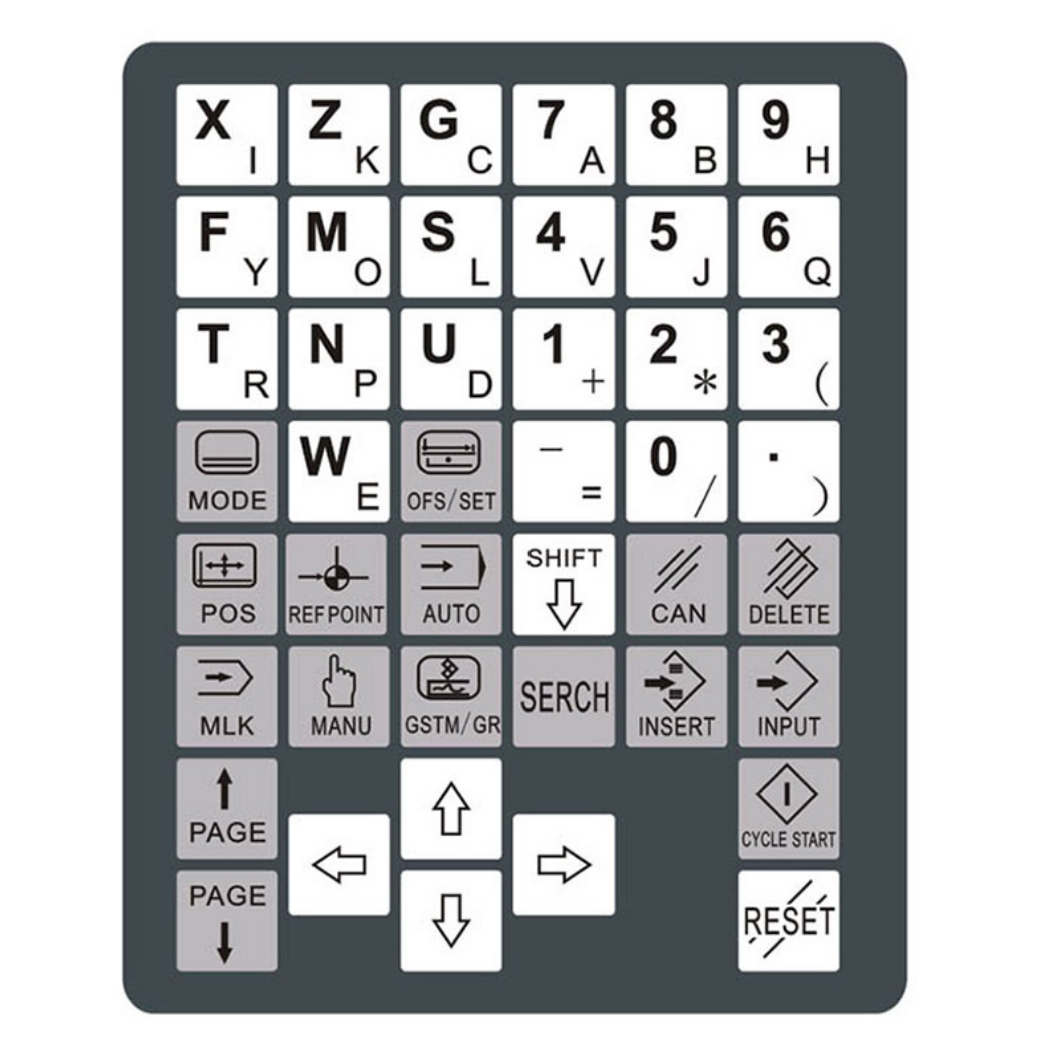
Custom Standard Good Price 3X3 4X5 Matrix Membrane Switch Keypad Keyboard Panel for Fuel Dispenser

New Trend Factory Custom Cross 4-Legged Snap Dome Poly Metal Dome in Reel Packing for SMT Assembly on Membrane Switch
16+
Years Engineering Excellence
2,600㎡
ISO 9001 In-House Facility
5M+
Actuation Cycle Longevity
SGS
Onsite Audited & Verified
Non-Tactile Interface Engineering: The Technological Advantage
Why Sydney's leading medical device innovators, harsh industrial equipment manufacturers, and commercial automation brands implement non-tactile thin-film technology.
Hermetic Ingress Protection
By eliminating physical snap domes, non-tactile architectures feature an entirely contiguous, flat profile. Utilizing 3M 467MP/468MP acrylic adhesives, our assemblies achieve complete IP65 to IP67-rated seals against oceanic salinity, fine red dust, and industrial chemical sterilization agents common across NSW facilities.
Extended Flex Fatigue Life
Without the localized mechanical stress concentrations of stamped metal domes, high-grade treated polyester (PET) switches operate purely on micro-gap capacitive or short-travel conductive bridging. This extends switch actuation endurance beyond 5 million operations under severe operational parameters.
Seamless HMI Integration
Flat surface geometry eliminates tactile interference, making it an ideal interface when layered with audio-buzzer feedback systems or complementary visual indicators. Integrated sub-surface screen printing shields legends from abrasives, high UV indexes, and caustic washdowns.
Localized Applications Across Greater Sydney & NSW
From the high-tech biotechnology corridor of Macquarie Park to the intensive logistics facilities of Western Sydney.
Medical & Cleanroom Instrumentation
Diagnostic monitors, patient telemetry consoles, and surgical sterilization gear throughout Sydney's research hospitals mandate wipe-down surfaces that harbor no bacterial contaminants. Non-tactile switches configured with antimicrobial Autotex PET film resist isopropyl alcohol, hospital-grade bleaches, and frequent chemical wiping.
Mining, Infrastructure & Maritime Controls
Industrial infrastructure deployed from Port Botany terminals to remote NSW quarries must survive extreme diurnal temperature swings and abrasive dust. High-tack laminated non-tactile switch assemblies prevent micro-particulate infiltration and eliminate the mechanical jamming risks of exposed pushbuttons.
Commercial Automation & Fuel Metering
Forecourt payment interfaces, commercial laundry controllers, and intelligent vending equipment demand vandalism-resistant, flat profiles. Non-tactile membrane layers pair with hardened backplates and UV-stabilized polycarbonate overlays to deliver reliable, year-round outdoor operation across regional Australia.
Industrial Trends: The Evolving HMI Landscape in Sydney
The New South Wales advanced manufacturing sector is transitioning from standard mechanical interfaces to integrated, hygienic, and hybrid HMI ecosystems. As Sydney cements its reputation as a biomedical and industrial IoT hub, original equipment manufacturers are systematically replacing bulky mechanical switches with unified thin-film touch structures.
A prominent trend is the convergence of non-tactile capacitive touch switches with optical Light Guide Films (LGF). This combination offers uniform illumination across symbols without localized heat spots or heavy battery drains. Furthermore, strict compliance with Australian Electrical Safety Regulations and EMC standards drives the demand for comprehensive ESD (Electrostatic Discharge) shielding. By printing conductive silver-grid or carbon grounds directly behind the graphic overlay, modern keypads easily dissipate discharges up to 15kV, protecting delicate downstream microcontrollers.
Supply chain resilience has also become a priority for procurement heads across Western Sydney. Direct factory collaboration with ISO 9001-certified producers minimizes component markups from middlemen, ensures end-to-end trace-level quality control, and guarantees tight adherence to technical stack-up tolerances.
Factory-Direct Manufacturing Advantages: Cevra vs. Trading Brokers
Leverage 16+ years of direct engineering experience, verified equipment, and rigorous QA protocol.
ISO 9001 & SGS Audited Infrastructure
Our dedicated 2,600㎡ manufacturing plant in Dongguan handles every critical production process in-house. Verified onsite by SGS Group, our integrated workshops safeguard design confidentiality and enforce stringent quality standards on every production run.
Full In-House Specialized Machinery
From semi-automatic cleanroom screen printing lines and CCD computerized drilling systems to precision digital lasers and automated laminating machines, we eliminate subcontractor delays and maintain micron-level registration accuracy.
Comprehensive Environmental Stress Testing
Every production lot is subjected to our quality control lab, featuring high/low temperature cycle testing (-40°C to +85°C), computerized peel tension testers, tack meters, surface pencil hardness analyzers, and 100% electrical circuit continuity verification.
Direct Design for Manufacturability (DFM)
Work directly with seasoned HMI structural engineers. We provide comprehensive design checks on your vector drawings (CAD, DXF, AI, PDF), optimizing trace spacing, connector pitches, tail venting, and adhesive bonding before tooling is fabricated.
Procurement FAQ: Non-Tactile Keypads for Sydney Buyers
Direct technical answers addressing engineering considerations, tooling investments, and international logistics.