Precision Metal Dome & Membrane Interface Architectures
Engineered to exceed stringent IP67 ingress and 1,000,000+ actuation lifecycle demands across demanding Scottish operating environments.
Dongguan Cevra Electronic Technology Co., Ltd.
Established in March 2009. Verified on-site by SGS Group. Certified ISO 9001:2015 quality management infrastructure supplying OEMs across the UK and European continents.
SGS Audited & ISO 9001 Certified
Every phase of our assembly chain—screen printing, precision laser cutting, CCD auto-drilling, automatic dome placement, and pin-connector crimping—is executed under strict ISO 9001 procedures with third-party SGS onsite verification.
Exhaustive In-House Reliability Testing
We deploy specialized dome trip-force dynamometers, adhesive tension peel testers, electric pencil scratch hardness testers, and severe thermal-cycle chambers (-40°C to +85°C) to validate zero silver-migration and switch stability.
Precision OEM / ODM DFM Support
Direct communication with seasoned HMI tooling engineers. We evaluate your mechanical CAD files, provide tailored stack-up cross-sections, optimize click-ratio feedback, and provide rapid DFM turnarounds within 24 hours.
High-Integrity Metal Dome Membrane Switches: Architecture & Electromechanical Dynamics
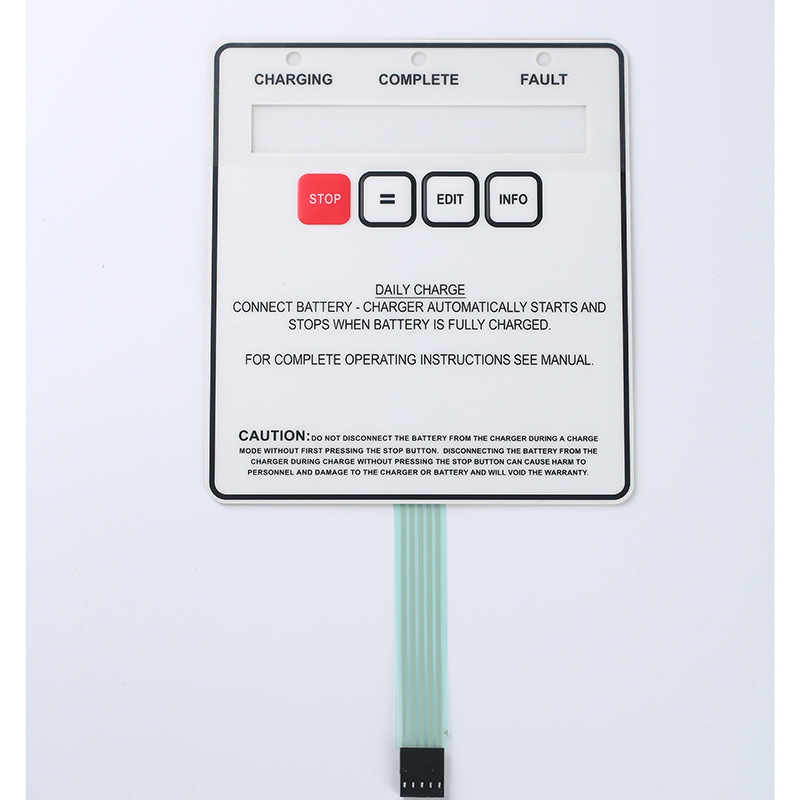
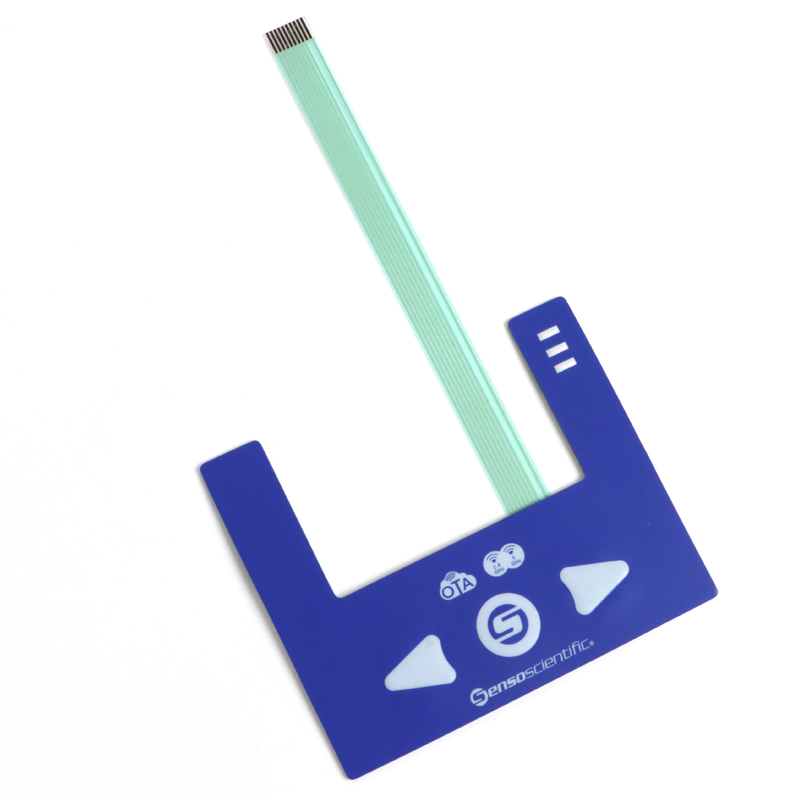
In contemporary electro-mechanical design, human-machine interfaces (HMIs) must function as both a rugged barrier against hazardous ingress and a tactile transmitter of operator command. For Glasgow’s diverse engineering firms—spanning heavy marine systems along the River Clyde to sterile life science devices within the Glasgow BioCorridor—the metal dome membrane switch provides an optimal balance of low profile, environmental sealing, and decisive tactile feedback.
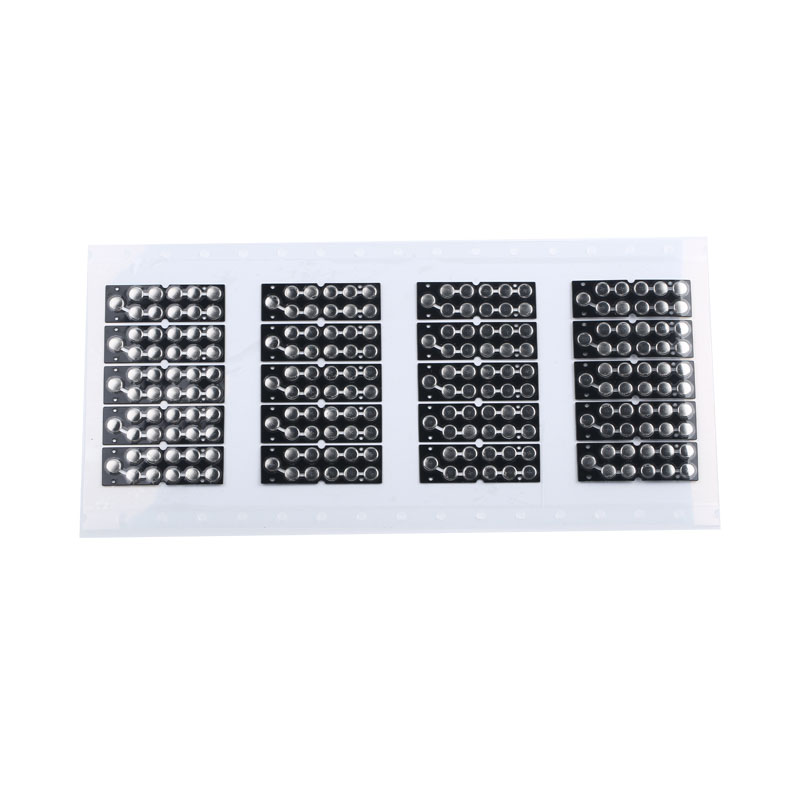
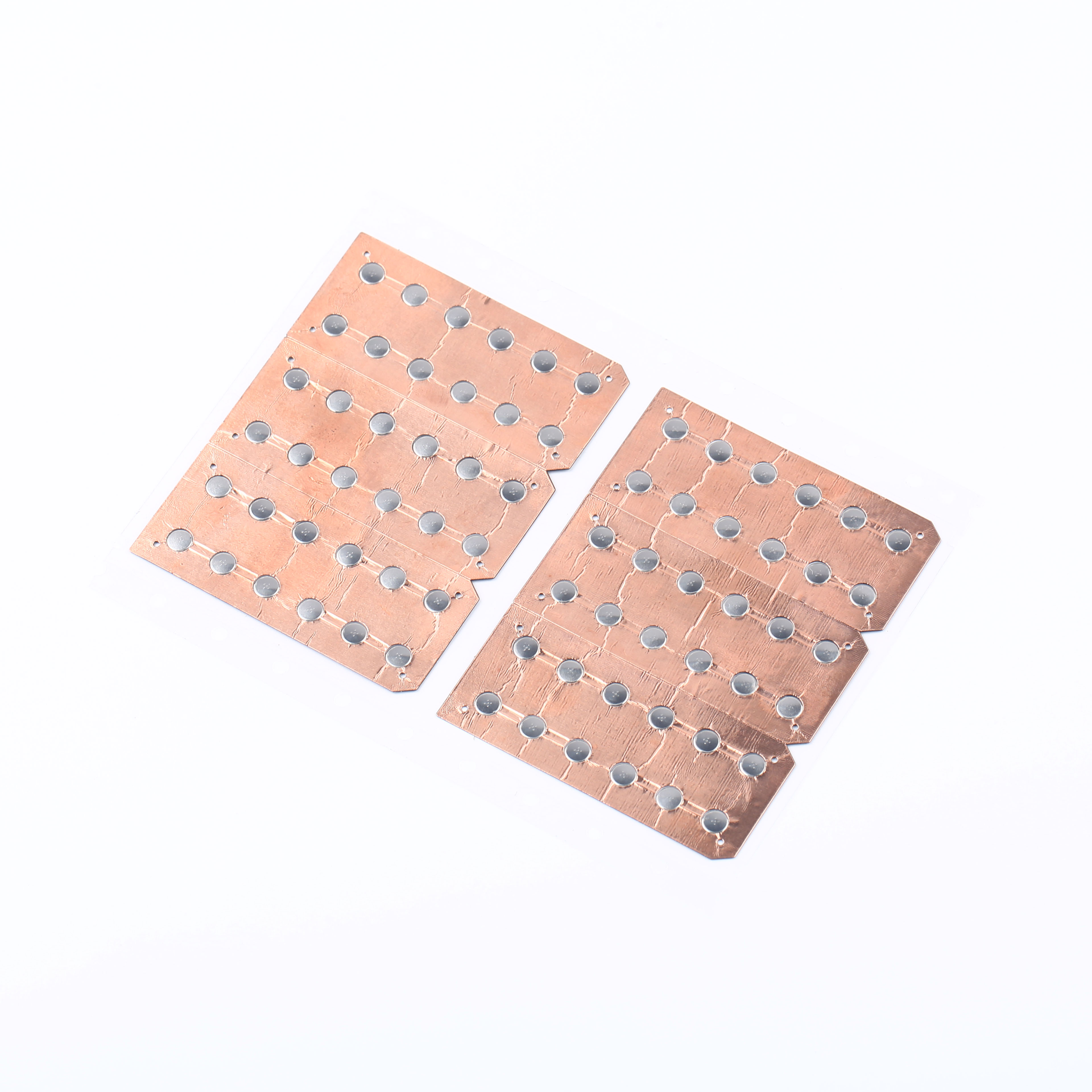
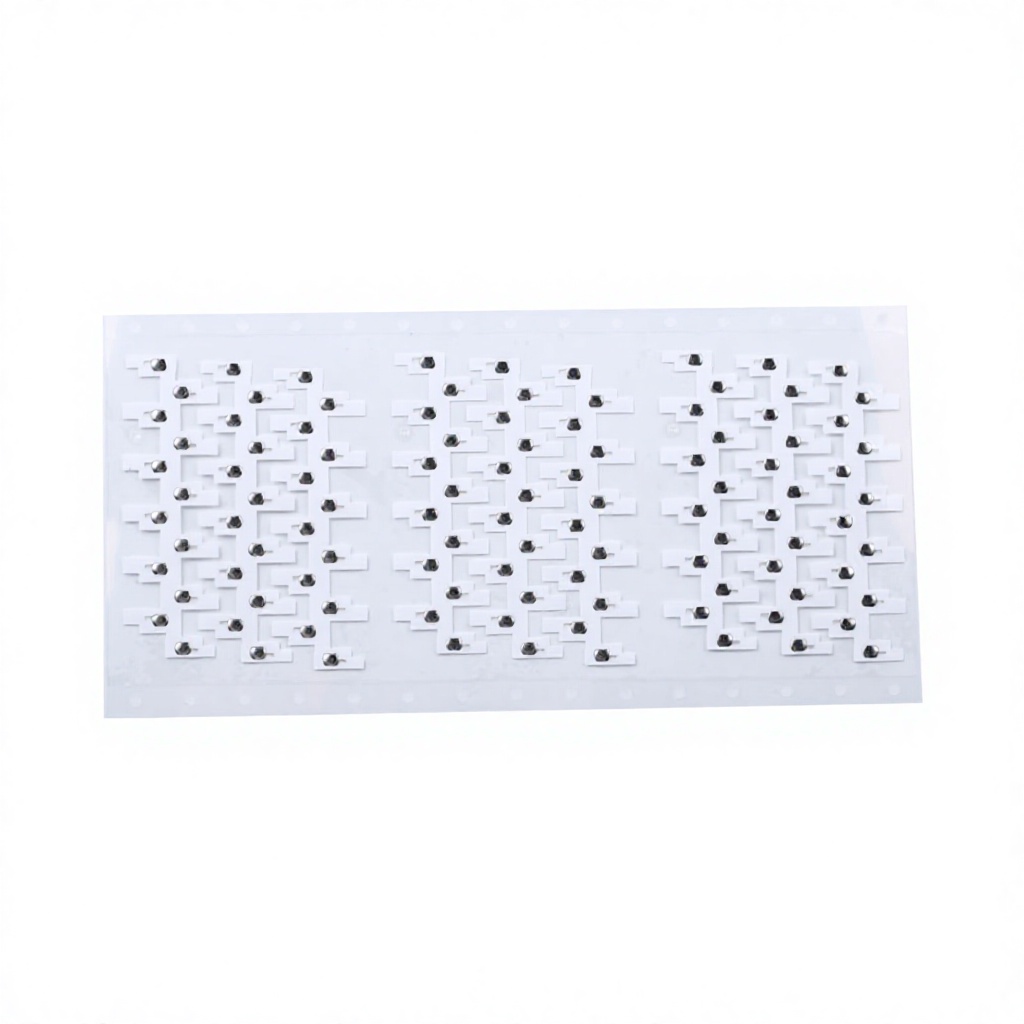
Unlike elastomeric rubber keypads or passive touchscreens, metal dome switches rely on the physical buckling of a calibrated spherical or oblong stainless steel dish (typically SUS301, nickel or gold-plated) against flexible conductive silver or copper traces. This snap action provides a clear crisp tactile sensation, essential for safety-critical systems where an operator wearing industrial gloves must confirm switch actuation without visual verification.
Electromechanical Anatomy of a Multi-Layer Industrial Switch
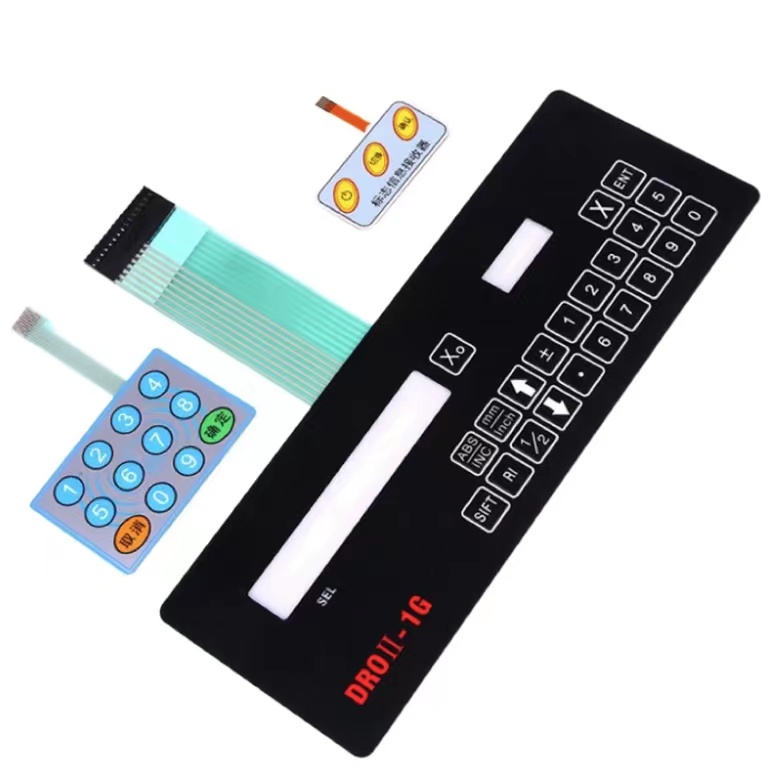
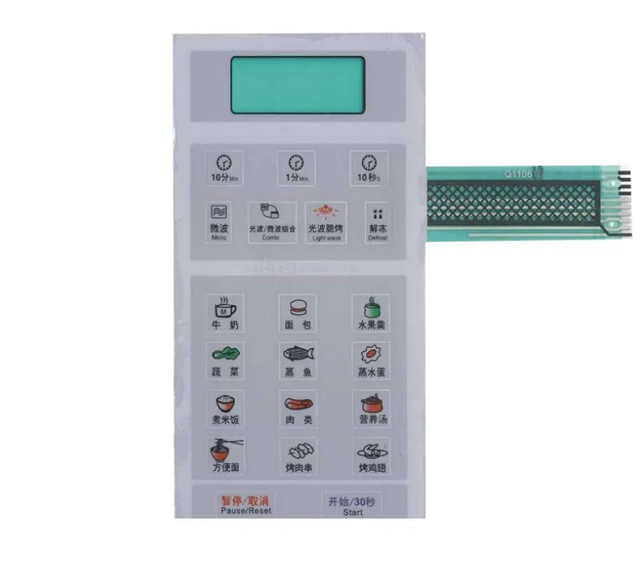
A standard industrial-grade tactile membrane switch built at Cevra integrates 6 to 9 distinct lamination layers, each calibrated to resist mechanical creep, chemical intrusion, and dielectric breakdown:
| Layer Function | Standard Material Selection | Glasgow Engineering Consideration |
|---|---|---|
| 1. Graphic Overlay | Autotype Autotex PET (F150/F200) or Sabic Lexan HP92W Polycarbonate | Sub-surface screen or digital printing. High resistance to industrial oils, saline air, and sterilization chemicals (IPA, bleach, chlorhexidine). |
| 2. Overlay Adhesive | 3M 467MP / 3M 468MP High Performance Acrylic | Optically clear, high-shear bonding resistant to thermal expansion delamination across -40°C to +105°C cycles. |
| 3. Dome Retainer Layer | Polyester Film (Mylar) with venting micro-channels | Precision laser-punched cavities holding tactile domes in fixed coordinate registers; integrated anti-airlock pressure equalization vents. |
| 4. Tactile Actuators | SUS301 Stainless Steel Domes (4-Leg, Round, Triangular, Dimpled) | Trip force range: 180g to 500g. Click ratio optimized between 40%–60% to prevent operator fatigue and contact bounce (<5ms). |
| 5. Circuit Spacer | Bi-axially Oriented PET film with double-sided adhesive | Dielectric thickness control preventing inadvertent closure under severe mechanical vibration or structural torsion. |
| 6. Conductive Circuit | Conductive Silver Ink on Heat-Stabilized PET or Flexible Copper FPC | Low contact resistance (<100 Ω). Optional carbon overcoat protects contact pads from electrolytic migration in humid maritime climates. |
| 7. Rear Mounting Adhesive | 3M 300LSE / 3M 9472LE Low Surface Energy Formulations | Permanent adhesion to powder-coated cast aluminium enclosures, passivated stainless steel, polypropylene, or ABS chassis. |
Serving Glasgow's Core Engineering & Technology Clusters
Engineered custom switches delivered to OEM systems integrators, defense contractors, and specialized manufacturing plants across the Greater Glasgow and Clyde Valley region.
Naval Architecture & Marine Propulsion
Deployment across shipboard navigation consoles, engine monitoring terminals, and ballast telemetry systems along Govan and Scotstoun dockyards. Sealed to IP68 standards, resisting continuous salt spray (ASTM B117), grease, and maritime diesel fuels.
Offshore Wind & Renewable Energy Storage
Integrated within high-voltage sub-station switchgear, wind turbine pitch controllers, and North Sea subsea telemetry junction boxes. Engineered with wide operational envelopes (-40°C to +85°C) and UV-stabilized hard-coat graphic overlays.
Life Sciences & Clinical Diagnostics
Built for Glasgow BioCorridor medical hardware, autoclaved laboratory centrifuges, chromatography analyzers, and bedside diagnostic monitors. Completely flat, wipe-down surfaces with antimicrobial PET overlays preventing hospital-acquired infection harboring.
Food & Beverage Processing
Operating inside automated bottling lines, distilling control pods, and dairy batching terminals across the Central Belt. Resists aggressive clean-in-place (CIP) washdowns, pressurized water jets, and corrosive cleaning caustic compounds.
Defense & Rugged Field Avionics
Low-SWaP (Size, Weight, and Power) tactile keypads meeting MIL-STD-810 environmental specifications. Complete with EMI/RFI copper or aluminum foil shielding grids that attenuate radiated emissions and safeguard against external electromagnetic interception.
Commercial Instrumentation & HVAC
Precision calibration interfaces, smart metering stations, and environmental monitoring equipment across Scottish industrial parks such as Hillington, East Kilbride, and Eurocentral.
Emerging Technology Trends in Scotland's HMI Supply Chain
The manufacturing landscape in Glasgow and the wider Scottish Central Belt is undergoing a dual transition: stringent post-Brexit regulatory divergence requiring UKCA certification, alongside a surge in electrification, robotics, and industrial IoT (IIoT). These macro trends directly influence the electromechanical specifications demanded by Scottish procurement leads.
1. The Transition from Pure Touchscreens to Hybrid Tactile HMI
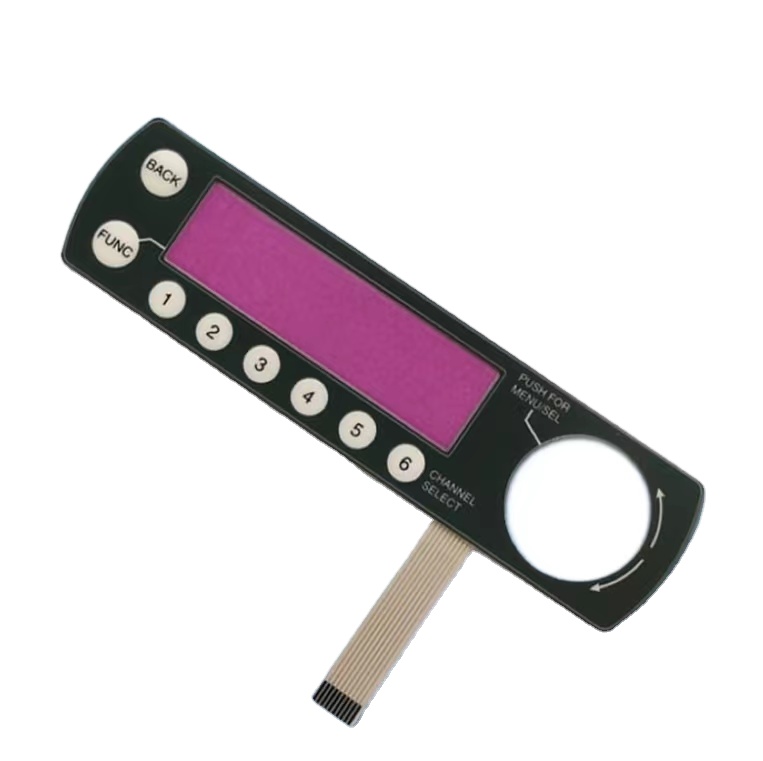
While capacitive touch glass interfaces expanded rapidly across commercial goods, heavy industry engineers in Scotland report significant field drawbacks in mission-critical environments: false triggers caused by condensation, saltwater splashes, electromagnetic interference, and total inability to operate with heavy gloves. The prevailing engineering architecture is a hybrid interface: combining a central TFT/OLED display with a surrounding border of sealed metal dome tactile keys. This setup gives operators decisive mechanical feedback for safety-critical inputs (e.g., E-Stop, Motor Run, Valve Cut-off) while retaining digital software configurability.
2. UKCA, RoHS 3 & REACH Compliance Mandates
Following regulatory recalibrations, Scottish hardware developers require full material traceability. Cevra manufactures every membrane switch and snap dome assembly with certified raw materials complying fully with EU RoHS (Directive 2011/65/EU and amendment 2015/863) and UK REACH regulations. Heavy metals, phthalates, and brominated flame retardants are excluded, accompanied by formal material declaration certificates for rapid UKCA marking validation.
3. Light Guide Film (LGF) & Dead-Front Indicator Illumination
Rather than distributing individual high-draw LED bulbs that produce hotspots and thermal dissipation issues, modern Scottish designs integrate ultra-thin Light Guide Films (LGF) powered by edge-mounted side-fire micro-SMD LEDs. This yields perfectly uniform backlighting across key legends and symbols while keeping the entire panel assembly under 1.8mm in total thickness. Furthermore, "dead-front" printing technology hides icons until backlit, reducing visual clutter on modern machinery consoles.
| Performance Characteristic | SUS301 Metal Dome Membrane Switch | Standard Polydome (PET) Switch | Capacitive Glass Touch Panel |
|---|---|---|---|
| Tactile Response | Crisp, audible snap (Snap ratio 40%–65%) | Soft tactile feel (Degrades over time) | Zero tactile feedback (requires haptic motor) |
| Actuation Lifespan | 1,000,000 to 5,000,000 cycles | 100,000 to 300,000 cycles | Solid state (unlimited sensor cycles) |
| Glove Operation | Flawless with any industrial or winter glove | Operable but muted feedback | Poor; requires specialized conductive gloves |
| Moisture / Water Splashes | Unaffected (completely sealed membrane) | Unaffected | Prone to false actuations or lockouts |
| Tooling & Setup Cost | Low to Moderate (Fast prototype turnaround) | Moderate (requires forming dies) | High (Glass tooling, driver IC programming) |
| Operating Temp Range | -40°C to +85°C continuous | -20°C to +65°C | -20°C to +70°C (LCD/controller limited) |
Glasgow Engineering Procurement FAQ
Detailed answers to electromechanical design questions, logistics routing into Scotland, and production verification procedures.
What CAD files and engineering specifications are required to receive an official DFM review and quotation?
To initiate a comprehensive Design for Manufacturability (DFM) review, please provide:
- Graphic Artwork: Vector files (.AI, .CorelDraw, or vector .PDF) specifying exact Pantone Matching System (PMS) or RAL color codes, window cut-out positions, and font vectorization.
- Mechanical & Circuit Layout: 2D mechanical outlines (.DXF, .DWG) and schematic pin-out lists indicating circuit tail length, pitch (1.0mm, 1.27mm, 2.54mm), connector termination (Berg, Nicomatic, FCI, ZIF), and LED polarity.
- Environmental Parameters: Operating temperature range, UV exposure, chemical contact requirements, and tactile force expectations (e.g., 280g force for gloved operation).
How does Cevra handle shipping, customs clearance, and lead times to Glasgow and the Central Belt?
We routinely supply equipment manufacturers throughout the UK. Prototype samples are typically engineered, punched, laminated, and shipped within 7 to 10 working days via express air courier (DHL, FedEx, UPS) directly to Glasgow Prestwick or Glasgow International Airport hub depots, reaching your testing bench within 3 to 5 transit days. For recurring volume production, we coordinate DDP (Delivered Duty Paid) air or sea shipments via Southampton or Grangemouth ports, handling customs clearance documentation, commodity code classifications, and import VAT seamlessly.
Which metal dome geometry is best suited for high-cycle industrial machinery keypads?
For most industrial and marine control consoles, we recommend 4-leg cross-shaped metal domes with a center dimple (diameters ranging from 8.4mm to 12.2mm). The four-legged footprint provides exceptional rotational stability on PCB or flex circuit contact pads, preventing dome migration during high-frequency actuation. The central dimple concentrates the downward fingertip vector, eliminating actuation dead-zones and providing an assertive tactile snap (trip force typically selected between 250g and 350g) that remains consistent over 1,000,000+ switch cycles.
How do you ensure IP65, IP66, or IP67 ingress protection against rain, condensation, and chemical washdowns?
Hermetic ingress protection is achieved through a perimeter sealing gasket design. We apply a continuous boundary of 3M high-performance acrylic adhesive around the active key and circuit matrix, isolating internal contact poles from external humidity. When coupled with an un-broken outer graphic overlay laminated to a flat, rigid bezel (aluminium or polycarbonate chassis), the assembly forms an impervious barrier certified to BS EN 60529 (IP67), withstanding immersion in water up to 1 meter depth for 30 minutes and high-pressure steam cleanings.
Can you integrate backlighting and display windows into custom graphic overlays?
Yes. We integrate transparent or tinted display windows with anti-glare, anti-scratch, or glossy textures specifically matched to LCD, LED, and VFD displays. For key illumination, we deploy embedded micro-SMD LEDs or integrate ultra-thin Light Guide Film (LGF) networks. LGF ensures uniform illumination across intricate legends with minimal light bleed between adjacent keys, while drawing a fraction of the current needed by traditional lamp arrays.
What Quality Control (QC) procedures are executed before dispatch?
Every single production batch undergoes 100% automated electrical testing for circuit continuity, contact resistance (typically <100 Ω), insulation resistance (>100 MΩ at 100V DC), and dielectric withstand voltage. Tactile performance is sampled via automated force-displacement load analyzers to chart peak trip force (F1) and return force (F2). Adhesive shear, pencil hardness (exceeding 3H on hard-coated PET), and CCD optical inspection for printing alignment verify zero visual or structural defects before vacuum packaging.
Accelerate Your HMI Design Cycle with Cevra Engineers
Whether you require a rapid prototype batch for mechanical validation in Glasgow or high-volume recurring production under ISO 9001 quality management, our engineering team is ready to optimize your layer stack-up and deliver production-ready samples.