High-Reliability Tactile Domes & Custom Membrane Switch Solutions
Explore our export-ready tactile snap switches, waterproof capacitive overlays, and precision metal dome arrays engineered for demanding industrial, diagnostic, and commercial interfaces.
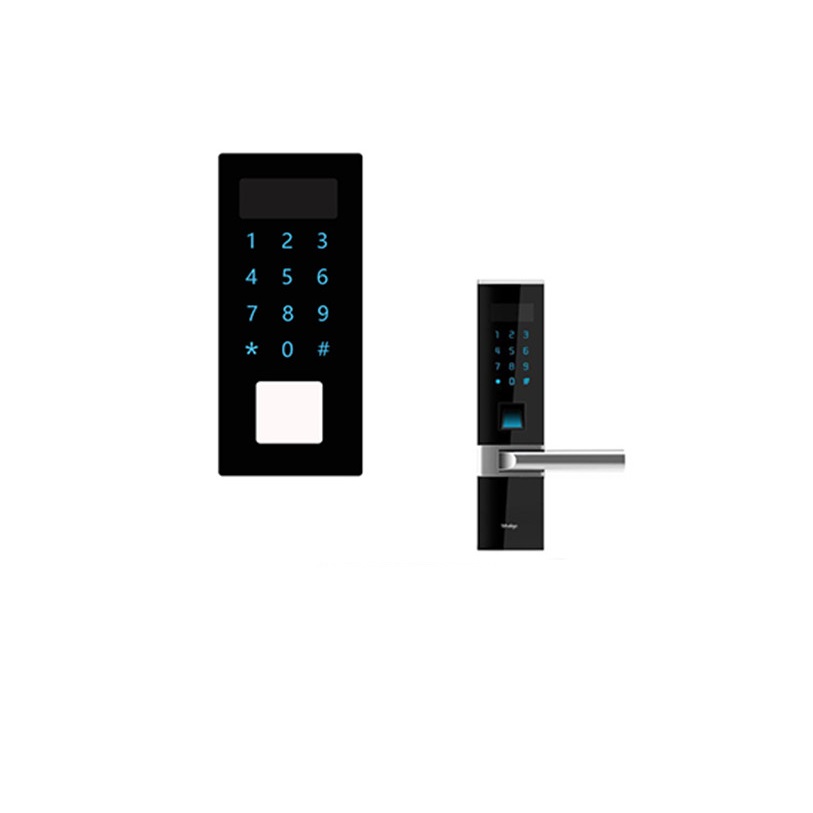
- Substrate: PMMA Acrylic / Hardcoated PET
- Ingress Rating: IP67 Dust & Moisture Proof
- Interface: I2C / Matrix Capacitive Tail
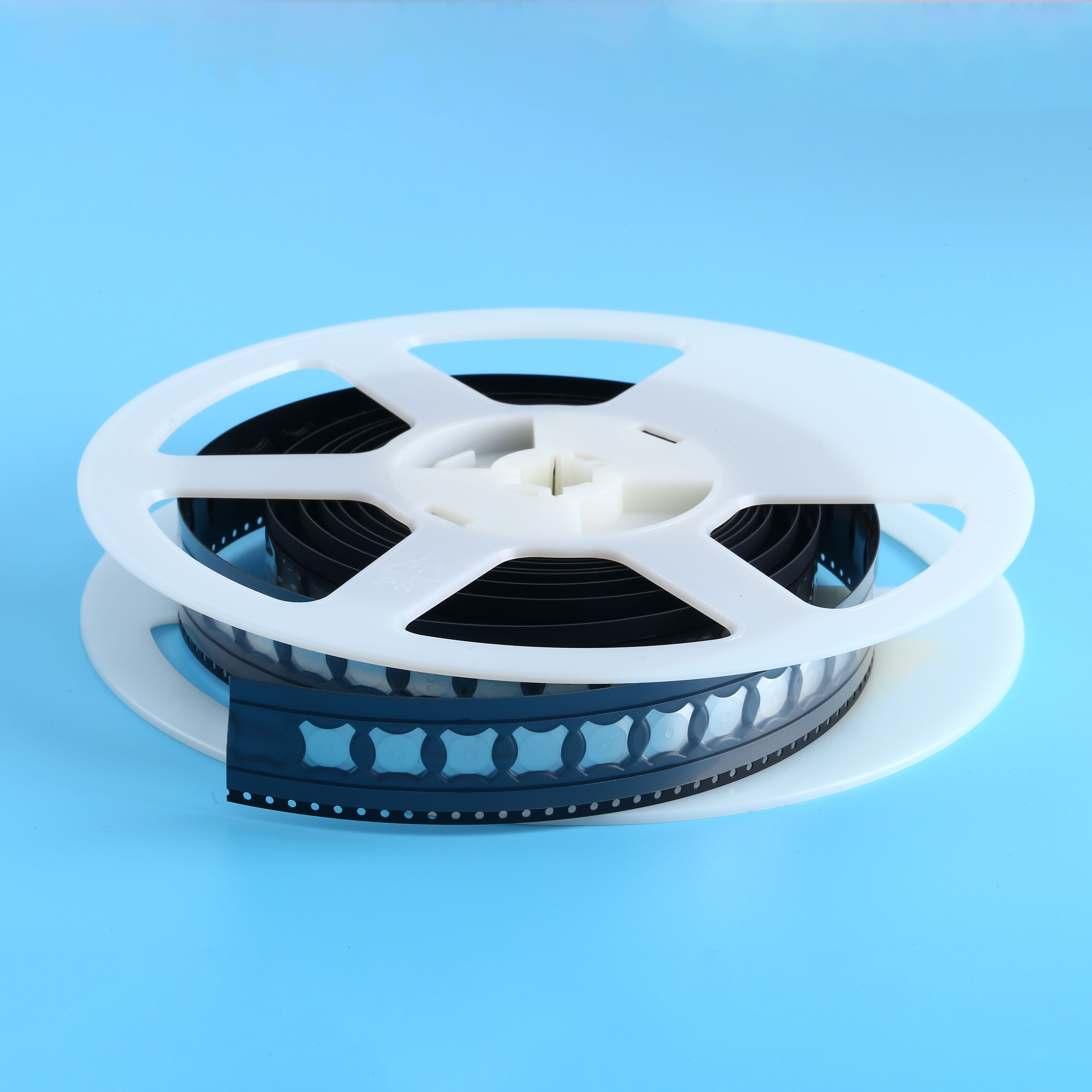
- Dome Alloy: SUS301 Stainless Steel
- Adhesive Carrier: 0.05mm Optically Clear PET
- Trip Force: 160g – 280g Customizable
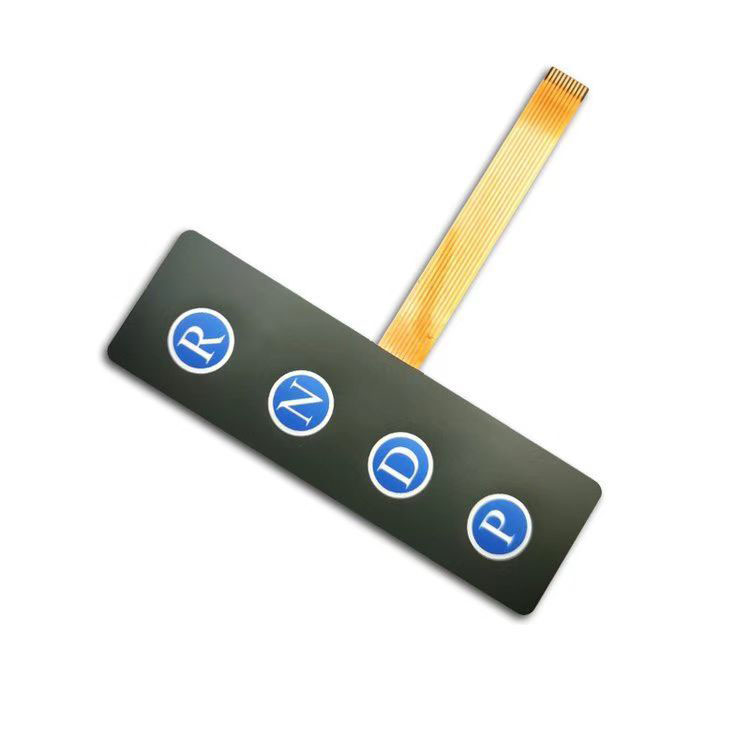
- Embossing: Rim & Pillow Tactile Finish
- Backlight: LGF / Embedded Chip LEDs
- Resistance: < 1.0 Ohm Silver Circuit
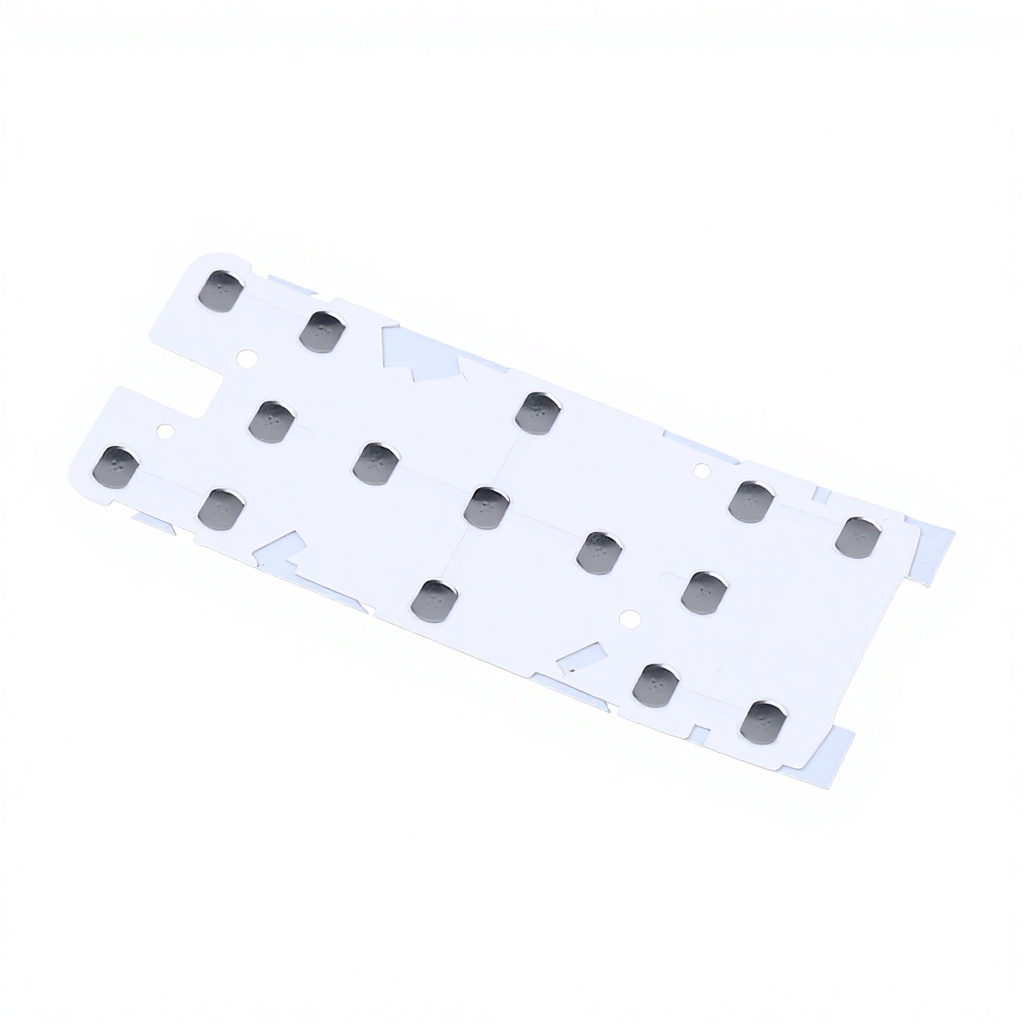
- Carrier Film: Opaque White Reflective PET
- Plating: Electroless Nickel / Gold Flash
- Operating Temp: -40°C to +85°C Stable
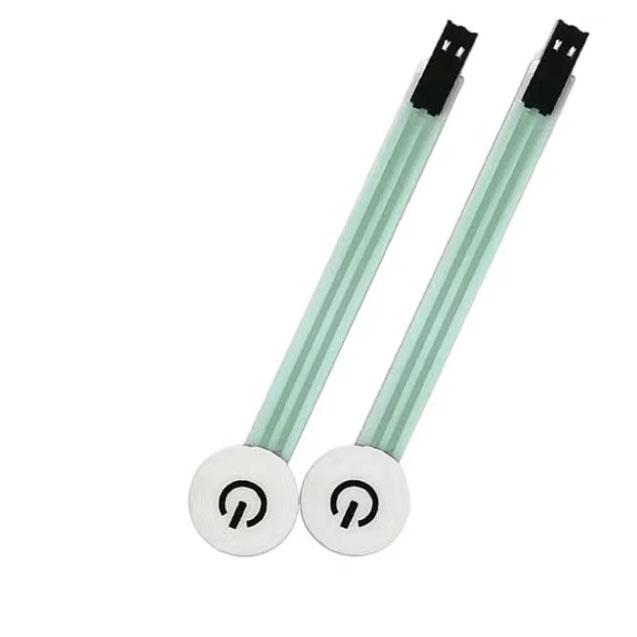
- Form Factor: Compact Miniature Outline
- Life Expectancy: > 2,000,000 Cycles
- Mounting: 3M 467MP / 300LSE Backer
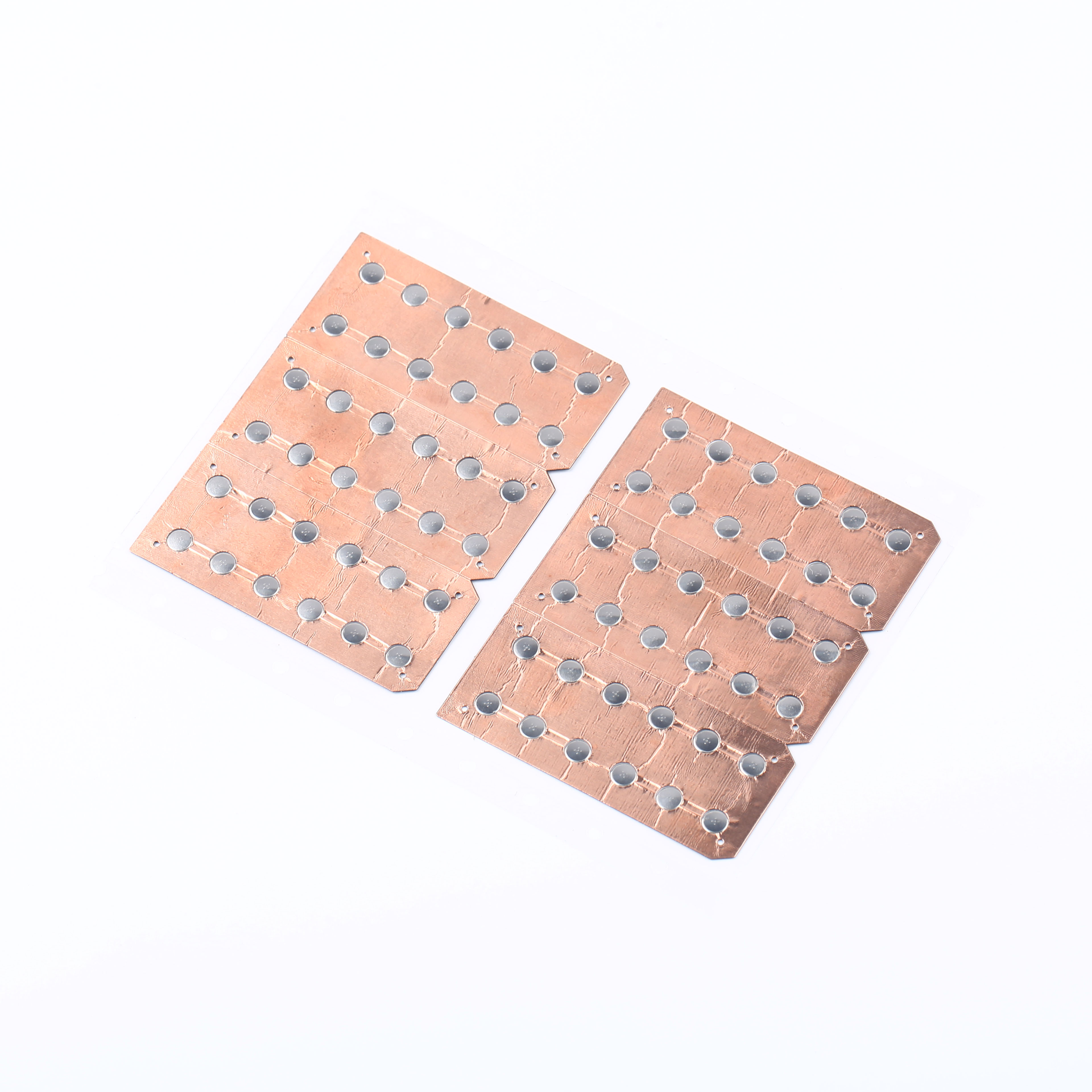
- EMI Shielding: Conductive Copper Backer
- Contact Profile: Round Snap Dome with Dimple
- Contact Resistance: < 0.1 Ohm Grounded
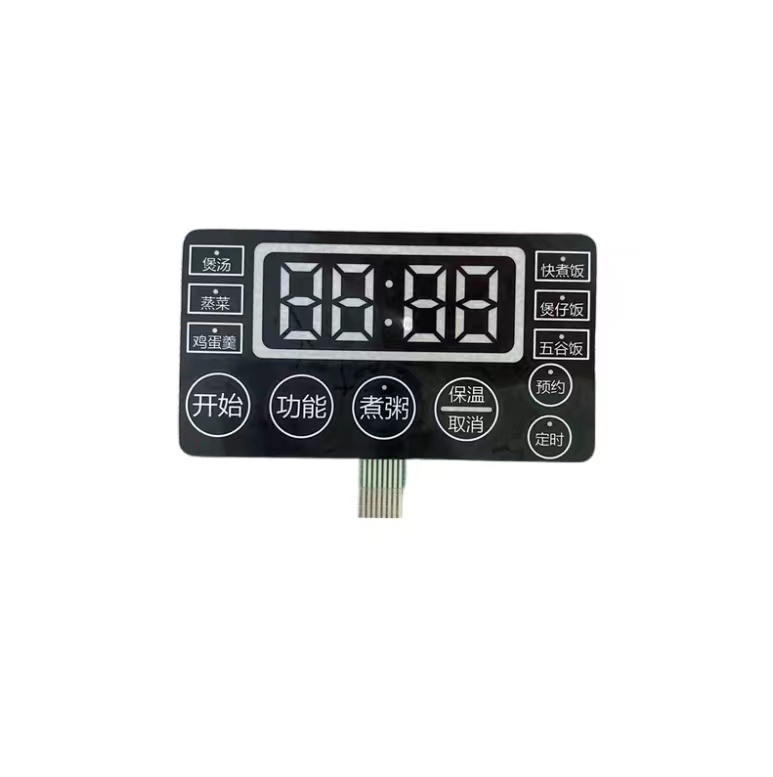
- Overlay Material: Velvet Textured Polycarbonate
- Chemical Durability: Oils, Solvents & Detergents
- Tail Pitch: 1.0mm / 2.54mm Standard
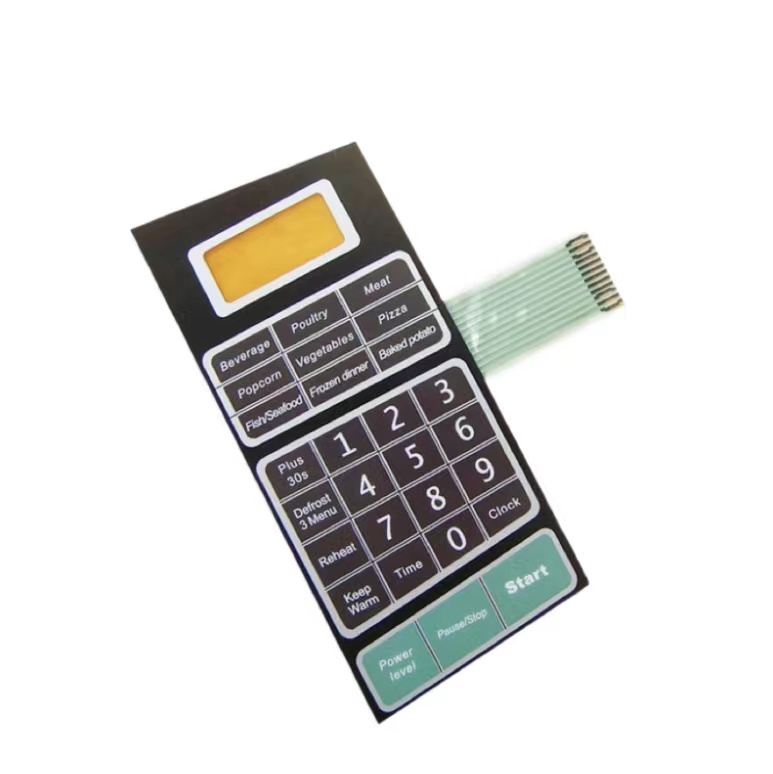
- Minimum Batch: Starting from 10 to 100 Pcs
- Color Matching: Pantone Matching System (PMS)
- Verification: 100% In-Circuit Pinout Testing
Engineering Tactile Precision: Metal Dome Physics & Metallurgy
A rigorous examination of contact mechanics, tactile ratios, environmental tolerances, and layer stack-ups required for severe operating conditions.
The Physics of Tactile Response: Actuation Force vs. Tactile Ratio
In high-reliability human-machine interfaces (HMIs), switch performance is defined by precise mechanical tactility rather than simple electrical closure. Tactile metal snap domes (often referred to as tactile burst domes or chicklets) act as momentary normally-open mechanical switches. When depressed by an operator, the dome deflects downward until it crosses a mechanical snap-over threshold, collapsing against a printed circuit board (PCB) or flexible printed circuit (FPC) contact pad to complete the circuit.
The tactile perception experienced by an operator is mathematically determined by the Tactile Ratio (TR):
Tactile Ratio Equation: TR = [(Fa - Fc) / Fa] × 100%
Where Fa is Peak Actuation Force (Trip Force) and Fc is Contact Return Force. An optimal tactile switch balances a crisp snap with minimal mechanical stress, targeting a ratio between 45% and 65% for heavy industrial environments.
If the tactile ratio drops below 35%, the tactile snap becomes spongy or sluggish, increasing the incidence of operator input errors—especially when personnel wear protective work gloves. Conversely, an excessively high tactile ratio (> 70%) generates localized fatigue points in the dome perimeter legs, substantially accelerating metal crystal dislocation and causing premature collapse before reaching the targeted 1,000,000-cycle threshold.
| Dome Architecture | Common Footprint (mm) | Actuation Force (Fa) | Tactile Ratio (TR) | Mechanical Life Expectancy | Recommended Industrial Use |
|---|---|---|---|---|---|
| 4-Leg Cross (Dimpled) | 8.4mm, 10.0mm, 12.2mm | 220g – 420g | 50% – 62% | > 3,000,000 actuations | Heavy plant consoles, CNC machinery, power grid controllers |
| Circular / Round Snap | 4.0mm, 5.0mm, 6.0mm | 120g – 200g | 40% – 52% | > 1,000,000 actuations | Space-constrained PCBs, handheld diagnostic meters |
| Triangular (3-Leg) | 6.0mm, 7.0mm, 8.5mm | 180g – 350g | 48% – 58% | > 2,500,000 actuations | Compact front panels, linear key arrangements |
| Oblong / Oval Dome | 4.0 × 7.0mm, 5.0 × 9.0mm | 160g – 250g | 42% – 50% | > 1,500,000 actuations | Slim handheld enclosures, edge-mounted command switches |
Metallurgical Selection: SUS301 vs. SUS304 & Contact Plating
The core material of the metal dome dictates its spring-back elasticity, corrosion resistance, and micro-crack propagation over decades of deployment. We utilize premium, precision-rolled Japanese and domestic SUS301 high-yield stainless steel tempered to 3/4H or full-hard conditions. Compared to standard SUS304, SUS301 features elevated work-hardening characteristics that allow the dome to withstand millions of flexural cycles without losing rebound elasticity.
To eliminate contact intermittency caused by atmospheric sulfurization and oxidation, we offer three surface plating options:
- Bright Stainless (Bare SUS301): Economical choice for strictly sealed membrane packages with integral desiccated venting channels. Contact resistance sits typically between 1.0 and 3.0 Ohms.
- Electroless Nickel Plating (Ni 1.0–2.0μm): Prevents atmospheric tarnish, stabilizes contact resistance to < 0.5 Ohms, and resists micro-fretting corrosion caused by continuous mechanical vibration.
- Hard Selective Gold Plating (Au 0.05–0.1μm over Ni barrier): The benchmark for mission-critical industrial telemetry and low-voltage logic circuits (< 5V DC), keeping contact resistance below 0.1 Ohms throughout 5,000,000 cycles.
Deployment Scenarios Across Tiraspol & Regional Industrial Basins
How customized tactile metal domes and sealed membrane switches solve operational challenges in Transnistria's major engineering, agricultural, and energy manufacturing complexes.
Heavy Electrical Equipment & Generators
Tiraspol has deep roots in heavy electrical apparatus manufacturing (such as high-torque electric motors, heavy transformers, and control consoles). High-actuation 4-leg metal domes (350g–450g) mounted under chemically resistant Autotex PET overlays withstand electrical noise, high ambient vibrations, and grease, ensuring intentional, firm key strikes in switchgear cabinets.
Agro-Industrial & Packaging Automation
Processing grain, wine, fruits, and canned goods in the Dniester River basin requires automated packaging and sorting lines. Machine panels face daily high-pressure washdowns with caustic cleaning detergents. Our IP67-rated graphic overlay membrane switches with stainless steel snap dome arrays prevent moisture penetration and fluid contamination.
Energy Grid Telemetry & Power Generation
Supporting thermal and hydro power telemetry facilities (such as the Dnestrovsk thermal complex), field measurement instruments require uninterrupted operation under wide continental temperature extremes (-25°C winter to +40°C summer). Our cold-rated adhesives (3M 300LSE) and sealed venting topologies prevent internal condensation and switch sticking.
Textile Machinery Modernization
Modernization of spinning, weaving, and sewing machinery across regional textile facilities (such as the extensive Tirotex production cluster) requires retrofitting obsolete mechanical switches with low-profile membrane keypads. Dust-sealed tactile dome sheets prevent airborne cotton fiber ingress from clogging electrical contacts.
Commercial Vending & Payment Terminals
Self-service payment kiosks, transit ticketing consoles, and fuel pump dispensers operating across urban centers demand vandal-resistant, weatherproof snap domes. We engineer robust PMMA front panels integrated with gold-plated metal domes to maintain consistent electrical continuity across millions of public interactions.
Automotive Harnesses & Sub-Assemblies
Regional tier-2 automotive and wire-harness producers supplying European corridors rely on our custom pre-positioned metal dome arrays on rolls for high-speed pick-and-place mounting on PCBs, drastically reducing assembly time while eliminating manual placement misalignments.
Regional Sourcing Trends: Direct-from-Factory Advantage for Tiraspol
Analyzing the migration from legacy electromechanical push-buttons to sealed tactile assemblies, and how direct sourcing from Dongguan bypasses European trading intermediaries.
1. The Shift from Discrete Electromechanical Switches to Monolithic HMI Panels
Across eastern industrial production facilities, legacy machinery historically relied on bulky, discrete push-buttons (such as 22mm panel-mount spring switches). These legacy units suffer from rapid mechanical fatigue, seal degradation, and dust ingress. Regional electrical engineers are steadily replacing these assemblies with monolithic, flat-profile membrane switches backed with SUS301 metal dome arrays. A single integrated membrane panel combines graphic labeling, LED status indicators, tactile switching, and ingress sealing into a single 1.2mm-thick sandwich, slashing panel assembly time by over 70%.
2. Navigating Regional Supply Chain Disruptions: Direct OEM/ODM Procurement
Historically, manufacturing firms in Tiraspol and the surrounding Moldovan/Transnistrian corridor procured electronic switches via intermediate European distributor networks. This multi-tiered broker model often introduced substantial markups (up to 200–300%) and elongated lead times exceeding 16 to 20 weeks. By partnering directly with our ISO 9001 certified manufacturing facility in Dongguan, China, procurement officers gain direct access to raw factory pricing, dedicated engineering DFM support, and standard prototyping runs shipped in 5 to 7 working days.
3. Transport Corridors & Customs Optimization for Eastern European Importers
Exporting high-precision electronic components to Tiraspol requires predictable freight routing. Shipments typically route via international air freight into Chișinău International Airport (KIV) or bonded freight handling centers, followed by bonded overland transit into Transnistria. Products are cleared under HS Code 8536.50 (Electrical apparatus for switching or making connections to electrical circuits, for a voltage not exceeding 1,000 V). We provide complete commercial documentation, including custom certificates of origin, material composition declarations, RoHS/REACH compliance dossiers, and SGS inspection records to ensure seamless customs processing.
16+ Years of In-House Precision Manufacturing & Testing Rigor
Every layer of your membrane switch and dome array is printed, punched, laminated, and tested under one roof in our Dongguan facility.
SGS Verified & ISO 9001:2015
Our 2,600㎡ manufacturing plant and quality management infrastructure are verified onsite by SGS Group. Production follows stringent traceability protocols from raw sheet verification to final outgoing inspection.
Comprehensive Lab Testing Equipment
We do not guess switch reliability; we measure it. Our testing lab features dedicated dome load curve testers, high/low temperature environmental chambers (-40°C to +120°C), adhesive holding tack testers, peel tension testers, and pencil surface hardness testers.
Turnkey In-House Production
Equipped with semi-automatic precision screen printing lines, CCD optical positioning drilling machines, high-speed die-cutters, laser slicing tables, and automated dome array placement systems for zero-defect layer assembly.
Bespoke OEM/ODM Customization
Engineering consultation for custom key travel, specific actuation forces (100g to 600g), custom tail pitches (0.5mm, 1.0mm, 1.27mm, 2.54mm), backlighting via light guide film (LGF), and integrated capacitive sensors.
Low MOQ & Agile Prototyping
We support agile product development with prototype batches starting from 10 to 100 units. Prototype tooling turnaround is completed within 3–5 business days with full engineering proofs submitted prior to cutting steel.
Direct Technical Communication
Engage directly with our bilingual mechanical and electronic engineers. Review layer stack-up drawings, pinout schematics, and material properties without delay or miscommunication through third-party agents.
Frequently Asked Questions for Regional Buyers & Engineers
Detailed technical, compliance, and shipping answers tailored for procurement managers and hardware design teams in the Tiraspol industrial market.
What design files and specifications are needed to initiate a tooling quotation?
How do PET and PC graphic overlays differ under harsh chemical exposure?
What prevents metal domes from shifting or sticking in high-vibration machinery?
What are the typical lead times for prototypes and mass production orders?
Can you integrate backlighting into low-profile membrane keypads?
What testing protocols confirm switch reliability prior to shipment?
Consult Directly with an Application Engineer
Looking to develop a custom membrane switch, source high-volume tactile metal dome arrays, or request physical engineering sample packs for your facility in Tiraspol? We provide technical DFM reviews and transparent factory quotations within 24 hours.