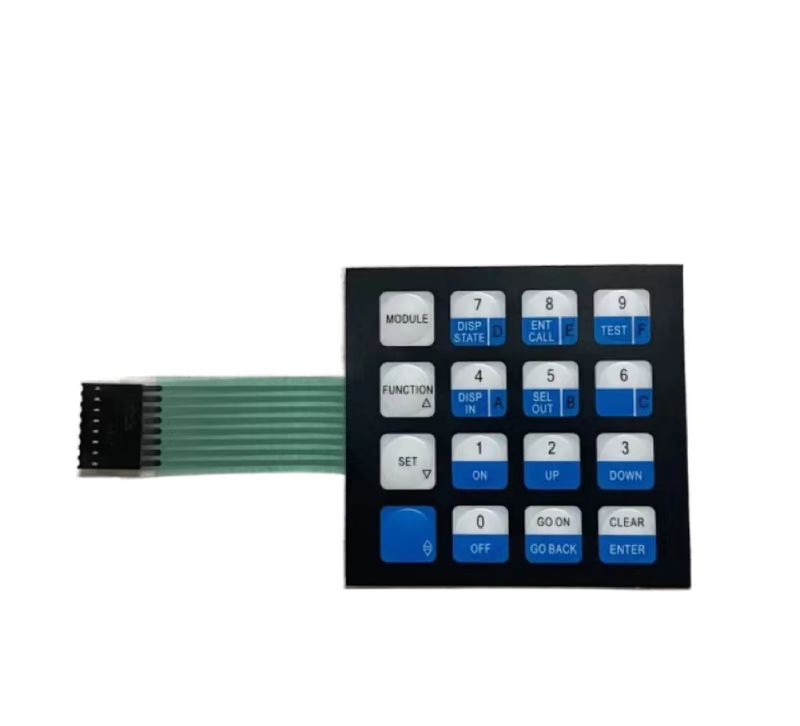
Membrane Touch Panel Manufacturer & Suppliers serving The Hague

Industrial-Grade HMI Engineering, ISO 9001 Certified Cleanroom Production, Capacitive Film Assemblies & SUS301 Tactile Keypads for Dutch Technology Leaders.

16+
Years Manufacturing (Since 2009)
2,600㎡
Class 10,000 Clean Workshop
ISO 9001
SGS Onsite Verified Facility
>1,000,000
Actuation Lifecycle Guarantee
Direct OEM/ODM Precision Manufacturing

High-Reliability Membrane Touch Panels & Tactile Arrays

Engineered for mission-critical interfaces across The Hague, Delft, Rotterdam, and South Holland. Designed to withstand marine humidity, chemical cleaning, and heavy industrial duty cycles.

Technical Whitepaper & DFM Architecture

Engineering High-Durability Membrane Touch Panels for The Hague's Advanced Industries

A rigorous examination of multi-layer substrate design, capacitive dielectric stability, and tactile snap dynamics engineered for demanding European industrial operating conditions.

Modern machine builders and instrumentation developers based across the Greater The Hague Metropolitan Area (Metropoolregio Rotterdam Den Haag) face stringent operational challenges. From precision laboratory instruments in the Leiden-Delft-Hague knowledge triangle to subsea marine controllers operating off the Scheveningen coast and Port of Rotterdam logistics hubs, human-machine interfaces (HMI) cannot afford tactile fatigue, silver migration, or environmental delamination. Dongguan Cevra Electronic Technology Co., Ltd. brings sixteen years of deep component-level engineering, bridging Chinese high-yield automated production with strict European industrial standards.

Information Gain: Mitigating Silver Migration in High-Humidity Maritime Climates

Traditional silver-printed flexible circuitry suffers rapid dendritic silver migration when exposed to sustained DC voltages in coastal South Holland environments where relative humidity frequently exceeds 85%. Cevra addresses this failure mode by integrating encapsulated carbon overprinting over conductive silver traces and utilizing specialized moisture-barrier polyurethane and modified acrylic adhesives. For critical maritime, offshore, and medical instruments, we deploy copper-clad polyimide (FPC) inner layers, eliminating electrochemical migration entirely while delivering trace resistances under 10 mΩ/sq.

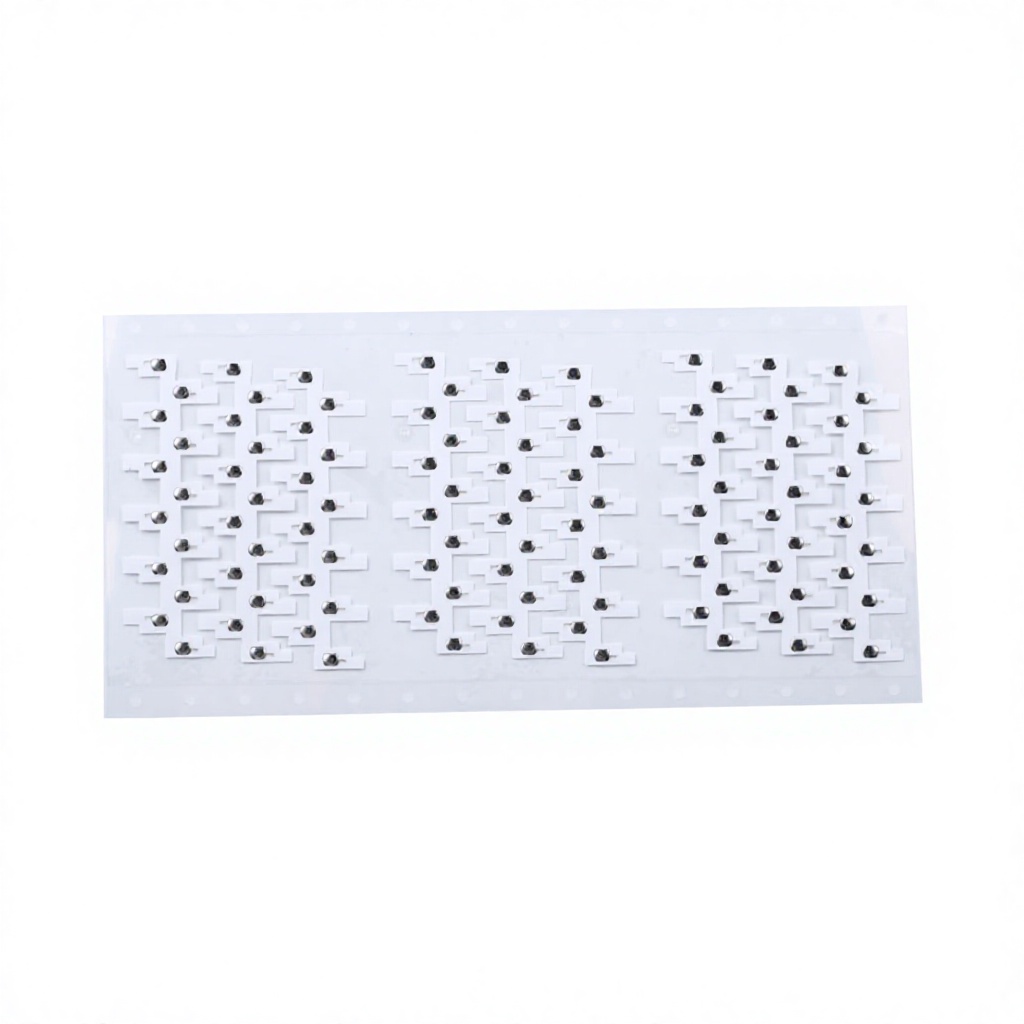
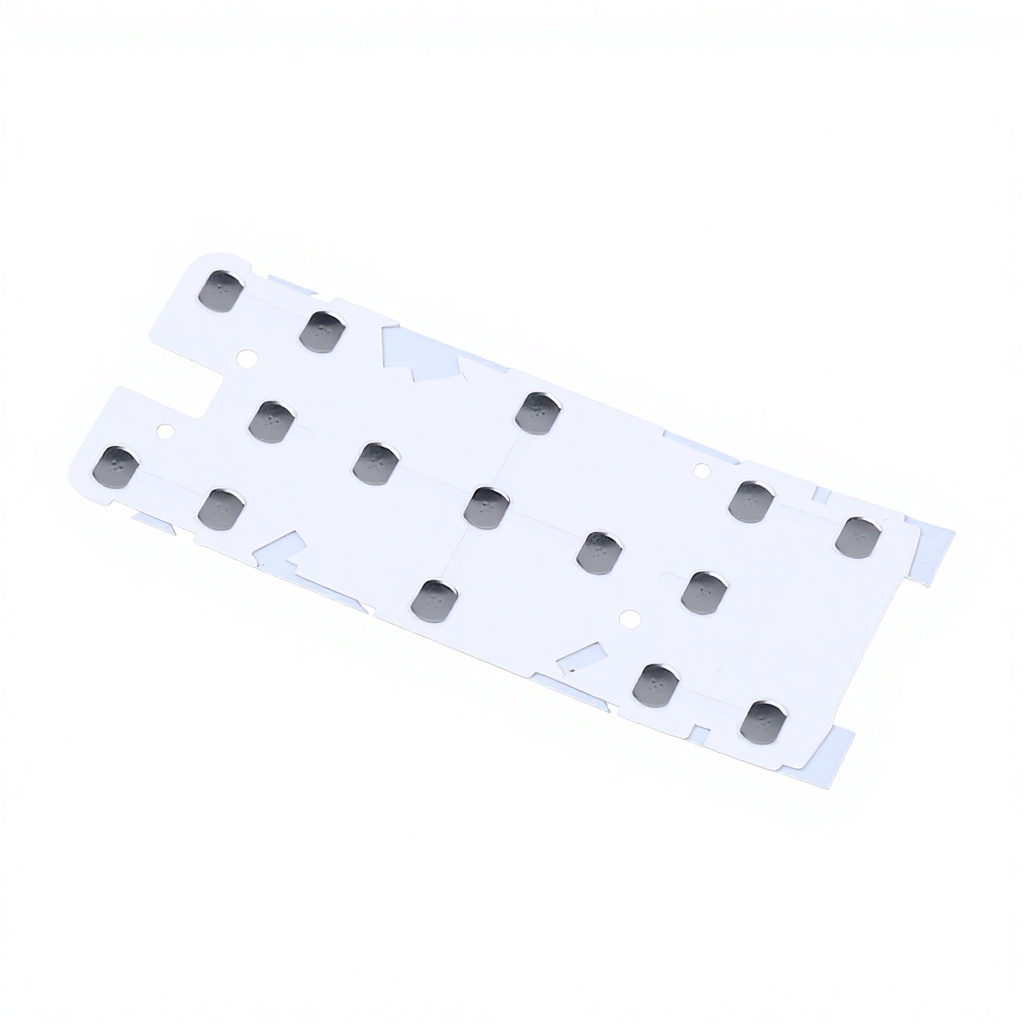
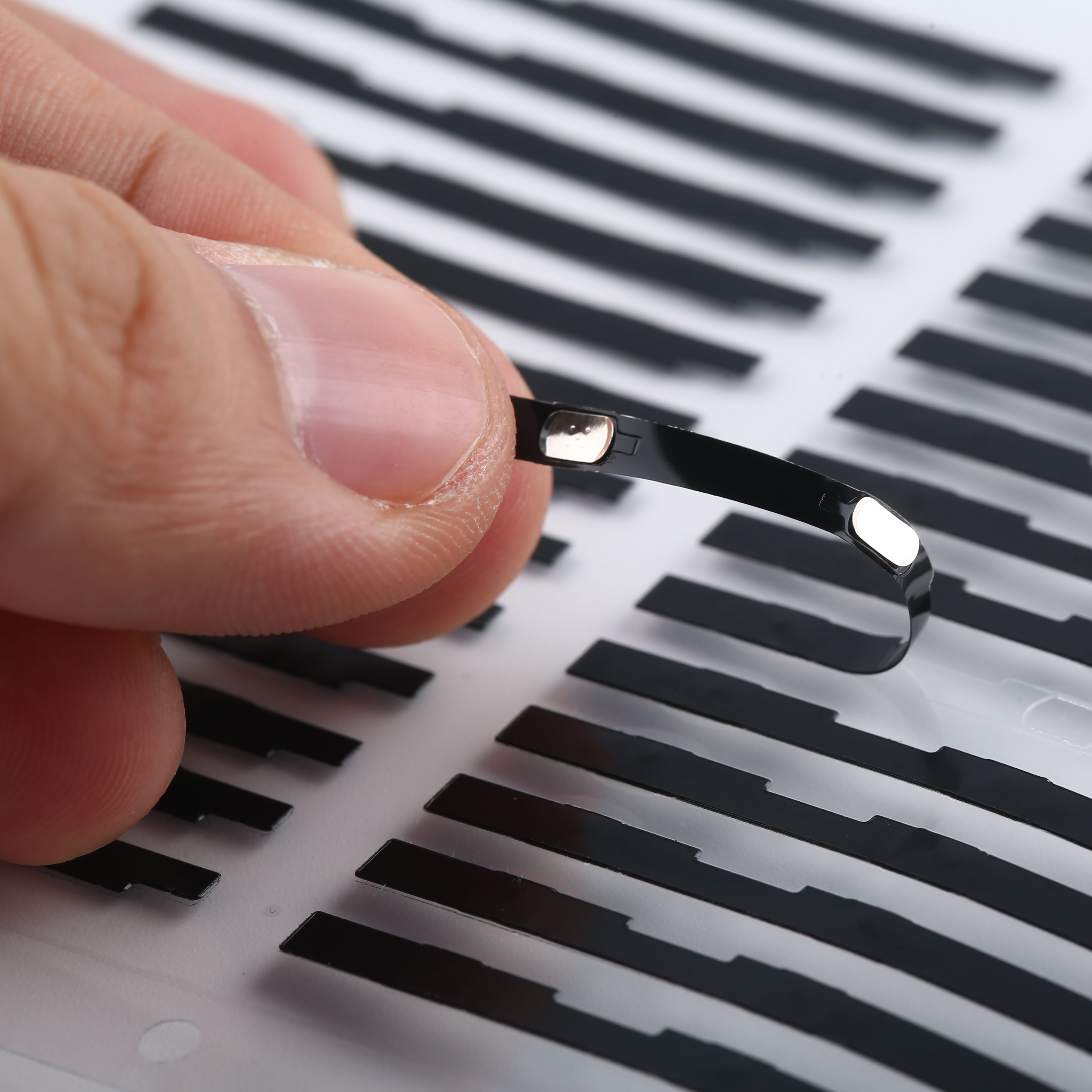
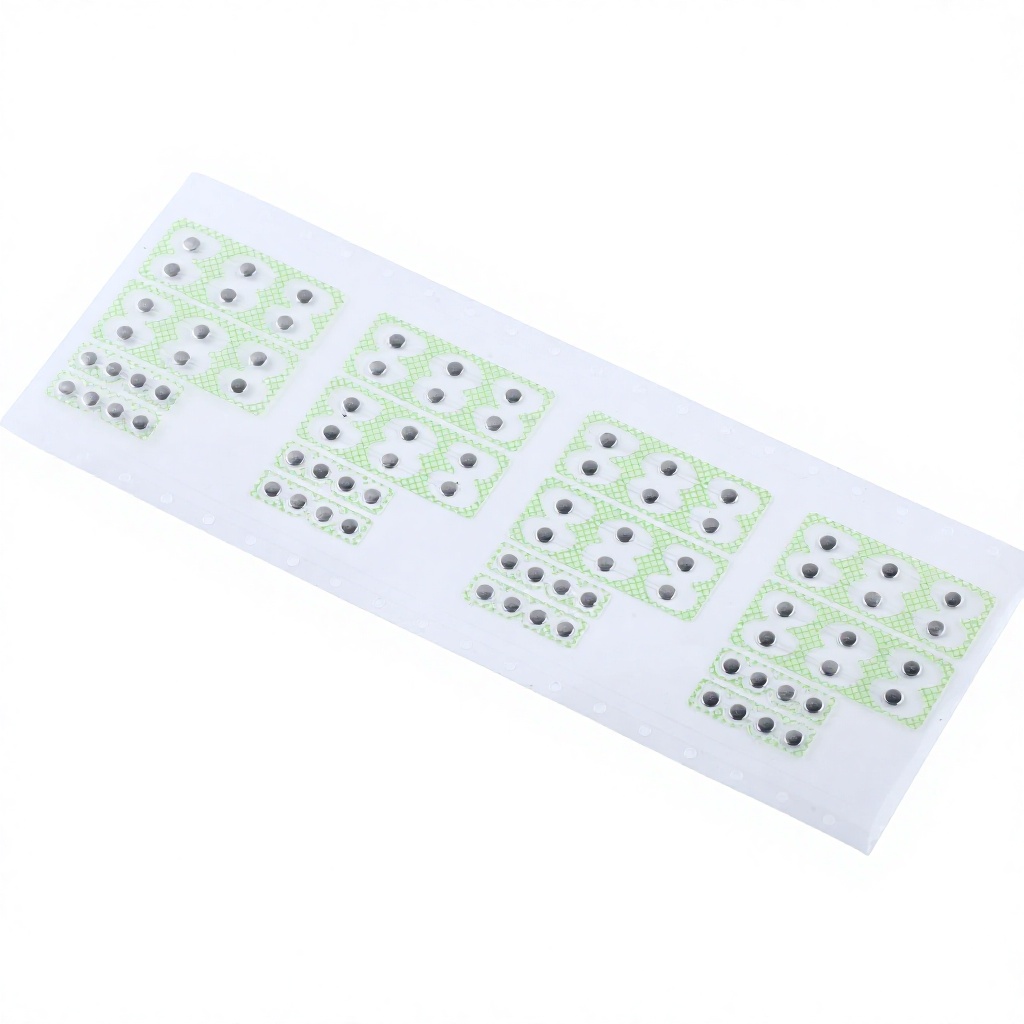
When selecting between traditional tactile membrane switches and flat capacitive membrane touch panels, engineers must calculate the total environmental exposure matrix. A tactile membrane switch utilizes an elastomeric or stainless steel snap dome (such as our precision-stamped SUS301 stainless steel domes) sandwiched between an embossed graphic overlay and a circuit trace. This yields immediate mechanical feedback—critical for technicians operating marine machinery or cleanroom equipment with heavy protective gloves. In contrast, capacitive touch panels rely on projected capacitance sensors etched via conductive indium tin oxide (ITO) or screened transparent conductive polymers behind an unbroken protective PMMA (acrylic) or chemically strengthened glass cover plate, presenting a completely flat, gap-free, IP68 hermetically sealed facade that can be disinfected with aggressive biocides without degrading underlying sensors.

Engineering Parameter Autotex PET (Polyester) Graphic Overlay Optical Polycarbonate (PC) Overlay Capacitive PMMA / Chemically Tempered Glass
Mechanical Actuation Life >5,000,000 Keypress flex cycles ~100,000 Flex cycles (susceptible to micro-fracture) Solid-state (Infinite mechanical actuation lifespan)
Chemical & Solvent Resistance Exceptional resistance to alcohols, IPA, ketones, oils, and detergents Moderate; vulnerable to aromatic solvents, acetone, and hydrocarbons Near impervious surface barrier; withstands hospital-grade sterilization
Embossing & Tactile Feel High retention rim & pillow embossing memory Sharp, crisp thermoformed tactile contours Flat planar surface; feedback rendered via audio, haptics, or LEDs
Ingress Protection Rating (IP) IP65 to IP67 when laminated with continuous perimeter gasket IP65 standard splash protection Continuous hermetic seal achieving certified IP68 / IP69K washdown
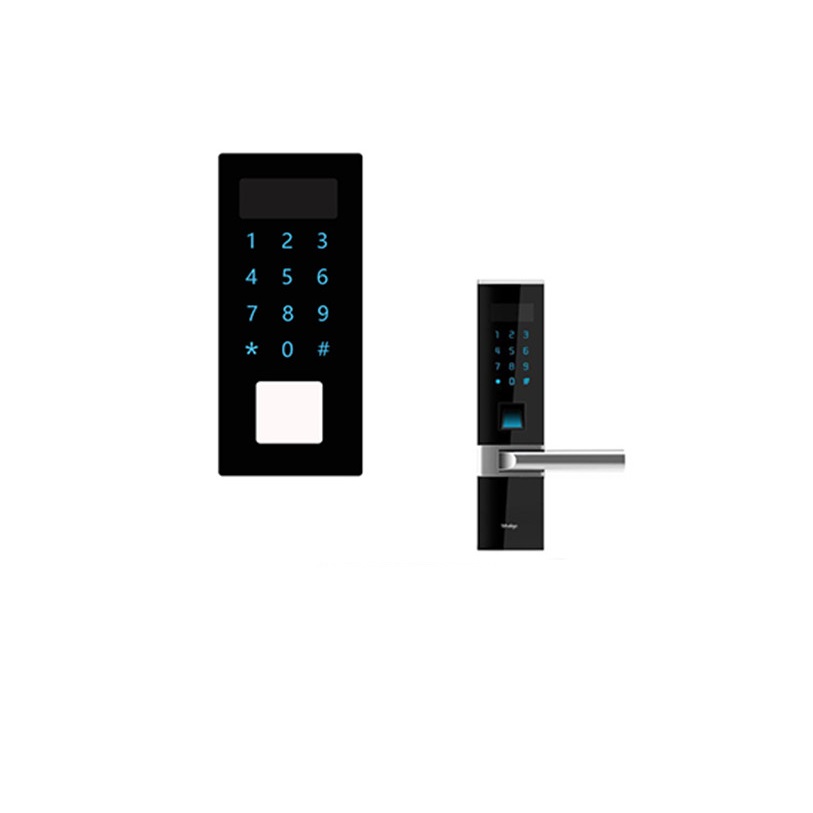
Primary The Hague Use Case Industrial process consoles, agricultural greenhouse monitors Indoor electronic enclosures, consumer interfaces Medical diagnostic consoles, security access terminals, public transit
Localized Engineering Deployments

Mission-Critical Applications Across The Hague Industrial Cluster

Custom-manufactured HMI solutions optimized for the unique scientific, marine, and security ecosystems of South Holland.

North Sea Maritime & Offshore Energy

Navigational instruments, deck winches, and offshore wind power monitoring consoles situated along the North Sea and Hook of Holland corridor require impenetrable resistance to saline fog, continuous UV degradation, and freezing sea spray.

  • UV-Stabilized MacDermid Autotex XE exterior PET film
  • Stainless SUS301 domes with anti-corrosive gold flashing
  • Closed-cell silicone perimeter gasketing (IP67 hermetic barrier)
  • Wide operational temperature window: -40°C to +85°C

Security, Defense & GovTech Enclosures

The Hague Security Delta (HSD) is Europe's premier cybersecurity and civil protection cluster. We supply high-security access terminals, cryptographic input pads, and ruggedized military-grade communication interfaces designed with zero EMI crosstalk.

  • Embedded full-coverage aluminum foil / copper mesh EMI/RFI shields
  • Tactile trip forces calibrated to 350g–450g preventing false actuations
  • Subsurface dead-front secret-until-lit indicator LED icons
  • Tamper-resistant multilayer bonded assemblies with blind cutouts

Medical Diagnostics & Agri-Tech Robotics

Leveraging proximity to Leiden Bio Science Park and the Westland horticultural robotics zone, our capacitive PMMA touch panels deliver the sterile cleanability needed for diagnostic labs and automated indoor vertical farming control units.

  • Antibacterial hardcoated surfaces impervious to hospital antiseptics
  • Water-rejection capacitive firmware algorithms (operates with droplets)
  • Integrated light guide film (LGF) for uniform night-shift illumination
  • Multi-touch gesture compatibility through 3mm front glass panels
Industry Roadmap

Emerging Trends in Dutch Industrial Human-Machine Interfaces

Strategic directions guiding next-generation equipment development across the Randstad industrial zone.

The manufacturing sector in the Netherlands is globally recognized for its commitment to high-mix, low-to-medium volume, highly complex engineering systems (the "Dutch High-Tech Mechatronics Model"). When Dutch original equipment manufacturers design next-generation machinery, they demand that component vendors advance beyond basic pushbuttons to integrated mechatronic front-end subassemblies. In our collaboration with Dutch buyers, three dominant design paradigms have emerged:

1. The Transition to Capacitive + Haptic Fusion

While mechanical snap switches remain standard for emergency-critical keys, Dutch OEMs are transitioning primary display overlays to flat capacitive touch panels paired with localized haptic actuators. This delivers modern consumer-grade aesthetics alongside distinct physical verification, preventing machine operator distraction in loud manufacturing halls.

2. Ultra-Thin Light Guide Films (LGF)

Bulky discrete surface-mount LEDs cause uneven light hotspots and require deep front-panel cavities. Cevra utilizes ultra-thin (0.125mm–0.25mm) micro-etched Light Guide Films side-lit by miniature edge LEDs. This distributes lumens evenly across complex legends, symbols, and border lines while keeping the total keypad thickness well under 1.2mm.

3. Circular Economy & RoHS 3 Compliance

The Netherlands leads the European Union in circularity mandates. Dutch procurement officers reject assemblies containing non-separable toxic halogenated adhesives. Cevra constructs panels strictly compliant with EU RoHS Directives (2011/65/EU and 2015/863), utilizing solvent-free 3M acrylic adhesive transfer tapes and lead-free soldering profiles.

Manufacturing Excellence

Dongguan Cevra Electronic Technology Co., Ltd.

Your verified manufacturing partner in South China: 16+ years of specialized membrane switch and metal dome fabrication, certified quality controls, and comprehensive DFM consulting.

ISO 9001 & SGS Onsite Verified

Factory audits conducted directly on-site by SGS Group. Production, testing protocols, raw material storage, and full traceability comply strictly with ISO 9001:2015 quality standards.

Class 10,000 Cleanroom Printing

Our 2,600㎡ Dongguan facility houses semi-automatic and fully automated screen printing lines inside pressurized dust-free workshops, guaranteeing zero pinholes or dielectric contamination.

Comprehensive Testing Laboratory

Every batch undergoes computer-controlled dome load curve testing, peel strength tension testing, holding tack tests, electric pencil surface hardness verification, and high/low temperature cycling.

Agile Prototyping & Flexible MOQs

Rapid engineering turnaround: rapid laser-cut graphic prototypes in 3–5 working days. Low initial order volumes from 10 pieces for custom overlays to support pilot runs before full production scaling.

Procurement & Engineering FAQ

Frequently Asked Questions by Dutch Technical Procurement Teams

Practical answers on engineering tolerances, material specifications, customs procedures, and DFM validation.

Q1 What CAD and vector file formats are required to initiate a custom membrane panel DFM review?

To provide a comprehensive Design for Manufacturability (DFM) review, we prefer receiving vector graphic artwork in Adobe Illustrator (.AI), vector PDF, or CorelDraw format, alongside mechanical housing tolerances in 2D DXF or 3D STEP/IGES files. The files should explicitly define key centerlines, cutout positions, embossing heights, LED indicator window positions, tail routing length, connector pinout pitch, and specified Pantone or RAL color codes.

Q2 How does Cevra ensure compliance with European Union environmental standards such as REACH and RoHS 3?

All raw material substrates, including Autotex polyester film, transparent PMMA acrylic sheets, 3M pressure-sensitive adhesives (e.g., 3M 467MP, 468MP, 300LSE), silver conductive inks, and conductive carbon coatings, are procured from tier-one certified chemical synthesizers. We provide independent third-party laboratory test reports (SGS/TUV) verifying compliance with EU Directive 2011/65/EU (RoHS 3) and EC 1907/2006 (REACH SVHC list), guaranteeing panels can be seamlessly integrated into equipment sold across the EU single market.

Q3 What are the key engineering differences between SUS301 stainless steel domes and gold-plated domes?

Standard SUS301 stainless steel domes provide exceptional mechanical elasticity, enduring over 1,000,000 to 3,000,000 actuations with consistent trip force and a crisp tactile snap. However, in low-voltage logic circuits (<5V DC, <1mA) or harsh marine environments around The Hague and Scheveningen, bare stainless steel contact resistance can fluctuate due to superficial oxide buildup. Flash gold or bright nickel plating provides a microscopic, noble barrier layer, stabilizing contact resistance under 50 mΩ over the keypad's full operational lifecycle.

Q4 Can you incorporate transparent display windows for LCD, OLED, and seven-segment LED readouts into the graphic overlay?

Yes. We precision-print graphic overlays using selective gloss/matte finishes. The display windows can be left clear with an optical clarity rating exceeding 92%, or coated with transparent color-tinted inks (e.g., smoked red, emerald green, or neutral grey) to heighten display contrast while hiding internal unlit electronics. Furthermore, we apply anti-glare (AG) or anti-reflective (AR) surface treatments to ensure clear outdoor readability under high-glare ambient lighting conditions.

Q5 How do you achieve an IP67 or IP68 seal to prevent ingress of saline marine air and high-pressure washdowns?

Ingress protection relies on our proprietary perimeter-gasket lamination process. We die-cut an unbroken continuous perimeter border around the entire keypad perimeter using high-tack, cross-linked acrylic foam or transfer tape (such as 3M 300LSE for low surface energy plastics, or 3M VHB). Furthermore, the internal vent channels are routed through breathing microporous waterproof membranes (Gore-style vents) that equilibrate air pressure during sudden altitude or temperature fluctuations without letting moisture or liquid enter the circuit cavity.

Q6 What is the minimum order quantity (MOQ) and production lead time for deliveries to The Netherlands?

For initial engineering validation and prototyping runs, our MOQ starts from as low as 10 to 50 pieces for custom graphic overlays and basic membrane switches. For full mass manufacturing, standard production batches are 100 to 1,000+ units. Rapid prototype samples are fabricated in 3 to 7 working days following engineering drawing signoff. Standard production batches take 12 to 18 working days. Air express courier shipments (via DHL, FedEx, or UPS directly from Shenzhen/Hong Kong to Amsterdam Schiphol or Rotterdam) typically arrive within 3 to 5 business days.

Q7 How are electrostatic discharge (ESD) and radio frequency interference (RFI) managed in the layer stack-up?

To safeguard sensitive microcontrollers from operator-induced static discharges (up to 15kV to 25kV), we integrate a dedicated conductive shielding layer directly beneath the front graphic overlay. This shield can be constructed from a printed conductive carbon or silver lattice grid, or a laminated aluminum foil layer bonded to a dedicated ground tail trace. Any static discharge entering through key rims or seams is immediately diverted to the chassis ground before reaching the active switch logic.

Q8 What flex tail connector styles do you support for interfacing with our motherboard PCBs?

We support standard pitch configurations including 2.54mm (0.100") and 1.0mm (0.039") pitches. Tail termination styles include bare exposed conductive contact fingers for zero insertion force (ZIF) sockets, female crimp connectors housed in Berg/Nicomatic/FCI plastic shrouds with polarizing keys, and male solder pins. For dense board packaging, we engineer flexible printed circuits (FPC) with polyimide stiffeners, allowing high-density surface-mounted connectors directly onto the flex tail.

Q9 How does Cevra's in-house laboratory test and guarantee actuation force consistency across large lots?

Every production batch undergoes automated computerized dome load curve testing. The testing apparatus records continuous force-versus-displacement curves, capturing Actuation Force (F1), Contact Force (F2), Return Force (Fr), and Click Ratio [Click Ratio = (F1 - F2) / F1]. We maintain standard tactile force tolerances within ±20g of nominal specification (e.g., 280g ±20g), ensuring that every key across every manufactured unit provides a uniform tactile click feel.

Q10 What international trade terms and payment mechanisms do you provide to secure Dutch buyer transactions?

We regularly operate under standard Incoterms 2020 including EXW, FOB Shenzhen/Hong Kong, and DDP (Delivered Duty Paid) to your facility in The Hague, Delft, or Rotterdam. As an established gold supplier verified onsite by SGS Group, we accept secure payment via wire transfer (T/T), international Letters of Credit (L/C), as well as Alibaba Trade Assurance contracts, which guarantee order protection from payment escrow through shipment and final product acceptance.
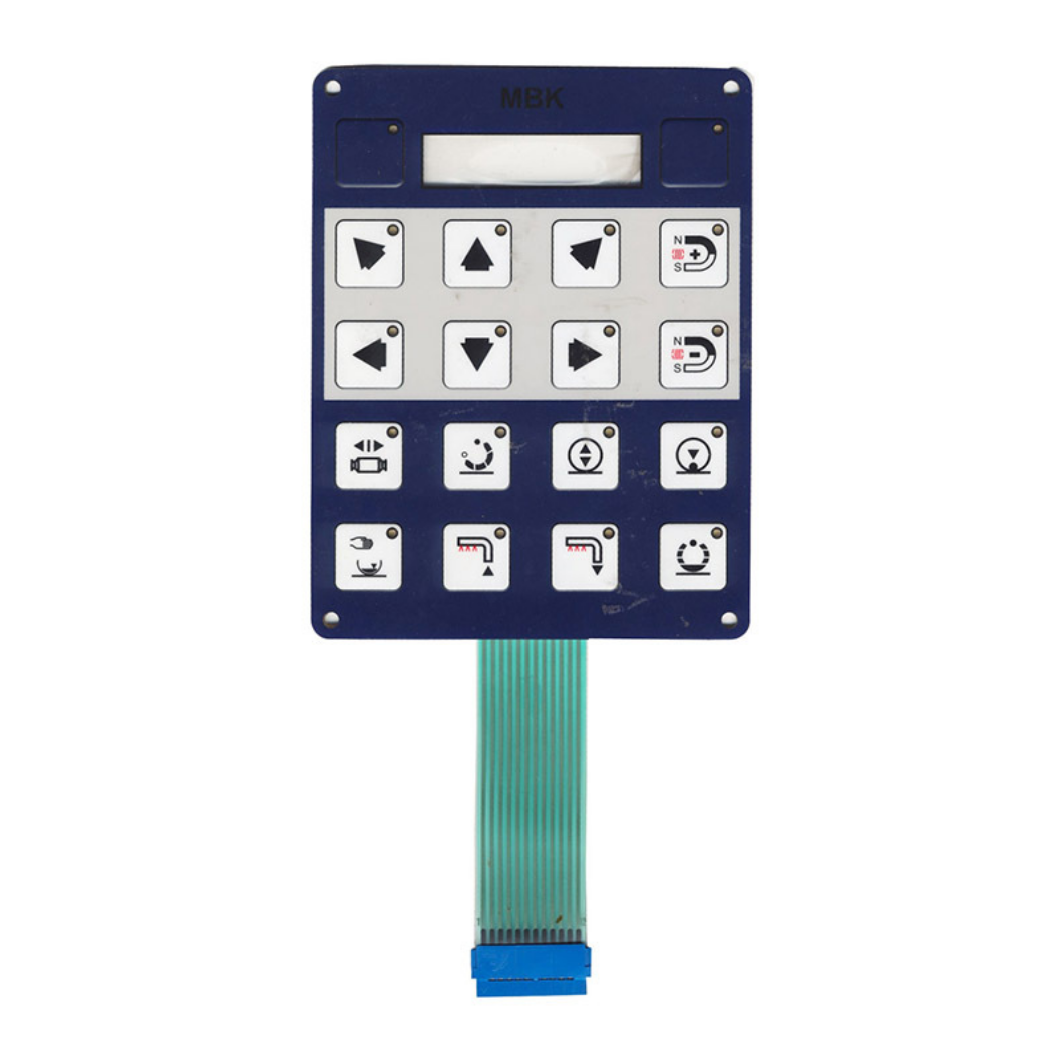
Start Your Membrane Touch Panel Engineering Project Today

Partner directly with Dongguan Cevra Electronic Technology Co., Ltd. Our engineering team provides complimentary DFM evaluations, layer stack-up guidance, and rapid quotation within 24 business hours.