OEM/ODM Products for Bologna Industrial Automation
Explore our ISO 9001 certified human-machine interface assemblies, featuring precision screen-printed front panels, tactile metal dome arrays, and anti-chemical graphic overlays built to withstand rigorous industrial cycles.
Whitepaper: Membrane Substrate Physics & Mechanical Integrity for European OEM Applications
In modern industrial engineering, human-machine interface (HMI) design transcends aesthetic visual presentation. For mechanical system integrators located throughout the Emilia-Romagna industrial corridor—centering around Bologna, Modena, and Reggio Emilia—a front-panel graphic overlay serves as the frontline physical defense against environmental contamination, mechanical fatigue, aggressive sanitizing chemicals, and electromagnetic anomalies.
Dongguan Cevra Electronic Technology Co., Ltd. applies over 16 years of polymer substrate conversion, micro-registration screen printing, and dome array mechanics to deliver turnkey membrane overlay architectures tailored specifically to the stringent operating parameters mandated by Italian machinery directives and European CE/RoHS/REACH standards.
Comparative Polymer Substrate Selection: Polyester (PET) vs. Polycarbonate (PC)
Selecting the optimal graphic overlay substrate demands a quantitative assessment between repetitive tactile deflection life, optical window clarity, chemical resistance, and tensile modulus. Bologna mechanical engineers operating in automated food processing and chemical packaging repeatedly face catastrophic switch degradation when sub-optimal polymers are chosen.
| Performance Parameter | Autotype / Melinex PET (Polyester) | Lexan / Makrofol PC (Polycarbonate) | Cast PMMA / Acrylic Composites |
|---|---|---|---|
| Mechanical Flex Life (Actuations) | Exceeds 5,000,000 cycles (ideal for embossed snap buttons) | 100,000 - 300,000 cycles (exhibits micro-stress crazing) | Rigid, non-flexible (suitable only for non-tactile displays) |
| Chemical & Solvent Resistance | Immune to IPA, acetone, caustic sodas, mineral oils, CIP fluids | Susceptible to hydrocarbons, solvents, and amine cleaners | Moderate chemical resistance, prone to aromatic solvents |
| Surface Hardness Rating | Up to 3H with dual-cure hardcoat (Autoflex EBG/EBA) | 1H (Standard), scratch-prone unless post-treated | 3H - 4H inherently robust against abrasion |
| Optical Window Transmission | 90% clear transmission; selective gloss textures available | 92% crystal optical grade; outstanding for LED/TFT displays | 93% supreme optical grade; high UV stability |
| Embossing Profile Retention | Exceptional thermal & hydro-forming dimensional memory | Moderate; forms easily but relaxes under elevated heat | Cannot be embossed via cold or warm die techniques |
For Bologna's world-renowned food wrapping and sterile blister-packing systems, biaxially oriented polyethylene terephthalate (BOPET) treated with an antimicrobial or textured hardcoat is the industry benchmark. Polycarbonate (PC) is conversely selected for complex industrial displays requiring deep thermal forming, dead-front light filters, and severe drop-impact resilience.
Localized Industrial Applications in the Greater Bologna & Emilia-Romagna Market
The Metropolitan City of Bologna stands as the global capital of packaging machinery, often designated as the "Packaging Valley", generating over 60% of the worldwide machinery used in food wrapping, beverage sealing, cosmetics containment, and blister pouch fabrication. Concurrently, neighboring districts such as Mirandola form Europe’s premier biomedical hub, and the Modena-Bologna axis comprises the famed "Motor Valley". Cevra’s custom membrane panel overlays provide mission-critical reliability across these sectors:
Packaging Valley Machinery (IMA, Marchesini, Sacmi Corridor)
Automated cartoning, flow-pack lines, and aseptic liquid fillers require IP65 to IP67 ingress-protected HMI control clusters. Cevra’s membrane switch overlays feature continuous 3M acrylic adhesive gaskets (3M 467MP/468MP) and edge-sealed perimeter venting that block aggressive powder dust, syrup splatters, and daily high-pressure washdowns.
Food Processing & Cold-Chain Dairy Production
Processing equipment for Parma ham, Reggiano cheese slicing, and tomato pureeing undergoes routine Clean-In-Place (CIP) sanitization involving caustic soda and steam. Our polyester overlays with texturized fluoropolymer-infused barrier coatings prevent delamination and resist chemical permeation over hundreds of thermal wash cycles.
Mirandola Biomedical & Dialysis Diagnostics
Located immediately north of Bologna, medical device OEMs manufacturing hemodialysis units, cardiopulmonary machines, and surgical infusion systems require sterile user panels. Cevra manufactures ISO-certified anti-bacterial overlays with flat-surface capacitive sensing, preventing bacterial harboring in switch crevices.
Motor Valley Testing & Diagnostic Dyno Consoles
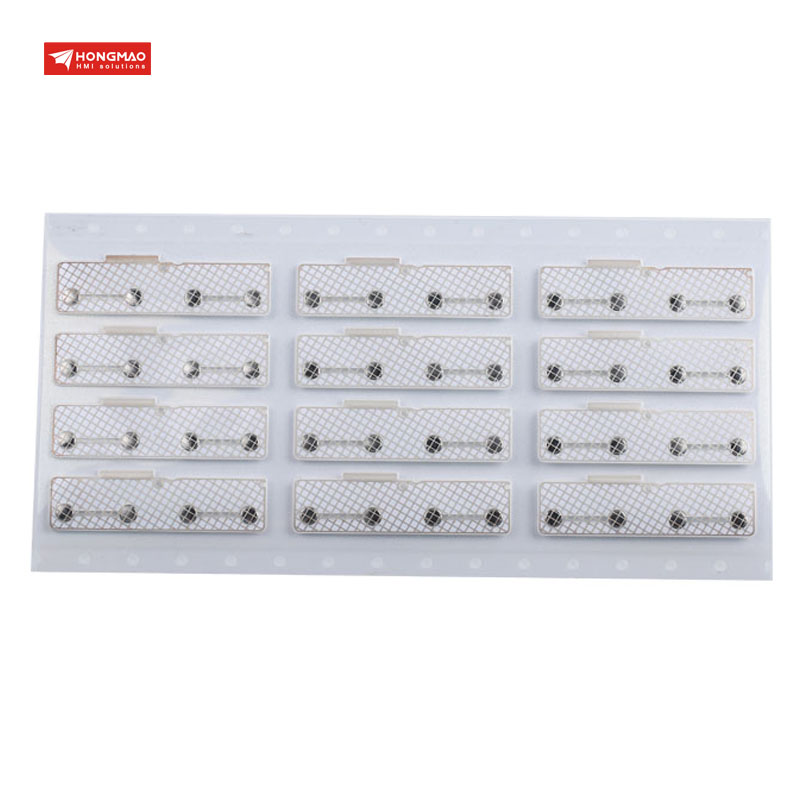
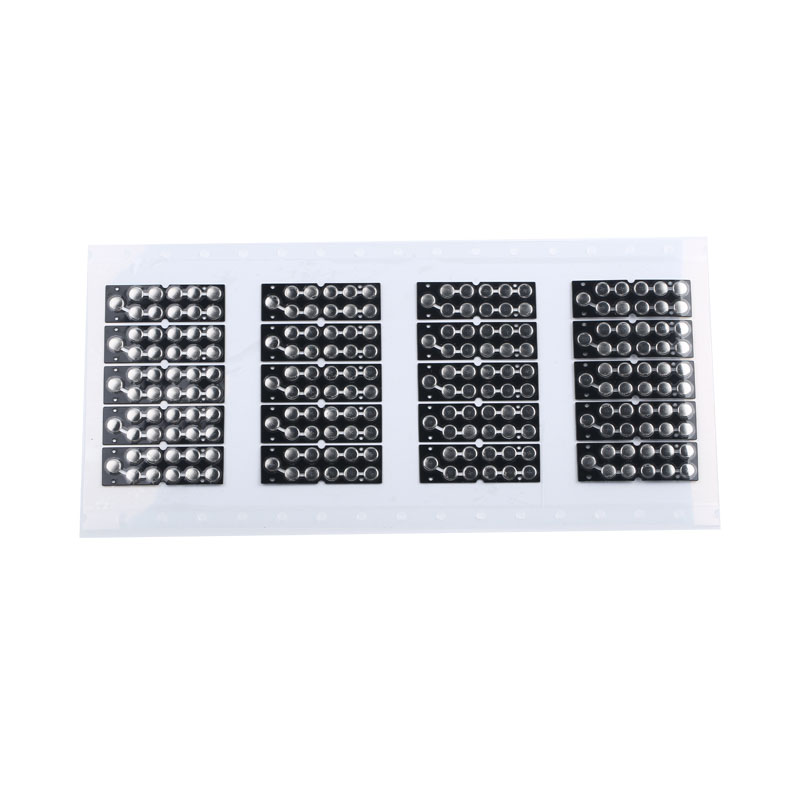
Within the Ferrari, Ducati, and Lamborghini engineering ecosystem, dynamometer testing consoles and automotive diagnostic equipment demand tactile switch assemblies with high electromagnetic compatibility (EMI/ESD). Cevra integrates solid printed silver-mesh grounding grids and nickel-plated metal dome arrays to eliminate electrostatic discharge.
Sassuolo Ceramic Tile Kiln & Press Actuation Panels
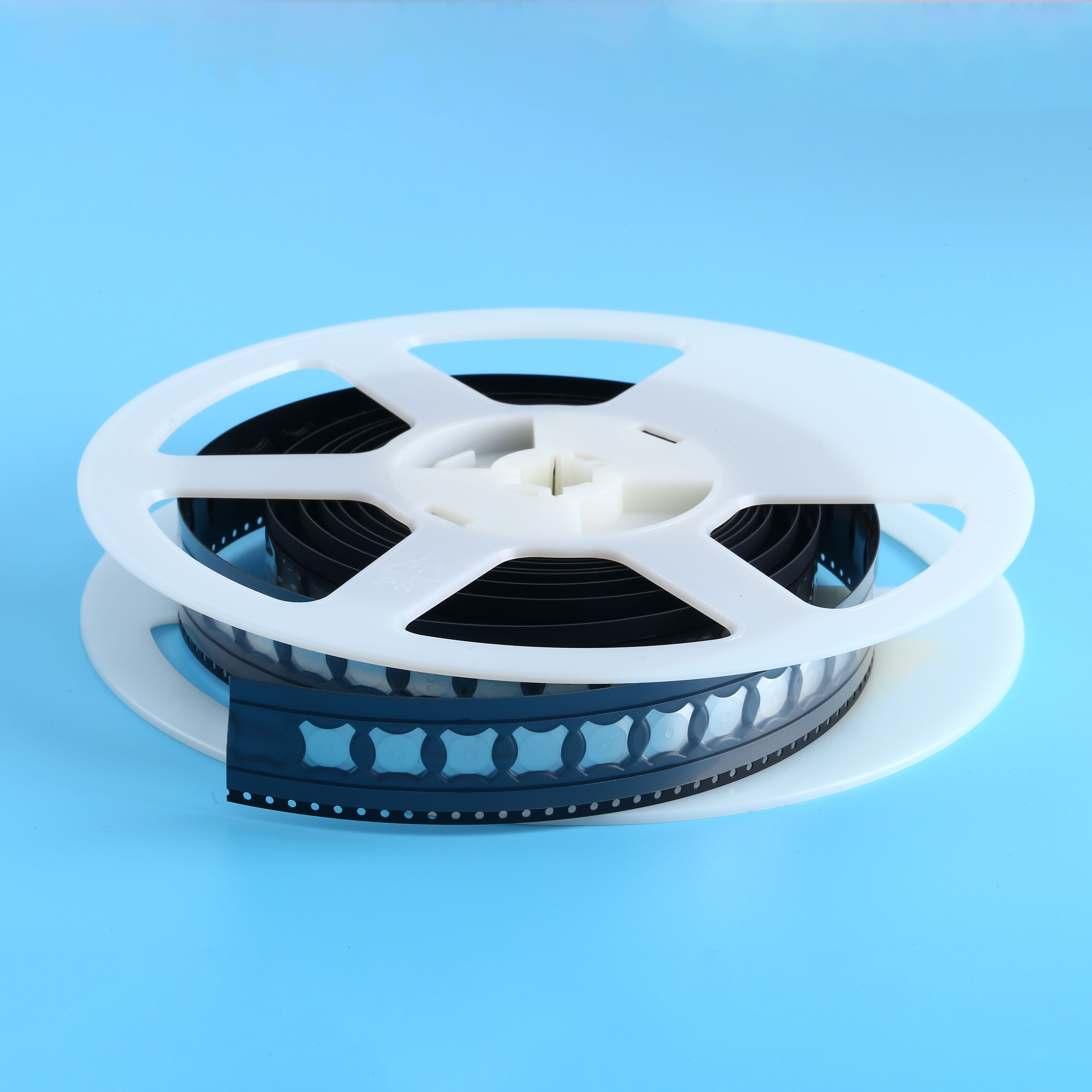
Heavy hydraulic presses and continuous kilns in the nearby Sassuolo ceramic district create severe environments filled with abrasive porcelain dust, silica particulates, and ambient temperatures exceeding 60°C. Cevra's double-sided SUS301 stainless steel dome assemblies deliver tactile snap feedback through heavy operator gloves.
Agricultural & Off-Highway Vehicle Cabins
Bologna’s agricultural machinery builders (tractors, telehandlers, and combine harvesters) require dashboard membrane panels that withstand unrelenting outdoor solar ultraviolet radiation. We deploy UV-stabilized XE-grade polyester overlays guaranteed against discoloration, chalking, and cracking for >5 years.
Technological & Market Trends Shaping HMI Procurement in Bologna
The Italian manufacturing sector is undergoing an aggressive modernization under national "Transizione 4.0" capital incentives and European Circular Economy directives. As Bologna-based machinery builders redesign their human-machine interfaces, several pivotal engineering transitions dictate procurement specifications:
1. Hybrid HMI Interfaces: Seamless Fusion of Tactile Feedback & TFT Display Windows
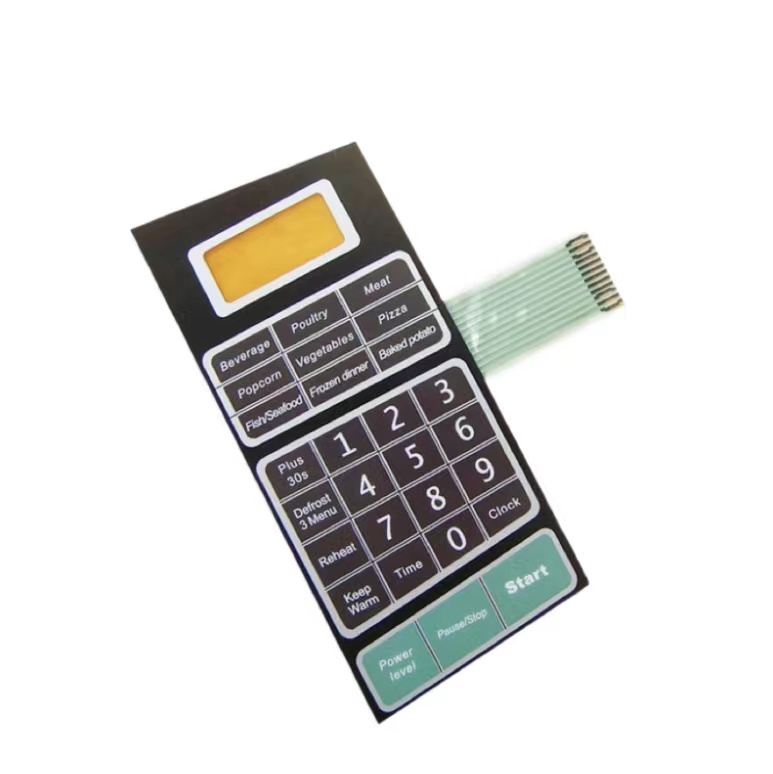
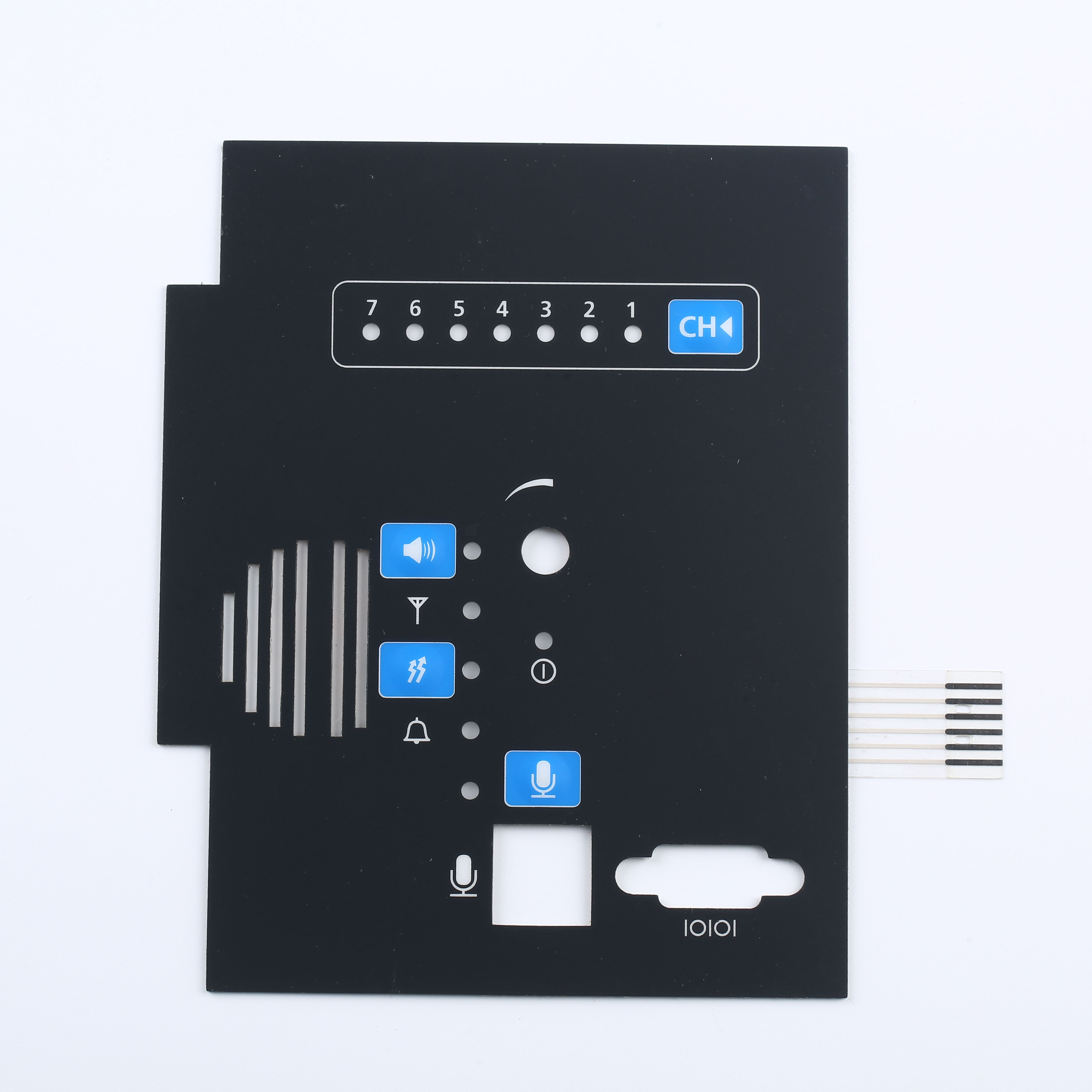
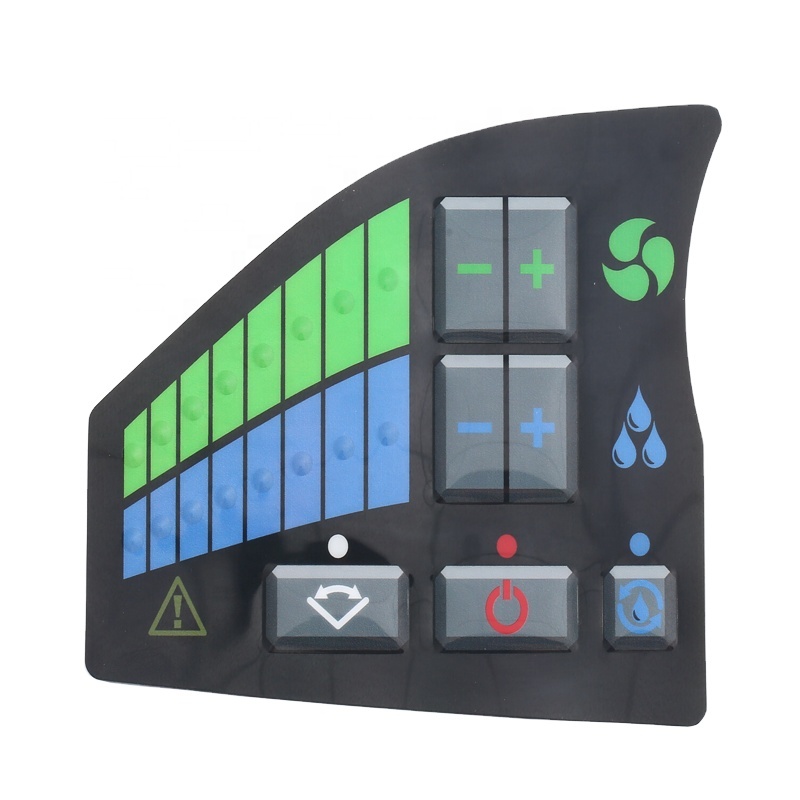
Pure glass touchscreens dominate consumer electronics, but in heavy industrial packaging lines, machine operators demand unquestioned tactile physical feedback to avert fatal operational errors. The prevailing trend in Bologna machinery design is the hybrid interface: a high-contrast printed graphic overlay featuring optically clear, anti-reflective display cutouts laminated flush over TFT displays, bordered by physical four-leg embossed stainless steel snap domes for emergency stop, inching, and jog controls.
2. Strict Antimicrobial and Biocidal Surface Integration (BPR EU 528/2012)
Following updated European pharmaceutical manufacturing good practices (GMP Annex 1), cleanroom HMI surfaces must prevent microbial colonization without leaching hazardous biocides. Cevra utilizes non-migratory silver-ion (Ag+) micro-encapsulation technologies embedded directly into the textured hardcoat during substrate curing, achieving a 99.9% reduction in MRSA, E. coli, and fungal pathogens validated under ISO 22196.
3. Sustainable Polymer Conversion and Halogen-Free Conductive Chemistry
European Union sustainability mandates and corporate ESG commitments from prominent Italian machinery conglomerates demand elimination of fluorinated compounds (PFAS), lead, phthalate plasticizers, and halogenated flame retardants. Cevra has engineered 100% RoHS- and REACH-compliant production flows, utilizing water-based conductive dielectric coatings and halogen-free low-resistance silver pastes.
4. Integrated Dead-Front Illumination and Light Guide Films (LGF)
Modern Italian equipment styling favors minimalistic, sleek control surfaces. Utilizing ultra-thin (0.125mm) micro-etched Light Guide Films (LGF) excited by edge-mounted SMD LEDs, Cevra allows manufacturers to create hidden-until-lit "dead-front" caution icons and legends that appear only when specific operational cycles are triggered.
Factory Expertise: Dongguan Cevra Electronic Technology Co., Ltd.
Founded in March 2009 in Dongguan, China—the epicenter of global precision hardware and electronics manufacturing—Cevra operates as a specialized direct manufacturing powerhouse rather than an intermediary trading company. Spanning 2,600 square meters of precision fabrication infrastructure, Cevra serves as an agile, accountable Tier-1 HMI component partner to machinery OEMs across Italy and the European continent.
SGS Group Onsite Verified Audit
Our operational capabilities, automated lamination lines, cleanroom facilities, and workforce competencies are independently inspected, verified, and certified onsite by SGS Group—providing Bologna procurement departments with full institutional transparency.
ISO 9001:2015 Quality Management
From spectral color verification via X-Rite spectrophotometers against Pantone/RAL palettes to laser micrometer thickness auditing, every production batch adheres to rigorous standard operating procedures with complete raw-material lot traceability.
Direct EU Engineering Support & DFM
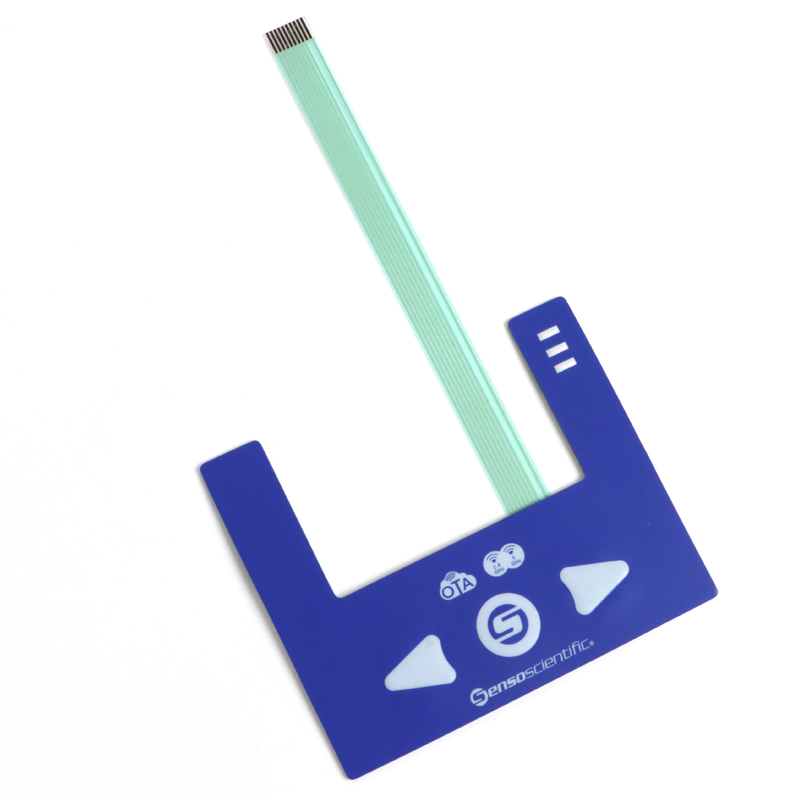
Our bilingual CAD/CAM engineering team provides complimentary Design for Manufacturability (DFM) reviews within 24 hours. We evaluate layer stack-ups, tail bend radiuses, connector pinouts, and key embossing depths before physical tooling initiation.
In-House Reliability Testing Laboratory
Equipped with computerized dome load-deflection testers, high/low temperature humidity chambers (-40°C to +105°C), 180° adhesive peel dynamometers, Taber surface abrasion testers, and motorized pencil scratch hardness rigs.
Flexible MOQ: Prototyping to Full Run
Unlike rigid European converters that demand minimum runs of 1,000+ units, Cevra supports low initial quantities (from 10 to 50 pilot units for membrane switch assemblies) with express CNC digital blade-cutting—eliminating hard steel tooling overhead for prototyping.
Streamlined Door-to-Door Bologna Logistics
Direct daily air-freight consignments from Shenzhen/Guangdong to Bologna Guglielmo Marconi Airport (BLQ) or Milan Malpensa (MXP), with DDP (Delivered Duty Paid) Incoterms, comprehensive customs clearance, and EUR1/CE compliance dossiers.
Frequently Asked Questions: Bologna Industrial HMI Procurement
Key technical and commercial inquiries addressed by our senior application engineering team to support Italian machinery builders and supply chain managers:
Ready to Engineer Your Custom Membrane Interface for the Italian Market?
Connect with Dongguan Cevra's engineering team today. Send us your CAD drawings (.DWG / .DXF / .STEP), artwork vector files, or performance requirements for a complimentary 24-hour Design-for-Manufacturability (DFM) review and competitive factory direct pricing.
Get Catalog