Engineered Switch & Keypad Assemblies Serving Iași OEMs
From rapid NPI prototypes to high-volume multi-layer membrane arrays, explore fully customizable configurations tailored to European electromagnetic compatibility (EMC) and ingress protection (IP65/IP67) benchmarks.
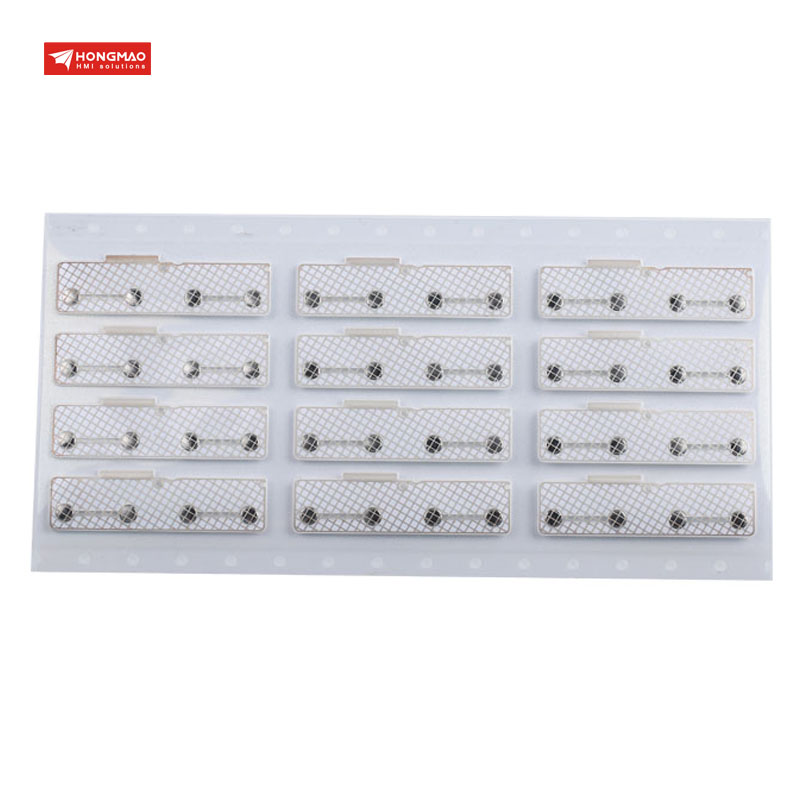
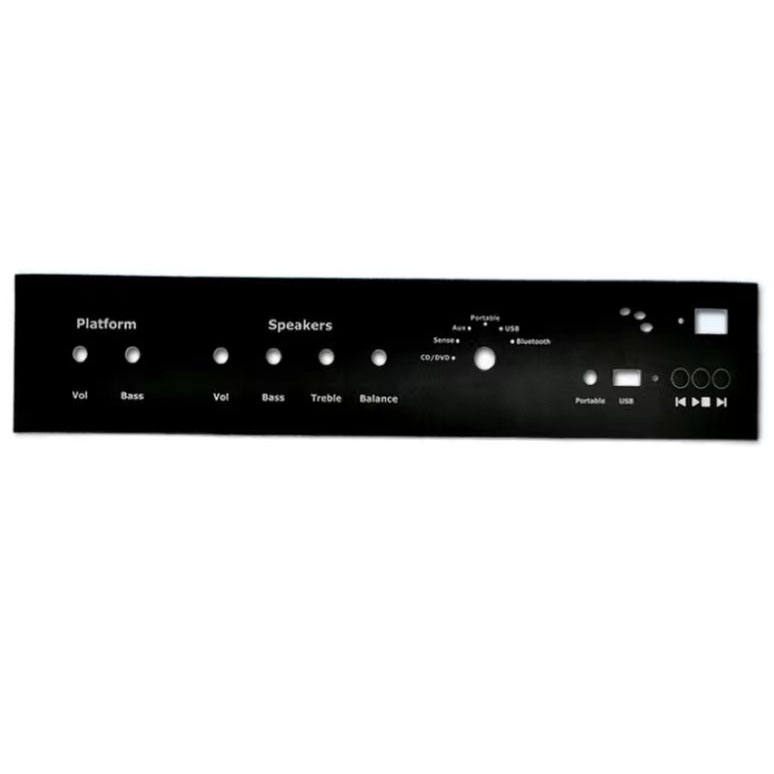
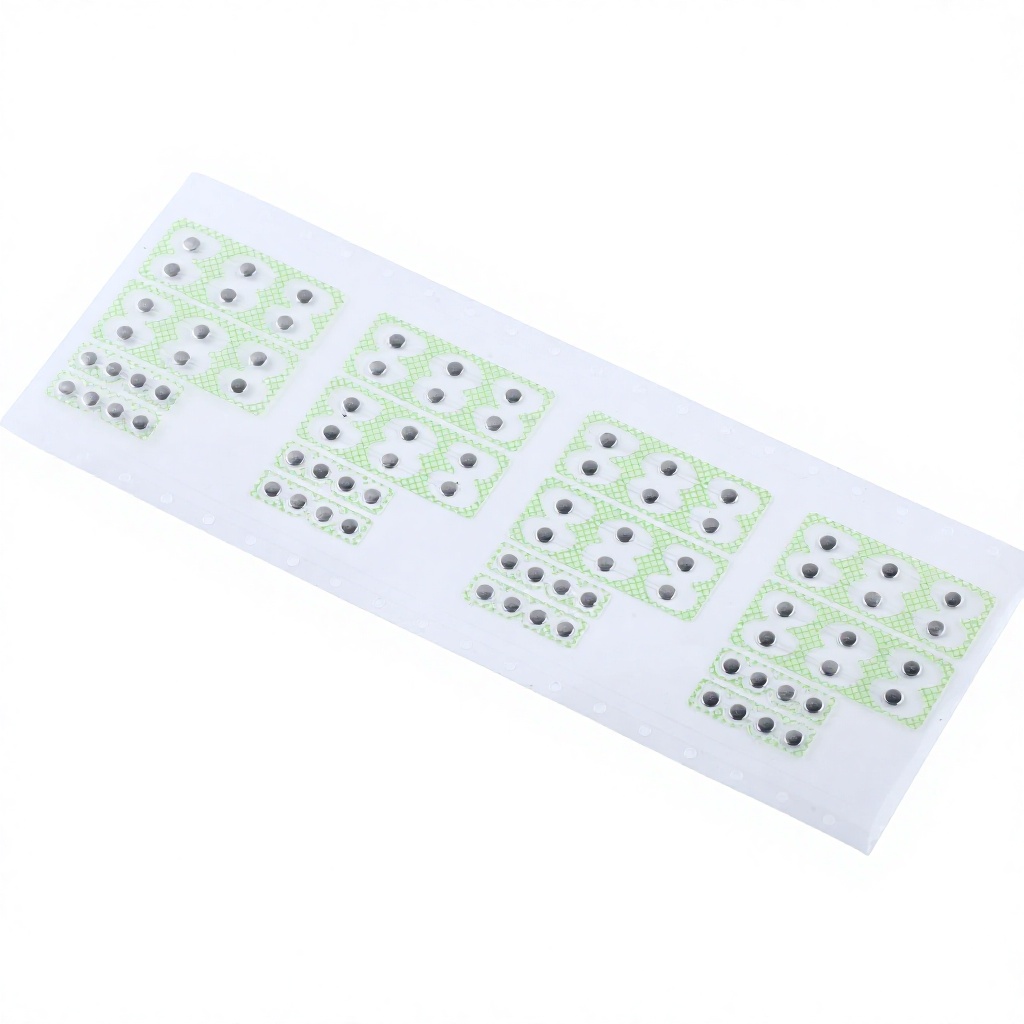
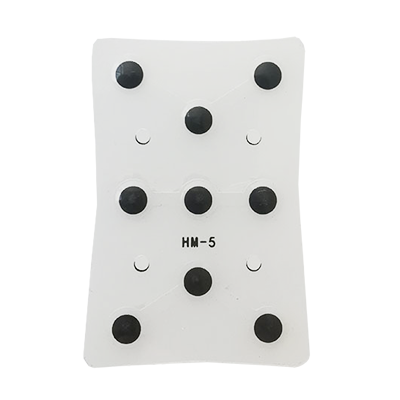
HMI Technical Architecture: Layer Stack-Up Engineering & Physics
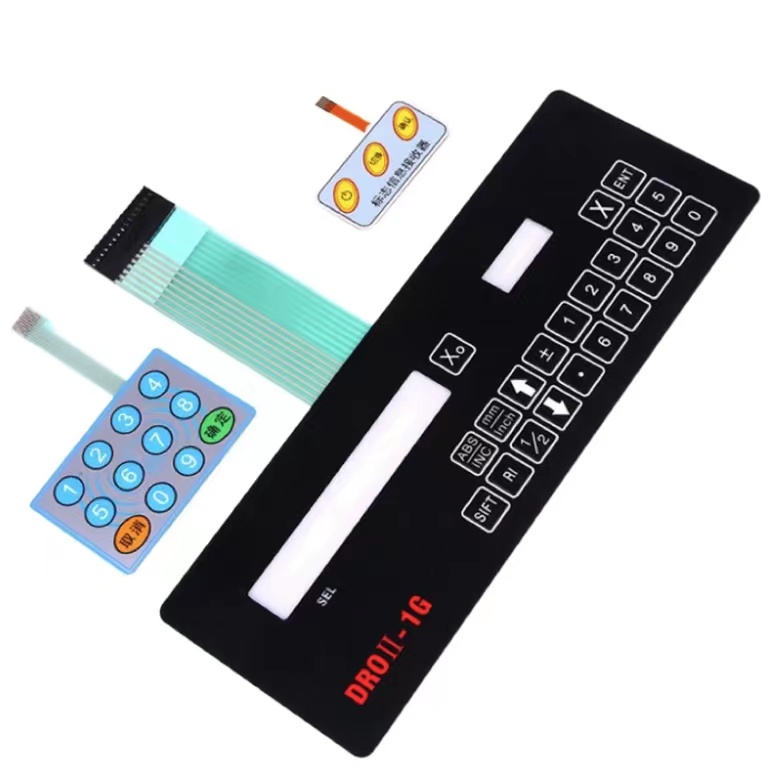
In modern industrial automation, biomedical devices, and embedded computing systems, a membrane switch serves as the critical physical interface between the operator and the core microelectronics. When serving original equipment manufacturers (OEMs) and design engineering teams in Iași, Romania, our design methodology departs from generic manufacturing approaches. We analyze the precise physical, chemical, and electrical variables required for heavy-duty operational environments.
A high-reliability membrane keypad is not merely a piece of printed plastic; it represents a precision-calibrated sandwich of multi-functional synthetic substrates. The graphic overlay typically uses premium Autotype MacDermid biaxially-oriented polyethylene terephthalate (PET) or Sabic Lexan polycarbonate (PC). PET is selected for high-duty-cycle mechanical flexing (>5 million presses without crazing) and superior chemical resistance to industrial degreasers, hydraulic fluids, and isopropyl alcohol sterilizers used in hospital environments. Polycarbonate is utilized where flame retardancy (UL94 V-0 ratings), deep-draw embossing, or extreme optical clarity for embedded OLED/TFT display windows is mandatory.
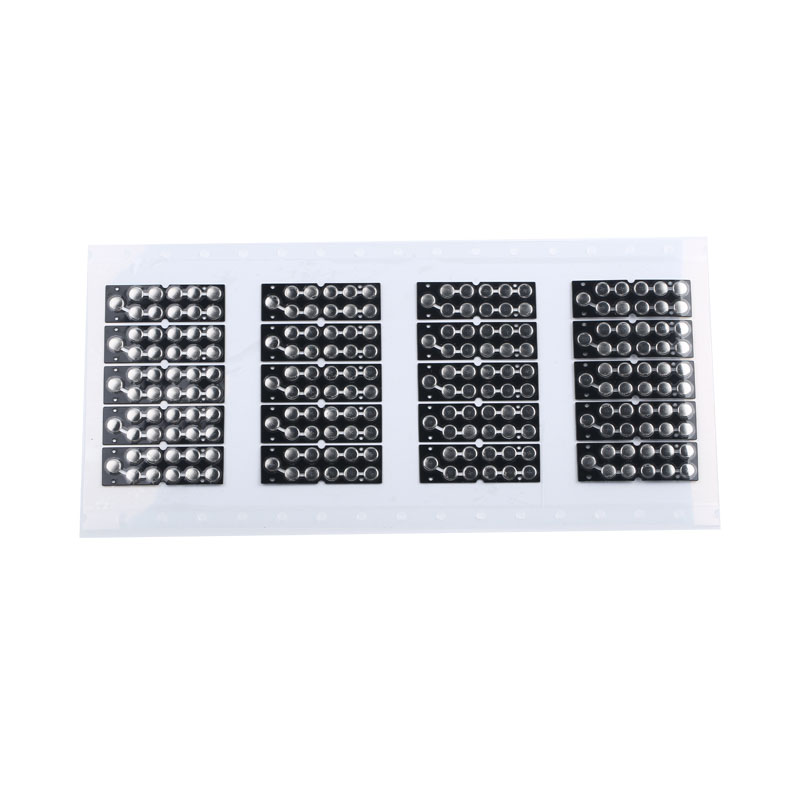
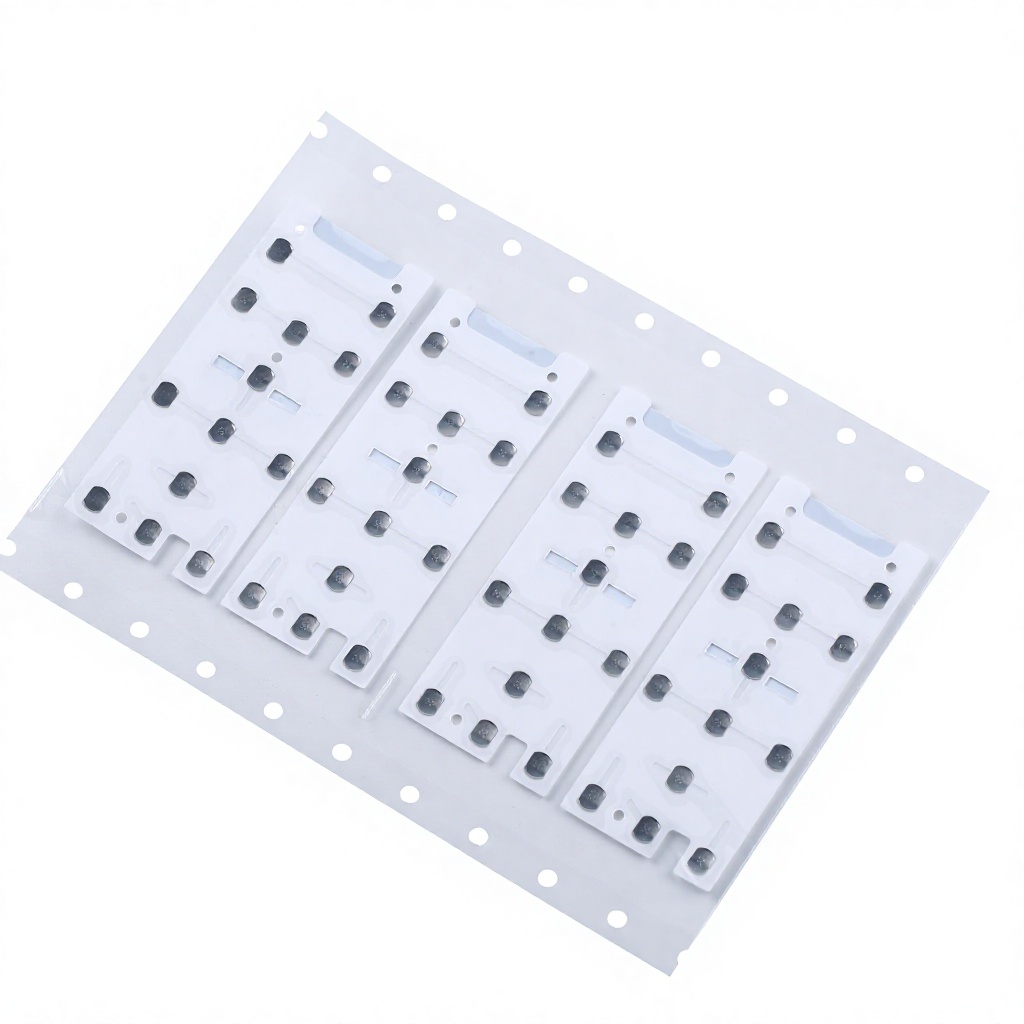
Beneath the graphic overlay, high-performance adhesive layers from 3M (such as 3M 467MP, 468MP, or VHB foam acrylic adhesives) provide sheer strength against lateral forces and hermetic sealing to enclosures. The spacer core contains micro-machined venting conduits designed to maintain ambient pressure equilibrium across individual switch cavities. By equalizing the air pressure beneath our 4-legged or triangular SUS301 stainless steel domes, we prevent accidental pneumatic actuation (oil-canning) and guarantee an exact actuation force curve across operating temperature gradients ranging from -40°C to +85°C.
Technical Substrate Matrix: Membrane Engineering Comparison
| Engineering Property | Biaxially Oriented PET (Autoflex) | Polycarbonate (Sabic Lexan) | Flexible Copper Clad Laminate (FPC) | Silver Conductive Circuit (PET) |
|---|---|---|---|---|
| Actuation Life Cycle | > 5,000,000 cycles | ~ 1,000,000 cycles | > 10,000,000 cycles | ~ 1,500,000 to 3,000,000 cycles |
| Chemical & Solvent Resistance | Exceptional (Alcohols, Oils, Dilute Acids) | Moderate (Susceptible to Hydrocarbons) | High (Encapsulated polyimide coverlay) | Dependent on Spacer Sealing (IP65+) |
| Surface Hardness & Abrasion | Up to 3H (Textured Hard-coat) | 1H - 2H (Requires Hard-coat) | N/A (Internal Core) | N/A (Internal Conductor) |
| Pitch Trace Precision | Screen Printed: ≥ 0.5 mm | Screen Printed: ≥ 0.5 mm | Photolithography: ≥ 0.1 mm | Screen Printed: ≥ 0.5 mm |
| Typical Deployment Context | Industrial Machine Control, Medtech | Instrumentation, Appliances, Display Windows | High-Density Connectors, Smart Sensors | Standard Matrix HMI, Consumer Terminals |
Tactile Physics: Force Curves, Dimpled Domes & Trip Force Calibration
A crucial quality metric for European device users is tactile response. The perceived tactile feedback is governed by the snap ratio formula: Click Ratio = (Actuation Force [Fa] - Return Force [Fr]) / Actuation Force [Fa]. Our standard tactile switches utilize custom-tempered SUS301 stainless steel snap domes featuring precision-stamped single or multiple dimples. Dimpled configurations ensure low contact resistance (<0.1 Ω) and prevent silver migration when switching electrical loads up to 30V DC at 100mA.
By engineering trip forces from 180 grams (for rapid, light-touch medical diagnostics) up to 500+ grams (for ruggedized industrial or automotive settings where operators wear protective safety gloves), we eliminate operator fatigue while mitigating false actuation from inadvertent bumping or heavy vibration.
Localized Industrial Applications Across the Iași Technology Corridor
As the cultural, academic, and industrial powerhouse of Eastern Romania, Iași has transformed into an advanced engineering center. Our membrane switches and tactile arrays integrate directly into key regional verticals.
Automotive & Commercial Vehicle Electronics
With major Tier-1 and Tier-2 automotive engineering facilities located in and around Iași, demand is growing for high-durability HMI interfaces. Our double-sided SUS301 stainless steel dome arrays and flexible printed circuits (FPCs) are implemented in steering wheel controls, climate management clusters, diagnostic tool consoles, and battery management test fixtures, meeting stringent automotive thermal and vibration specifications.
Biomedical, Hospital & Analytical Diagnostics
Leveraging Iași's renowned biomedical research institutions and university hospitals, local medical hardware developers require membrane panels with flat, hermetically sealed surfaces. We engineer antimicrobial, chemically inert PET overlays that withstand continuous wipedowns with active bactericidal, fungicidal, and viral agents, conforming to clinical sterility requirements without seal degradation.
Industrial Automation & Process Control
From the industrial parks of Miroslava and Tomești to automated packaging and distribution centers across Moldavia, manufacturing equipment demands IP65 to IP67 sealed membrane keyboards. Our solutions feature internal EMI/ESD shielding layers (aluminum foil or printed carbon matrices) to protect underlying microcontrollers against severe electrostatic discharge in dusty factory environments.
Smart Metering & Renewable Energy Hubs
Solar power plants, electrical sub-stations, and municipal water metering infrastructure deployed throughout Eastern Romania require durable field interfaces. We supply UV-stabilized, non-yellowing outdoor graphic overlays equipped with integrated Light Guide Film (LGF) backlighting, ensuring readability and operation under direct sunlight and sub-zero winter conditions.
Embedded IoT & Telecommunication Nodes
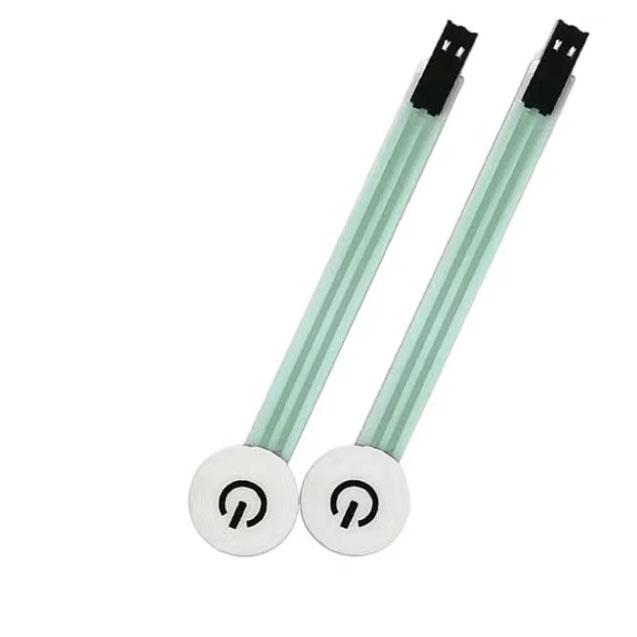
Iași's software and embedded firmware clusters are innovating rapidly in IoT monitoring hardware. We supply ultra-thin sensor film switches and miniature single-button membrane switches, offering plug-and-play ZIF connectors and micro-pitch pinouts that interface smoothly with modular edge-computing enclosures.
Agricultural Machinery & Food Processing Terminals
The agricultural plains surrounding Iași depend on heavy machinery terminals and sorting lines. Our double-sided adhesive SUS301 stainless steel dome arrays offer tactile confirmation through heavy vibration, resisting moisture, fine grain dust, and temperature swings without contact bounce or corrosion.
Emerging Trends in Iași’s HMI Procurement: 2025–2030 Outlook
Hardware procurement in Romania is evolving beyond commoditized purchasing toward specialized, collaborative engineering partnerships. As local R&D teams advance toward Industry 4.0 standards, three key technological shifts are transforming membrane interface design:
1. Hybrid Capacitive-Tactile Surfaces: Rather than relying solely on traditional mechanical switches or pure glass capacitive touchscreens, industrial designers in Iași are embracing hybrid architectures. By combining seamless, capacitive touch sensor films for primary navigation with tactile metal dome arrays for critical functions (such as Emergency Stop, Power, and Calibration), operators gain sleek modern aesthetics while retaining the safety of physical feedback.
2. Uniform Low-Power Backlighting via Light Guide Film (LGF): Traditional point-source LEDs often suffer from localized hotspots and uneven luminance. By combining micro-etched polycarbonate light guide films with edge-lit SMT micro-LEDs, we achieve balanced, diffuse illumination across key legends, display bezels, and corporate iconography with minimal energy consumption and zero heat buildup.
3. Resilience via Nearshore-Asian Supply Chain Synergies: Supply chain managers across Iași's electronics manufacturing services (EMS) sector prioritize supply chain reliability. By coupling rapid prototyping, low tooling setup costs, and volume scalability from our Dongguan production facility with direct air freight routes into Iași International Airport (IAS) and Henri Coandă Airport (OTP), European engineering teams reduce development cycles by weeks while maintaining strict cost-competitiveness.
Why Iași Engineering Teams Partner with Cevra
Dongguan Cevra Electronic Technology Co., Ltd. delivers over 16 years of ISO 9001-certified manufacturing excellence directly to engineering and procurement teams worldwide.
SGS Onsite Verification
Our 2,600 m² modern manufacturing plant, staff qualifications, and automated production assets are verified onsite by SGS Group, confirming genuine factory production rather than broker-level distribution.
Full In-House Tooling & Fab
Equipped with high-precision screen printing presses, CCD automatic drilling machines, laser cutters, automated laminators, and dome placement lines, minimizing turnaround times on engineering revisions.
Rigorous Quality Testing Lab
Every production batch undergoes comprehensive testing: dome load curve analyzers, electric pencil hardness testers, high/low thermal cycling chambers (-40°C to +120°C), and tensile peel testers.
Strict EU Standards Compliance
All raw materials—substrates, inks, and adhesives—strictly comply with RoHS 3 (EU Directive 2015/863), REACH (SVHC), and CE marking standards, ensuring effortless European customs clearance.
Iași Procurement & Engineering FAQ
Clear, direct answers regarding custom technical specifications, lead times, European logistics, and quality assurance.