Precision Membrane Keypads & Metal Dome Assemblies
Turnkey tactile switch solutions, custom graphic overlays, and stainless steel contact arrays engineered to meet stringent mechanical and climatic standards across Baltic original equipment manufacturers.
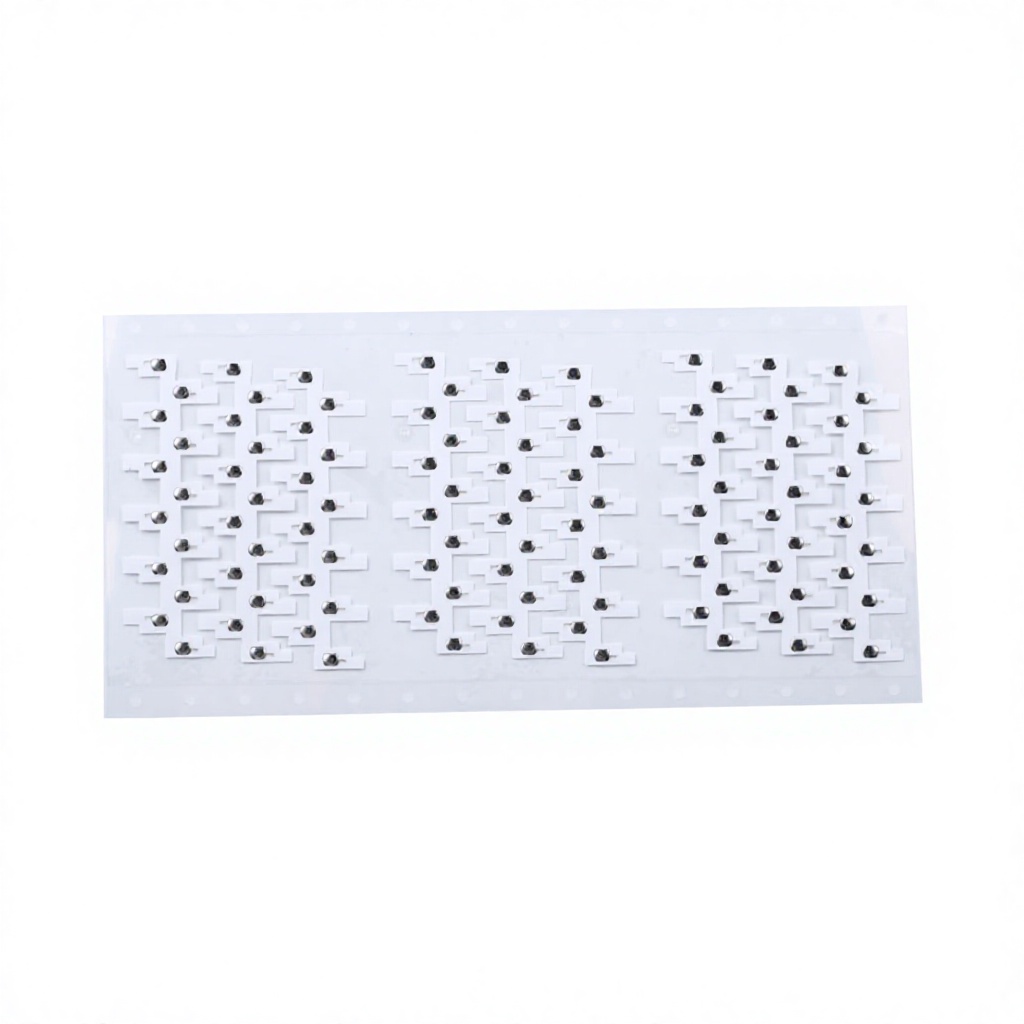
Single Layer SUS301 Stainless Steel Metal Dome Array for Earphone Mobile Phone Keypad Remote Control Switch
- Material: SUS301 Stainless
- Trip Force: Custom 160g - 400g
- Contact Life: >1,000,000 Clicks
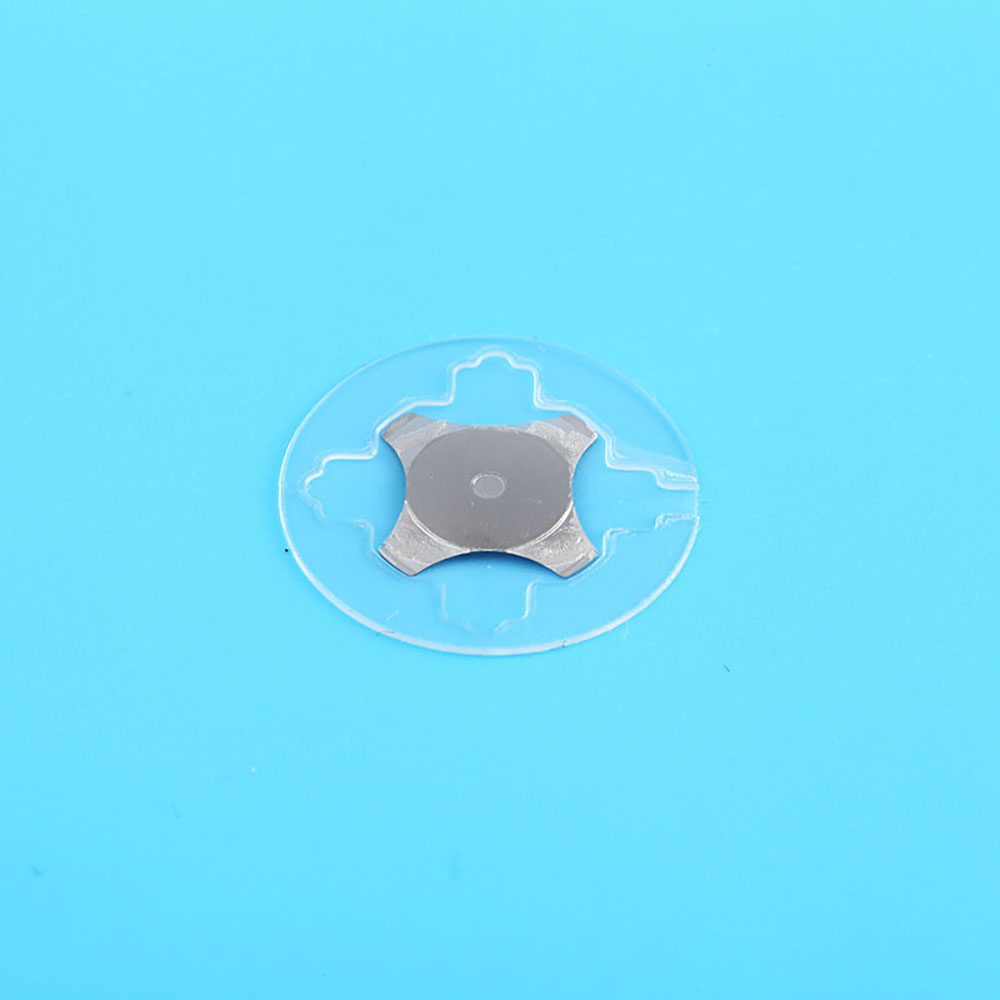
Free Sample Metal Dome Array Single Layer Pet With Adhesive
- Substrate: Optically Clear PET
- Adhesive: 3M Industrial Backing
- Placement: Pre-aligned Sheet
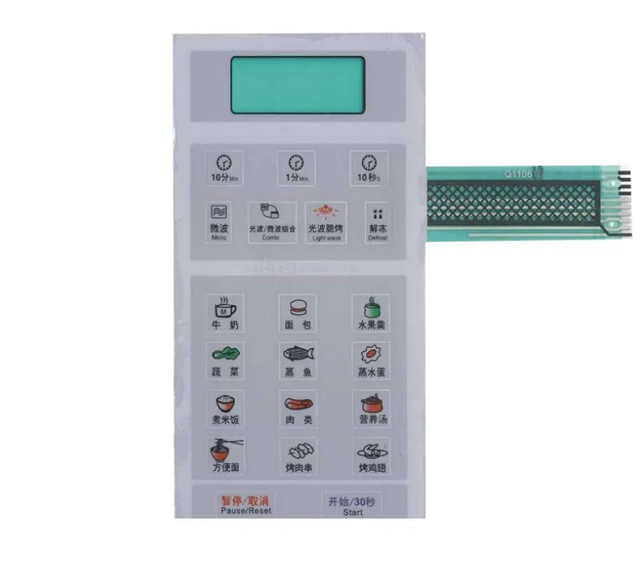
Factory Cheap Price Electronic Membrane Switch Membrane Switch Control Panel
- Circuitry: Conductive Silver Ink
- Feedback: Crisp Tactile Snap
- Connector: Female Clincher / ZIF
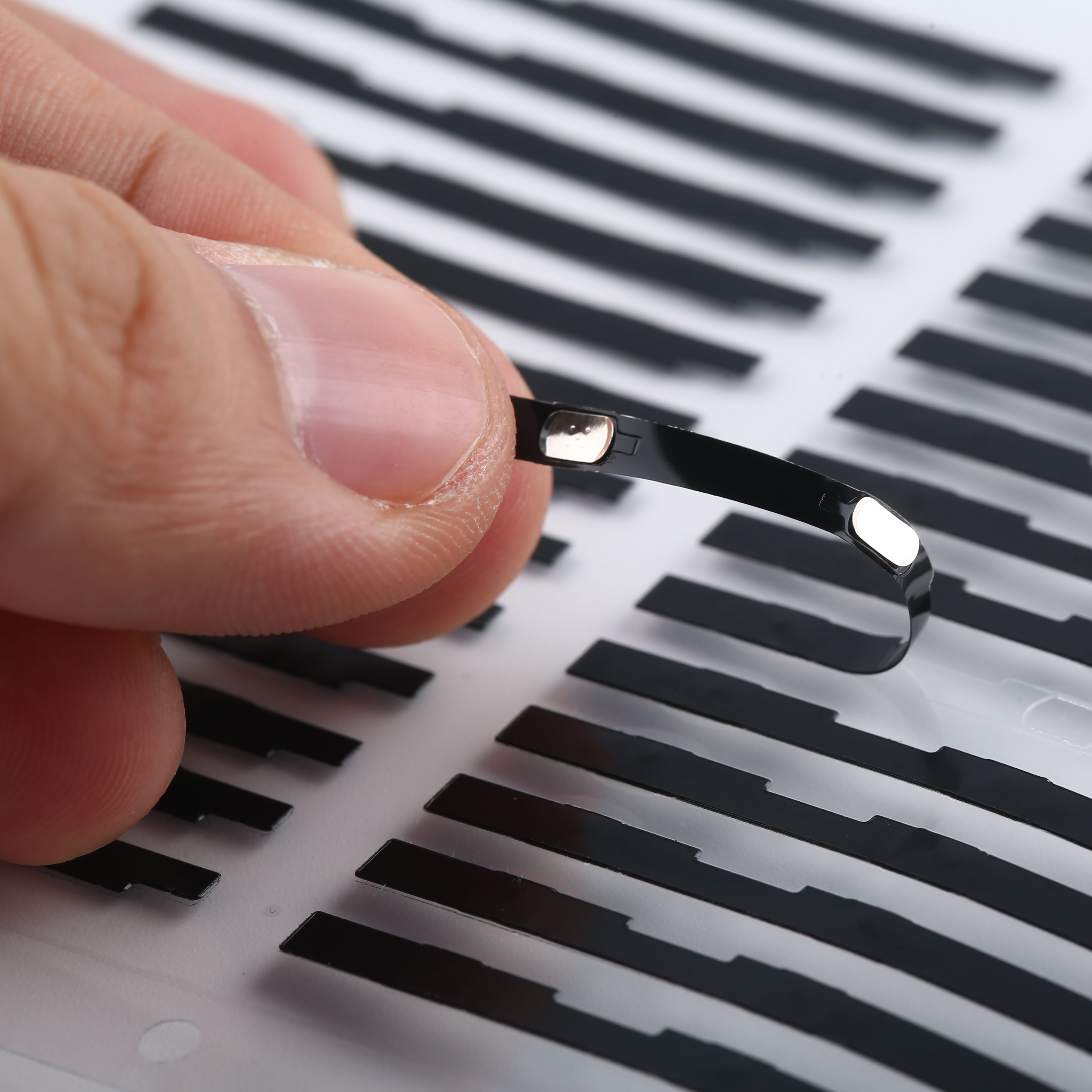
Free Sample Oval Metal Dome Array Single Layer Pet With Adhesive for Headphone Control Buttons
- Form Factor: Oblong / Oval Snap Dome
- Plating: Nickel / Gold Contact
- Application: Micro Wearables & Audio
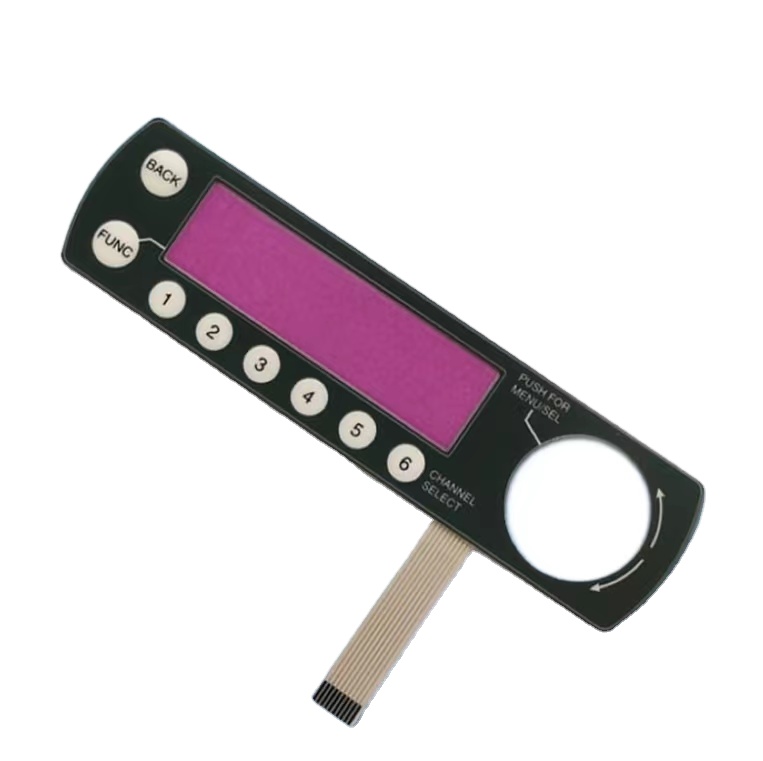
Customized Medical Instrument Membrane Switch PET Membrane Key PC Membrane Switch
- Sanitation: Antimicrobial & Washable
- Sealing: IP65 / IP67 Enclosure Fit
- Overlay: Autotex Hard-Coated PET
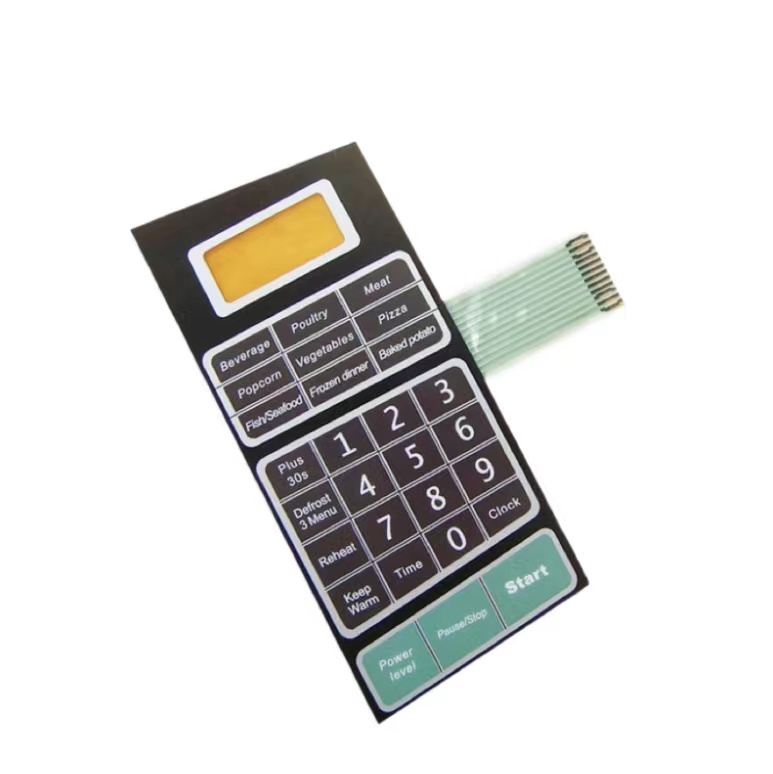
Low Moq Custom Membrane Switch Panel Keypad Control
- Pilot Batch: From 10 - 50 Units
- Embossing: Pillow / Rim Tactile
- Testing: 100% Function Bench Check
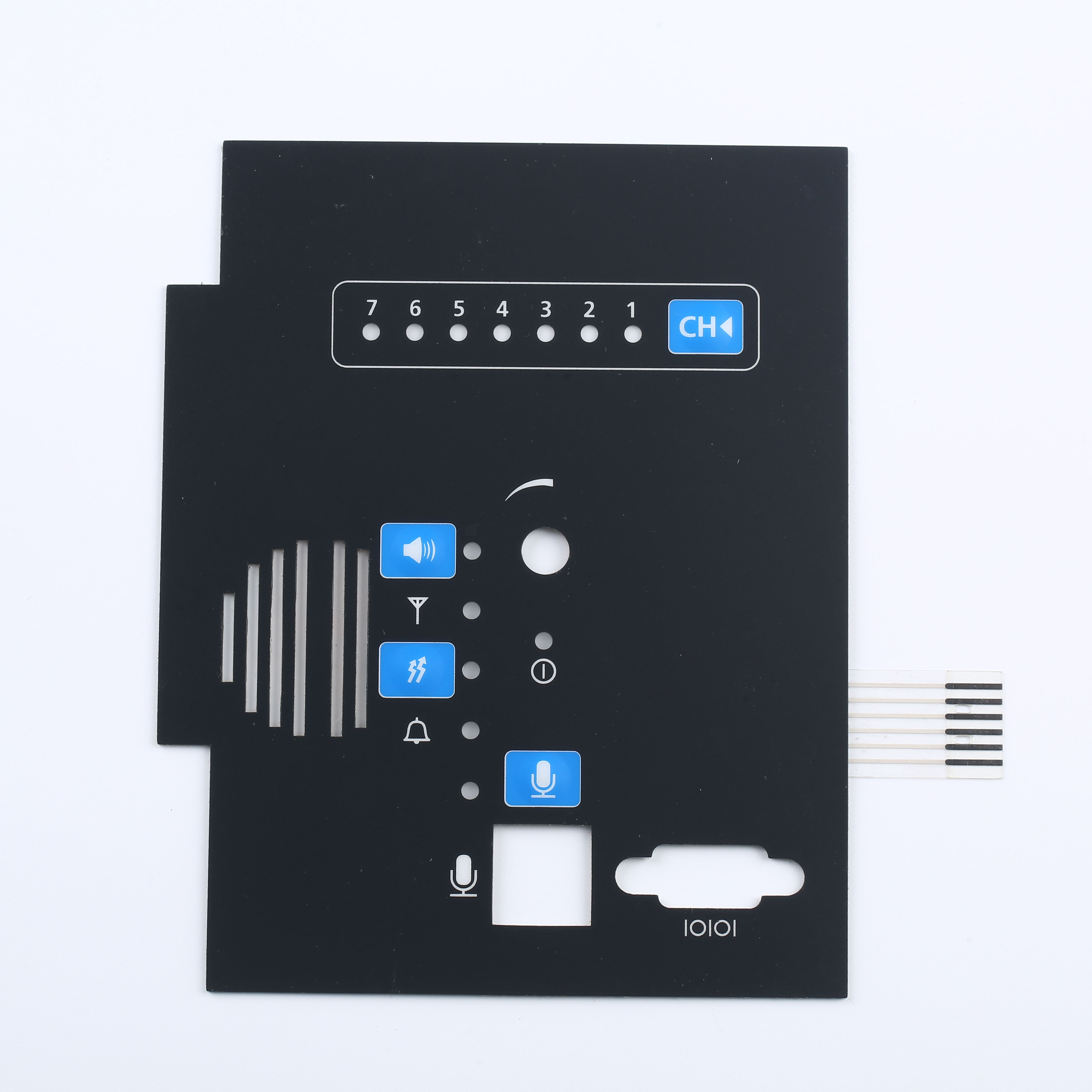
Polycarbonate Film Touch Switch Panel Screen Printing Process Electronic Product Instrument Display Membrane Switch
- Display: Transparent LCD/OLED Filters
- Surface: Velvet / Matte Scratch Guard
- Die-Cutting: CCD Precision Optical Reg
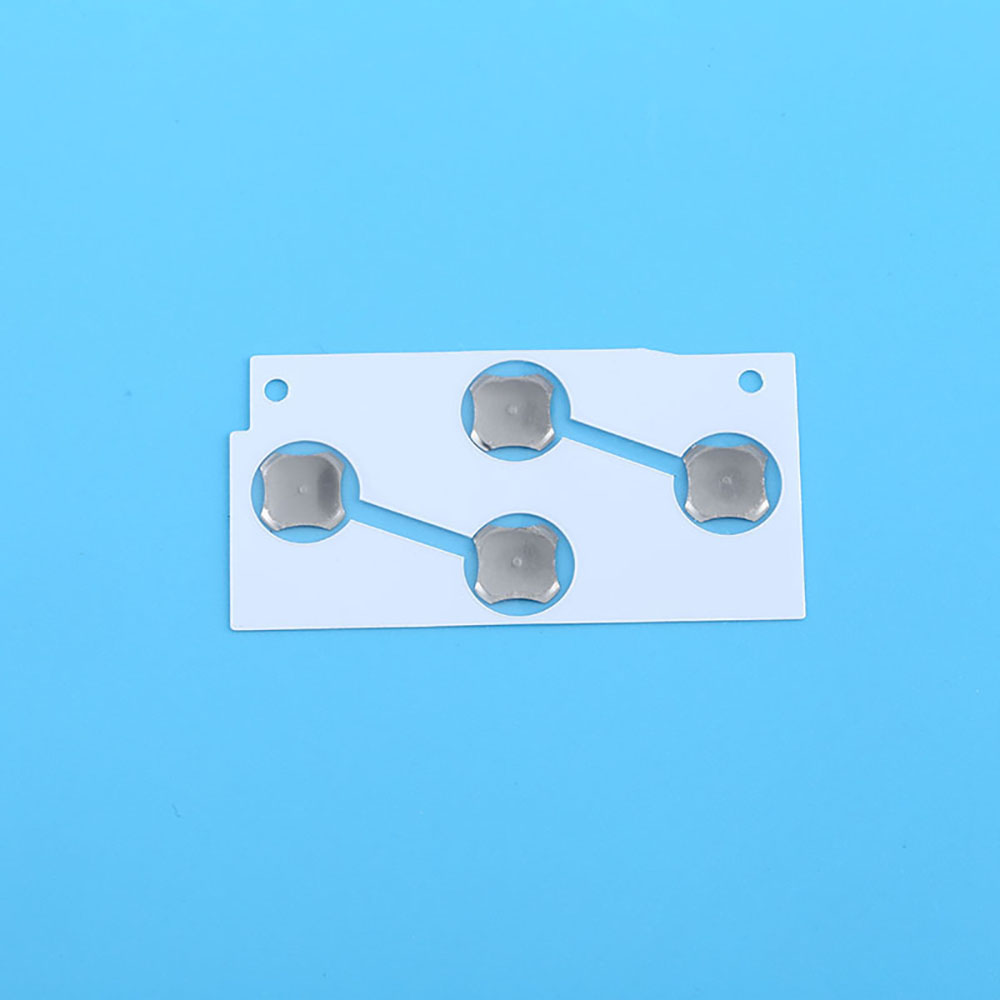
Customized Metal Dome Array
- Configurations: 4-Leg Cross, Round, Triangle
- Ventilation: Interconnecting Air Channels
- Packaging: Reel-to-Reel or Die-cut Sheet
Designing Resilient Human-Machine Interfaces for Nordic Climates & Baltic Industries
As industrial automation, maritime transportation, and precision hardware development expand throughout Southwestern Estonia, particularly surrounding the industrial hub of Pärnu and its adjacent technical corridors, the demand for ruggedized Human-Machine Interfaces (HMI) has shifted from generic off-the-shelf control buttons to hyper-engineered, custom membrane switch solutions. The regional climatic profile—characterized by sustained coastal humidity, Baltic sub-zero winter temperatures, thermal cycling, and airborne saline particulates—presents distinct failure modes for electronic control surfaces that are not encountered in benign operating environments.
Dongguan Cevra Electronic Technology Co., Ltd. brings over sixteen years of dedicated ISO 9001-certified manufacturing experience to resolve these multi-physics challenges. Engineered with selectively formulated polyester (PET) base layers such as Autotex® or Toray Lumirror®, our assemblies maintain mechanical elasticity under extended operational temperatures ranging from -40°C to +85°C. Polycarbonate (PC) is leveraged for indoor instrument clusters requiring exceptional optical clarity and sharp structural embossing, while chemically treated PET remains the gold standard for high-cycle industrial automation subject to repeated chemical washdowns, engine solvents, and saltwater spray.
Mitigating Silver Electromigration in Humid, Condensing Environments
A classic failure point in low-cost membrane circuits operating in marine or condensing ambient conditions is electrochemical silver migration. When micro-condensation penetrates past an adhesive perimeter gasket, microscopic electrical pathways form across adjacent positive and negative circuit tracks, causing short circuits. Cevra circumvents this risk across two advanced pathways: first, by printing carbon paste protective overcoats directly above the sintered silver conductors, effectively passivating the metallic surface; and second, by incorporating complete Flexible Printed Circuit (FPC) copper-polyimide layers for applications demanding mission-critical fidelity.
Internal Atmosphere Balancing: The Science of Integrated Air Vent Channels
When high-tactile stainless steel snap domes (such as our SUS301 4-leg dimpled domes) are sealed within an airtight membrane sandwich, rapid changes in ambient atmospheric pressure or intense barometric drops common to Baltic maritime zones can trap internal air pressure. Without engineered pressure equalization, internal pressure variations artificially alter actuation trip force, causing "pillowing" or sluggish tactile snap. Cevra's CAD routing process features micro-machined internal breathing channels connecting individual dome chambers without exposing the internal switches to outside contaminants. The venting exhausts into dry interior equipment compartments or terminates behind specialized hydrophobic ePTFE vent membranes, guaranteeing IP67 ingress protection while maintaining a uniform, crisp 300g±30g tactile feedback.
| Substrate / Architectural Feature | Polyester (PET) Hard-Coated | Polycarbonate (PC) Optical | Flexible FPC / Polyimide Core |
|---|---|---|---|
| Mechanical Flex Life | > 5,000,000 actuations | > 100,000 actuations | Exceeds 10,000,000 actuations |
| Cold Crack Resistance | Down to -40°C (No micro-embrittlement) | Down to -20°C (Prone to crazing) | Down to -55°C (Mil-spec rated) |
| Chemical / Solvent Barrier | Exceptional (Resists fuels, bleach, salt) | Moderate (Sensitive to esters & ketones) | Total chemical encapsulation |
| Embossing Retention Under Heat | High (When thermally formed) | Superior (Crisp edge formation) | Not applicable (Flat core backer) |
| Best Suited Pärnu Industrial Sector | Marine Navigation, Timber Drying, Fish Processing | Indoor Laboratory Diagnostics, Smart HVAC | Subsea Electronics, Heavy Timber Cranes |
Optimized for Pärnu & Regional Baltic Industries
From modern electronics assembly facilities in Pärnu's Niidu industrial district to specialized vessel builders and automated timber processing plants, our interface assemblies provide rock-solid field dependability.
Marine Navigation & Harbor Control
Sealed membrane touch panels and backlit switches engineered with 3M 300LSE adhesive gaskets and UV-stable coatings, completely immune to sea-spray salt fog, marine fogging, and sub-zero deck washing on Baltic vessels.
Automated Timber & Woodworking Machinery
Heavy-tactile, dimpled 4-leg metal domes that deliver unambiguous operator snap through heavy insulated work gloves, enclosed in sealed IP65 overlays resistant to fine wood flour, rosin fumes, and continuous mechanical vibration.
Food Processing & Fisheries Cold-Chains
Seamless, anti-microbial front overlays with completely sealed perimeter barriers. Capable of withstanding rigorous daily sanitization washdowns with high-temperature caustic detergents and rapid thermal shocks across -30°C walk-in freezers.
IoT Smart Energy & Municipal Metering
Ultra-thin sensor film switches and flexible capacitive circuits designed for Nordic energy monitoring devices, smart district heating valves, and secure municipal infrastructure hardware requiring over a decade of continuous service.
Emerging Interface Trends in the Estonian Electronics Manufacturing Sector
Estonia’s high-tech manufacturing sector has earned an exceptional reputation across the European Union for high-mix, high-complexity electronic systems. Within the regional manufacturing landscape surrounding Pärnu, Tallinn, and Tartu, original equipment developers are steering the evolution of membrane switch technology into higher-value integration topologies:
1. Convergence of Tactile Feedback and Capacitive Touch: Modern industrial machinery increasingly integrates multi-touch capacitive glass or acrylic surfaces with dedicated physical tactile membrane panels. Physical switches remain obligatory for critical "Emergency Stop," "Power Reset," or high-frequency input channels that require tactile certainty without visual confirmation, while capacitive films manage auxiliary scrolling menus.
2. Fiber Optic and Light Guide Film (LGF) Uniform Backlighting: Traditional discrete LEDs often produce hot-spots and uneven lighting distributions. By incorporating micro-etched Light Guide Films (LGF) beneath the graphic overlay, Cevra achieves ultra-thin (down to 0.125mm) edge-lit surface diffusion. This minimizes total power consumption for battery-powered handheld field diagnostics while presenting a modern, sleek aesthetic demanded by Nordic design standards.
3. Transition from Silver Printing to Embedded Surface-Mount Rigid/Flexhybrids: Rather than utilizing the membrane layer solely as a passive switch matrix, engineering teams now specify embedded SMT miniature LEDs, phototransistors, and discrete resistors integrated directly onto the switch circuit. This turnkey consolidation shortens assembly times on European production floors and streamlines bill-of-materials logistics.
End-to-End In-House Manufacturing Excellence
No trading middlemen or fragmented subcontractors. Every layer—from precision silk-screen printing to high-speed die-cutting and computerized electrical verification—is executed within our audited Dongguan manufacturing facility.
Full In-House Fabrication Workflow
Equipped with state-of-the-art cleanroom printing lines, CCD vision drilling, automatic flatbed laminating machines, and laser plotting tables that keep engineering iteration cycles fast and tolerances down to ±0.05mm.
SGS Onsite Audited & ISO 9001:2015
Our complete facility, quality inspection infrastructure, and management processes are verified onsite by SGS Group. Every manufactured batch is traceable to source raw material lots with full material test certificates.
Multi-Stage Laboratory Quality Control
In-house quality validation utilizing automated dome force-displacement testers, high/low thermal shock climate cabinets (-60°C to +150°C), adhesive peel tensiometers, holding tack analyzers, and electric pencil scratch hardness testers.
Advanced Graphic & Color Precision
Pantone and RAL color fidelity verified with precision spectrophotometers. Reverse sub-surface screen printing and digital flatbed technology guarantee legends, icons, and branding never wear away from mechanical abrasion.
Agile Prototyping & Flexible MOQs
We respect the iterative design process of innovative hardware startups and custom OEM machinery builders. Rapid prototype batches start from just 10 pieces, bridging the gap from pilot builds to high-volume commercial scaling.
Seamless Direct Freight to Pärnu & the EU
Comprehensive international trade compliance with air-freight door-to-door delivery within 4-7 business days to Tallinn and Pärnu via DHL, FedEx, and UPS, complete with EU RoHS, REACH, and CE compliance documentation.
Frequently Asked Questions: Sourcing Membrane Panels in Pärnu
Straightforward answers covering mechanical parameters, material selections, and direct import procedures for Baltic engineering and procurement teams.
How can we ensure our membrane switch keypad survives freezing Nordic outdoor conditions?
When should an engineer specify an FPC copper circuit over a silver-printed circuit?
What design files and specifications are required to initiate an engineering quote and DFM review?
What are the typical lead times for custom prototypes versus commercial volume runs delivered to Estonia?
Can you manufacture membrane panels with transparent windows for embedded LCD and OLED screens?
Ready to Engineer Your Custom Membrane Interface?
Connect directly with our senior application engineers. We provide turnkey DFM feedback, stack-up simulations, and fast, competitive factory quotes tailored to your production targets in Pärnu and across Northern Europe.
Get a Quote