Precision Membrane Switches & Snap Dome Arrays
Customized interface components engineered under ISO 9001 quality controls, compliant with CE and RoHS standards for seamless European delivery.
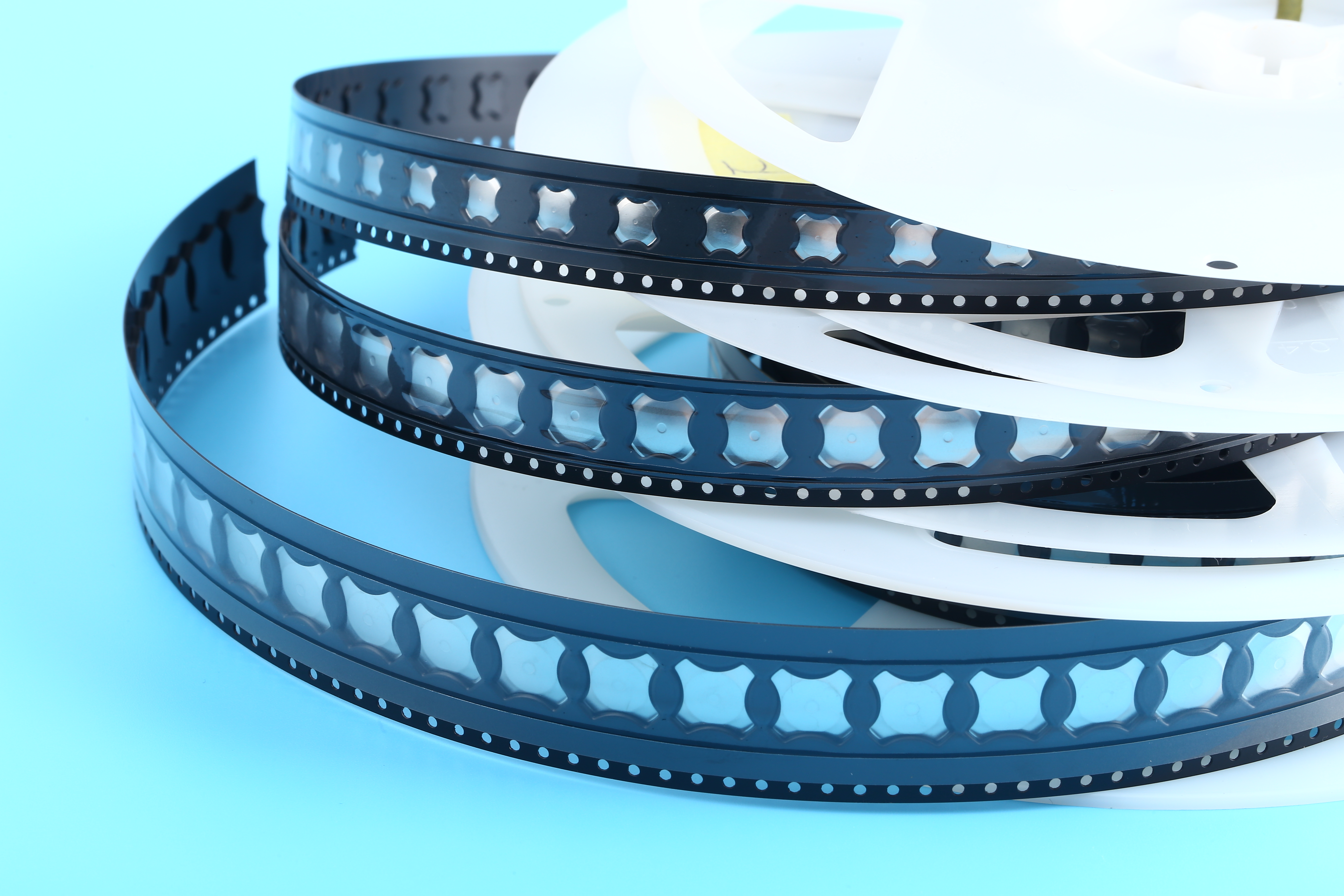
SMT Cross 4-Legged Metal Dome in Reel Packing
- Mounting: SMT Pick-and-Place
- Plating: Nickel / Gold Plated
- Actuation: 280g - 400g Crisp
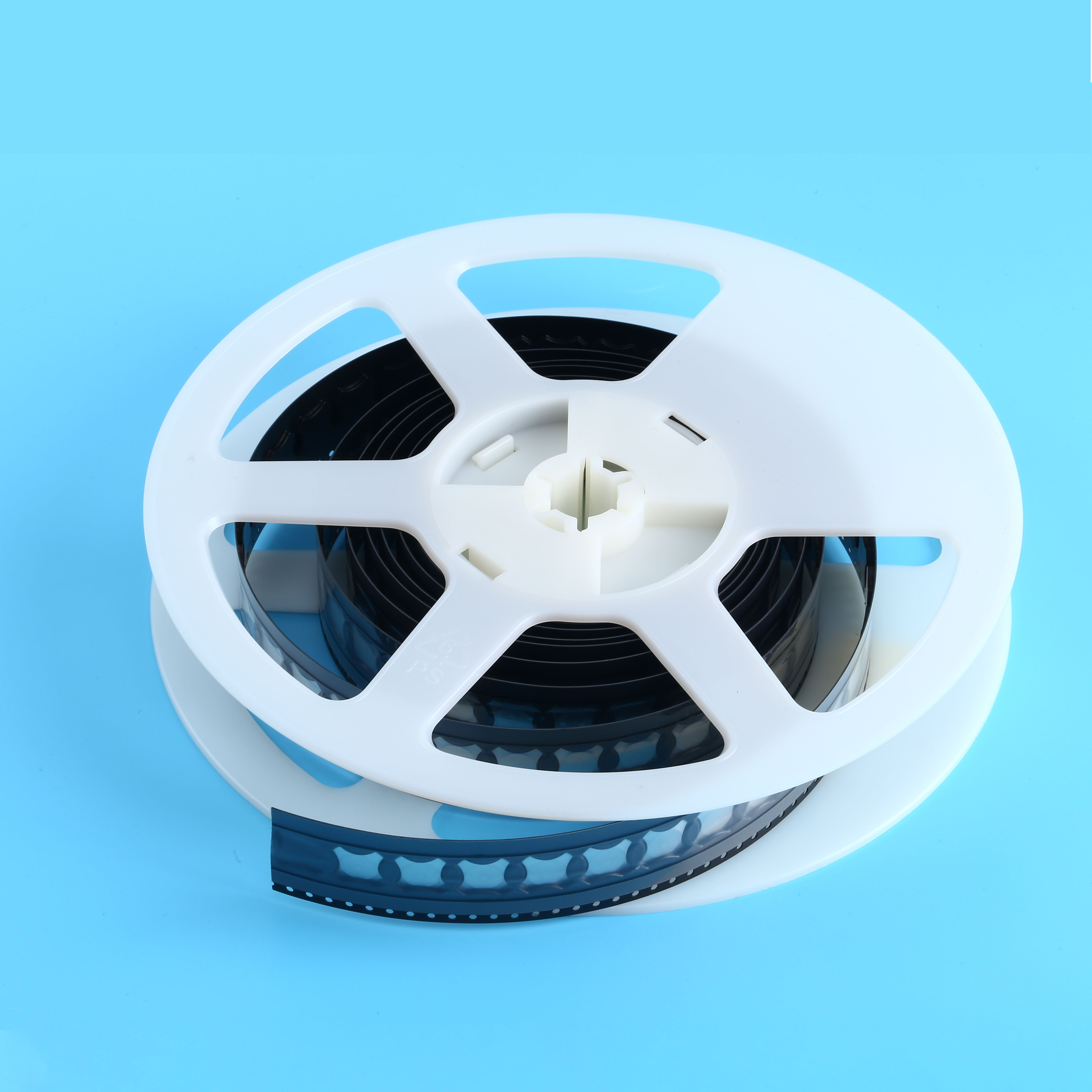
Cross 4-Legged Snap Metal Dome Array Sheet
- Carrier: Clear PET + Spacer
- Life Span: > 1,000,000 Cycles
- Tolerance: ±0.05 mm Pitch
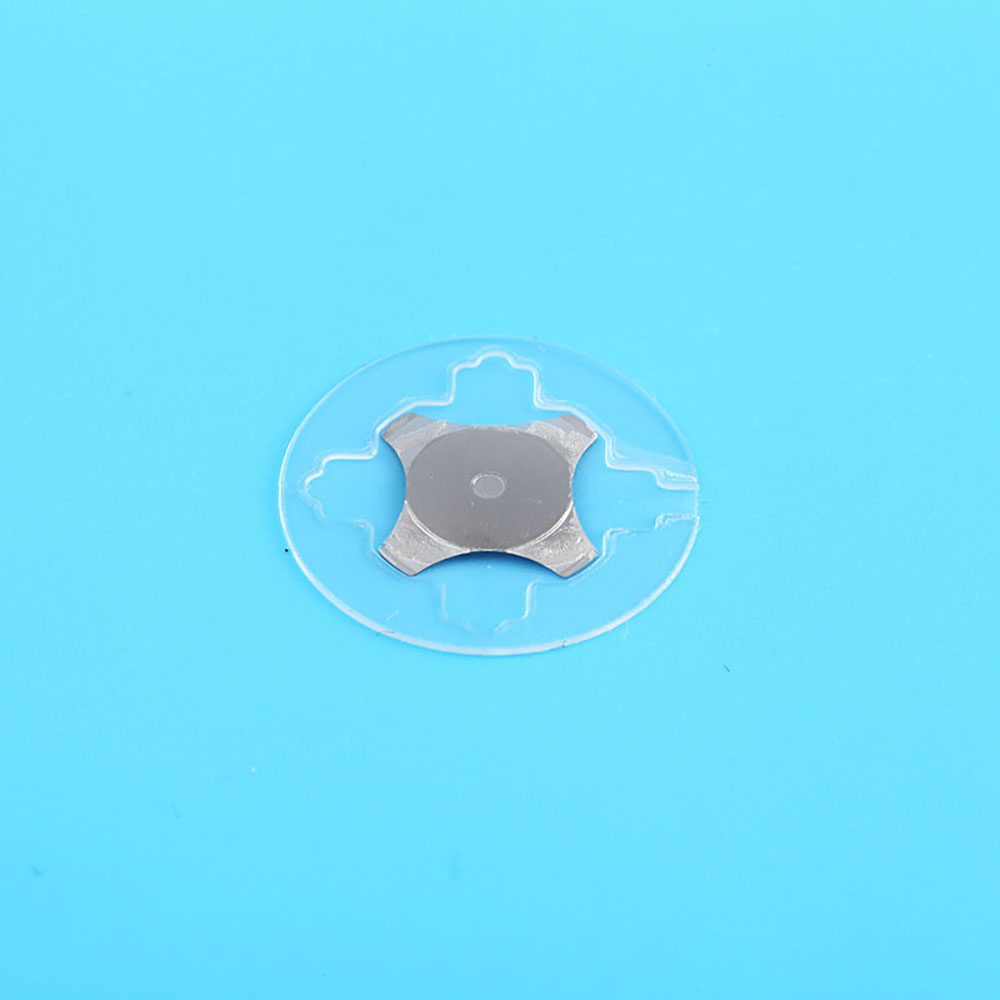
Single Layer PET Metal Dome Array with Adhesive
- Adhesive: 3M 467MP / 3M 468MP
- Air Venting: Integral Vent Channels
- Trip Force: Customized to Spec
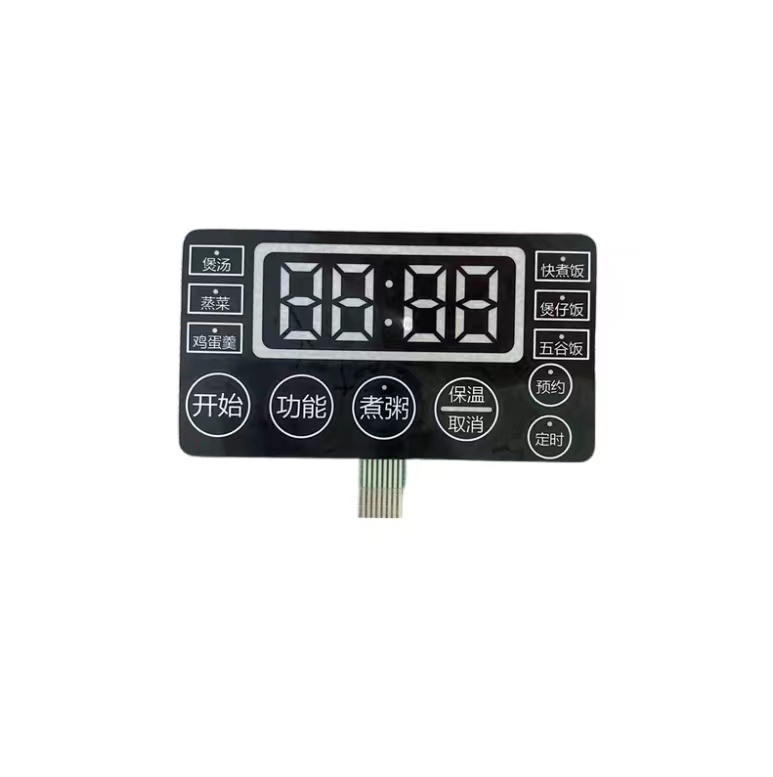
Industrial Black PC Membrane Control Switch Panel
- Material: Polycarbonate (Matte)
- Backlight: LED Windows / LGF
- Protection: IP65 Sealed Ingress
Laser Engraved Stainless & Aluminum Escutcheon
- Finishing: Brushed / Anodized
- Engraving: Fiber Laser High Precision
- Durability: Chemical & Salt Mist Res.
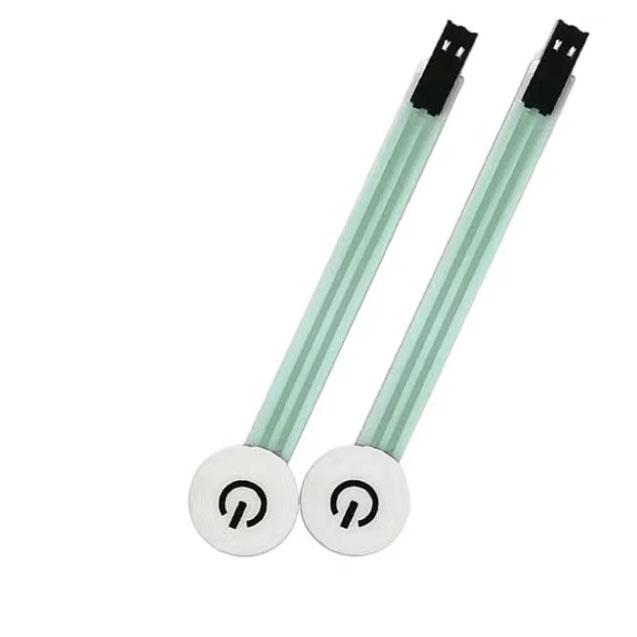
Single-Button Miniature Tactile Membrane Switch
- Dimensions: Micro Small Form Factor
- Tail Pitch: 1.0 mm / 2.54 mm Crimp
- Contact: < 100 Ω Loop Res.
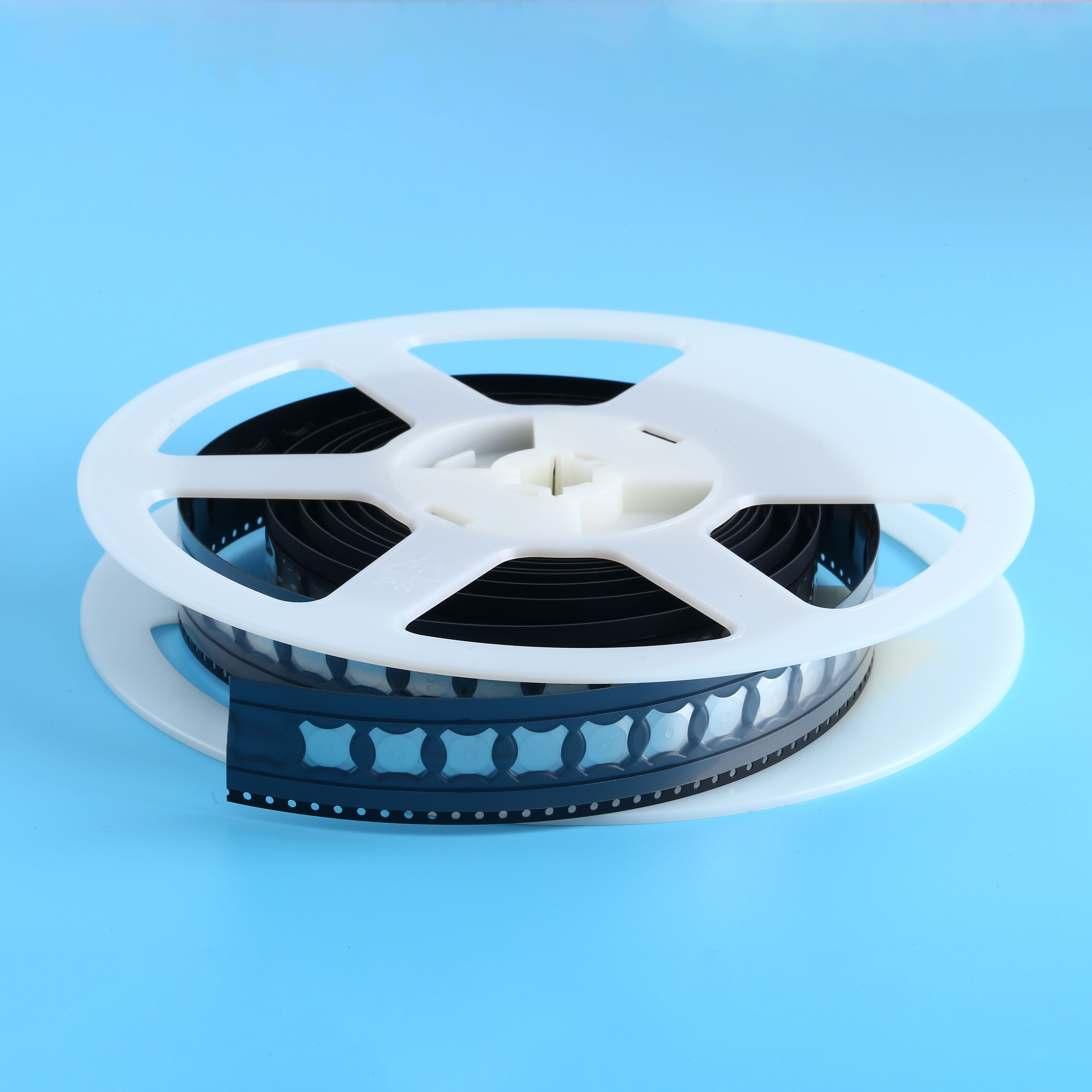
Adhesive PET Dome Array for Handheld Controllers
- Feel: Sharp Auditory Click
- PET Film: Optical Clear Carrier
- Dome Type: Round Snap Dome
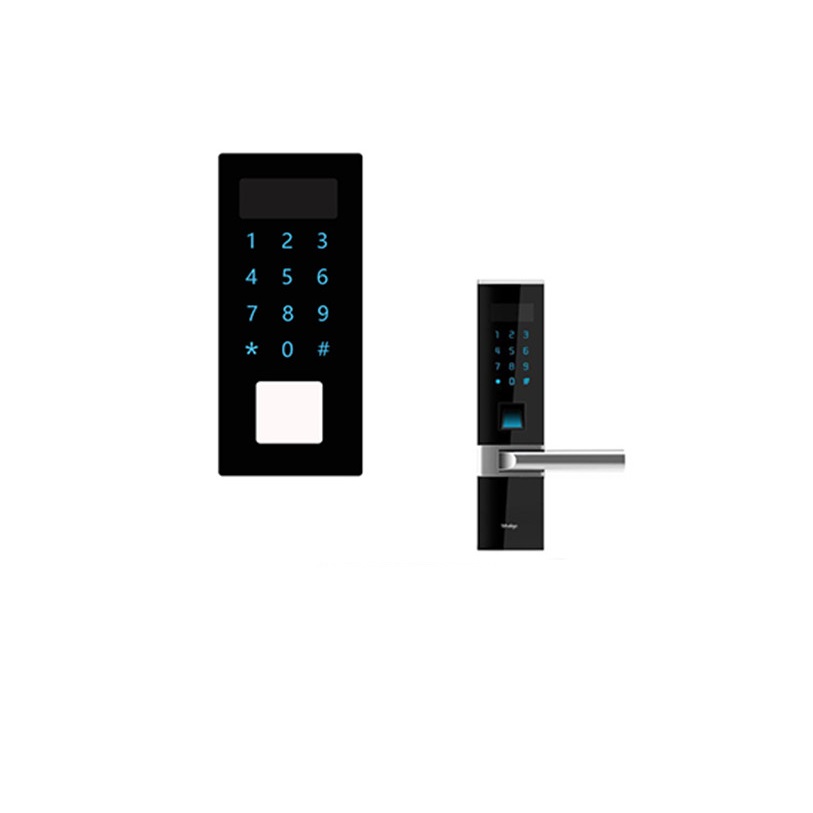
Waterproof Capacitive PMMA Touch Membrane Panel
- Faceplate: Optically Clear PMMA/Acrylic
- Interface: Zero-Gap Solid State Touch
- Rating: IP67 Waterproof Front
The Croatian Industrial Landscape & HMI Modernization
How the emergence of high-tech manufacturing corridors across Zagreb, Rijeka, Split, and Slavonski Brod demands resilient human-machine interface assemblies.
Strategic Sourcing for Croatian Engineering Excellence
Croatia has evolved beyond traditional manufacturing into a high-value engineering powerhouse within Central and Southeastern Europe. Driven by trailblazing innovators in electric vehicle drivetrains, maritime navigation electronics across the Adriatic rim, and advanced electrical distribution systems, Croatian OEMs require precision Human-Machine Interfaces (HMI) built to stringent mechanical and environmental thresholds.
From the industrial automation clusters around Zagreb and Varaždin to specialized shipbuilding and maritime telemetry hubs in Split and Rijeka, electronic instrumentation is exposed to rigorous operating environments. Membrane keyboard panels must withstand ambient humidity, saline atmospheric exposure, ultraviolet radiation, and aggressive industrial solvents while maintaining tactile clarity and reliable contact resistance.
Dongguan Cevra Electronic Technology Co., Ltd. serves as an end-to-end manufacturing partner for Croatian OEMs, engineering custom membrane switches, metal dome arrays, and graphic overlays tailored to European test protocols and RoHS/REACH compliance frameworks.
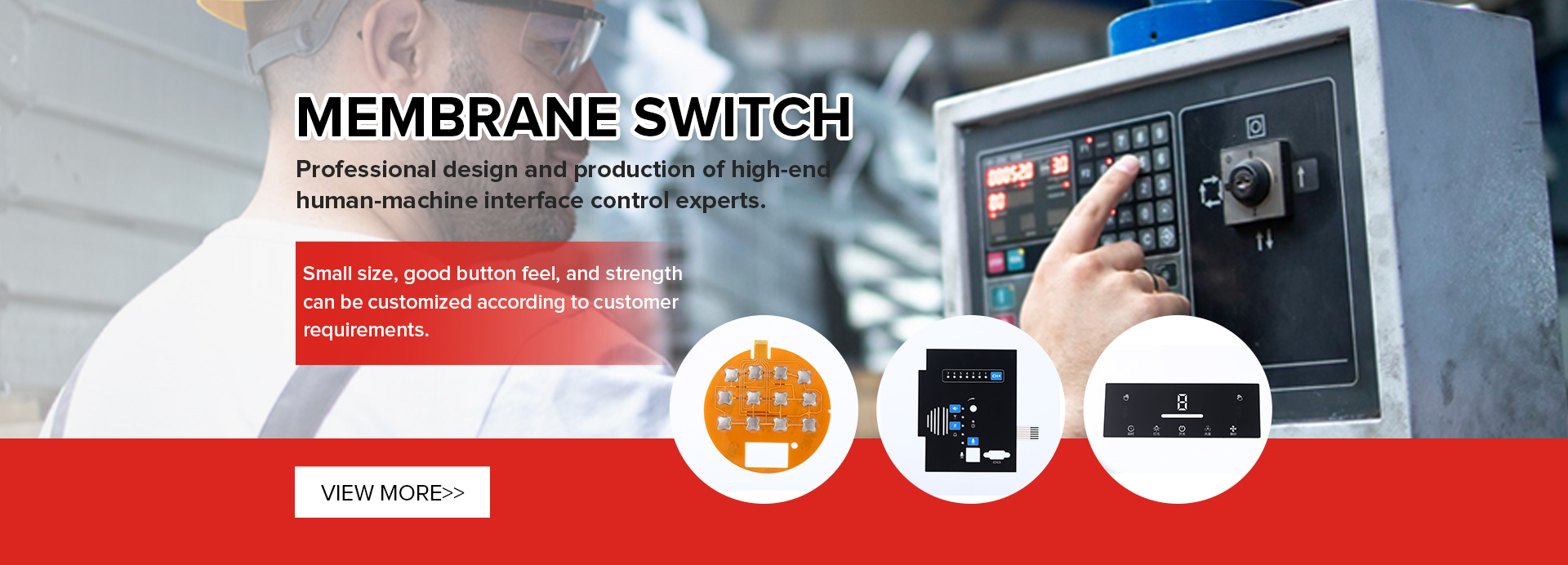
Localized Application Scenarios Across Croatian Sectors
Adapting membrane keyboard panel stack-ups to address the unique mechanical, electrical, and thermal stresses of target regional industries.
Adriatic Maritime & Navigational Systems
Croatia’s rich nautical shipbuilding industry in Pula, Rijeka, and Split engineers rugged navigation bridges, winch controllers, sonar instrumentation, and yacht automation panels that operate in unforgiving Mediterranean marine conditions.
- IP67 / IP68 Ingress Sealing: Perimeter gasket adhesive barriers with 3M 300LSE/468MP preventing micro-droplet saltwater intrusion.
- Marine-Grade PET: UV-stabilized Autotex XE polyester preventing yellowing, degradation, and brittleness under intense solar UV.
- Anti-Glare Windows: Textured transparent windows for LCD/OLED readouts under direct sunlight.
High-Performance EV & Battery Telemetry
Centered around the Zagreb innovation corridor, Croatian high-performance EV components, battery management systems (BMS), and charging infrastructure require ultra-compact, high-reliability switching arrays.
- Low-Profile Actuation: Cross 4-legged snap domes providing immediate sensory confirmation for dashboard and diagnostic tools.
- EMC/RFI Shielding: Continuous conductive aluminum foil or screen-printed graphite layers suppressing electromagnetic noise.
- Wide Thermal Window: Reliable switching action rated from -30°C continental winters to +85°C internal battery enclosure environments.
Power Generation, Food Processing & Medical
From power transmission monitoring around Osijek to automated food processing in Podravina and clinical diagnostics, equipment demands cleanable, chemical-tolerant user interfaces.
- Disinfectant Resistance: Polycarbonate and hard-coated PET layers resisting repeated wiping with alcohol, bleach, and cleaning acids.
- Antimicrobial Overlays: Microban-treated surface substrates neutralizing pathogens in medical cleanrooms.
- Capacitive PMMA Touch: Completely flat, crevice-free switch panels compliant with sanitary hygiene regulations.
Layer-by-Layer Anatomy of an Industrial Membrane Switch
Precision-engineered multi-layer assemblies configured for tactile crispness, contact stability, and absolute environmental isolation.
1. Graphic Overlay
Subsurface reverse screen-printed polyester (PET) or polycarbonate (PC). Reverse printing shields legends, logos, and colored indicators from physical abrasion, scratch hazards, and harsh industrial wash-downs.
2. Upper Adhesive & Spacer
Die-cut acrylic adhesive systems (0.05 mm to 0.175 mm thickness) featuring laser-calibrated venting channels. These channels equalize atmospheric pressure during rapid key actuation without breaching seal integrity.
3. Tactile Snap Dome Layer
SUS301 stainless steel domes (4-legged cross, triangular, or round) plated in nickel or gold. Delivers decisive snap feedback, contact bounce under 5ms, and actuation force profiles from 220g to 450g.
4. Silver Circuit / FPC
High-conductivity silver paste printed on heat-stabilized PET, cured in high-temperature ovens, or double-sided polyimide flexible printed circuits (FPC) with gold-plated solder pads for surface-mount LEDs and resistors.
Substrate Engineering Comparison for Croatian Conditions
Benchmarking raw material choices against Adriatic environmental factors, flexural cycle fatigue, and optical characteristics.
| Substrate Criterion | Biaxially Oriented PET (Autotex) | Polycarbonate (Lexan / Makrofol) | Hardcoated Acrylic (PMMA) | Silicone Rubber Membrane |
|---|---|---|---|---|
| Flex Life (Switch Cycles) | > 5,000,000 cycles Optimal | ~ 100,000 cycles | N/A (Rigid Faceplate) | > 1,000,000 cycles |
| Chemical Resistance | Resistant to fuels, greases, solvents | Vulnerable to aromatic solvents | High resistance to disinfectants | Moderate chemical resistance |
| UV Stability (Adriatic Sun) | Excellent (Autotex XE grade) | Requires UV-stabilized coating | Inherent natural UV stability | Good UV & ozone stability |
| Embossing Clarity | Crisp rim, pillow & dome forms | Deep drawing, hot forming easy | Non-embossable (Flat touch) | Molded 3D ergonomic keys |
| Pencil Surface Hardness | 2H to 3H | HB to 1H (Uncoated) / 2H (Hard) | 3H to 4H Highest | 40° - 70° Shore A |
| Primary Target Application | Heavy industrial keyboards, marine bridge | Medical displays, cost-sensitive HMI | Capacitive smart touch panels | Ruggedized outdoor field devices |
Why European Procurement Officers Partner with Cevra
Eliminating trading intermediary markup, shortening engineering iteration cycles, and securing fully traceable Chinese manufacturing excellence.
Integrated Tooling, Screen Printing & Cleanroom Assembly
Established in March 2009 in Dongguan, China, Dongguan Cevra Electronic Technology Co., Ltd. spans a specialized 2,600 m² production footprint designed specifically for human-machine interface assemblies and precision die-cut components.
Rather than functioning as a commercial intermediary, Cevra houses complete vertically integrated fabrication under one roof: precision artwork photolithography, automatic silk-screen printing lines, Class 10,000 cleanroom laminating bays, CNC laser profiling, automated CCD vision punching, and high-speed dome-placement automation.
Our quality management infrastructure operates under strictly audited ISO 9001 systems with on-site credential validation conducted by SGS Group. For Croatian and EU buyers, this translates to certified silver ink adhesion, consistent tactile actuation forces, zero ghost circuits, and absolute traceability from prototype batch to 100,000-unit production runs.
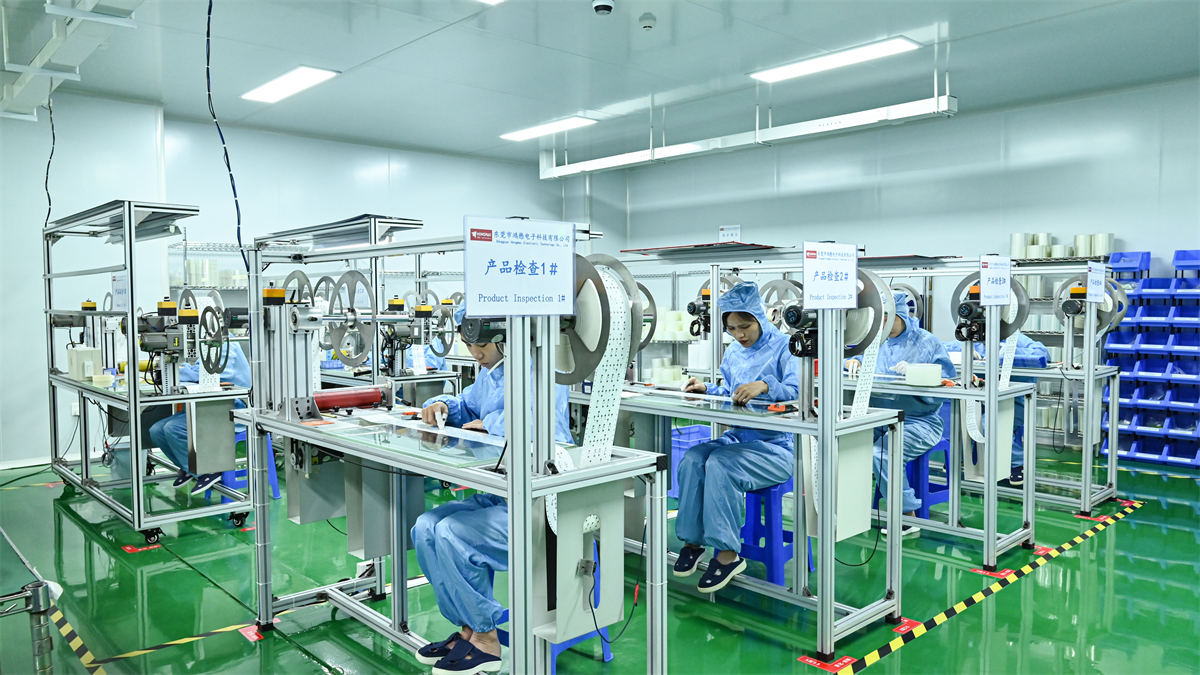
Dome Load & Trip Force Profiling
Calibrated electronic force testers log actuation curves, calculating switch snap ratio (click ratio >40%) to eliminate tactile fatigue across millions of actuations.
Automated Circuit Continuity
100% automated electrical testing verify contact loop resistance (<100 Ω), insulation resistance (>100 MΩ at 100V DC), and prevents trace short circuits.
Thermal & Humidity Cycling
Environmental stress chambers test membrane stacks under -40°C to +85°C cycling and 95% relative humidity to prevent internal delamination.
Adhesive Peel & Shear Testing
ASTM D3330-compliant tension instruments measure 180° adhesive peel strength on stainless steel and powder-coated aluminum substrates.
Frequently Asked Questions by Croatian Engineering Teams
Direct technical answers addressing lead times, prototyping, IP sealing, customs, and connector termination.
How are membrane panels delivered to Croatia and what is the transit timeframe?
Prototype samples and urgent pilot production runs are shipped via DHL Express or FedEx International Priority directly to Zagreb (ZAG), Split (SPU), or Dubrovnik (DBV), arriving within 3 to 5 business days. For volume container shipments, ocean freight arrives through the Port of Rijeka or Port of Ploče within 28 to 35 calendar days, supported by complete commercial invoices, HS code declarations (8537.10), and EU customs paperwork.
What design files are required to generate engineering proofs and quotations?
We work directly with native vector formats including Adobe Illustrator (.AI), AutoCAD (.DXF, .DWG), CorelDraw (.CDR), and 3D step files (.STEP) for housing clearances. Specify critical dimensions, graphic color codes (Pantone Formula Guide Solid Coated or RAL Classic), key embossing preferences (rim, pillow, or dome), connector pinout diagrams, and desired tactile force ratings.
How is true IP67 waterproof sealing guaranteed against Adriatic saltwater ingress?
To ensure IP67 or NEMA 4X performance, we engineer closed-loop perimeter gaskets using high-tack acrylic adhesives such as 3M 468MP or 3M 300LSE. Internal breathing vents are routed backward through the tail egress or sealed via microporous ePTFE Gore membrane vents. This setup equalizes internal cavity pressure fluctuations under temperature swings without sucking in saline moisture or dew.
Can we integrate backlighting in low-profile membrane keypads for night-shift operation?
Yes. We offer three primary illumination technologies: Surface-Mount Device (SMD) LEDs embedded inside spacer cutouts with embossed diffuser domes; ultra-thin Light Guide Film (LGF) where side-firing LEDs disperse uniform radiance across legends; and Electroluminescent (EL) lighting foils. LGF is particularly favored for marine navigation consoles and automotive telemetry due to its ultra-flat profile (0.125 mm) and uniform light distribution.
What tail termination and connector options are compatible with European PCB headers?
Flexible tails can be terminated with standard 2.54 mm pitch female crimp connectors (compatible with Berg, Nicomatic, FCI, and DuPont pin headers) with locking tab housings. For compact SMT micro-controllers, we produce 1.0 mm and 0.5 mm pitch Zero Insertion Force (ZIF) tails reinforced with polyimide backing stiffeners, ensuring seamless plugging into European PCB assemblies.
What are typical Minimum Order Quantities (MOQs) and prototype turnaround times?
Unlike rigid high-volume brokers, Cevra accommodates agile R&D cycles. Prototype batches start from as few as 10 to 50 pieces, with laser-cut engineering samples delivered in 7 to 10 working days. Mass production tooling (steel rule die-sets and automated printing screens) typically requires 12 to 16 calendar days, with recurring production orders processed efficiently on demand.
Collaborate with an ISO 9001 HMI Manufacturing Partner
Connect directly with our engineering department. Share your CAD designs, schematic pinouts, or environmental compliance targets to receive an actionable Design for Manufacturability (DFM) review and factory quotation within 24 hours.