Precision Human-Machine Interface (HMI) Catalog
Custom OEM/ODM matrix membrane switches, waterproof capacitive touch foils, and precision SUS301 metal snap dome arrays configured for high-salinity oceanic environments and mission-critical installations.
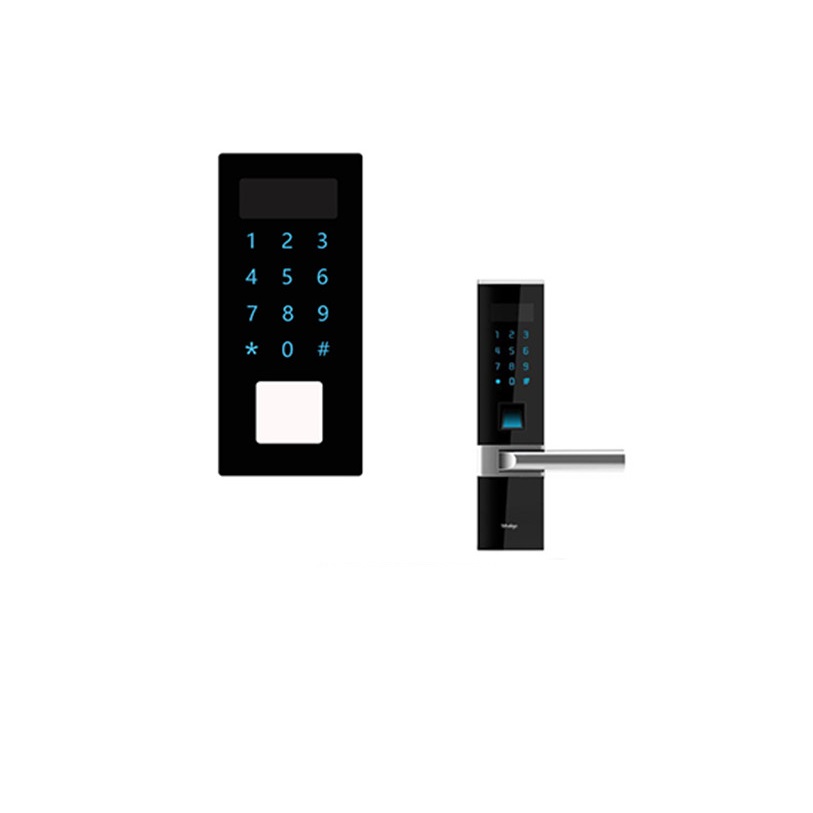
Custom Waterproof Keypad Smart DoorTouch Switch PMMA Membrane Switch Panel
- Substrate: PMMA Acrylic / Hard-Coated PET
- Ingress Protection: IP68 Hermetic Perimeter
- Actuation: Solid-State Capacitive Sensing
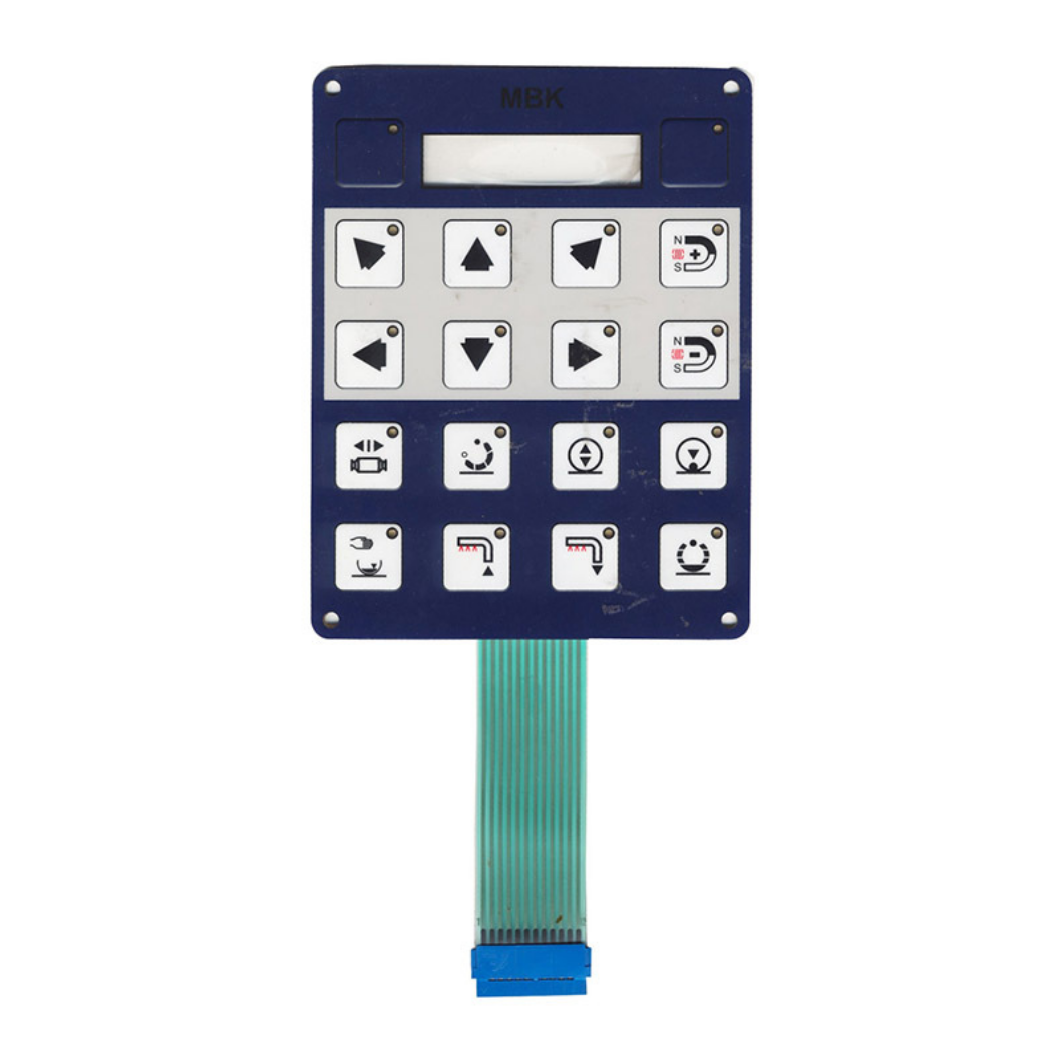
1-Row 4-Key Custom Tactile Keyboard Membrane Switch
- Configuration: 1x4 Matrix / Common Bus Pinout
- Dome Alloy: Nickel-Plated SUS301 Steel
- Connector: 2.54mm Pitch Female Housing
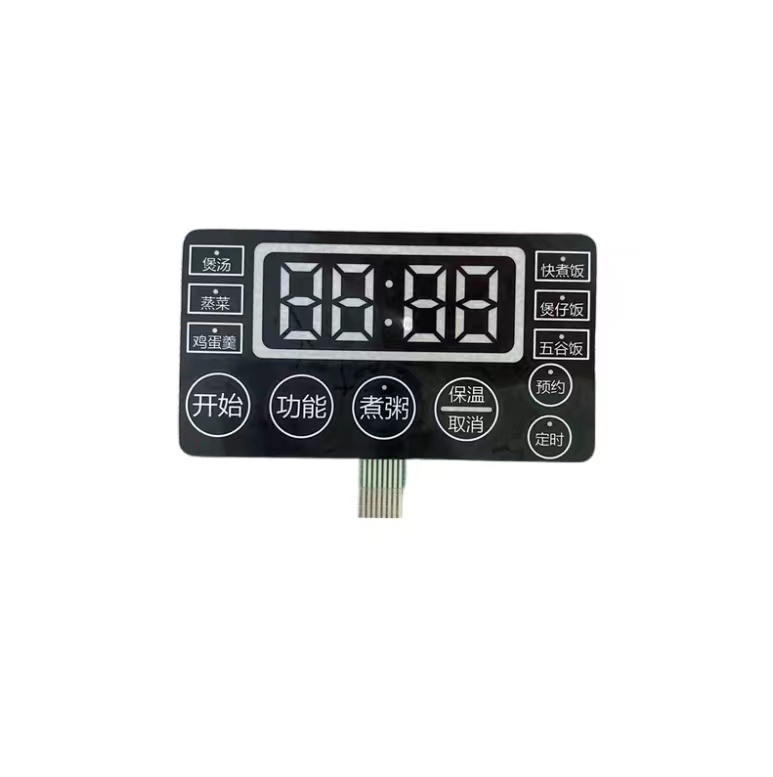
Factory Direct Black Polycarbonate (PC) Control Panel Switch
- Overlay: Velvet Textured Polycarbonate
- Adhesive: 3M 467MP / 300LSE Heavy Duty
- Circuit: Low-Resistance Screened Silver
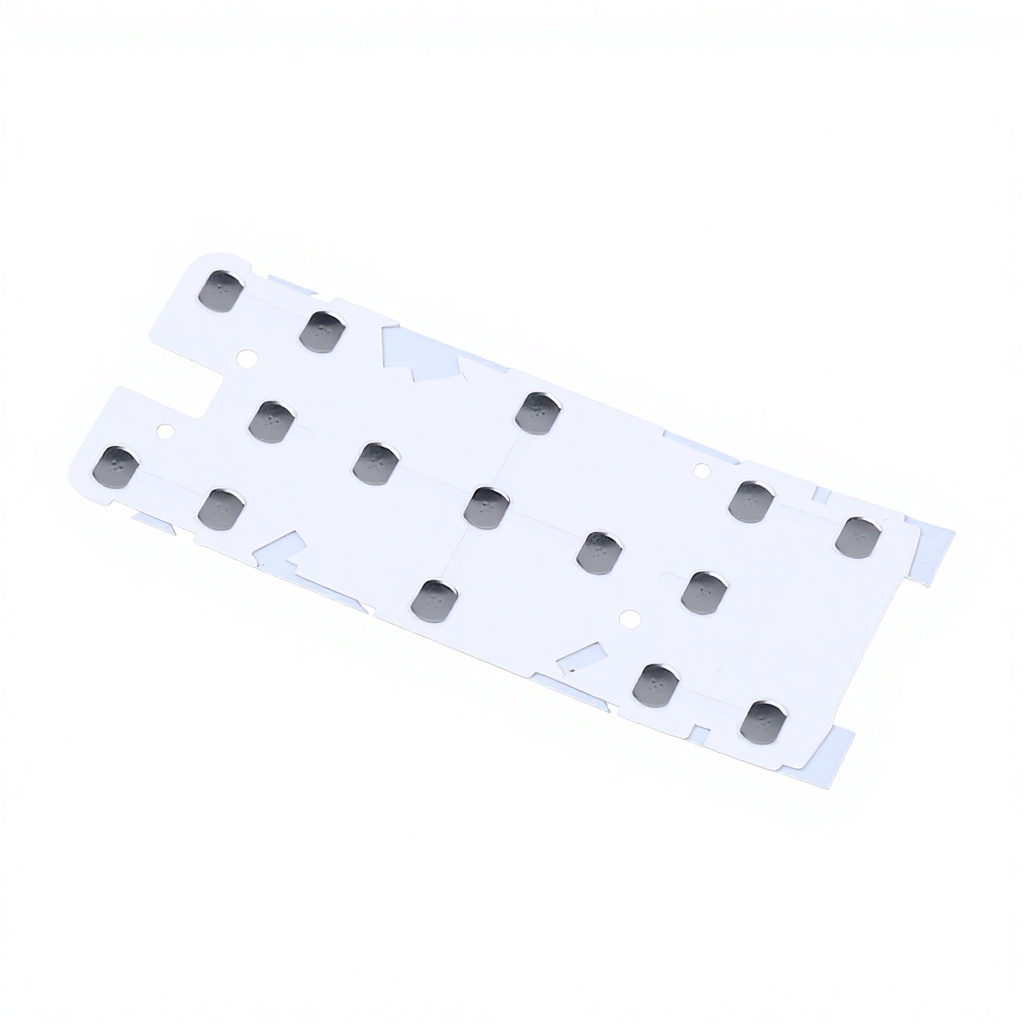
Customized White PET Waterproof Single-Layer SUS301 Dome Array
- Carrier Film: 0.05mm Optically White PET
- Dome Geometry: 4-Leg Cross with Actuator Dimple
- Venting: Internal Micro-Groove Breathing
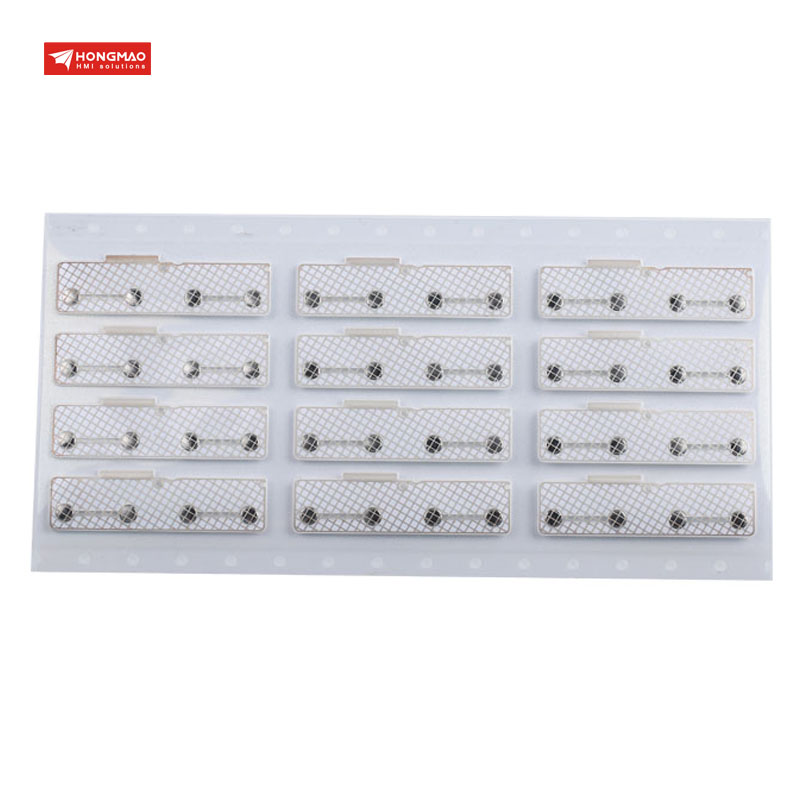
Double-Sided SUS301 Metal Dome Array with EMI/RFI Shielding
- Shielding: Selective Carbon / Aluminum Foil
- Snap Ratio: ≥ 50% Crisp Tactile Response
- Plating: Gold / Nickel Contact Surfaces
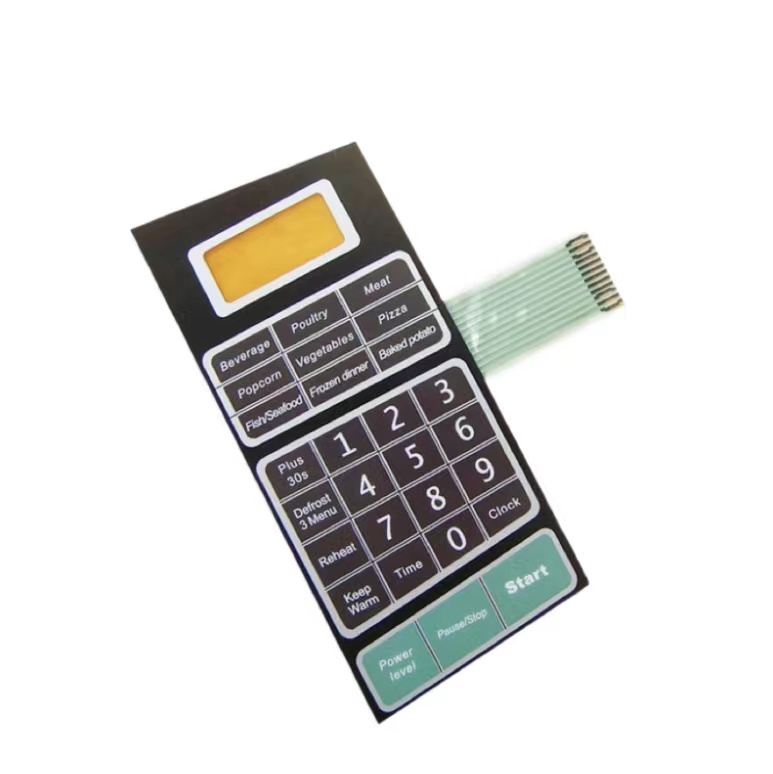
Low MOQ Rapid Turnaround Custom Membrane Switch Panel Keypad
- Prototyping: Rapid Laser Cut Without Hard Tooling
- Circuit Layer: Autotype Heat-Stabilized PET
- Backlight: Embedded Side-Firing SMT LEDs
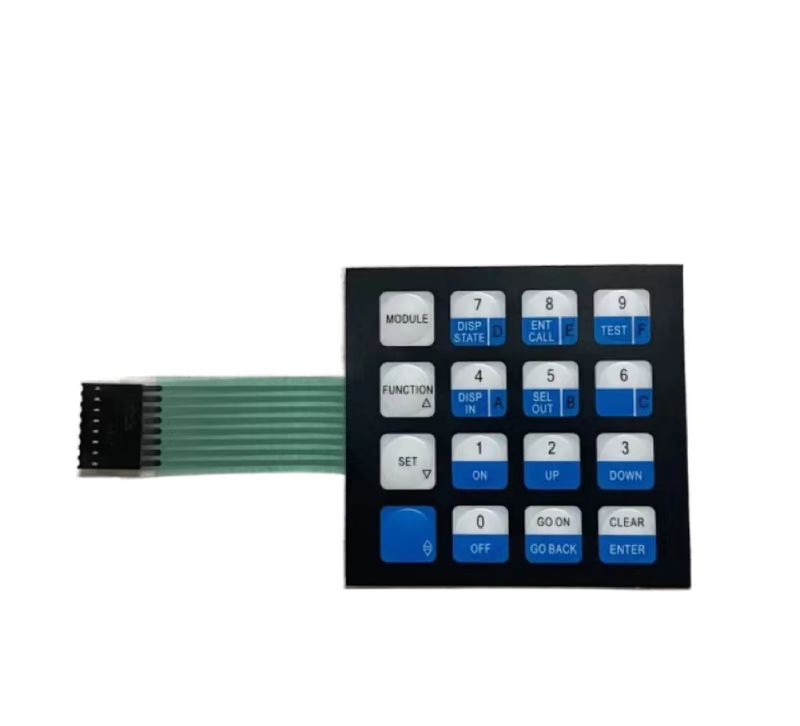
Custom 4x4 Tactile Dome Flexible Membrane Switch Keypad
- Addressing: 16-Key X-Y Matrix Pinout
- Actuation Force: 280g - 350g Click Tactility
- Tail Termination: FPC or Silver Print with Pitch Lock
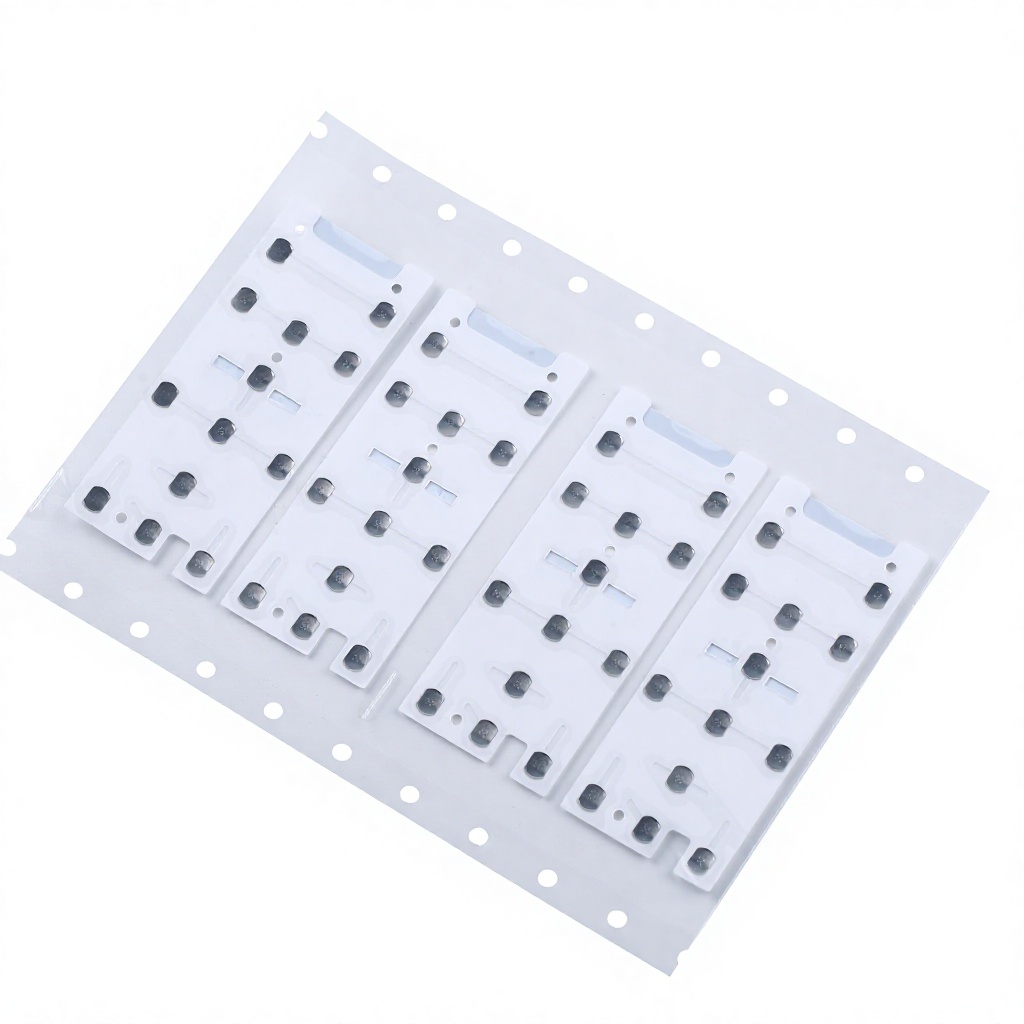
Adhesive-Backed Single-Layer SUS301 Stainless Steel Dome Array
- Release Liner: Easy-Peel Fluorosilicone Backing
- Assembly Speed: Pick-and-Stick Direct PCB Drop-in
- Contact Resistance: < 0.5 Ω with Selective Gold
Mission-Critical Applications Across the Marshall Islands
The Republic of the Marshall Islands (RMI)—home to the world's third-largest open ship registry, pivotal Pacific tuna transshipment ports in Majuro, and the Ronald Reagan Ballistic Missile Defense Test Site on Kwajalein Atoll—demands interface hardware engineered to resist 95%+ relative humidity, hyper-saline oceanic aerosol, and relentless ultraviolet degradation.
Maritime Fleet Navigation & Engine Telematics
Vessels flying the Marshall Islands flag and tugboats operating around Majuro Harbour require wheelhouse bridge controllers, sonar readouts, and engine console interfaces that withstand constant saltwater spray. Cevra implements sealed perimeter venting with hydrophobic ePTFE membranes that equalize atmospheric pressure without permitting marine condensation to penetrate silver traces.
Desalination, Reverse Osmosis & Cold Storage
Atoll communities rely completely on seawater reverse osmosis (SWRO) facilities and industrial blast freezers for commercial tuna harvesting. Our PMMA capacitive touch panels and embossed PET tactile keypads are chemically impervious to concentrated brine, sodium hypochlorite sanitizers, and thermal cycles ranging from -35°C in cold storage up to 60°C in outdoor pump stations.
Island Microgrids & Remote Radar Telemetry
Equatorial solar photovoltaic-diesel hybrid microgrids across outer atolls (such as Jaluit, Wotje, and Enewetak) experience high UV indexes year-round. We utilize UV-stabilized Autotex XE polyester films that resist yellowing and embrittlement, paired with gold-plated SUS301 snap domes that maintain stable electrical contact resistance (< 0.5 Ω) through millions of duty cycles.
Layer Architecture Engineering: The Cevra Hermetic Standard
Unlike commodity desktop keyboards, industrial matrix membrane switches deployed in equatorial ocean zones must prevent electrochemical silver migration and galvanic corrosion between conductive tracks. Cevra utilizes a specialized five-tier cross-laminated topology:
| Technical Parameter | Cevra Industrial Standard | Standard Commercial Grade | Relevance to Marshall Islands Climate |
|---|---|---|---|
| Operating Temperature | -40°C to +85°C continuous | -10°C to +50°C | Resists solar heat buildup in closed ship hulls and transformer sheds. |
| Relative Humidity Tolerance | 95% RH at 40°C (240-hour soak) | 80% RH non-condensing | Prevents moisture de-lamination during equatorial monsoon conditions. |
| Salt Spray Resistance | ASTM B117: 5% NaCl @ 35°C, 96 hrs | ASTM B117: 24 hrs or unrated | Absolute barrier against airborne marine aerosol in coastal Majuro. |
| Tactile Life Expectancy | ≥ 1,000,000 actuations | 100,000 - 300,000 actuations | Dramatically reduces maintenance turnaround on remote outer islands. |
| Contact Bounce Time | ≤ 5 milliseconds | 15 - 30 milliseconds | Ensures precise signal sampling in fast microcontroller polling loops. |
| Dielectric Breakdown | > 1,500 VAC between circuits | < 500 VAC | Shields sensitive electronics against tropical ESD static surges. |
Strategic Procurement & Technological Trends in Micronesia
Infrastructure modernization under the Compact of Free Association (COFA) and international oceanic sustainability funds are driving fundamental upgrades in local equipment procurement across Majuro and Ebeye.
Transition from Mechanical to Hermetic Panels
Heavy pushbutton rocker switches and mechanical push switches suffer rapid mechanical jamming due to salt crystallization inside mechanical shafts. Engineering contractors across Kwajalein and Majuro are systematically converting to completely flat or embossed membrane matrix keypads that create a zero-crevice, wipe-down barrier.
Integrated Solid-State LGF Backlighting
Nighttime maritime maneuvering in atoll passes requires uniform, glare-controlled panel illumination. Cevra’s Light Guide Film (LGF) and fiber-optic matrix backlighting eliminate localized hot-spots, allowing vessel pilots to operate radar consoles in total darkness without compromising night vision acuity or generating radio-frequency interference.
Consolidated Direct Exporter Logistics
Given air cargo transit routes connecting via Honolulu (United Airlines Island Hopper) and Guam, Marshallese industrial buyers cannot afford defective batches or protracted RMA loops. Cevra provides fully inspected 100% pre-tested assemblies with vacuum moisture-barrier packaging, direct air waybill tracking, and complete dimensional CMM inspection certificates.
Why OEM Brands & Global Fleets Partner with Cevra
Headquartered in Dongguan, China—the central epicenter of precision electronic hardware engineering—Dongguan Cevra Electronic Technology Co., Ltd. has led the HMI manufacturing sector since March 2009. Our operations integrate full-spectrum in-house fabrication across 2,600 square meters of climate-controlled, ISO Class 7 cleanroom facilities.
In-House Tooling & Laser Die-Cutting
High-speed automated screen printers, automated laminating systems, and precision laser cutting machines enable rapid prototyping in 3–5 working days without upfront steel-rule die costs.
SGS Onsite Audited Rigor
Our factory floor, quality management procedures, and labor practices have been verified on-site by SGS Group. Every manufacturing batch retains full raw-material lot traceability back to raw PET and conductive silver coil sources.
Comprehensive In-House Test Laboratory
Every production batch undergoes dome trip-force testing, loop resistance verification, high/low temperature environmental baking (-40°C to +85°C), 180° adhesive peel strength analysis, and pencil hardness verification (up to 3H).
Marshall Islands Procurement & Engineering FAQ
Direct answers to technical, commercial, and logistics inquiries commonly raised by oceanographic operators, marine engineers, and public utility purchasing directors in the RMI.
How does Cevra prevent silver migration in the humid Marshallese climate?
High relative humidity coupled with DC voltage bias causes silver ions to migrate across dielectric gaps, causing intermittent short circuits. Cevra prevents this by printing a continuous, pinhole-free carbon or dielectric protective overcoat across all silver traces, maintaining strict spacing rules (> 0.5mm), and sealing trace perimeters with high-cohesion acrylic adhesives.
What logistics routes and lead times apply for shipments to Majuro or Kwajalein?
We ship directly via international air express (DHL, FedEx, UPS) routing through Honolulu or Guam, reaching Amata Kabua International Airport (MAJ) or Bucholz Army Airfield (KWA) in approximately 5 to 8 transit days. For large-scale containerized infrastructure projects, sea freight consolidations through Majuro Port are supported with comprehensive export crating.
Can we order small prototype quantities before committing to a production run?
Yes. Utilizing digital UV plotters and precision CNC laser cutting, Cevra supports low MOQ prototype runs starting from just 10 pieces for custom membrane switch panels and 100 pieces for specialized metal dome arrays, allowing field engineers to validate tactile feel, connector fit, and sealing prior to volume tooling.
Should our maritime equipment use tactile metal snap domes or non-tactile keys?
For shipboard wheelhouses, deck winches, and vibrating diesel generator rooms, we strongly recommend nickel-plated SUS301 tactile metal domes with an actuation force between 280g and 350g. This delivers a crisp, unmistakable physical snap through heavy neoprene work gloves, confirming key actuation even in rough sea states.
What engineering documentation is required to initiate an OEM/ODM quote?
Provide your graphic artwork files (vector AI, EPS, DXF, or PDF), mechanical housing dimensions, desired schematic matrix pinout (or FPC tail pin-out), operating voltage/current specifications, and any environmental prerequisites (e.g., UV exposure, chemical splash). Our DFM engineering team will deliver a complete layer stack-up proposal within 24 hours.
How does the membrane keyboard bond to cast aluminum or powder-coated housings?
Low-surface-energy (LSE) powder-coated metal and rough sand-cast aluminum require aggressive high-tack bonding adhesives. We specify genuine 3M 300LSE or 3M 9472LE adhesives, which achieve an ultimate peel strength exceeding 50 oz/in after a 72-hour wet-out cycle, preventing moisture creep under the graphic perimeter.
Consult Directly with a Senior HMI Design Engineer
Whether you are modernizing navigation consoles for the Marshall Islands ship registry, designing robust desal pump interfaces, or specifying custom SUS301 metal dome arrays for telemetry units, Cevra delivers factory-direct engineering accountability from prototyping to mass export.