Precision-Engineered HMI & Light Guide Solutions
Seamless integration of ultra-thin light guide films (LGF), rugged tactile stainless steel dome arrays, and custom screen-printed Polycarbonate/PET control interfaces.
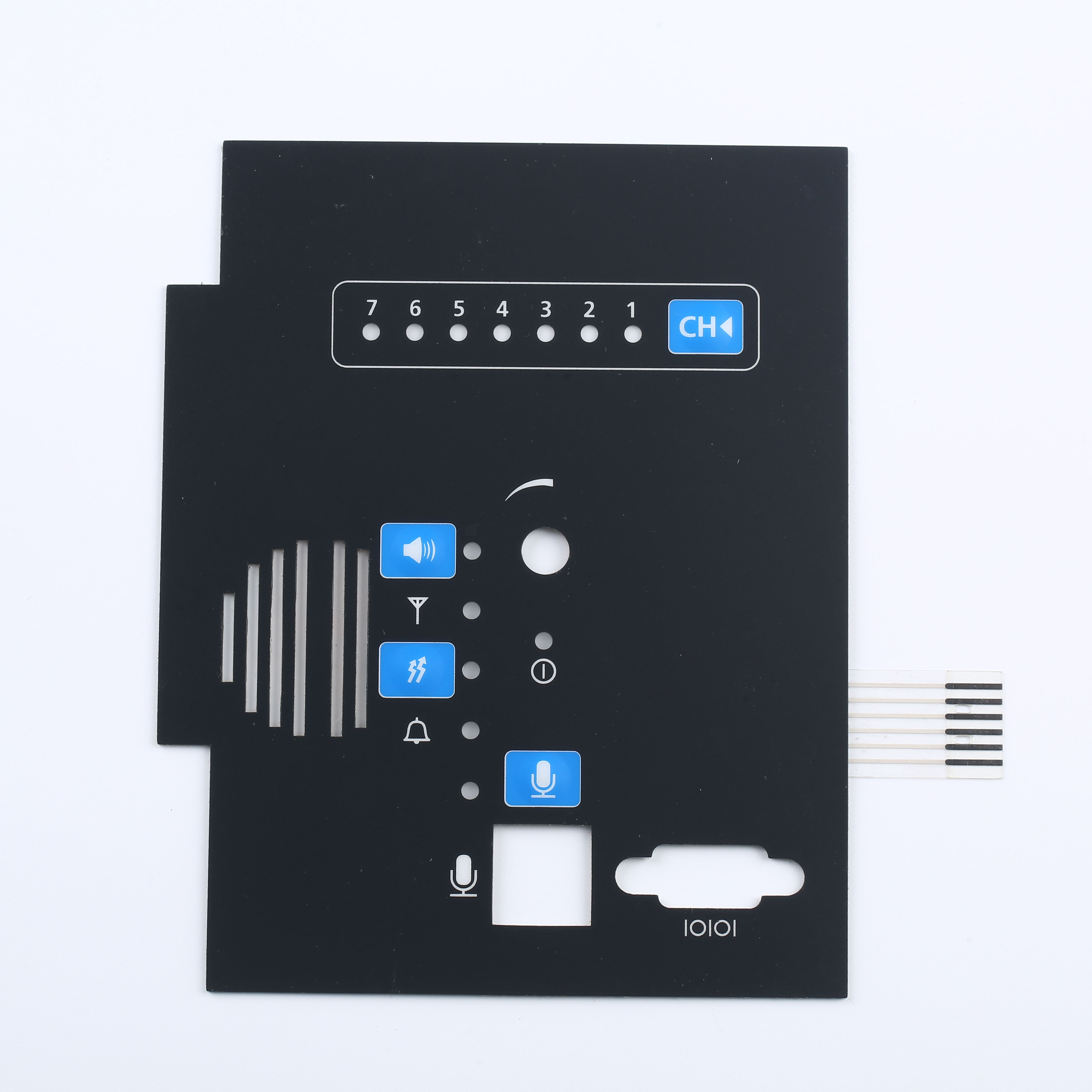
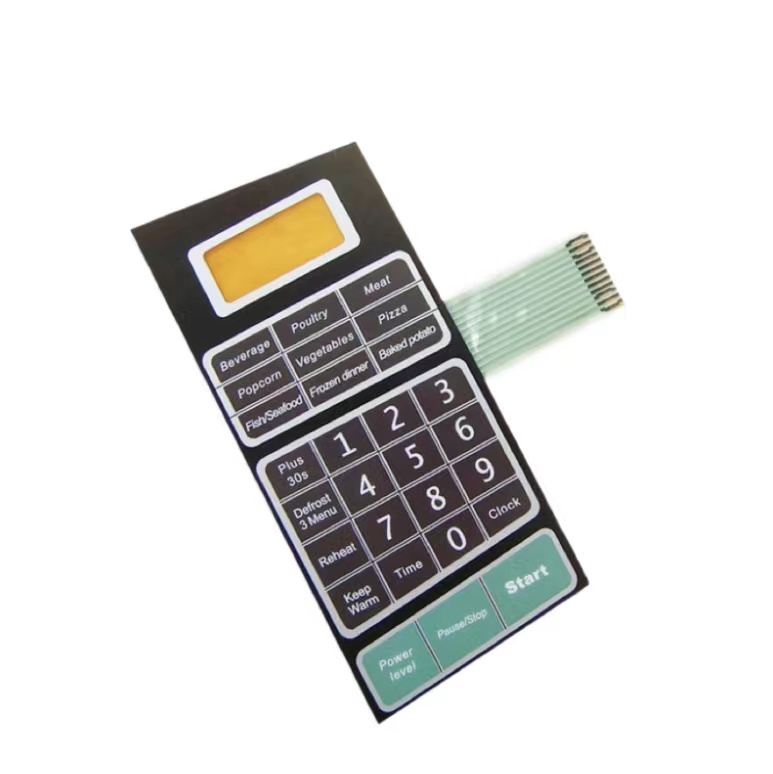
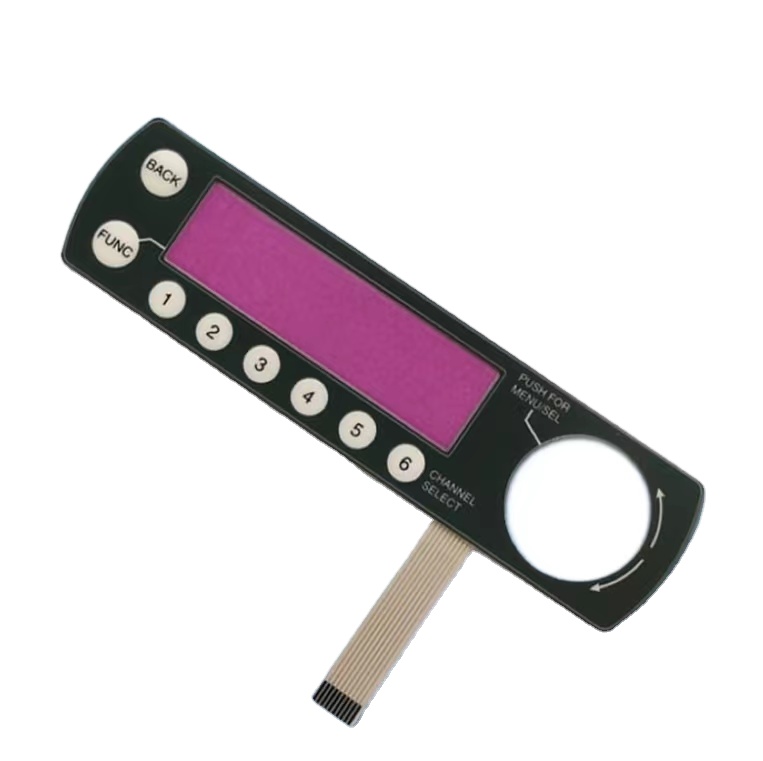
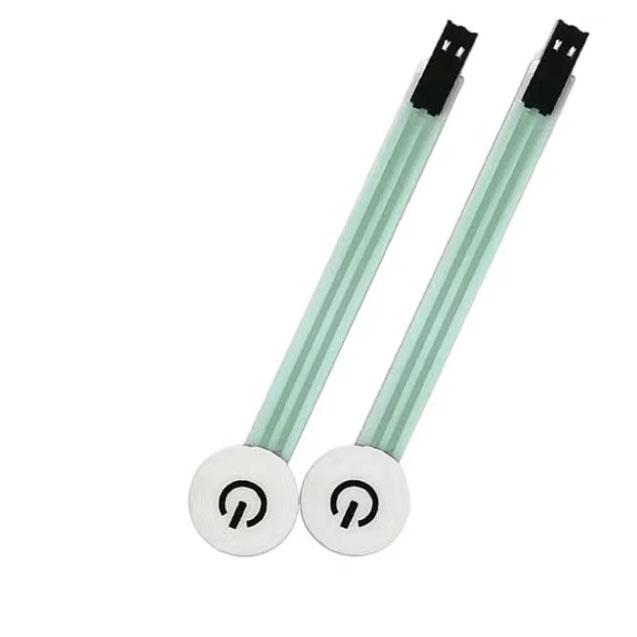
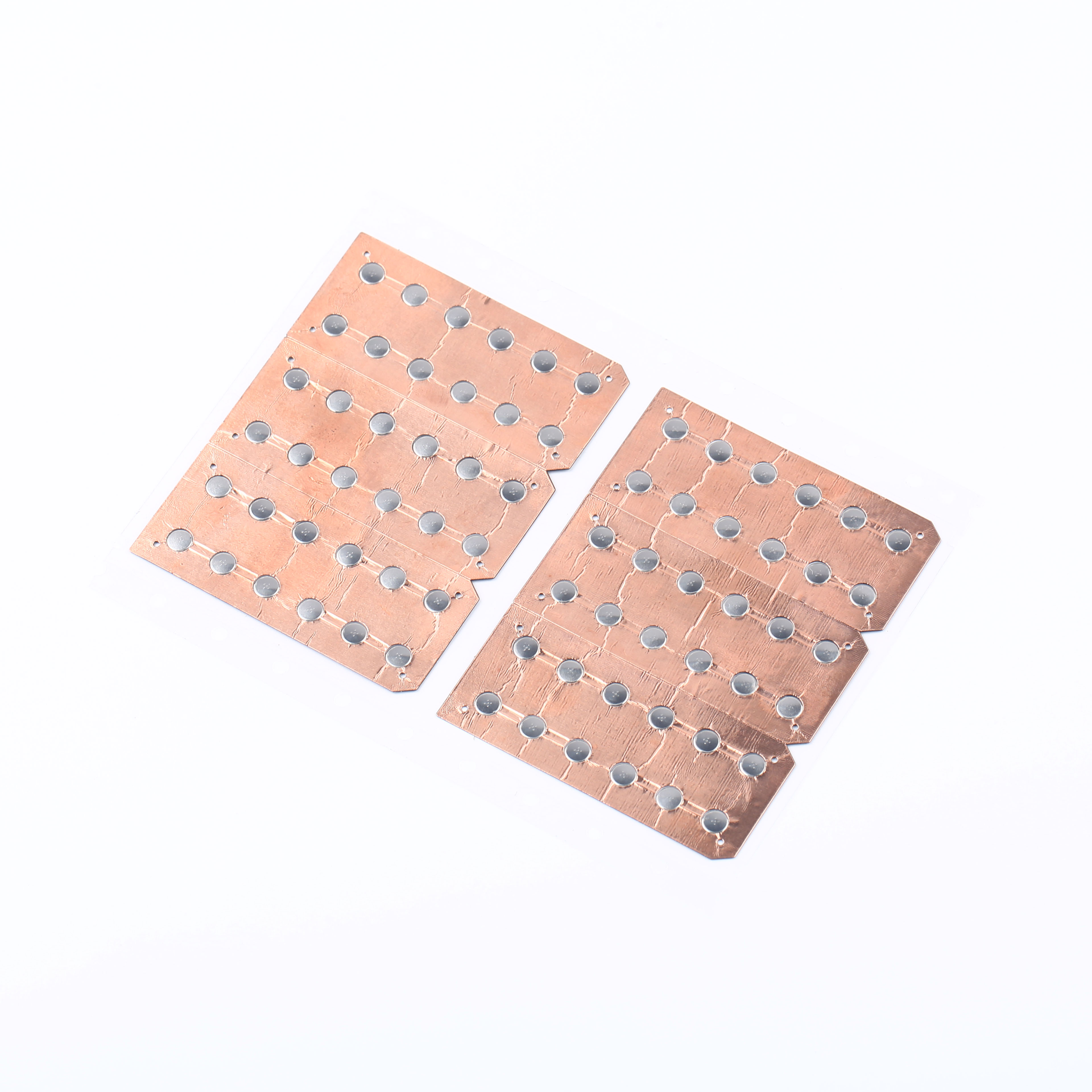
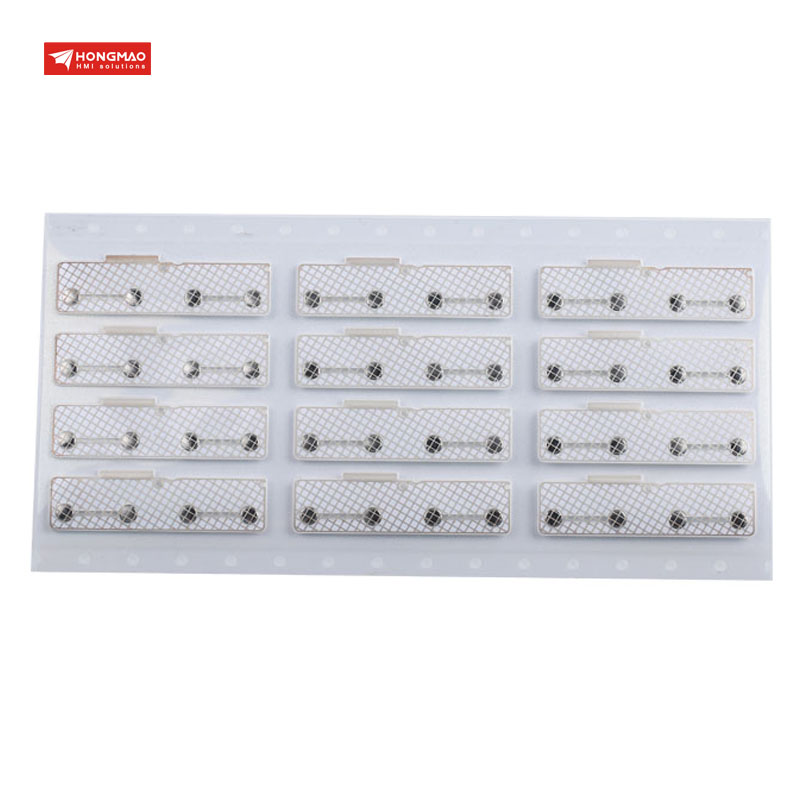
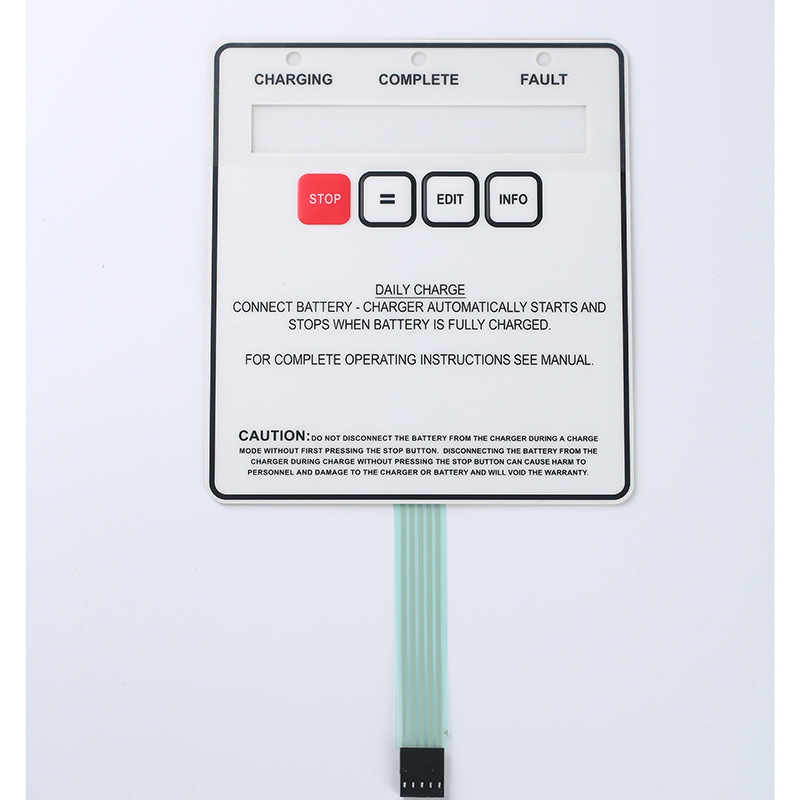
Engineering Whitepaper: Precision Light Guide Plates & Membrane Optoelectronics in the Cologne (Köln) Industrial Ecosystem
As the commercial and industrial anchor of Germany's North Rhine-Westphalia (NRW) region, Cologne (Köln) maintains a premier reputation across precision mechanical engineering, life sciences, chemical processing instrumentation, and modern e-mobility drive systems. Sourcing an experienced light guide plate supplier & suppliers for Cologne requires adherence to stringent European electromechanical standards (including CE compliance, DIN EN ISO tolerances, and RoHS/REACH environmental directives).
Modern machine manufacturers (Maschinenbau) situated throughout the Cologne-Bonn logistics corridor and the wider Rhine-Ruhr industrial belt are rapidly phasing out bulky backlighting architectures. In their place, optical-grade acrylic (PMMA) light guide plates (LGP) and micro-etched Light Guide Films (LGF) are paired directly with graphic overlays and metal dome assemblies. This structural convergence provides uniform illuminance across tactile switch nodes, eliminating luminance falloff and high thermal signatures while minimizing housing depths down to fractions of a millimeter.
Technical Convergence: The Optical-Tactile Interface Architecture
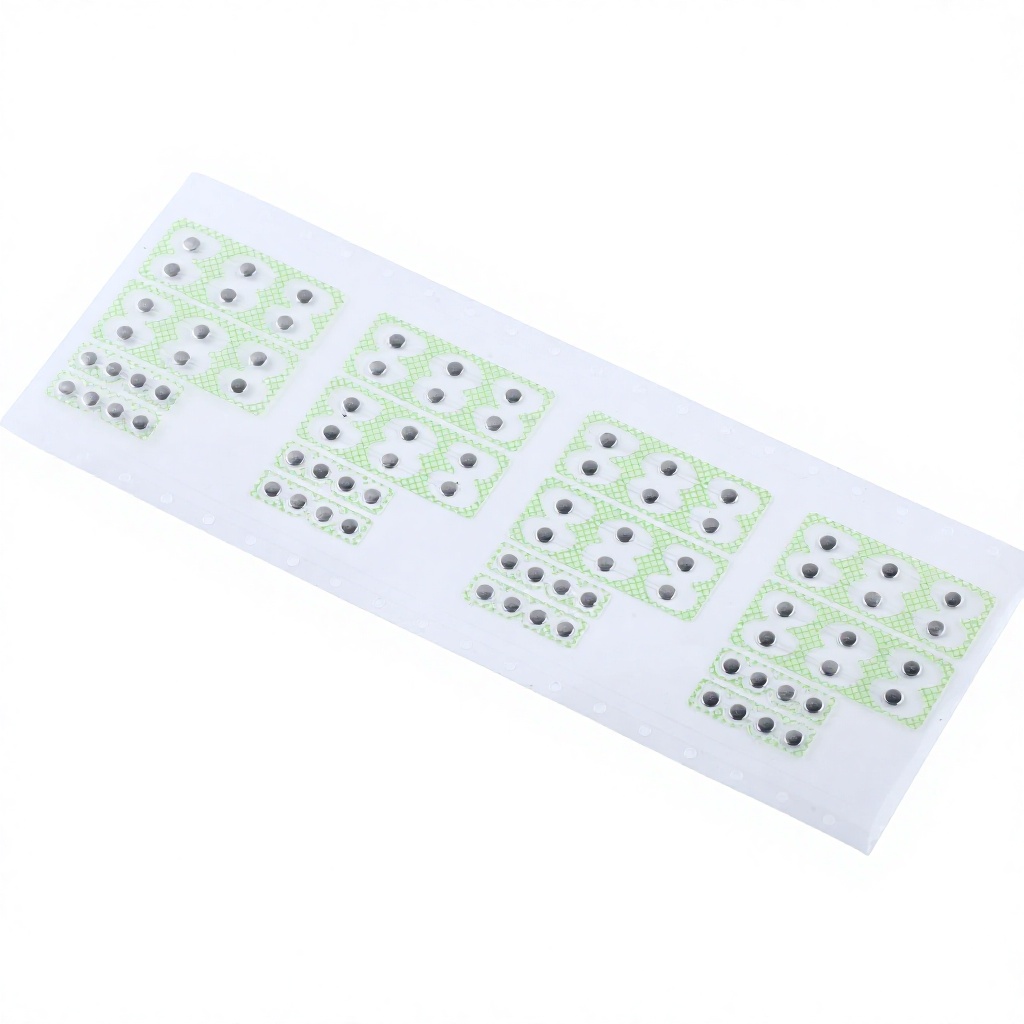
Our engineered solutions solve a fundamental challenge faced by German R&D teams: achieving balanced luminous flux (>85% uniformity) across complex human-machine interfaces without compromising tactile rebound kinetics. By combining V-cut micro-dot matrix laser etching or high-precision optical stamping with premium SUS301 stainless steel domes (providing actuation forces ranging from 160g to 450g), Cevra provides high-reliability components ready to integrate into DIN-rail modules, sterile medical consoles, or high-vibration commercial vehicle dashboards.
Targeted Industrial Applications Across North Rhine-Westphalia
Engineered to satisfy the operational challenges of Cologne's most demanding technology sectors.
Medical Technology & Laboratory Analysis
Cologne and adjacent university research clusters demand IP65/IP67 rated front interfaces resistant to hospital-grade disinfectants (isopropanol, bleach). Our sealed PET/Polycarbonate membrane switches utilize integrated light guides for night-shift readability in intensive care monitoring units and diagnostic centrifuges.
Process Automation & Chemical Equipment
Operating within the ChemCologne cluster requires intrinsically safe, spark-free tactile input. Our SUS301 metal dome arrays provide crisp tactile clicks through heavy operator gloves, matched with anti-glare graphic overlays that withstand ambient volatile organic compounds.
Commercial Vehicle & Transport Dashboards
Serving logistics vehicles, public transit ticket kiosks (KVB systems), and EV charging stations throughout Cologne. Backlit LGF modules deliver sunlight-readable legends with thermal cycling tolerance ranging from -40°C to +85°C without layer delamination.
Engineering Benchmark: Backlighting & HMI Substrates
Objective technical parameters to assist procurement engineers and device designers in component specification.
| Parameter / Specification | PMMA Light Guide Plate (LGP) | Micro-Dot Light Guide Film (LGF) | Direct SMT LED Array Backlight |
|---|---|---|---|
| Thickness Profile | 1.0 mm – 4.0 mm | 0.125 mm – 0.25 mm (Ultra-Thin) | 1.5 mm – 3.5 mm (Bulky) |
| Luminance Uniformity | > 88% (High-density laser dotted) | > 82% (Targeted switch areas) | 60% – 70% (Visible hotspotting) |
| Tactile Dome Compatibility | Requires optical perimeter routing | Direct pass-through over metal dome | Requires PCB cavity clearance |
| Actuation Life Cycles | Static display application | > 1,000,000 mechanical flexes | Dependent on soldering joints |
| Application Focus | TFT backlighting, instrument gauges | Membrane switch keys, slim handhelds | Low-cost legacy display indicators |
Regional Technology Trends Shaping Procurement in Cologne
Emerging requirements observed across North Rhine-Westphalian procurement cycles.
1. Transition to Ultra-Slim HMI Architecture
Machinery builders are replacing thick cast-aluminum console panels with sub-2mm integrated assemblies. By embedding Light Guide Films directly between the graphic overlay and the silver flex or FPC circuit, engineers achieve edge-lit luminescence with minimal housing depth.
2. Strict Carbon Footprint & RoHS Validation
Cologne enterprises are bound by rigorous environmental auditing. Cevra's production lines employ non-toxic UV inks, high-grade recyclable PMMA/PET films, and provide full SGS-verified raw material traceability reports for European customs clearance.
3. Hybrid Capacitive & Tactile Switching
Modern medical devices developed around Cologne require both capacitive touch slider controls and fail-safe physical snap domes for critical emergency stops. We fabricate hybrid panels integrating sensor films with SUS301 click domes.
Why Global OEMs Partner with Cevra Electronic Technology
Direct manufacturer capabilities operating under ISO 9001 certified quality control since 2009.
SGS Onsite Audited
Verified custom manufacturer status authenticated by SGS Group. Production lines, QA facilities, and worker competencies are independently inspected.
End-to-End In-House Line
From screen printing and precision laser routing to CCD drilling, automated layer lamination, and dome assembly, all processes remain in our 2,600㎡ facility.
Comprehensive Testing Lab
Every batch undergoes dome trip force load testing, peel tension evaluation, holding tack tests, electric pencil hardness checks, and high/low temperature cycling.
Export & DFM Assistance
Fluent technical project communication, rapid prototype sampling, flexible MOQs (from 10 pcs for custom overlays), and full Trade Assurance protection.
Frequently Asked Questions by German Procurement Teams
Technical and logistical insights for sourcing custom light guide plates and switches for Cologne projects.
How do you ensure optical uniformity when integrating LGF over metal domes?
We utilize precision micro-lens embossing directly into optical-grade PET or PC films. The dot distribution density is calculated via ray-tracing simulation to counteract light absorption near the side-firing LEDs, ensuring an even lumen distribution even directly above stainless steel snap dome apexes.
What shipping terms and transit timelines apply for shipments to Cologne?
We regularly ship to Cologne Bonn Airport (CGN) and Frankfurt (FRA) cargo hubs via express air courier (DHL Express, FedEx, UPS) with transit windows of 3 to 5 business days from our Dongguan plant. Consolidated air/sea freight to Rotterdam/Hamburg is available for mass production volume orders.
Can we request custom tactile travel and actuation forces for industrial machinery?
Yes. Our in-house metal dome stamping covers 4-leg cross domes, circular snap domes, and triangular profiles with trip forces from 160g up to 500g. Actuation force curves are verified using computerized dome load testing to guarantee tactile consistency across millions of cycles.
What design documentation is required to initiate a DFM tooling review?
Engineers can submit CAD data in DXF, DWG, STEP, or vector artwork in AI / PDF formats. Please indicate outline dimensions, switch locations, LED pinouts, connector pitch (e.g., 1.0mm, 2.54mm), tactile trip force, and overlay texture requirements. DFM reviews are returned within 24 hours.
Ready to Engineer Your Cologne HMI or Light Guide Plate Project?
Submit your specifications or mechanical drawings today. Our engineering team provides manufacturability feedback, optical layer stack-ups, and competitive factory quotations within 24 hours.