Export-Ready Membrane & Dome Switch Lineup
Manufactured under strict ISO 9001 quality controls in Dongguan and exported directly to system integrators, OEM equipment manufacturers, and contract developers in Naples and across Southern Italy.
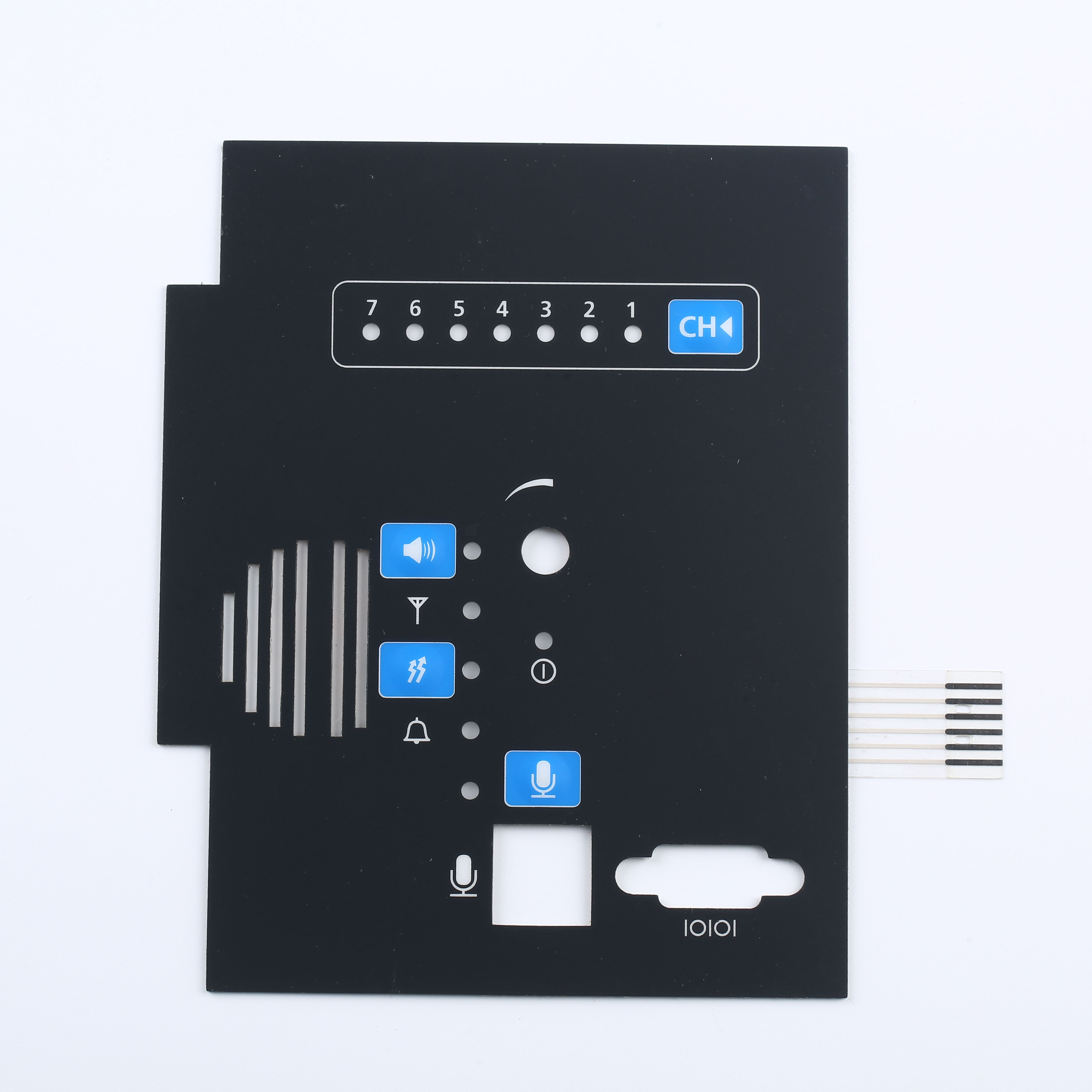
- Substrate: Optical Grade PC
- Surface: Matte / Anti-Glare
- Application: Medical & Testing Displays
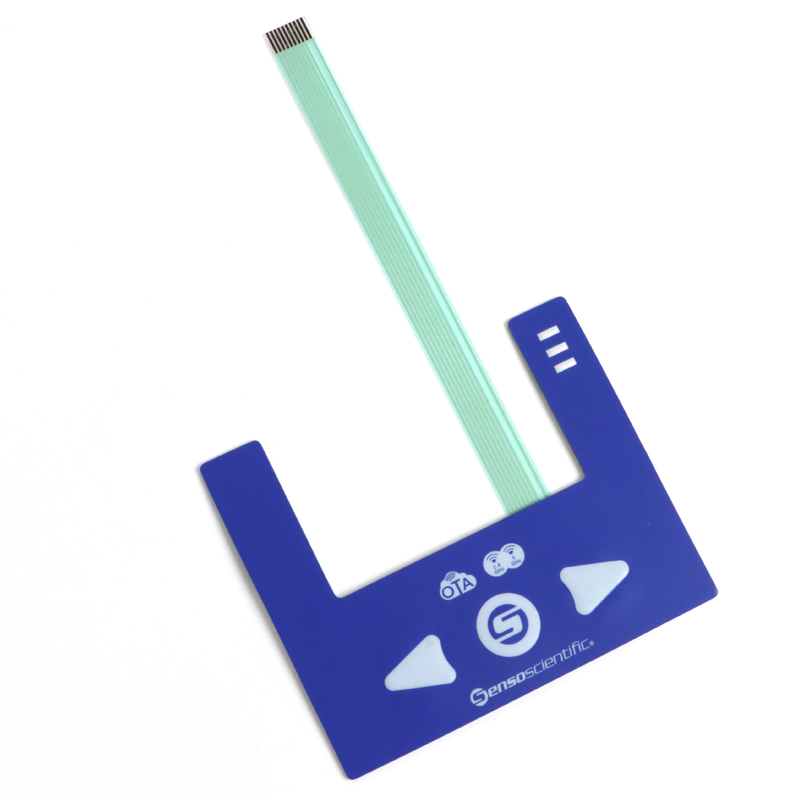
- Lighting: Integrated Side LEDs
- Circuits: Silver-Injected PET
- Tactile: Embossed Pillow / Rim
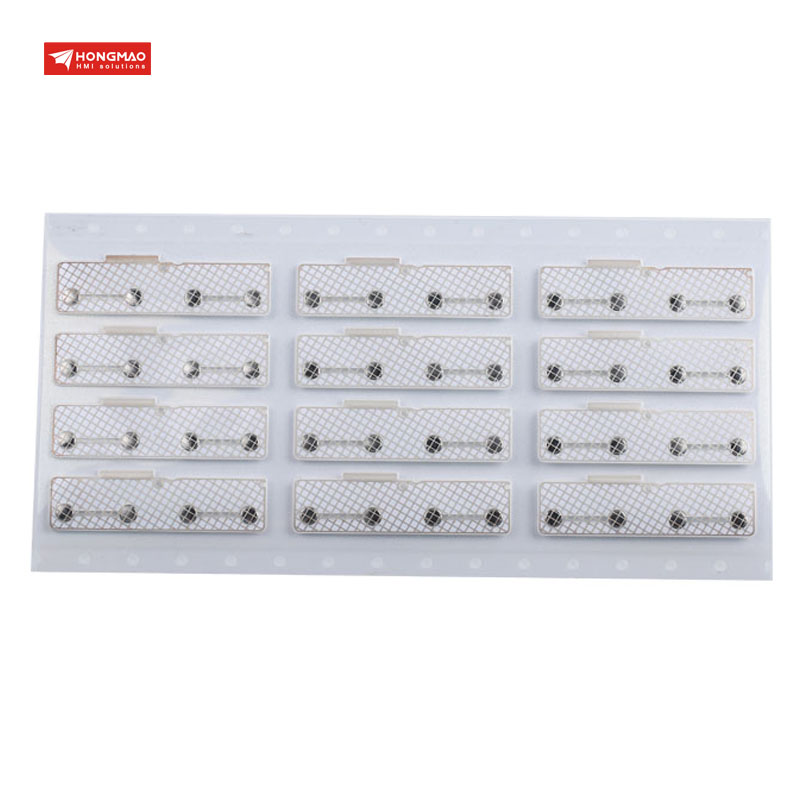
- Metal Grade: SUS301 High Tensile
- Shielding: Integrated EMI Layer
- Feel: Crisp Tactile Feedback

- Packaging: Tape & Reel for SMT
- Geometry: 4-Leg Cross with Dimple
- Trip Force: Custom 200g - 450g
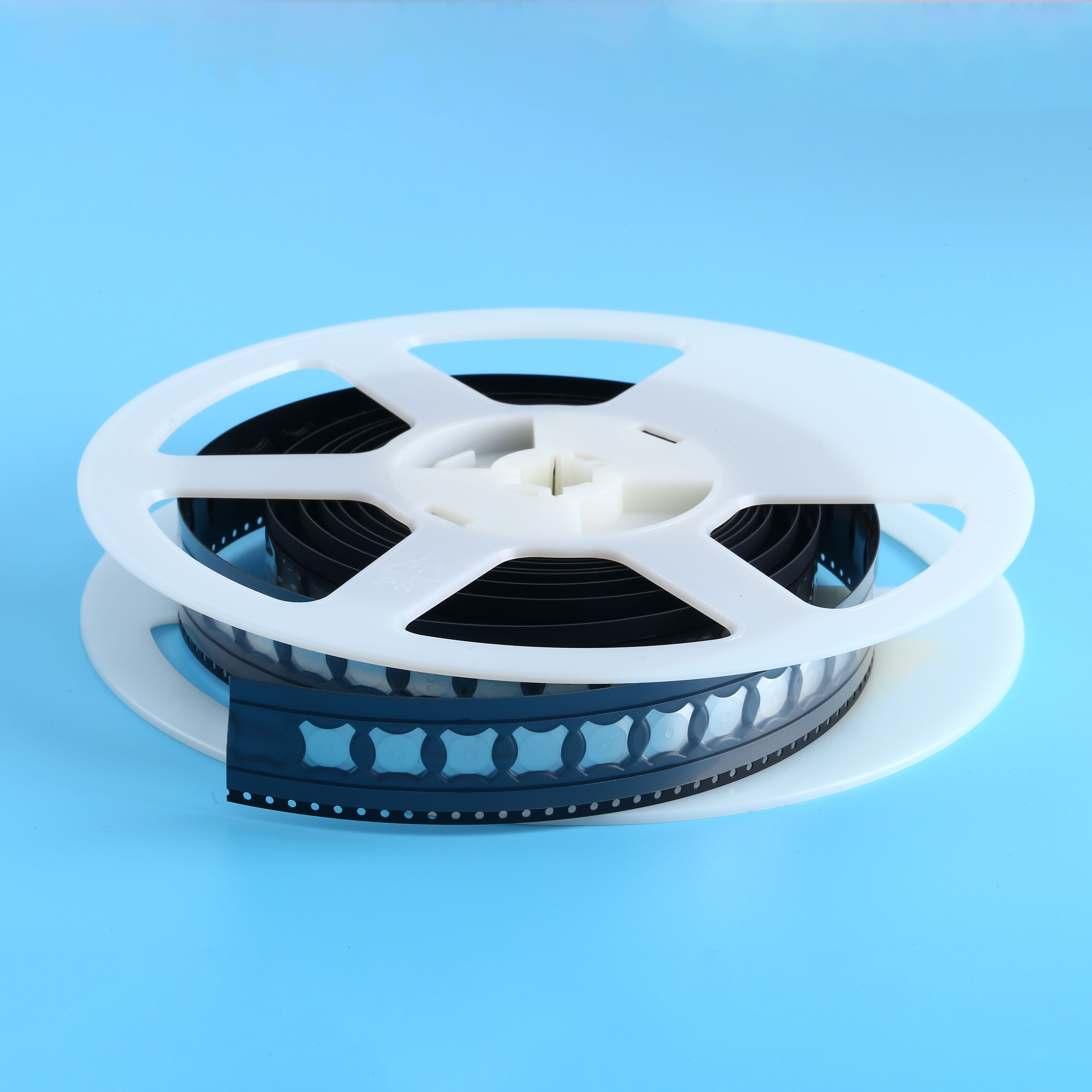
- Carrier: Optical Grade Transparent PET
- Adhesive: Reinforced 3M / Crown
- Profile: Ultra-Low Travel Distance
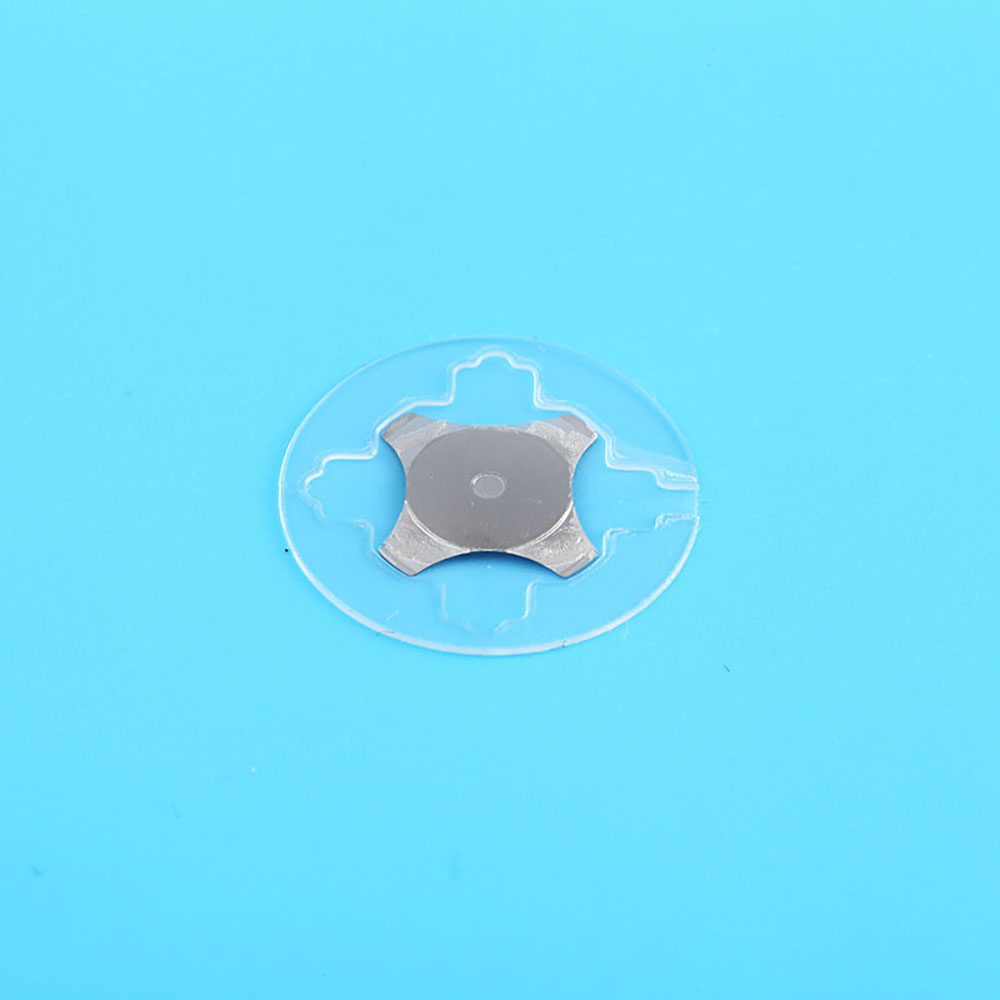
- Venting: Micro Air Escape Channels
- Plating: Bright Nickel or Gold
- Lead Time: Fast Prototype 5-7 Days
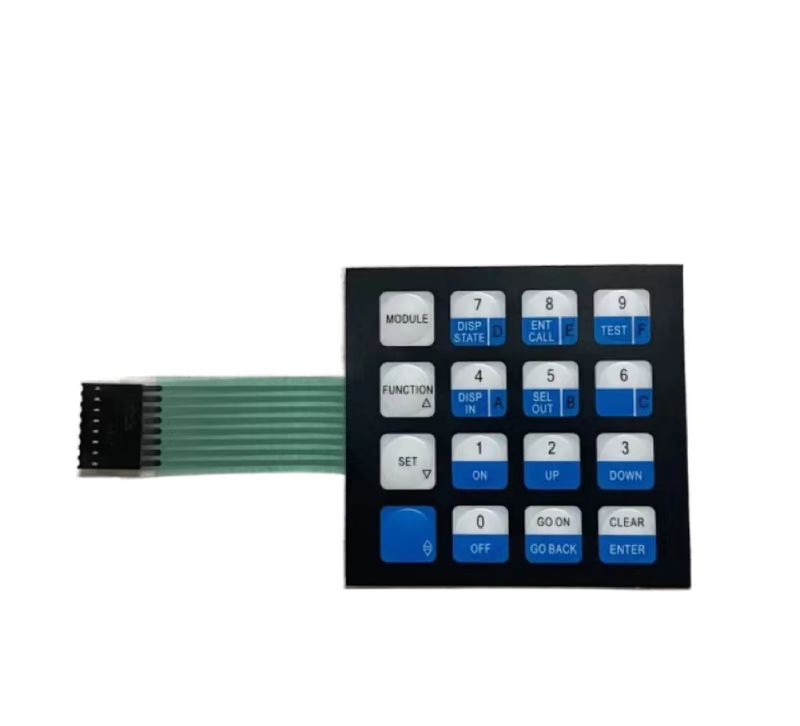
- Matrix: 4x4 (16-Pin Output)
- Tail Type: Standard 2.54mm Pitch
- Longevity: >1,000,000 Operations
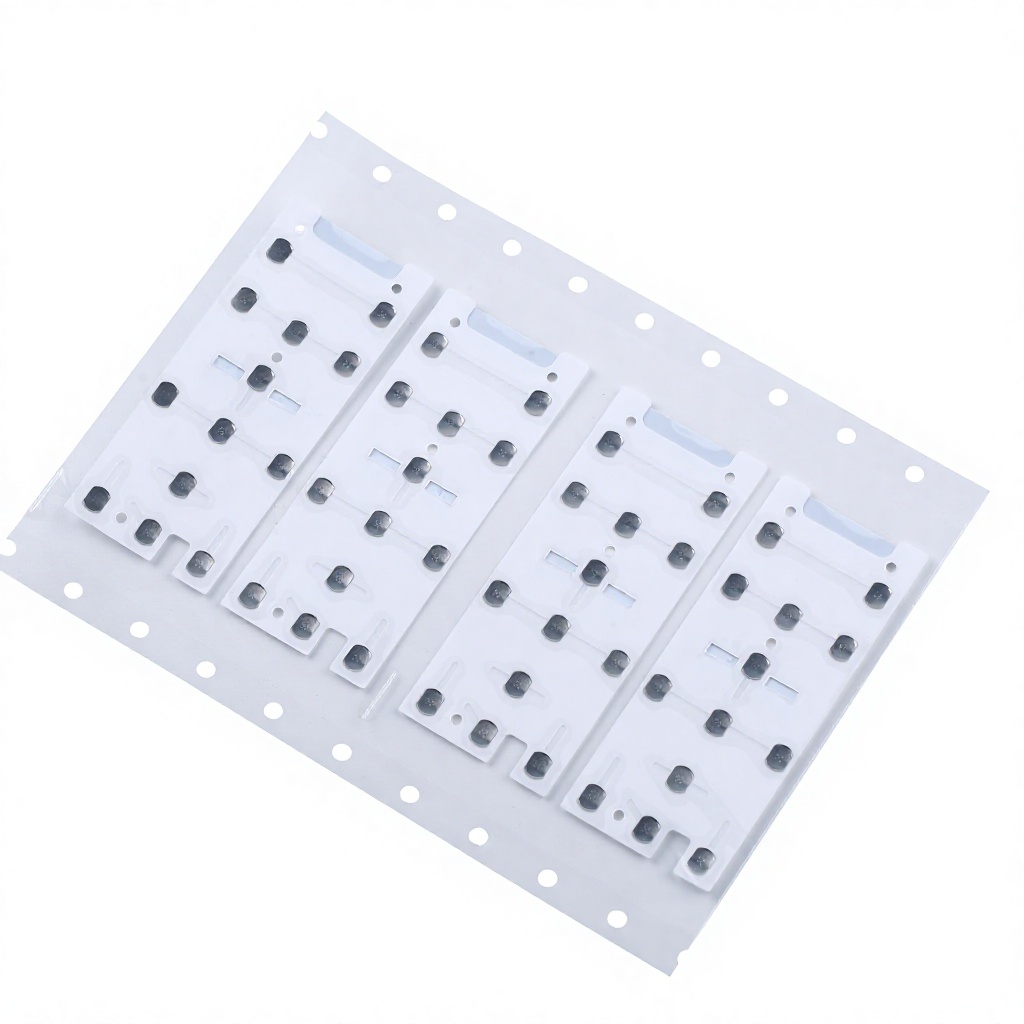
- Mounting: Double-Coated Pure Tape
- Dome Type: Round / Triangular / Cross
- In Stock: Custom Die-Cuts Available
Optical Physics & Layer Architecture of Light Guide Membrane Switches
Modern industrial and commercial systems operating in the Campania region require robust Human-Machine Interfaces (HMIs) that balance visual clarity with compact form factors. Traditional backlighting architectures—such as surface-mount bulk LEDs seated directly under key graphics, or electroluminescent (EL) lamps—consistently suffer from distinct engineering bottlenecks. Bulky LEDs create severe hot-spotting, demand localized cavities that weaken ingress protection, and significantly expand overall switch thickness. Meanwhile, EL lamps degrade swiftly in half-life, emit high-frequency acoustic noise, and require costly high-voltage AC inverter circuitry.
To overcome these mechanical and photometric limitations, Light Guide Film (LGF) membrane switches employ advanced optical micro-replication techniques. By integrating ultra-thin micro-structured optical films (typically 0.125mm to 0.25mm in thickness) immediately beneath the graphic overlay, side-firing ultra-compact SMD LEDs can transmit light laterally into the planar film. Light is systematically propagated through total internal reflection (TIR) until it strikes micro-etched optical dots or laser-ablated diffraction matrices.
Total Internal Reflection (TIR)
Optical boundary management redirects photons from horizontal transmission to orthogonal emission directly beneath selected legends, guaranteeing 92%+ photometric uniformity across extensive panel layouts.
Hermetic Micro-Cavities
Unlike bulky LEDs that compromise adhesive perimeters, LGF layers preserve uninterrupted structural lamination. This maintains complete IP65 to IP67 perimeter seals against environmental moisture, industrial greases, and maritime saline fog.
Multi-Zone Selective Illumination
Optical barriers and mechanical light isolation walls printed inside the spacer layers allow independent zone illumination—such as powering critical status indicators or emergency stops without optical crosstalk or leakage.
By coupling custom LGF diffusion fields with tactile stainless steel snap domes (specifically Japanese SUS301 tempered steel), machine designers achieve crisp mechanical tactile feedback with negligible tactile dampening. Even when stacked directly above contact domes, our precision die-cut optical films permit complete deflection force transfer, maintaining actuation life spans past one million cycles.
Interface Backlighting Benchmark: LGF vs. Legacy Technologies
Procurement teams and electrical hardware engineers evaluating interface suppliers in Naples must weigh the photometric efficiency, thermal emission, and structural thickness of competing backlighting technologies:
| Evaluation Parameter | Light Guide Film (LGF) Membrane | Direct SMD Surface LEDs | Electroluminescent (EL) Foil | Fiber Optic Woven Mesh |
|---|---|---|---|---|
| Typical Stack Thickness | 0.65 mm – 1.10 mm | 1.80 mm – 3.20 mm | 0.80 mm – 1.20 mm | 1.40 mm – 2.00 mm |
| Luminous Uniformity | Exceptional (>90% surface delta) | Poor (High central hot spots) | Uniform when new (Fast drop) | Moderate to Good |
| Operating Half-Life | 50,000+ hours (Standard LED life) | 50,000+ hours | 3,000 – 6,000 hours | 30,000 – 40,000 hours |
| Power Consumption | Minimal (Driven by 2–6 micro LEDs) | High (Requires dozens of LEDs) | Moderate (High AC losses) | Moderate |
| Electromagnetic Noise (EMI) | Zero (Direct low DC voltage) | Zero (Direct DC voltage) | High (AC Inverter driven) | Zero |
| Ingress Protection Capability | IP65, IP67, IP68 hermetic seals | Challenging due to cavity cuts | Prone to edge oxidation | Requires thick perimeter bonds |
| Tactile Dome Feedback Impact | Negligible (<5% force dampening) | Severe deflection interference | Moderate dampening | High tactile dampening |
For high-reliability electronic assemblies exported to European medical, maritime, and rail clients, LGF membrane architecture eliminates the maintenance overhead associated with EL foil degradation while eliminating the mechanical weaknesses of direct-drilled LED cavities.
Application Landscape: Integrating Light Guide HMIs Across Greater Naples
The Metropolitan City of Naples, alongside the broader Campania industrial network encompassing Caserta, Salerno, and the Nola-Pomigliano industrial districts, represents a pivotal hub for Italian engineering excellence. Sourcing precision light guide membrane panels from an established international manufacturer bridges advanced custom capabilities with the stringent compliance requirements of European industrial sectors.
Marine Navigation & Commercial Yachting
Naples is world-renowned for luxury yacht fabrication, commercial shipyards, and marine avionics. Salt-crusted wheelhouses and bridge consoles require IP67 back-lit touch control panels that resist UV exposure, marine salinity, and intense humidity without optical clouding or delamination.
Biomedical & Clinical Diagnostics
Campania's burgeoning medical device cluster requires sealed membrane switches that withstand rigorous sterilization with isopropyl alcohol, chlorine cleansers, and harsh detergents. Tactile dome arrays ensure decisive data input by clinicians wearing surgical gloves.
Automated Food & Packaging Automation
Naples is a global leader in commercial espresso machinery, pasta production, and food canning lines. Washdown environments demand IP65 front graphics, chemical-resistant Autotex PET overlays, and dust-tight tactile buttons that function under steam and vibration.
Rail Transit & Fleet Telematics
With major railway rolling stock and signaling infrastructure engineering in Naples, control consoles demand low-profile, shock-resistant LGF panels featuring integrated EMI shielding layers that comply with European rail transport standards.
Aerospace & Defense Testing Hardware
Supported by the Campania Aerospace District (DAC), experimental flight consoles and ground maintenance test gear leverage micro-thin backlit keys that resist electromagnetic interference and maintain structural integrity from -40°C to +85°C.
High-End Specialty Electronics
From smart agricultural controllers monitoring vineyards around Mount Vesuvius to energy grid management monitors, equipment builders favor compact keypads with custom graphic finishes and embossed capacitive rings.
Regional Engineering Trends Across Southern Italy: 2025–2030
The manufacturing landscape in Southern Italy is advancing rapidly under European Industry 4.0 modernization directives. Italian industrial designers are transitioning away from clunky mechanical pushbuttons toward sleek, flush-surface human interfaces that combine aesthetics, tactile security, and environmental durability.
1. Convergence of Capacitive Sensing and Tactile Verification
Modern machine operators demand visual and tactile confirmation when triggering critical functions. The industry is seeing a pronounced shift toward hybrid control panels where non-critical settings utilize capacitive touch film sliders, while safety protocols, emergency stops, and operational cycles retain crisp stainless steel snap domes behind illuminated graphic windows.
2. Stringent Ingress & Chemical Sanitization Protocols
Following post-pandemic health regulations across European medical facilities and food processing plants, surfaces must withstand continuous wipe-downs with harsh chemical sanitizers. We utilize anti-microbial textured polyester overlays (such as Autotex AM) combined with specialized UV-cured screen printing inks that prevent micro-cracking and solvent migration.
3. Low-Carbon Footprint & Energy Efficiency in Backlighting
As EU equipment energy mandates tighten, lighting architectures must minimize power draw. Because an LGF system distributes light uniformly across 20+ keys using only 3 or 4 side-firing micro-LEDs (drawing as little as 20mA each), it offers a massive power reduction compared to arrays of 25 discrete surface-mounted LEDs. This significantly reduces thermal build-up inside sealed enclosures.
Cevra Factory Excellence: Direct Exporting from Dongguan to Naples
Dongguan Cevra Electronic Technology Co., Ltd. was established in March 2009 in Dongguan, Guangdong—the core of global electronics fabrication. As a certified custom manufacturer rather than an intermediary trading desk, we handle every stage of keypad creation under one roof: from artwork proofs, screen printing, and die punching to CCD automated drilling, cleanroom lamination, and 100% electrical parameter testing.
CCD Automated Drilling
Optical alignment cameras verify hole and registration coordinates down to ±0.03mm, preventing circuit-to-dome offset across large matrix arrays.
Dome Load-Stroke Testing
Every lot of stainless steel snap domes undergoes digital force curve verification to guarantee snap ratio, actuation trip force, and rebound resilience.
Thermal Shock Cabinets
Keypads are subjected to cyclical temperature chambers (-40°C to +85°C) to simulate marine freeze-thaw cycles and industrial heat loads.
Peel & Tack Evaluation
Adhesion levels of 3M 467MP, 468MP, and VHB bonding adhesives are verified using calibrated tensile peel testers to prevent edge lifting under moisture.
Our direct export model to Italy guarantees rapid design iterations, complete Design for Manufacturability (DFM) support by senior switch engineers, and full technical documentation (CE, RoHS, REACH Declarations of Conformity). Products ship securely packed in anti-static, hermetically vacuum-sealed cartons directly to your receiving dock in Naples via air express or marine freight.
Frequently Asked Questions: Sourcing Membrane Switches in Naples
What specific information is required to initiate a custom Light Guide Membrane Switch quotation?
How are customs duties, Italian VAT, and import freight to Naples handled?
Should our engineering team specify Autotex Polyester (PET) or Polycarbonate (PC) for front graphic overlays?
How do you prevent salt-spray corrosion and moisture ingress in marine applications in the Gulf of Naples?
What are your typical prototype turnaround times and Minimum Order Quantities (MOQs)?
Can you integrate backlighting with capacitive touch sliders or multi-colored status indicators?
Collaborate with an Expert Membrane Switch Engineering Team
Whether you are developing next-generation medical analyzers, maritime navigation instruments, or industrial packaging systems in Naples, our engineering specialists will review your CAD files, optimize your layer stackup, and provide a competitive manufacturing quotation within 24 hours.