Nordic Industrial Engineering Standard
Light Guide Film Supplier & Exporter in Norway
Precision-Engineered Thin-Film Backlighting, Sealed Human-Machine Interfaces & Custom Sub-Assembly Solutions
Inquire Now
HMI & Light Guide Innovations
Industrial Grade Membrane Switches & Integrated Thin-Film Arrays
Explore our custom OEM/ODM tactile solutions engineered for high optical uniformity, sub-millimeter profiles, and endurance across harsh Scandinavian operating conditions.
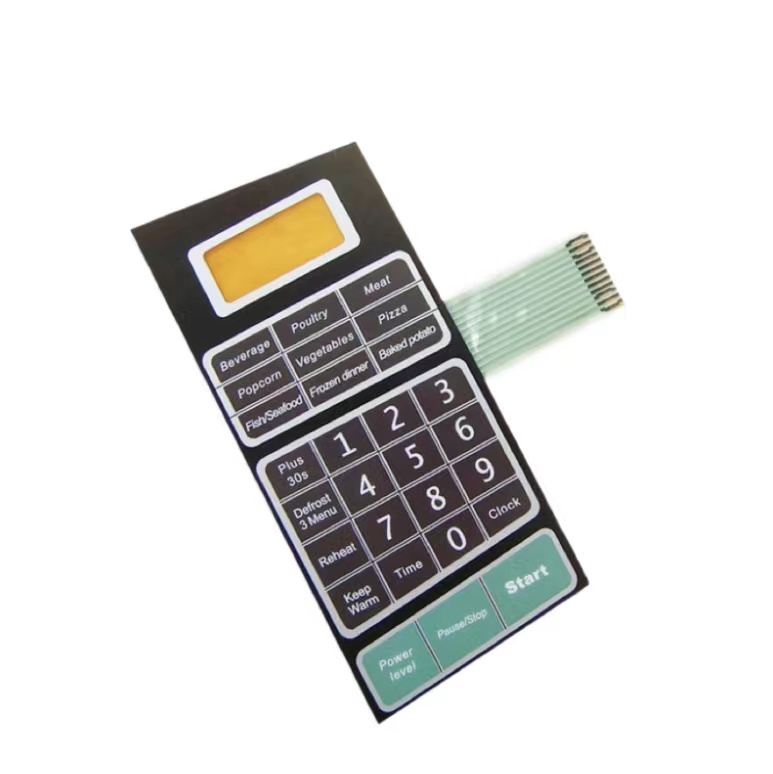
Embossing Backlit Multi-Button Touch Controller Keypad
Configure Part →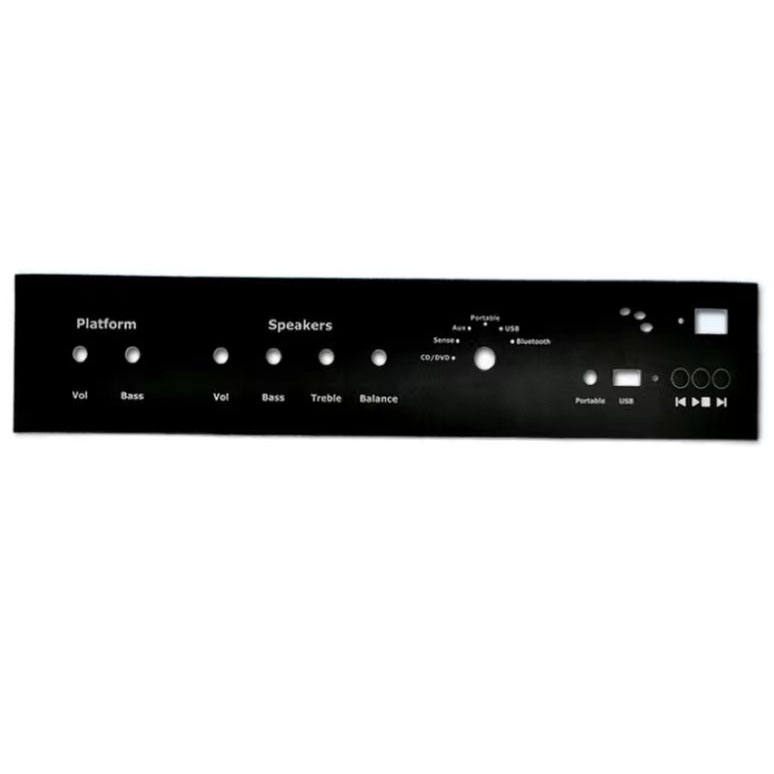
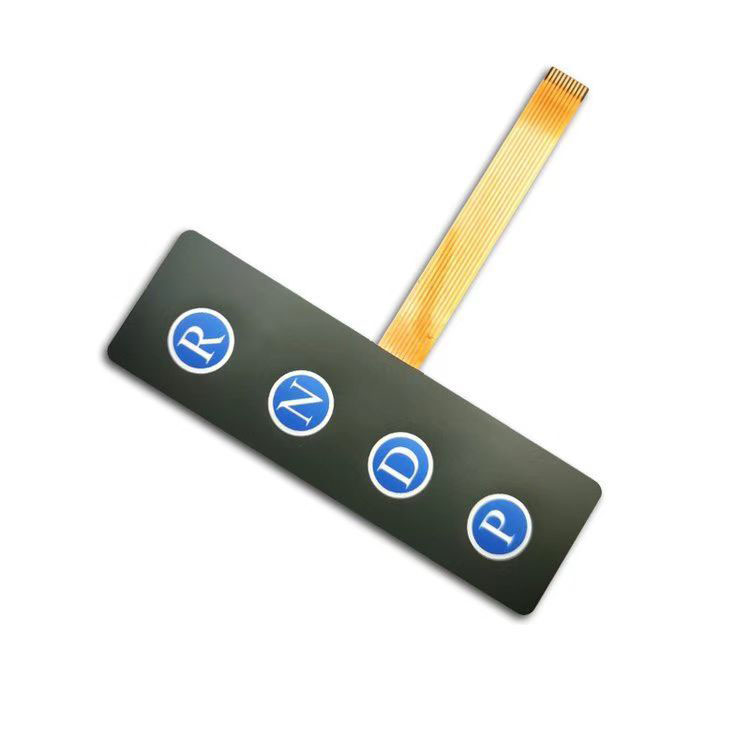
Intelligent Sealed Capacitive Touch Panel with Window Display
Configure Part →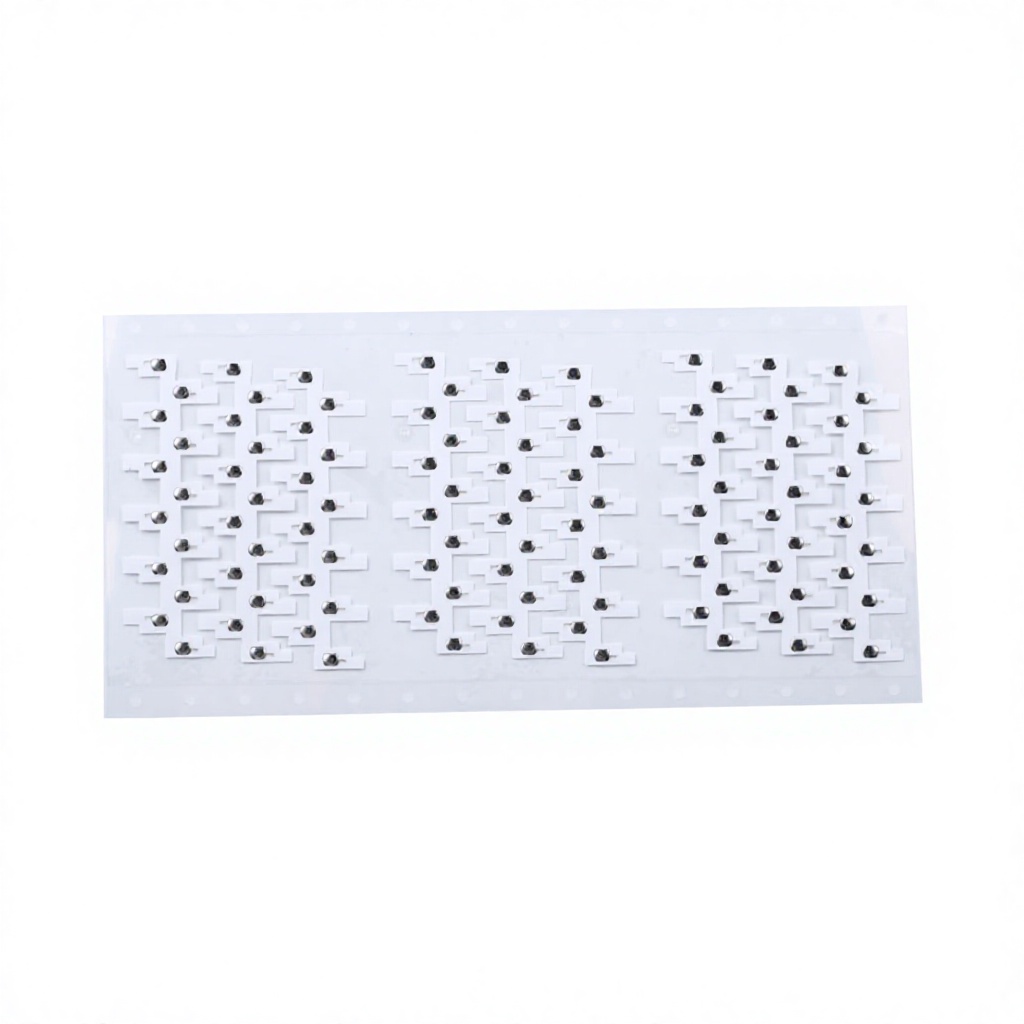
Single Layer SUS301 Stainless Steel Metal Dome Array
Configure Part →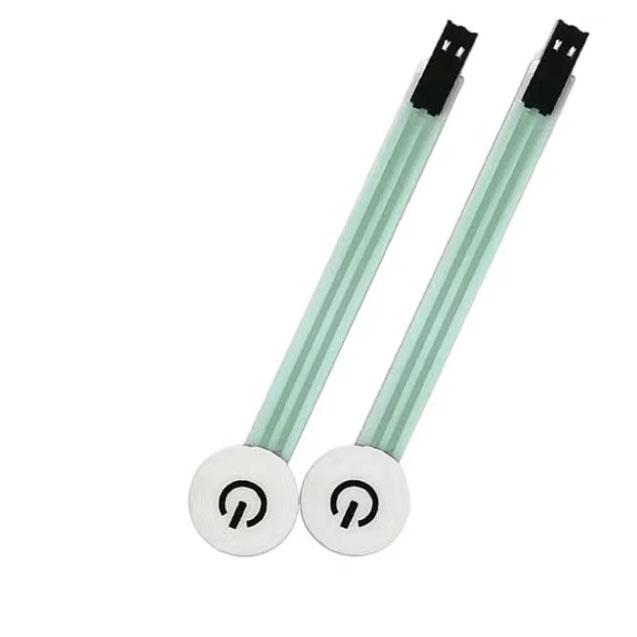
Ultra-Compact Single Button Sealed Membrane Switch
Configure Part →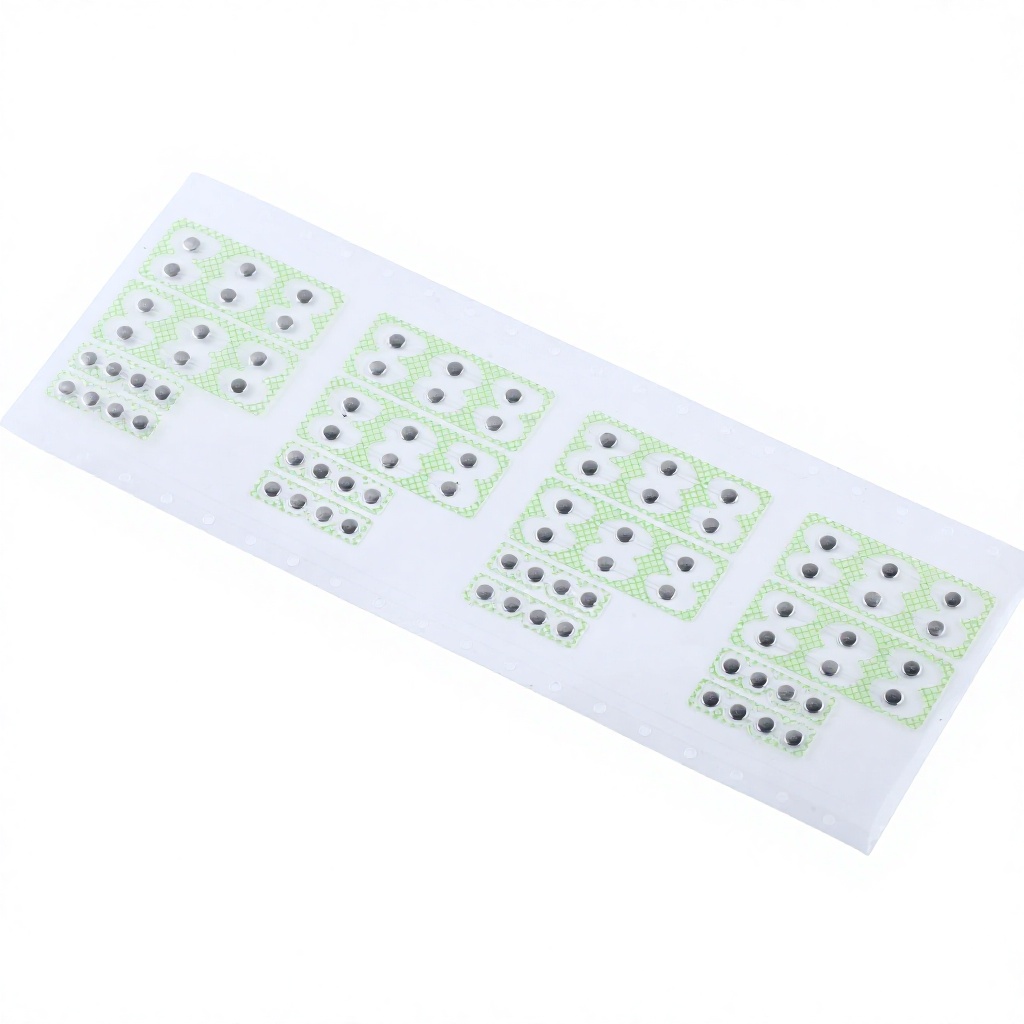
Waterproof IP67 Single Layer SUS301 Tactical Dome Array
Configure Part →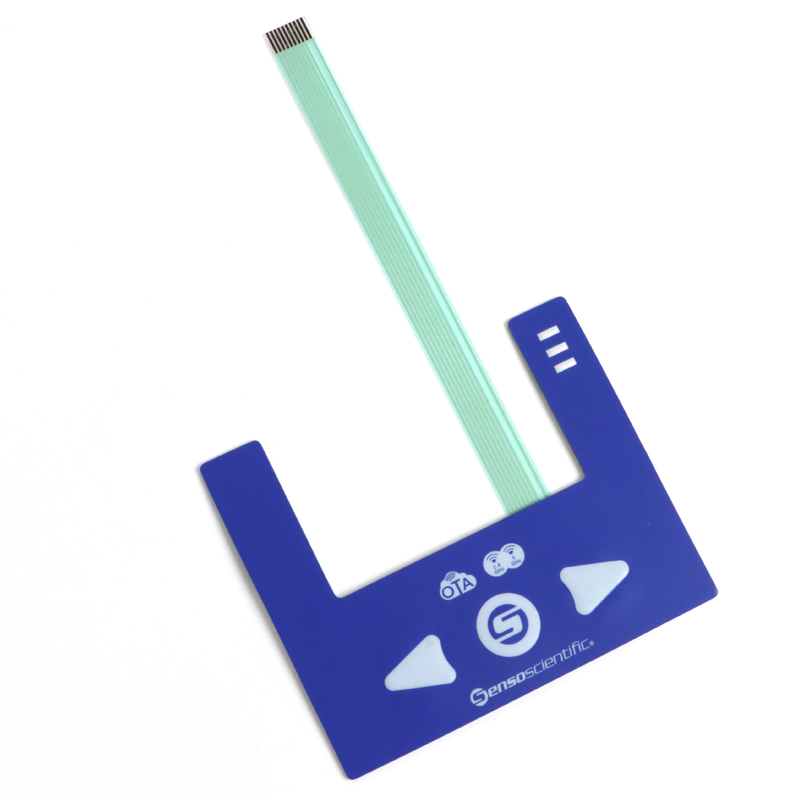
Custom Matrix Membrane Keypad with Embedded LED Backlight
Configure Part →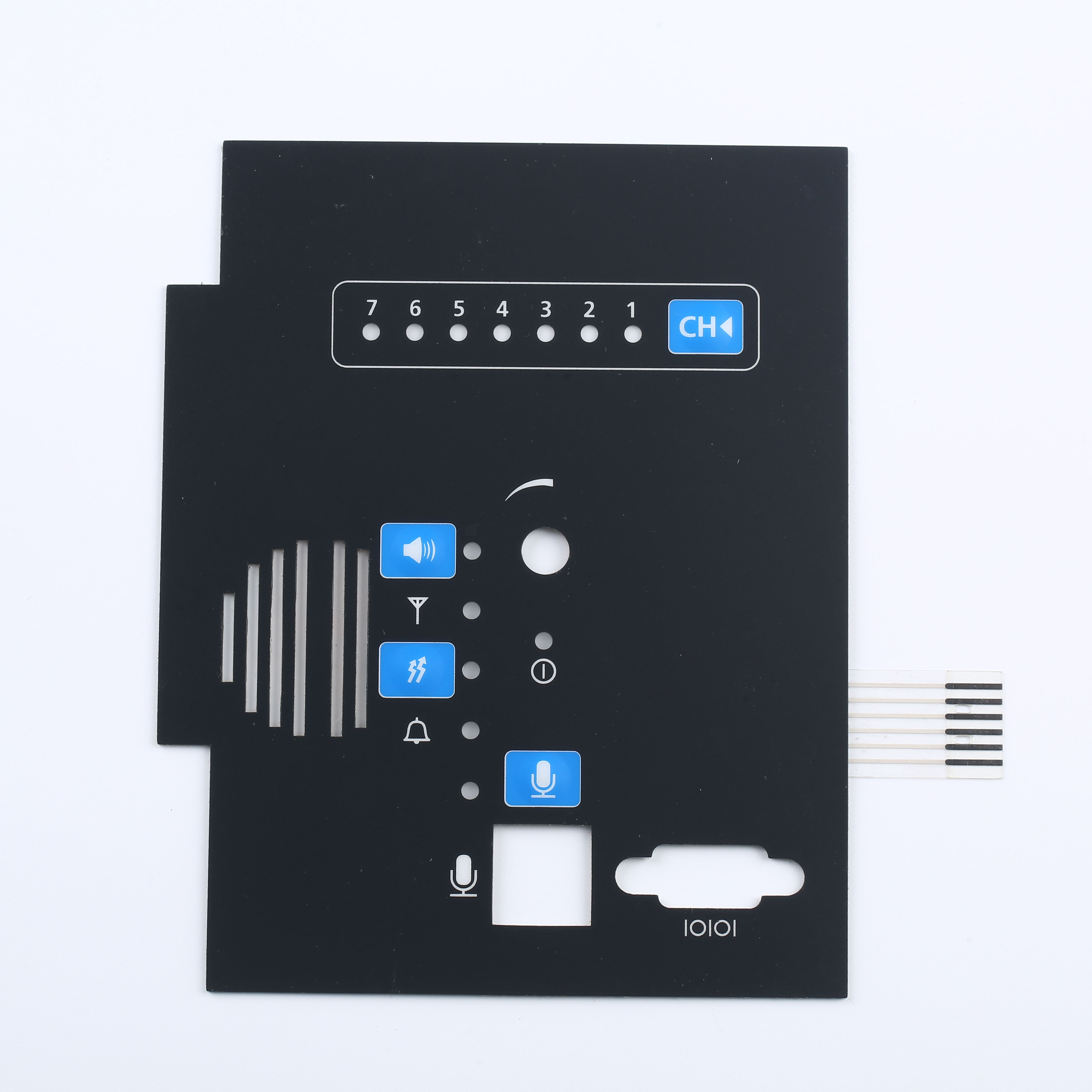
Polycarbonate Film Optical Touch Panel with Display Cutout
Configure Part →0.125mm
Ultra-Thin LGF Profiles
≥85%
Surface Luminance Uniformity
1,000,000+
Actuation Life Cycles
ISO 9001
SGS Inspected Cleanroom
Engineering Light Guide Film (LGF) Architectures for Norwegian High-Reliability Electronics
In modern Human-Machine Interface (HMI) product design, achieving homogeneous luminescence across thin interfaces without inflating power budgets or component thickness is a fundamental mechanical challenge. As an established direct manufacturer and international exporter delivering to the Norwegian industrial sector—from offshore maritime hardware in Stavanger and Bergen to telemetry infrastructure in Trondheim and defense electronics in Kongsberg—we specialize in micro-optical Light Guide Film (LGF) integration.
Light Guide Film operates on the physical principle of Total Internal Reflection (TIR). Utilizing high-refractive-index optical-grade materials such as Polycarbonate (PC) or optical Polyethylene Terephthalate (PET), side-firing surface-mount (SMD) LEDs direct light rays into the boundary edge of a thin film (ranging between 0.1mm and 0.5mm). High-precision micro-dots—engineered via high-speed compression tooling, UV-curable micro-replication, or specialized optical printing—disrupt TIR at calculated intervals, ejecting photons perpendicular to the viewing axis with balanced spatial diffusion.
"For harsh sub-zero temperatures and damp marine air across the Norwegian coastal rim, micro-grooved LGF assemblies replace bulky fiber arrays and point-source EL backlighting, mitigating thermal stress and eliminating high-voltage circuit interference."
Micro-Dot Optical Optimization vs. Traditional Backlighting Technologies
Traditional human-machine interfaces relied heavily on either Electroluminescent (EL) lamps, Fiber Optic weaves, or discrete cluster LEDs directly under the key legend. EL systems deteriorate rapidly under prolonged duty cycles, suffering from half-life luminance loss in less than 3,000 to 5,000 hours, and introduce electrical inverter hum that compromises sensitive industrial sensors. Discrete SMD LED arrays create acute hot-spots, requiring extensive vertical clearance (often 3.0mm to 5.0mm) to disperse illumination evenly.
Our engineered Light Guide Films resolve these constraints through calculated gradient dot density. As distance from the lateral LED increases, the micro-lens dot population density expands exponentially. This compensates precisely for luminous attenuation across distance, providing balanced surface illumination with as few as two edge LEDs—lowering power consumption by up to 65% compared to surface matrices.
| Engineering Property | Optical Grade PC Film (Standard) | Optical PET Matrix (High Cycle) | Silicone Rubber Co-Molded LGF |
|---|---|---|---|
| Refractive Index (nD) | 1.586 | 1.575 - 1.600 | 1.410 - 1.430 |
| Standard Thickness Limits | 0.125 mm to 0.250 mm | 0.100 mm to 0.188 mm | 0.300 mm to 0.800 mm |
| Operating Temperature Range | -30°C to +85°C | -40°C to +105°C | -50°C to +150°C |
| Actuation Resilience (with Metal Domes) | > 1,000,000 actuations | > 5,000,000 actuations | > 3,000,000 actuations |
| Optical Transmittance (Clear Substrate) | ≥ 90.5% (ASTM D1003) | ≥ 89.0% (ASTM D1003) | ≥ 92.0% |
| Sealing & Chemical Protection | Resistant to mild cleaners; needs barrier | High petrochemical and solvent resistance | Inherent IP67/IP68 elastomeric seal |
Local Ecosystems & Industrial Demand
Norwegian Industrial Sectors: Tailored LGF Applications
Hardware manufactured for Norway's harsh climate must meet stringent operational baselines: low-light visibility during polar nights, saline resistance, and thermal cycle tolerance.
Maritime Navigation & Offshore Tech
Norwegian vessels and offshore drill consoles in the North Sea mandate displays with regulated night-vision preservation. Our LGF interfaces integrate dual-wavelength LEDs (NVG Red/Green) with custom-cut diffuse windows, encased in hydrophobic 3M 300LSE adhesive layers to resist continuous salt mist ingress.
EV Charging Infrastructure & Smart Grid
With Norway leading the world in per-capita electric vehicle adoption, outdoor DC fast chargers (e.g., in Oslo and Tromsø) encounter sub-zero thermal cycling. Our PET-based light guides and UV-hardened graphic overlays avoid embrittlement, keeping payment keypads evenly lit under freezing condition.
Cold-Chain Logistics & Aquaculture
Norway's aquaculture monitoring sensors and processing stations demand IP68 washdown capability under hot, caustic fluids. We produce integrated silicone-clad LGF membrane switches that withstand repeated high-pressure washdowns without delaminating or clouding optical pathways.
Need Custom Stack-Up Guidance for a Norwegian Project?
Our application engineers offer mechanical stack validation, optical refraction analysis, and sample kits for rapid prototyping.
Current Structural Trends in the Nordic HMI Landscape
Procurement metrics across Norwegian technology firms increasingly prioritize circular lifecycle engineering, lowered power requirements, and consolidated supply chains. The convergence of IoT hardware with edge telemetry has driven an architectural shift from heavy multi-part bezels toward ultra-slim, monolithic HMI assemblies.
Key technical shifts we routinely solve for Norwegian design firms include:
- Energy-Optimized IoT Remote Consoles: Decentralized environmental stations deployed in hard-to-reach northern fjords rely on solar-harvested battery supplies. LGF modules eliminate excessive LED counts, requiring under 20mA total current to back-illuminate complex alphanumeric control pads.
- Capacitive-Tactile Hybrid Systems: Integrating capacitive sensor films with localized LGF illumination and tactile stainless steel SUS301 domes allows users wearing thick cold-weather work gloves to experience decisive mechanical actuation, backed by crisp optical status indicators.
- RoHS, REACH, and Ecodesign Conformance: Norwegian buyers apply strict compliance expectations. All raw polymers, printing inks, conductive silver pastes, and acrylic transfer tapes processed in our ISO 9001 Dongguan cleanrooms comply fully with EU 2015/863 (RoHS 3) and Regulation (EC) No 1907/2006 (REACH).
Enterprise Manufacturing Capabilities
Direct Manufacturing: 2,600㎡ ISO 9001 In-House Infrastructure
Dongguan Cevra Electronic Technology Co., Ltd. has delivered precision membrane switches, stainless metal domes, and thin-film optical systems for OEM brands globally since 2009.
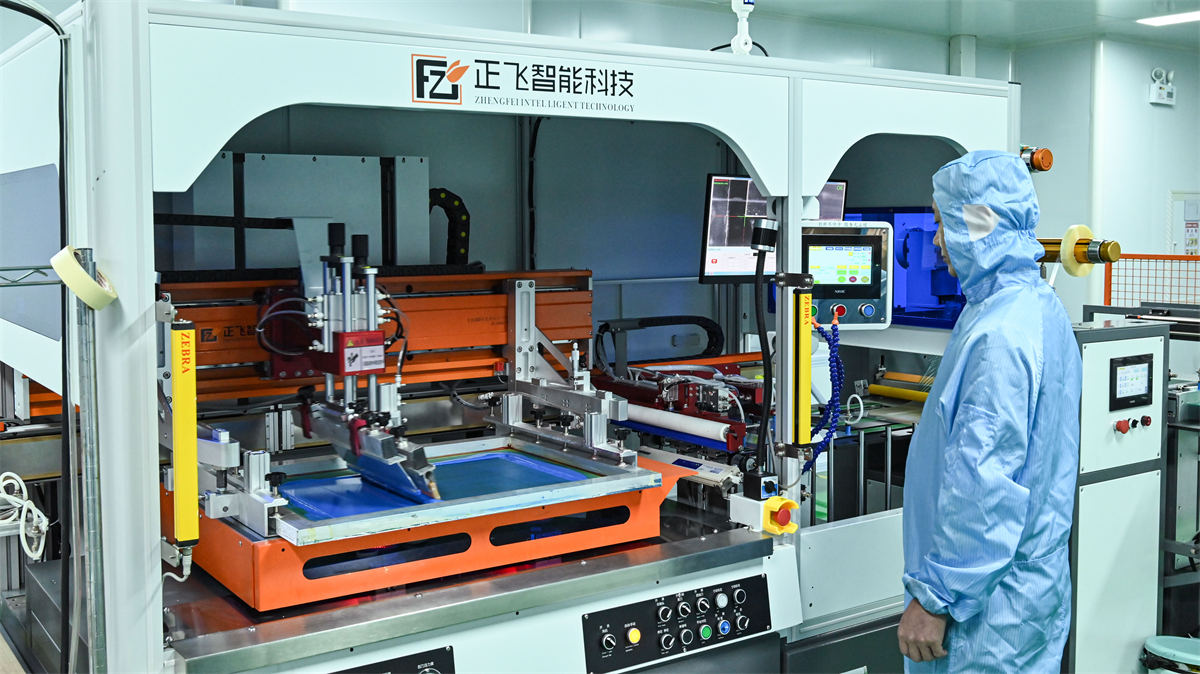
Precision Screen Printing & Deposition
High-precision semi-automatic and fully automatic screen printing lines ensure sub-micron uniformity of conductive silver ink traces and opaque light-blocking masking.
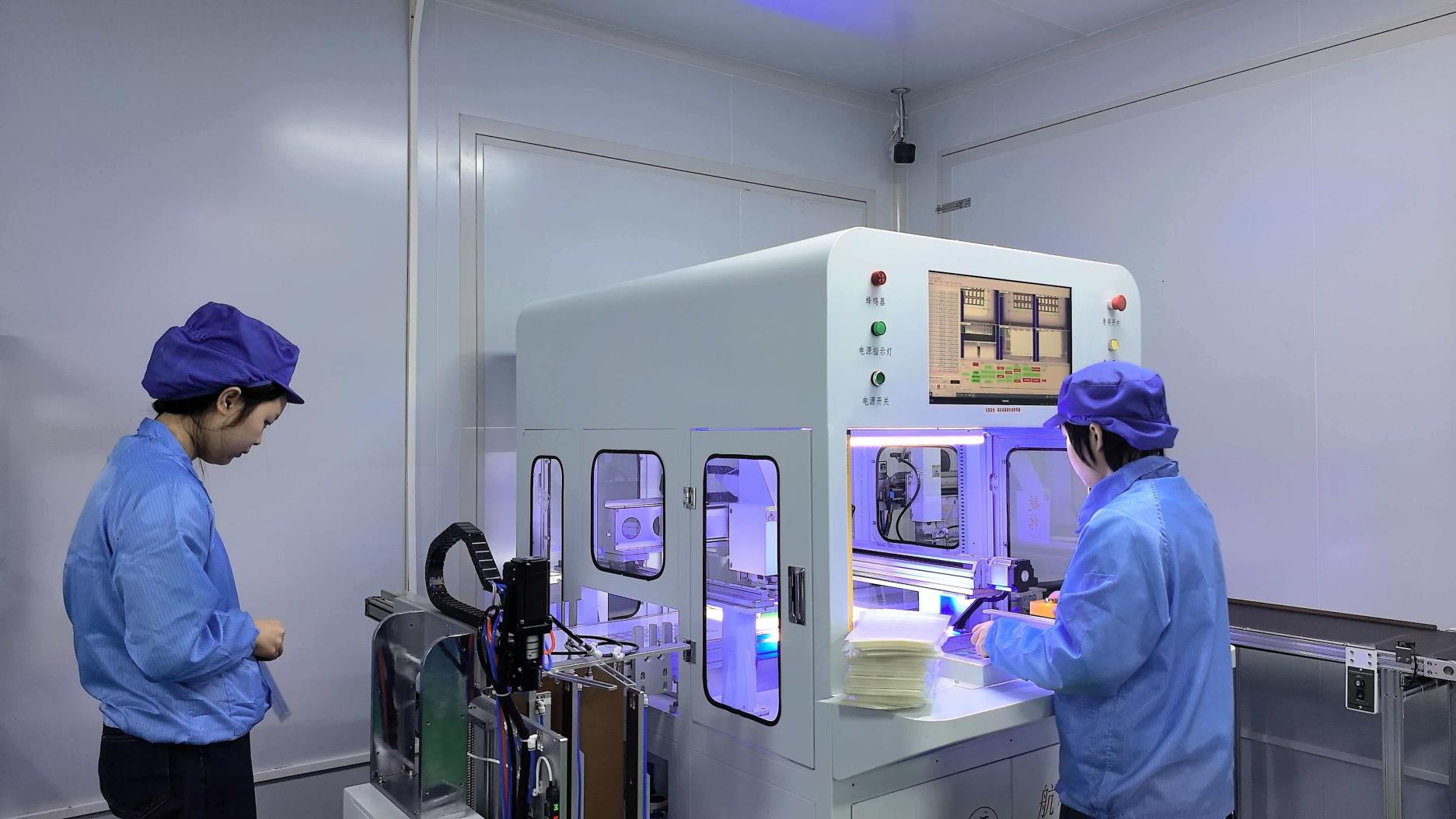
Fully Automatic Layer Lamination
Dust-free laminar clean flow workstations maintain zero bubble inclusion during optical-grade adhesion, bonding light guide films, spacers, and graphic skins.
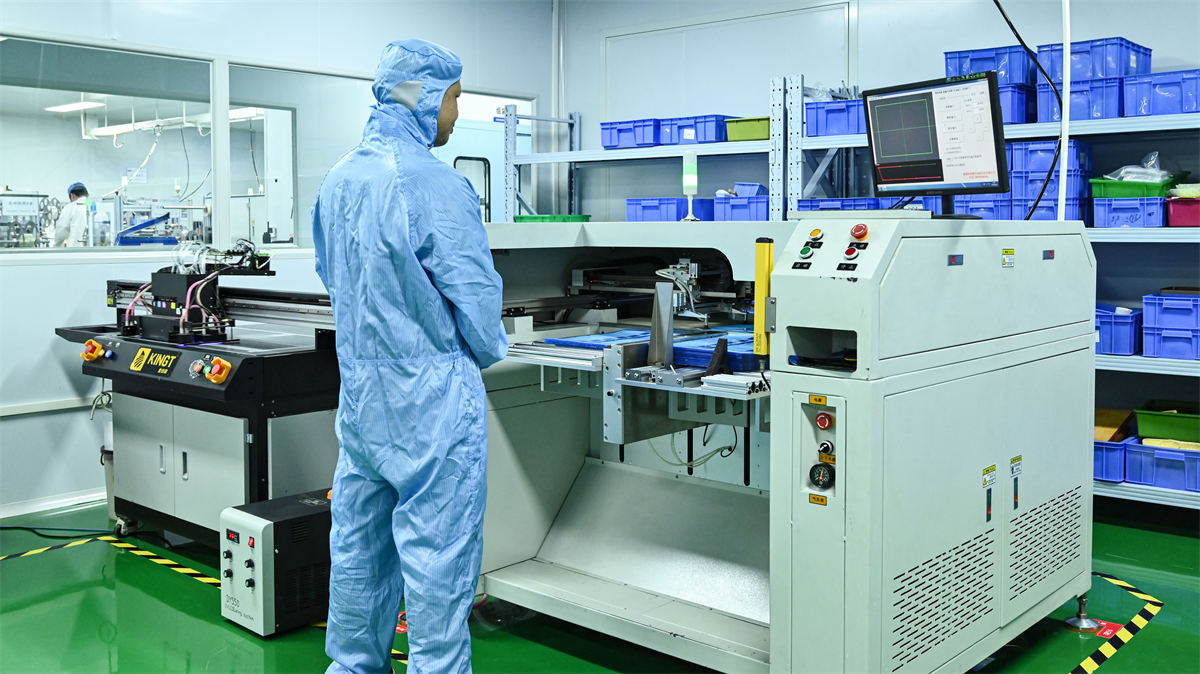
CCD Optical Punching & Laser Alignment
Integrated machine vision inspection ensures micro-accurate positioning of alignment holes, LED apertures, and metal dome nests within a tolerance of ±0.05mm.
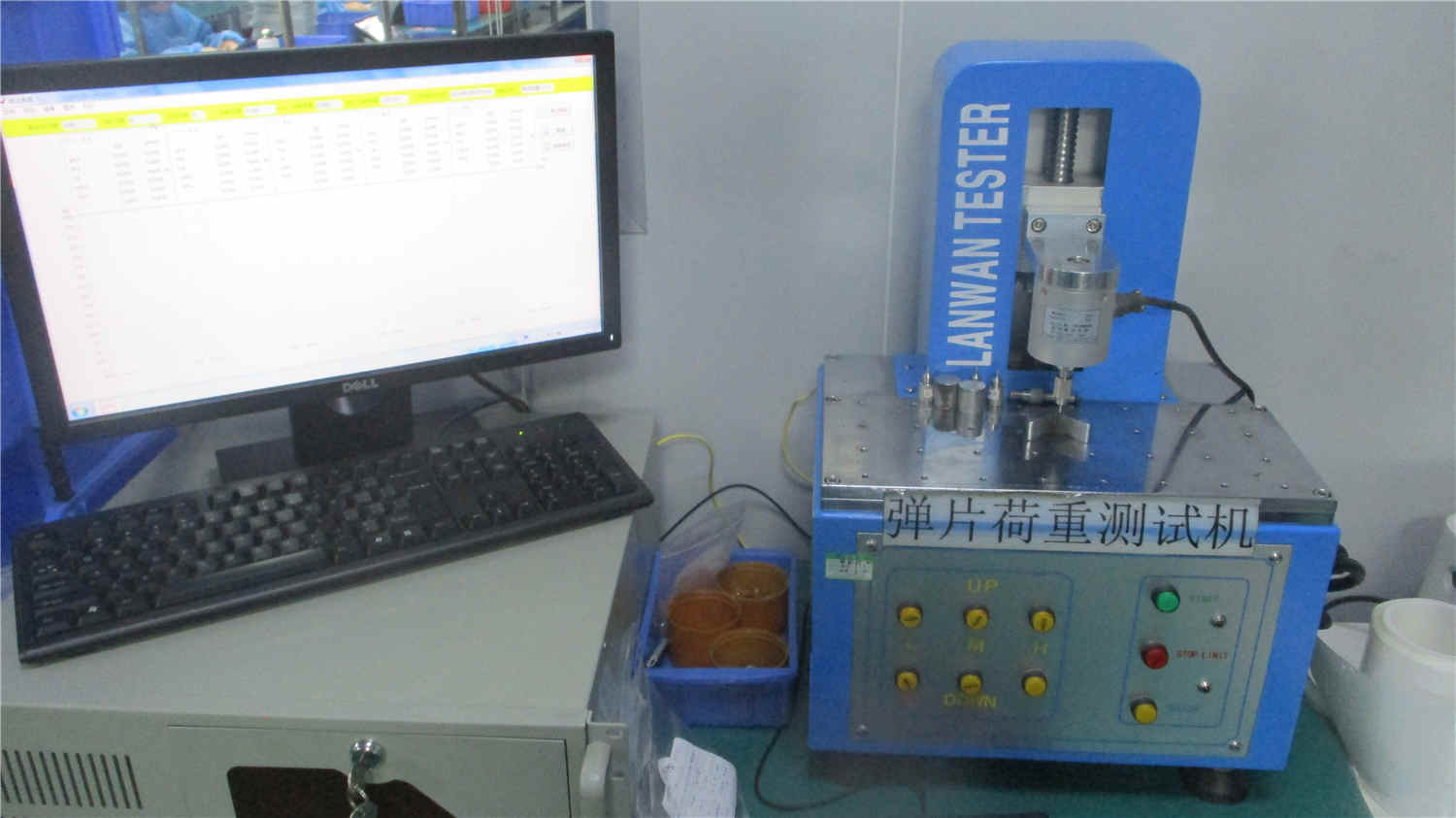
Tactile Load Force & Stroke Testing
Every batch of 4-leg cross and triangular SUS301 metal domes undergoes calibrated load displacement testing to ensure uniform snap ratios and consistent click feedback.
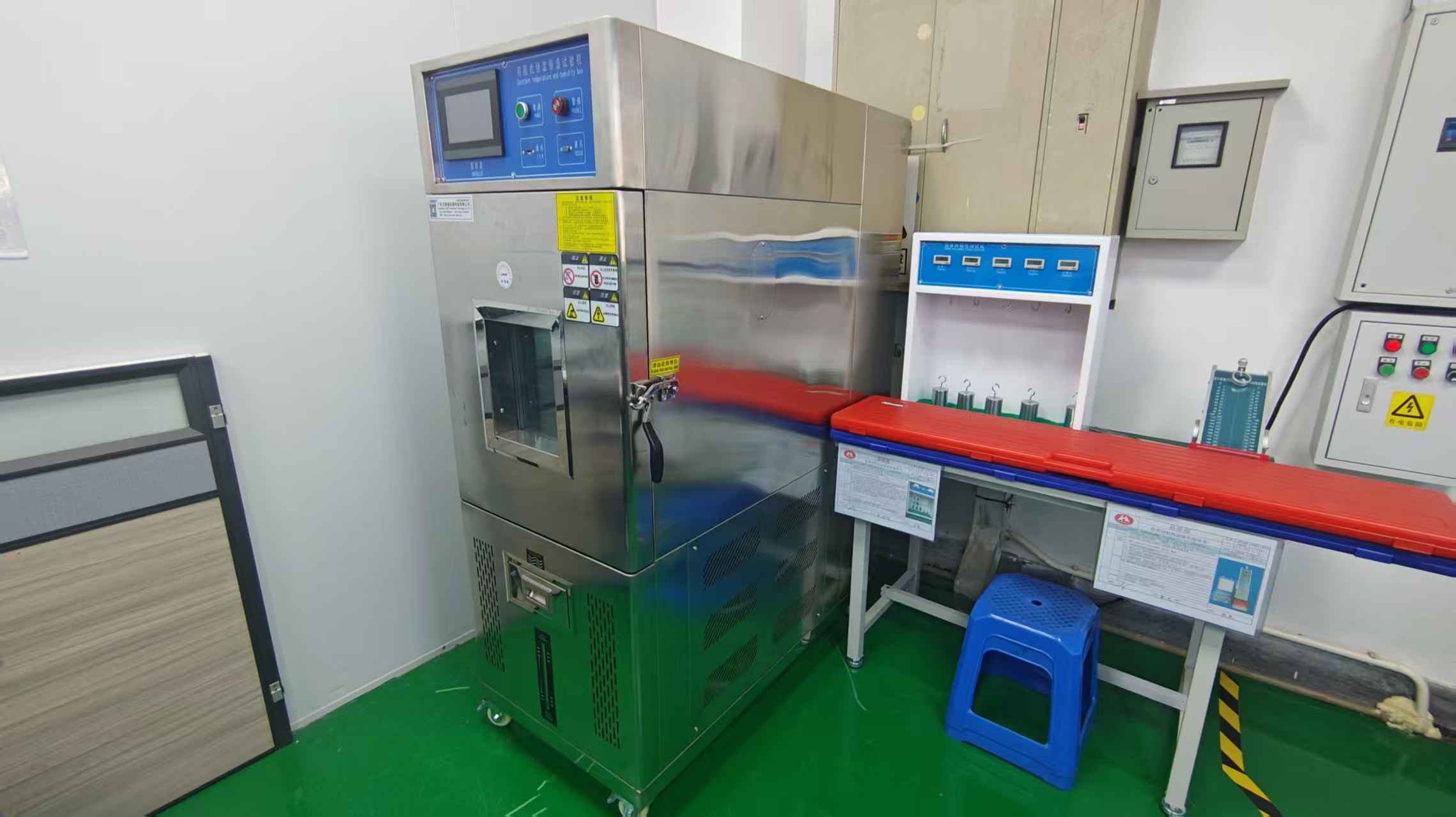
Environmental Stress Verification
In-house thermal chambers cycle prototypes from -40°C to +105°C, testing for layer delamination, adhesive creep, and circuit resistance drift before export.

SGS Group Onsite Factory Audit
Our manufacturing plant, quality laboratory, production lines, and export processes are audited and verified on-site by SGS Group, giving Norwegian procurement teams complete clarity.
Procurement & Technical Clarifications
Frequently Asked Questions by Norwegian Engineers & Buyers
Clear answers on lead times, logistics to Norway, layer configurations, and compliance requirements.
How does Light Guide Film (LGF) compare to side-lit LED diffusers in thickness?
Traditional acrylic (PMMA) diffusers require a minimum thickness of 2.0mm to 4.0mm to avoid severe hot-spotting, significantly inflating the overall device profile. By contrast, an LGF sub-assembly using micro-dot extraction measures only 0.125mm to 0.25mm thick. When fully stacked with graphic overlays, metal dome arrays, and backing adhesives, the complete HMI profile rarely exceeds 1.0mm to 1.5mm.
What are standard shipping timelines and customs arrangements for Norway?
As an experienced global exporter, we ship regular consignments to Oslo, Bergen, Stavanger, and Trondheim. Prototype express shipments (via DHL/FedEx) typically arrive within 4 to 6 business days from dispatch. High-volume air freight lands in Oslo Gardermoen (OSL) within 7 to 9 business days. We provide complete commercial invoices, HS code classifications (typically 8537.10 or 8538.90), packing lists, and declarations of conformity to ensure smooth Norwegian customs processing via Tollvesenet.
Can LGF technology function reliably in sub-zero Norwegian Arctic weather?
Yes. By utilizing optical Polycarbonate or specialty stabilized PET with cold-weather acrylic transfer films (such as 3M 9469PC or 3M 9472LE), our assemblies operate continuously down to -40°C. Unlike liquid crystals that freeze or EL lamps that suffer high ignition voltages in cold conditions, solid-state LED-coupled LGF components experience zero sluggishness or thermal degradation in sub-zero environments.
How do you prevent light bleed between adjacent keys or display windows?
To eliminate light crosstalk between distinct functional keys or adjacent LCD/OLED windows, we integrate die-cut light-blocking masks (opaque black PET or specular reflective vinyl layers) and custom silicone light dams. This guarantees precise illumination isolated solely to the intended laser-etched graphics or icon legends.
What engineering documentation is required to initiate an LGF quote?
To provide a full Design for Manufacturability (DFM) review, our engineering team prefers 2D mechanical drawings (CAD DXF or DWG), 3D step files for housing fit evaluation, and graphic vector files (Adobe Illustrator .AI or vector PDF) specifying Pantone color references, window clear/tint zones, and desired LED locations. If your mechanical stack is not yet finalized, our engineers can recommend a complete stack-up based on your enclosure cavity constraints.
What Minimum Order Quantities (MOQ) apply to custom OEM orders?
We support agile industrial R&D. Rapid prototyping and pilot engineering builds for graphic overlays and membrane keypads start from as low as 10 to 50 pieces. Production volumes generally run from 100 to 1,000+ pieces for full custom assemblies, while raw metal snap domes start at 1,000 pieces. Full pre-production first article inspection reports (FAIR) are supplied before kicking off mass runs.
Ready to Prototype Your Next Generation Keypad?
Direct communication with our senior engineering team in Dongguan. Complete DFM feedback and non-disclosure agreements handled within 24 hours.