Precision HMI & Backlit Switching Solutions
Engineered for high-durability human-machine interfaces, optical uniformity, and harsh-environment reliability. Standard and custom configurations available.
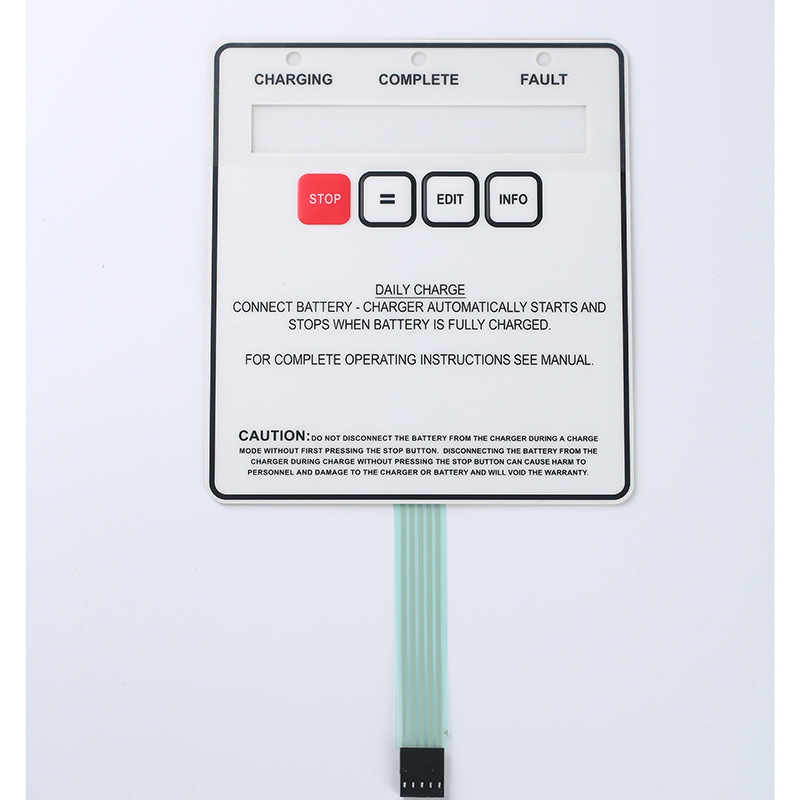
Waterproof and Dustproof Membrane Control Panel in Medical Equipment
- Application: Medical Diagnostic HMI
- Ingress: IP65 / IP67 Hermetic
- Tactile Feedback: SUS301 Metal Dome
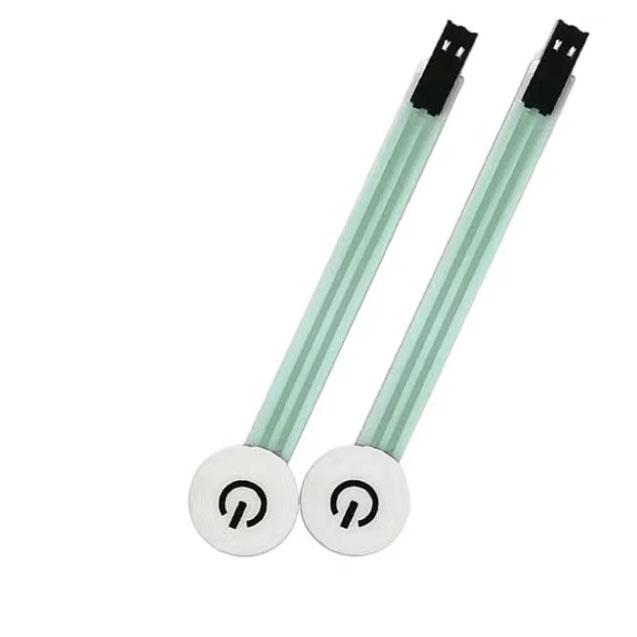
High Quality Single Button Small Membrane Switch
- Form Factor: Ultra-Compact Sub-Assembly
- Actuation: Tactile Snap Action
- Tail Type: Silver Pitch / ZIF
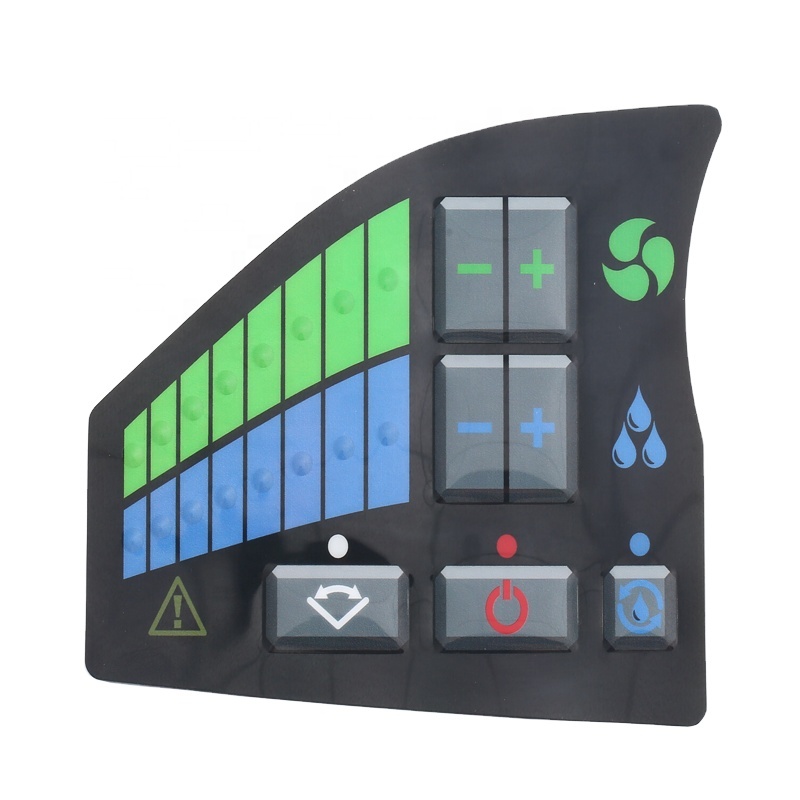
Custom Silk Printing Embossed Metal Dome Membrane Switch Overlay
- Substrate: Autotex PET / Lexan PC
- Embossing: Rim / Pillow / Polydome
- Life Cycle: > 1,000,000 Actuations
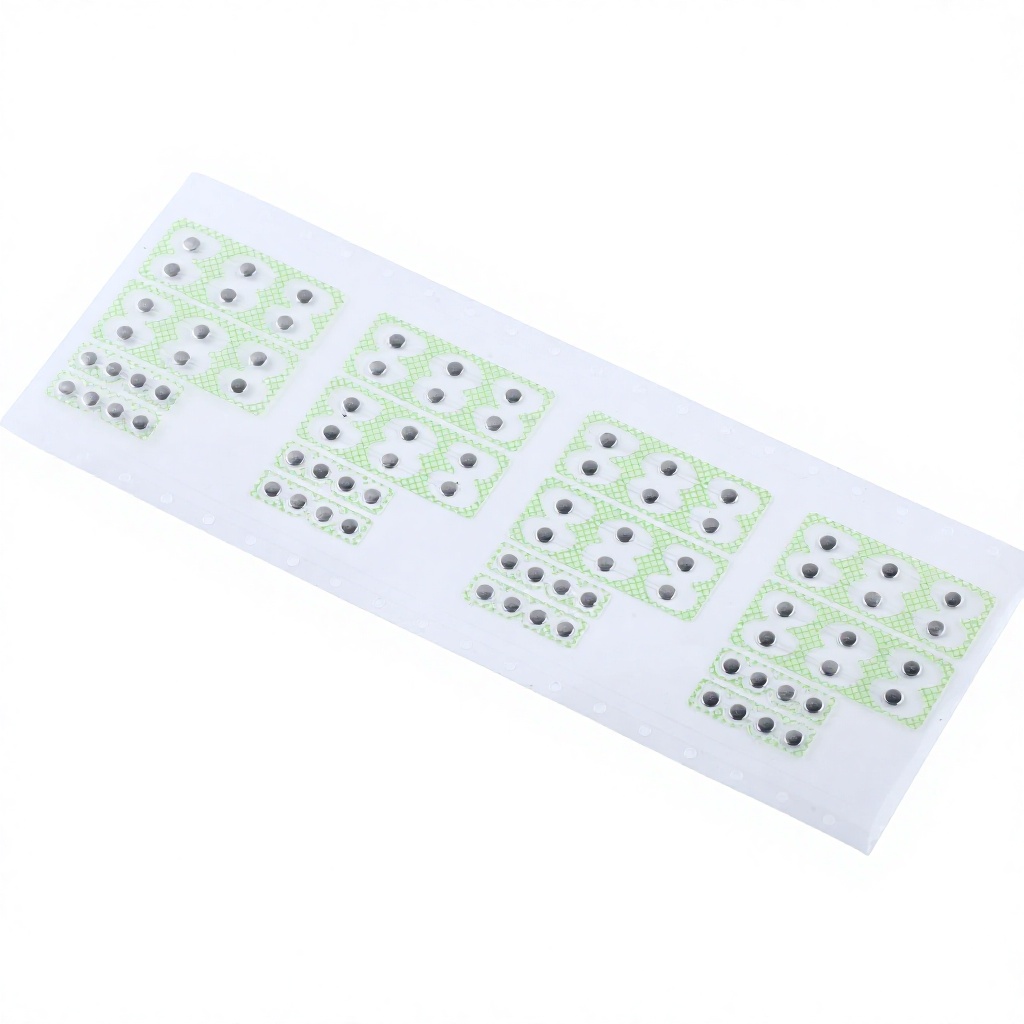
Waterproof Single Layer SUS301 Stainless Steel Dome Array
- Dome Material: SUS301 Stainless Steel
- Plating: Nickel / Selective Gold
- Carrier: Transparent Adhesive PET
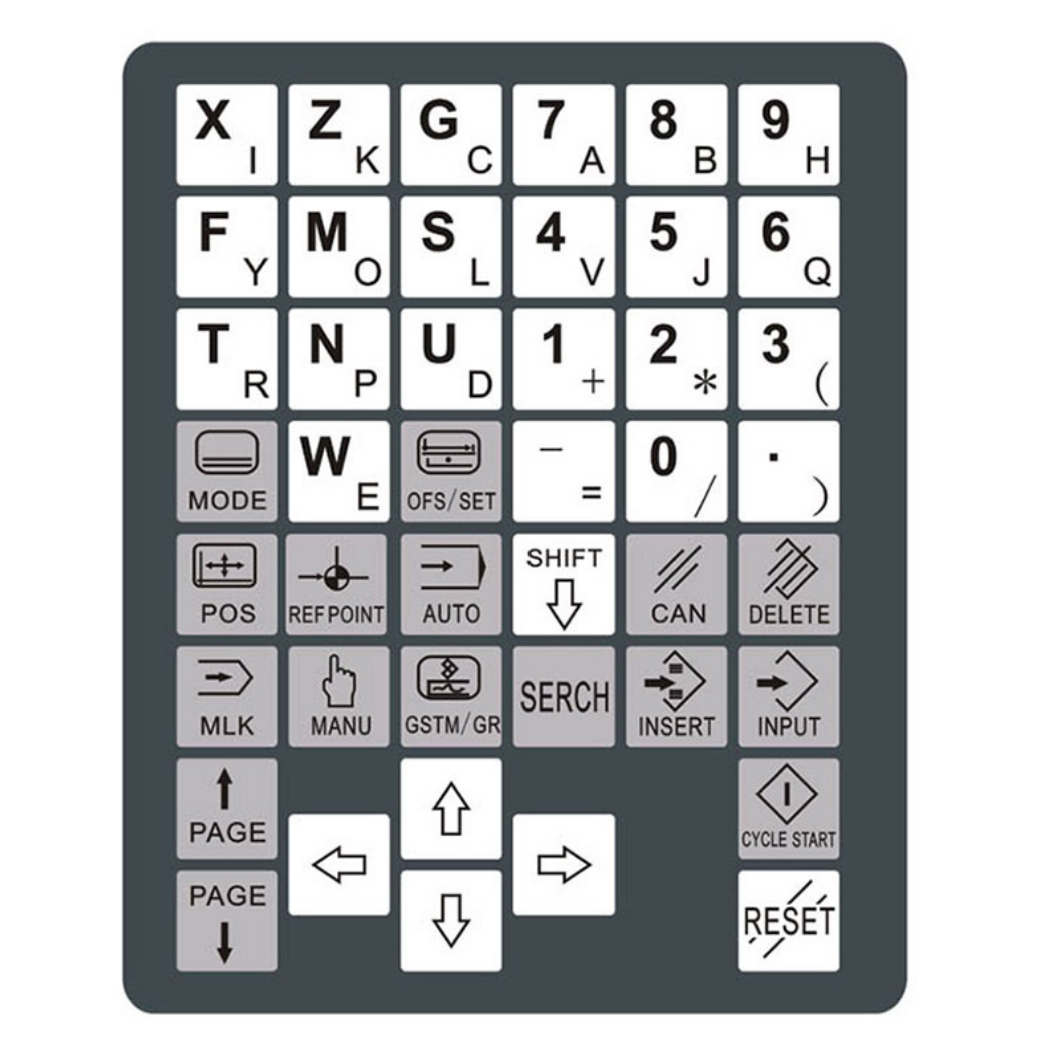
Matrix Membrane Switch Keypad for Fuel Dispensers & Industrial Pumps
- Matrix Config: 3x3 / 4x4 / 4x5 Pinout
- Chemical Tol.: Petrochemical & Solvent Proof
- EMI Shield: Full Aluminum / Carbon Grid
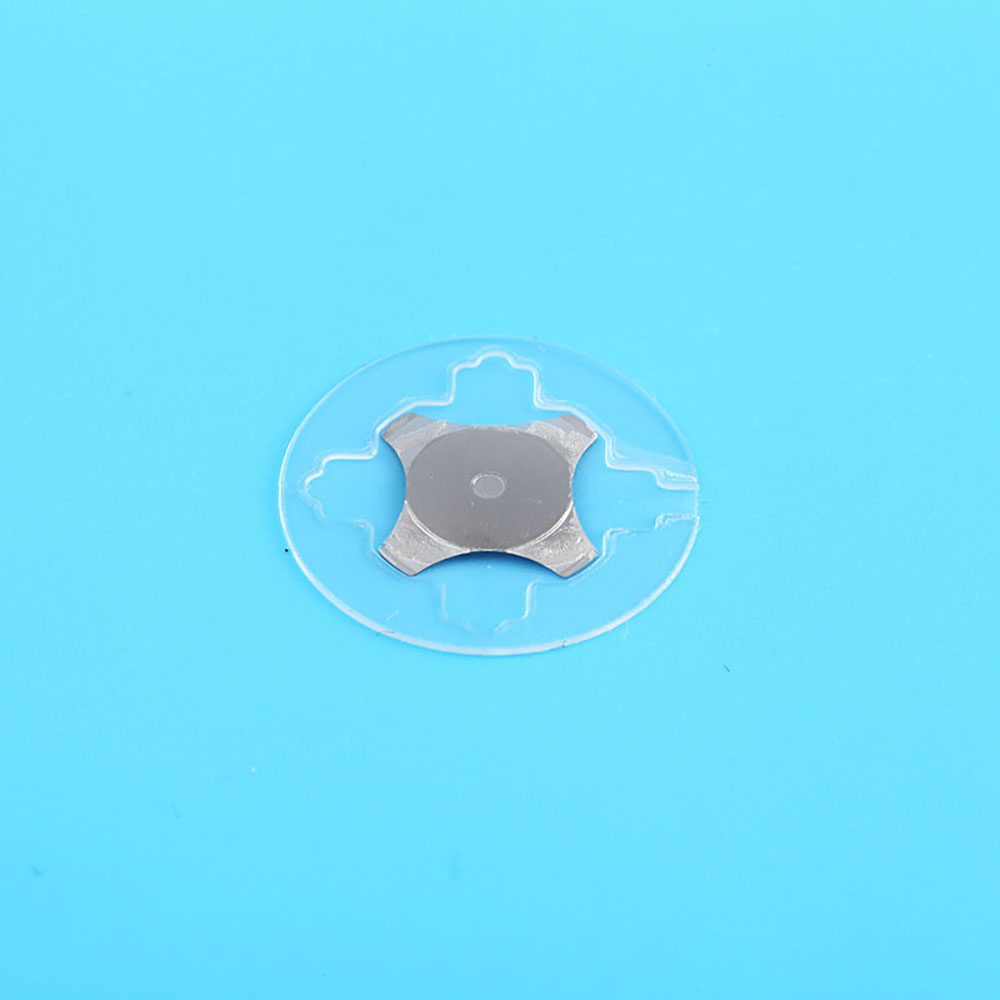
Single Layer Metal Dome Array with High-Tack Adhesive
- Adhesive Spec: 3M 467MP / 3M 468MP
- Venting: Integrated Air Channels
- Operating Temp: -40°C to +85°C

Cross 4-Legged Snap Dome in Reel Packing for SMT Pick-and-Place
- Packaging: Tape & Reel Feed Automation
- Diameter: 8.4mm / 10mm / 12mm
- Trip Force: 180g – 450g Customizable
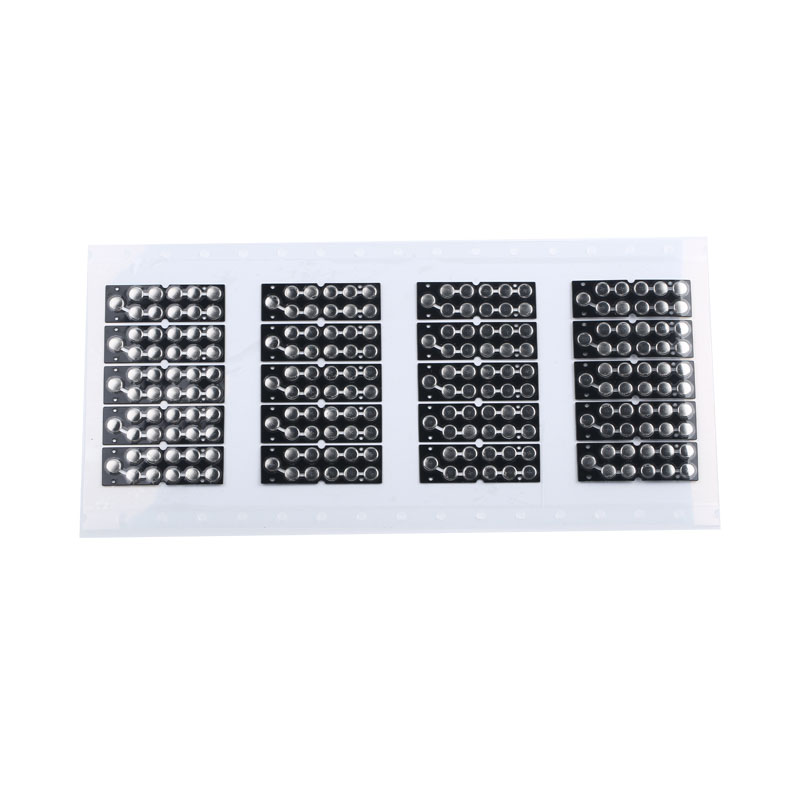
Round Metal Dome Array Single Layer Transparent PET
- Geometry: Circular Round Domes
- Substrate: Optical Clarity PET
- Application: Instrumentation & Remote Devices
Integrated Optical & HMI Manufacturing Direct from Dongguan
Founded in March 2009, Dongguan Cevra Electronic Technology Co., Ltd. delivers direct-from-factory optical engineering, micro-patterned light guide plates, and complete tactile membrane interfaces without trading intermediaries.
The Photonic Architecture of Modern LED Light Guide Plates (LGP) & Films (LGF)
Achieving uniform edge-lit optical distribution across sub-millimeter profiles requires micro-dot matrix engineering, total internal reflection management, and high-transmittance polymers.
TIR (Total Internal Reflection) Control
Light emitted by side-firing edge LEDs couples directly into the optical edge of the polymethyl methacrylate (PMMA) or optical polycarbonate (PC) substrate. Uninterrupted, the rays propagate through total internal reflection. Our custom-calculated micro-dot arrays break this critical angle deliberately, diffusing uniform illumination upwards through the graphic overlay at controlled angles without localized hot spots or lumen attenuation.
Laser Micro-V-Cut & Nano-Imprint Dots
Traditional silk-screened ink dots absorb up to 12% of total optical flux over time. Cevra integrates continuous CO2 laser micro-etching and precision nano-imprinting to create optical micro-prisms directly into the material matrix. Varying dot density and diameter (from 50μm adjacent to the LED to 250μm at the plate's apex) produces luminance uniformity exceeding 88% across active user touchpoints.
Sub-Millimeter Thin Profile Integration
In modern industrial and medical HMIs, enclosure thickness is tightly constrained. Where cast acrylic LGPs (1.5mm to 4.0mm) cannot fit, our specialized Light Guide Films (LGF) down to 0.125mm–0.250mm utilize micro-embossed high-refractive-index polyurethane and PET. This allows multi-color discrete key backlighting, status indications, and dead-front iconography within ultrathin membrane sandwich assemblies.
High-Spec Application Scenarios in the Sheffield & South Yorkshire Market
From the Advanced Manufacturing Park (AMP) near Catcliffe to Doncaster’s rail engineering and Sheffield’s surgical device clusters, localized industry demands rigorous photonic and environmental compliance.
Medical Diagnostics & Surgical Devices
Sheffield’s world-renowned clinical research trusts and private med-tech developers require surgical control interfaces that withstand frequent wipe-downs with harsh quaternary ammonium and alcohol compounds. Cevra supplies IP67-rated, chemically inert Autotex PET overlays integrated with sealed optical light guides. These deliver anti-glare, non-flicker key illumination compliant with hospital ambient light standards without harboring microbial contamination.
Heavy Metallurgy & AMRC Automation Units
Rooted in historic steelmaking and accelerated by the University of Sheffield AMRC, local machinery builders operate in environments characterized by electromagnetic discharge, severe vibration, and extreme temperature fluctuations. Our light guide plate assemblies integrate conductive EMI/ESD copper or carbon grids, high-temperature PMMA rated to 90°C, and SUS301 metal snap domes verified for over 1,000,000 mechanical operations.
Rail Rolling Stock & Transport Telematics
Situated in the heart of Yorkshire’s rail logistics corridors, Sheffield suppliers develop driver cab displays, passenger communication modules, and diagnostic consoles. These systems demand compliance with stringent fire retardancy and optical readability in varying ambient sunlight. Cevra’s edge-lit optical assemblies utilize UL94-V0 rated optical grade polycarbonates that resist yellowing under prolonged UV and vibration stress.
Substrate & Optical Metrology Matrix for Sheffield Design Teams
A reference architecture for R&D engineers shortlisting backlighting technologies, materials, and dimensional tolerances.
| Photonic & Structural Metric | Optical Cast PMMA LGP | Extruded Optical PC Film (LGF) | Integrated Silicone Rubber Guide |
|---|---|---|---|
| Refractive Index (n) | 1.491 (High Light Velocity) | 1.586 (Ultra-Thin Bend Radius) | 1.410 (Low Transmittance Loss) |
| Standard Thickness Range | 1.0mm – 6.0mm (Rigid Plate) | 0.125mm – 0.500mm (Ultra-Thin) | 0.800mm – 2.500mm (Molded Mat) |
| Luminance Uniformity | ≥ 88% - 94% (Optimized Dots) | ≥ 82% - 88% (Micro-Embossed) | ≥ 75% - 82% (Scatter Blend) |
| Thermal Operating Window | -25°C to +85°C | -40°C to +105°C (Extreme Range) | -40°C to +120°C |
| Micro-Dot Generation Method | CO2 Micro-Etch / V-Cut Prisms | High-Speed Roller Nano-Imprint | Precision Steel Tool Cavity Mold |
| HMI Integration Stack-Up | Membrane Overlay + Spacer + Plate | Bonded directly over Metal Domes | Combines Key Elastomer & Guide |
| Typical Sheffield Sector | Stationary Machine HMI / Panels | Handheld Scanners & Diagnostic Kits | Rugged Rail Transmit Handsets |
Emerging Trends in the South Yorkshire HMI & Backlighting Market
How technological convergence, net-zero mandates, and advanced robotics are reshaping optical panel requirements across Sheffield's manufacturing clusters.
Low-Power Photonic Integration (Net-Zero Drive)
With UK industrial energy reduction policies and ESG mandates across the Northern Powerhouse, Sheffield OEMs are under pressure to cut system parasitic power. By upgrading from diffuse flood-backlit arrays to precision-engineered edge-lit LGPs, manufacturers reduce required SMD LED counts by up to 60%. This reduces operational wattage, lowers heat dissipation inside sealed enclosures, and extends system lifetimes.
Hybrid Tactile-Capacitive Interface Architecture
Design houses across Sheffield's digital fabrication studios are moving away from purely mechanical push-buttons or un-tactile flat touchscreens. The current standard blends capacitive surface detection with crisp tactile feedback (via SUS301 snap domes) and zoned, edge-lit light guide panels that illuminate context-dependent icons only when an operator's glove nears the machine surface.
UKCA & Stringent European Chemical Directives
Following post-Brexit regulatory transitions, engineering buyers in Sheffield rigorously audit overseas suppliers for full compliance with UKCA, CE, RoHS 3, and REACH standards. Cevra guarantees full material traceability, providing complete certificates of conformance and substance declaration dossiers on every resin batch, conductive silver paste, and adhesive film supplied.
End-to-End Quality Engineering at Our 2,600㎡ Dongguan Plant
Reliability is built into every layer. We operate comprehensive testing benches that guarantee performance under mechanical, thermal, and electrical duress.
CCD Vision Inspection
Automated optical sorting inspects micro-dot dot pitch, edge bevel smoothness, graphic print alignment, and particulate contamination down to micron scales.
Dome Force Load Testing
Every lot of stainless steel snap domes undergoes trip-force and tactile ratio testing, ensuring click-feel consistency between 180g and 450g across millions of cycles.
Thermal & Humidity Cycling
Programmable high/low temperature chambers stress samples from -40°C to +85°C at 95% RH to verify adhesive lamination and zero optical warping.
Tension & Tack Metrology
Calibrated peel testers and tack measurement systems ensure 3M adhesives meet industrial shear specifications, preventing layer delamination.
Frequently Asked Questions by Sheffield Buyers & Engineers
Addressing design files, tooling lead times, UK import logistics, and quality assurance specifics.
How do we specify custom optical micro-dot patterns for a bespoke HMI shape?
What is the difference between Light Guide Plates (LGP) and Light Guide Films (LGF)?
How does Cevra handle prototypes versus mass production orders for UK businesses?
What material grade should we select for chemically aggressive factory environments?
What are the standard shipping timelines and customs arrangements to South Yorkshire?
Can Cevra provide integrated backlighting with pre-soldered side-emitting LEDs?
How do you prevent light bleed between different colored keys on the same panel?
Partner with an ISO 9001 Certified Optical & HMI Factory
Collaborate with experienced optical and electrical engineers to resolve luminance uniformity, mechanical tactile response, and environmental sealing for your next generation of equipment in the Sheffield market.