Engineered Membrane Keypads & Tactile Dome Assemblies
Direct from our Dongguan facility to industrial clusters across Flanders, Wallonia, and Brussels. Each assembly is fabricated under stringent ISO 9001 quality controls, providing tactile precision and hermetic protection.
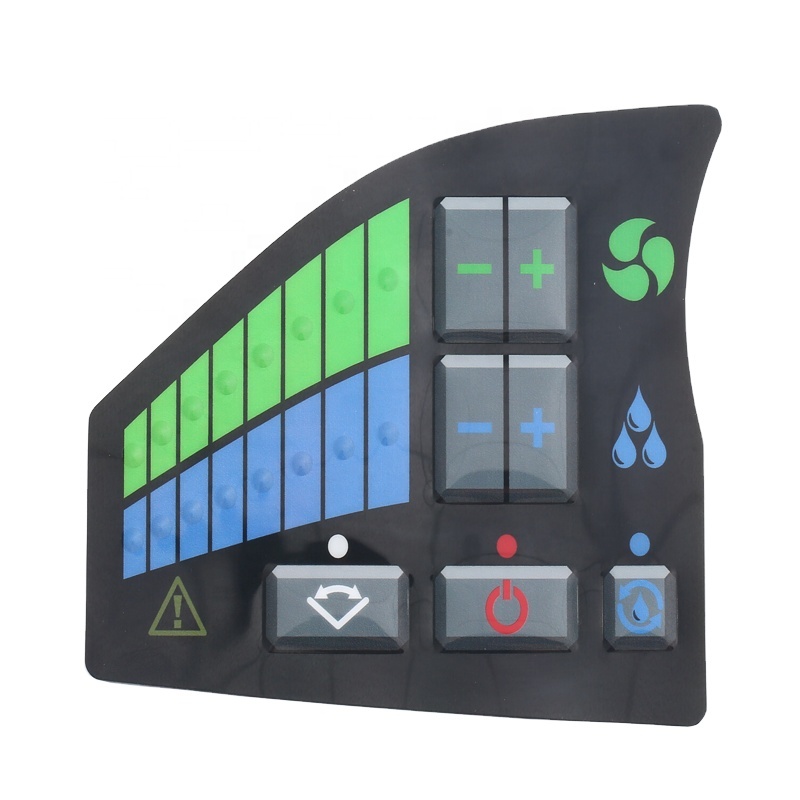
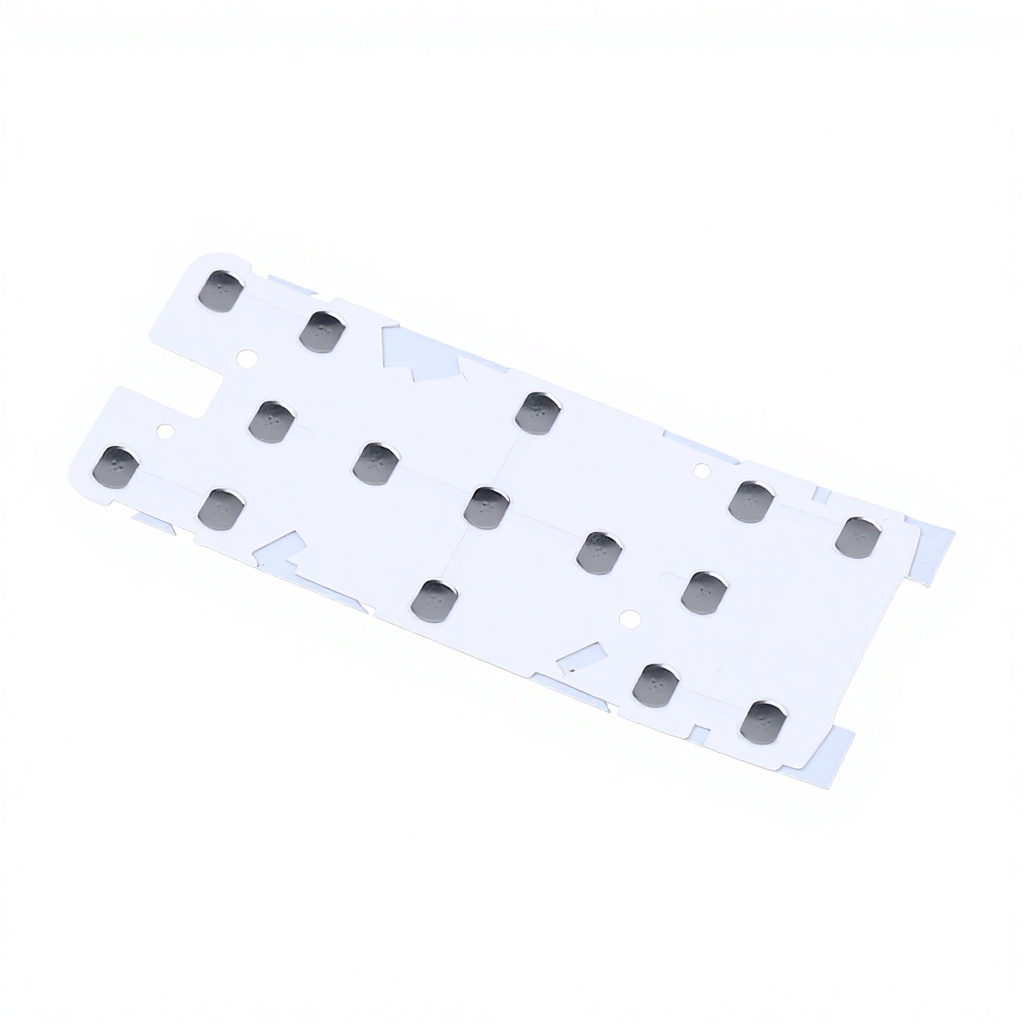
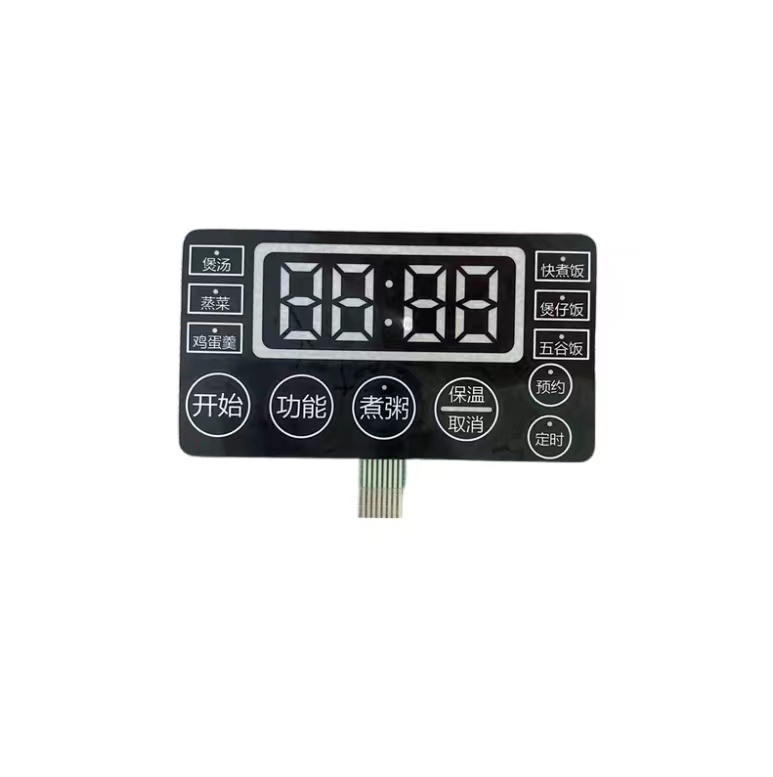
Architectural Anatomy: Multilayer Membrane Switch Engineering
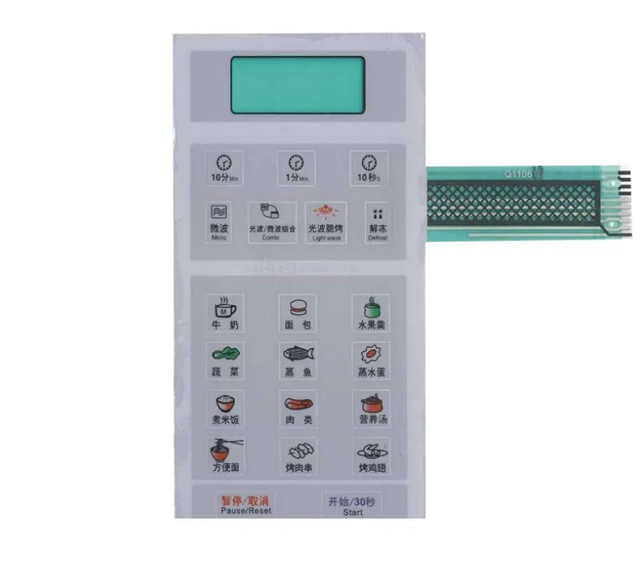
For Belgian original equipment manufacturers (OEMs) operating within rigorous European regulatory environments, an industrial membrane switch is not simply a decorative user interface; it serves as the critical barrier between harsh operating ambients and sensitive microcontroller electronics. At Dongguan Cevra Electronic Technology Co., Ltd., every membrane switch is engineered with a strict seven-layer stack-up system, optimized for electrical conductivity, mechanical snap dynamics, and hermetic protection.
The standard technical stack-up engineered for European B2B buyers consists of:
- Graphic Overlay: High-grade Autotex XE (UV-resistant polyester) or Makrofol Polycarbonate, subsurface screen-printed to eliminate surface abrasion and resist chemical washes.
- Top Overlay Adhesive: High-shear acrylic adhesive (e.g., 3M 467MP / 200MP series) delivering peel strengths exceeding 25 N/100mm.
- Circuit Spacer Film: Precision die-cut polyester (PET) film with custom air-relief venting channels preventing pneumatic dampening during rapid switch actuation.
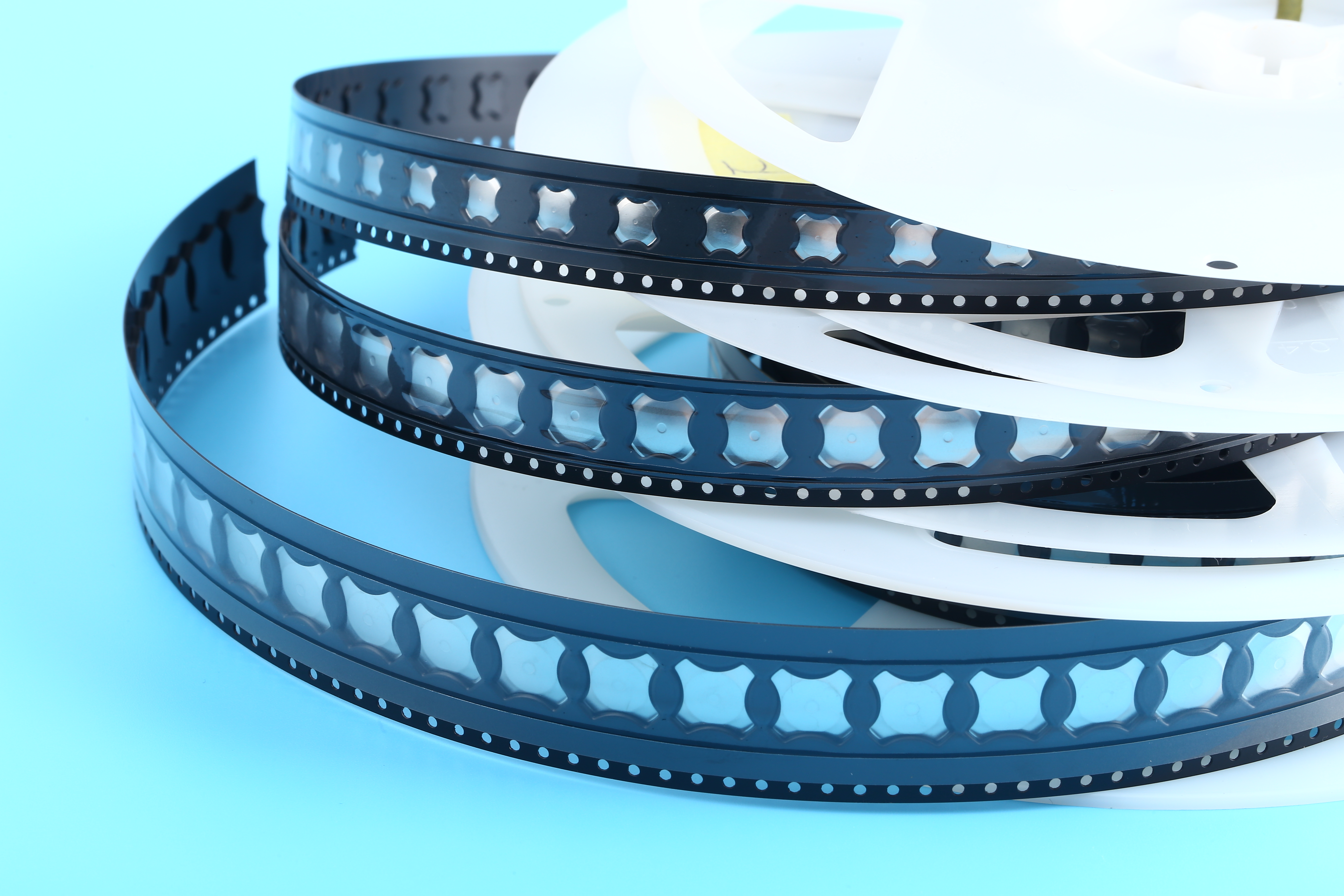
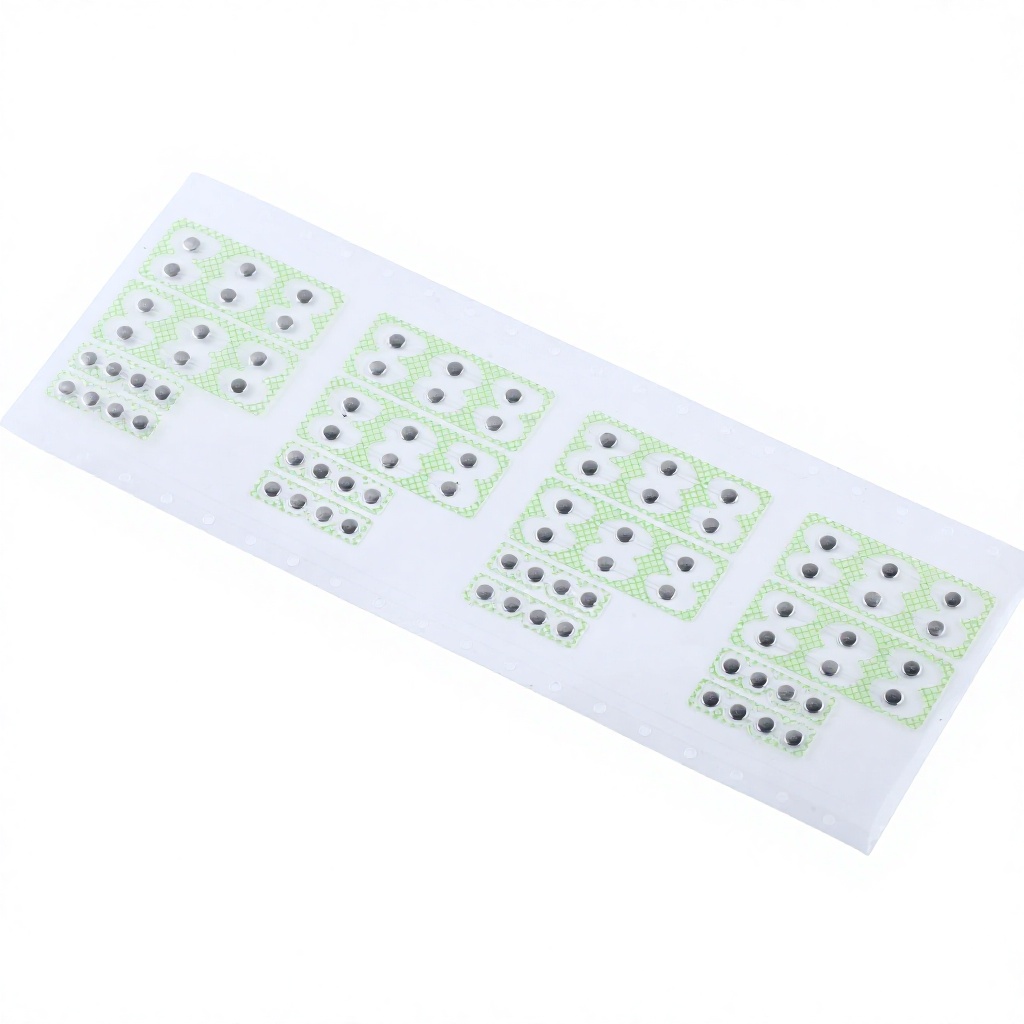
- Tactile Core Layer: Pre-assembled metal dome arrays featuring 4-legged cross SUS301 stainless steel domes (gold or nickel-plated) delivering 1,000,000+ switch operations.
- Circuit Substrate Layer: Screen-printed conductive silver traces with double-pass dielectric encapsulation to suppress electrochemical silver migration, or high-density flexible copper circuits (FPC).
- Rear Laminating Adhesive: Engineered transfer adhesives selected specifically to match customer housing plastics (ABS, Polycarbonate, Powder-Coated Cast Aluminum, or Stainless Steel).
- Connector Interconnect: Standard 2.54mm or 1.0mm pitch Female Clincher connectors, ZIF tails, or soldered board-to-board pin headers with moisture-seal potting.
| Substrate Parameter | Autotex XE Biaxial PET (Polyester) | Makrofol / Lexan PC (Polycarbonate) | Polyimide Flexible FPC Circuit |
|---|---|---|---|
| Flexural Mechanical Life | > 5,000,000 switch flex cycles | ~ 100,000 cycles (Prone to fatigue micro-cracking) | > 10,000,000 dynamic flex cycles |
| Chemical Resistance | Exceptional (Alcohols, Ketones, Caustic IP69 Washdowns) | Moderate (Degraded by aromatic hydrocarbons & esters) | Superior (Inert to common industrial chemicals) |
| Continuous Operating Temp | -40°C to +85°C (Ideal for outdoor Belgian ports) | -30°C to +75°C (Standard indoor commercial machinery) | -40°C to +125°C (High-temperature under-hood & automation) |
| Embossing Precision | Excellent thermal formability; permanent retention | Sharp cold/hot embossing definition | Not applicable (Substrate only) |
| Trace Electrical Density | 0.50mm pitch silver ink (Standard resistance) | 0.50mm pitch silver ink | 0.15mm ultra-fine copper traces (Minimal impedance) |
Localized Deployment Across Belgian Manufacturing Clusters
Belgium maintains a distinctive industrial topography characterized by heavy logistics, chemical handling, life sciences, and automated manufacturing. Cevra engineers interfaces configured to withstand local European operating constraints.
Port of Antwerp-Bruges: Petrochemical & ATEX
Antwerp hosts the largest integrated chemical cluster in Europe. Control equipment installed in refineries, fertilizer plants, and fuel jetties require hermetic explosion-proof design. Cevra constructs sparkless, low-voltage membrane panels sealed to IP67 with non-sparking gold-plated metal snap domes, eliminating mechanical friction ignition risks inside volatile Zone 1 and Zone 2 hazardous areas.
Flanders Smart Automation & Kortrijk Machine Tools
The manufacturing corridor spanning Ghent, Kortrijk, and Roeselare excels in automated textile weaving, food processing machinery, and robotic packaging. These machines experience high vibration, coolant splatter, and millions of operator inputs. Our high-cycle 4-legged metal dome arrays provide definite tactile feedback through operator work gloves, supported by oil-resistant 3M 300LSE adhesive bonds.
Leuven & Brussels HealthTech & In-Vitro Diagnostics
With world-leading university hospitals and biotech incubators in Flanders and Wallonia, medical device manufacturers require completely flat, microbial-resistant touch surfaces. We engineer antimicrobial textured PET overlays with flush capacitive touch sensing or polydome actuation, withstanding aggressive sterilization agents like Isopropyl Alcohol, Bleach, and Hydrogen Peroxide without delamination.
Walloon Heavy Industry, Rail & Defense Equipment
From the industrial basins of Liège and Charleroi to aerospace centers in Gosselies, railway signalling panels and defense vehicles demand extended thermal survivability (-40°C to +85°C) and immunity to electromagnetic interference (EMI/RFI). Cevra integrates solid aluminum backer plates and vacuum-deposited carbon/aluminum foil shields to prevent cross-talk and spurious switching signals.
Belgian Beverage & Food Processing Equipment
Belgium’s brewing, dairy, and confectionery production requires compliance with strict hygiene protocols. Interfaces mounted on high-pressure washdown conveyors must withstand water jets up to 80°C and 100 bar pressure. Our specialized IP69K perimeter-gasketed membrane switches prevent caustic detergents from reaching internal electrical contacts.
Emerging HMI Engineering Trends & EU Regulatory Mandates
Procuring electronic components for the European Single Market requires alignment with stringent environmental, safety, and operational standards. Here is how our engineering protocols address the evolving compliance landscape in Belgium.
Full REACH & RoHS 3 Material Compliance
Every raw material batch imported into Belgium must satisfy EU Regulation (EC) No 1907/2006 (REACH) regarding Substances of Very High Concern (SVHC) and RoHS Directive 2011/65/EU as amended by (EU) 2015/863. Cevra guarantees that all inks, adhesives, and PET films are 100% free of heavy metals, phthalates, and restricted flame retardants, backed by verified third-party SGS laboratory test reports.
Capacitive Touch & Light Guide Film (LGF) Integration
Belgian hardware designers are increasingly shifting away from purely mechanical pushbuttons toward sleek, flush capacitive touch sensors integrated with ultra-thin Light Guide Films (LGF). Cevra’s LGF technology leverages side-firing low-current SMD LEDs channeled through microscopic dot matrices to provide uniform, glare-free backlighting with power consumption reduced by up to 60%.
Circular Economy & Extended Lifecycle Engineering
In accordance with Belgium's Circular Economy Action Plan, industrial machinery must maximize operational lifespans and facilitate end-of-life component disassembly. By using premium SUS301 stainless steel domes and pure polyester spacer constructions, our switches retain crisp snap ratios (>45%) across 1,000,000+ actuations, minimizing field replacements and electronic waste.
Dongguan Cevra Electronic Technology Co., Ltd.
Established in March 2009 in Dongguan, Guangdong, Cevra operates a modern 2,600㎡ manufacturing plant dedicated exclusively to membrane switches, metal dome arrays, and graphic overlays. Verified on-site by the world-leading inspection institution SGS Group, our facility integrates complete vertical production under an ISO 9001 certified quality management system.
In-House Precision Printing
Equipped with semi-automatic and high-precision screen printers, automated tunnel drying ovens, and CCD optical alignment systems to guarantee layer-to-layer registration tolerances within ±0.05mm.
Metrology & Quality Laboratory
Our in-house QA lab houses computerized Dome Load-Deflection Force Testers, High/Low Temperature Thermal Shock Cabinets (-40°C to +150°C), Adhesive Peel Strength Testers, and Electric Pencil Hardness Gauges.
Agile Prototype to Volume Scaling
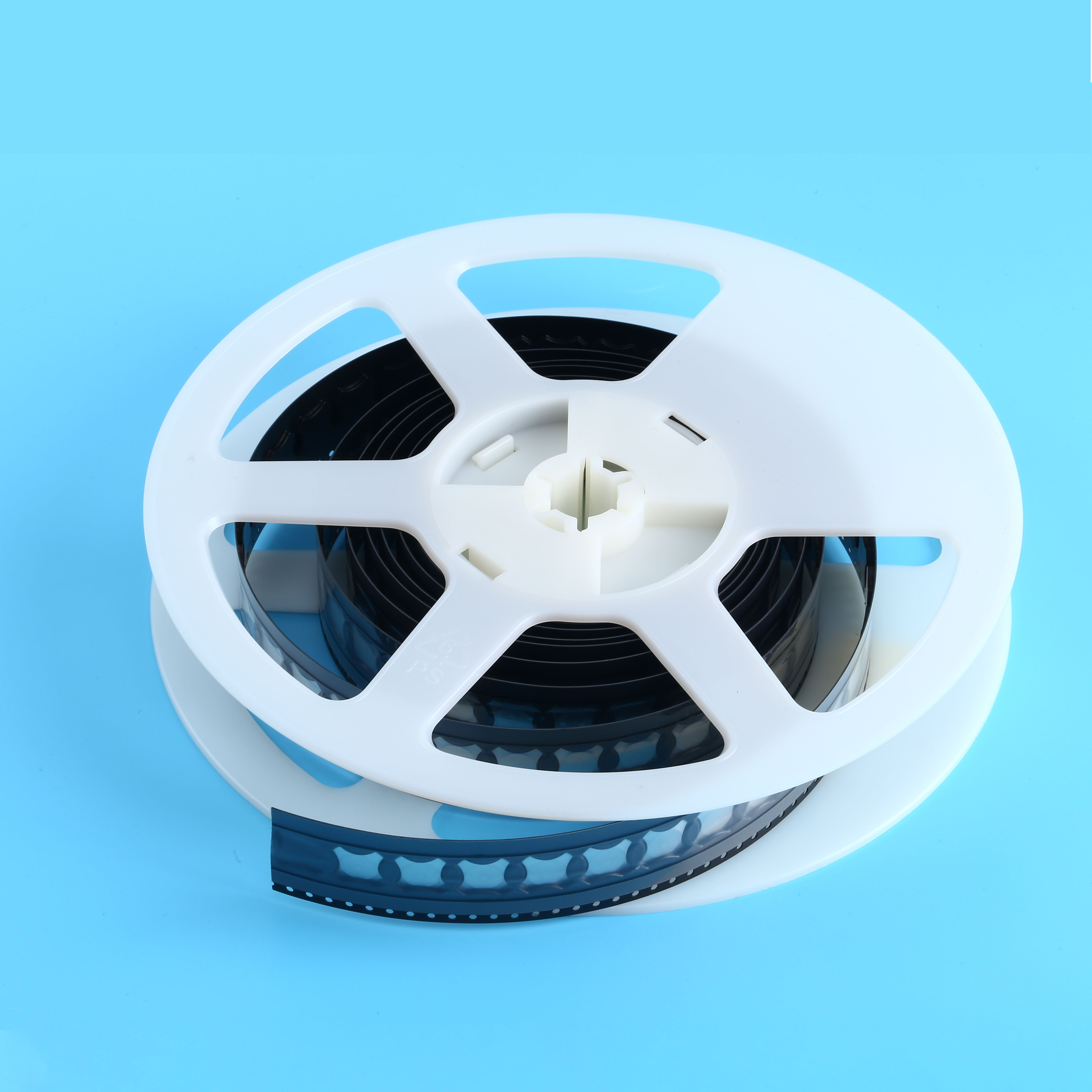
We support European engineering teams from early concept rapid prototyping (7-10 day turnaround) with low MOQs up to full automated reel-to-reel volume manufacturing exceeding 500,000 units monthly.
Frequently Asked Questions by Belgian Sourcing Specialists
Direct technical answers addressing international logistics, import documentation, mechanical customization, and testing standards for Belgian B2B clients.
Q1: How does Cevra manage freight and customs clearance into Belgium (Antwerp / Brussels)?
We routinely supply Belgian industrial buyers under diverse Incoterms, including DDP (Delivered Duty Paid), DAP, and FOB Shenzhen/Hong Kong. For air freight, shipments transit directly to Brussels Airport (BRU) or Liège Airport (LGG) in 3 to 5 business days via DHL/FedEx/UPS with complete commercial invoices, HS code classifications (typically 8537.10 or 8538.90), and Certificates of Origin for rapid EU customs clearance.
Q2: What technical CAD and graphic file formats are required to initiate an RFQ?
To deliver a comprehensive Design for Manufacturability (DFM) analysis and formal quote within 24 hours, our engineering department accepts vector graphic files (Adobe Illustrator .AI, .EPS, Vector .PDF) for the overlay artwork, alongside mechanical drawings in Autodesk AutoCAD (.DXF, .DWG) or 3D STEP/IGS files for housing fitment, embossing boundaries, and tail pinouts.
Q3: Can you match specific RAL or Pantone colors required by European machinery standards?
Yes. All overlay silk-screen inks are matched under standardized D65 lighting booths against the Pantone Matching System (PMS) or European RAL Classic System. We achieve a color deviation tolerance of Delta E < 1.0. For optical display windows, we calibrate tint density and transmission percentages precisely for seven-segment displays, LCDs, and TFT screens.
Q4: How does Cevra prevent silver migration in high-humidity Belgian maritime environments?
In coastal climates like Zeebrugge and Ostend, high ambient humidity combined with direct current (DC) potentials can induce dendritic silver migration between adjacent conductors. Cevra mitigates this by enforcing minimum trace spacing rules (>0.5mm), applying double-pass cross-over dielectric coatings, and offering carbon-ink shielding or flexible copper FPC circuits where absolute zero-migration reliability is essential.
Q5: What are the standard lead times for engineering prototypes and mass production runs?
Standard prototype samples (typically 5 to 10 pieces with laser-cut tooling) are completed and shipped within 7 to 10 working days following drawing approval. Serial production tooling and mass runs typically require 15 to 20 working days depending on batch size, backlighting complexity, and connector customization.
Q6: What minimum order quantities (MOQs) apply for custom OEM membrane switches?
Unlike large-scale commodity suppliers, Cevra operates flexible production scheduling. We accept prototype runs starting at just 10 to 50 pieces for custom membrane switch assemblies, and standard series production runs starting at 100 pieces. Loose tactile metal snap domes can be supplied in reels starting from 1,000 pieces.
Ready to Prototype Your Custom Industrial Membrane Switch?
Submit your vector drawings, PCB routing constraints, or tactile specification sheets. Our senior applications engineering team will deliver a comprehensive DFM review, layer stack-up proposal, and itemized quotation within 24 hours.