Featured Industrial Membrane Keypads & Tactile Dome Assemblies
Custom OEM/ODM configurations built to stringent ISO 9001:2015 quality standards, with rigorous IP67/IP68 ingress protection and multi-layer chemical resistance tailored for the Reykjavik industrial ecosystem.
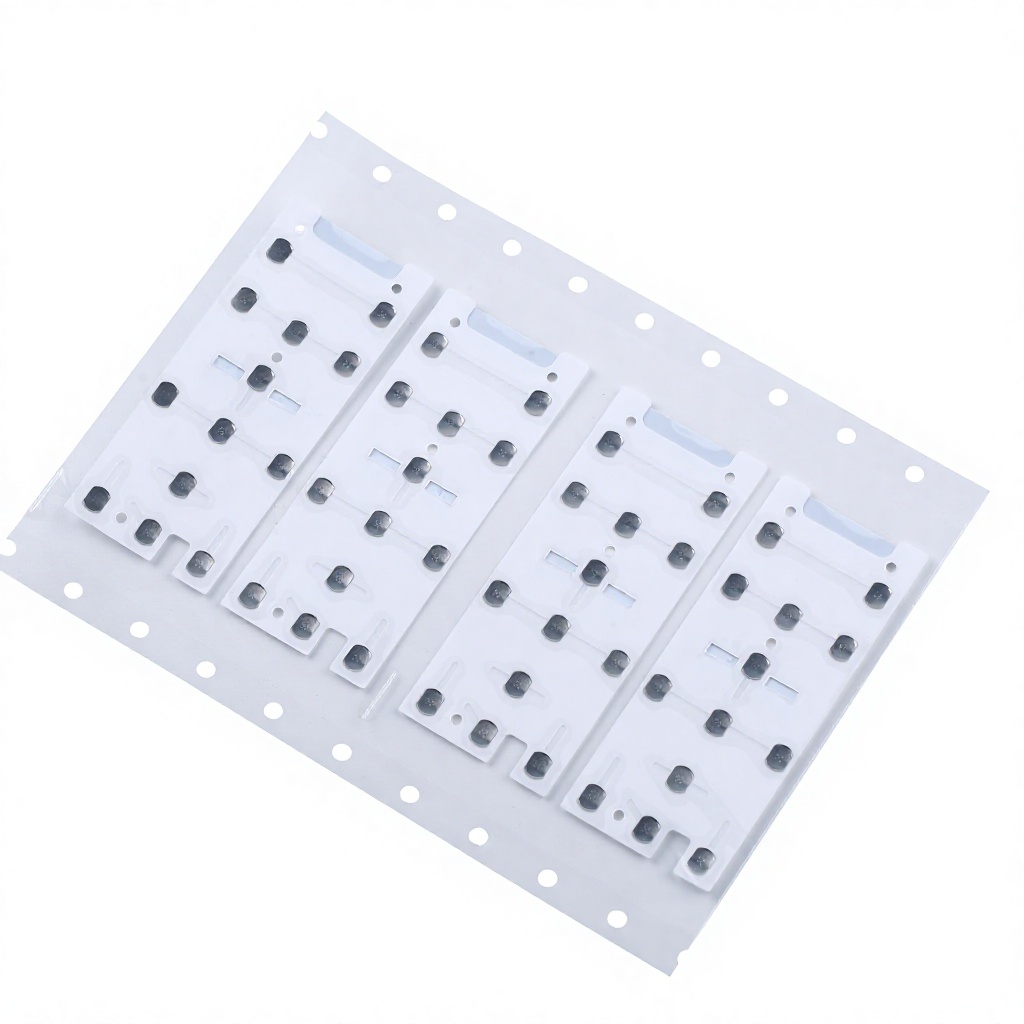
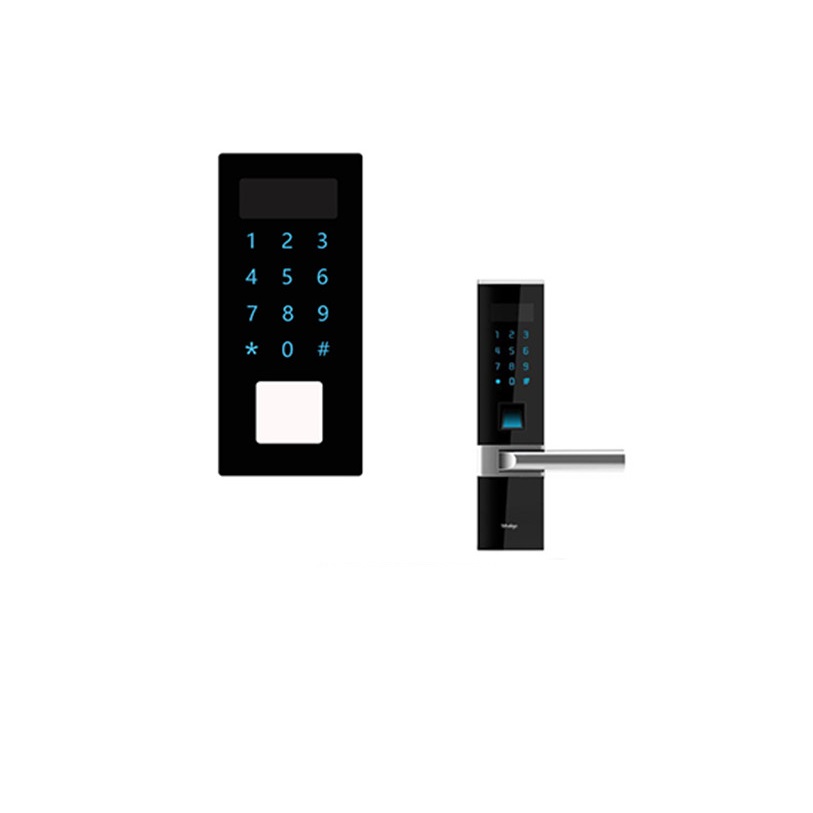
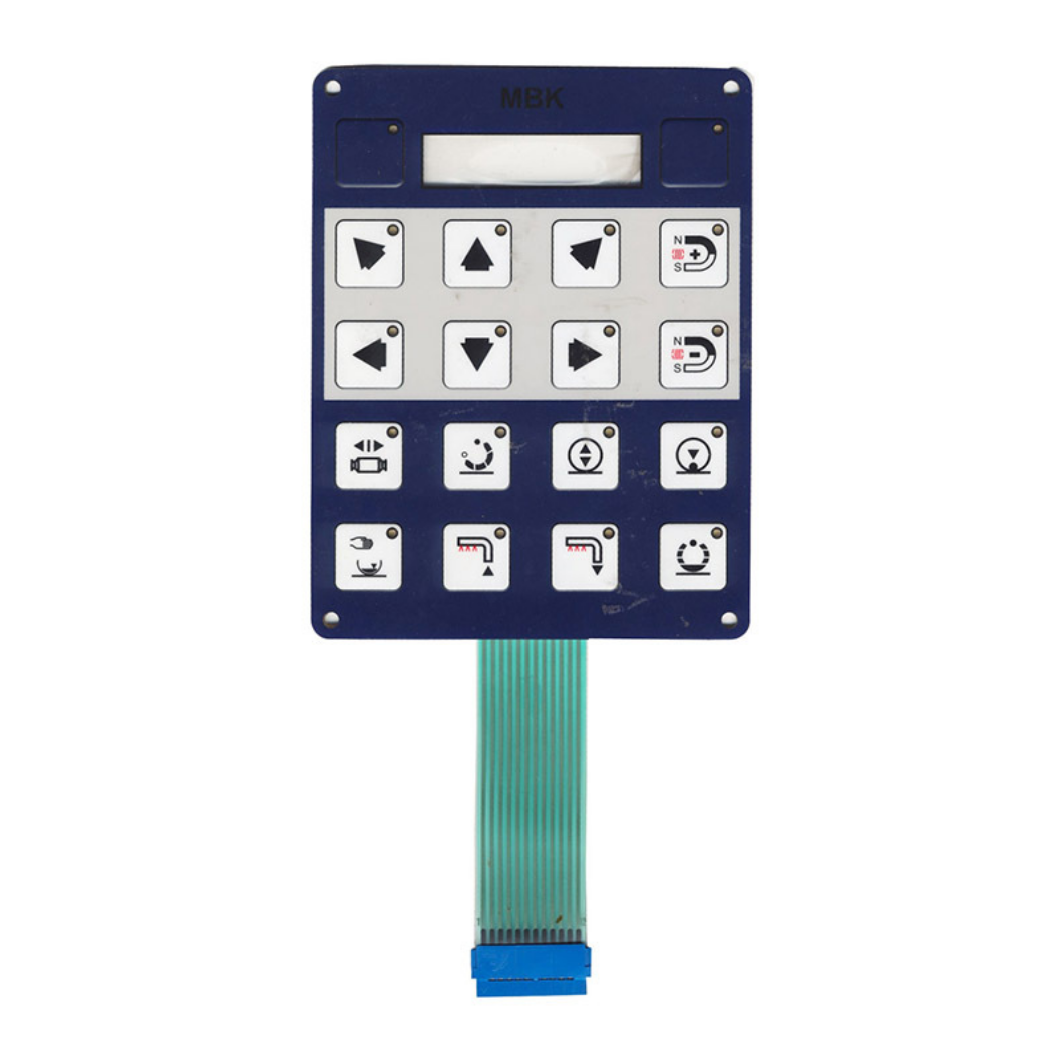
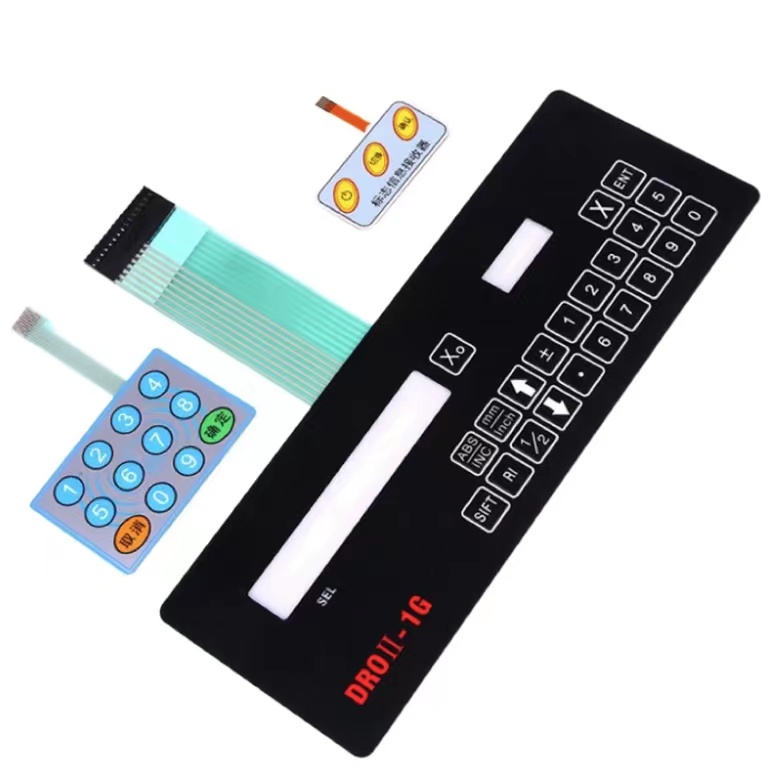
Engineering Membrane Keypads for the Icelandic Climate & Industrial Demands
Procuring human-machine interface (HMI) controls for deployment in the greater Reykjavik area and wider Icelandic territory presents distinct physical and material challenges rarely encountered in temperate regions. Equipment deployed in Reykjavik's industrial corridors—ranging from the marine automation clusters around the Old Harbour and Sundahöfn to geothermal energy complexes in Hellisheiði and Nesjavellir—must maintain uninterrupted tactile precision while resisting extreme sub-zero cold, moisture saturation, saline salt spray, and atmospheric hydrogen sulfide (H2S) gases.
Standard commercial membrane switches built using unsealed polyester sheets and basic silver-carbon circuitry inevitably fail in sub-arctic coastal environments. Micro-condensation permeates standard pressure-sensitive adhesives, triggering silver migration and dendrite formation that short-circuits critical control panels. Furthermore, brittle overlay materials lose flexural memory at -20°C, causing micro-fracturing along key perimeters. To overcome these failure mechanisms, Dongguan Cevra Electronic Technology Co., Ltd. incorporates specialized military- and marine-grade stack-up architectures tailored specifically for Nordic industrial systems.
Geothermal Gas Shielding
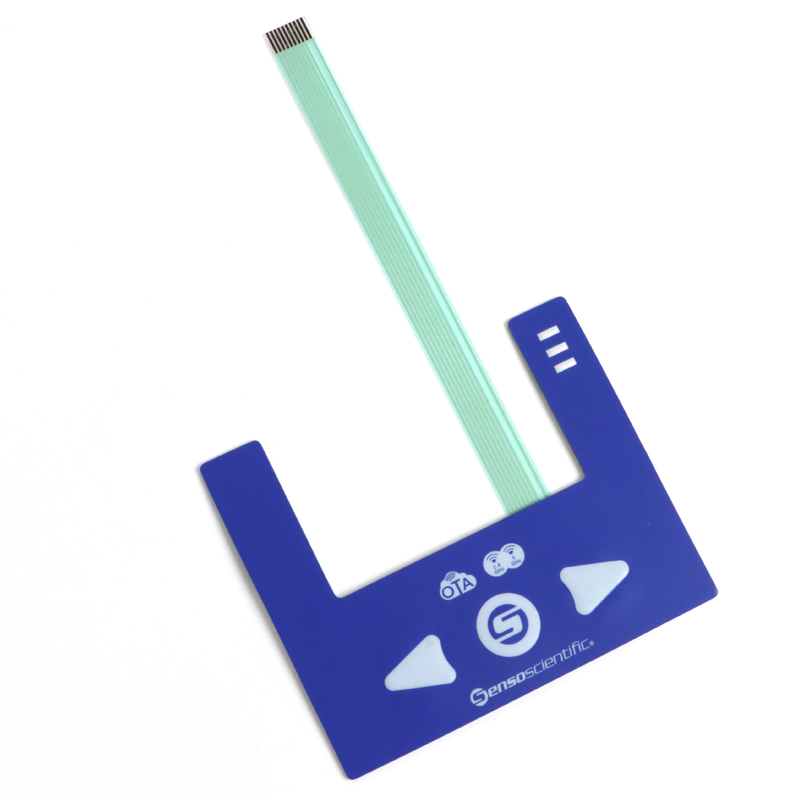
Reykjavik's proximity to geothermal extraction fields exposes outdoor and industrial electronics to ambient sulfur compounds. Cevra implements carbon-shielded silver conductors or copper-clad polyimide (FPC) circuits with gold plating, fully isolating traces from corrosive H2S oxidation.
Marine Saline Hermetic Sealing
For pelagic fisheries, trawler bridges, and dockside processing facilities, our continuous perimeter lamination utilizing 3M 467MP/468MP or 3M 300LSE adhesive matrices prevents high-pressure sodium hypochlorite and saline washdown ingress.
Sub-Zero Tactile Memory
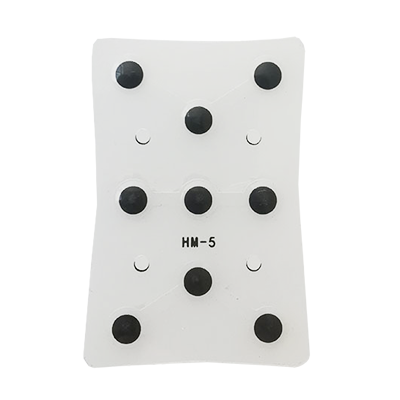
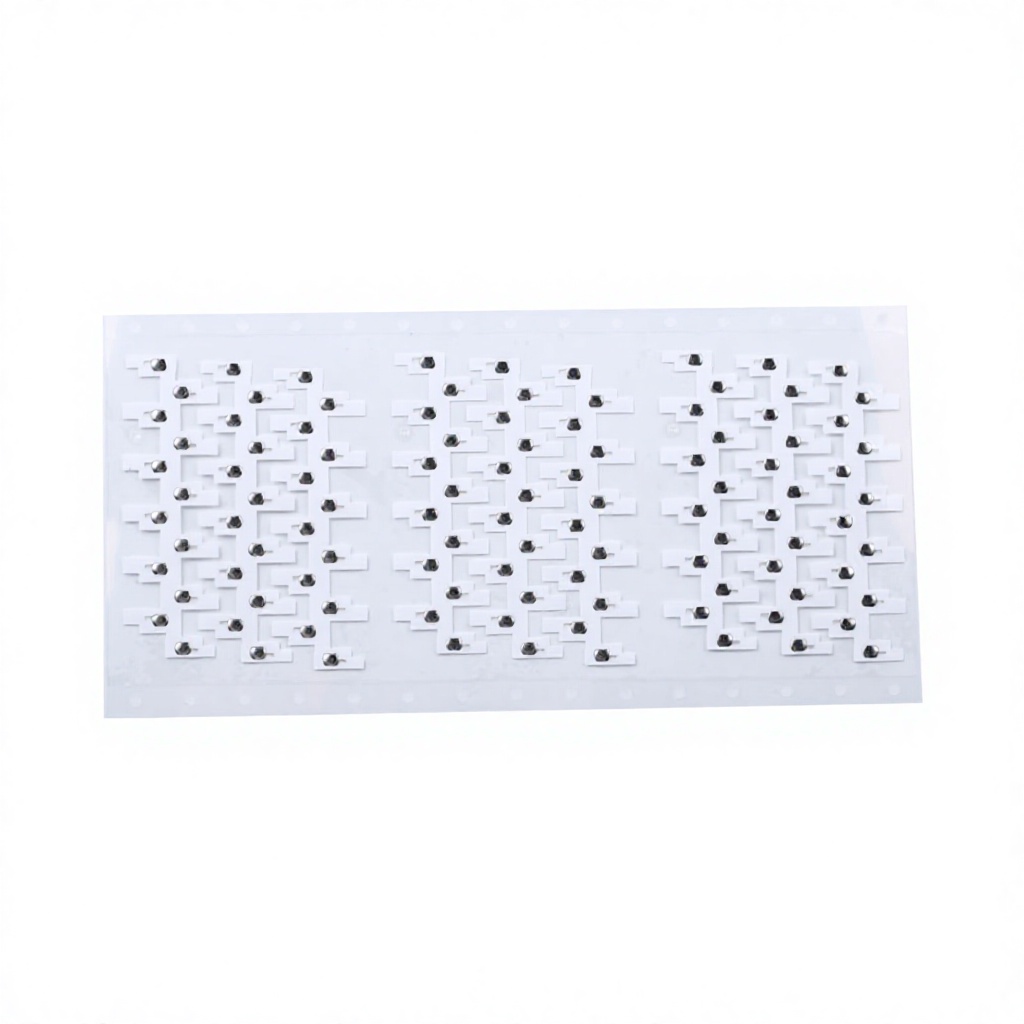
Utilizing premium SUS301 stainless steel tactile domes with trip forces ranging from 280g to 450g ensures operators wearing heavy industrial thermal gloves receive crisp, unambiguous tactile confirmation, even in sub-arctic temperatures down to -40°C.
Primary Application Sectors in Reykjavik & the Capital Region
The Icelandic industrial sector prioritizes extreme operational reliability, energy sustainability, and digitalized process control. Cevra provides localized engineering adaptations across three crucial domestic industries:
| Industry Sector | Operating Environment | Recommended Interface Architecture | Critical Material Standards |
|---|---|---|---|
| Commercial Marine & Fisheries Trawlers, grading machines, fish-gutting automation |
Aggressive salt spray, constant washdowns, fish oils, -25°C blast freezers. | Autotype Autotex XE (UV & low-temp resistant PET), metal dome array with internal perimeter moisture dams, backer aluminum plate. | IP67/IP69K sealing, DIN 42 115 chemical scratch resistance, 3M 300LSE adhesive. |
| Geothermal Energy & District Heating Wellhead telemetry, valve control panels, pump substations |
Sulfur dioxide, steam humidity, thermal cycling up to 85°C, airborne minerals. | Flexible printed circuits (FPC) with polyimide substrate, gold-plated contacts, airtight venting chambers fitted with hydrophobic membranes. | H2S sulfide-resistant conductor alloys, flame retardant UL94-V0 compliance. |
| Food Processing & Biotechnology Aquaculture sensors, dairy processing, health supplement packaging |
High-pressure cleaning fluids, caustic alkaline wash, sterilization cycles. | Smooth antimicrobial PMMA or textured polyester graphic overlays, flush capacitive touch or rim-embossed tactile switches. | FDA-grade surface inertness, seamless wipe-down surface without dirt traps. |
| Arctic Telematics & Infrastructure Weather monitoring stations, search & rescue transport, harbor cranes |
Severe icing, UV exposure, high vibration, gloved operation. | Light Guide Film (LGF) or LED embedded backlighting, 4-leg dimpled SUS301 snap domes (350g actuation), high-contrast graphic overlays. | MIL-STD-810H shock and vibration resistant, anti-glare display windows. |
Material Stack-Up Analysis: Polycarbonate (PC) vs. Biaxially-Oriented PET
When engineering graphic overlays for Scandinavian and North Atlantic environments, material selection directly determines service life. While Polycarbonate (PC) is common for indoor consumer goods due to its low cost and ease of thermoforming, Biaxially-Oriented Polyethylene Terephthalate (PET) is the non-negotiable benchmark for industrial Reykjavik deployments.
1. Flex Fatigue & Switch Cycle Life: Biaxially oriented PET retains molecular flexibility up to 5,000,000 continuous switch depressions without stress crazing or hinge failure. Polycarbonate displays micro-stress whitening after approximately 100,000 cycles, accelerating failure when actuated repeatedly in sub-zero machinery cabins.
2. Chemical & Solvent Resistance: Industrial processing facilities in Hafnarfjörður and Kópavogur routinely clean HMI panels with isopropyl alcohol, dilute acids, and chlorinated sanitizers. Untreated PC experiences immediate surface hazing and micro-fissuring upon exposure to cleaning hydrocarbons, whereas hard-coated PET (e.g., MacDermid Autotype) demonstrates total inertness against aggressive industrial reagents.
3. Low-Temperature Embrittlement: Standard plastics encounter glass transition embrittlement under extreme Icelandic winter temperatures. Cevra utilizes specialized sub-zero formulation PET films rated for dynamic flexure at temperatures as low as -40°C, ensuring switch tactile travel remains smooth and responsive without mechanical fracture.
Why Cevra Electronic Technology is the Strategic OEM Partner for Iceland
Founded in March 2009 in Dongguan, China—the epicenter of global electronics hardware manufacturing—Dongguan Cevra Electronic Technology Co., Ltd. has developed over 16 years of domain-specific mastery in membrane keypads, metal dome arrays, and custom graphic touch panels. We bridge direct factory-floor pricing with high-reliability engineering standards demanded by European and Nordic procurement managers.
ISO 9001 & SGS Audited
Our operations function under a verified ISO 9001 quality management system. The factory facility, production infrastructure, and test labs have undergone rigorous onsite inspection by SGS Group, providing verifiable proof of manufacturing competence.
Comprehensive In-House Tooling
From precision CCD screen printing, laser contour profiling, and automatic dome placement to high-speed die punching, every manufacturing step is completed inside our 2,600㎡ facility, giving clients total traceability and fast DFM turnaround.
Rapid Nordic Logistics
We routinely supply engineering companies throughout the European Economic Area (EEA). With direct air express routes to Keflavík International Airport (KEF), custom pre-production prototypes reach Reykjavik design benches within 5–7 business days.
Frequently Asked Questions (FAQ) for Icelandic Procurement Engineers
Direct answers addressing supply chain logistics, sub-arctic thermal durability, compliance certifications, and technical design verification for clients based in Reykjavik and throughout Iceland.
Q1: How do your membrane switches handle rapid thermal cycling between heated interiors and Icelandic outdoor sub-zero temperatures?
Our membrane assemblies undergo thermal-shock validation in our environmental chambers (-40°C to +85°C). By matching the thermal expansion coefficients of our polyester overlay films with modified acrylic 3M adhesives and utilizing vented dome configurations with hydrophobic breathable micro-filters, we eliminate internal vacuum collapse and condensation buildup.
Q2: Can your overlays withstand hydrogen sulfide (H2S) exposure found near geothermal energy sites?
Yes. For geothermal power stations and district heating networks around Hengill, Hellisheiði, and Reykjanes, we eliminate exposed silver traces by transitioning to Flexible Printed Circuit (FPC) copper conductors plated with nickel and immersion gold (ENIG). Additionally, circuit boundaries are encapsulated with chemical-resistant potting agents.
Q3: What is the Minimum Order Quantity (MOQ) for prototypes and low-volume specialized marine runs?
We maintain an agile, low-barrier prototyping policy for engineering innovators and custom system integrators. Initial graphic overlay and prototype membrane switch runs begin at just 10 pieces. For pilot series production, standard MOQs range from 50 to 100 units, scaling seamlessly to mass production volumes of 50,000+ units.
Q4: How are import duties, Icelandic customs (Tollstjóri), and shipping typically managed?
Products shipped to Iceland from our facility are accompanied by complete commercial invoices, HS codes (typically HS 8537.10 or 8538.90), packing lists, and Certificates of Conformity. Shipments arrive via DHL, FedEx, or UPS direct to Keflavík (KEF) or Reykjavik, where your customs broker or freight agent easily completes VAT (VSK) clearance.
Q5: What file formats do your CAD engineers require to provide Design for Manufacturability (DFM) feedback?
We accept CAD files in DXF, DWG, and STEP formats for dimensional and mechanical outlines. For artwork, schematic traces, and PMS/RAL color matching, vector files in Adobe Illustrator (.AI), vector PDF, or CorelDraw (.CDR) are ideal. Our engineering team returns full DFM layer stack-up drawings within 24 hours.
Q6: Do your products comply with European environmental and safety directives?
All materials and adhesives sourced by Cevra comply fully with EU REACH regulations and RoHS Directives (EU 2015/863). Relevant material safety data sheets (MSDS) and declarations of conformity are provided with each production batch, satisfying all Icelandic Environmental Agency requirements.