16+
Years Engineering Expertise
2,600㎡
ISO 9001 Certified Clean Facility
1,000,000+
Actuation Cycle Durability
IP67/68
Saline & Moisture Ingress Sealing
Precision Manufactured Components
Standard & Custom Industrial Input Devices for Bergen Applications
Direct OEM manufacturing profiles engineered to withstand heavy vibration, saline maritime moisture, hydrocarbon exposure, and abrasive industrial washdown cycles.
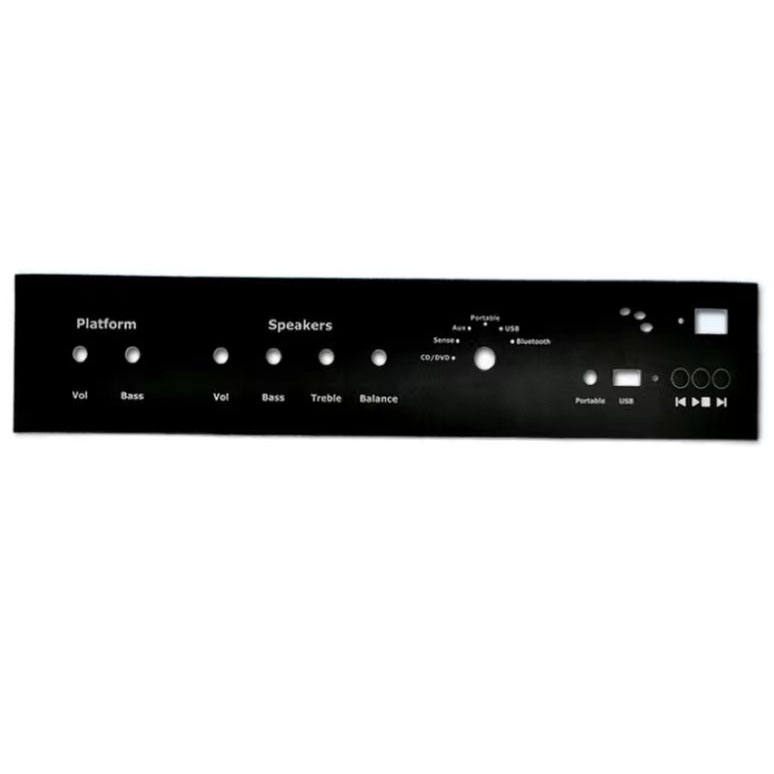
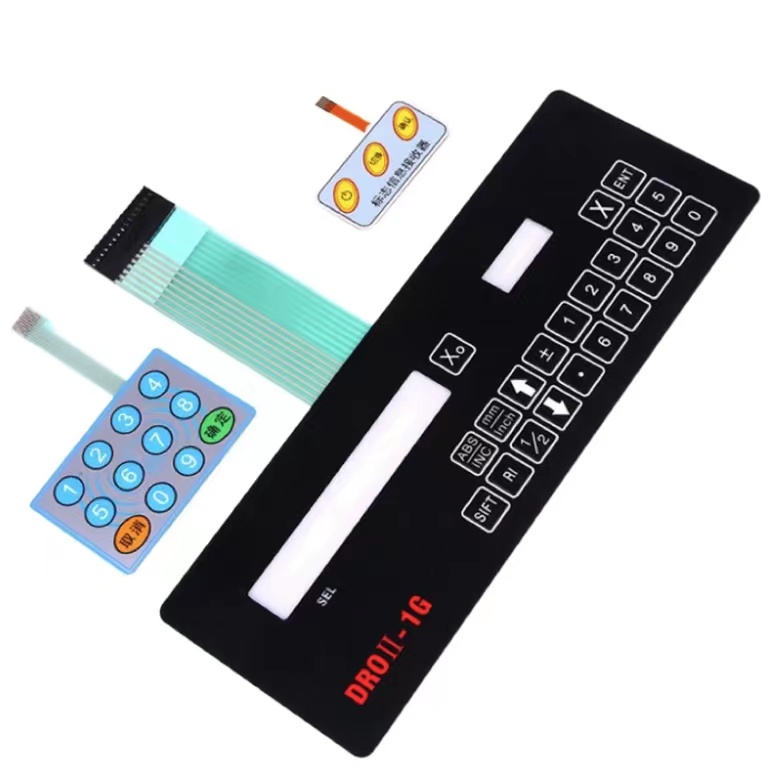

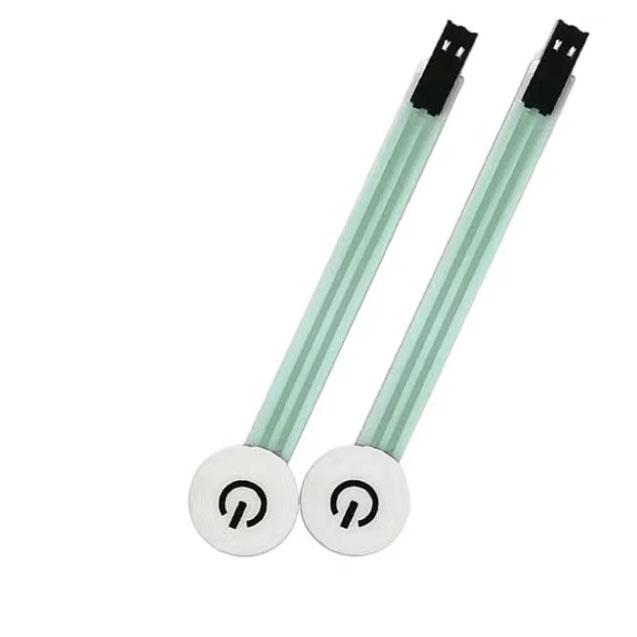
Engineering Resilient HMI Solutions for Bergen's Harsh Industrial Landscape
Situated along the southwestern coast of Norway, Bergen is universally recognized as the operational epicenter of North Sea offshore energy exploration, maritime shipping, subsea technology, aquaculture production, and marine robotics. However, deploying electronics within the Vestland county corridor presents some of the most unforgiving atmospheric and mechanical challenges anywhere in the world. With an average of over 200 days of precipitation annually, severe saline coastal fog, continuous sub-zero wind chills, and heavy offshore vibration, standard commercial control panels experience catastrophic failure modes within months of commissioning.
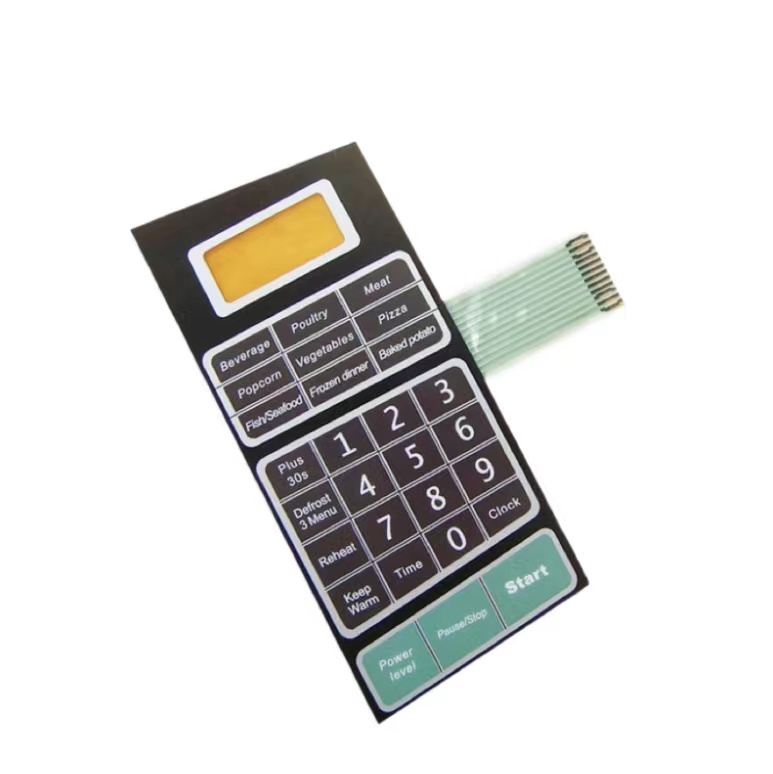
For mechanical design engineers, electrical system integrators, and OEM procurement managers in Bergen, specifying human-machine interface (HMI) modules requires moving beyond generic membrane switches. At Dongguan Cevra Electronic Technology Co., Ltd. (Cevra), we deliver deep material science integration, precision layer laminations, and advanced circuit architectures engineered specifically to combat North Sea galvanic corrosion, elastomeric embrittlement, and high-pressure water ingress.
Atmospheric Challenges: Mitigating Salt Spray, Galvanic Corrosion, and Condensation
Marine and offshore environments surrounding Bergen harbor continuous concentrations of airborne chloride ions. When ambient moisture penetrates switch enclosures, standard silver-printed ink traces suffer rapid silver migration and electrolytic dendrite growth, causing irreparable circuit bridging and unintended switch actuations.
To prevent dendrite bridging in high-humidity fjord and marine settings, Cevra implements strict carbon-overcoat shielding over all conductive silver traces. Furthermore, our engineering team utilizes high-temperature curing dielectric barrier polymers that form a hermetic envelope around critical silver busways. Where marine electronics must interface with subsea power units or hazardous atmospheres, we offer Flexible Printed Circuit (FPC) copper-etched polyimide substrate layers with gold immersion plating (ENIG). This architecture provides complete immunity to sulfurous hydrocarbons, saline vapor, and internal condensation cycles experienced during rapid temperature fluctuations between heated engine control rooms and arctic deck installations.
Material Selection: Autotex XE Biaxial PET vs. Polycarbonate Overlays
A frequent failure point observed in coastal Norwegian installations is graphic overlay delamination and micro-cracking caused by UV degradation coupled with low-temperature embrittlement. Standard polycarbonate (PC) graphic overlays, while cost-effective and easy to emboss, exhibit progressive yellowing, solvent sensitivity to hydraulic fluids, and micro-fissuring below -10°C.
For Bergen industrial equipment builders, Cevra specifies premium Autotex XE (outdoor-grade textured biaxially oriented polyethylene terephthalate). Autotex XE possesses an ultraviolet-cured hardcoat formulation tested to withstand over 2,000 hours of accelerated weathering (ASTM G154), resisting both solar breakdown on vessel bridges and chemical scouring during daily sodium hypochlorite chemical washdowns across aquaculture processing docks.
Application Matrix: Custom Keypad Deployment Across Bergen's Core Industries
Bergen's industrial economy is uniquely specialized. HMI components must be adapted to distinct operational criteria across various sectors. Below are the key applications where Cevra’s custom membrane switches, metal dome arrays, and capacitive panels perform daily:
Offshore Oil & Gas Platforms
Installed on hazardous zone deck terminals, drilling console backups, and mud-logging analyzers. Designed with non-sparking sealed tactile snap domes, intrinsic safety insulation (IECEx compatible), and chemical resistance to synthetic crude, diesel, and degreasers.
Maritime Vessel Bridges & Winches
Integrated into dynamic positioning systems, bow-thruster controls, deck winches, and navigation consuls. Featuring uniform LED backlighting or Light Guide Film (LGF), night-vision dimming capabilities, and high-tactile snap domes operable with heavy insulated safety gloves.
Subsea Robotics & ROV Control Topsides
High-precision remote operator consoles, umbilical tether monitors, and topside subsea camera switchers. Utilizing matrix membrane circuits with millisecond debouncing, gold-plated SUS301 metal dome contacts, and low contact resistance (<10Ω).
Aquaculture & Fish Processing Lines
Pelagic sorting machinery, automatic feeding feed barges, and vacuum processing interfaces. Sealed to IP67/IP69K standards using continuous perimeter 3M 300LSE adhesive gaskets to resist 80-bar high-pressure hot water sanitization and organic fish oils.
Offshore Wind & Grid Substations
Turbine tower maintenance switchgear, battery energy storage system (BESS) interfaces, and transformer substations stationed along the North Sea shelf. Engineered for extended thermal cycles from -40°C to +85°C without adhesive creeping or layer displacement.
Harbor Cranes & Stevedoring Equipment
Heavy port machinery, container spreader controllers, and electric tugboat winches at the Port of Bergen. High-actuation force domes (350g to 500g) provide crisp physical feedback, preventing false trips from accidental impact or heavy mechanical vibration.
Engineering Comparison: Keypad Architecture Selection Matrix
Selecting the proper mechanical stack-up is crucial for preventing in-field failures. The following comparative table highlights the key physical, electrical, and environmental metrics evaluated by Norwegian engineering departments:
| Evaluation Parameter | Autotex XE PET + Metal Dome | Flexible FPC Copper Membrane | Capacitive Touch Film Panel | Silicone Booted Membrane |
|---|---|---|---|---|
| Tactile Actuation Feel | Sharp, crisp physical click (50%-65% snap ratio) | Crisp physical snap or silent options | Zero mechanical travel (buzzer/LED feedback) | Soft elastomeric travel (1.0mm - 2.5mm) |
| Operating Temperature | -40°C to +85°C continuous | -40°C to +105°C continuous | -20°C to +70°C | -45°C to +120°C |
| Trace Resistance Rating | <1.0 Ω/cm (Silver w/ carbon shield) | <0.05 Ω/cm (Etched Copper) | High resistance ITO / Carbon | Variable based on backing switch |
| Glove Operation Compatibility | 100% effective with Arctic heavy gloves | 100% effective with Arctic heavy gloves | Requires customized firmware tuning | Excellent, deep travel tactile feel |
| Sealing Classification | IP65 to IP68 (with full perimeter seal) | IP67 to IP68 hermetically sealed | IP65 to IP67 surface washable | IP66 to IP68 molded perimeter lip |
| Contact Life Expectancy | > 1,000,000 cycles (SUS301 Domes) | > 3,000,000 cycles | > 5,000,000 touch cycles | > 500,000 to 1,000,000 cycles |
| Chemical / Saline Resistance | Excellent against NaCl, oils, weak acids | Immune (fully encapsulated layers) | High against non-abrasive detergents | High, requires fluorosilicone for fuels |
Why Norwegian Buyers Partner with Dongguan Cevra Electronic Technology
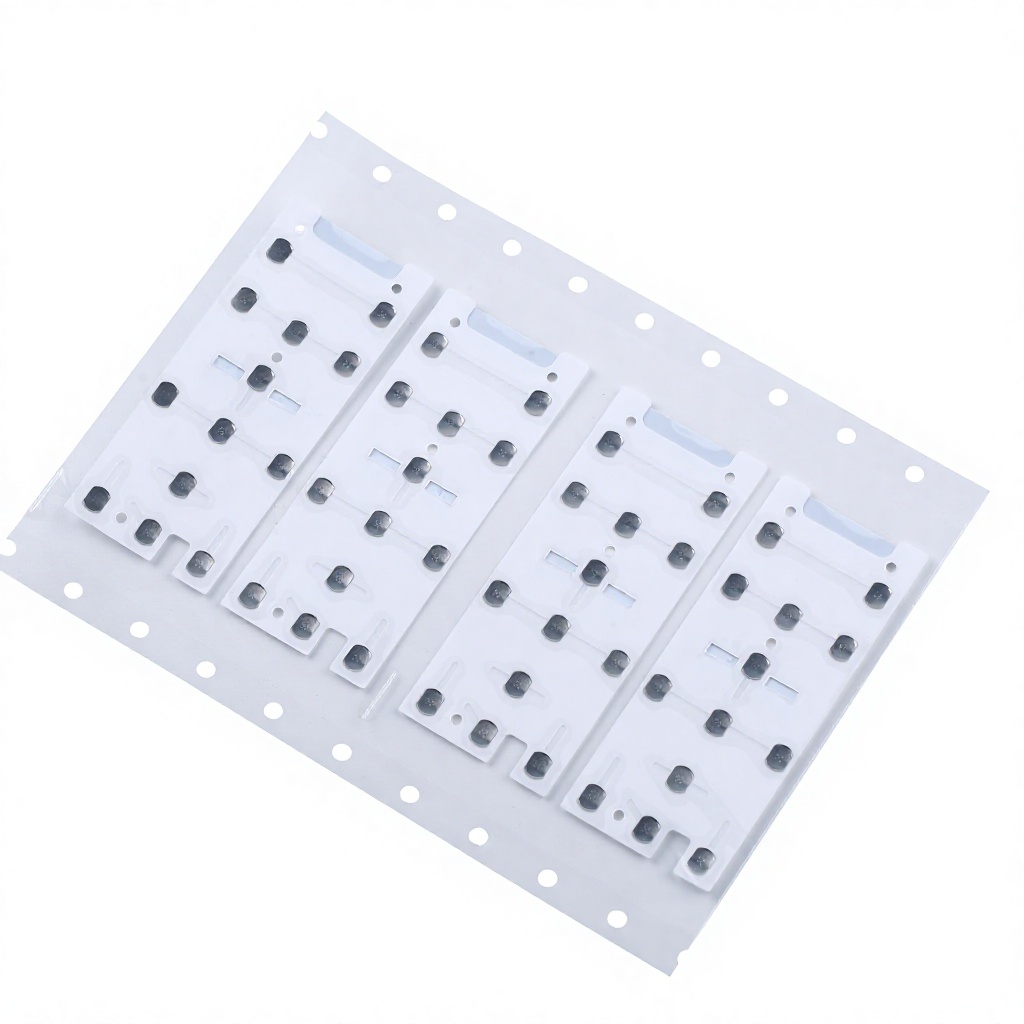
Navigating international procurement requires verifiable reliability, direct engineering-to-engineering accountability, and consistent quality repeatability. Established in March 2009 in Dongguan, Guangdong, China, Dongguan Cevra Electronic Technology Co., Ltd. has evolved into a world-class dedicated manufacturer of membrane switches, tactile metal domes, pre-assembled dome arrays, graphic overlays, and capacitive sensor films.
ISO 9001 & SGS Onsite Verified
Our facility operates under a stringent ISO 9001 quality management framework. Our manufacturing premises, production capacities, cleanroom standards, and workforce have been thoroughly verified onsite by SGS Group, providing European buyers complete supply chain transparency.
2,600㎡ Integrated In-House Production
Unlike trading entities, every phase of your keypad production takes place under our direct roof. We house semi-automatic screen printing lines, precision CCD drilling machines, automatic layer laminators, high-speed stamping presses, and computerized laser cutting systems.
Exhaustive In-House Reliability Lab
Every production batch is backed by rigorous empirical testing: dome load-deflection curve testers, high/low temperature climate cabinets (-40°C to +125°C), peel force tension gauges, tack testers, and surface pencil hardness meters (ASTM D3363) up to 3H.
DFM Feasibility & Rapid Sampling
Send us your DXF, DWG, STEP, or AI vector files. Our senior HMI engineers return complete Design for Manufacturability (DFM) reviews within 24 hours. Rapid functional prototypes can be produced and air-shipped to Bergen in as fast as 5 to 7 business days.
Flexible MOQs for Specialized Machinery
We recognize that Bergen’s high-value maritime and subsea equipment is built in precision batches rather than millions of consumer units. We support custom graphic overlay keypads starting from just 10 pieces and membrane switch runs from 100 units.
Direct Export Logistics to Western Norway
Experienced in international trade facilitation, complete RoHS and REACH documentation, ESD protective export packaging, and reliable express air-courier delivery straight to Bergen Airport (BGO) or Flesland freight forwarding depots.
Bergen Industrial Sourcing Trends: Shifts Toward Direct Factory Integration
Over the past decade, the procurement landscape across Bergen and Western Norway has transformed significantly. Norwegian OEMs, equipment fabricators, and robotics developers face increasing margin pressures and tighter delivery deadlines. Historically, Scandinavian engineering firms relied on local Nordic intermediaries or pan-European distributors to source customized membrane panels and metal dome assemblies. However, this multi-tier distribution model often introduces extended lead times (12–16 weeks), rigid minimum order requirements, and distorted communication between the design engineer and the physical factory floor.
Today, Bergen technical buyers increasingly establish direct factory partnerships with specialized ISO 9001 certified manufacturers like Cevra. Key factors driving this trend include:
- Compressed Innovation Cycles: With the acceleration of autonomous underwater vehicles (AUVs), electrified vessel propulsion systems, and digital aquaculture feeding barges, Bergen engineering teams require iterative prototyping cycles. Direct communication with Cevra’s CAD and screen-printing engineers allows rapid design revisions in days rather than months.
- Total Cost of Ownership (TCO) Optimization: Removing intermediary margins lowers unit acquisition costs by 30% to 50% while simultaneously securing direct access to custom tooling, custom metal dome dies, and matched Pantone/RAL color formulations without markup penalties.
- Compliance Rigor for the Norwegian Maritime Cluster: Norwegian maritime projects demand stringent compliance documentation. Cevra provides full material declaration sheets covering RoHS, REACH, flammability ratings (UL 94V-0 / 94VTM-2), and certificate of conformances (CoC) matching DNV-GL and Norwegian regulatory expectations.
Frequently Asked Questions: Sourcing Keypads for Bergen Projects
Direct technical answers to common questions asked by Norwegian project managers, hardware architects, and sourcing specialists:
How do you ensure your membrane keypads survive Bergen's high-salinity marine environment?
We utilize a multi-barrier defense strategy. First, we employ continuous perimeter gaskets laminated with authentic 3M 300LSE or 3M 200MP adhesives that block moisture ingress up to IP67/IP68 standards. Second, all conductive silver traces receive a continuous screen-printed conductive carbon overcoat to prevent silver ionization and galvanic dendrite growth. Third, we specify Autotex XE PET film that resists UV embrittlement and salt crystallization. Finally, circuit tails can be sealed with UV dielectric coats or converted to copper FPC circuits with gold-plated contact fingers.
Can your metal dome keypads be operated effectively by personnel wearing thick offshore gloves?
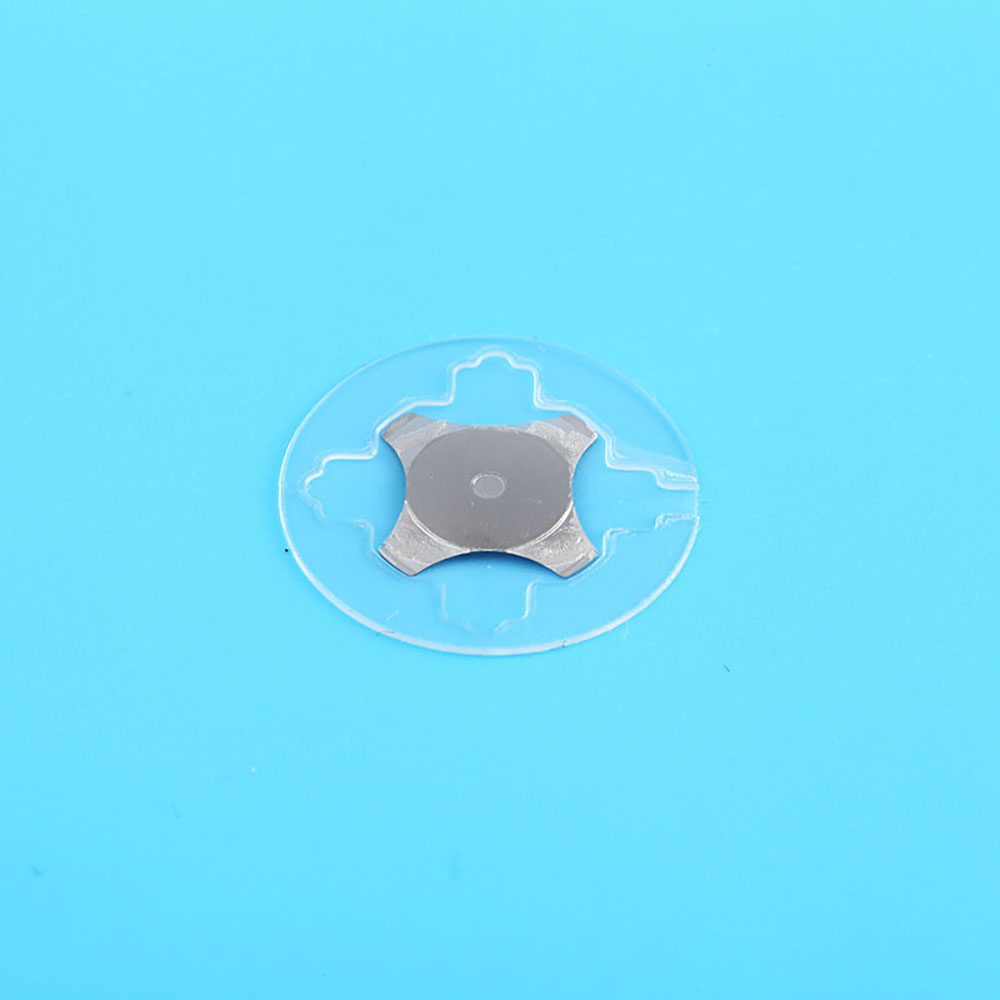
Yes. Standard consumer membrane switches typically utilize 150g to 220g actuation force domes with minimal tactile travel, which are unnoticeable through insulated offshore gloves. For Bergen maritime, winch, and crane installations, we engineer switches using heavy-tactile 4-legged cross domes (such as our 10mm or 12mm SUS301 stainless steel domes) calibrated with actuation forces between 350g to 500g and high snap ratios (55% to 65%). Furthermore, we implement distinct rim or pillow key embossing (0.3mm to 0.5mm elevation) on the graphic overlay to allow positive finger positioning even in zero-visibility storm conditions.
What technical design files are required to receive an engineering review and quotation?
To provide a detailed DFM analysis and quotation, we accept vector graphic artwork files (Adobe Illustrator .AI, .EPS, Vector .PDF) with color specifications defined via Pantone (PMS) or RAL color codes. For mechanical outline dimensions, embossing heights, tail exit routing, and connector pinouts, we recommend 2D CAD files (AutoCAD .DWG, .DXF) or 3D STEP/IGES models. If you have an existing physical sample from a discontinued line, you can mail it to our facility for reverse engineering.
What are the standard production lead times and shipping times to Bergen, Norway?
Following artwork proof and layer stack-up sign-off, functional prototype samples are manufactured in 5 to 8 business days. Standard production batch runs generally require 12 to 18 business days, depending on complexity (e.g., LED soldering, rigid backplate lamination). We ship directly to Bergen via international express couriers (DHL Express, FedEx Priority, UPS), which typically deliver within 3 to 5 business days to addresses across Bergen, Sandsli, Kokstad, or Ågotnes.
Do you accommodate low minimum order quantities (MOQs) for pilot runs or custom machinery?
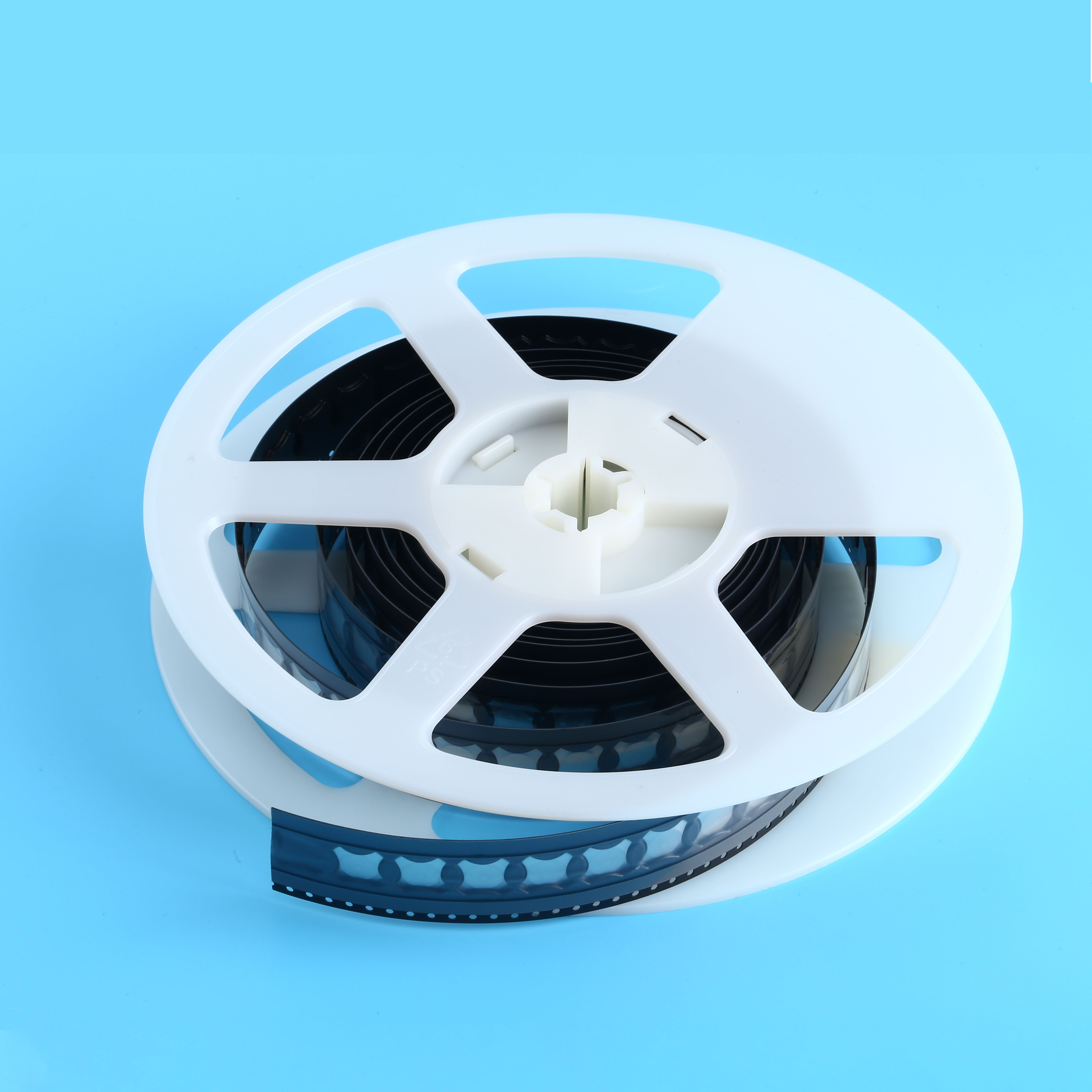
Absolutely. We understand that high-tech industrial, subsea, and offshore hardware often requires small, specialized batch volumes. We offer pilot run flexibility with graphic overlay panels starting from as low as 10 pieces, and fully assembled custom membrane keypads starting at 50 to 100 pieces. Individual metal domes and dome arrays are supplied in reel or sheet packaging from 1,000 pieces.
How do you verify tactile feel repeatability across high-volume production batches?
Quality consistency is maintained through calibrated, automated instrumentation. Cevra utilizes specialized computer-controlled Dome Load Testers that plot the complete force-deflection curve for sample units taken from every stamping run. We measure peak actuation force (F1), contact closure force (F2), and return snap force (F3) to ensure the tactile snap ratio remains within ±15g of engineering specifications. Electrical contact resistance and dielectric insulation are 100% verified using automated cable/harness testing fixtures prior to export packaging.
Collaborate Directly with Cevra’s HMI Design Engineers
Whether you are prototyping a next-generation subsea acoustic console, retrofitting a maritime engine control deck, or upgrading fish processing machinery in Bergen, our engineering team is ready to analyze your technical requirements and provide comprehensive layer stack-up proposals.