16+
Years Manufacturing Experience
2,600㎡
Cleanroom Production Floor
1,000,000+
Actuation Lifecycle Ratings
IP67/NEMA 4X
Hermetic Environmental Sealing
Precision Product Portfolio
Engineered HMI Solutions & Dome Arrays
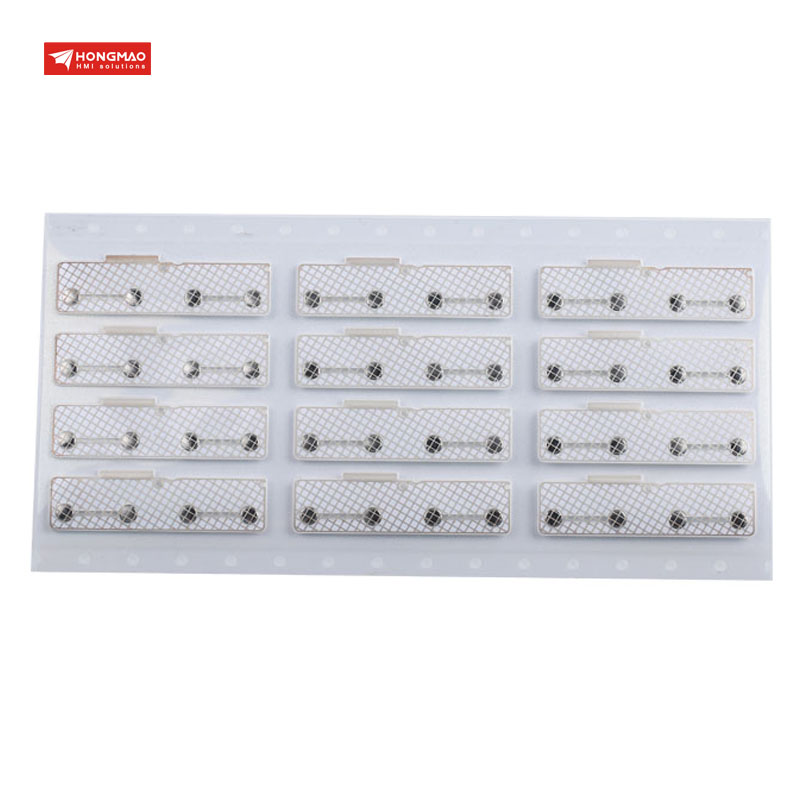
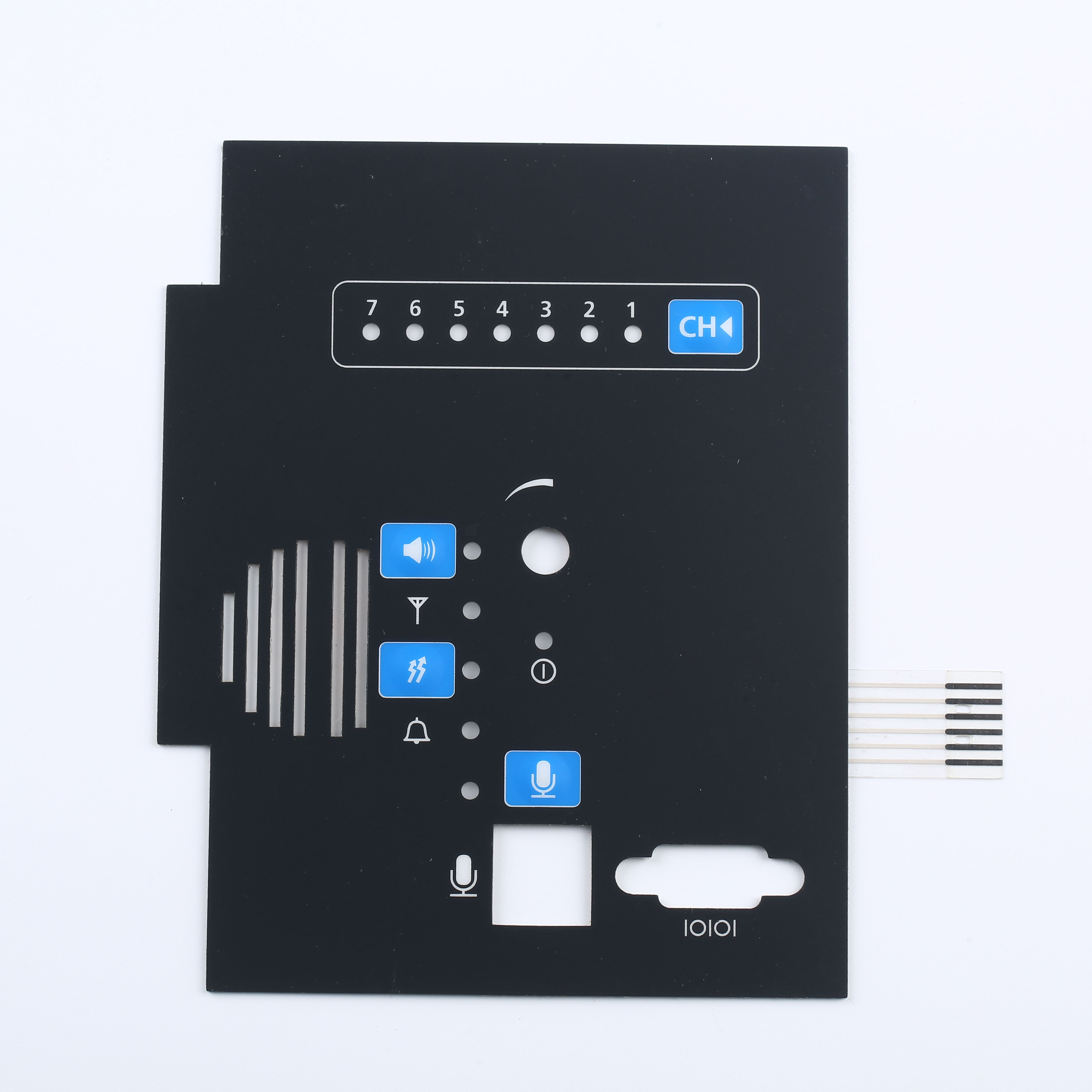
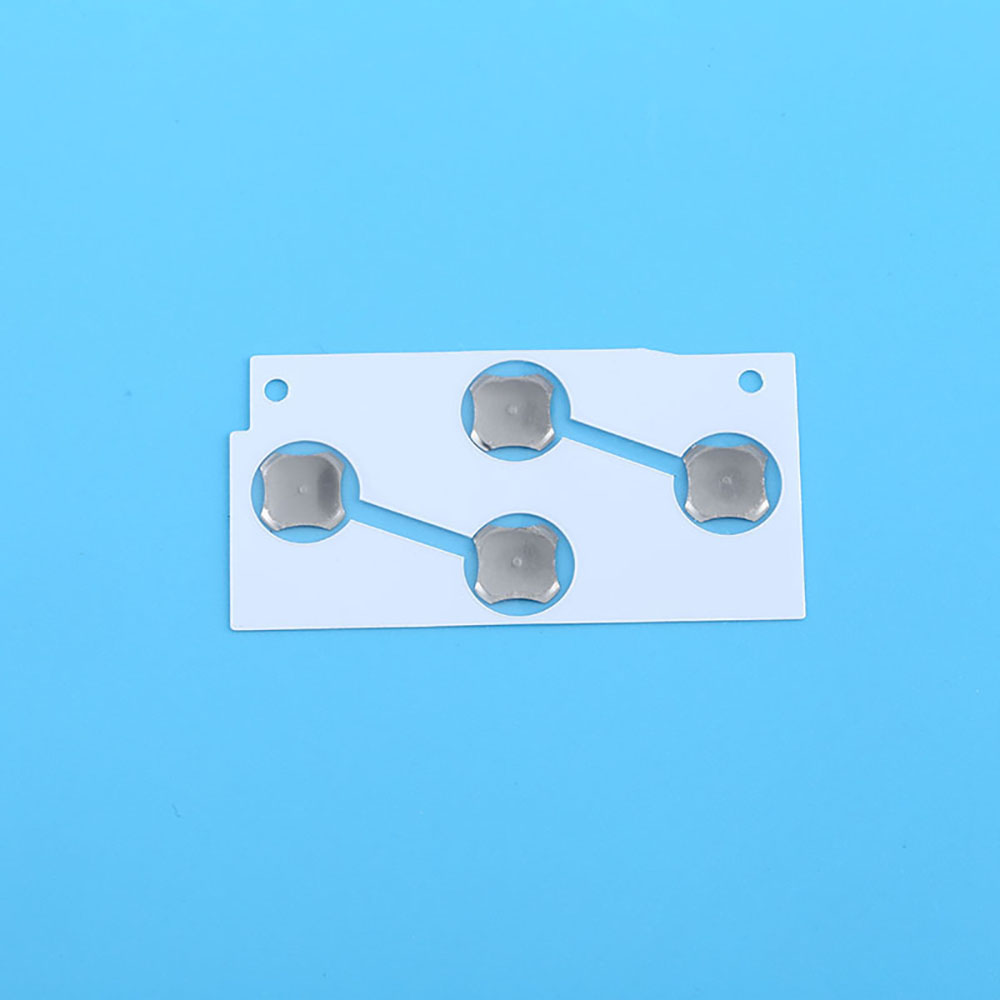
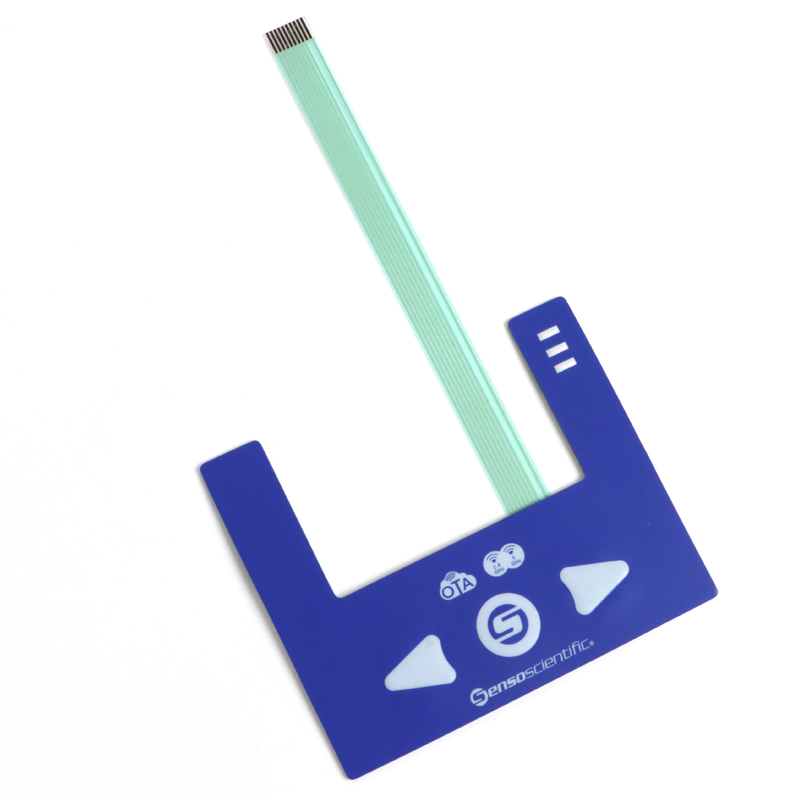
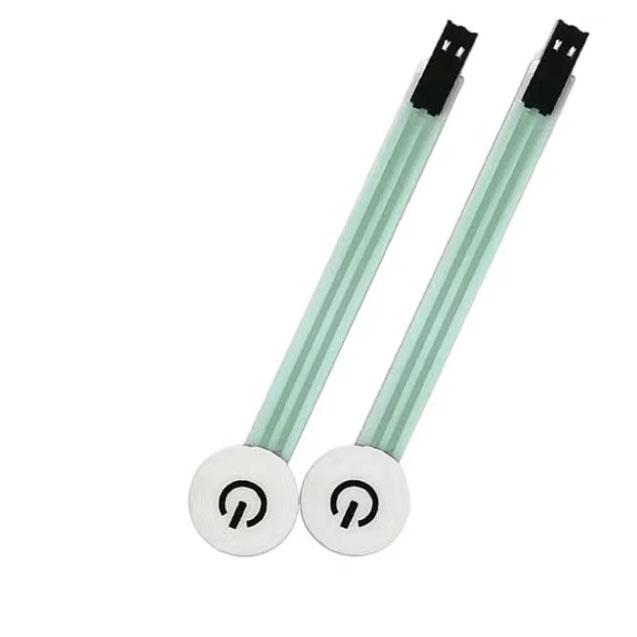
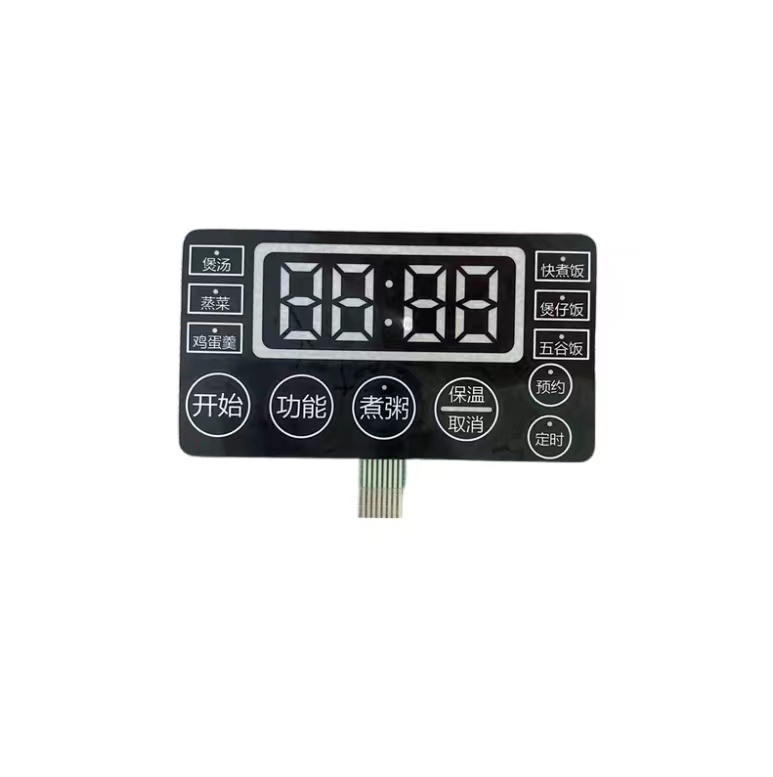
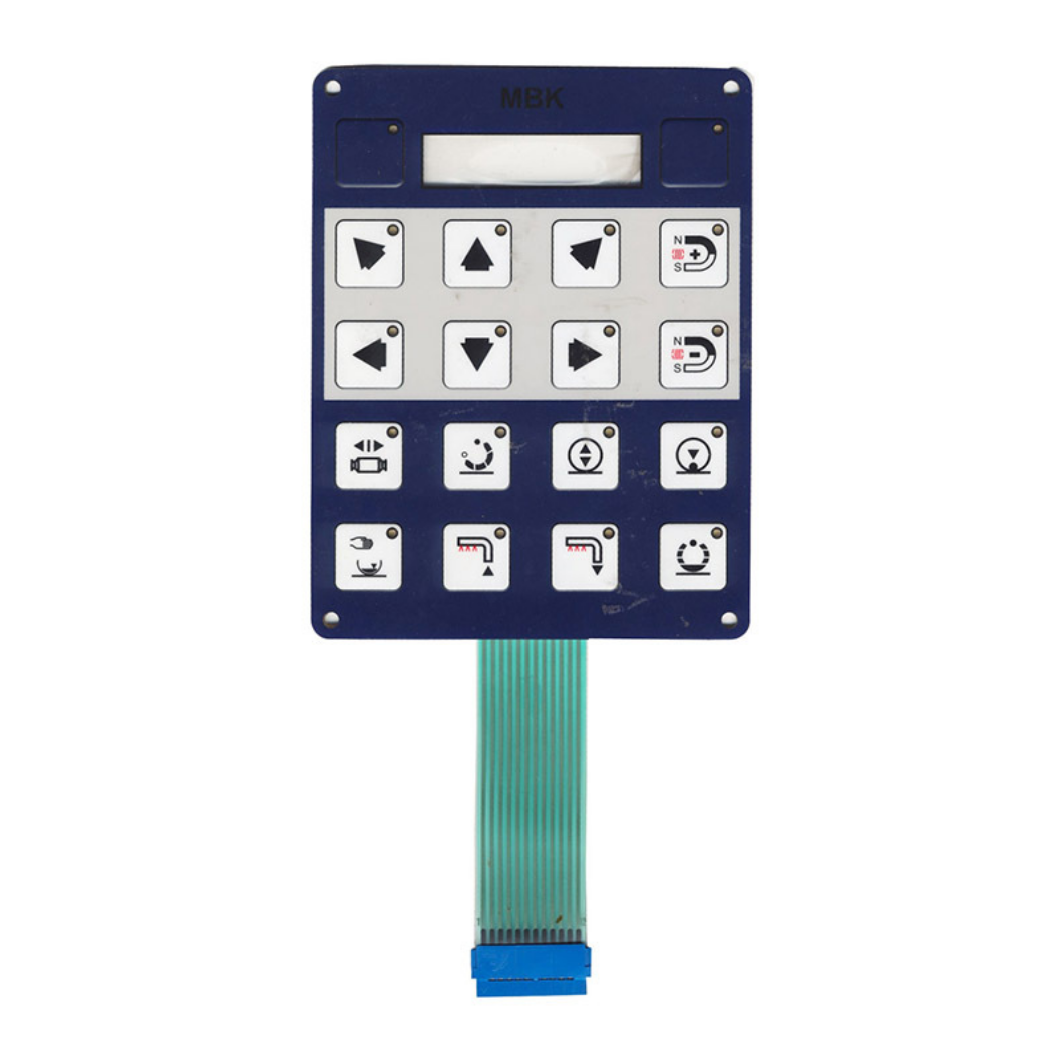
Explore our specialized flexible membrane switches, stainless steel tactile arrays, and graphic control panels manufactured in our Dongguan facility and engineered for rapid deployment to Tegucigalpa.
Engineering Whitepaper & Material Science
High-Density FPC vs. Screen-Printed Silver: Engineering for Longevity
Why modern human-machine interface (HMI) applications across Central America require copper-clad polyimide FPC circuitry over conventional conductive screen-printed inks.
For electronics manufacturers, design engineers, and systems integrators in Tegucigalpa and surrounding industrial corridors like Amarateca and Valle de Ángeles, selecting the correct substrate architecture determines long-term product MTBF (Mean Time Between Failures). While traditional membrane switches rely on screen-printed silver ink tracks on polyester (PET), high-demand operational environments increasingly mandate Flexible Printed Circuit (FPC) architectures utilizing rolled annealed or electro-deposited copper traces laminated onto thermal-resistant Kapton/Polyimide (PI) films.
Zero Silver Migration Risk
Tropical relative humidity levels in Honduras often hover above 80%. When standard silver-ink circuits experience sustained DC bias voltage in damp conditions, microscopic dendritic silver filaments migrate across traces, causing catastrophic short circuits. FPC uses etched copper with coverlay barriers, totally eradicating electro-migration failures.
Ultra-Low Trace Resistance
Polyimide copper FPC traces deliver loop resistances often below <1.0 Ohm per run, compared to 20 to 100+ Ohms found in silver-ink printed circuits. This ultra-low impedance allows seamless integration of sensitive analog capacitive touch controllers, fine-pitch zero-insertion-force (ZIF) connectors, and dense micro-LED arrays without voltage drops.
Superior Component SMT Soldering
Conductive silver inks cannot withstand lead-free reflow or high-heat soldering, forcing manufacturers to rely on conductive epoxy for surface-mount LEDs and resistors. Cevra’s FPC substrates permit genuine automated surface-mount (SMT) reflow soldering with ENIG (Electroless Nickel Immersion Gold) plating, guaranteeing bulletproof mechanical shear strength.
| Performance Parameter | Copper Polyimide FPC Switch (Cevra Standard) | Standard Silver Printed PET Circuit | Rigid FR4 PCB Interconnect |
|---|---|---|---|
| Conductor Base Material | Rolled Annealed Copper Foil (1/2 oz to 1 oz) | Polymer Thick Film (PTF) Conductive Silver Paste | Electro-deposited Copper on Epoxy Glass |
| Trace Loop Resistance | < 1 Ω (Ideal for long runs & low voltage) | 15 Ω – 120 Ω (Subject to micro-cracking) | < 0.5 Ω |
| Minimum Trace Pitch / Density | 0.5 mm pitch (Ultra-high interconnect density) | 1.0 mm – 1.25 mm (Risk of bridging) | 0.3 mm pitch |
| Climatic Resilience (85°C / 85% RH) | Immune to electrochemical dendritic growth | Vulnerable to silver oxidation & dendritic migration | High resistance with conformal mask |
| Connector Tail Flexibility & Radius | Tight bend radius (R < 1.5mm without fatigue) | Prone to crease fractures if bent sharply | Rigid (Cannot flex inside enclosure) |
| Operating Temperature Threshold | -40°C to +105°C continuous | -20°C to +65°C | -40°C to +125°C |
| Component Assembly Method | SMT Solder Reflow / ENIG Metallization | Anisotropic Conductive Film (ACF) / Conductive Epoxy | Standard SMT Wave / Reflow |
Local Ecosystem & Operational Fit
Tailored Application Scenarios Across Tegucigalpa & Francisco Morazán
From mountainous agro-processing plants to clinical diagnostics and financial automation hardware, explore how our FPC assemblies conquer local operational hurdles.
Agro-Industrial Processing & Sorting Machinery
Operating in coffee processing mills (beneficios húmedos) and sugar packing plants near the capital region requires control panels capable of withstanding acidic washdowns, intense dust, and airborne particulate exposure. Cevra’s continuous perimeter gasket lamination with 3M 200MP/300LSE adhesive matrices achieves true IP67 washdown ingress protection, safeguarding the internal FPC circuitry from moisture ingress.
Clinical Diagnostics & Medical Sterilization Keypads
Hospitals and laboratories throughout Tegucigalpa demand HMI front surfaces that resist frequent wipe-downs with harsh chemical disinfectants, including isopropyl alcohol, bleach, and quaternary ammonium solutions. We apply medical-grade Autotex XE and textured antibacterial polyester films that preserve optical display clarity and tactile feedback over years of clinical sanitization routines.
FinTech, ATM & Heavy-Duty Access Terminals
For Tegucigalpa’s expanding banking network, secure POS machines, and outdoor access-control pedestals, durability and tamper resistance are vital. Our double-sided SUS301 stainless steel dome arrays deliver crisp, tactile snapping (trip forces calibrated to 280g–400g) guaranteed for over 1,000,000 cycles, paired with integrated full-coverage aluminum or copper foil EMI/ESD shielding grids.
Solar Inverters & Grid Infrastructure at High Elevation
Tegucigalpa sits over 1,000 meters above sea level, subjecting outdoor electronics enclosures to heightened UV exposure and wide diurnal temperature swings. Conventional polycarbonate overlays turn brittle and yellow under this solar load. Cevra engineers utilize UV-stabilized outdoor-grade PET graphic overlays engineered to resist photodegradation and embrittlement for over a decade in Central American sunlight.
Telecom Power Rectifiers & Edge Cabinets
Mountain-top repeaters and telecommunication shelters across Francisco Morazán face severe electromagnetic interference from electrical surges and lightning strikes. Our custom FPC assemblies feature embedded ground-plane mesh layers and dedicated ESD discharge tracks rated to resist 15kV electrostatic discharges without resetting sensitive microcontrollers.
Appliance & Light Industrial Assembly (Maquiladora Sector)
For contractual contract manufacturers and electronics sub-assemblers serving international markets from Honduras, fast turnaround on pre-assembled tactile dome sheets and graphic faceplates is critical. Cevra provides rapid sample prototyping within 5 to 7 days, backed by comprehensive CAD/DFM support to reduce assembly bottlenecks on local production lines.
Specialized Engineering Stack
Class 10,000 Cleanroom Lamination
MIL-STD-202G Compliance
Precision Mechanical Stack-Up for High-Reliability Interfaces
A true industrial-grade FPC membrane switch engineered by Cevra comprises up to seven specialized functional layers: an Autotex/Autotype polyester graphic overlay with sub-surface multi-color screen printing; an optically clear acrylic adhesive bonding layer; a SUS301 high-elastic stainless steel dome array sealed within a breathable spacer; an ENIG-plated copper polyimide FPC circuit layer; and a high-performance 3M structural adhesive backing laminated to an aluminum or FR4 stiffener. Every layer features micro-ventilation channels to prevent ballooning caused by altitude and atmospheric pressure variations between sea level and mountainous elevations.
Market Evolution & Forecast
Central American HMI Manufacturing Trends
Navigating the shift toward smarter human-machine interfaces, capacitive touch integration, and nearshoring engineering support.
Hybrid Tactile + Capacitive Sensing
Product developers in Honduras are moving away from purely mechanical pushbuttons toward sleek, seamless front panels. Cevra combines capacitive sensing touch zones with discrete tactile metal dome keys on a single FPC circuit, allowing dual functionality: fast numeric input via tactile keys and slide/gesture navigation on the capacitive plane.
Integrated LGF (Light Guide Film) Backlighting
Rather than placing dozens of power-hungry discrete LEDs behind every key, modern industrial designs utilize side-firing micro-LEDs focused into an ultra-thin 0.125mm Light Guide Film. This spreads light uniformly across legends and logos with minimal power consumption, making it ideal for battery-operated handheld devices and field diagnostics used in remote Honduran departments.
Direct-from-Factory DFM Nearshoring Support
Procuring custom hardware from intermediate traders often introduces costly miscommunications and delays. Cevra provides direct, English-speaking engineering engagement. We perform thorough Design for Manufacturability (DFM) reviews on DXF, DWG, and Gerber files, ensuring trace clearances, connector tail lengths, and dome vent channels are optimized before tooling is cut.
Enterprise Credentials
Why Engineers & Procurement Directors Rely on Cevra
A dedicated 2,600㎡ custom manufacturing facility in Dongguan, China, delivering verified quality, transparent engineering, and export-grade quality assurance.
SGS Onsite Verified
Factory premises, production equipment, and testing protocols independently inspected and validated by SGS Group.
Strict ISO 9001:2015 QMS
End-to-end quality tracking from raw materials (3M, Autotype, DuPont) through incoming, in-process, and final functional QC testing.
In-House Testing Laboratory
Equipped with computerized dome load analyzers, peel adhesion dynamometers, pencil hardness meters, and high/low temperature cycle chambers.
Global Logistics Efficiency
Streamlined air-express shipping partnerships with DHL, FedEx, and UPS delivering customs-ready crates to Toncontín and Palmerola International Airports.
Procurement Clarity
Frequently Asked Questions for Tegucigalpa Buyers
Key technical, financial, and logistical insights addressing the procurement of custom membrane switches and dome arrays from our factory.
How does altitude in Tegucigalpa (~1,000m ASL) impact membrane switch venting?
At higher elevations, the ambient atmospheric pressure is lower than at sea level. If a membrane switch is hermetically sealed without internal venting, trapped air within the dome chambers will expand, creating a pillowing effect that softens the tactile response of metal domes or causes unintended ghost actuations. Cevra builds internal breathing channels connecting the dome chambers to an external filtered vent or desiccated exhaust path on the connector tail, balancing internal pressure while preserving IP65/IP67 ingress ratings.
What is the typical transit timeline and customs clearance procedure for Honduras?
For custom prototypes, fabrication typically takes 5 to 8 working days following engineering DFM signoff. Standard volume production runs are completed in 12 to 18 working days. Air express shipments (via DHL Express, FedEx Priority, or UPS Worldwide) from our Dongguan facility to Tegucigalpa (arriving at Toncontín or Palmerola International Airport) usually take 4 to 6 business days. We provide comprehensive export documentation, including detailed commercial invoices with correct HS codes (8537.10), packing lists, and Certificates of Origin to expedite customs clearance through the Honduran Customs Administration (Administración Aduanera de Honduras / SAR).
What are the minimum order quantities (MOQ) for custom membrane switches?
We believe in supporting hardware innovation and engineering development at all stages. We support prototype batches starting from 10 to 50 pieces for pilot builds and field testing in Honduras. For series mass production, our standard economic batch size is 100 to 500 units, while loose metal domes and dome arrays can be supplied starting from 1,000 units per reel/tray.
Can you integrate embedded LEDs and display windows into an FPC switch?
Yes. Cevra’s precision SMT lines place ultra-thin 0603, 0805, or 1206 surface-mount LEDs directly onto the copper FPC traces using lead-free reflow soldering. For display integration, we offer clear transparent windows, dead-front printed windows (which stay completely dark until illuminated from behind), or tinted color-filter windows designed to match LCD, OLED, or 7-segment LED readouts.
What file formats are required to generate an official manufacturing quote?
To initiate our Design for Manufacturability (DFM) review and receive a formal engineering quotation, please provide your mechanical drawings (vector formats: DXF, DWG, STEP, or PDF) detailing overall dimensions, cutout locations, and key positions; graphic artwork files (Adobe Illustrator .AI, CorelDraw .CDR, or EPS with text converted to curves and specified Pantone color codes); and circuit schematics or Gerber files if custom FPC trace layouts are needed. Our engineering team responds within 24 hours.
Engineering Engagement
Ready to Build Your Custom HMI Interface for Tegucigalpa?
Connect directly with Dongguan Cevra Electronic Technology’s factory engineering department. Submit your design files, request physical sample packs, or consult on material stack-ups with a specialist who understands industrial-grade interface reliability.