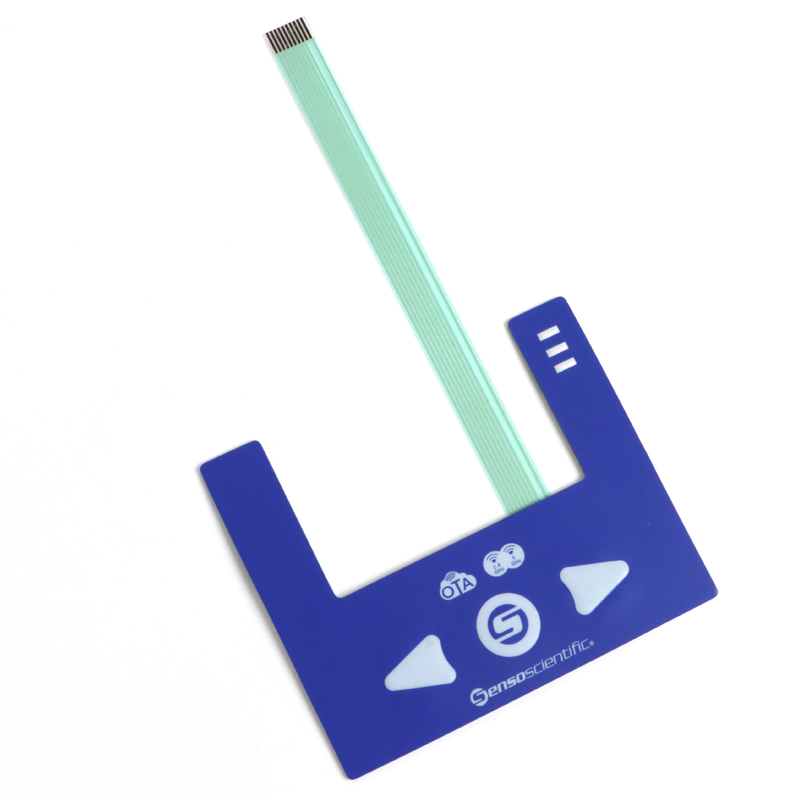
Precision Hardware Portfolio
Engineered Flexible Electronics & Tactile Interfaces
Standard and fully bespoke multi-layer FPCs, tactile metal dome arrays, and industrial membrane switches qualified for subsea robotics, clean aquaculture telemetry, and Scandinavian automation instrumentation.
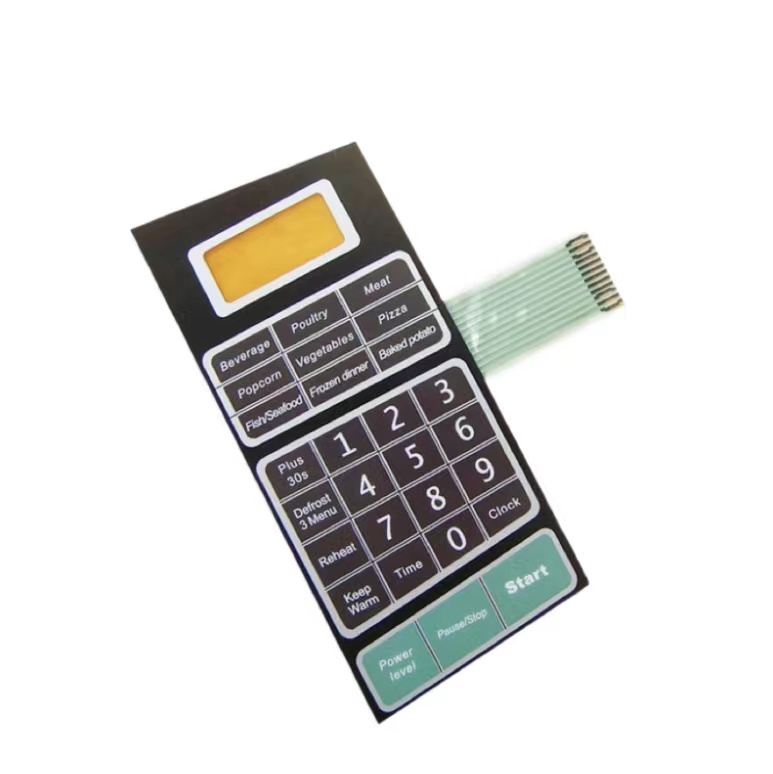
Low Moq Custom Membrane Switch Panel Keypad Control
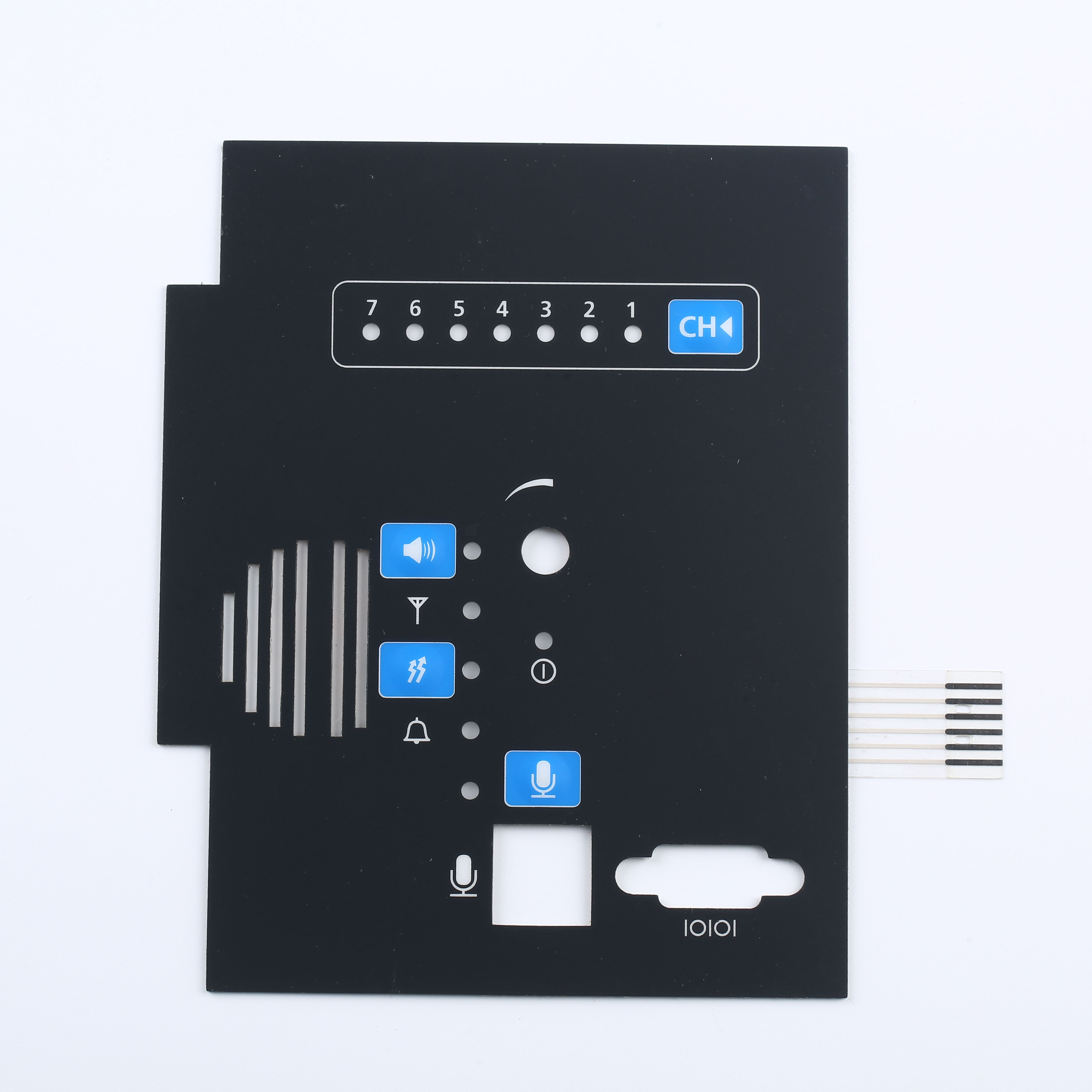
Polycarbonate Film Touch Switch Panel Screen Printing Process Electronic Product Instrument Display Membrane Switch

New Trend Factory Custom Cross 4-Legged Snap Dome Poly Metal Dome in Reel Packing for SMT Assembly on Membrane Switch
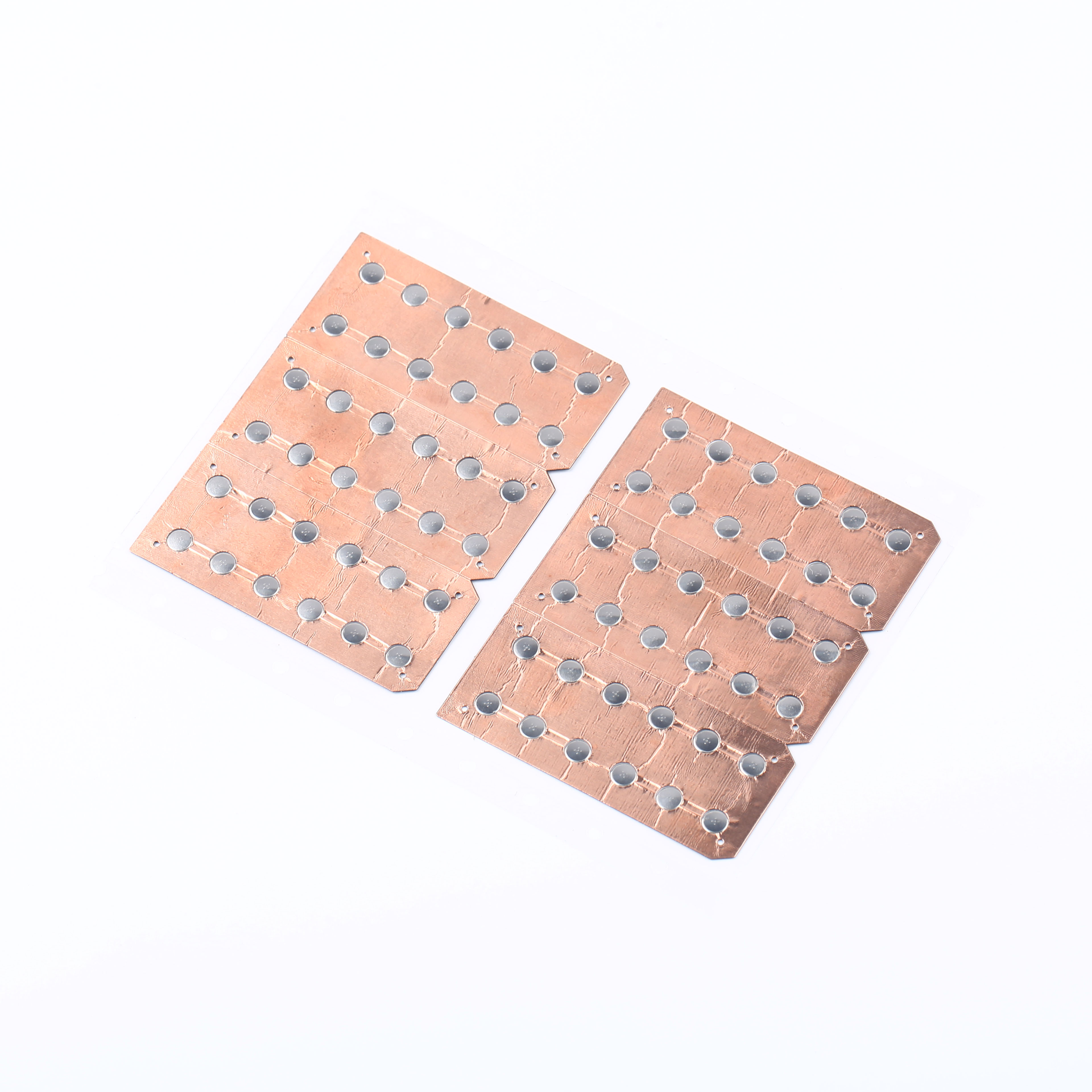
OEM/ODM Factory Direct Sales Round Metal Snap Dome Sheet with Adhesive Tape Copper Foil Metal Dome Array
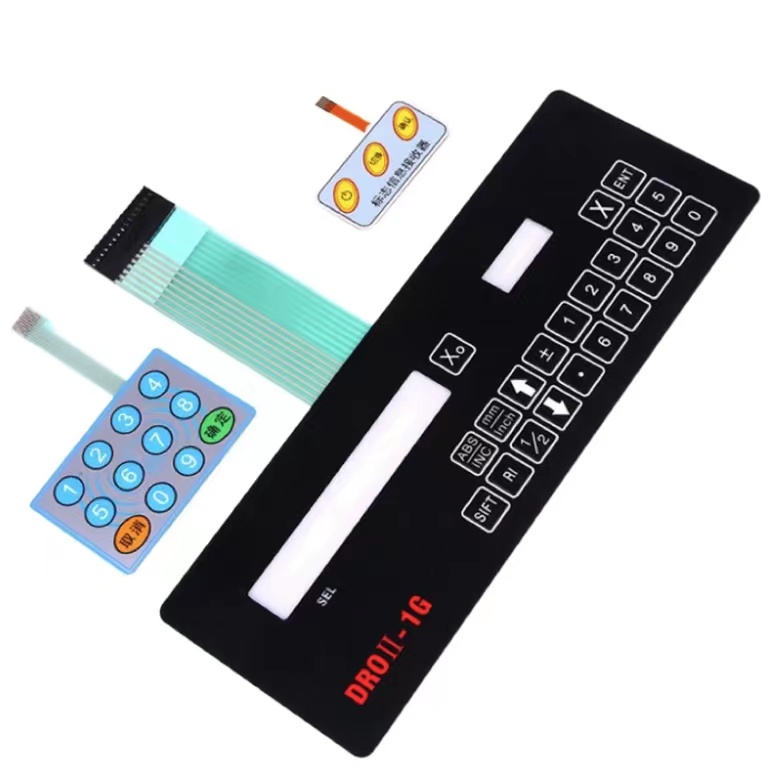
Factory Direct Graphic Overlay Custom Membrane Keyboard Switch Membrane Switch
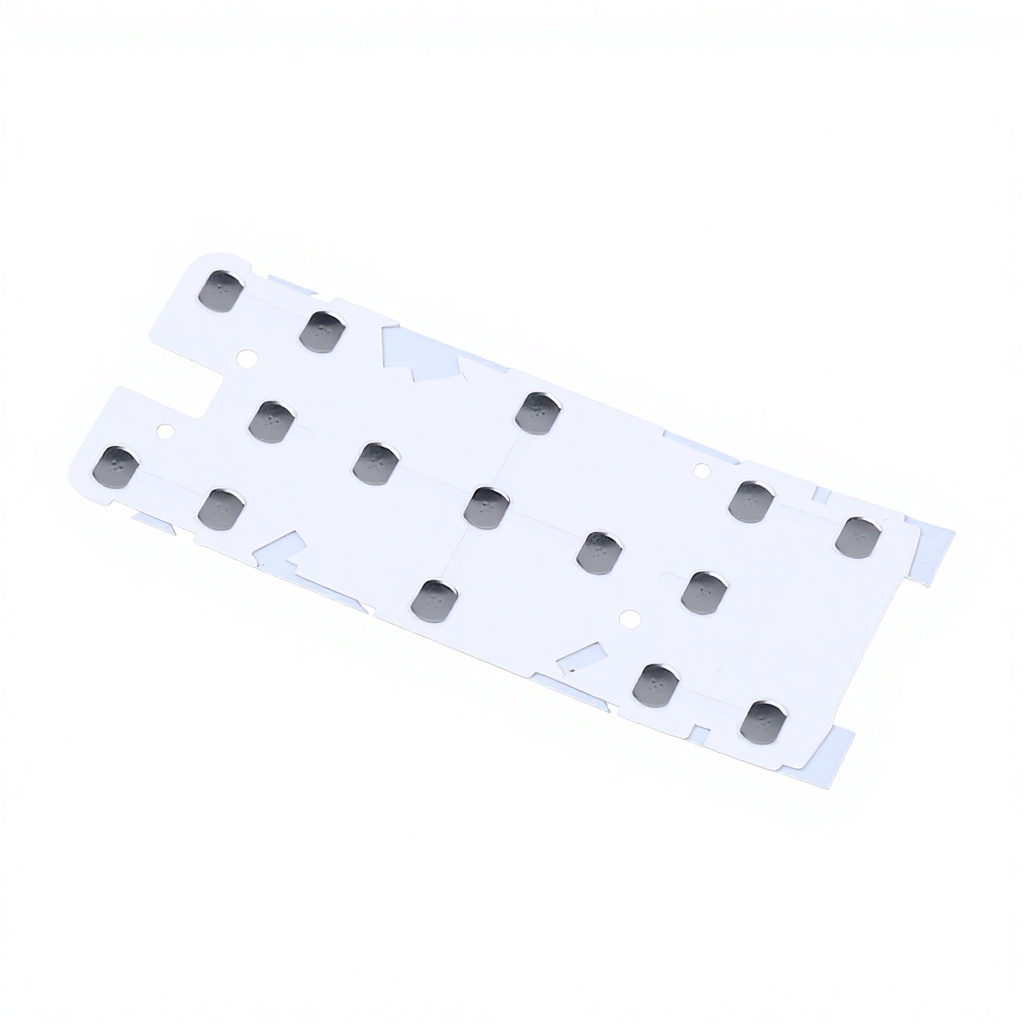
Customized White PET Waterproof Single Layer SUS301 Stainless Steel Dome Array Remote Control Metal Dome Array
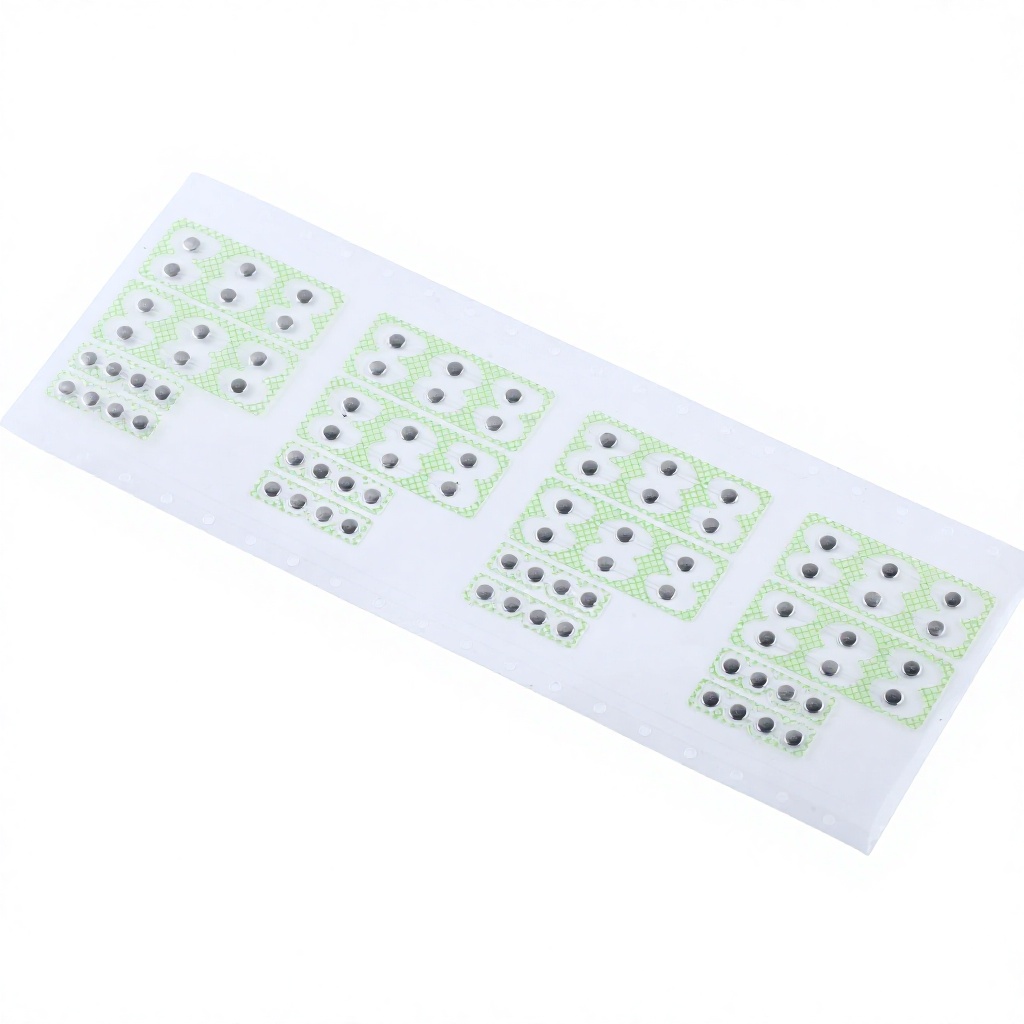
Waterproof Single Layer SUS301 Stainless Steel Dome Array Remote Control Metal Dome Array
16+
Years Manufacturing Experience
2,600㎡
Dedicated Production Facility
ISO 9001
SGS Onsite Audited Quality System
100%
In-House Circuit & Load Verification
Industrial White Paper
Precision Interconnect Architecture for Trondheim’s Tech Cluster
Navigating the intersection of sub-zero oceanographic sensing, dynamic robotic flex life, and reliable human-machine interface design in central Norway.
Trondheim, widely recognized as Norway's technological and innovation capital, anchors world-leading research institutions including the Norwegian University of Science and Technology (NTNU) and SINTEF, alongside the burgeoning Ocean Space Centre. As local hardware development progresses from theoretical marinized robotics and smart maritime clusters to industrial commercialization, design engineers face an increasingly challenging operating environment: high-salinity exposure, intense subsea pressure variations, cyclic thermal extremes ranging from Arctic ambient chills (-40°C) to motor housing heat, and stringent spatial constraints within sealed subsea capsules.
In this high-stakes engineering domain, standard rigid printed circuit boards (PCBs) and generic polyester-based wiring assemblies frequently become primary failure points. Flexible Printed Circuits (FPCs), combined with high-durability tactile switches and copper foil dome arrays, have superseded traditional wiring harnesses by delivering uncompromised signal fidelity, radical mass reduction, and dynamic flex longevity exceeding tens of millions of bend cycles.
Engineering Imperative: In North Sea marine instrumentation and Trøndelag subsea infrastructure, interconnect failure is not an operational inconvenience—it represents catastrophic telemetry loss and prohibitive offshore maintenance costs. Choosing the correct dielectric polyimide film, electro-deposited vs. rolled-annealed copper, and galvanic surface chemistry directly dictates field reliability.
Substrate Selection: PI vs. PET
Polyimide (PI) substrates offer continuous thermal stability between -40°C and +125°C, zero embrittlement under Nordic freezing conditions, and seamless solderability for micro-pitch SMT connectors, completely outperforming standard industrial PET.
Dynamic Flex Endurance
Rolled Annealed (RA) copper foil options combined with adhesiveless base laminates achieve bending radii as low as 1.5mm, surviving dynamic articulated cycles within underwater autonomous vehicle manipulators without conductor fatigue.
Anti-Corrosive Barrier Metal
Electroless Nickel Immersion Gold (ENIG) with minimum 0.05μm pure Au barrier finishes shields pads and contact areas from atmospheric salt mist, condensation, and sulfidation common in Trøndelag coastal operations.
Localized Application Scenarios
FPC Integration Across Trondheim’s Leading Sectors
Tailoring interconnect performance to the distinct operational conditions encountered along the Trondheimsfjord and offshore Norwegian continental shelf.
Subsea Robotics & AUV Nodes
Autonomous underwater vehicles developed by NTNU spin-offs require ultra-compact, pressure-tolerant flex cables routed through oil-filled thruster assemblies and sensor payload pods where rigid boards simply cannot package.
Aquaculture Sensor Arrays
Continuous ocean water monitoring across salmon farming pens in Central Norway demands hermetically sealed sensor switches and FPC tails resistant to constant biofouling, hydrogen sulfide exposure, and aggressive sanitization.
Vessel Bridge & Deck HMIs
Marine control consoles require tactile, glove-operable metal snap dome keypads. With operating forces engineered between 280g and 400g, operators receive unmistakable physical feedback despite heavy winter protective gear.
Engineering Outlook 2025–2030
Emerging Trends Shaping Flexible Electronics in Norway
Key design transitions driven by sustainability mandates, edge-computing telemetry, and rapid prototyping workflows in the Nordic engineering corridor.
Rigid-Flex Miniaturization
Eliminating mechanical wire-to-board connectors entirely by fusing multi-layer FR4 boards directly with flexible polyimide transitions, eliminating vibration-induced disconnections in harsh marine vibration profiles.
Embedded Thin-Film Sensors
Direct integration of capacitive touch, temperature thermistors, and piezoresistive pressure matrices directly inside the internal layers of membrane switches, drastically reducing external component count.
Low-Temperature Adhesives
Transitioning to modified acrylic adhesives (such as 3M 200MP and 300LSE) with custom cross-linking chemistry designed specifically to resist delamination and shear failure down to cryogenic temperatures.
Material Selection Matrix
FPC Substrate & Plating Technical Benchmarking
Compare mechanical, chemical, and electrical parameters to guide your DFM review and component shortlisting.
| Evaluation Parameter | Standard PET Printed Circuit | Polyimide (PI) Flexible FPC | Rigid-Flex Hybrid Assembly |
|---|---|---|---|
| Operating Temp Range | -20°C to +70°C | -40°C to +125°C | -40°C to +135°C |
| Minimum Bend Radius | > 10 mm (Static) | 1.5 mm – 3.0 mm (Dynamic) | 2.0 mm (Dynamic flex zone) |
| Conductor Technology | Screen-printed Silver paste | Electro-deposited (ED) / RA Copper | Rolled Annealed (RA) Copper |
| Component Assembly (SMT) | Conductive adhesive only | Lead-Free Reflow Soldering (260°C) | Standard High-Speed SMT Lines |
| Moisture Ingress Resistance | Moderate (Prone to silver migration) | Immune (Zero conductor migration) | Hermetic barrier capability |
| Ideal Trondheim Applications | Indoor industrial control panels | AUV nodes, marine telemetry, fish health tags | High-vibration vessel navigation systems |
Manufacturing Authority
Factory-Direct Engineering: Dongguan Cevra Electronic
ISO 9001 certified precision manufacturing backed by SGS onsite verification, ensuring Scandinavian buyers direct engineering control from prototype to volume dispatch.
Since our inception in March 2009, Dongguan Cevra Electronic Technology Co., Ltd. has developed into a specialized OEM/ODM manufacturer of human-machine interfaces, tactile metal domes, dome arrays, graphic overlays, and flexible circuits. Spanning 2,600 square meters of modern production floor and supported by 26 highly skilled engineers and technicians, we do not operate as an intermediary trading desk. Every critical process—from precision screen printing, CCD visual micro-drilling, automatic layer lamination, to automatic dome pick-and-place—is conducted strictly in-house under cleanroom controls.
Rigorous Laboratory Validation
Our in-house QA lab executes dome trip-force curve profiling, 180° peel adhesion testing, holding tack evaluations, pencil surface hardness checks, and thermal shock cycling (-40°C to +85°C) to guarantee field stability.
SGS Onsite Audited Authority
Our manufacturing plant, design workflows, and business integrity are independently verified onsite by SGS Group, providing European procurement officers with verifiable audit trails, REACH/RoHS compliance, and traceable material sourcing.
Agile Scandinavian Low-MOQ
Understanding that Trondheim research incubators, NTNU spin-outs, and ocean space prototypes require iterative design proofing, we offer flexible low-MOQ support starting from 10–100 units before scaling into mass series production.
Procurement & Engineering FAQ
Frequently Answered Technical Questions
Addressing import logistics, material certifications, environmental thresholds, and prototyping cycles for the Norwegian market.
How do your FPC and membrane switches endure the sub-zero temperatures typical of Arctic Norway?
For cold-climate deployments down to -40°C, we specify ductile polyimide base films paired with specialized cross-linked acrylic pressure-sensitive adhesives (e.g., 3M 467MP, 468MP, or 300LSE). Unlike standard commercial adhesives that experience glass transition (Tg) embrittlement and delaminate under low-temperature sheer stress, our stack-ups maintain high peel strength and flexibility. Furthermore, stainless steel snap domes (SUS301 with nickel or gold plating) maintain trip force consistency without suffering from mechanical fatigue or elastic deformation failure in Arctic conditions.
Can you provide full material declaration and compliance certificates for EU/EEA and Norwegian regulations?
Yes. Every component manufactured at our Dongguan factory fully complies with current EU RoHS directives (Restriction of Hazardous Substances) and REACH (Registration, Evaluation, Authorisation and Restriction of Chemicals) regulations. Material safety data sheets (MSDS), SGS test reports, and formal Certificates of Compliance (CoC) are provided with engineering approval samples and accompanying shipment documentation.
What design files and specifications are needed to initiate a DFM review and tooling quotation?
To deliver an exhaustive Design for Manufacturability (DFM) assessment, we prefer Gerber RS-274X or ODB++ files for circuit layers, along with mechanical outlines in DXF, DWG, or STEP formats. For graphic overlays, please supply vector artwork in Adobe Illustrator (.AI) or PDF with specified Pantone or RAL color codes. Key engineering parameters should include tactile force preference (e.g., 280g, 350g, 400g), tail pitch (e.g., 1.0mm, 1.27mm, 2.54mm), connector termination type (ZIF insertion or crimp housing), and anticipated operating temperature boundaries.
How do you manage air shipment, customs, and lead times to Trondheim (TRD)?
Prototypes and low-volume production batches are dispatched directly via express air couriers (DHL, FedEx, UPS) directly to Trondheim Airport, Værnes (TRD), with typical air-transit times spanning 3 to 5 business days. Engineering prototype turnaround ranges from 7 to 10 working days following artwork and CAD sign-off. We provide all commercial invoices, packing lists with complete Harmonized System (HS) tariff classification codes, enabling seamless customs processing through Norwegian Tollvesenet.
What ingress protection (IP) ratings can be achieved for marine and outdoor human-machine interfaces?
Through the integration of continuous perimeter gasket sealing layers, hydrophobic breather vents, and monolithic graphic overlay films, our custom membrane switches achieve ratings up to IP67 and IP68. This ensures total protection against dust ingress and continuous water submersion under specified depth conditions, preventing salt spray moisture from bridging circuit contacts or corroding snap domes.
Can SMT components like LEDs, micro-resistors, and sensors be mounted directly on your flex circuits?
Yes. On polyimide FPC circuits, we utilize high-precision high-speed SMT pick-and-place machinery with lead-free reflow soldering profiles to mount miniature components, including 0402/0603 surface-mount LEDs, current-limiting resistors, diodes, and ZIF-connector headers. For PET silver-printed circuits, we employ isotropic conductive adhesives (silver epoxy) cured under controlled thermal ovens, reinforced with UV-cured structural encapsulation beads to resist mechanical detachment.
How do you prevent tactile degradation and contact oxidation in high-vibration maritime environments?
To prevent contact bounce and oxidation from marine engine vibration and saline air, we use four-legged cross domes stamped from temper-rolled SUS301 stainless steel, finished with electroplated nickel or gold. The contact pads on the PCB or FPC circuit beneath each dome are finished with Electroless Nickel Immersion Gold (ENIG), eliminating oxidation barriers and ensuring stable contact resistances below 100 milliohms across millions of operational actuations.
What are your minimum order quantity (MOQ) boundaries for startup prototypes vs. production runs?
We actively support early-stage product incubation with low minimum order quantities: graphic overlay panels and rapid prototype switches start from as few as 10 to 50 pieces, standard custom membrane keypads from 100 pieces, and metal dome arrays from 100 sheets. As designs lock down, our automatic lamination, punching, and inspection lines easily transition into volume production runs scaling into hundreds of thousands of units.
Accelerate Your Hardware Design with Direct Factory Support
Collaborate directly with our senior application engineers on layer stack-ups, material selection, and quick-turn DFM feedback optimized for Trondheim’s harsh marine and tech demands.
Get Catalog