Precision Flexible Circuit & HMI Component Solutions
From micro-pitch polyimide flexible interconnects to sealed graphic overlays and snap-action dome matrices, browse our primary components engineered for harsh European operational environments.
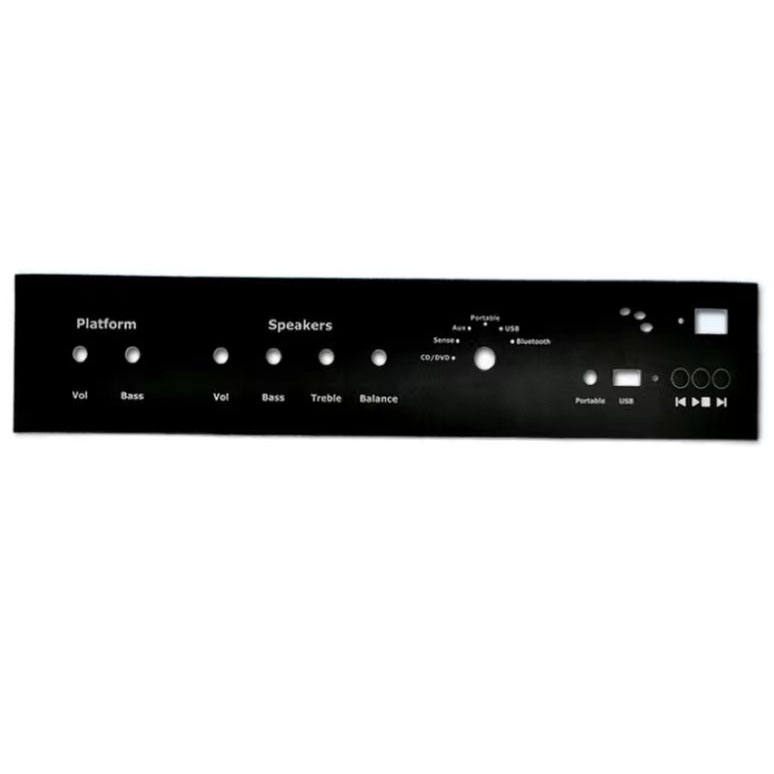
Intelligent Membrane Switch Panel, Washing Machine Touch Panel, Customized Membrane Switch
- Substrate: Autotex PET / PI
- Adhesive: 3M 200MP / 300LSE
- Operating Temp: -20°C to +85°C

New Trend Factory Custom Cross 4-Legged Snap Dome Poly Metal Dome in Reel Packing for SMT Assembly on Membrane Switch
- Diameter: 6.0mm - 12.2mm
- Trip Force: 160g - 450g ±30g
- Packaging: Tape & Reel (SMD)
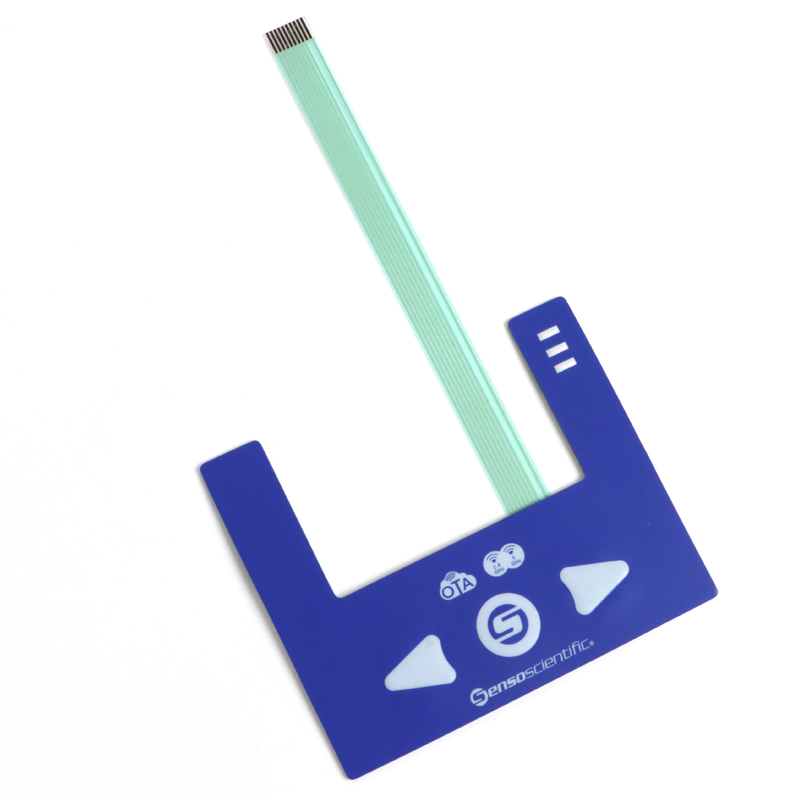
Manufacturer Custom Membrane Keypads Membrane Keyboard and Led Membrane Graphic Overlay
- Illumination: Embedded Micro-LEDs
- Life Cycles: > 1,000,000 actuations
- Connector: 2.54mm / 1.0mm ZIF
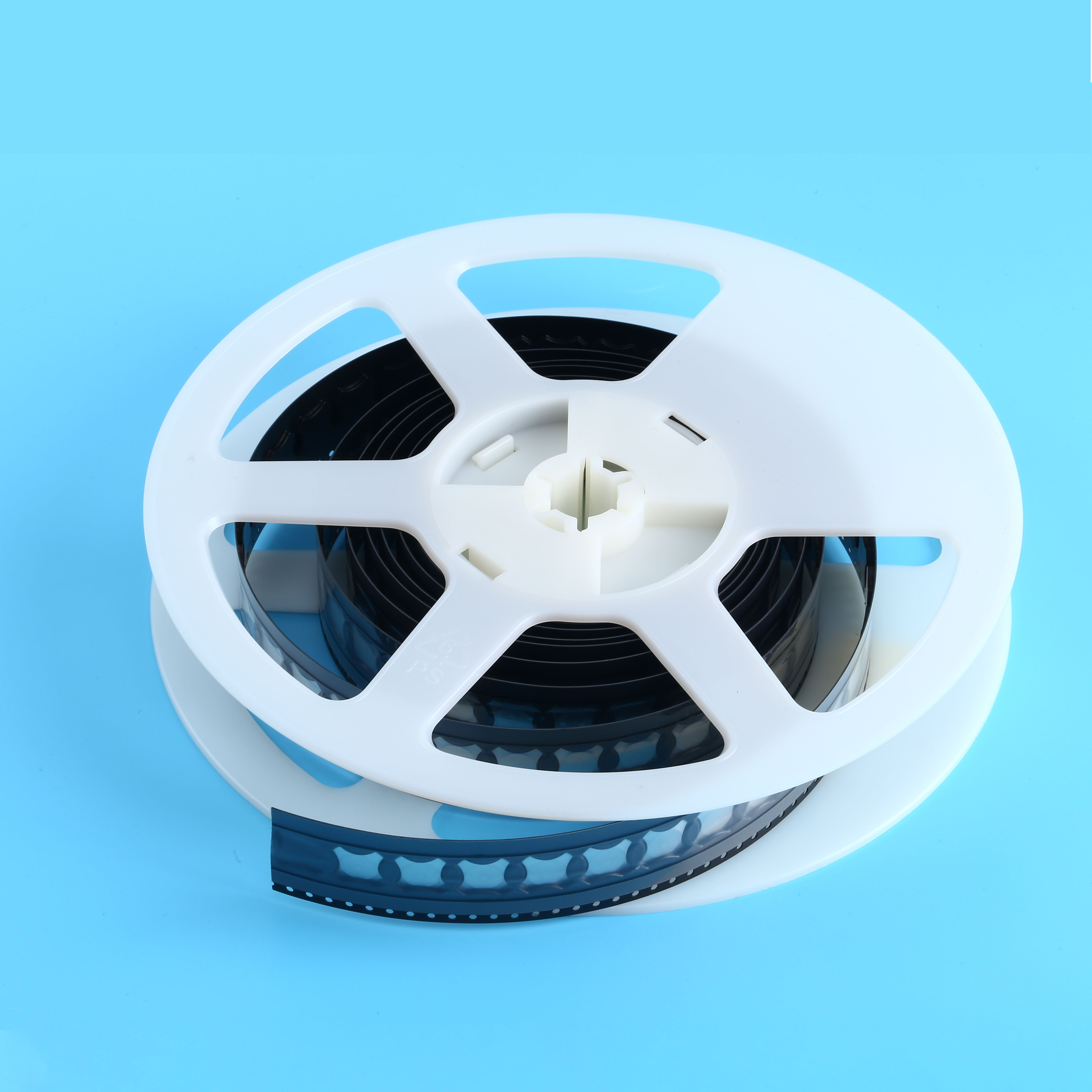
New Trend Factory Custom Cross 4-Legged Snap Dome Poly Metal Dome in Reel Packing Metal Dome Array
- Material: SUS301 Stainless Steel
- Contact Res.: < 0.1 Ω (Gold/Nickel)
- Array Sheet: Clear Mylar + Spacer
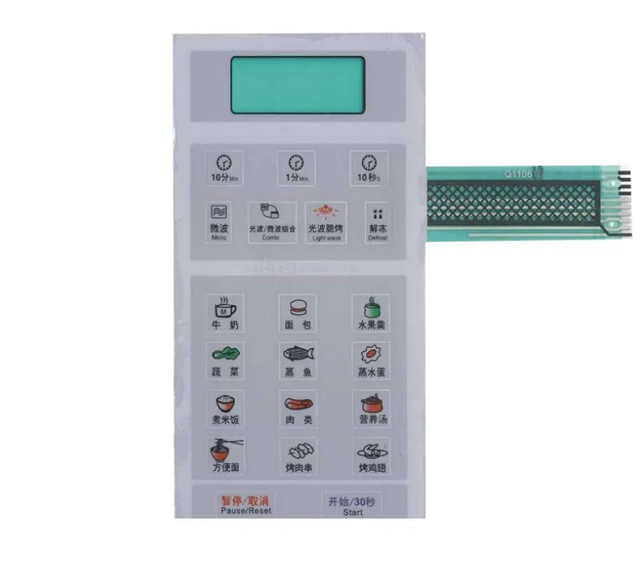
Factory Cheap Price Electronic Membrane Switch Membrane Switch Control Panel
- Overlay: Textured Polycarbonate
- Tail Type: Flexible Polyimide / PET
- Dielectric: 1,500 Vrms Breakdown
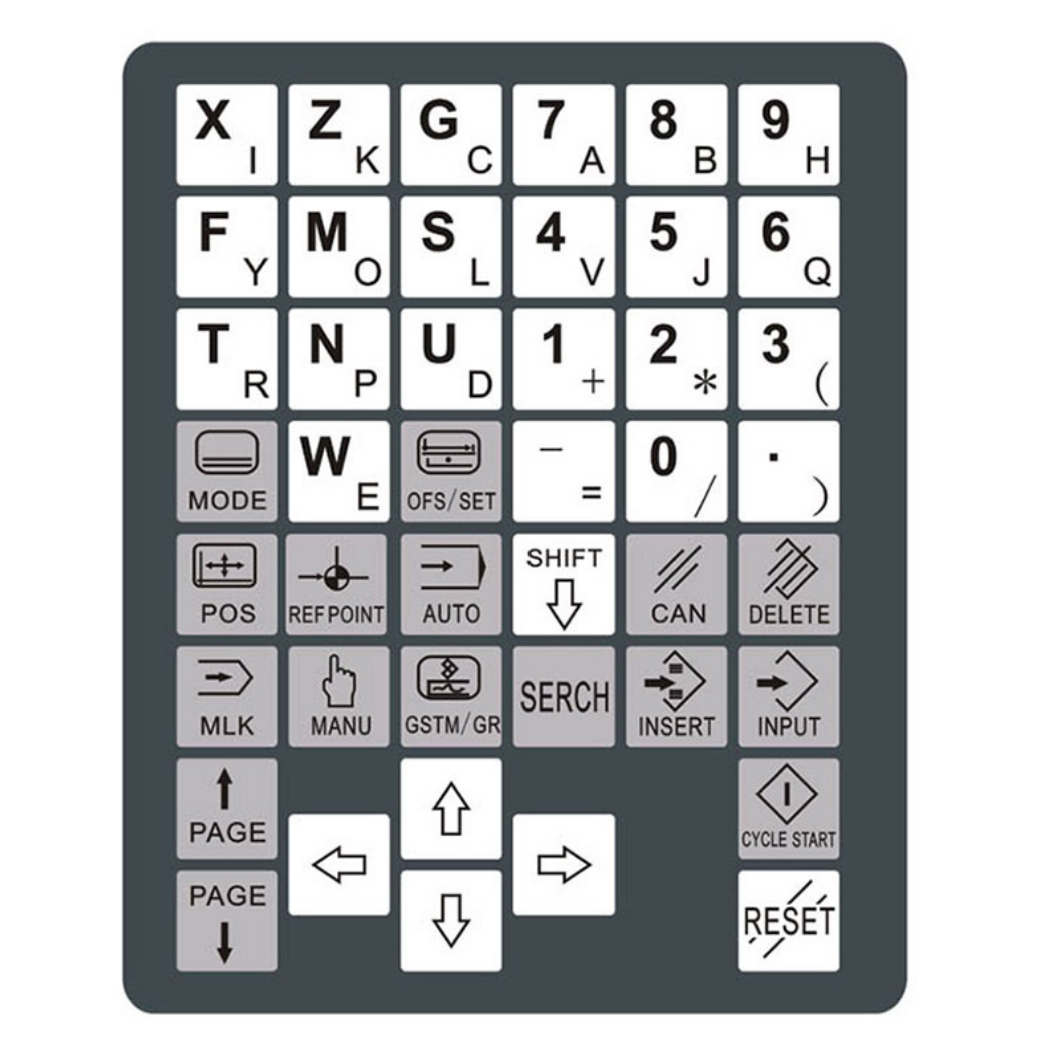
Custom Standard Good Price 3X3 4X5 Matrix Membrane Switch Keypad Keyboard Panel for Fuel Dispenser
- Design: 3x3 / 4x5 Key Matrix
- Resistance: Gasoline, Solvents, UV
- Ingress Rating: NEMA 4X / IP66
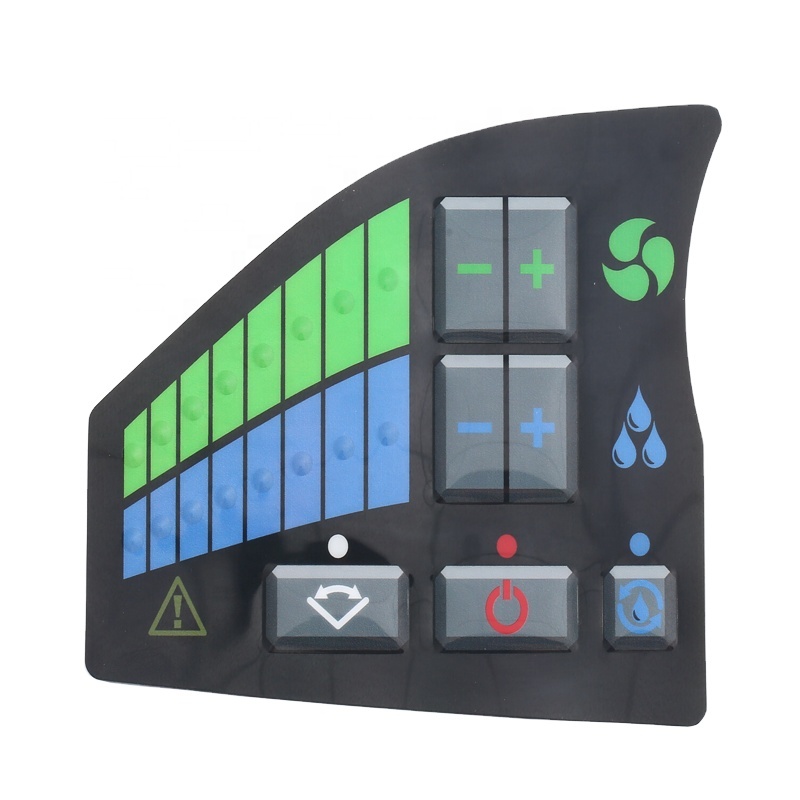
Custom Silk Printing Embossed Metal Dome Tactile Buttons Membrane Switch Control Graphics Overlay
- Printing: Precision Silk-screened
- Feedback: Crisp Tactile Audible Click
- Color Standards: Pantone / RAL matched
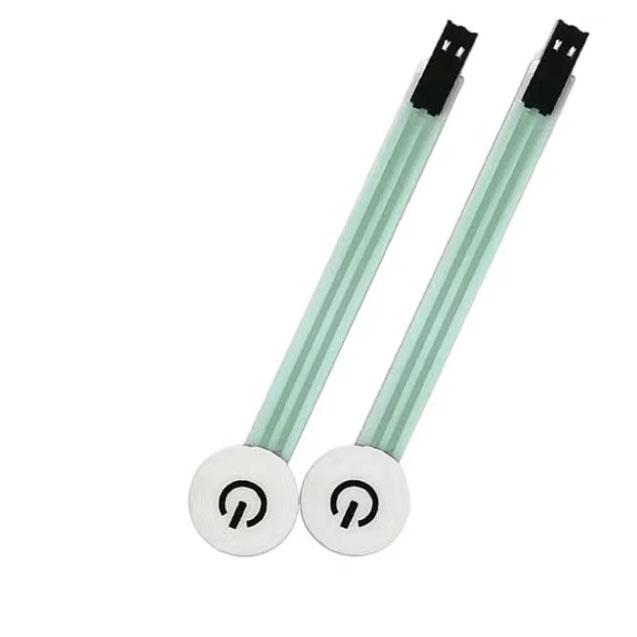
High Quality Single Button Small Membrane Switch
- Profile: < 0.6mm thickness
- Form Factor: Miniature single key
- Adhesive: Ultra-high shear acrylic
Technical Deep-Dive: Flexible Printed Circuit (FPC) Architecture & Substrate Physics
As electronic instrumentation, maritime navigation hardware, and industrial telemetry systems in Antwerp demand greater miniaturization and operational durability, traditional rigid FR4 boards are consistently superseded by Flexible Printed Circuits (FPC). A premium FPC functions not merely as a multi-conductor harness, but as an impedance-controlled, dynamically flexed structural component capable of enduring high mechanical stress, thermal shocks, and aggressive chemical environments.
At Cevra, flexible circuit fabrication centers around copper-clad polyimide (PI) laminates, specifically engineered for high dielectric breakdown voltages and exceptional thermal stability up to 260°C during lead-free reflow processes. Unlike generic consumer-grade polyester (PET) flexible circuits that melt under standard soldering temperatures, our polyimide-based FPCs accommodate high-density Surface Mount Technology (SMT) components—such as microcontrollers, bidirectional transient voltage suppression (TVS) diodes, ultra-bright surface-mount LEDs, and miniature board-to-board connectors—directly on the flexible substrate.
Electrolytic vs. RA Rolled Annealed Copper
For dynamic bending cycles exceeding 500,000 folds in automated port gantry cranes and mobile terminal actuators, we mandate RA (Rolled Annealed) copper foil (18µm to 35µm) to mitigate grain boundary fracture risks inherent in electro-deposited foils.
Polyimide Coverlay & Photoimageable Solder Mask
To resist corrosive salt spray and high atmospheric humidity along the Scheldt River basin, we thermally fuse polyimide film coverlays with thermosetting epoxy adhesive under high-vacuum hydraulic lamination, completely preventing moisture ingress.
Electromagnetic Interference (EMI) Shielding
For Antwerp's heavy industrial power substations and petrochemical refineries, circuits are clad in conductive silver paste or vacuum-sputtered aluminum shielding layers to eliminate cross-talk and comply with stringent European CE and EMC directives.
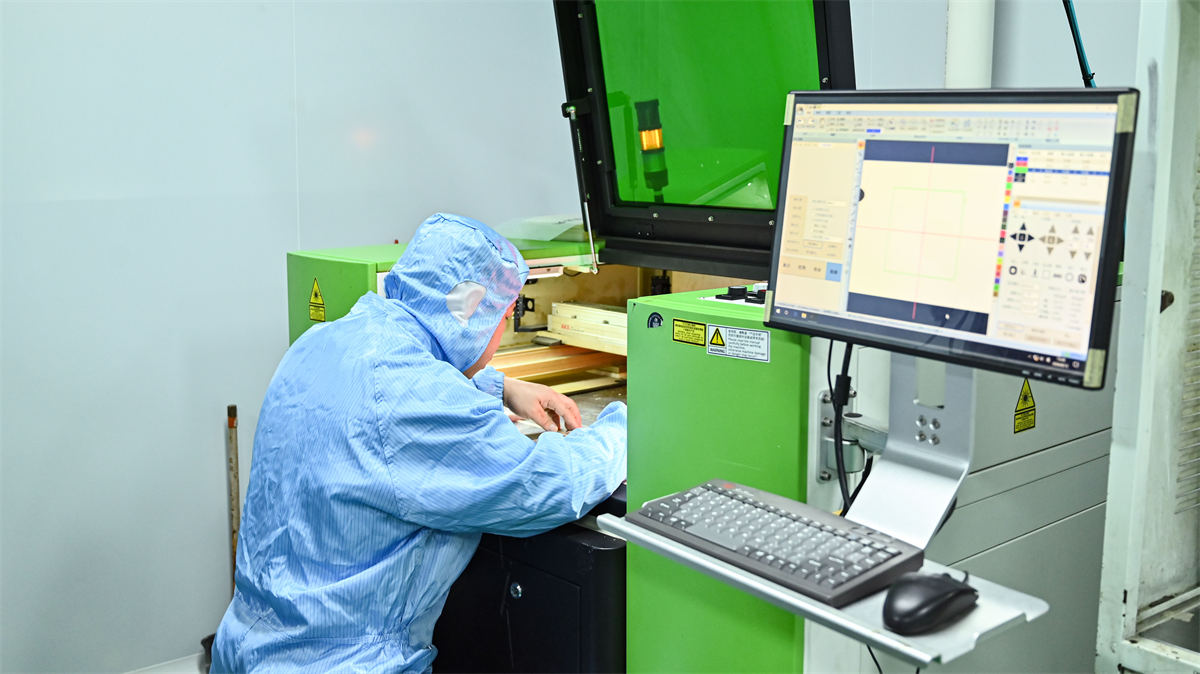
The mechanical integration of flexible circuits into complete Human-Machine Interfaces (HMI) necessitates absolute mechanical registration. Cevra utilizes specialized CCD-guided laser profiling machines and optical micro-punches capable of maintaining positional tolerances down to ±0.05mm. This guarantees that metal domes, contact pins, and connector tails interface flawlessly with host PCB enclosures, eliminating field failures driven by thermal expansion differentials or mechanical misalignment.
Material Selection Matrix: Polyimide FPC vs. Screen-Printed Silver PET Circuits
| Performance Parameter | Polyimide (PI) Copper FPC | Screen-Printed Silver on PET | Rigid-Flex Hybrid Board |
|---|---|---|---|
| Conductor Track Resistance | < 0.05 Ω/cm (Extremely low) | 10 – 50 Ω/cm (Moderate) | < 0.03 Ω/cm (Negligible) |
| Soldering & SMT Assembly | Standard lead-free reflow (260°C) | Conductive epoxy bonding only | Standard SMT reflow & wave solder |
| Dynamic Bend Radius | Down to 1.5mm (Ultra-tight) | Requires generous bend radius (>10mm) | Controlled flex hinge regions |
| Operating Temperature Envelope | -40°C to +125°C continuous | -20°C to +65°C continuous | -40°C to +135°C continuous |
| Chemical & Solvent Resistance | Impervious to oils, fuels, mild acids | Vulnerable if edge seal degrades | Exceptional industrial resistance |
| Typical Antwerp Industry Use | Petrochem meters, maritime GPS, medical | Appliance panels, cost-driven keypads | Defense, aerospace, heavy crane HMIs |
Mission-Critical Applications Across Antwerp & Flanders
The Antwerp metropolitan area and the wider Flemish economic zone constitute one of Europe’s most technologically exacting manufacturing ecosystems. We engineer bespoke flexible circuitry and HMI assemblies tailored to the exact regulatory and physical demands of local installations.
ATEX Petrochemical Telemetry
Installed inside flow monitors, vapor recovery units, and custody transfer skids across the Port of Antwerp. Engineered using chemically inert polyimide substrates and intrinsic-safety isolation distances to meet stringent European ATEX Directive 2014/34/EU requirements.
Container Terminal Telematics
Equipped within ruggedized vehicle-mounted terminals (VMT) and Automated Guided Vehicles (AGVs) operating 24/7 along the Scheldt docks. Withstands high-salinity air, continuous vibration, UV degradation, and sudden thermal cycles from -20°C to +50°C.
Medical Diagnostic Devices
Supplying biomedical device innovators within the Antwerp-Leuven-Ghent triangle. Micro-pitch flexible circuits connect high-precision imaging sensors, fluidic diagnostic cartridges, and autoclavable, hermetically sealed wipe-down touch panels.
Hydrogen & Offshore Wind Systems
Custom multi-layer FPCs integrated as high-reliability sensor busbars within offshore wind turbine nacelle monitors and hydrogen electrolysis control panels throughout the North Sea energy infrastructure grid.
Strategic Trends Shaping FPC & HMI Procurement in Belgium (2025–2030)
As Belgian original equipment manufacturers (OEMs) and contract electronics manufacturers (CEMs) adapt to Industry 4.0 and decarbonization mandates, the technical requirements for flexible circuitry have transformed significantly. Three primary procurement trends currently dictate engineering choices in Antwerp:
1. Migration from Discrete Cable Harnesses to Integrated Component-Loaded FPCs
European design engineers are actively eliminating bulky, hand-assembled wire harnesses in favor of multi-layer FPCs populated with surface-mount passives and connectors. This transition slashes overall enclosure volume by up to 70%, cuts device weight, and eliminates wiring assembly errors on Belgian factory floors. In maritime navigation equipment and compact industrial handhelds, this integration ensures that solder joint fatigue under vibration is virtually eliminated.
2. Stringent European ESG Compliance: REACH, RoHS 3 & Halogen-Free Materials
Procurement teams based in Antwerp and Flanders operate under some of the world's most rigorous environmental regulations. Cevra strictly enforces full traceability for European imports: all flexible circuit adhesives, coverlays, copper foils, and graphic overlay inks are 100% compliant with EU RoHS Directive 2011/65/EU (and its amendment 2015/863) as well as EC Regulation No 1907/2006 (REACH). We supply halogen-free polyimide dielectric layers to avoid toxic halide release in case of industrial fire hazards.
3. Demand for Agile "China-to-Antwerp" Air & Maritime Supply Chain Reliability
While Antwerp boasts unmatched maritime infrastructure as Europe’s second-largest container port, electronic engineering projects demand agility. Cevra offers a dual-track fulfillment model: rapid prototyping, DFM engineering analysis, and pilot builds delivered via Brussels Airport (BRU) air courier in as few as 5 to 7 days, backed by sea-freight container consolidations delivered directly through the Port of Antwerp for high-volume, cost-critical production runs.
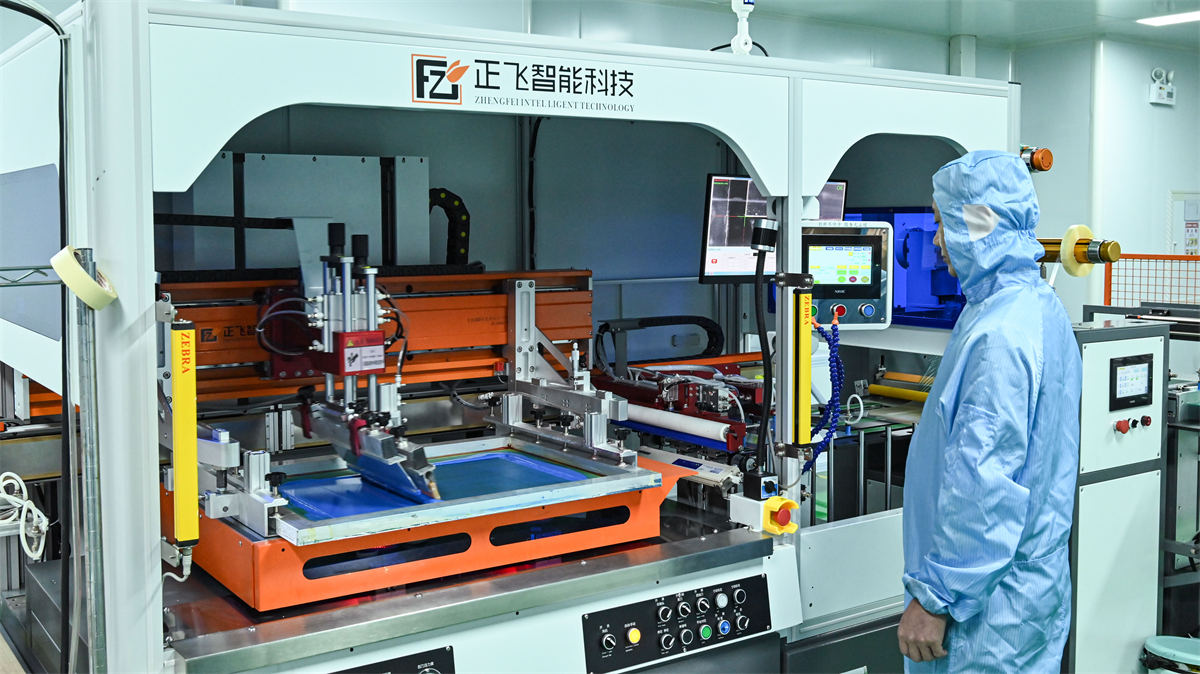
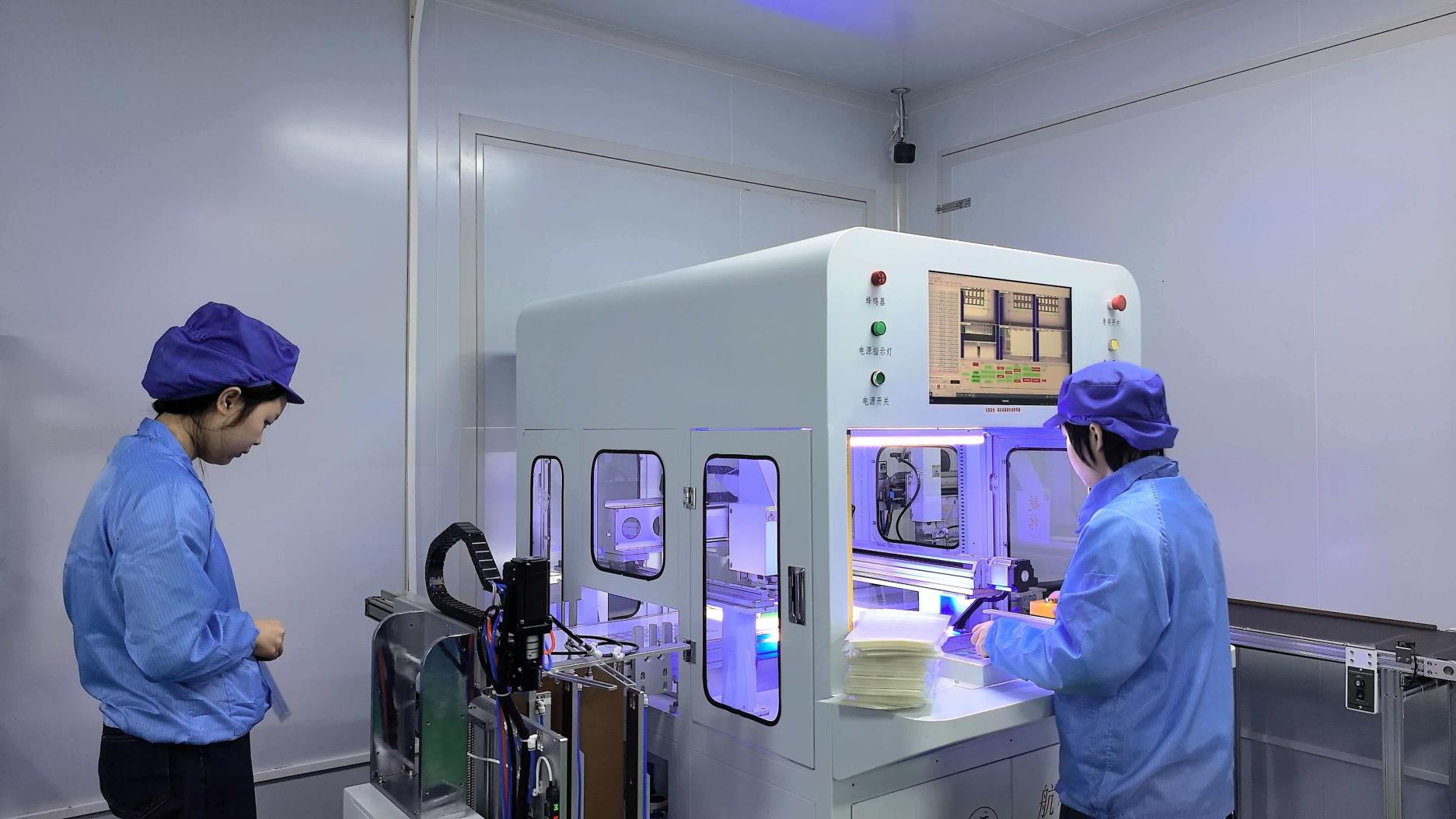
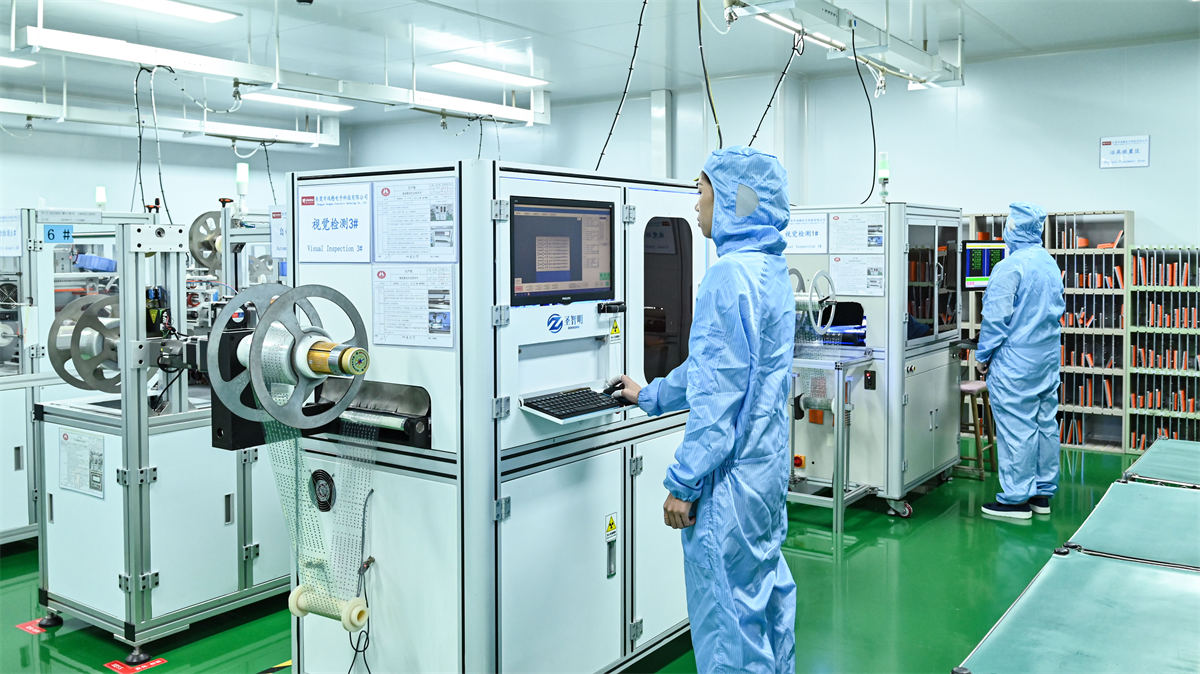
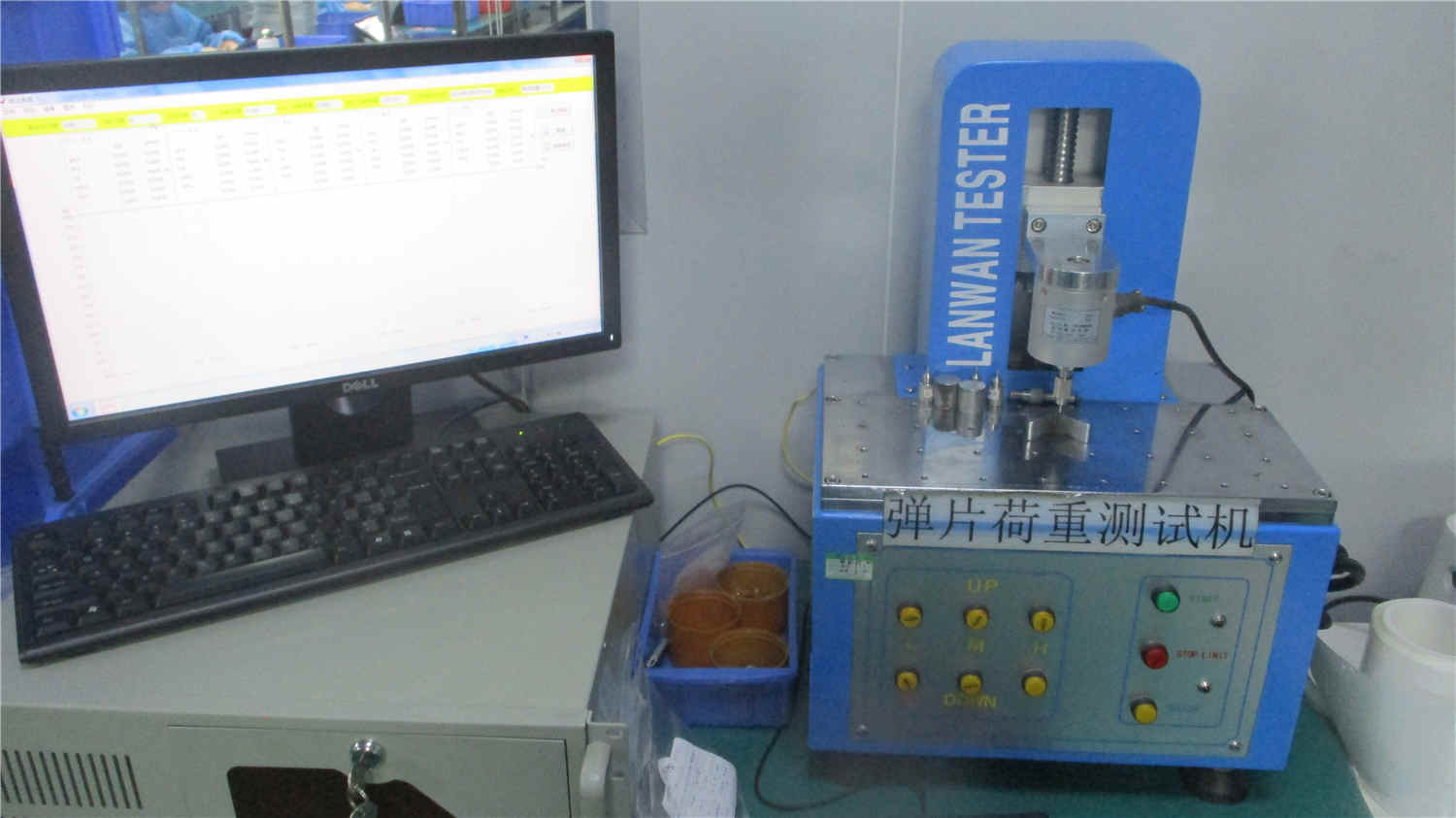
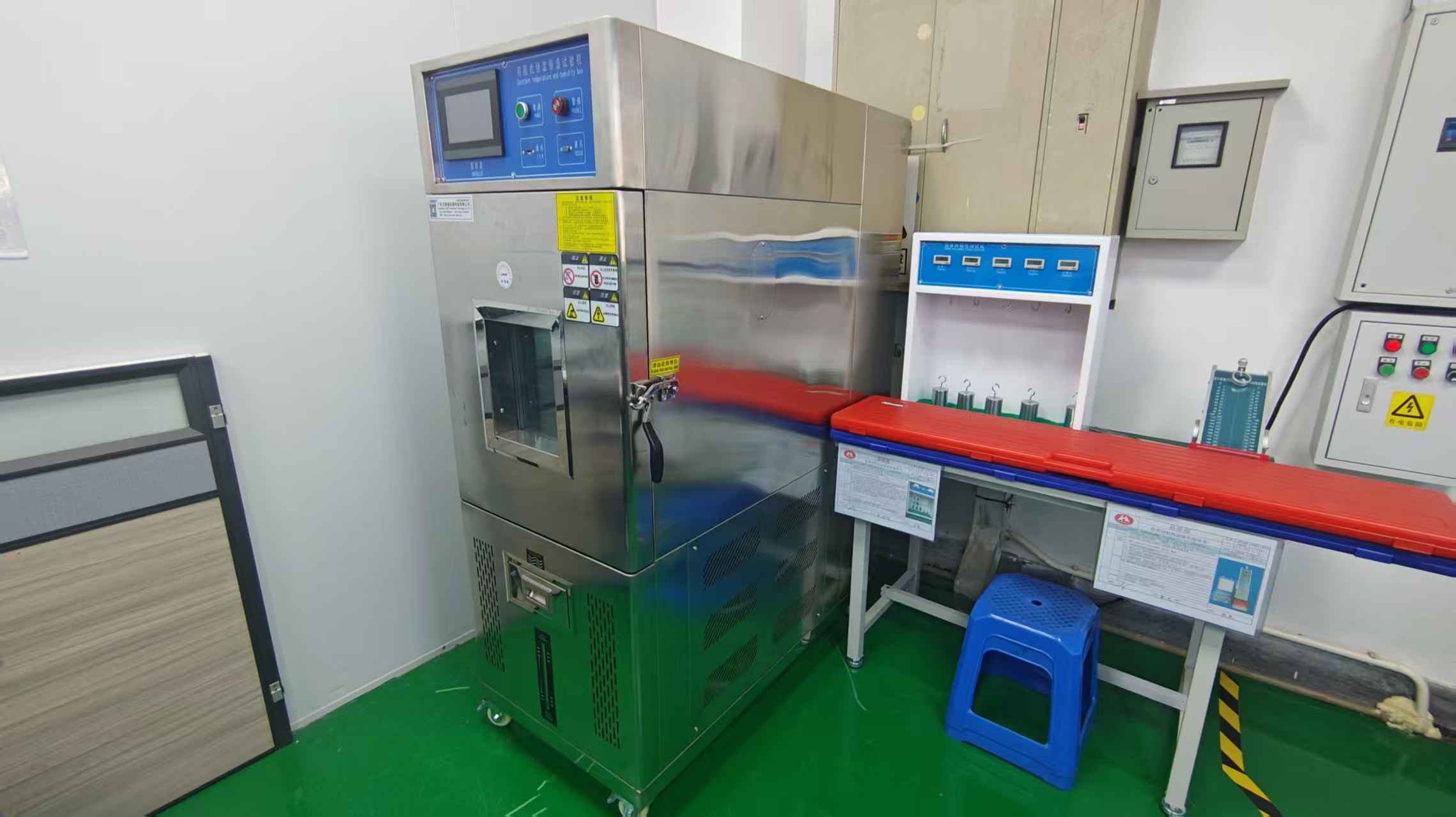
Inside Cevra’s ISO 9001:2015 Dongguan Production Facility
Reliable components stem from complete process ownership. Every circuit layer, snap dome matrix, and graphic interface is printed, laminated, cut, and laboratory-tested under our own cleanroom roofs.
Frequently Asked Questions: Ordering FPCs in Antwerp
Clear, direct answers regarding customs declarations, technical specifications, MOQ structures, and quality standards for hardware teams in Belgium.
Q1: How are import duties and VAT handled for shipments arriving in Antwerp?
Flexible printed circuits generally clear under European TARIC / HS Code 8534.00 (Printed Circuits). When delivering to companies registered in Antwerp or Flanders with a valid Belgian Enterprise Number (KBO / BCE) and EU VAT number, shipments can be routed DDP (Delivered Duty Paid) or DAP. Cevra provides full commercial invoices, packing lists with net/gross weights, and Certificates of Origin for rapid clearance through customs at Port of Antwerp or Brussels Airport (Zaventem).
Q2: Can your flexible circuits survive the aggressive industrial environments of the Antwerp docks?
Yes. For applications exposed to corrosive airborne chemicals, sulfur emissions, or maritime salt fog, we utilize authentic 3M 300LSE / 467MP adhesive systems and encapsulate flexible circuits with thermally cured polyimide coverlays rather than standard solder masks. Furthermore, tactile metal domes are electro-plated with 24K gold or high-grade nickel, eliminating oxidation and maintaining low contact resistance (< 0.1 Ω) over 1,000,000 actuations.
Q3: What files are required to initiate a DFM engineering review and quote?
Please submit your CAD mechanical outline (DXF, DWG, or STEP), circuit layout Gerber files (RS-274X format), and graphic artwork files (Adobe Illustrator vector format with Pantone / RAL color specifications). Our engineering department will evaluate conductor trace widths, bend radiuses, stiffener placements (FR4, PI, or stainless steel), and connector pitch within 24 hours, returning a comprehensive Design For Manufacturability (DFM) verification report.
Q4: What is your Minimum Order Quantity (MOQ) for Belgian development prototypes?
To support Belgian technology startups and R&D centers in Leuven and Antwerp, we do not impose punitive prototype MOQs. Customized membrane switch panels and FPC proof-of-concept batches can start from as low as 10 to 50 pieces. Once the prototype design is validated, our automated tooling infrastructure scales seamlessly to thousands or hundreds of thousands of units with robust volume pricing discounts.
Q5: How do you test for dynamic flex fatigue in moving machinery?
We perform rigorous MIT folding endurance testing in our quality lab. Flexible circuits undergo continuous reciprocating 180° bends around specified cylindrical mandrels (down to 1.5mm radius) under constant electrical monitoring. Conductor continuity and impedance changes are logged in real-time to guarantee that field cables deployed in gantry cranes, robotic actuators, and medical booms exceed their rated operational lifespan.
Q6: Do you offer non-disclosure agreements (NDAs) to protect proprietary Belgian IP?
Absolute confidentiality is the baseline of our OEM/ODM client relationships. We routinely execute bilateral Non-Disclosure Agreements governed under international or Belgian commercial jurisdiction prior to receiving proprietary schematics, patent-pending designs, or industrial firmware layouts.
Ready to Engineer Your Custom Flexible Circuit or Membrane Interface?
Whether you require a high-reliability ATEX-compliant control panel for the Port of Antwerp or micro-pitch flexible circuits for next-generation medical instrumentation in Flanders, our engineering team is at your disposal.