Engineered FPC Keyboards & Tactile Membrane Interfaces
Precision tactile response, ultra-thin profiles, IP67 environmental sealing, and extreme flex-life tested over 1,000,000 cycles for Dutch OEM instrument manufacturers.
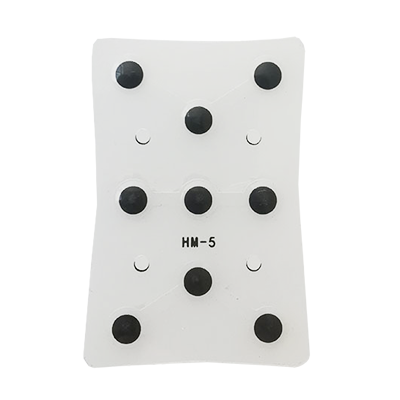
Membrane Keypad With Light Guide Film Metal Dome Array Sheet PCB Switch Button
- Backlight: LGF Side-Lit LED
- Tactile Snap: SUS301 Metal Dome
- Circuit Substrate: FPC / FR4 Hybrid
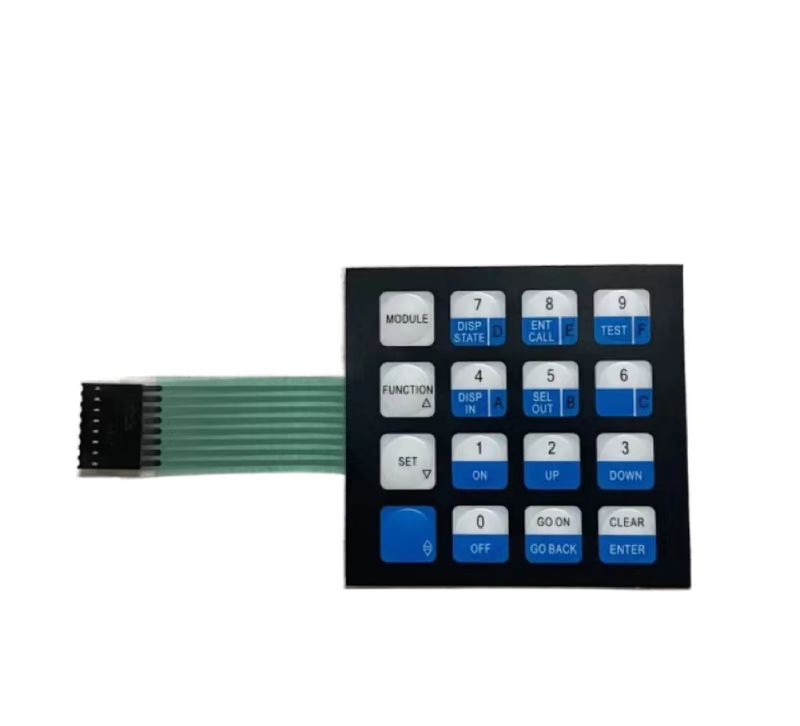
Custom Diy 4x4 Tactile Dome Flexible Membrane Switch Graphic Overlay Keypad
- Matrix Config: 16-Key 4×4 Standard
- Actuation Force: 280g ± 30g Crisp Click
- Connector: 2.54mm Pitch Crimp
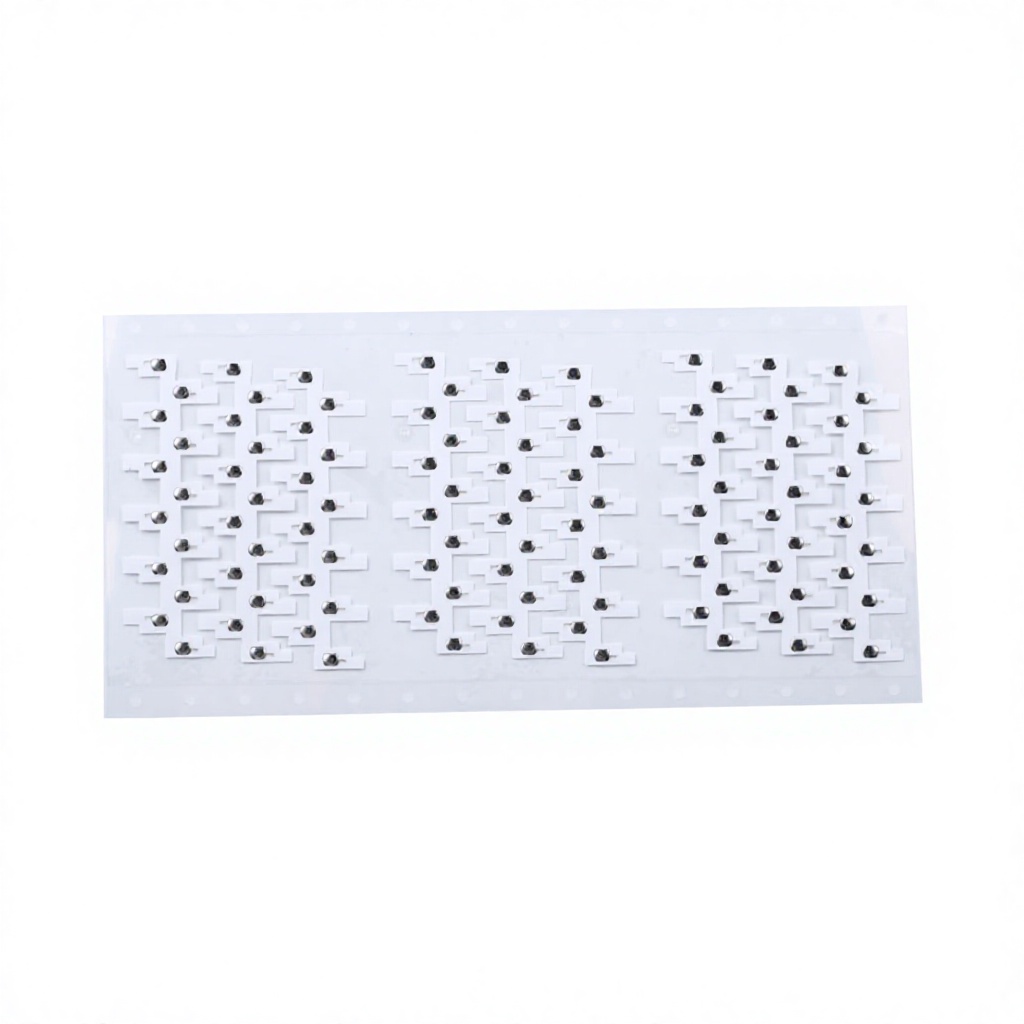
Single Layer SUS301 Stainless Steel Metal Dome Array Switch Keypad
- Material: Japan SUS301 Spring Steel
- Life Expectancy: >1,000,000 Cycles
- Plating: Gold / Nickel Optional
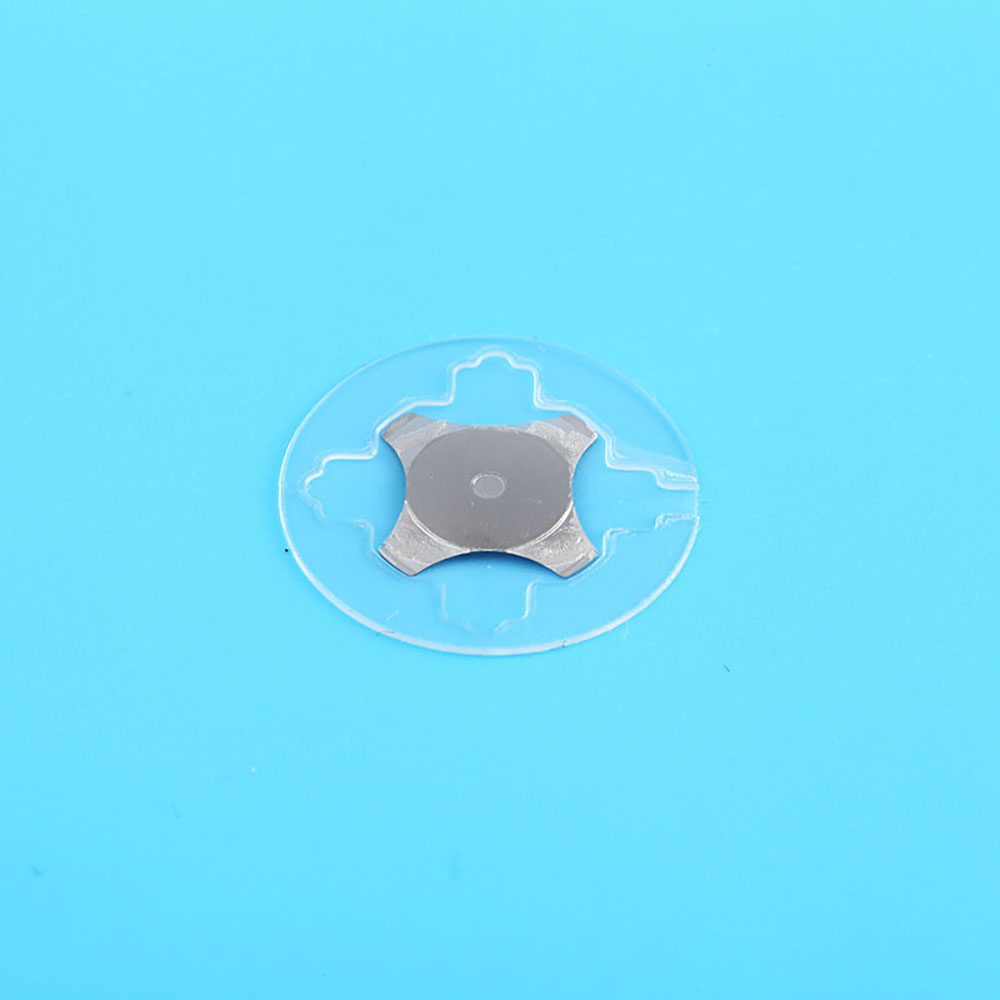
Metal Dome Array Single Layer PET Carrier with High-Tack Adhesive
- Carrier: Optical Grade PET Sheet
- Adhesive: 3M 467MP / Custom Acrylic
- Air Vents: Cross-Channel Anti-Lock
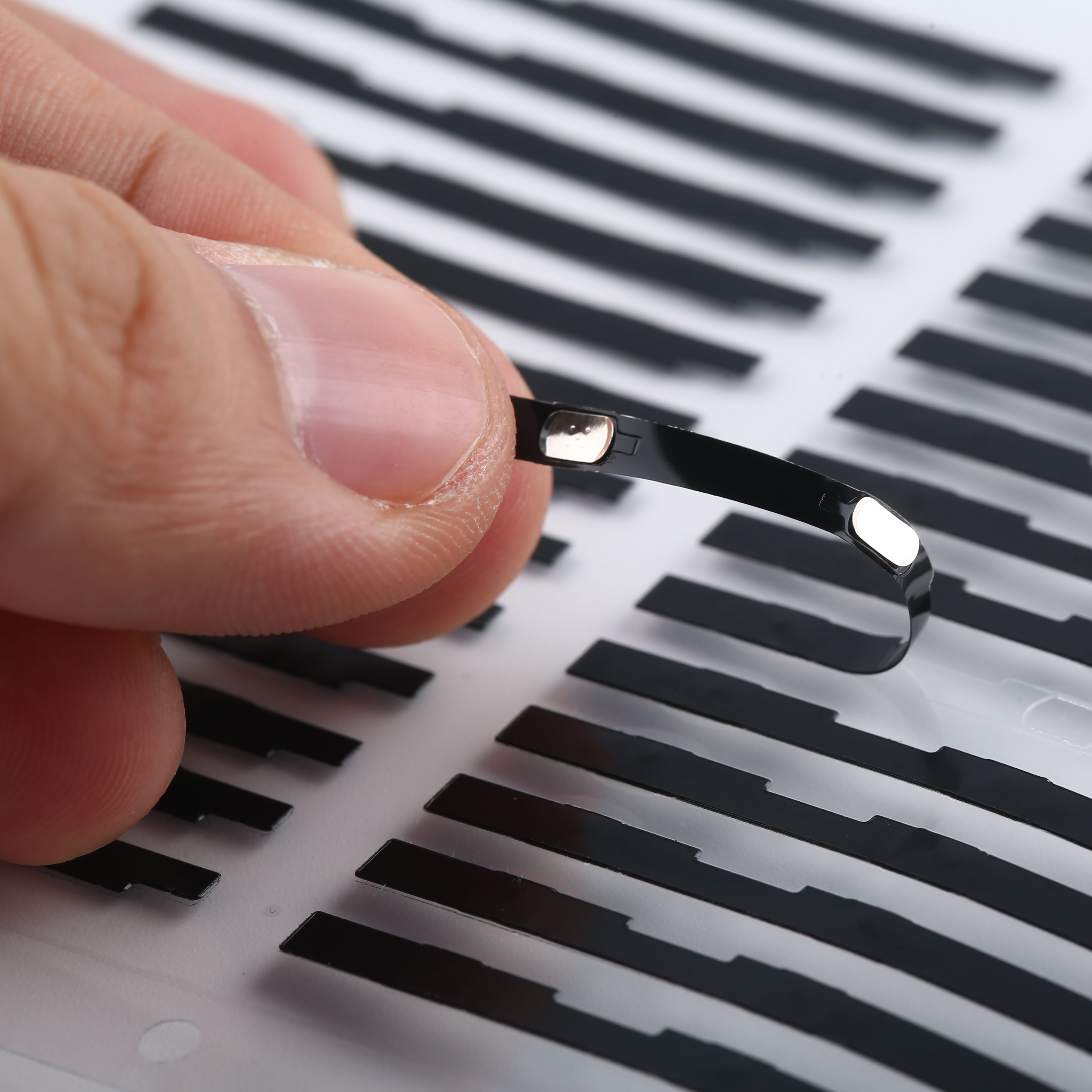
Oval Metal Dome Array Single Layer PET for Slim Enclosures
- Geometry: Oblong / Oval Snap Shape
- Height: Ultra-low 0.25mm Profile
- Target: Wearable & Lab Devices
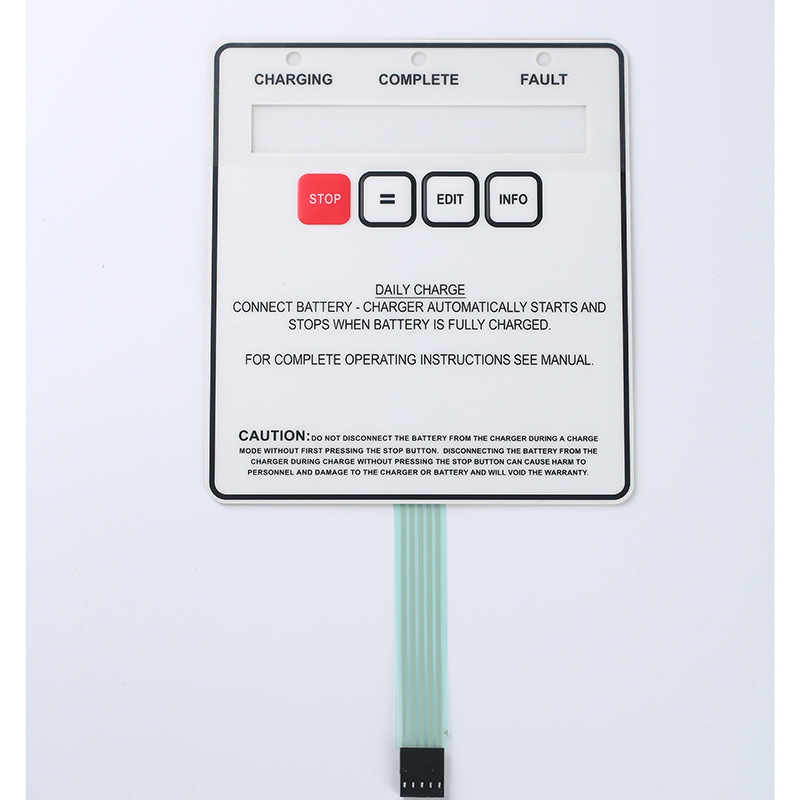
Waterproof & Dustproof Membrane Control Panel for Medical Devices
- Ingress: IP67 Anti-Microbial Surface
- Disinfection: Bleach & Alcohol Tolerant
- Display: Anti-Glare LCD Windows

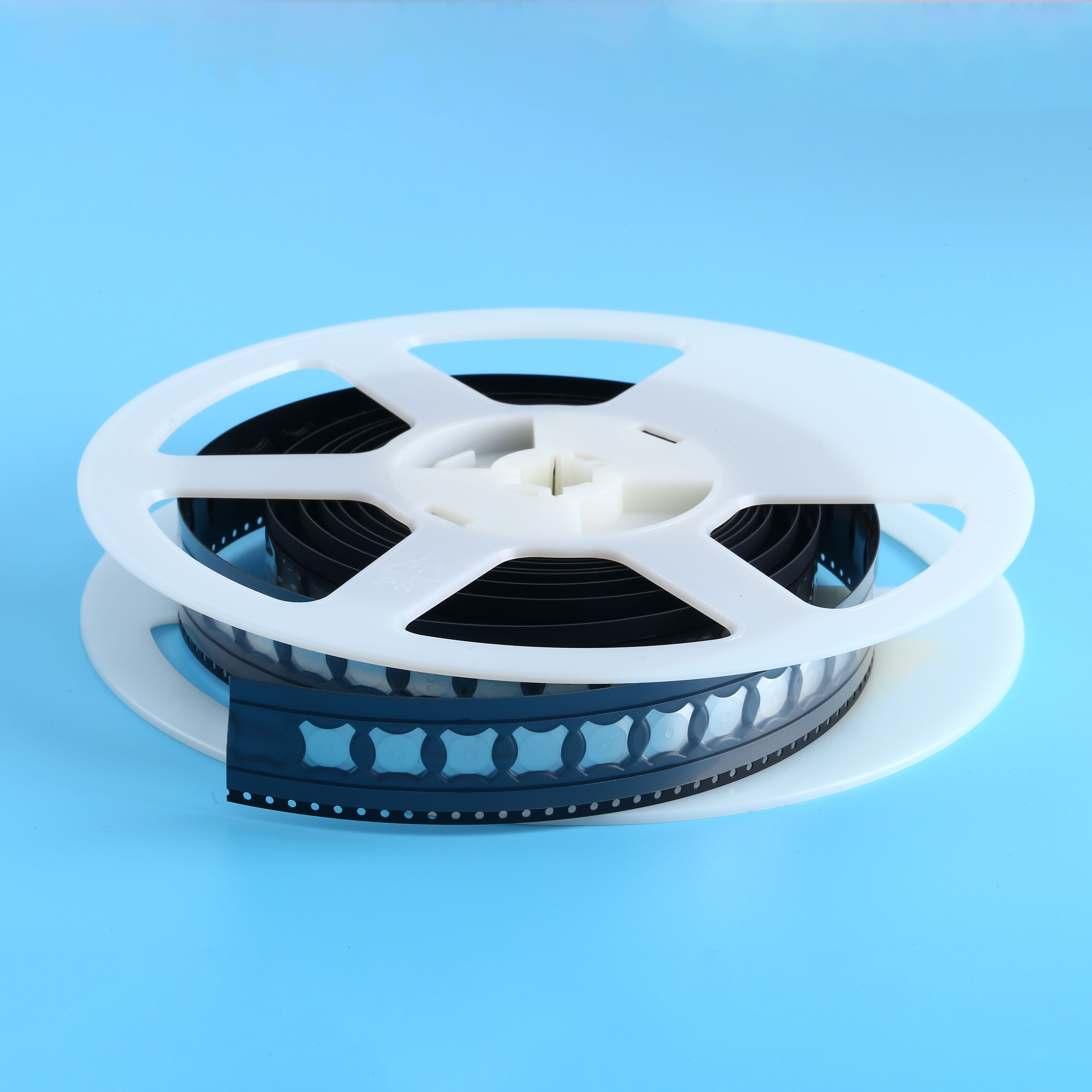
4-Legged Cross Snap Dome in Reel Packing for SMT Pick-and-Place
- Packaging: EIA-481 Tape & Reel
- Assembly: High-Speed Automated SMT
- Dimple: Center Dimple High-Tactile
Transparent PET Metal Dome Array for Consumer & Industrial Handhelds
- Sheet: Optical Clear Polyester
- Switch Contact: <0.5 Ohm Loop Resistance
- Application: Diagnostic & Remote Panels
Why Flexible Printed Circuit (FPC) Keyboards Outperform Silver-Printed PET in Demanding Applications
A deep-dive technical comparison for systems architects, electronic procurement managers, and hardware development teams in the Netherlands.
As electronic packaging continues to contract across European medical technologies, laboratory instruments, and industrial smart robotics, Human-Machine Interface (HMI) modules are subject to extreme functional requirements. While conventional membrane keypads relying on screen-printed conductive silver ink on polyethene terephthalate (PET) have served general commercial appliances reliably for decades, they face fundamental physical boundaries in high-density trace routing, operating temperature extremes, and continuous dynamic flexing. For original equipment manufacturers throughout the Utrecht Science Park, Nieuwegein industrial corridors, and the broader Randstad high-tech triangle, the Flexible Printed Circuit (FPC) keyboard has emerged as the architectural standard.
Ultra-Low Trace Resistance
Silver paste inks inherently suffer from electrical resistivity that scales drastically with trace length. In contrast, FPC circuits utilize electrolytic or rolled annealed (RA) copper foil bonded to polyimide (Kapton) films.
- Silver paste PET: Typically 10 to 50 Ω/m resistance.
- Copper-clad FPC: Below 0.05 Ω/m, drastically eliminating signal voltage drop.
- Enables integration with sensitive capacitive micro-controllers and high-speed I2C/SPI interfaces.
Fine-Pitch Component Soldering
Modern industrial keypads must host surface-mount active and passive components—such as bi-color indicator LEDs, phototransistors, and optocouplers—directly on the flexible tail.
- PET cannot endure standard reflow temperatures (>240°C), requiring conductive epoxy bonding.
- Kapton FPC safely undergoes high-temperature lead-free solder reflow profiles.
- Achieves 0.5mm ultra-fine ZIF connector termination without tail delamination.
Harsh Environment Endurance
Silver migration represents a common mode of terminal failure when humid European industrial environments experience electrical bias across adjacent traces.
- Copper traces coated with solid polyimide coverlay or solder mask are immune to dendritic short-circuits.
- Operating temperature envelope spanning -40°C up to +105°C without dielectric degradation.
- Withstands aggressive clinical wipe-downs with quaternary ammonium and isopropyl alcohol.
Engineering Benchmark: FPC vs. Silver-Printed PET vs. Rigid FR4
Direct architectural parameters used by Dutch design agencies and hardware engineering teams.
| Mechanical & Electrical Metric | Flexible Printed Circuit (FPC) Keypad | Silver-Printed PET Membrane | Rigid FR4 Backed Keyboard |
|---|---|---|---|
| Base Substrate Material | Polyimide (Kapton) + Copper Foil (0.5oz / 1oz) | Polyester (PET, Autotype Mylar) | Glass-reinforced Epoxy Laminate |
| Conductor Line / Spacing (Min) | 0.10mm / 0.10mm (High-density complex routing) | 0.38mm / 0.38mm (Risk of silver bridging) | 0.12mm / 0.12mm (Limited by board size) |
| SMT Component Assembly | Reflow & wave soldering (SMD LEDs, resistors, ICs) | Low-temp conductive silver epoxy adhesive | Standard automated pick-and-place reflow |
| Tail Flexibility & Bend Radius | R < 1.0mm, dynamic flex life >5,000,000 bends | R > 3.0mm, cracking risk under repeat flexure | Rigid; zero flex capability (requires headers) |
| Connector Pitch Standard | 0.5mm, 1.0mm, 1.25mm ZIF locking insertion | 2.54mm pitch Amphenol / Nicomatic crimp housings | Board-to-board mezzanine or standard pin headers |
| Contact Resistance Stability | <0.1 Ω per switch loop (immersion gold plated) | 10 to 100 Ω depending on trace run length | <0.05 Ω (ENIG immersion gold contact pads) |
| Moisture / Silver Migration | Completely impervious to dendritic growth | Susceptible in condensation without sealed vents | Impervious under conformal coating |
Tailored HMI Manufacturing for the Utrecht Innovation Corridor
Utrecht serves as the strategic nexus of the Netherlands for Life Sciences, Medical Robotics, Agritech automation, and high-speed multi-modal distribution systems. Operating at the core of the Dutch knowledge economy, device developers demand interface panels that satisfy stringent CE certifications, EN 60601 electrical medical standards, and IP67 sanitary washdown protocols.
Multi-Layer Ingress Protection & Tactile Design Stack-up
How Dongguan Cevra structures each layer to ensure IP67 environmental isolation and repeatable snap feedback.
1. Graphic Overlay & Sealing
Printed subsurface on Autotype MacDermid XE textured polyester or anti-glare Lexan polycarbonate. Impermeable to aggressive solvents, detergents, and industrial oils.
- Selective matte, textured, or optical gloss clear window printing.
- Pillowy, rim, or plateau embossing for tactile finger positioning.
- Integrated antimicrobial coatings for medical clinical surfaces.
2. Dome Retainer & Venting
Precision die-cut acrylic spacer containing individual cavities for stainless steel domes. Features internal micro-vent channels that prevent air cushion dampening.
- Guarantees a distinct, crisp tactile actuation snap ratio >50%.
- Closed perimeter adhesive gasket ensuring IP67 boundary seal.
- Prevents dome displacement under continuous high-frequency typing.
3. Copper FPC Circuit Core
Double-sided or single-sided polyimide base with rolled-annealed copper foil. Contact pads feature electroless nickel immersion gold (ENIG) for corrosion-free switching.
- Supports dense multi-conductor buses down to 0.5mm connector pitches.
- Surface mount reflow capability for side-firing low-current LEDs.
- High mechanical flex fatigue resistance for hinged device lids.
Dongguan Cevra: Verified In-House Direct Manufacturing
Direct supply relationship eliminates broker margins, reduces iteration lead time, and maintains complete batch traceability under ISO 9001 quality governance.
Class 10,000 Cleanroom Printing
High-precision semi-automatic and automatic flatbed screen printing lines equipped with climatic dust control and visual inspection instruments to prevent dust inclusion in optical display windows.
CCD Alignment Laser & Punching
Computer-vision CCD guide drilling machines align multi-layer stacks within ±0.05mm tolerances, ensuring flawless key actuation and zero dome misplacement relative to circuit switch pads.
Automated Optical & Dome Testing
Every single batch undergoes computerized dome trip-force curve profiling, 100% loop resistance continuity checks, high/low temperature environmental cabinets, and adhesion peel testers.
Frequently Asked Questions by Dutch Hardware Procurement Teams
Key information regarding international logistics, prototyping, European compliance, and custom engineering support.
How does Cevra support CE, RoHS, and REACH compliance for the European & Dutch markets?
What design files and specifications are needed to initiate a custom FPC keyboard quotation?
What is the standard turnaround time for prototypes and delivery to the Utrecht region?
Why should an engineering team in Utrecht choose FPC over a rigid FR4 board keypad?
Can Cevra provide low-volume pilot runs for Utrecht medical and agritech hardware start-ups?
What tactile dome options and snap forces are available for high-frequency user operation?
Ready to Build Your Custom FPC Keyboard Assembly?
Collaborate directly with our senior HMI application engineers. Submit your CAD files, circuit schematics, or target project requirements today for comprehensive DFM analysis, layer stack-up guidance, and rapid quotation for the Utrecht market.