Tactile Keypad
Explore our certified Human-Machine Interface assemblies engineered for extreme ingress protection, gold/nickel contact reliability, and extensive flex endurance.
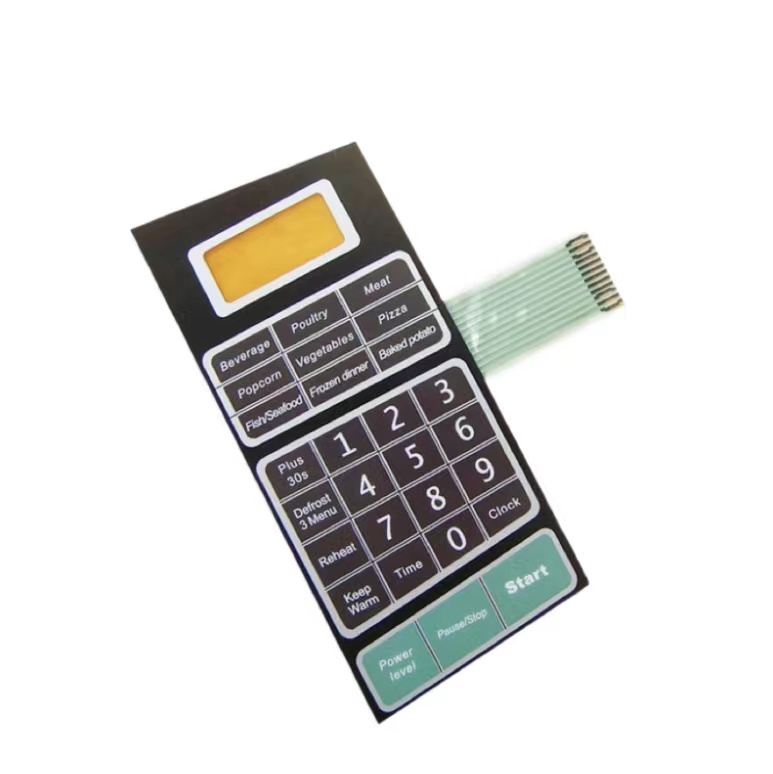
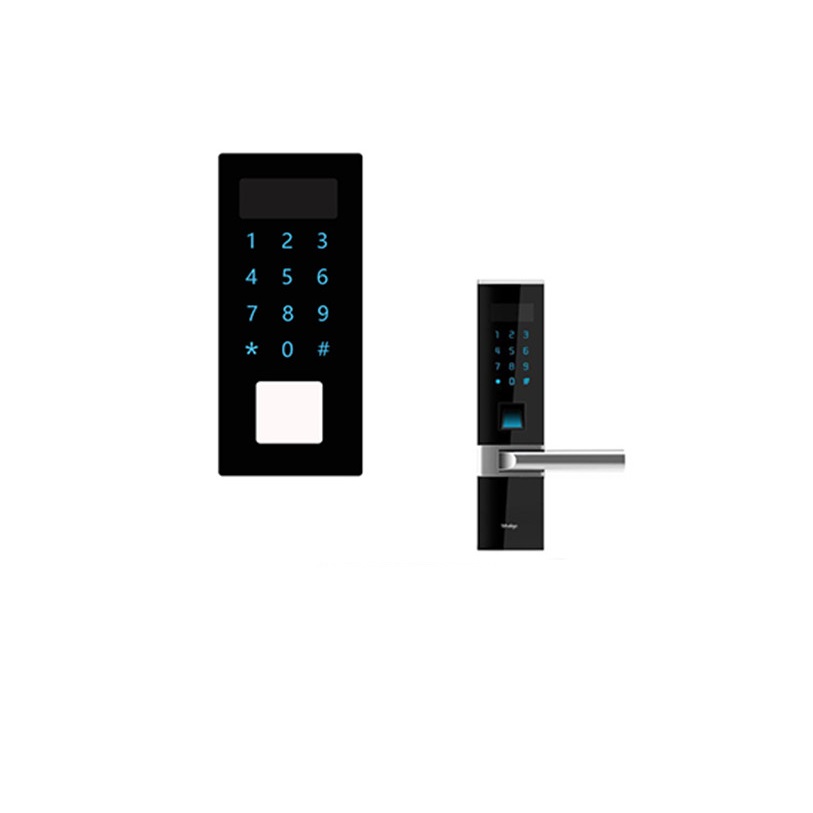
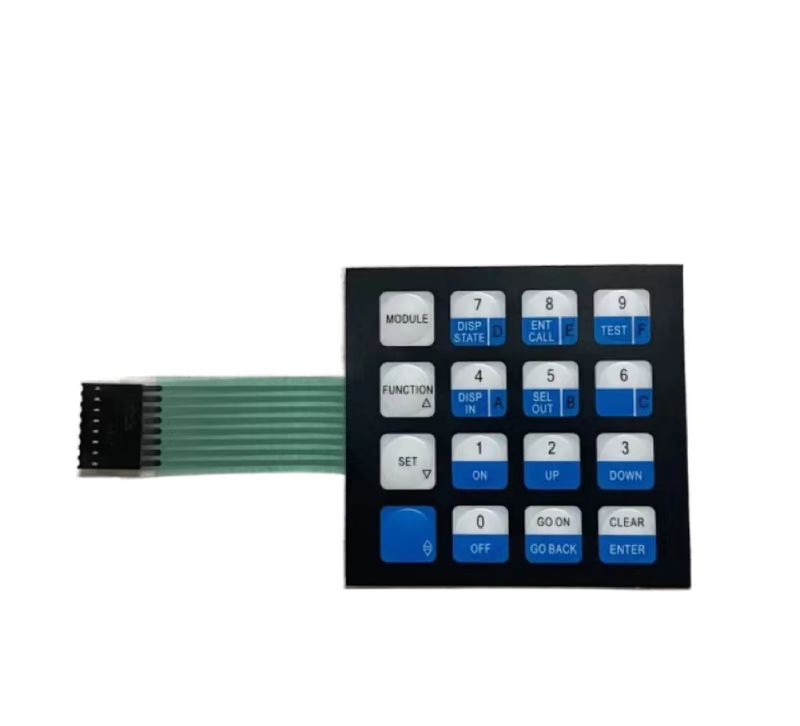
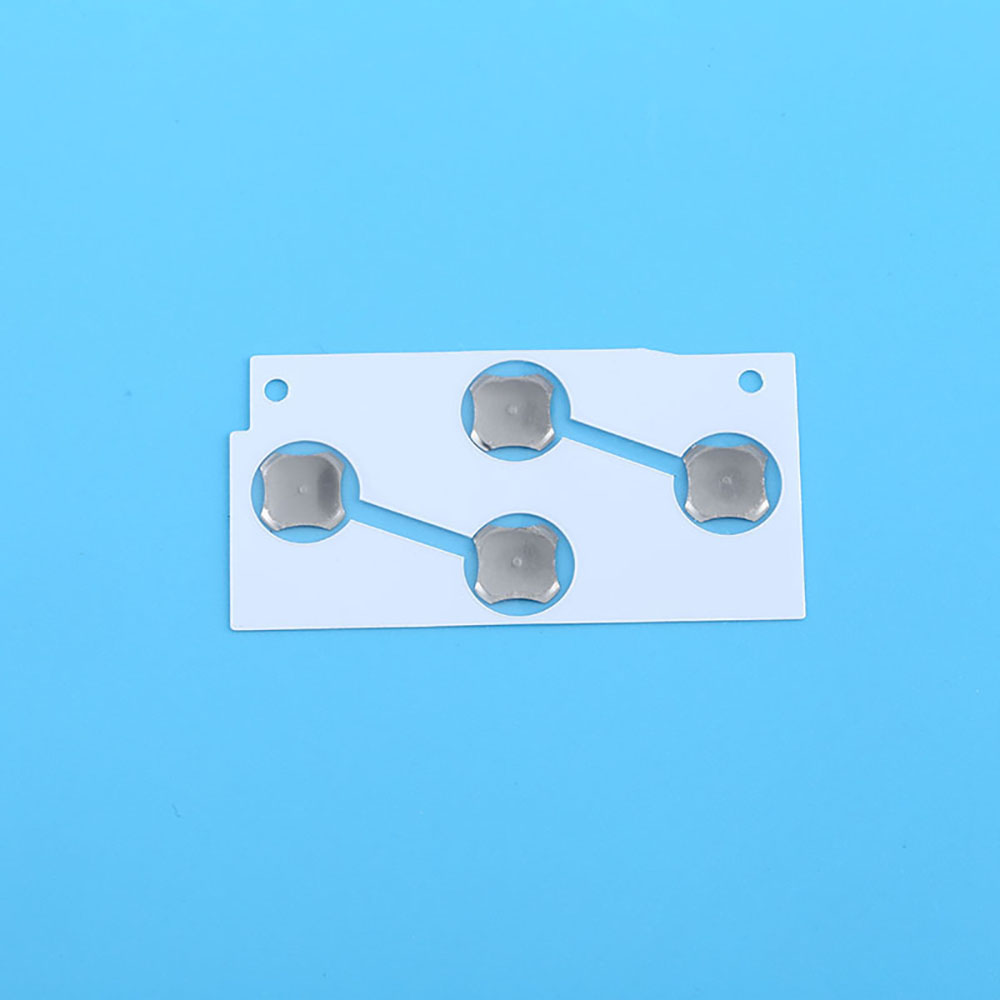
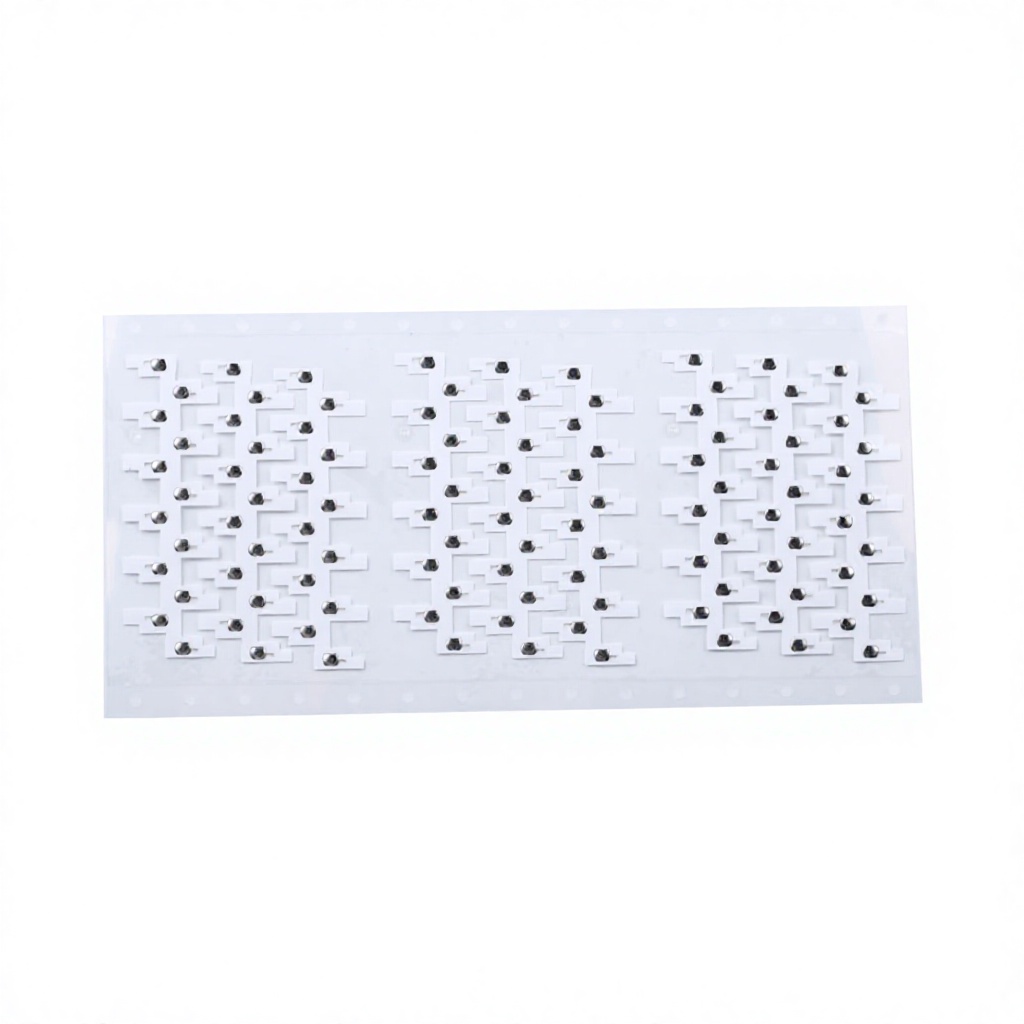
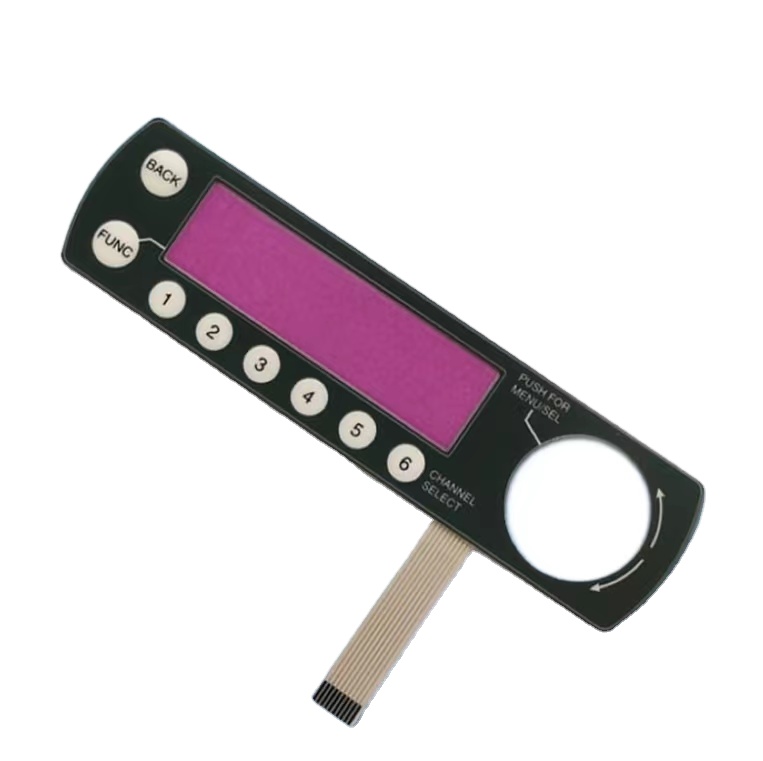
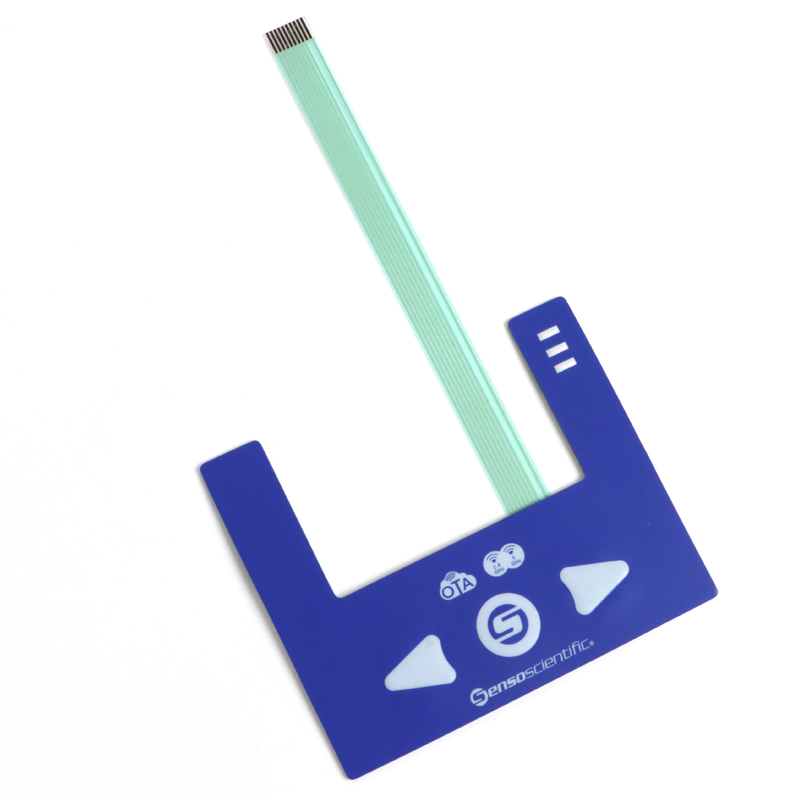
In modern electromechanical interface design, electronic engineers and procurement managers must choose between conventional screen-printed silver ink circuits on Polyethylene Terephthalate (PET) and etched copper-clad Polyimide (PI) Flexible Printed Circuits (FPC). While PET membrane switches remain cost-effective for benign consumer electronics, industrial-grade deployments in tropical maritime regions—such as the Commonwealth of Dominica—demand the structural stability of copper-etched FPC keyboards.
Dominica’s climate presents an aggressive convergence of environmental stresses: relative humidity consistently oscillating between 75% and 95%, persistent airborne sodium chloride aerosols from the Atlantic Ocean and Caribbean Sea, high ambient UV indices, and localized volcanic microclimates rich in airborne sulfur dioxide (SO₂) and hydrogen sulfide (H₂S). Under continuous electrical bias, conventional silver-printed ink circuits on PET suffer from electrochemical silver dendrite migration. In this degradation mode, ionic silver dissolves in trace moisture film trapped within the substrate layers, migrating across conductors and causing irreversible electrical shorts and trace impedance drift.
By comparison, an FPC keyboard utilizes a polyimide base substrate with rolled annealed (RA) or electrodeposited (ED) copper foil (typically 0.5 oz to 1 oz). Circuit traces are formed through high-precision photolithographic chemical etching, achieving trace pitch resolutions as dense as 0.1 mm with line tolerances below ±0.02 mm. The etched copper is sealed under a thermal-cured polyimide coverlay coated with high-performance modified acrylic or epoxy adhesive, establishing an impermeable barrier against humidity and atmospheric contaminants.
| Engineering Parameter | Copper Polyimide FPC Keyboard | Silver Conductive Ink on PET | Industrial Advantage for Dominica |
|---|---|---|---|
| Trace Conductor Resistance | < 0.1 Ω/sq (Pure Copper Foil) | 10 – 50 Ω/sq (Flake Silver Paste) | Negligible voltage drop for dense matrix scanning & integrated LEDs |
| Electrochemical Migration Risk | Virtually Zero (Eliminated with ENIG / Gold plating) | High Risk (Silver ion dendritic growth under >80% RH) | Prevents field failure in tropical and coastal environments |
| Component Assembly Capability | SMT Reflow (Micro-LEDs, Diodes, ZIF Connectors, ICs) | Conductive Epoxy Bonding (Fragile shear resistance) | High mechanical strength for high-vibration and rugged field usage |
| Bending & Flex Endurance | > 200,000 dynamic cycles (R=1.5mm) | < 20,000 cycles (Micro-cracking in silver traces) | Allows tight connector bends in compact IP67 sealed enclosures |
| Operating Temperature Envelope | -40°C to +105°C continuous | -20°C to +65°C continuous | Maintains structural integrity under intense Caribbean radiant heat |
| Contact Plating Options | Electroless Nickel Immersion Gold (ENIG), Hard Gold | Carbon overprint or raw silver ink | Provides contact resistance < 0.05 Ω with zero tarnishing in salt spray |
Procuring custom human-machine interface assemblies for Dominica requires understanding the island's unique macroeconomic and physical conditions. As the "Nature Isle of the Caribbean," Dominica is aggressively modernizing its infrastructure through climate-resilient engineering standards, renewable energy integration, and agro-industrial transformation. Below are the primary sectors utilizing custom FPC keyboards and membrane panels:
Dominica is developing major geothermal power generation in the Roseau Valley (Wotten Waven/Laudat). Instrumentation deployed near active geothermal vents encounters ambient sulfurous gases. Our FPC keyboards with ENIG gold plating and hermetic edge seals prevent sulfur tarnishing, ensuring continuous operation of borehole monitoring units, automated flow valves, and supervisory SCADA panels.
At the Woodbridge Bay deepwater port in Roseau and the Cabrits cruise terminal in Portsmouth, dockside cargo cranes, maritime vessel control units, and fuel dispensing terminals endure constant marine salt spray. Our tactile SUS301 stainless-steel snap dome arrays, combined with waterproof PMMA or Autotype XE polyester graphic overlays, pass 500-hour ASTM B117 salt fog exposure tests without ingress.
Dominica’s commercial production of bay oil, citrus concentrates, coffee, and cocoa involves heavy washdown cycles and exposure to essential organic oils and mild acids. FPC membrane switches featuring textured Lexan polycarbonate or antimicrobial PET front foils resist chemical permeation, allowing high-pressure hot water sanitization without delamination or electrical shorting.
Hardware developers, electrical contractors, and maintenance engineers serving Dominica are shifting away from off-the-shelf mechanical pushbuttons toward custom-manufactured monolithic FPC keyboards. This transition is guided by three technical advancements:
Mechanical keyboards rely on discrete switch housings that trap condensation and debris, causing intermittent contact failure. Our manufacturing process integrates die-cut 3M 467MP, 3M 468MP, or 3M 300LSE low-surface-energy adhesive systems. These adhesive spacers form an airtight perimeter seal around the contact cavities. Integrated micro-ventilation channels route internal air displacement between keys without venting to the external atmosphere, balancing atmospheric pressure changes during tropical storms while maintaining a certified IP67 or IP68 waterproof rating.
For off-grid solar-powered weather stations and emergency communications equipment across Dominica’s Morne Trois Pitons national park region, system power budgets are tightly constrained. Older electroluminescent (EL) lamps degrade quickly in tropical heat and require high AC inverter voltages. Cevra incorporates sub-0.2mm ultra-thin Light Guide Films (LGF) driven by low-current side-emitting SMT LEDs directly soldered onto the FPC tail. This architecture delivers uniform luminance (>85% uniformity) across complex graphic legends while consuming less than 15% of the power demanded by traditional diffuse LED arrays.
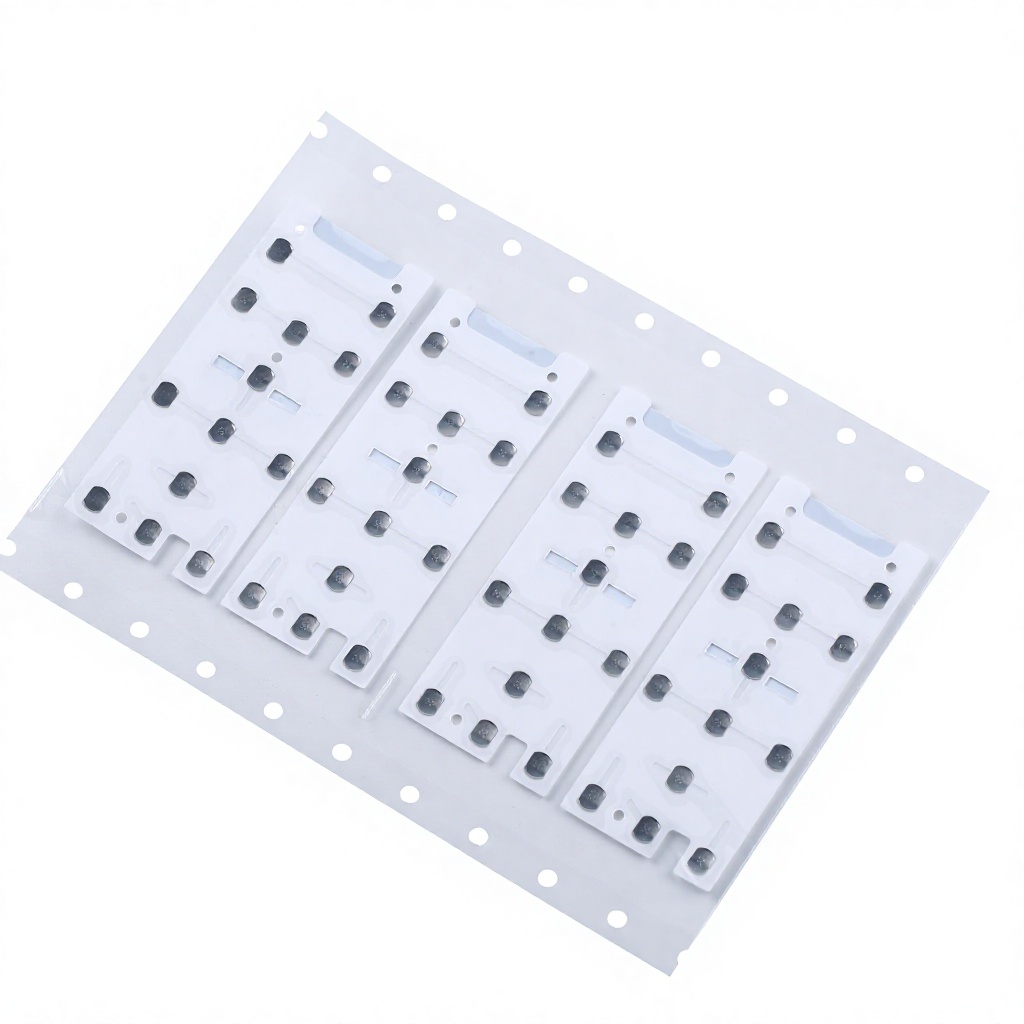
Tactile feedback is critical in industrial operating environments where operators wear gloves or work amidst engine ambient noise. We incorporate precision-stamped Japanese SUS301 stainless-steel snap domes (available in 4-leg cross, round, or triangular formats with trip forces ranging from 180g to 450g). Our automated dome array placement line guarantees actuation consistency, providing a distinct mechanical snap with a crisp tactile ratio exceeding 40% and a tested operational lifespan exceeding 1,000,000 cycles per key.
Founded in March 2009 in Dongguan, Guangdong, China, Dongguan Cevra Electronic Technology Co., Ltd. operates as a specialized custom manufacturer of flexible human-machine interface components. Unlike trading brokers or intermediaries, Cevra maintains full control over every manufacturing stage across our 2,600m² facility, delivering high quality, consistent lead times, and competitive direct factory pricing to clients in Dominica and worldwide.
Certified Quality Management System covering strict incoming material verification, cleanroom lamination, and 100% automated electrical testing. Verified on-site by SGS Group.
Equipped with CCD automatic punching and vision-guided drilling machinery achieving registration tolerances within ±0.05 mm across multi-layer membrane switch stacks.
Every lot undergoes dynamic dome load-displacement curve analysis, high/low temperature testing (-40°C to +105°C), 3H pencil scratch tests, and adhesive peel force validation.
Streamlined express air delivery to Dominica via DHL, FedEx, and air freight networks. Fast prototype turnarounds (5–7 days) and flexible MOQs starting from 10–100 pieces.
Clear, technical answers to common questions regarding customs duties, logistics, environmental resilience, and DFM validation.
Bring your human-machine interface project from schematic to certified volume production. Submit your mechanical CAD outlines, graphic vectors, or functional requirements for comprehensive DFM review, layer stack-up guidance, and rapid factory quotation.