OEM / ODM Core Catalog
Precision HMI & Circuit Component Showcase
Engineered for high-duty cycling, moisture tolerance, and hermetic tactile feedback across demanding Pacific regional operating environments.

16+
Years Engineering Expertise
2,600㎡
Modern Cleanroom Facility
ISO 9001
Certified Quality System
100%
CCD & Functional Inspection
SGS
Onsite Verified Manufacturer
Technical Whitepaper: Flexible Printed Circuit (FPC) Architecture & Membrane Interface Integration
Flexible Printed Circuits (FPC) represent a critical evolutionary step beyond traditional rigid PCBs (Printed Circuit Boards) and conventional screen-printed silver ink polyester circuits. In modern industrial automation, maritime telemetry, and off-grid utility infrastructure, electronic enclosures demand sub-millimeter interconnect profiles capable of enduring multi-axial dynamic bending, mechanical vibration, and hermetic isolation from corrosive environments. As a direct custom manufacturer, Dongguan Cevra Electronic Technology Co., Ltd. provides precision-engineered FPC substrates integrated with advanced tactile metal domes, graphic overlays, and capacitive sensor matrices.
Substrate Material Science: Polyimide (PI) vs. Polyester (PET)
The foundation of long-term reliability in high-humidity and marine-adjacent markets such as Pangai rests upon the selection of dielectric base films. While commercial membrane switches often employ biaxially oriented polyethylene terephthalate (PET) due to its cost efficiency and mechanical rebound properties, high-density interconnection circuits require DuPont Kapton® polyimide (PI) or equivalent advanced polymeric films.
- Thermal Endurance: Polyimide demonstrates continuous operating temperatures from -40°C to +125°C with excursions up to 260°C during lead-free reflow soldering (SMT), preventing trace rupture or dielectric degradation. Conversely, PET circuits are constrained to continuous temperatures below 85°C.
- Dimensional Stability: Moisture-induced swelling and thermal shrinkage can induce trace misalignment in fine-pitch connectors (0.5 mm to 1.0 mm pitch). Polyimide provides an extremely low coefficient of thermal expansion (CTE) matching rolled-annealed (RA) copper foil, eliminating delamination under rigorous thermal cycling.
- Copper Conductor Types: Cevra utilizes rolled annealed (RA) copper for dynamic flexing applications (over 10,000,000 flex cycles) and electro-deposited (ED) copper for static high-density interconnect routing. Trace spacing and track widths can be executed down to 0.075 mm / 0.075 mm (3 mil / 3 mil).
Electroless Nickel Immersion Gold (ENIG)
Deposition of 1-3 micro-inches of gold over 100-150 micro-inches of nickel ensures ultra-low contact resistance (<0.05Ω), prevents atmospheric oxidation, and delivers optimal solderability for fine-pitch surface mount devices (SMD).
Multi-Layer Shielding & EMI Immunity
Integration of solid copper planes, cross-hatched conductive polymer grids, or dedicated aluminum/copper foil laminations guarantees electro-magnetic shielding attenuation exceeding 60dB across industrial RF interference bandwidths.
Polyimide Coverlay Protection
Instead of traditional liquid solder mask that cracks under continuous bending, thermo-bonded solid polyimide coverlays encapsulated with high-grade modified epoxy adhesive insulate electrical runners against chemical exposure and moisture penetration.
Tactile Mechanics: Metal Dome Dynamics & Actuation Physics
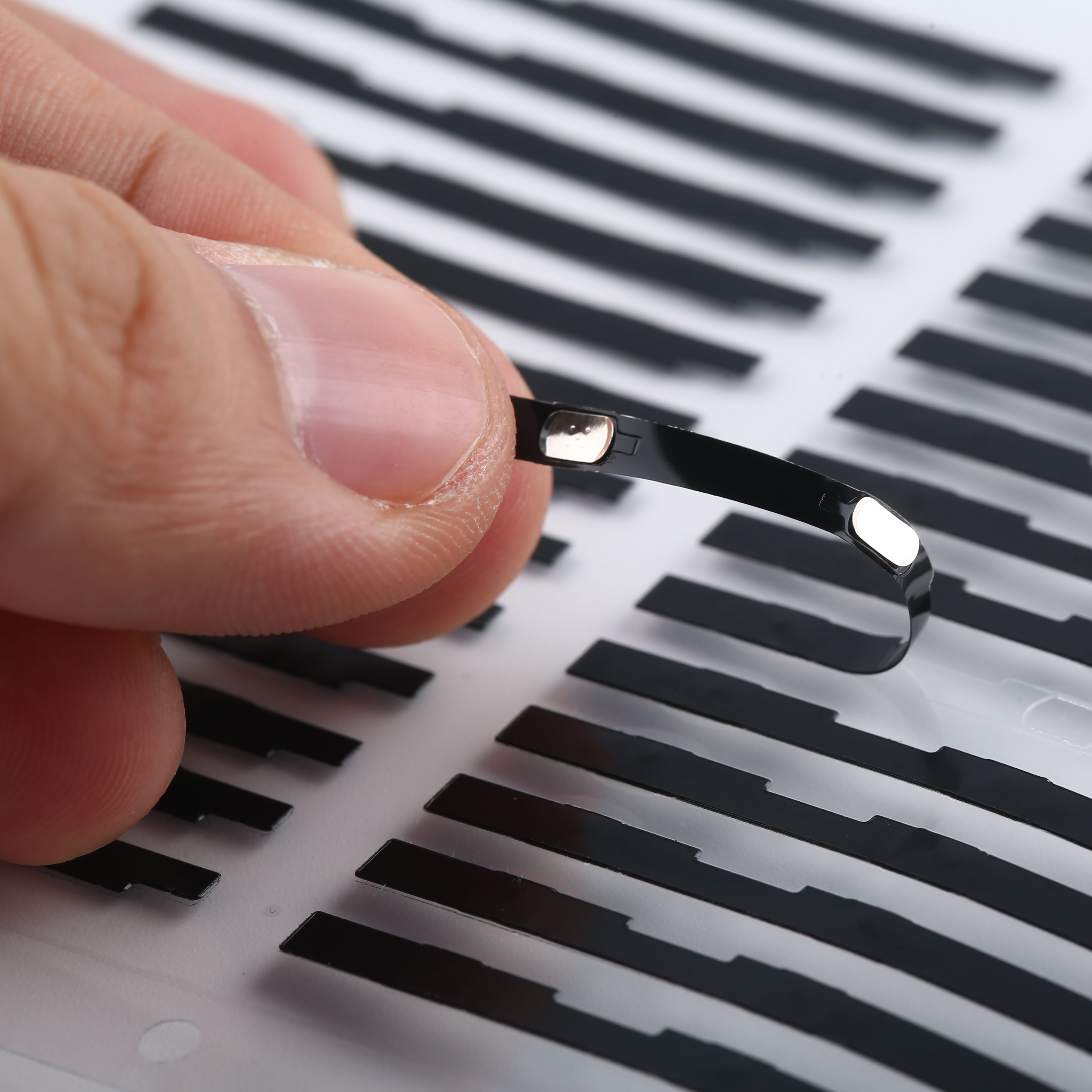
Human-Machine Interface (HMI) feedback relies heavily on the tactile ratio of snap domes. A switch failure in an isolated field setting can compromise entire industrial operations. Our metal dome arrays leverage premium SUS301/SUS304 stainless steel alloys, stamped under progressive dies to sustain tight actuation force tolerances (±15g). The tactile ratio—defined as (Actuation Force - Return Force) / Actuation Force—is engineered between 45% and 65% to grant field technicians definitive mechanical confirmation even while wearing heavy safety gloves.
Pangai Market Localization: Application Scenarios & Operational Demands
Pangai—serving as the administrative and economic center of the Ha'apai group in the Kingdom of Tonga—represents an insular Pacific ecosystem characterized by high humidity, constant marine salt fog, elevated UV radiation, and localized reliance on decentralized infrastructure. In this operating theater, standard consumer-grade switches and off-the-shelf mechanical electronics suffer rapid premature oxidation, dielectric breakdown, and mechanical failure caused by atmospheric salinity and thermal cycling.
Electronic systems deployed across Pangai require ruggedized Human-Machine Interfaces and flexible circuit assemblies specifically engineered to withstand maritime conditions and off-grid power realities.
Off-Grid Solar & Micro-Grids
PV inverter monitoring panels, battery management system (BMS) controllers, and hybrid micro-grid distribution switchgears installed in remote utility outposts require hermetically sealed front panels impervious to airborne tropical moisture.
Maritime Telemetry & Vessels
Small-craft navigation displays, satellite emergency locators, marine VHF communication transceivers, and depth sonars demand IP67/IP68 boundary-gasketed FPC keypads resilient against continuous saltwater spray and direct sunlight.
Cold Storage & Fisheries
Local seafood processing and solar refrigeration units encounter thermal shock transitions from -20°C freezer interiors to +35°C ambient air. Stable elastomer and PET/PC overlays eliminate moisture condensing behind key contacts.
Disaster & Weather Stations
Remote meteorological sensory nodes, tsunami early-warning monitoring pods, and LoRaWAN satellite gateways operate autonomously on towers exposed to extreme typhoon gusts and UV degradation, relying on gold-plated FPC jumpers.
Environmental Hardening: Countering Salt-Spray & Thermal Expansion
To eliminate galvanic corrosion between conductive tracks and switch contacts, Cevra applies specialized manufacturing protocols for Pacific deployments:
- Hermetic Perimeter Sealing: Using precision die-cut structural adhesives such as 3M 467MP, 468MP, or 3M 300LSE VHB acrylic foam, our assemblies achieve an IP67 perimeter seal that blocks airborne salt particulate ingress into internal dome cavities.
- Anti-Microbial & UV Hardcoats: Graphic overlays are manufactured with Autotex XE or equivalent outdoor-grade textured polyester, offering proven resistance to intense ultraviolet exposure without yellowing, hazing, or embrittlement over multi-year deployments.
- Venting Channel Engineering: In unsealed switches, rapid atmospheric pressure swings during tropical cyclonic depressions can cause spontaneous actuation or dome collapse. Cevra incorporates internal labyrinthine breathers fitted with hydrophobic ePTFE membrane filters to equalize pressure while blocking liquid water ingress.
Pangai Market Trends: The Shift toward Solid-State & Flexible Systems
As digital modernization expands across the Kingdom of Tonga and wider Polynesian supply networks, procurement strategies for electronic hardware are experiencing substantial paradigm shifts:
Capacitive Touch Replacement
Fleet operators and plant managers are transitioning from mechanical push-buttons that harbor grime and corrode along stem seals to planar capacitive touch panels and sensor film switches that can be completely sanitized with zero ingress seams.
Consolidation via Rigid-Flex
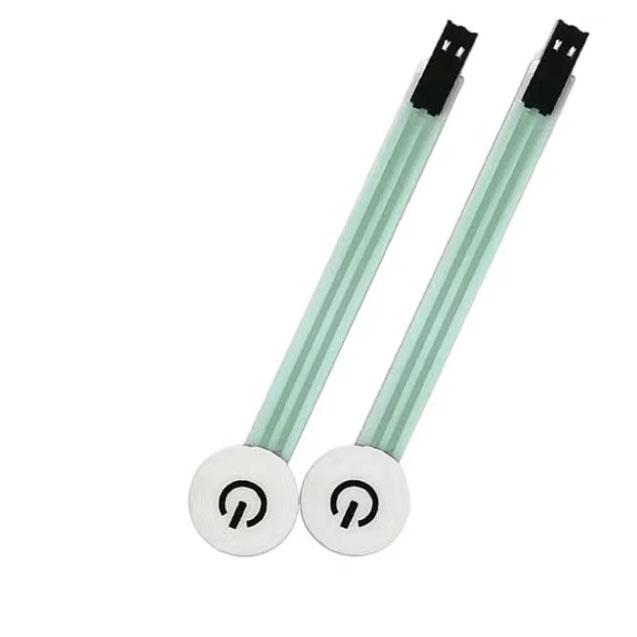
Engineers are reducing failure-prone wire harnesses by specifying unified FPC circuits with integrated tail jumpers. Combining the circuit layer, LED backlighting, and ZIF connectors into one flexible assembly drops assembly labor by over 40%.
Direct Factory Engineering Engagement
Regional contractors increasingly bypass domestic trading desks to engage directly with certified ISO 9001 Chinese manufacturers. This ensures strict Design for Manufacturability (DFM) verification, custom tooling support, and rapid turnaround on custom batch runs.
Engineering Decision Matrix: Technology Comparison
Select the optimal interface circuit technology based on environmental stress, spatial constraints, and electrical duty parameters for your Pangai project:
| Performance Parameter | Flexible Printed Circuit (FPC) | Silver Printed Screened PET | Rigid FR4 Membrane Backer |
|---|---|---|---|
| Base Material | Polyimide (Kapton) 25μm – 50μm | Polyester (PET) 75μm – 125μm | Glass-Reinforced Epoxy FR4 |
| Conductor Metallurgy | Rolled Annealed (RA) Copper Foil | Screen-Printed Conductive Silver Paste | Electrodeposited Copper Foil |
| Trace Resistance | Ultra-Low (< 0.1 Ω/sq) | Moderate (10 – 50 Ω/sq) | Ultra-Low (< 0.05 Ω/sq) |
| Dynamic Flex Endurance | > 10,000,000 cycles (R=5mm) | < 100,000 cycles (Risk of silver fracture) | Static Only (Rigid) |
| Component Density (SMT) | Fine pitch (0.5mm ZIF, 0402 SMD LEDs) | Standard pitch (2.54mm pin connectors) | High density (BGA, Micro-controllers) |
| Marine & Salt-Spray Resistance | Superior (ENIG + Polyimide cover) | Moderate (Requires dielectric coat) | High (Conformal coat required) |
| Tooling & Unit Cost Ratio | Moderate tooling / Low unit cost | Low tooling / Lowest unit cost | Higher tooling / Moderate unit cost |
Why Partner with Cevra: Manufacturing Rigor & Proven Authority
Dongguan Cevra Electronic Technology Co., Ltd. was established in March 2009 in Dongguan, Guangdong—the premier global manufacturing node for advanced electronic components. Over 16+ years of dedicated focus, Cevra has developed into a comprehensive manufacturer integrating design, screen printing, high-speed stamping, precision laser profile ablation, and automated surface mounting into a seamless, certified workflow.
Independent Third-Party Verification
Our production facilities, testing laboratories, cleanrooms, and business operations have been audited and verified onsite by SGS Group. We operate strictly under an audited ISO 9001 Quality Management System ensuring end-to-end trace traceability.
Full In-House Infrastructure (2,600㎡)
We eliminate subcontractor delays and quality drift. Precision operations—including CCD optical positioning drilling, automatic adhesive laminating, CNC punching, laser profiling, and automated metal dome pick-and-place—are housed entirely under one roof.
In-House Reliability Testing Lab
Before any production lot departs for overseas logistics, samples undergo dome load force-displacement testing, high/low temperature environmental stress screening (-40°C to +85°C), adhesive peel tension testing, holding tack testing, and pencil scratch hardness validation.
Detailed 7-Stage Quality Assurance Protocol
From initial Gerber/DXF artwork receipt to container loading, our ISO 9001 engineering gates safeguard your product integrity:
- Gate 1 - DFM Engineering Review: Electrical schematic, tail trace bend radius, impedance matching, and stack-up review by senior engineers prior to tooling steel fabrication.
- Gate 2 - Raw Material Inspection (IQC): Thickness consistency, surface tension, and dielectric breakdown testing on polyimide films, stainless steel coils, and 3M adhesive stocks.
- Gate 3 - Precision Graphic & Circuit Deposition: Cleanroom screen printing using micro-filtered inks and computerized infrared conveyor curing tunnels to ensure zero microscopic solvent voids.
- Gate 4 - CCD Vision Alignment Drilling: Optical camera compensation guarantees hole and registration accuracy within ±0.03 mm across laminated layers.
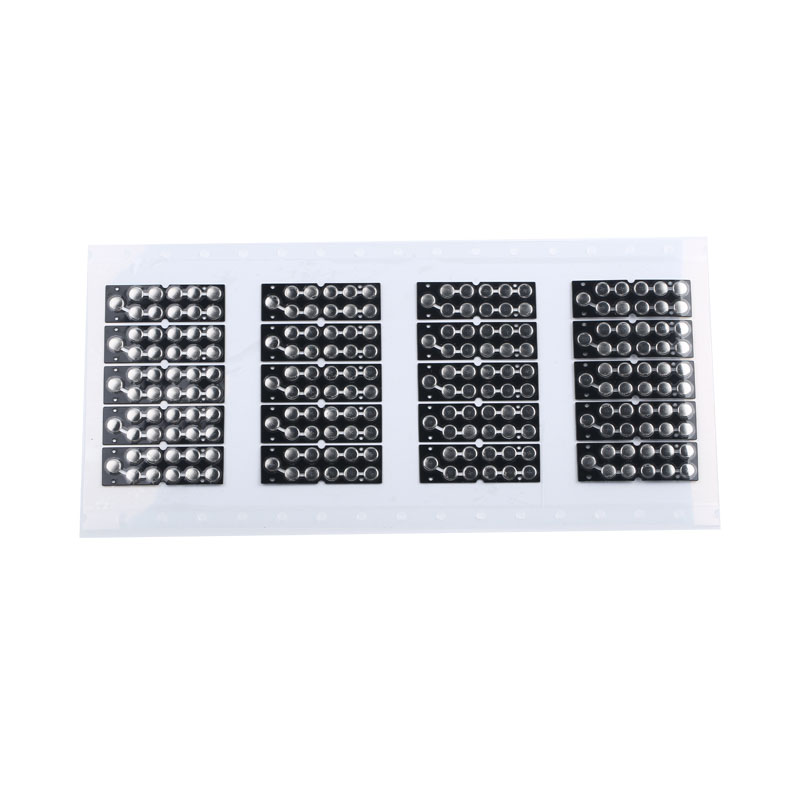
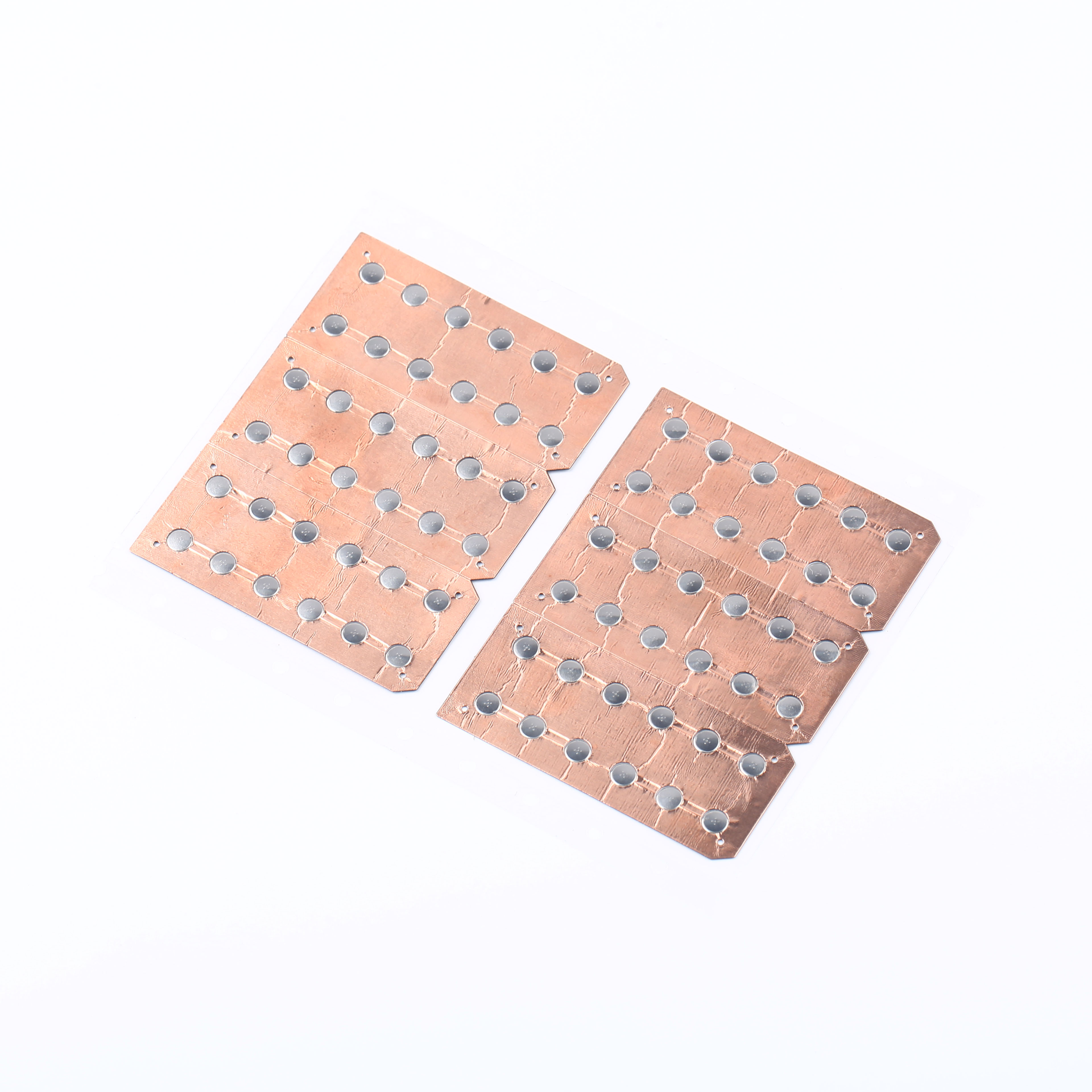
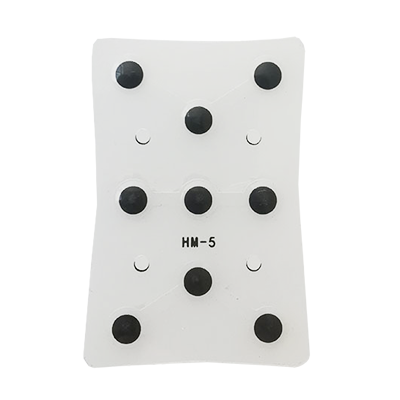
- Gate 5 - Automated Dome Placement: High-speed robotic placement of 4-leg cross, round, or triangular snap domes onto carrier tape arrays, eliminating human handling fatigue and contamination.
- Gate 6 - 100% Functional Electrical Testing: Open/short automated scanning, trace loop resistance measurement, insulation resistance testing (>100MΩ at 250V DC), and switch bounce verification.
- Gate 7 - Export Hermetic Packaging: Vacuum-sealed anti-static moisture-barrier packaging with desiccant indicators to guarantee safe maritime transport across humid Pacific logistics lanes.
Frequently Asked Questions for Pangai & Pacific Buyers
Real-world engineering and sourcing questions raised by equipment designers, contractors, and procurement managers:
How do Cevra FPC circuits resist salt-spray corrosion in marine environments like Pangai?
We employ a multi-tier defense architecture: (1) Traces are electroplated with Electroless Nickel Immersion Gold (ENIG) with zero exposed base copper; (2) Solid polyimide coverlays thermal-laminated with high-adhesion resin seal all circuit runners; (3) Perimeter gaskets made of closed-cell acrylic foam (3M 300LSE/468MP) provide a sealed IP67 barrier against salt fog; and (4) Assemblies can be independently validated to ASTM B117 salt spray exposure standards exceeding 96 hours without contact resistance drift.
What engineering files and data are required to initiate custom prototype fabrication?
To initiate engineering review and DFM (Design for Manufacturability), please provide: CAD outline drawing (DXF, DWG, or 1:1 PDF), circuit layout (Gerber RS-274X, AI, or vector CAD), graphic artwork with specified Pantone or RAL color codes, desired actuation tactile force (e.g., 250g, 350g), connector pinout/pitch (e.g., 1.0mm pitch ZIF tail), and ambient operating temperature ranges. Our engineers provide layer stack-up proposals and proofs within 24 hours.
Should our design implement tactile metal snap domes or non-tactile flat membrane switches?
For field equipment, utility monitoring, and vessel instrumentation used in Pangai, tactile metal domes are strongly recommended. A stainless steel snap dome provides sharp physical click feedback (actuation travel between 0.3mm and 0.6mm), informing the operator that electrical contact has occurred without requiring audio feedback. Non-tactile switches are primarily reserved for ultra-thin spaces or secondary auxiliary buttons.
What are your Minimum Order Quantities (MOQ) and production turnaround times for international delivery?
We maintain low entry barriers for OEM/ODM development: prototype validation runs start from just 10 pieces for graphic overlays, 100 pieces for custom membrane keypads and FPC sub-assemblies, and 1,000 pieces for loose snap domes. Rapid prototype sampling generally completes within 5 to 8 working days following artwork sign-off. Mass production runs are fulfilled in 12 to 18 working days, backed by express air courier or secure maritime export packaging.
Can surface mount components like micro-controllers and LEDs be integrated directly onto the FPC?
Yes. Because our FPC circuits utilize polyimide substrates capable of enduring temperatures over 260°C, we provide full SMT assembly services. We can solder ultra-bright side-fire or top-view SMD LEDs (0603, 0805, 1206), current-limiting resistors, ESD protection diodes, capacitive touch ICs, and active micro-connectors directly to your flexible circuit tails, delivering a complete plug-and-play assembly.
How does Cevra guarantee contact resistance stability over high duty cycles?
Contact resistance stability is achieved through strict metallurgical control. We stamp our snap domes from pristine SUS301 stainless steel with gold or nickel electroplating. Circuit switch contact pads are finished with immersion gold (ENIG). This configuration prevents passivation layers from forming under repetitive micro-arcing, maintaining contact switch resistance below 1.0 ohm across more than 1,000,000 actuation cycles on automated endurance testing stations.
Ready to Engineer Your Custom FPC or Membrane Interface?
Collaborate directly with our Dongguan engineering team. Receive free DFM feedback, custom stack-up engineering schematics, and rapid volume pricing tailored to your application requirements.