Featured Membrane Switches & Tactile Assemblies Ready for Deployment
Configured specifically for critical human-machine interfaces, these field-proven components provide high reliability, tactile feedback, and chemical immunity across extreme operating conditions.
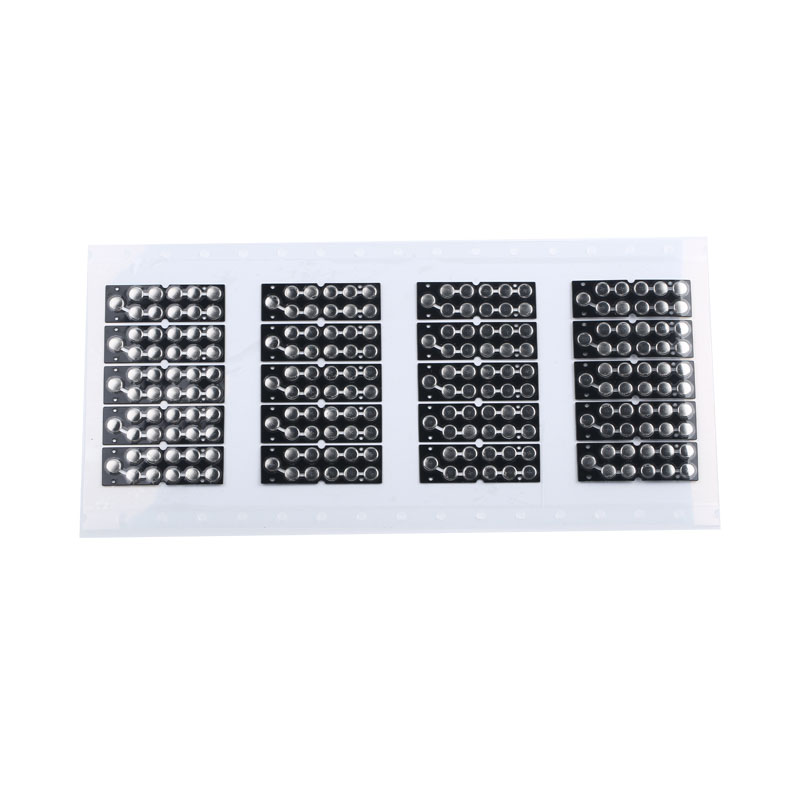
Free Sample Round Metal Dome Array Single Layer Transparent PET With Adhesive for Television Remote Control
- Substrate: Optical Clear PET
- Dome Profile: Round Snap Dome
- Actuation Force: 160g – 280g (Custom)
- Adhesive Layer: 3M High-Tack Peel

New Trend Factory Custom Cross 4-Legged Snap Dome Poly Metal Dome in Reel Packing for SMT Assembly on Membrane Switch
- Packaging: Tape & Reel SMT Ready
- Material: SUS301 Stainless Steel
- Plating: Nickel / Flash Gold
- Life Expectancy: >1,000,000 Cycles
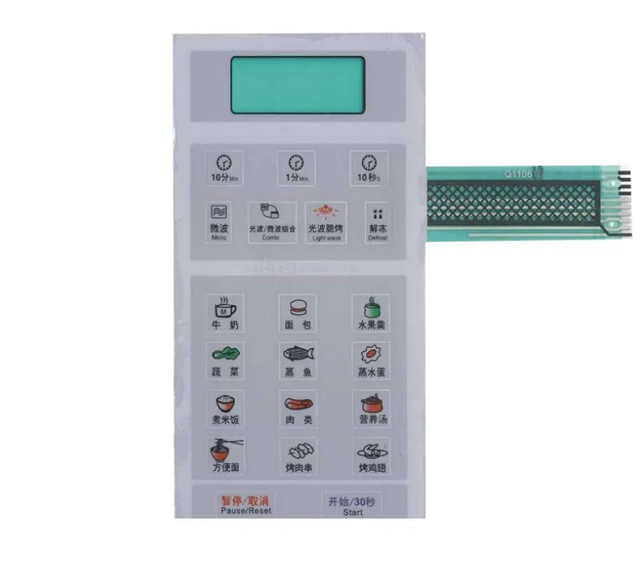
Factory Cheap Price Electronic Membrane Switch Membrane Switch Control Panel
- Circuit: High Conductivity Silver
- Tail Pitch: 2.54mm / 1.0mm Pitch
- Protection: ESD & Moisture Sealed
- Surface: Matte Anti-Glare PC
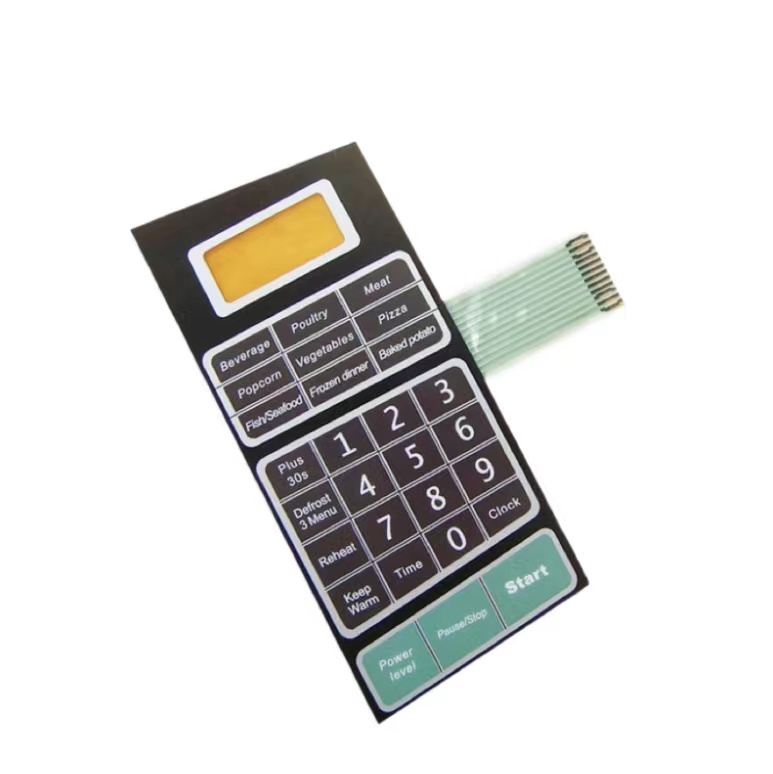
Low Moq Custom Membrane Switch Panel Keypad Control
- Prototyping: Rapid Sample 5-7 Days
- Embossing: Pillow / Rim Tactile
- Gasketing: Silicone Perimeter Seal
- Backing: Rigid Aluminum / FR4
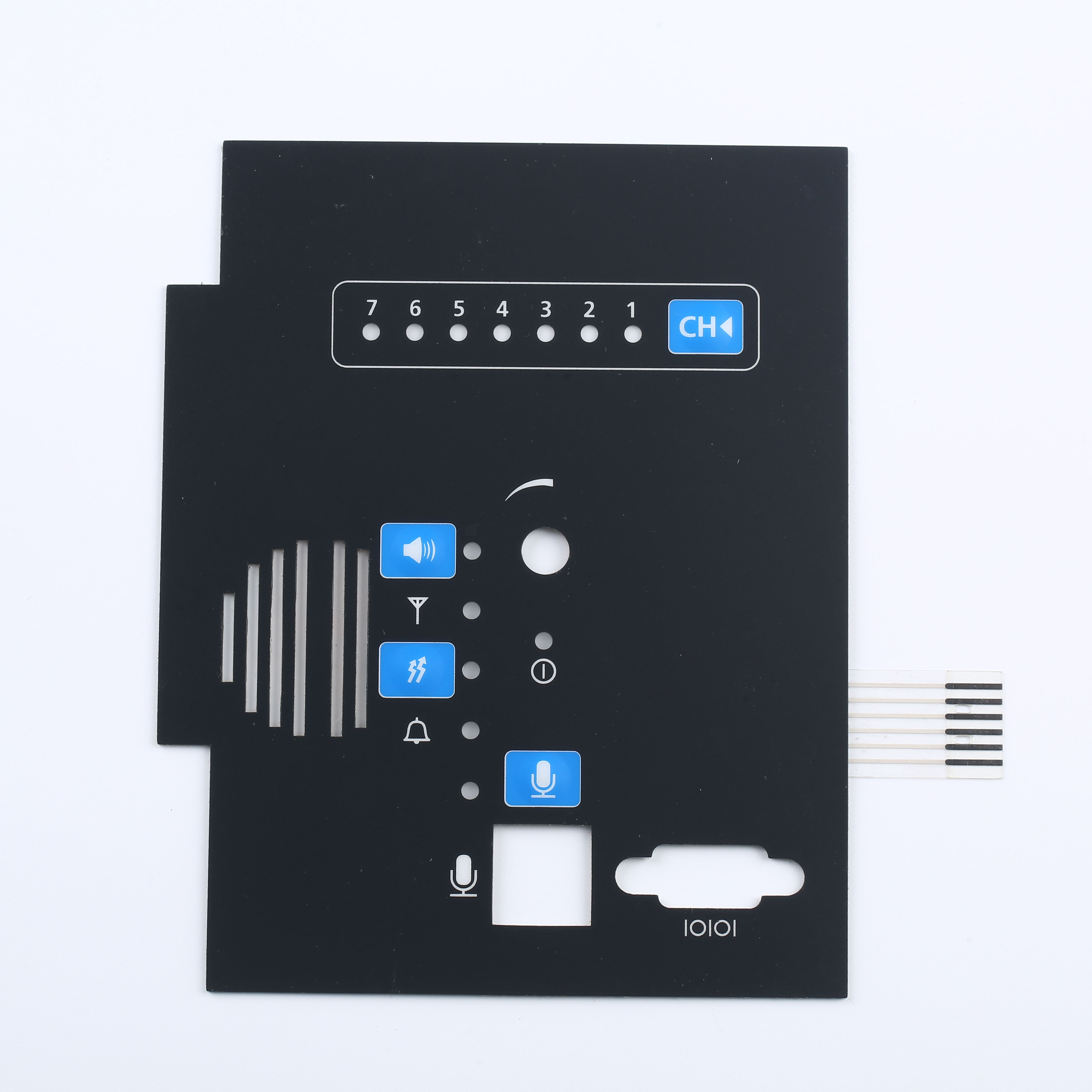
Polycarbonate Film Touch Switch Panel Screen Printing Process Electronic Product Instrument Display Membrane Switch
- Overlay Film: Lexan™ Polycarbonate
- Printing: Precision Screen / Pantone
- Optical Window: Transparent / Tinted Smoked
- Hard-Coat: 2H-3H Anti-Scratch
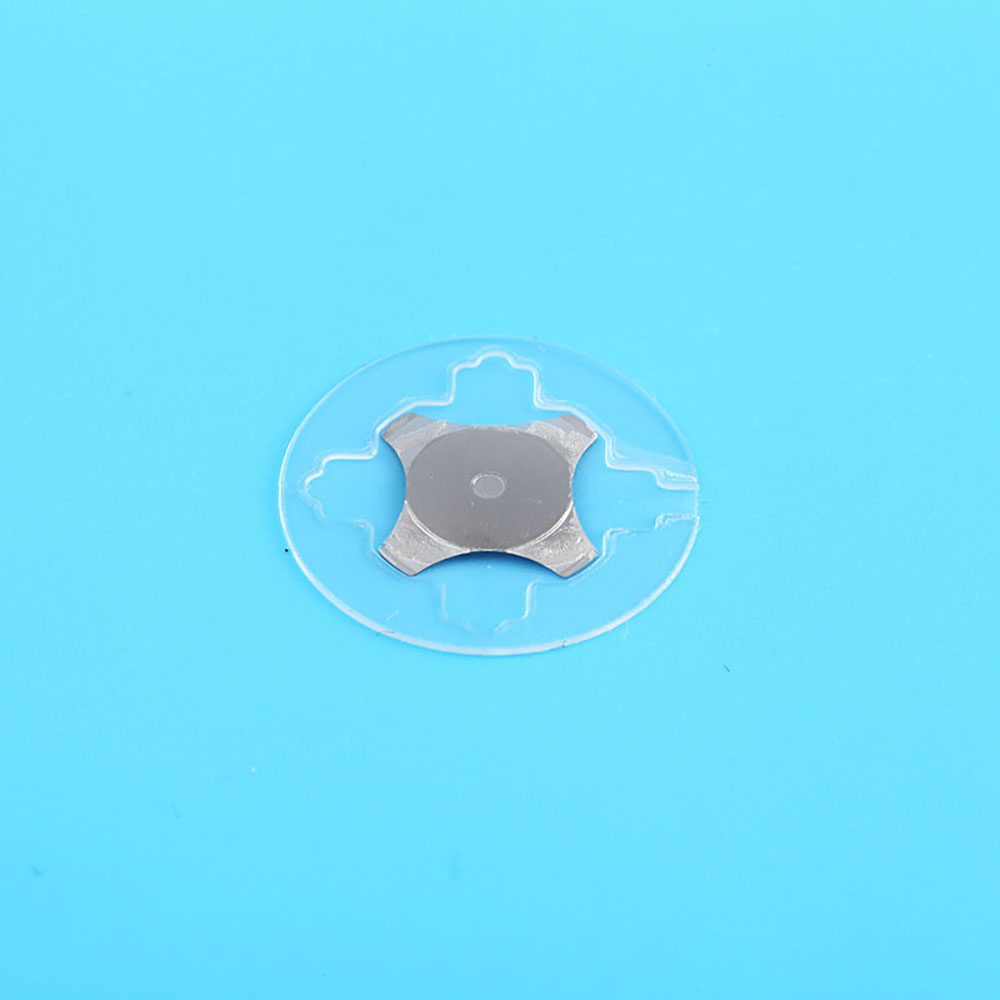
Free Sample Metal Dome Array Single Layer Pet With Adhesive
- Array Structure: Vented Spacer & Carrier
- Contact Resistance: <0.1Ω Initial
- Dome Diameter: 6mm, 8.4mm, 10mm, 12mm
- Assembly: PCB & FPC Direct Align
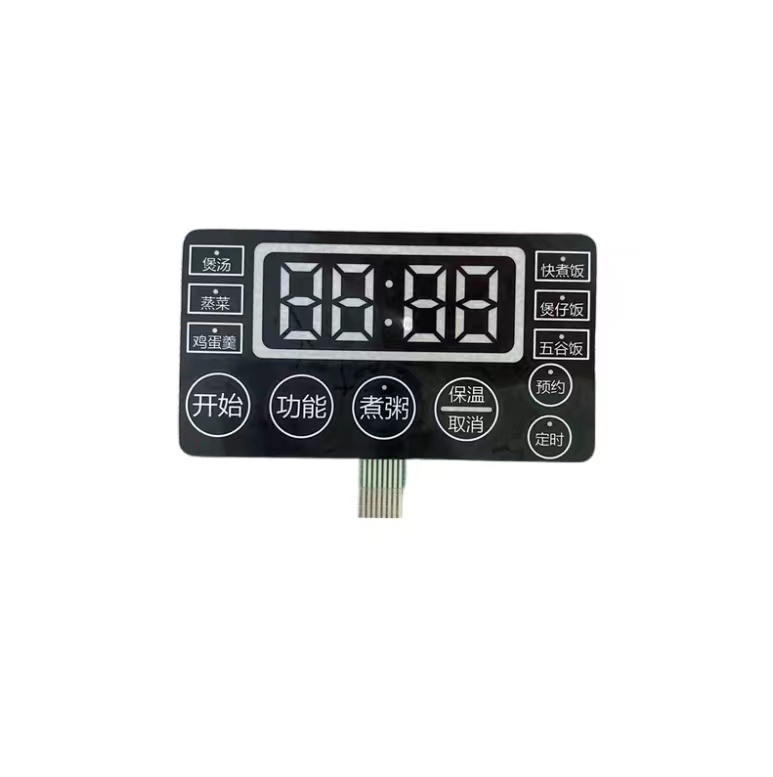
Hot Sale Factory Direct Membrane Switch Black Panel Control PC Membrane Switch Panel
- Color Matched: Deep Raven Black Base
- Chemical Resist: Acids, Alkalis & Fuel
- Illumination: Dead-Front Hidden Graphics
- Adhesive: 3M 468MP High-Bond
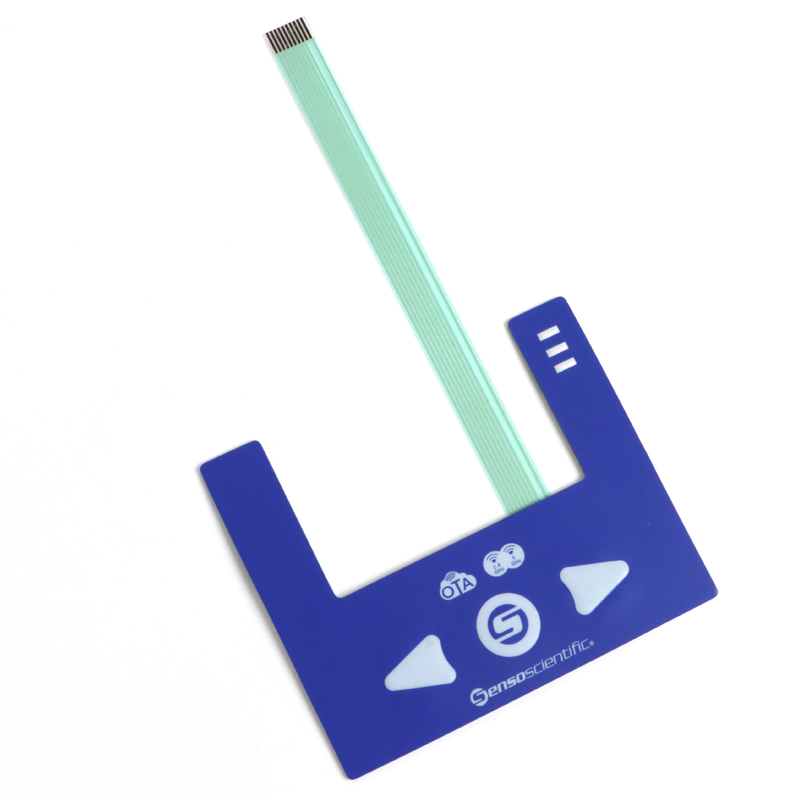
Manufacturer Custom Membrane Keypads Membrane Keyboard and Led Membrane Graphic Overlay
- SMD Integration: Bi-Color LEDs Embedded
- Circuit Trace: Rolled Annealed FPC Copper
- Connector: FCI / Amphenol Clincher
- Feel: Crisp Ergonomic Click
Technical White Paper: Polyimide Flexible Copper (FPC) vs. Conventional Silver PET in Marine Equatorial Installations
Specifying Human-Machine Interfaces (HMIs) for Aiwo District and the broader central Pacific demands a comprehensive evaluation of circuit electromigration, galvanic oxidation, trace impedance, and dynamic thermal mechanical stress.
Why Conventional Silver-Printed Keypads Degrade in Pacific Microclimates
Standard membrane keypads employ conductive silver inks screen-printed onto polyester (PET) carriers. While cost-effective for benign indoor commercial environments, silver ink possesses an inherent electrochemical vulnerability when deployed in tropical oceanic zones such as Aiwo, Nauru. The combination of continuous relative humidity exceeding 85%, airborne airborne sodium chloride ions (NaCl), and microscopic condensation initiates rapid electrochemical silver migration.
Under continuous DC bias voltage, silver ions dissociate and migrate along the moisture barrier between adjacent conductors, creating microscopic dendritic bridges that produce intermittent electrical shorts and terminal circuit failure. Cevra solves this existential reliability flaw by engineering Flexible Printed Circuits (FPC) using rolled-annealed (RA) copper foil bonded to Kapton® polyimide, finished with electrolytic nickel and flash gold barrier plating.
Key Architectural Advantages of Cevra FPC:
- Zero Dendritic Migration: Dense copper traces passivated by dielectric coverlay prevent ionic displacement.
- Ultra-Low Trace Resistance: Circuit impedance drops from 20-50Ω (silver) to ≤0.05Ω, preventing logic state dropouts in high-speed microcontrollers.
- Direct SMD Component Soldering: Reliable reflow solder joints for micro-pitch LEDs, thermistors, and capacitive ICs without conductive epoxy degradation.
- Dynamic Fatigue Immunity: Bend radius down to 1.5mm without micro-fracturing or resistance spiking.
Empirical Comparison Matrix: Flexible FPC vs. Screen-Printed Silver PET
| Performance Parameter | Polyimide Flexible FPC (Cevra Standard) | Conventional Silver-Printed PET | Engineering Benefit for Aiwo Infrastructure |
|---|---|---|---|
| Conductor Metallurgy | Rolled-Annealed (RA) Copper Foil (1/2 oz to 1 oz) | Polymer Thick Film (PTF) Conductive Silver Flake | Higher mechanical fatigue resistance and zero trace fracturing |
| Trace Contact Resistance | < 0.05 Ω per square (Negligible Voltage Drop) | 15.0 – 50.0 Ω per linear trace run | Ensures precision analog sensor readings & uniform LED brightness |
| Silver Migration Vulnerability | Zero Risk (Copper core with Ni/Au electrolytic shield) | Severe Failure Risk under >80% RH and DC Bias | Prevents field failure caused by dendritic short circuits |
| SMD Component Assembly | Automated SMT High-Temp Lead-Free Soldering | Conductive Epoxy Adhesives (Isotropic/Anisotropic) | Superior shear strength and vibration resistance under port machinery |
| Operating Temperature Envelope | -40°C to +105°C continuous excursion | -20°C to +65°C max threshold | Withstands intense equatorial direct solar thermal absorption |
| Substrate Water Absorption Rate | < 0.8% (ASTM D570 Kapton Polyimide standard) | > 2.5% (Untreated polyester film composites) | Eliminates delamination and bubble formation between internal layers |
Aiwo Operational Scenarios: Tailored HMI Solutions for Critical Infrastructure
Aiwo serves as the industrial engine and maritime gateway of the Republic of Nauru. Operating in this equatorial coastal enclave demands specialized physical hardening against aggressive local ambient stressors.
Phosphate Handling & Processing Machinery
Aiwo's primary economic artery is centered around phosphate cantilevers, storage terminals, and beneficiation infrastructure. Abrasive calcium phosphate dust penetrates standard push-buttons, causing mechanical sticking and contact fouling.
- Hermetically sealed IP68 design prevents abrasive dust infiltration.
- Autotex® textured polyester resists particulate micro-scratching.
- Tactile snap domes deliver unambiguous operator clicks through thick work gloves.
- Closed-cell acrylic perimeter gaskets prevent fine particle ingress.
Port Cantilevers & Marine Loading Consoles
The boat harbor and offshore mooring systems in Aiwo are directly exposed to relentless oceanic wind-driven salt spray, high UV index ratings (11+), and sudden tropical squalls.
- Automated vacuum lamination with 3M 300LSE adhesive resists salt water lifting.
- UV-inhibited outdoor-rated polyester overlays prevent yellowing and embrittlement.
- Nickel/gold plated stainless steel snap domes resist marine galvanic corrosion.
- Dead-front LED night-vision legends for offshore vessel night operations.
Utilities, Desalination & Power Generation
Aiwo hosts vital utility operations, including reverse-osmosis desalination units and diesel power facilities, where atmospheric sulfur vapors and moisture threaten electronic controls.
- Polyimide FPC copper traces immune to sulfur vapor embrittlement.
- Chemical-proof graphic overlays resistant to fuel oil, coolants, and acids.
- Full ESD grounding layer shielding internal microcontrollers up to 15kV.
- Capacitive touch switch panels with completely flat, zero-gap wipe-down surfaces.
Emerging Technology Trends in Pacific Island Human-Machine Interfaces
As regional operators transition toward smart telecommunications, decentralized solar arrays, and upgraded maritime logistics, the physical requirements for user interfaces are rapidly shifting.
Integrated Capacitive Touch with Tactile Haptics
Modern coastal equipment is shedding mechanical seams in favor of monolithic front panels. Cevra integrates capacitive touch sensor foils beneath thick protective polycarbonate overlays, offering zero-wear operation with acoustic or optical user confirmation.
Thin-Profile Light Guide Film (LGF) Illumination
Unlike bulky LEDs that create uneven hot-spots, Cevra implements ultra-thin 0.125mm Light Guide Films (LGF) to route light uniformly across intricate graphic legends and icons, consuming minimal power while delivering sharp readability during tropical glare.
High-Bond Structural Acrylic Pressure Sensitives
Thermal cycling between scorching daytime sun (40°C+ ambient surface temps) and heavy evening rains causes conventional adhesives to shear. We utilize modified acrylic structural adhesives (3M 467MP/468MP) rated for continuous shear resistance up to 150°C.
Integrated RFI/EMI Shielding Attenuation
Port maritime radios, high-voltage transformers, and heavy marine motors emit massive electromagnetic interference. Cevra embeds selective copper mesh or printed conductive carbon-aluminum shields to preserve signal integrity.
Dongguan Cevra Electronic Technology Co., Ltd. — Factory Direct OEM/ODM
Established in March 2009 in Dongguan, Guangdong, China, Cevra operates a dedicated 2,600㎡ manufacturing and testing complex, serving engineering clients worldwide with end-to-end design and production.
ISO 9001 & SGS Audited
Our manufacturing process adheres rigorously to ISO 9001 quality management standards, audited and verified onsite by SGS Group. Every stage from raw resin verification to final functional testing has full traceability.
Complete In-House Equipment
We eliminate third-party subcontractor delays. Our facility features high-precision semi-automatic and automatic screen printing lines, precision CCD guide-hole punching, automated laminating lines, and CNC laser die-cutting.
Rigorous Laboratory Validation
Equipped with automated metal dome load-deflection curve testers, high/low temperature environmental test chambers (-40°C to +150°C), peel strength tension testers, adhesive tack testers, and Mitsubishi pencil hardness gauges.
Global Logistics to Nauru
Extensive experience managing export compliance, moisture-barrier vacuum packaging with silica desiccant, and streamlined air/ocean freight coordination directly to Aiwo, Nauru via Brisbane, Fiji, or direct regional consolidators.
Quality Assurance Protocols Enforced on Every Production Lot
Before leaving our Dongguan plant, your membrane switch panels undergo 100% optical and electrical testing. Every production batch is certified against mechanical fatigue, contact resistance, and environmental thermal cycling:
Frequently Asked Questions for Engineers & Buyers in Aiwo
Essential technical, shipping, and customization guidance to streamline your component sourcing directly from our factory.
We configure assemblies with full-perimeter IP67/IP68 adhesive gaskets using hydrophobic 3M 300LSE or VHB foam tapes that form an airtight seal against your enclosure. Internally, we recommend polyimide Flexible FPC circuits with nickel/gold plated copper traces, completely sealing out airborne moisture and salt ions to eliminate dendritic shorts.
For abrasive industrial environments like phosphate handling terminals, we specify textured, hard-coated polyester films such as MacDermid Autotex® (EBA/EBF). Autotex offers superior abrasion resistance, high chemical inertness, and an operating switch life in excess of 5 million actuations, far outlasting standard polycarbonate which scratches easily.
We support engineering prototyping with low MOQs starting from 10 to 50 pieces for custom membrane switch panels, and 1,000 pieces for standard metal snap domes. Rapid prototype samples are completed within 5–7 working days after CAD drawing approval. Mass production runs are completed in 12–15 days and shipped via express courier (DHL, FedEx) with 4–7 day transit to regional hubs.
Yes. Utilizing our automated SMT pick-and-place lines, we solder surface-mount components (0603, 0805, 1206 bi-color/single-color LEDs, light sensors, and resistors) directly onto the polyimide FPC substrate. Tail terminations can be equipped with standard 2.54mm female housings, locking Amphenol Clincher connectors, or ZIF (Zero Insertion Force) gold-plated contact fingers.
To provide a precise quote and layer stack-up proposal, please share your graphic artwork in vector format (.AI, .CorelDraw, .EPS or vector .PDF) along with mechanical dimensions and circuit pinouts in .DWG or .DXF formats. Our engineering team reviews file manufacturability (DFM) and delivers a free technical stack-up drawing within 24 hours.
Every batch shipped to Pacific Island destinations is packaged in electrostatically shielded, hermetically sealed aluminum vacuum barrier bags containing calibrated silica gel desiccant packs and humidity indicator cards. Outer shipping cartons are corrugated heavy-duty double-wall export boxes reinforced with corner protectors.
Precision 7-Stage Manufacturing Architecture
Every membrane switch panel is fabricated in our controlled Dongguan facility, ensuring seamless vertical integration from raw material testing to final packaging.
Ready to Engineer Your Custom Membrane Interface for Aiwo?
Collaborate directly with Cevra's senior design and tooling engineers. We provide comprehensive DFM evaluations, tailored layer stack-up diagrams, material recommendations for high-salinity zones, and rapid prototype turnarounds.