As Thessaly solidifies its reputation as the agricultural and industrial backbone of Central Greece, OEM designers and system integrators in Larissa require high-resilience human-machine interface components capable of enduring extreme thermal variances, dust exposure, moisture ingress, and frequent chemical cleaning. Dongguan Cevra Electronic Technology Co., Ltd. provides Larissa and the wider Greek manufacturing sector with ISO 9001:2015 certified custom embossed membrane keypads, metal dome arrays, and capacitive touch panels engineered directly to your CAD drawings and mechanical tolerances.
Recommended High-Performance Membrane Keypads
Custom-fabricated interfaces ready for integration into agro-industrial, clinical, and industrial equipment
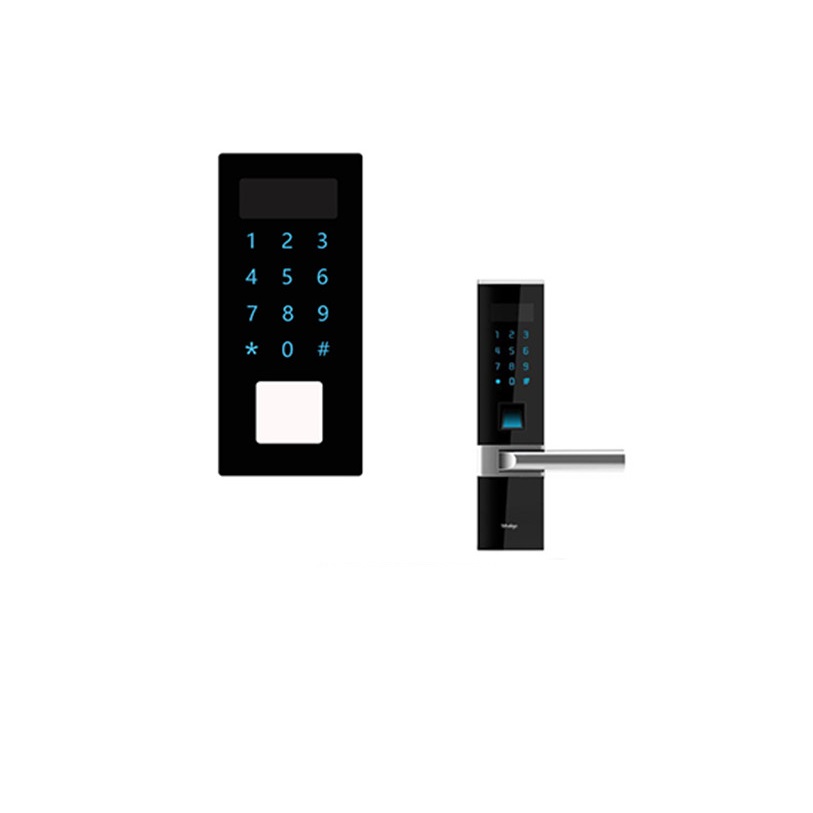
Custom Waterproof Keypad Smart DoorTouch Switch Button Membrane Switch PMMA Membrane Switch Panel Capacitive
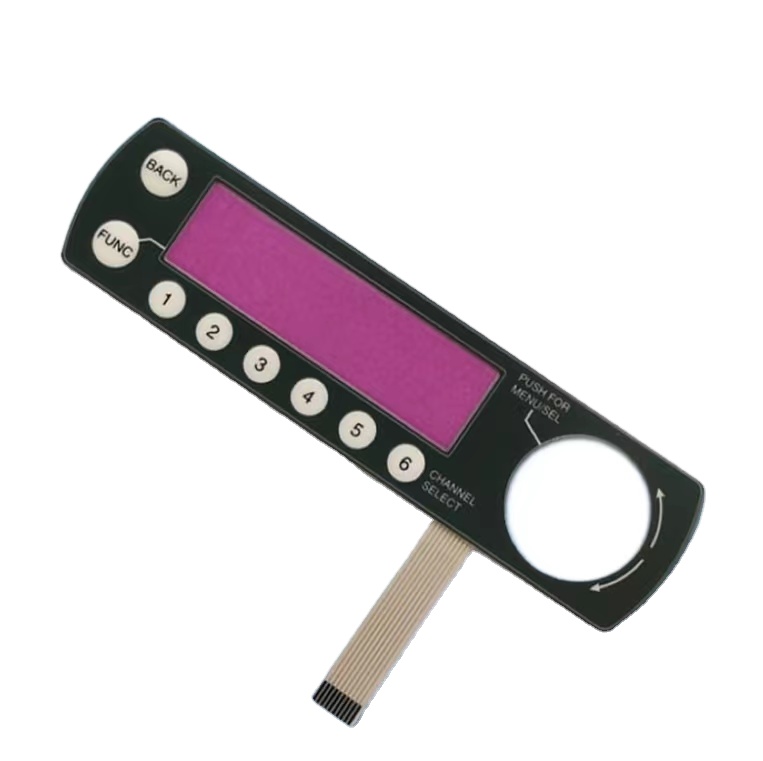
Customized Medical Instrument Membrane Switch PET Membrane Key PC Membrane Switch
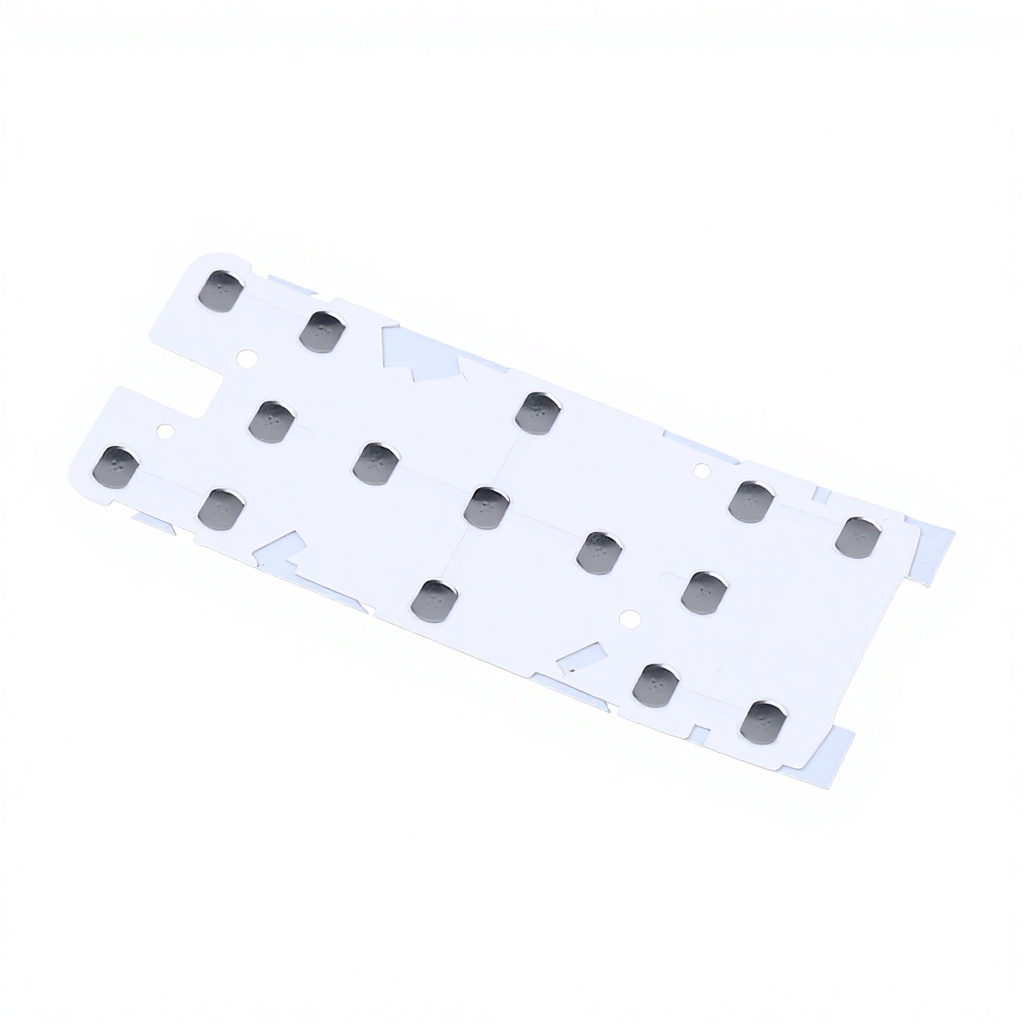
Customized White PET Waterproof Single Layer SUS301 Stainless Steel Dome Array Remote Control Metal Dome Array
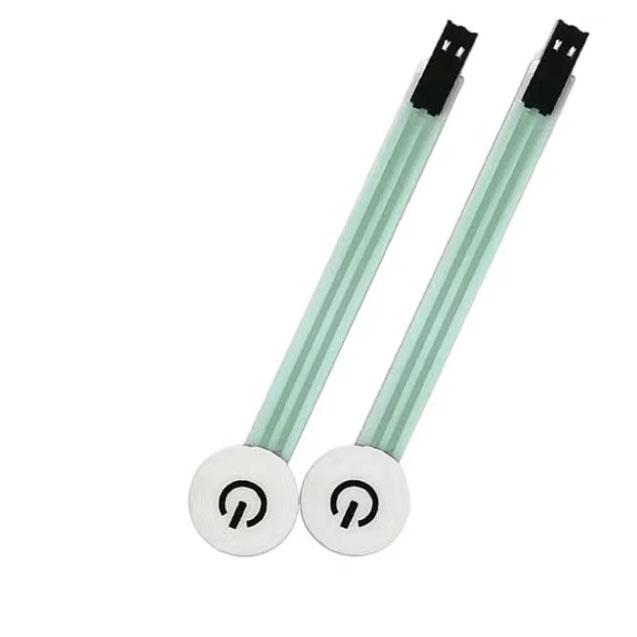
High Quality Single Button Small Membrane Switch
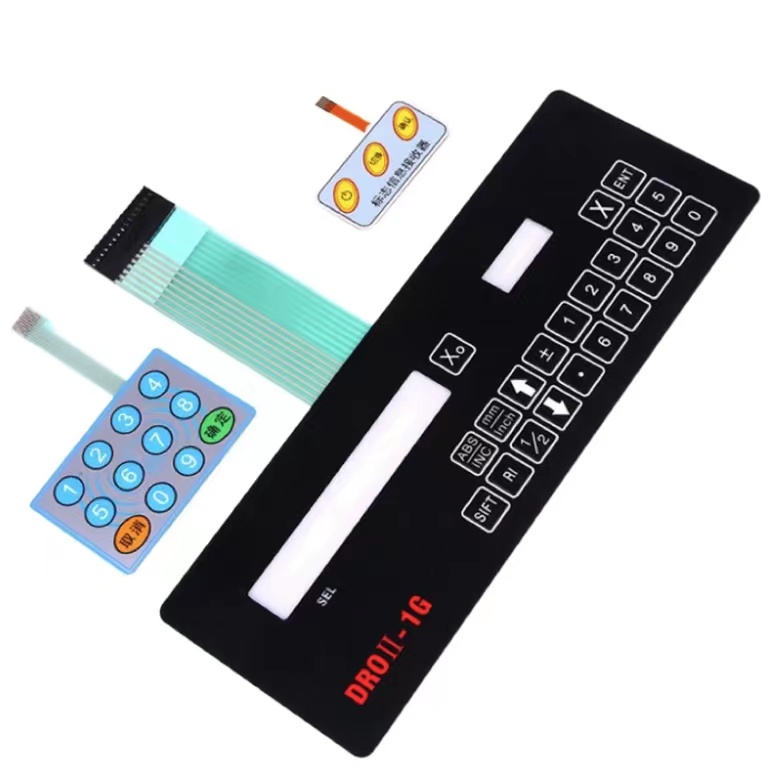
Factory Direct Graphic Overlay Custom Membrane Keyboard Switch Membrane Switch
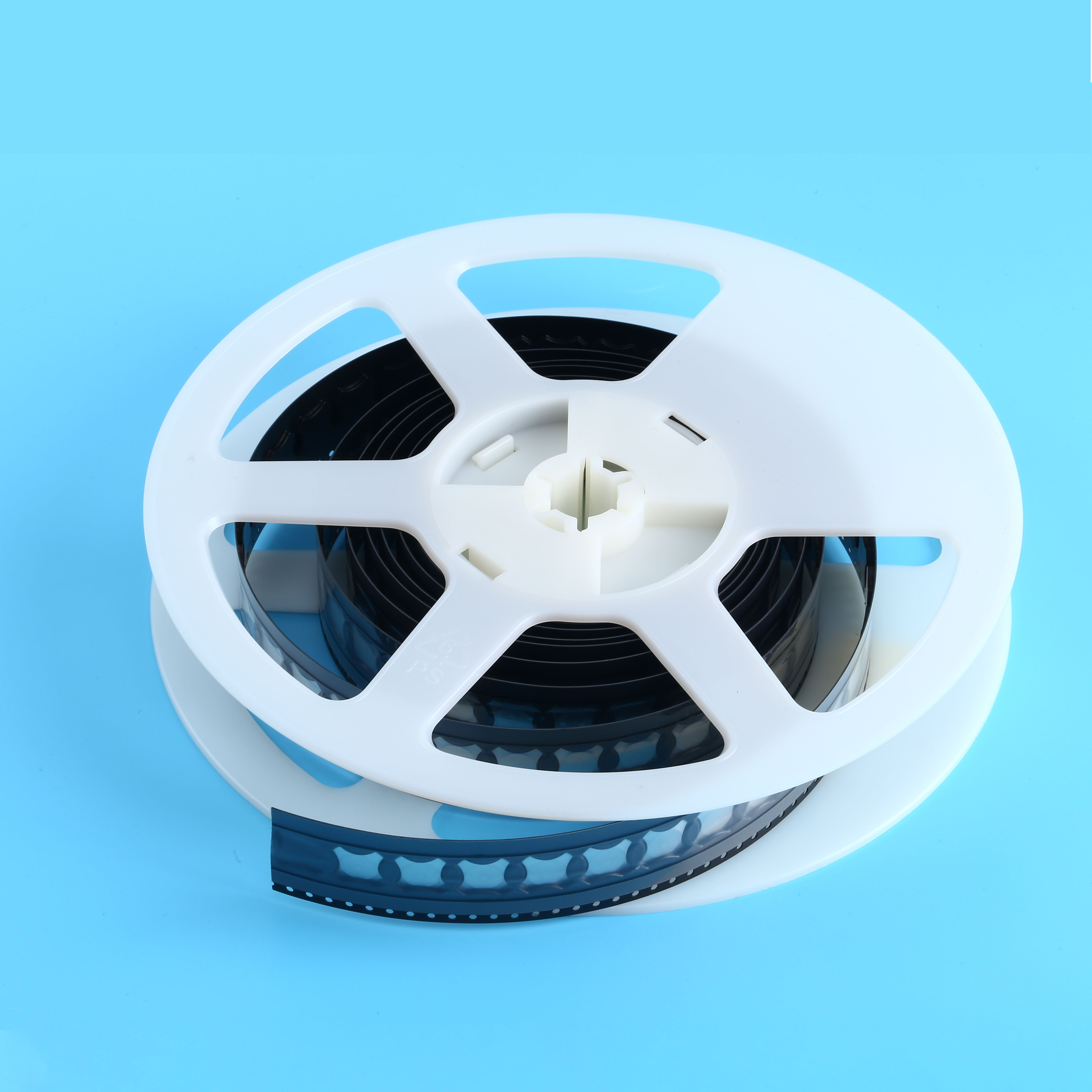
New Trend Factory Custom Cross 4-Legged Snap Dome Poly Metal Dome in Reel Packing Metal Dome Array
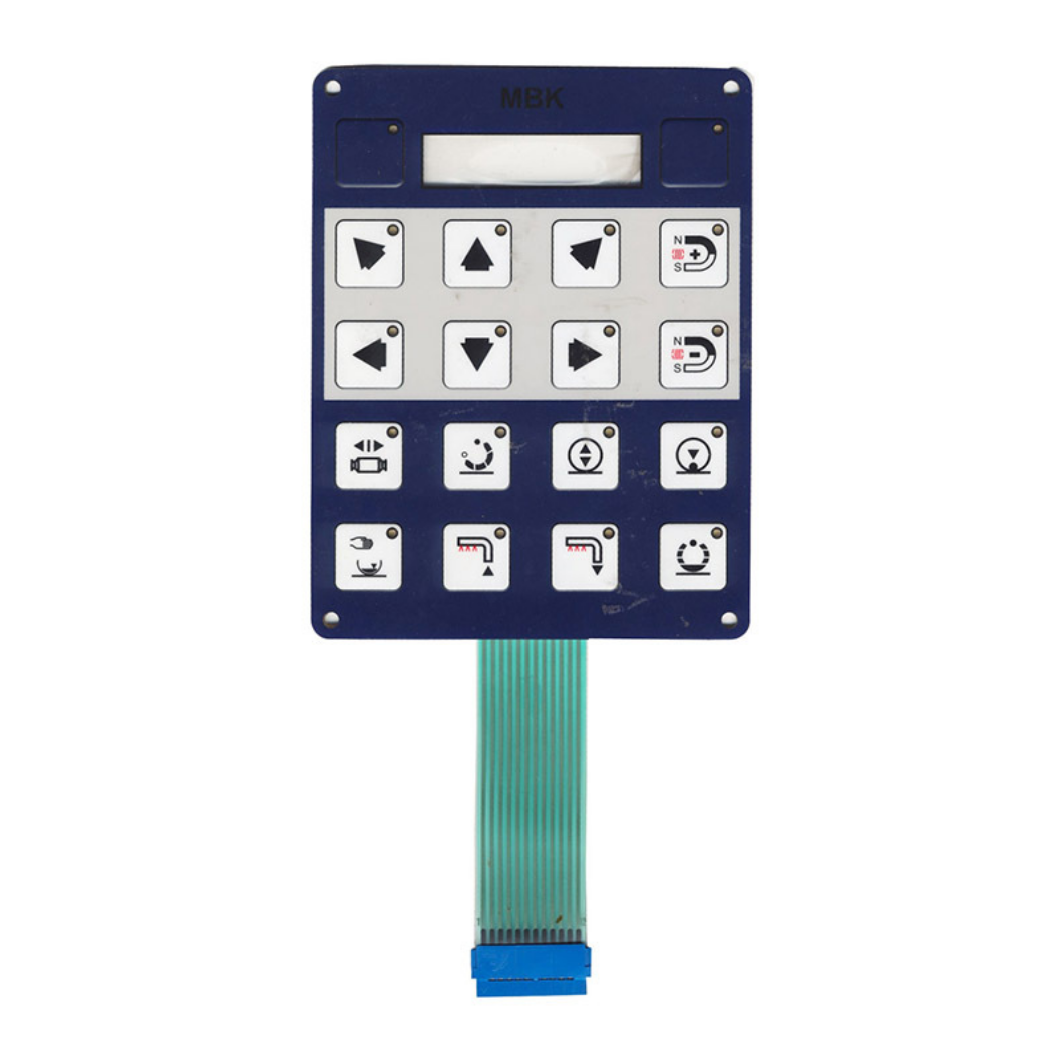
Price 1 Row 4 Key Custom Made One Button Quality Golden Supplier Keyboard Membrane Switch
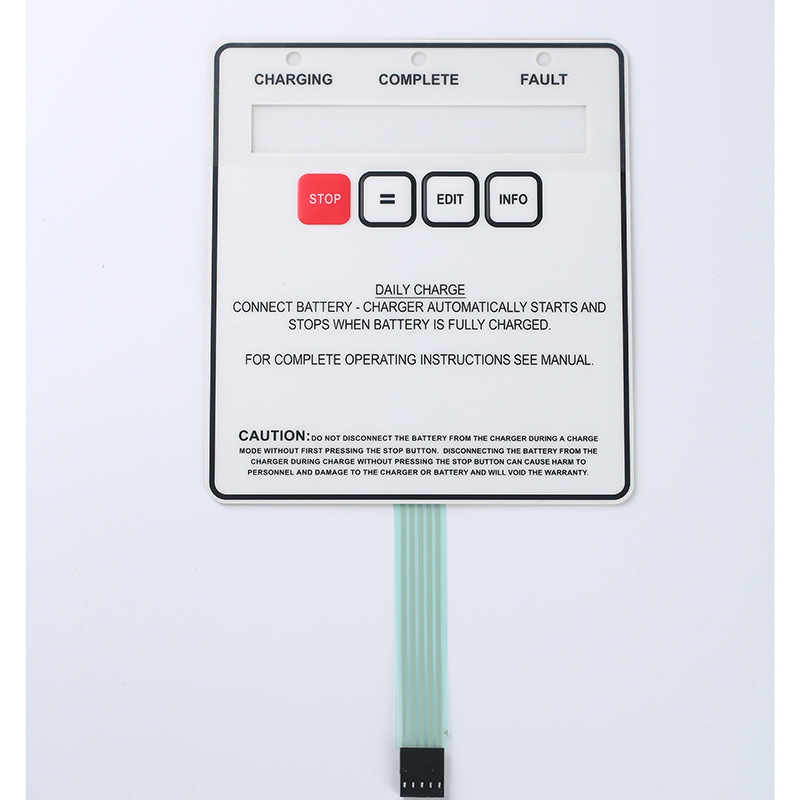
Waterproof and Dustproof Membrane Control Panel in Medical Equipment Medical Membrane Switch
Technical Architecture: Tactile Embossing vs. Flat Membranes in Harsh Field Operations
In modern industrial ergonomics, sensory feedback is critical. Embossed membrane keypads bridge the gap between flat capacitive touch glass and mechanical switch gear. By physically deforming a polyester (PET) or polycarbonate (PC) overlay under high-precision tooling—using either cold form pressing, hot hydraulic embossing, or hydroforming—the switch creates a distinct tactile perimeter or dome that guides the operator's fingertip without requiring continuous line-of-sight confirmation.
When coupled with SUS301 stainless steel metal domes (plated with nickel or selective flash gold), the switch actuation delivers a definite snap curve with tactile ratios typically between 40% and 65%. In agricultural, hydraulic, or cold-chain environments typical of Central Greece, where operators wear thick safety gloves or manage equipment under direct sunlight, tactile embossing prevents accidental misfires, shortens response times, and increases operator safety.
| Substrate / Metric | Autotex PET (Polyester) | Lexan PC (Polycarbonate) | PMMA Acrylic Blends |
|---|---|---|---|
| Mechanical Flex Life | > 5,000,000 actuations | ~ 100,000 actuations | Rigid (Non-actuated windows) |
| Chemical & Solvent Resistance | Exceptional (Alcohols, Dilute Acids, Greases) | Moderate (Sensitive to aromatic hydrocarbons) | High optical clarity; good chemical barrier |
| Embossing Profile Retention | Outstanding under thermal cycling (-20°C to +70°C) | Excellent initial crispness, prone to fatigue | Unsuitable for tactile embossing |
| Best Larissa Applications | Grain silos, tractor consoles, olive oil bottling lines | Indoor diagnostic instruments, laboratory panels | Display protection lenses, capacitive backplates |
Localized Industrial Applications in the Larissa Regional Market
Engineering Human-Machine Interfaces for the demands of the Thessalian Plain
Agricultural Machinery & Tractor Cabin Panels
The Larissa plain experiences soaring summer temperatures and high ambient dust from extensive cotton, grain, and corn cultivation. Our UV-stabilized Autotex PET keypads with sealed perimeter gasket adhesives (3M 467MP / 3M 468MP) withstand UV degradation, ambient solar heat, and fine dust penetration up to IP67 standards.
Food Processing & Dairy Automation
Home to some of Greece's largest dairy, feta cheese, and winery processing plants, Larissa's industrial zones require washdown-grade HMIs. Our embossed membrane switches offer seamless anti-microbial surfaces that prevent bacterial build-up and survive daily pressurized washdowns with aggressive caustic wash solutions.
Clinical & Pharmaceutical Devices
With the expansion of the University General Hospital of Larissa and affiliated biomedical ventures, our medical-grade overlays feature flat or rim-embossed tactile profiles paired with dead-front printed indicator windows. They support non-porous sterilizability with isopropyl alcohol without clouding or peeling.
Regional Technology Trends: Upgrading Thessalian Industry 4.0 Infrastructure
Manufacturing in Larissa is transitioning from purely mechanical control arrays toward smart, IoT-enabled edge hardware. This structural evolution introduces three distinct technical requirements for input assemblies:
1. Hybrid Membrane & Capacitive Matrices
OEMs increasingly combine tactile embossed keys for emergency stop and motor start commands with capacitive slider sensors for variable speed control on grain dryers and sorting conveyors.
2. High-Density Flexible Printed Circuits (FPC)
Silver conductive ink printed on PET remains cost-effective, but Larissa's precision robotics makers are shifting toward polyimide copper FPCs to support fine pitch (0.5mm) ZIF connectors and integrated SMT LEDs.
3. Anti-Glare & High-Contrast Backlighting
Outdoor harvester displays and field pumps demand readable night illumination. Using Light Guide Film (LGF) layers beneath embossed graphics distributes LED light evenly across legends while keeping power consumption low.
Why Larissa Engineering Teams Partner with Cevra
Direct factory manufacturing, certified reliability testing, and comprehensive in-house capabilities
ISO 9001:2015 & SGS Audited
Strict quality assurance protocols govern all incoming raw films, silver conductors, adhesive coats, and stamping dies, verified on-site by SGS Group.
Fully Vertically Integrated
From screen printing, automatic layer lamination, CCD target punching, to laser cutting and metal dome assembly—everything is managed in-house.
Dedicated Testing Lab
Every production batch undergoes dome load deflection testing, pencil hardness testing, environmental chamber cycling, and peeling tack tests.
Agile Prototyping & Flexible MOQs
Accelerate your NPI (New Product Introduction) cycles. We accommodate rapid iterative prototyping runs from 10–50 pieces before scaled production.
Global Direct Exporting
Comprehensive logistics routing serving Piraeus, Thessaloniki port hubs, and express air corridors directly into Larissa manufacturing facilities.
Comprehensive DFM Support
Our CAD engineers evaluate circuit routing, spacer venting dynamics, and key travel stroke upfront to eliminate fabrication risks before tooling.
Procurement & Technical FAQ for Larissa Buyers
Clear answers to recurring engineering, minimum order, and supply-chain questions
What engineering design files are required to produce a custom membrane keypad?
To initiate a quotation and DFM (Design for Manufacturability) review, please provide vector-based artwork for the graphic overlay (Adobe Illustrator .AI, CorelDRAW .CDR, or vector .PDF) specifying exact Pantone/RAL color codes, key embossing areas, and display window cutouts. For the circuitry and mechanical dimensions, we accept DXF, DWG, or Gerber files showing trace routing, connector pinout assignments, and tail lengths.
How do you ensure switches perform reliably in Larissa's hot, dry summers and cold, humid winters?
We utilize premium, bi-axially oriented polyester films (such as Autotex XE or MacDermid Autotype) explicitly formulated for elevated outdoor UV exposure and high thermal elasticity (-40°C to +85°C). Internal venting channels between individual keys are carefully baffled or vented through the connector tail to balance air pressure during actuation without allowing ambient airborne dust or moisture to bypass the perimeter seals.
What is the difference between pillow embossing, rim embossing, and dome embossing?
Pillow embossing raises the entire key surface uniformly, creating a raised platform suitable for large push-buttons. Rim (or perimeter) embossing creates a raised ridge outlining the key, helping operators seat their fingers accurately in the center. Dome embossing deforms the graphic sheet into a spherical cap that acts as a standalone tactile dome (often used in low-profile non-metal dome switches) or wraps over an internal stainless steel snap dome for added tactile snap.
Can we integrate surface-mount (SMT) LEDs directly into the membrane switch?
Yes. We mount miniature low-current SMT LEDs (0603, 0805, or 1206 footprints) directly onto the silver printed circuit or FPC layer using conductive structural epoxies and UV-cured encapsulation adhesives. To prevent localized stress cracking, we emboss LED pockets into the overlay and spacer layers so the key remains completely flush and visually balanced.
What are the lead times and shipping logistics to Larissa, Greece?
Prototyping orders typically dispatch within 10 to 14 business days following final engineering drawing approval. Mass production runs usually take 3 to 4 weeks, depending on volume and complexity. Shipments to Larissa are handled smoothly via DHL/FedEx Express for air samples (taking 3–5 working days) or through consolidated sea/air freight via Athens/Thessaloniki logistics centers for volume crates.
What is your Minimum Order Quantity (MOQ)?
We actively support R&D prototyping and pilot batch validation. For graphic overlays and select custom membrane keypads, our MOQ begins as low as 10 to 50 units for pilot prototypes. Volume production standard orders typically start at 100 units, while loose metal domes are supplied in reels starting at 1,000 pieces.
Ready to Engineer Your Next Interface for the Larissa Market?
Submit your CAD files, schematic requirements, or project concepts. Our senior application engineers will complete a free manufacturability and layer stack-up analysis within 24 hours.