Featured Membrane Switches & Tactile Dome Assemblies
Direct factory production engineered for high tactile precision, extreme duty cycles, and seamless integration into modern European industrial equipment.
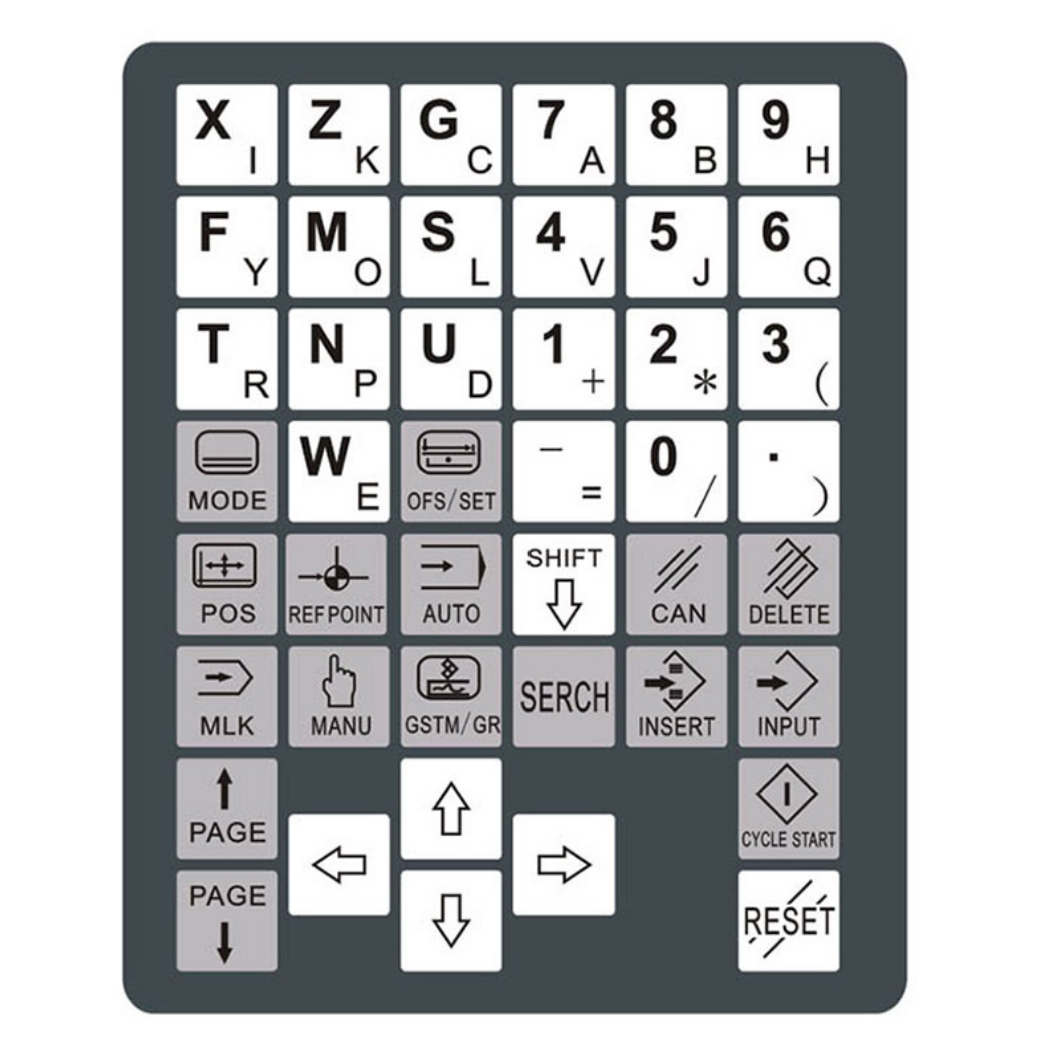
- Circuit Layout: 3x3 / 4x5 Matrix
- Tactile Feedback: SUS301 Metal Dome
- Environmental Sealing: IP65 / Fuel Vapor Resistant
- Actuation Force: 280g ± 30g
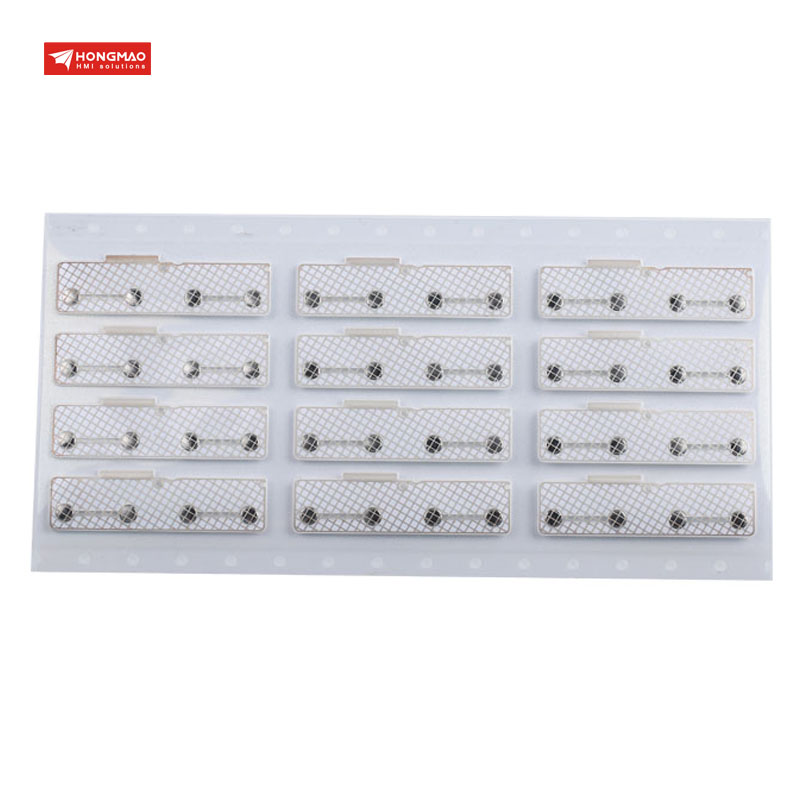
- Dome Material: SUS301 Stainless Steel
- Shielding Layer: Printed Carbon / Al-Mylar
- Actuation Life: >1,000,000 cycles
- Contact Resistance: <1.0 Ω
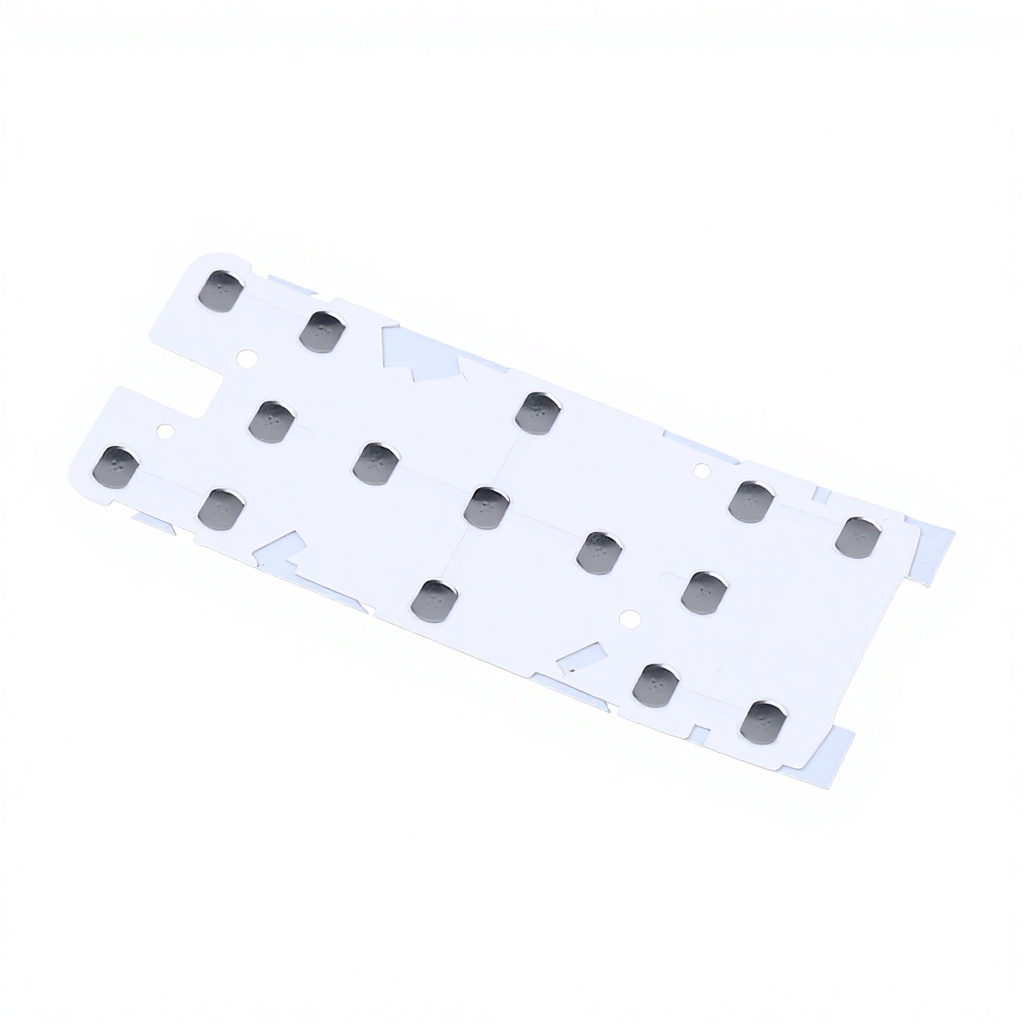
- Carrier Substrate: White High-Tack PET
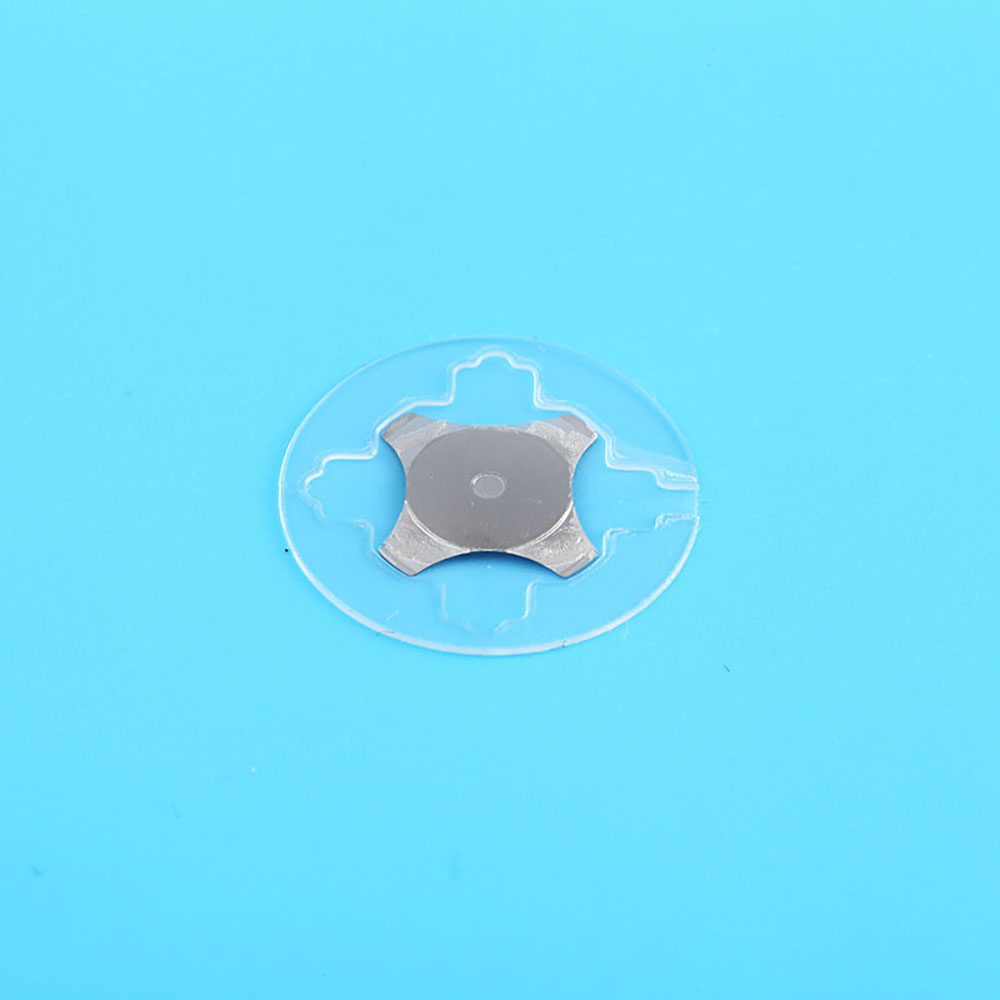
- Dome Geometry: 4-Leg Cross / Dimpled
- Ingress Barrier: Perimeter Vent Channels
- Assembly Type: SMT PCB Direct Mount
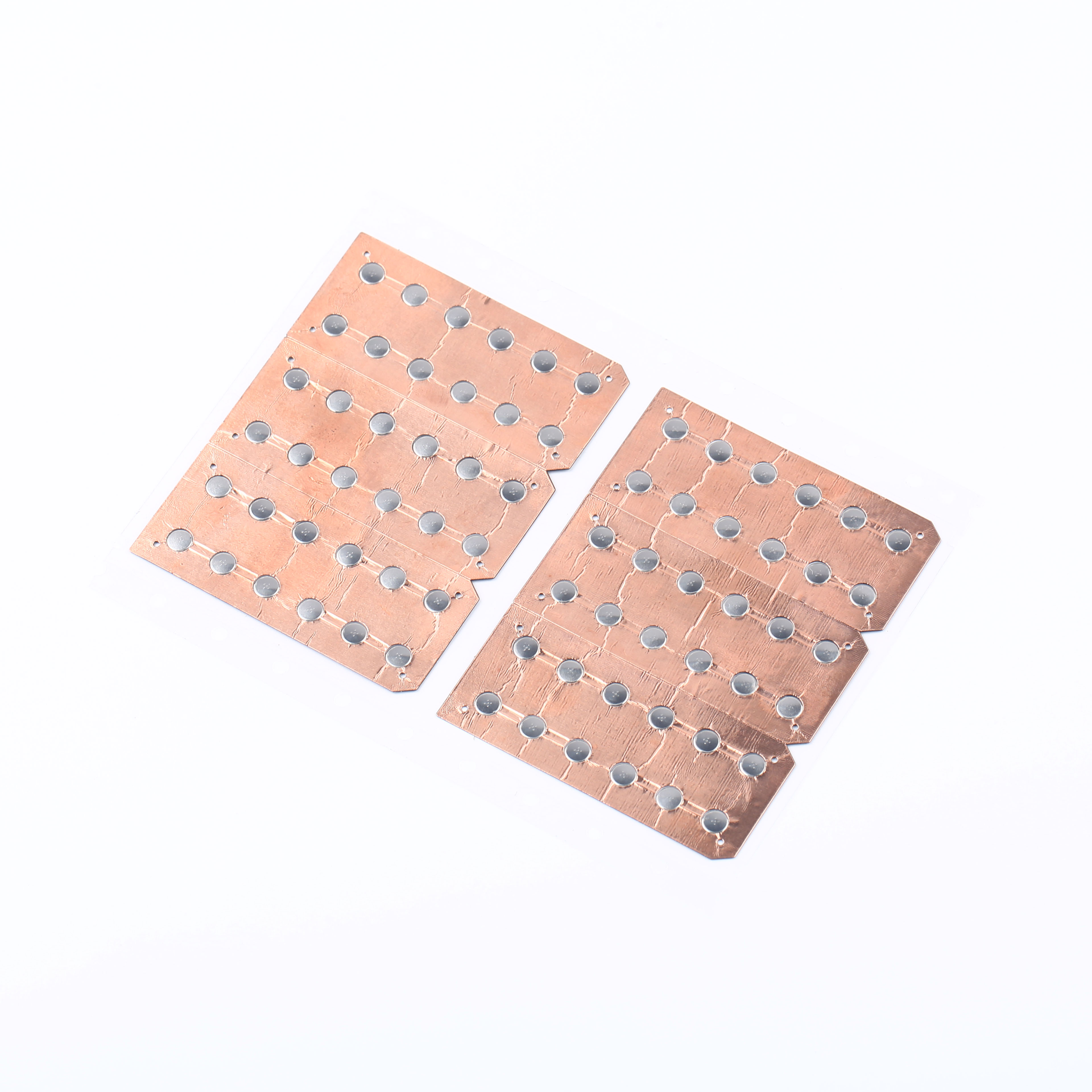
- Conductive Base: Rolled Copper Foil Carrier
- Snap Dome Shape: Round Tactile Domes
- Adhesive Tape: 3M 467MP / Crown High Shear
- Operating Temp: -40°C to +85°C
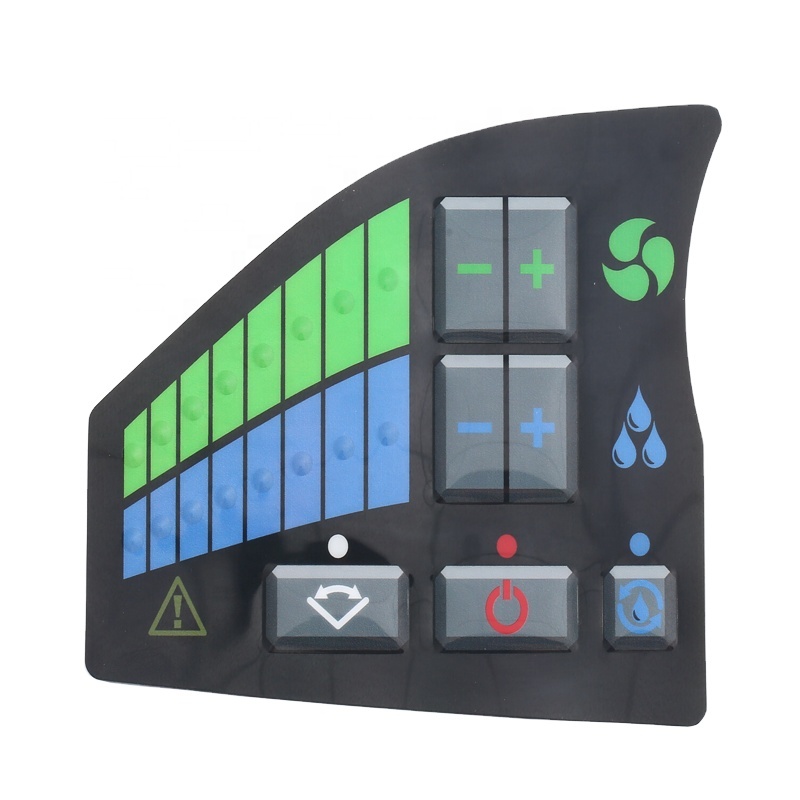
- Embossing Style: Pillow / Rim Contour
- Screen Print: Precision Multi-Color Mesh
- Overlay Base: Autotype MacDermid F150
- Tactile Ratio: > 45% Crisp Snap
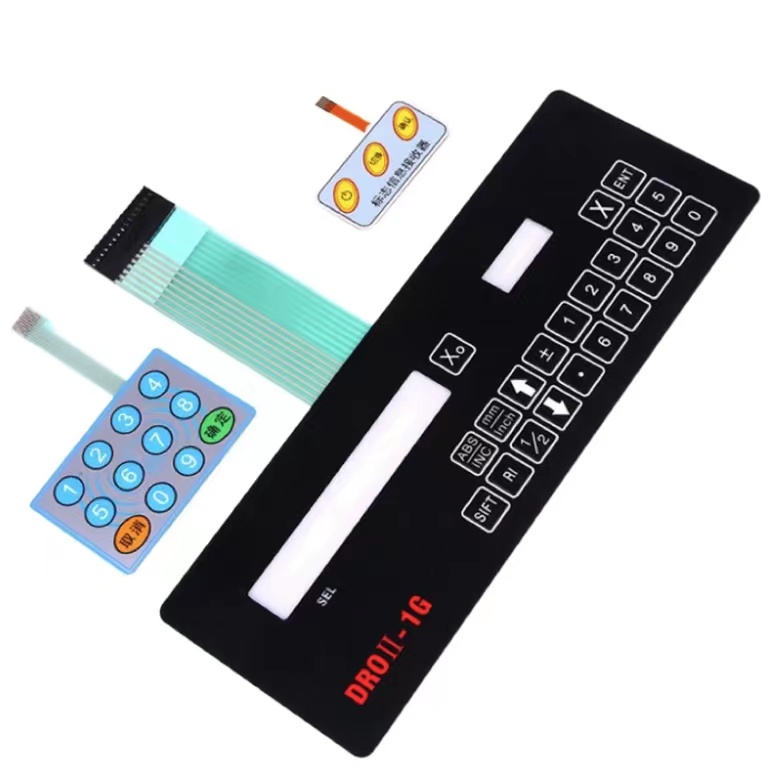
- Tail Pitch: 1.0mm / 2.54mm ZIF / Crimp
- Silver Traces: Conductive Flake <0.05 Ω/sq
- Display Windows: Clear / Anti-Glare Tinted
- Die-Cut Precision: ±0.05 mm Laser Cut
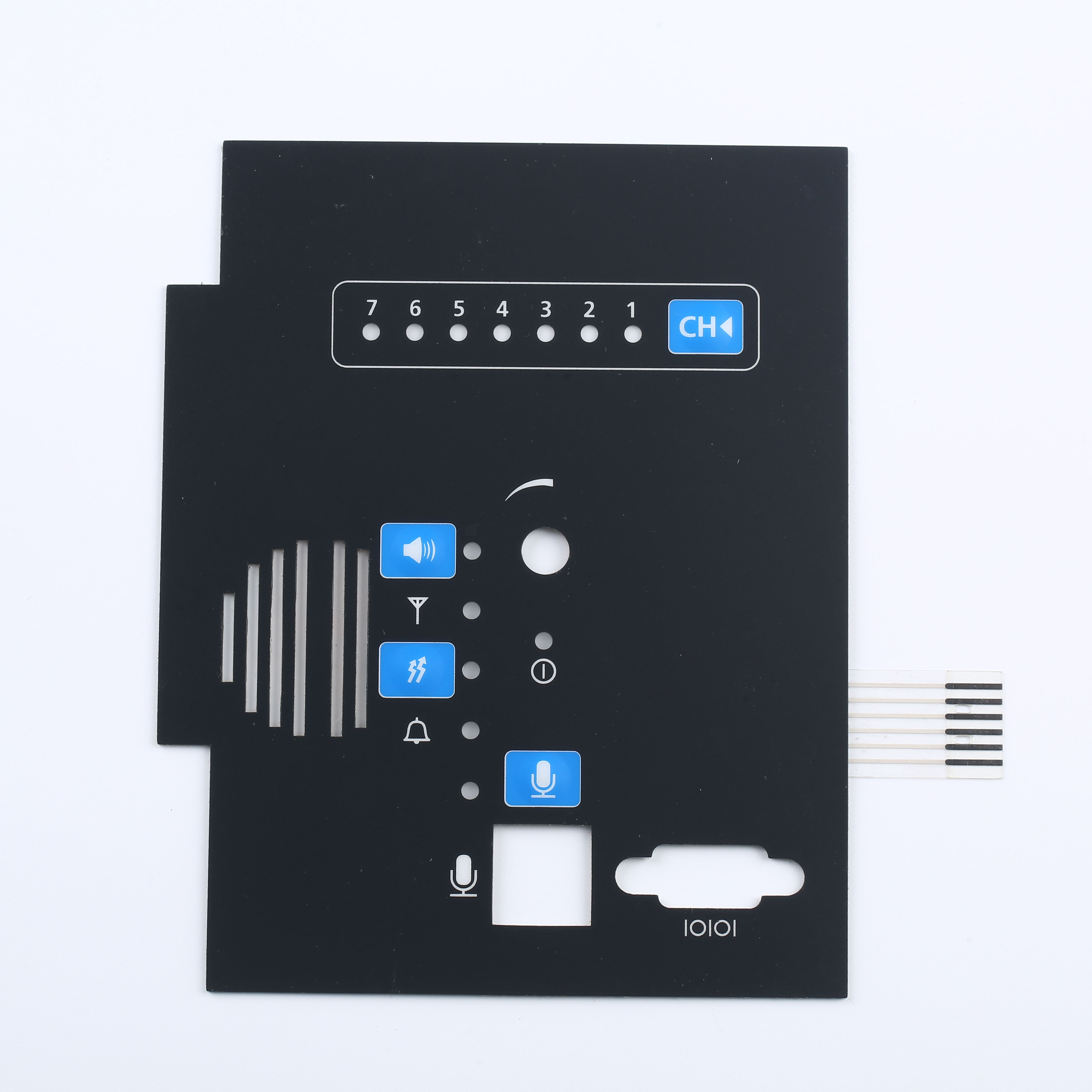
- Film Material: Lexan™ Polycarbonate (PC)
- Window Clarity: High Transmittance >92%
- Surface Texture: Velvet / Fine Matte
- Chemical Proof: Alcohols & Mild Detergents
- Sample Lead Time: 3 - 5 Working Days
- Carrier: Transparent / Translucent PET
- Plating: Pure Nickel / Flash Gold
- Placing Method: Peel-and-Stick Alignment
Micro-Mechanical & Material Architecture of High-Reliability Membrane Switches
A comprehensive design guide for Brainport Eindhoven mechatronics engineers specifying human-machine interfaces for cleanrooms, harsh operating conditions, and mission-critical controls.
In high-precision mechatronics and medical hardware, the human-machine interface (HMI) serves as the primary physical bridge between complex software architectures and human operators. When deploying equipment within the European Union—specifically across the high-tech semiconductor cluster centered in Brainport Eindhoven—engineers face demanding requirements: micro-gap dimensional stability, sub-millimeter tactile registration, electromagnetic emission damping, and long-term chemical resilience against aggressive cleaning solvents.
An embossed membrane keypad engineered by Dongguan Cevra Electronic Technology Co., Ltd. does not rely on generic thin-film stamping. Instead, it utilizes an isotropic multi-layer matrix designed to isolate electrical switching paths from external atmospheric degradation, mechanical fatigue, and electro-static discharge (ESD). Understanding the structural hierarchy of each layer is essential for optimal Design for Manufacturing (DFM) collaboration.
1. Substrate Selection: Biaxially Oriented PET vs. Optical Grade Polycarbonate
The top graphic overlay is the frontline barrier of your instrument. While standard consumer electronics frequently rely on Polycarbonate (PC) for ease of thermoforming and low cost, industrial mechatronics developed in Eindhoven predominantly specify biaxially oriented polyethylene terephthalate (PET), such as Autotype MacDermid Autoflex or XE series. The mechanical elongation limit of high-grade PET resists flex fatigue exceeding 5,000,000 actuations without plastic deformation or micro-fracturing along the embossed ridges.
Furthermore, medical devices in Dutch clinical environments undergo regular sanitization with isopropyl alcohol (IPA 70%), chlorine-releasing agents, or quaternary ammonium disinfectants. Untreated polycarbonate develops stress-crazing and optical yellowing when exposed to these chemical compounds, whereas hard-coated textured PET maintains 100% optical clarity over LCD/LED cutouts and zero swelling across its tactile domes.
2. Embossing Mechanics: Rim, Pillow, and Hydro-Formed Key Contours
Embossing serves two distinct functions: ergonomic tactile locating (enabling cleanroom operators wearing nitrile or latex gloves to center their fingers without looking) and physical clearance management for snap domes beneath the surface. Our CNC-tooled embossing dies achieve tolerance controls within ±0.03 mm:
• Rim Embossing: Only the perimeter boundary of the key is raised (typically 0.3 mm to 0.5 mm in height). This forms an ergonomic pocket that guides the operator's fingertip while maintaining a flat top profile suitable for flush aesthetic enclosures.
• Pillow (Full Face) Embossing: The entire key area is uniformly domed. This maximizes internal air displacement volume, facilitating the full snap excursion of large SUS301 metal domes without creating vacuum lockup during high-speed actuation sequences.
• Dual-Formed Braille / Locator Dots: For accessibility compliance and specialized medical carts, distinct tactile hemispheres can be precisely hydro-embossed directly into the legend surface, resisting flattening under repetitive cycle loads.
3. Metal Snap Dome Mechanics & Tactile Force Deflection Profiles
A satisfying tactile feedback click is not merely an aesthetic choice; it is an audible and sensory confirmation that suppresses double-entry errors in high-stakes environments. We incorporate precision-stamped SUS301 stainless steel tactile domes (available in 4-leg cross, round, and triangular profiles, with or without dimples). Each batch is validated using automated force-displacement load analyzers.
| Technical Parameter | Standard Industrial Keypad | Medical & Cleanroom Specification | Semicon Sub-Tooling Grade |
|---|---|---|---|
| Actuation Force ($F_a$) | 220g – 280g (±30g) | 300g – 350g (Enhanced glove response) | 180g – 240g (Light precision touch) |
| Tactile Click Ratio ($T_r$) | 40% – 50% | 50% – 60% (High audible snap) | 45% – 55% |
| Rated Actuation Cycles | 1,000,000 operations | 3,000,000 operations | 5,000,000 operations |
| Plating Metallurgy | Bright Nickel over Stainless | Gold-Plated Contact Points (0.1µm) | Hard Gold over Nickel Barrier |
| Contact Resistance | < 1.0 Ω (Silver traces) | < 0.2 Ω (FPC Gold Contact) | < 0.1 Ω (Direct PCB Contact) |
| Ingress Protection (Front) | IP65 (Splash & Dust proof) | IP67 / IP68 (Fluid submersion wash) | IP66 / ESD > 15 kV Dissipative |
The tactile ratio ($T_r = \frac{F_a - F_c}{F_a} \times 100$, where $F_a$ represents peak actuation trip force and $F_c$ represents contact click force) is tightly preserved within a narrow 10% band across multi-key matrices, preventing uneven finger strain across sprawling industrial terminal keyboards.
4. Silver Circuit Printing, Carbon Bridging, and Flexible FPC Tails
The internal conductive network is printed within our cleanroom environment using ultra-fine polymer thick-film (PTF) silver conductive inks, oven-cured under continuous infrared thermal profiles to prevent trace brittleness. For complex designs demanding high pin density, cross-overs are insulated with screen-printed UV-cured dielectric barriers, followed by top conductive carbon wear bridges.
Where ultra-miniature 0.5 mm or 1.0 mm ZIF mating connectors are specified by European mechatronic controllers, we supply Flexible Printed Circuit (FPC) copper-polyimide tails directly soldered or anisotropic-conductive-film (ACF) bonded to the tactile switch array. This architecture completely eliminates silver migration risks in conditions with sustained ambient humidity exceeding 90% RH.
Engineered for Eindhoven's High-Tech and Brainport Industries
Precision-manufactured interface solutions specifically adapted to the technical and regulatory frameworks of Brainport Eindhoven's leading industrial sectors.
Semiconductor Lithography & Wafer Handling Modules
Eindhoven stands as the undisputed global capital of advanced semiconductor lithography. Cleanroom auxiliary consoles, robotic wafer load-lock interfaces, and maintenance pendant modules require HMIs with zero particulate shedding, low volatile organic compound (VOC) outgassing, and stringent electrostatic discharge (ESD) suppression. Our grounded perimeter copper grids dissipate charges up to 15 kV, protecting sensitive CMOS sensor electronics on cleanroom production lines.
Medical Diagnostic Systems & Patient Monitors
Rooted in the regional healthcare engineering clusters across North Brabant, medical diagnostic carts, infusion pumps, and clinical imaging units require continuous IP67 fluid sealing. Our anti-microbial textured overlays feature seamless display windows with optical clear adhesives (OCA) laminated under vacuum, completely preventing liquid pooling, ingress of bio-fluids, or delamination caused by hospital-grade wipes.
Industrial Mechatronics & Packaging Automation
From VDL-associated automated production cells to dynamic packaging machines in the food and beverage sectors, machinery interfaces endure high-frequency operator inputs, fine powder aerosols, and lubricant contact. Featuring custom rim-embossed button profiles with SUS301 snap domes, our switch panels provide operators with tactile confirmation even when manipulating controls with thick protective gloves.
Technological & Regulatory Shifts Shaping Dutch HMI Procurement
How modern export standards, environmental circularity, and smart sensing are transforming keypad specifications across European supply chains.
1. Transition to Eco-Design, WEEE Compliance, and Circular Engineering
In alignment with the Dutch National Agreement on the Circular Economy and EU Corporate Sustainability Due Diligence Directive, original equipment manufacturers across Eindhoven and Veldhoven are moving away from irreversible resin-potted keyboards. Embossed membrane switches manufactured with separable non-halogenated PET films and non-brominated pressure-sensitive adhesives facilitate easier end-of-life disassembly. Our factories strictly adhere to RoHS (Directive 2011/65/EU and 2015/863) and REACH (EC 1907/2006) standards, screening SVHC chemical substances to ensure frictionless compliance at Dutch customs and environmental audit clearances.
2. Integration of Light Guide Film (LGF) & Discrete Status Illumination
Where legacy devices relied on bulky, power-hungry incandescent lamps or inefficient external light fixtures, contemporary Dutch industrial equipment incorporates ultra-thin Light Guide Films (LGF). Utilizing microscopic optical dot-pattern extraction, a single edge-mounted side-fire micro-LED can uniformly illuminate multiple embossed key legends and regulatory icons. This reduces heat dissipation inside hermetically sealed control enclosures, saves board space, and lowers overall device power draw in 24/7 operating environments.
3. Hybrid Capacitive-Tactile Sensor Integration
Many advanced medical and cleanroom consoles now require a "dead-front" seamless glass or acrylic front fascia. However, critical functions (such as Emergency Stop, Calibration Trigger, or Mode Selection) still demand the absolute failsafe physical feedback of a tactile click. We engineer hybrid assemblies where capacitive sensing films share the same carrier substrate as grounded tactile snap domes, providing intuitive sliding adjustment alongside decisive mechanical confirmation.
Dongguan Cevra: Verified In-House Manufacturing Capabilities
Since 2009, operating under an ISO 9001 certified quality management system with independent SGS onsite verification.
SGS Onsite Audited
Our 2,600 m² Dongguan manufacturing plant is physically inspected and validated by SGS Group. Real factory operations—never a third-party trading broker.
100% In-House Process
From precision screen printing, CCD visual micro-drilling, automatic lamination, to pick-and-place dome arrays—every single process is controlled under one roof.
Comprehensive Quality Lab
Equipped with computerized dome load curve testers, high/low temperature chambers (-40°C to +120°C), peel tension testers, and 4H pencil hardness gauges.
European Logistics Direct
Rapid courier dispatch directly to Eindhoven Airport (EIN) or consolidated sea/air freight via Schiphol (AMS) and Rotterdam port with complete DDP handling.
Frequently Asked Questions by Dutch Engineering & Sourcing Teams
Detailed answers addressing technical feasibility, certifications, DFM revisions, and transit logistics into North Brabant.
How do you guarantee batch-to-batch tactile click consistency for European medical and industrial runs?
What CAD files, graphic assets, and technical parameters are required to start a DFM review?
1. Graphic Overlay Artwork: Vector files (.AI, .PDF, or .EPS) with Pantone matching system (PMS) or RAL color codes, specifying key borders, window transparencies, and dead-front requirements.
2. Mechanical Drawing: DXF, DWG, or STEP models indicating overall dimensions, cutouts, embossing ridge profiles, tail exit coordinates, and total stack thickness.
3. Circuit Schematic: Netlist, pin-out matrix, connector pitch (e.g., 2.54 mm female crimp, 1.0 mm ZIF, or solder tabs), and current/voltage parameters.
4. Operating Environment: Ambient temperature window, chemical exposure profile, and expected actuation cycle threshold.
Do your exported membrane keypads comply with EU RoHS, REACH, and CE electrical directives?
What are the typical prototyping turnaround times and logistics options to Brainport Eindhoven?
Can you incorporate ESD / EMI shielding and backlighting within ultra-thin enclosure profiles?
What is your minimum order quantity (MOQ) for high-mix, low-volume (HMLV) Dutch machinery projects?
Accelerate Your Next HMI Hardware Project
Connect directly with our technical team in Dongguan. Send your CAD files, mechanical constraints, or application challenges for a comprehensive DFM review, layer stack-up recommendation, and rapid quotation delivered within 24 hours.
Contact Us