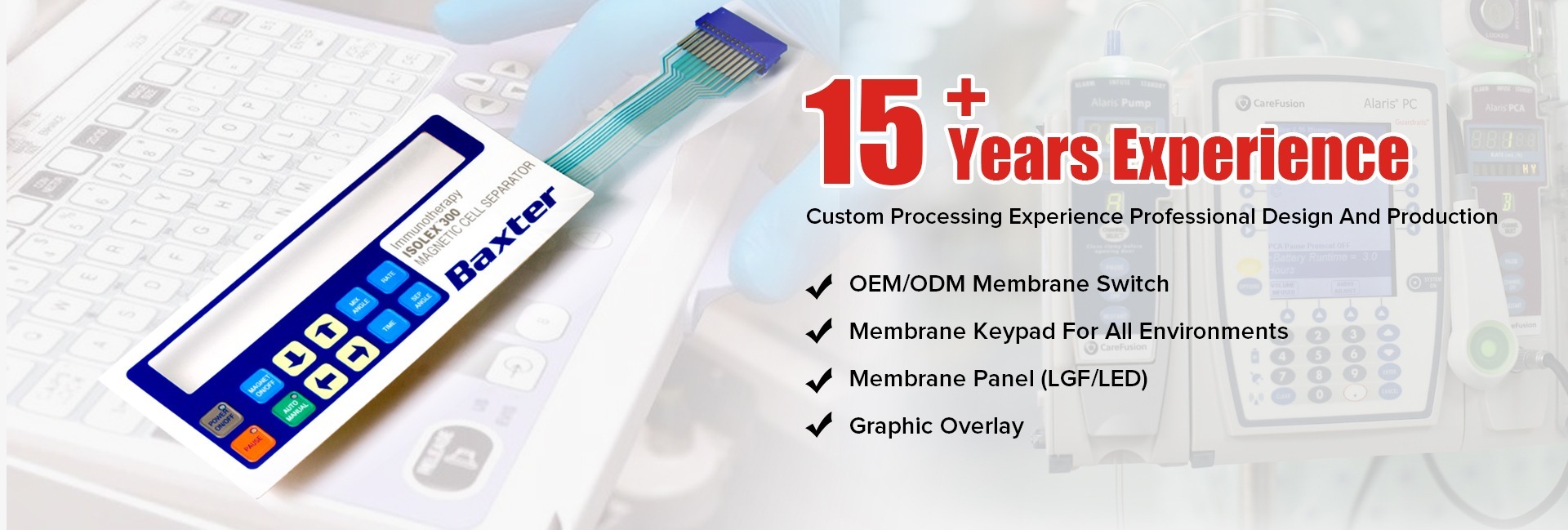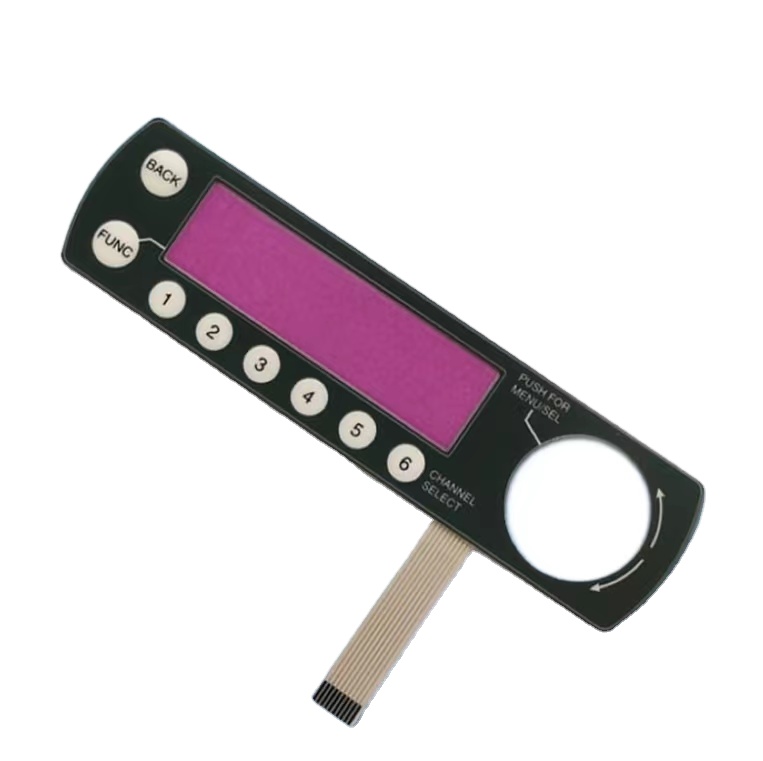
Customized Medical Instrument Membrane Switch PET Membrane Key PC Membrane Switch
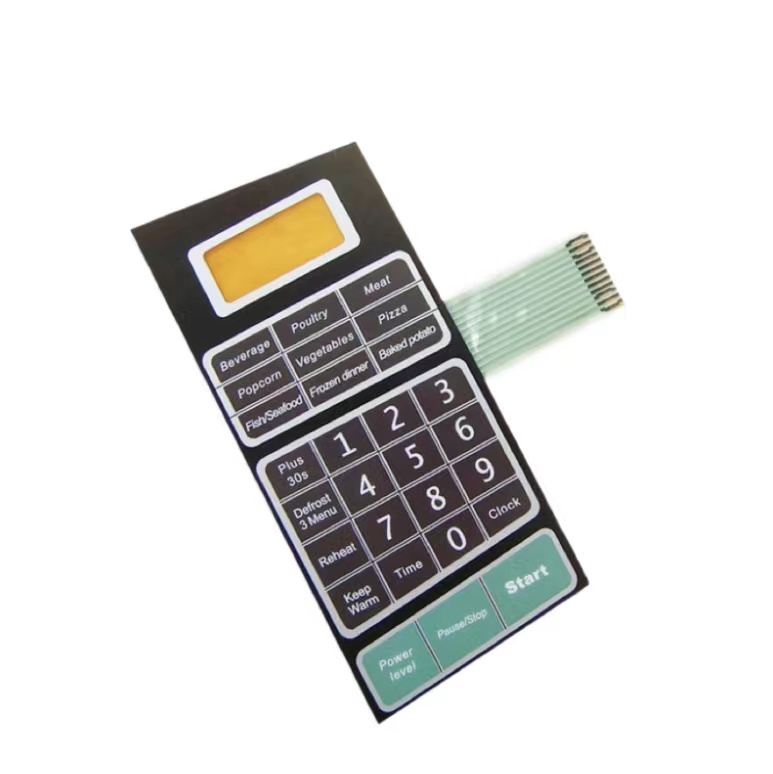
- Overlay Material: Autotex Medical PET
- Ingress Rating: IP65 / Chemical Proof
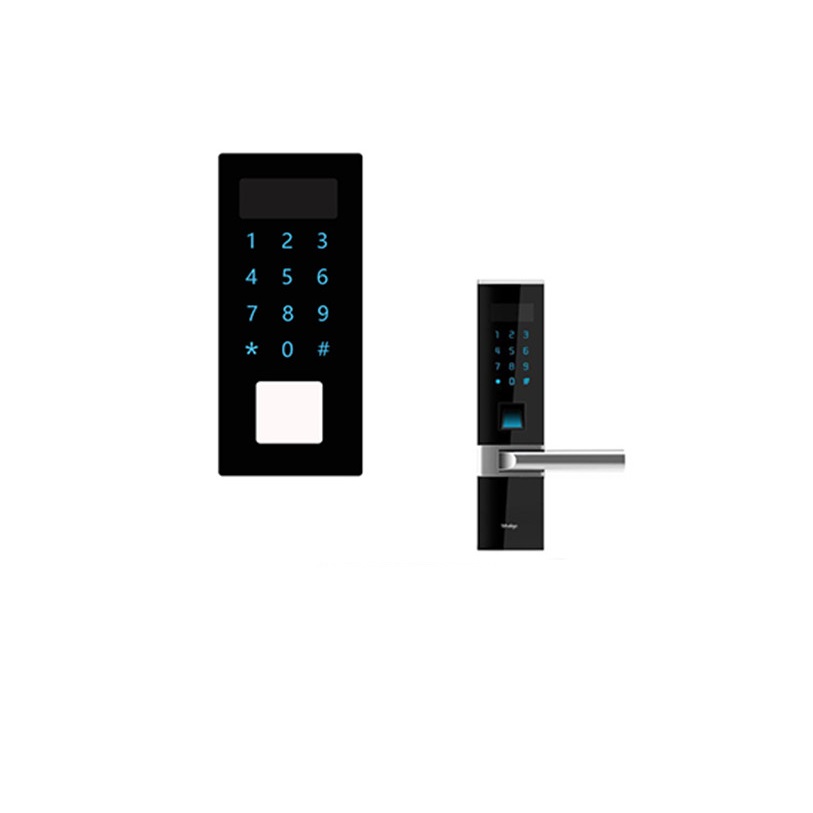
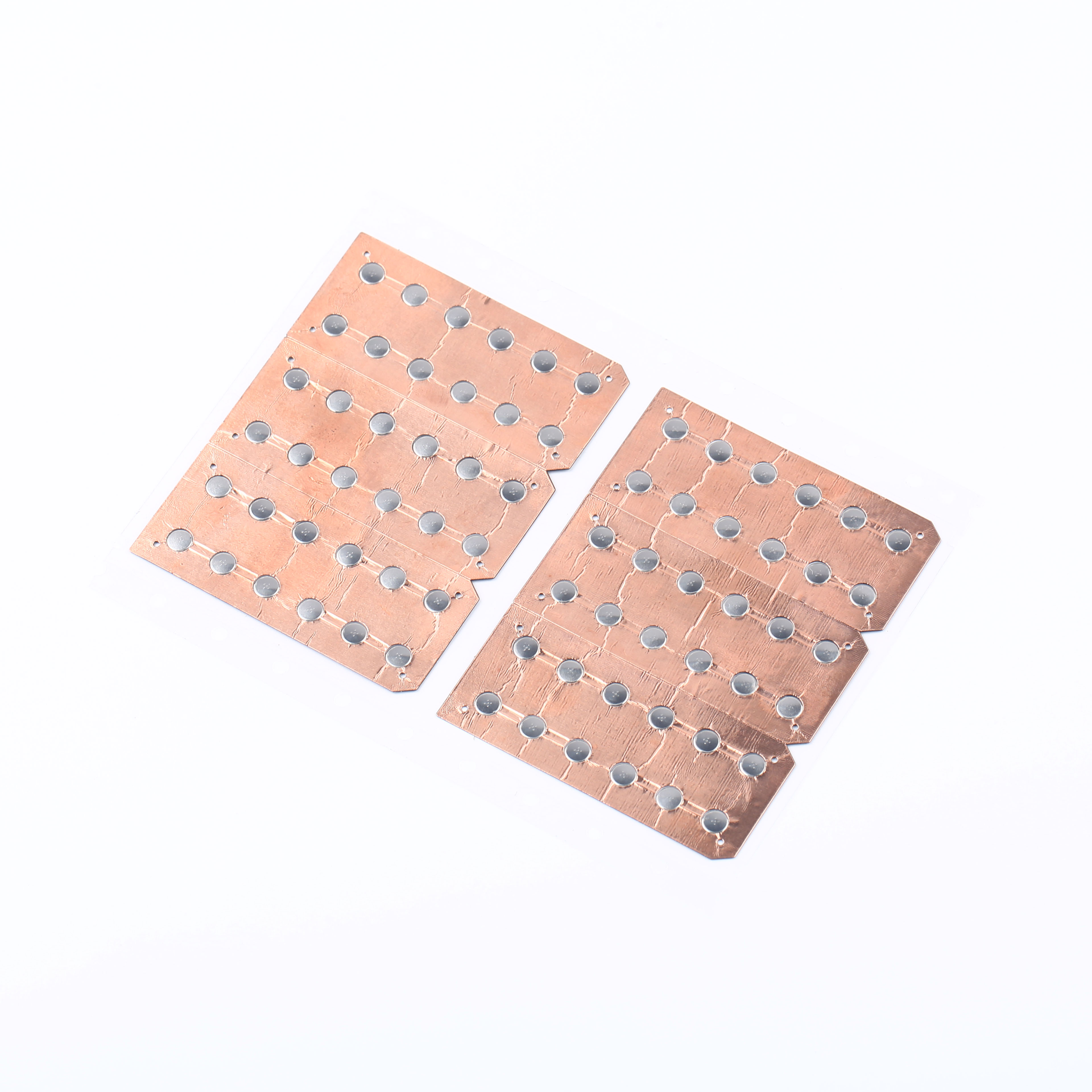
- Tactile Type: Stainless Dome
Engineered for high longevity, tactile feedback, and extreme ambient readability across Greek industrial sectors.
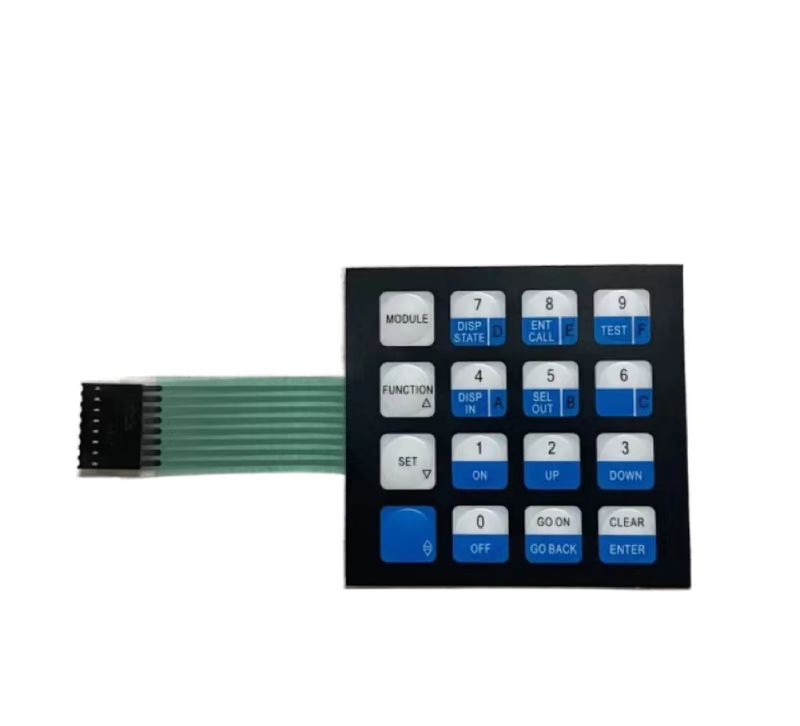
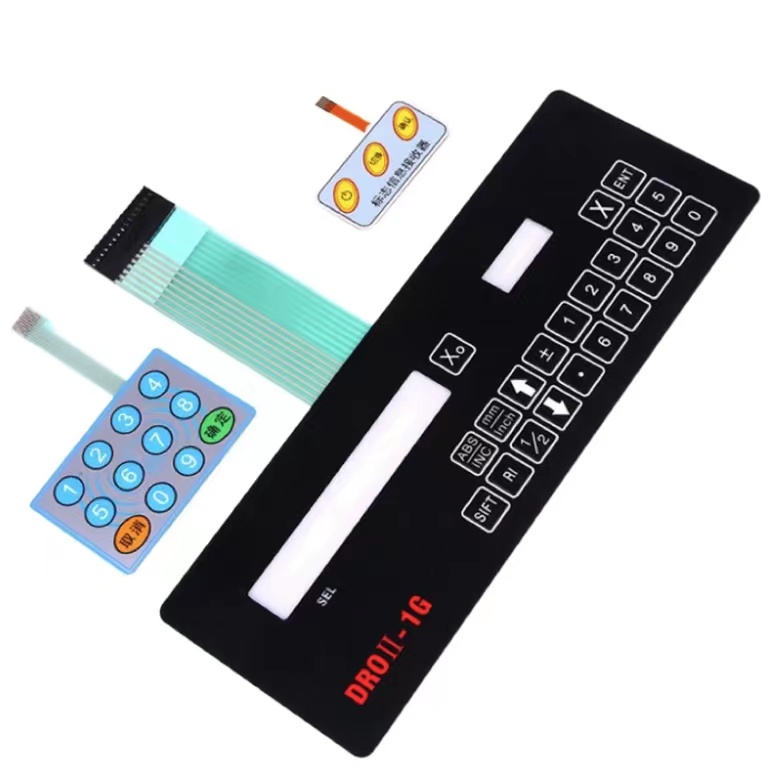

Achieving uniform, zero-hotspot surface luminescence without parasitic heat dissipation or EMI leakage.
Electro-Luminescent technology generates light by exciting phosphor crystals (doped zinc sulfide) under alternating electric fields (60V–115V AC, 400Hz–1000Hz). Unlike discrete LEDs that suffer from localized thermal pooling and distinct point glare, EL provides absolute planar illumination across the entire graphical keypad boundary with a thickness of under 0.3mm.
The primary decay vector for EL phosphors is ambient moisture absorption. Our manufacturing process uses proprietary double-sided fluoropolymer barrier films laminated under vacuum conditions, maintaining stable luminance exceeding 10,000 operational hours even in hot, coastal Mediterranean salt-mist environments.
AC inverter oscillations in EL panels can introduce spurious electromagnetic interference into sensitive low-voltage microcontrollers. We screen-print conductive carbon or silver-mesh grounding grids directly beneath the EL sandwich, redirecting high-frequency capacitive noise safely away from the underlying matrix traces.
| Performance Parameter | EL Membrane Switch (Cevra Custom) | Discrete Surface-Mount LED Backlight | Fiber Optic / Light Guide Film (LGF) |
|---|---|---|---|
| Light Uniformity Index | > 95% (Perfect Cold Light Sheet) | 50% – 70% (Visible Point Glare & Shadows) | 80% – 88% (Good, depends on LED injection points) |
| Total Subsystem Thickness | 0.25mm – 0.40mm Ultra-Thin | 1.20mm – 2.00mm (Requires clearance cavities) | 0.40mm – 0.65mm |
| Thermal Dissipation | 0.00 mW/cm² (Completely Cold Emitting) | Significant Heat Generation per Diode | Low Heat (Confined strictly to source LEDs) |
| Harsh Vibration Tolerance | Solid State (Immune to mechanical shock) | Solder joints vulnerable to micro-fracture | High (Flexible synthetic film) |
| Daylight & Night Contrast | Exceptional soft glow for dark-bridge navigation | High localized brightness, prone to blooming | Moderate brightness dependent on diffusion |
Customizing human-machine interfaces to conquer Hellenic environmental stresses: marine salinity, high solar UV degradation, and electrical grid instability.
Greece commands the largest merchant marine fleet globally. Bridge instrumentation, bilge alarms, and radar deck keypads require night-vision-preserving cold luminescence that will not blind night operators traversing the Aegean. Cevra's EL panels feature chemically inert silicone-bonded gaskets (meeting ASTM B117 salt spray ratings) that neutralize humid sea air corrosion while delivering crisp tactile snap through heavy maritime working gloves.
With massive renewable expansion in Greece, utility-scale solar arrays encounter extreme thermal swings between scorching summer midday sun and sub-zero montane nights. Standard PC overlays yellow and embrittle under Mediterranean UV rays. Cevra utilizes premium Autotex XE UV-stabilized polyester overlays laminated with acrylic adhesives that resist thermal expansion fatigue from -30°C to +85°C.
Automated bottling, sorting lines, and olive press facilities encounter aggressive organic fatty acids, water-jet washdowns, and particulate dust. Our completely sealed front-facing overlays deliver IP67 liquid exclusion, enabling aggressive sanitization without moisture creeping behind the switch membranes or shorting silver circuitry traces.
How Greek OEMs are navigating the transition from mechanical toggles to smart, connected membrane interfaces.
Substation telemetry keypads are shifting toward integrated capacitive-EL panels to prevent unintended mechanical actuations in unattended power monitoring stations outside Athens and Patras.
Hybrid battery energy storage systems (BESS) installed across Aegean islands require low-quiescent-power HMI panels that do not draw parasitic standby current from reserve battery banks during power cuts.
Greek procurement engineers are demanding full chemical trace reports on all screen-printing solvents, phosphor binders, and adhesive carriers to comply with stringent European Union chemical directives.
Greek companies avoid intermediaries by forming direct manufacturing partnerships with verified Asian plants (like Cevra), streamlining sample approval cycles from weeks down to single days.
Everything you need to know regarding compliance, tariffs, logistics, and technical customization for the Greece market.
Established in March 2009 in Dongguan, China, Cevra is an ISO 9001 certified and SGS onsite-audited manufacturing enterprise specializing in custom membrane switches, tactile metal dome arrays, and human-machine interface panels.
Operating a modernized 2,600㎡ manufacturing cleanroom, our engineering operations integrate every production phase under one roof—eliminating outsourcing delays and ensuring full structural traceability from raw polymer receipt to finished switch delivery.