Engineered Tactile Switch Assemblies & HMI Solutions
Precision-calibrated metal dome assemblies, tactile overlays, and surface-mount switch matrices manufactured under stringent ISO 9001 and verified quality standards.
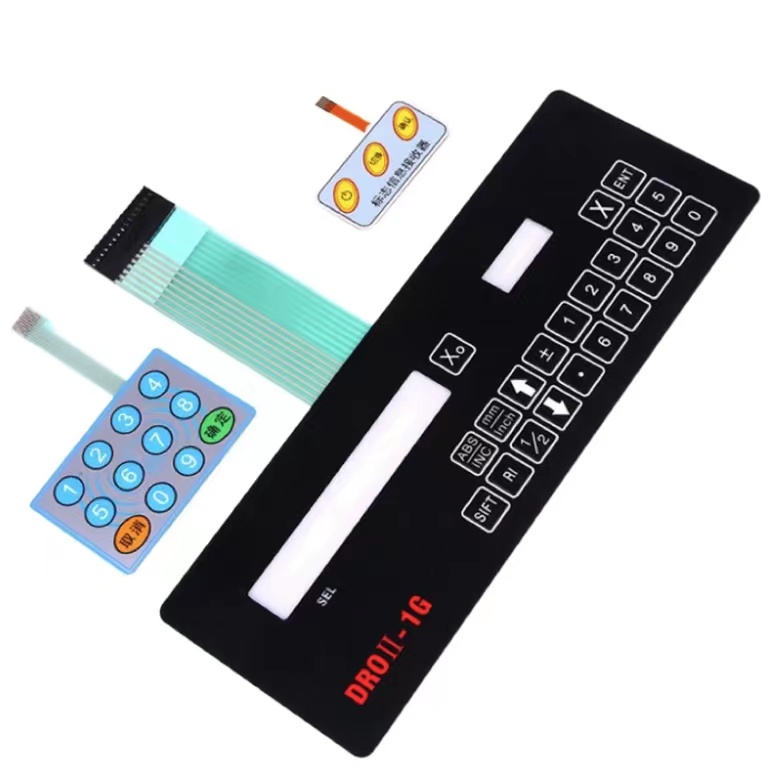

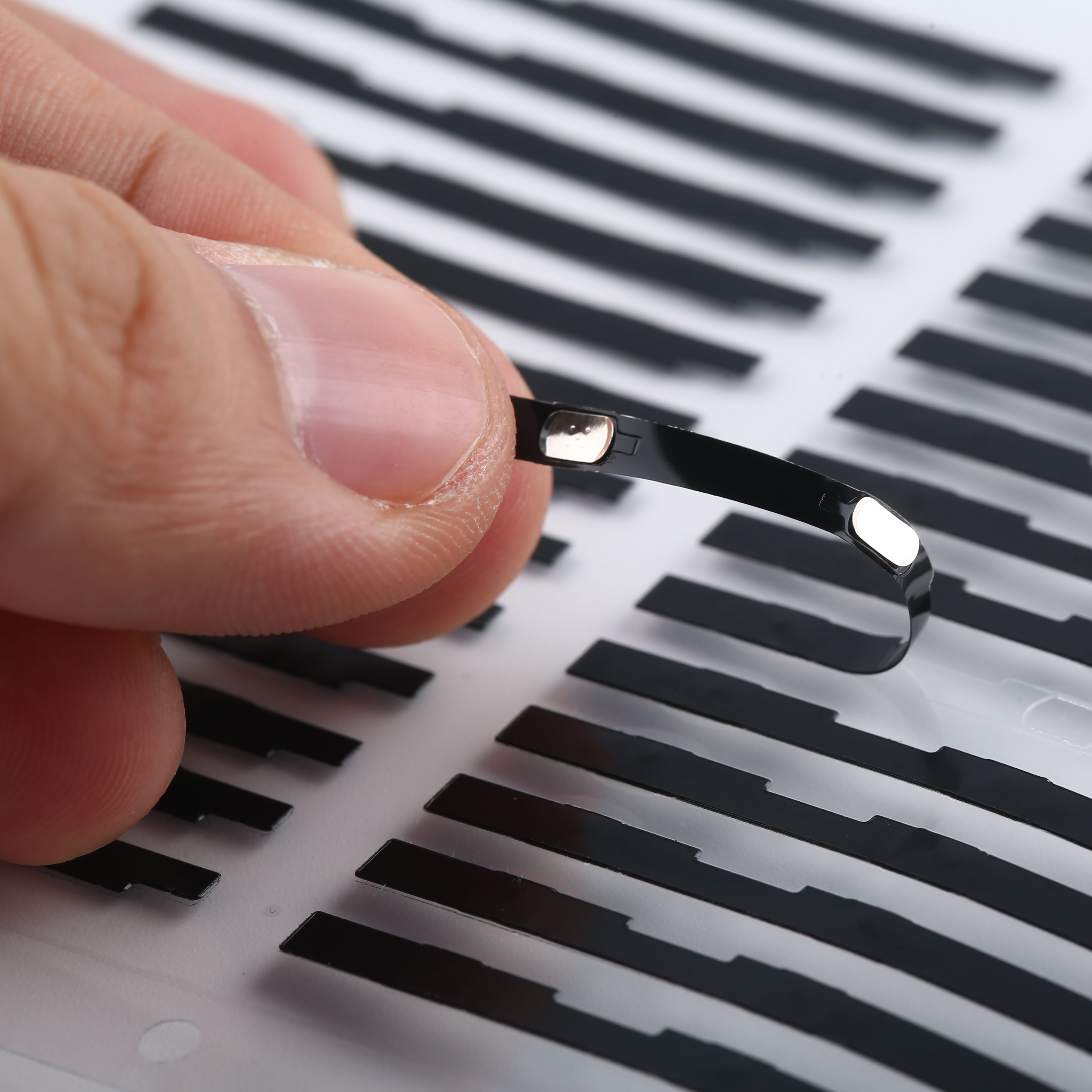
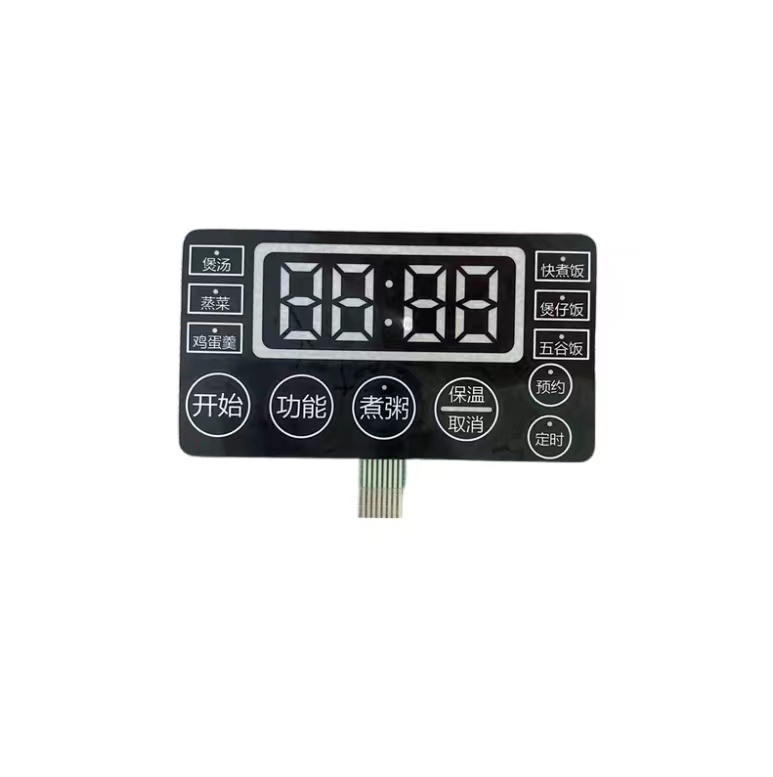
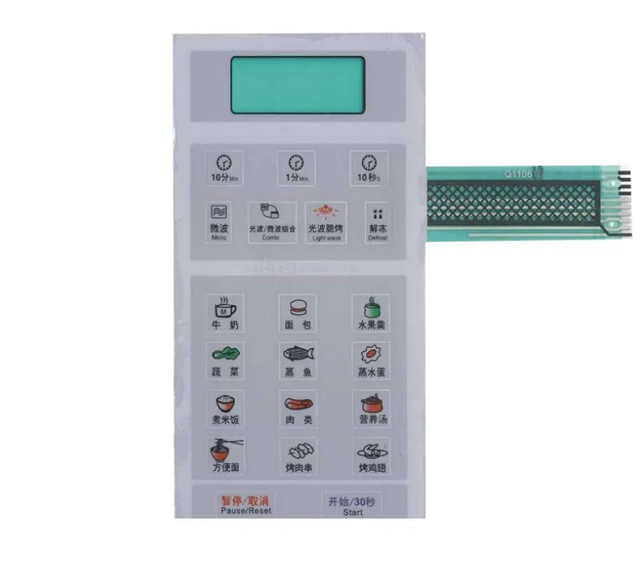
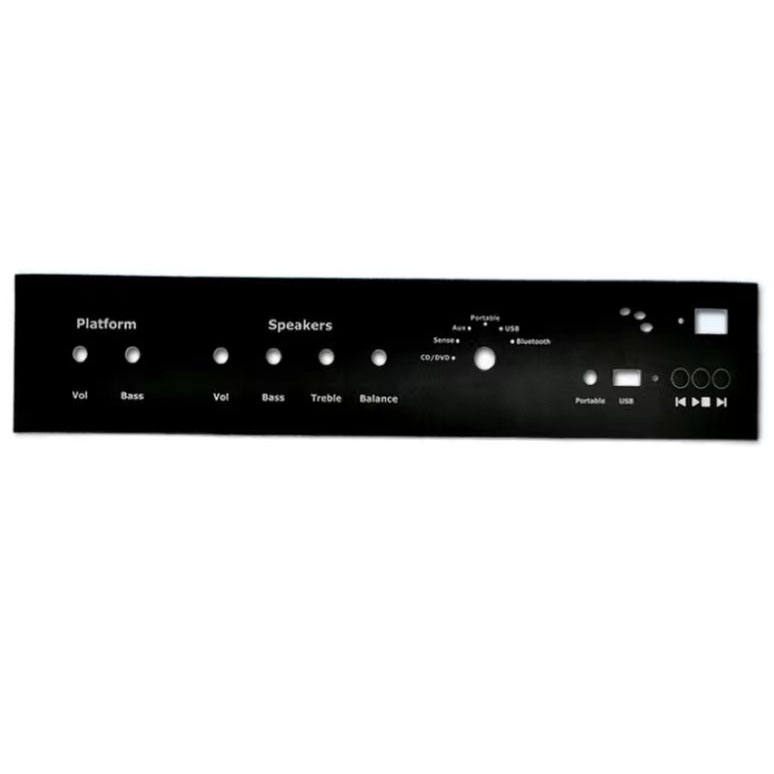
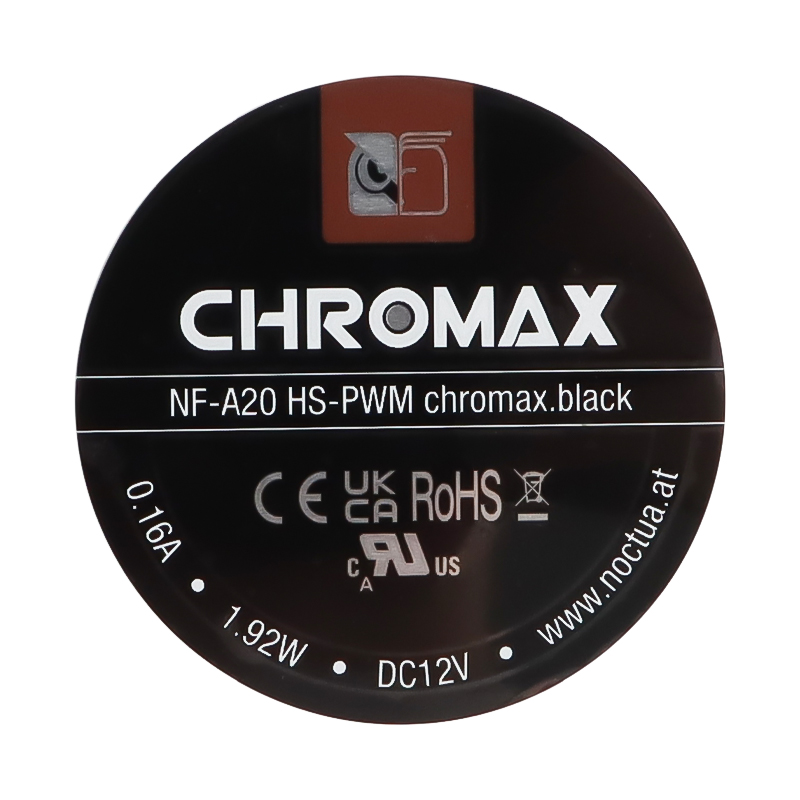
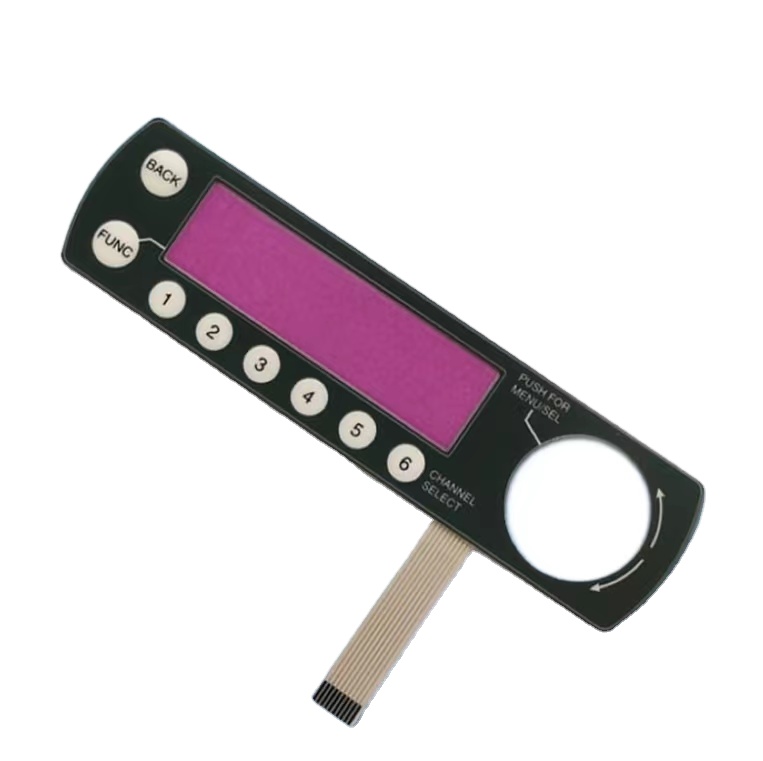
High-Precision Dome Switch Integration Across Austria's Manufacturing Clusters
From the mechatronics corridors of Upper Austria to Styria's mobility hubs, Austrian equipment builders demand rigorous tactile feedback, functional longevity, and uncompromising environmental sealing.
Austria represents one of Europe's most refined industrial ecosystems, celebrated for precision engineering, heavy-duty mobile machinery, advanced rail technology, and cutting-edge laboratory instruments. Within these high-reliability applications, the Human-Machine Interface (HMI) serves as the primary operational link between human operators and mission-critical electronics. A dome switch assembly—composed of stainless steel snap domes, printed circuitry, adhesive spacers, and robust graphic overlays—acts as the tactile heartbeat of these systems. Unlike consumer touchscreens that can register phantom touches or fail entirely when operated with thick industrial gloves, oil-covered hands, or sub-zero mountain ice, our tactile dome assemblies deliver undeniable tactile snap ratios, unambiguous mechanical closure, and impenetrable front-panel ingress ratings up to IP67.
Upper Austria Mechatronics & Robotics
In the Linz-Wels-Steyr industrial belt, automated manufacturing cells, CNC controllers, and robotics teach pendants demand tactile assemblies capable of millions of reliable cycles. Our 4-legged nickel- and gold-plated stainless steel metal domes offer distinct tactile feedback that confirms user actuation through protective workshop gloves, avoiding costly false triggers and operator fatigue during continuous multi-shift production.
Styrian Automotive & Special-Purpose Vehicles
Styria's renowned automotive and commercial vehicle engineering cluster requires rugged switchgear conforming to rigorous vibration and shock protocols. We manufacture custom dome arrays utilizing high-grade 3M adhesives (such as 3M 467MP and 468MP) paired with engineered venting air-channels. These prevent contact bounce, adhesive delamination, and dome slippage under harsh harmonic vibrations and sudden thermal shifts.
Tyrol & Vienna Medical & Analytical Systems
Austria's life sciences and medical device firms in Vienna and Tyrol manufacture diagnostic analyzers, hospital pumps, and operating theater equipment that must undergo stringent chemical sterilization. Our PET and Polycarbonate medical assemblies feature completely sealed, flush, and antimicrobial surfaces resistant to quaternary ammonium compounds, isopropyl alcohol, and sodium hypochlorite, fully supporting EN 60601-1-2 standards.
Alpine Cableways & Extreme Heavy Machinery
Equipment operating across the Austrian Alps—such as ropeway control consoles, snowcat grooming cockpits, and hydraulic timber equipment—must perform flawlessly at -40°C and elevations exceeding 3,000 meters. Our specialized membrane dome matrices utilize temperature-stable polyester films, cold-resistant acrylic adhesives, and barometric equalization channels that prevent internal pressure differentials from collapsing or muting dome tactility.
Smart Grid & Rail Infrastructure Electronics
Austria's continuous investments in high-speed rail and smart electrical grids necessitate control panels featuring rigorous Electrostatic Discharge (ESD) and Electromagnetic Compatibility (EMC) protection. By integrating continuous aluminum or selective carbon-printed shielding grids into the dome switch sandwich, we safely divert ESD discharges up to 15kV away from sensitive host microcontrollers.
Tactile Dome Switch Architecture & Mechanical Engineering Dynamics
An in-depth analysis of tactile snap ratios, trip force dynamics, plating metallurgy, and multi-layer structural stacks designed for mission-critical reliability.
Achieving uniform switch actuation across large control arrays requires a comprehensive understanding of metallurgy, mechanical deflection curves, and micro-gap tolerances. The primary tactile sensation experienced by the machine operator is governed by the snap ratio formula: Snap Ratio = (Actuation Force - Return Force) / Actuation Force. A snap ratio between 40% and 60% yields a crisp, distinct click that reassures operators in noisy factory environments, while preventing accidental triggering from subtle resting pressure.
| Layer Architecture | Material Options | Thickness Range | Functional Contribution |
|---|---|---|---|
| 1. Graphic Overlay | Autotex PET, Lexan Polycarbonate | 0.125 mm – 0.250 mm | Chemical resistance, textured/anti-glare finish, UV protection, selective dead-front LED windows. |
| 2. Overlay Adhesive | 3M 467MP, 3M 468MP, 3M 200MP | 0.050 mm – 0.125 mm | High sheer bond strength, hermetic sealing between the graphic front and underlying dome carrier. |
| 3. Dome Retainer / Spacer | Optical-Grade Polyester (PET) | 0.075 mm – 0.175 mm | Die-cut registration cavities that secure metal domes firmly against lateral drift while providing air venting pathways. |
| 4. Tactile Metal Domes | SUS301 Stainless Steel (Nickel/Gold Plated) | Dia: 4 mm – 20 mm | Conductive momentary contact bridging; provides crisp click feedback across 1M+ actuations; trip forces from 180g to 500g. |
| 5. Circuit Layer | Silver Conductive Ink on PET / Flexible FPC | 0.075 mm – 0.125 mm | Low-resistance interconnect traces (<10Ω), surface-mount micro-LED routing, zero-insertion-force (ZIF) tail terminations. |
| 6. Rear Mounting Adhesive | 3M 9472LE (for low surface energy plastics), 3M 467MP | 0.050 mm – 0.130 mm | Permanent attachment to cast aluminum chassis, sheet metal housings, or injection molded ABS/PC enclosures. |
In demanding Alpine or cleanroom installations, venting dynamics cannot be overlooked. As a snap dome collapses to bridge the circuit pads, the volume of air trapped beneath the stainless steel cup must escape without resistance. In unvented or poorly designed assemblies, rapid keystrokes cause air entrapment, resulting in a spongy tactile response or dome blow-off under fluctuating atmospheric barometric conditions. Our CNC-routed and laser-cut micro-venting channels link key chambers without compromising the perimeter adhesive perimeter, ensuring internal pressure equilibrium while preserving IP65/IP67 ingress ratings against water, lubricants, and particulate matter.
Selecting the Optimal Tactile HMI Architecture for Your Bill of Materials
Compare key electrical, mechanical, and environmental metrics to choose between metal dome arrays, polydomes, and capacitive tactile hybrids.
| Performance Vector | Metal Dome Assembly | Polydome (Formed PET) | Capacitive Touch + Haptic | Mechanical Pushbuttons |
|---|---|---|---|---|
| Actuation Lifespan | 1,000,000 to 5,000,000 cycles | 100,000 to 500,000 cycles | Solid-state (Virtually Unlimited) | 100,000 to 500,000 cycles |
| Tactile Crispness | Very High (Distinct Mechanical Snap) | Moderate (Soft/Rubber-like Feel) | None (Requires Vibration Motor) | High (Long Mechanical Travel) |
| Travel Distance | 0.3 mm – 0.8 mm | 0.5 mm – 1.2 mm | 0.0 mm | 2.0 mm – 4.5 mm |
| Glove / Cold Actuation | Exceptional (No false triggers) | Good (Reduced feel below 0°C) | Poor (Requires specialized tuning) | Good |
| Profile Height | Ultra-Thin (< 1.5 mm total) | Thin (< 2.0 mm total) | Ultra-Thin (< 1.0 mm total) | Bulky (> 15 mm back-panel depth) |
| Ingress & Sealing | IP65 / IP67 / IP69K capable | IP65 capable | IP67 / IP69K seamless surface | Difficult to seal (O-ring wear) |
| Tooling & Prototyping Cost | Low to Moderate (Fast turnaround) | Moderate (Emboss tooling required) | High (Firmware & ASIC integration) | High per-unit assembly labor |
Emerging Trends in Austrian & DACH Industrial Switch Procurements
Strategic advancements reshaping procurement decisions across Austrian equipment builders, electronics manufacturing services (EMS), and system integrators.
Total Cost of Ownership (TCO) & SMT Dome Automation
Austrian electronics manufacturing services (EMS) providers are increasingly shifting away from manual component placement toward tape-and-reel metal domes packaged for high-speed surface-mount technology (SMT) pick-and-place lines. By using automated dome placement directly on printed circuit boards (PCBs) or reel-fed poly-dome carrier tapes, manufacturers cut assembly labor costs by up to 60% while eliminating human alignment errors across high-density switch matrices.
Hygienic Design & Disinfectant Resistance
In compliance with strict EU medical machinery directives and EHEDG hygienic guidelines for Austrian pharmaceutical and beverage bottling facilities, control panels must feature continuous non-porous front fascias. Our sub-surface screen-printed Autotex PET graphic overlays resist aggressive caustic washdowns, high-pressure steam, and active sanitizers, ensuring zero graphic degradation, chemical peeling, or fluid ingress into internal dome cavities.
RoHS, REACH & Conflict Minerals Compliance
European regulatory frameworks demand total supply chain transparency. Every raw component integrated into our dome switch assemblies—including our premium SUS301 stainless steel, conductive silver traces, dielectric spacers, adhesives, and plating chemicals—fully complies with EU RoHS 3 (Directive 2015/863/EU) and REACH (EC 1907/2006). Comprehensive full-material declaration (FMD) reports and certificates of conformity accompany every production batch.
Why Austrian Procurement Teams Partner with Cevra
Combining 16+ years of precision HMI production with certified quality assurance, dedicated OEM engineering support, and dependable global logistics.
Dongguan Cevra Electronic Technology Co., Ltd. was established in March 2009 with a focused mission: to deliver industrial-grade tactile switch assemblies, metal dome arrays, and graphic interface panels built to exacting customer specifications. Over more than a decade and a half, we have expanded our production footprint to 2,600 square meters of modern manufacturing facilities, incorporating high-precision screen printing, automated lamination, CCD target punching, and comprehensive environmental testing. For Austrian and European buyers, Cevra operates as a true direct manufacturer—delivering direct technical communication, flexible minimum order quantities, and rigorous batch traceability.
ISO 9001 & SGS Onsite Audited
Our operational workflows, quality control stations, cleanroom environments, and raw material warehousing are audited and verified onsite by the SGS Group. With an established ISO 9001 quality management framework, we enforce strict incoming material inspection (IQC), in-process quality control (IPQC), and 100% final electrical/functional verification before dispatch.
Dedicated In-House Quality Laboratory
Unlike trading brokers, we validate your designs using our in-house test equipment. Our facility features automated metal dome load-displacement testers, programmable high/low temperature thermal shock cabinets (-40°C to +120°C), peel strength tension dynamometers, adhesive holding tack testers, and pencil surface hardness testers, verifying every mechanical parameter before mass shipment.
DFM Engineering & Rapid Prototyping
Austrian mechanical and electrical engineering departments benefit from our comprehensive Design for Manufacturability (DFM) support. Send us your CAD, DXF, or Gerber files, and our engineers will verify trace spacing, dome clearance, actuation travel, and connector pinouts within 24 hours. Rapid prototype fabrication allows functional bench testing before commercial volume commitments.
Frequently Asked Questions by Austrian Engineers & Sourcing Managers
Comprehensive answers addressing technical specifications, logistics, customs compliance, and quality testing for Austrian imports.
What specific documentation do you require to quote a custom dome switch assembly project?
- Mechanical Layer Stack Drawing: DXF, DWG, PDF, or STEP files showing perimeter dimensions, cutouts, embossing profiles, and tail location.
- Graphic Artwork: AI, CDR, or high-resolution PDF indicating color specifications (Pantone matching system or RAL colors), button shapes, and transparent/dead-front LED window requirements.
- Circuit Schematic: Gerber files or circuit netlists indicating single-point, common bus, or X-Y matrix configurations.
- Tactile Requirements: Desired actuation force (e.g., 250g, 350g, 450g), dome geometry (4-leg, round, oblong, triangular), and target contact resistance.
- Environmental Targets: Operating temperature envelope, expected solvent exposure, and target ingress protection (IP54, IP65, IP67).
How do your assemblies withstand the extreme alpine temperature fluctuations of Austria?
- Differential Thermal Expansion Management: Matching the coefficients of thermal expansion across the PET substrate, conductive silver inks, and acrylic adhesive layers to eliminate internal shear stress and trace fractures.
- Automotive-Grade Adhesives: Exclusively specifying genuine 3M acrylic adhesive systems (e.g., 3M 467MP, 468MP, or 300LSE) formulated to maintain aggressive holding shear strength across extreme temperature ranges.
- Engineered Altitude Venting: Integrating laser-etched micro-channels connecting dome cavities to internal breathable desiccant pockets, preventing internal pressure imbalances that can mute or invert tactile snap domes at high altitudes.
Can you supply metal domes packaged in carrier tape and reel for SMT pick-and-place lines in Austria?
What are the trade-offs between nickel plating and gold plating for stainless steel metal domes?
- Nickel Plating: The industry standard for cost-effective, high-reliability switching. Nickel provides an oxidation-resistant surface with typical initial contact resistance under 1 ohm, suitable for standard digital logic lines.
- Gold Plating: Recommended for low-voltage, low-current micro-signal lines, intrinsically safe ATEX-rated switches, or high-humidity environments. Gold plating provides stable sub-milliohm contact resistance, near-zero surface oxidation over multi-year life spans, and prevents silver electromigration when paired with silver-printed circuit traces.
- Bare Stainless Steel: Common in high-volume, cost-sensitive consumer applications where budget constraints override low-resistance requirements.
What is your typical turnaround time for prototypes and production orders delivered to Vienna or Graz?
- DFM & Engineering Review: Completed within 24 to 48 hours from receiving your CAD files.
- First-Article Functional Prototypes: Laser-cut and digitally printed prototypes are typically ready to ship in 5 to 8 working days.
- Volume Production Runs: Hard-tooled volume production runs typically ship within 12 to 18 working days following final golden sample sign-off.
- Direct Logistics to Austria: We regularly ship via air express (DHL Express, FedEx, UPS) directly to Austrian destinations (Vienna Schwechat, Linz, Graz, Salzburg, Innsbruck) with transit times of 3 to 5 business days, handling customs documentation and commercial invoices cleanly under DAP or DDP terms.
What Minimum Order Quantities (MOQs) do you support for Austrian engineering teams?
How is electrical continuity, contact resistance, and tactile snap force verified before shipment?
- 100% Automated Electrical Matrix Testing: Checking for open circuits, short circuits, switch contact resistance (verifying values below customer specification, typically <100Ω for silver traces or <1Ω for copper FPC), and insulation resistance (>100MΩ at 100V DC).
- Tactile Force-Displacement Curve Profiling: Dome load testing measures initial trip force (F1), contact closure force (F2), and return release force (F3) to ensure adherence to specified snap ratios.
- CCD Vision Alignment: Automated optical inspection confirms circuit trace pitch, dome centration, and graphic overlay cutting tolerances within ±0.05 mm.
- Adhesion & Tensile Peel Testing: Verifying layer bonding meets ASTM D3330 standards before dispatch.