Precision OEM Light Guide Panels & Integrated HMI Assemblies
Engineered for high luminance uniformity, compact spatial profiles, and tactical mechanical life cycles across medical, automotive, cleantech, and industrial electronics.
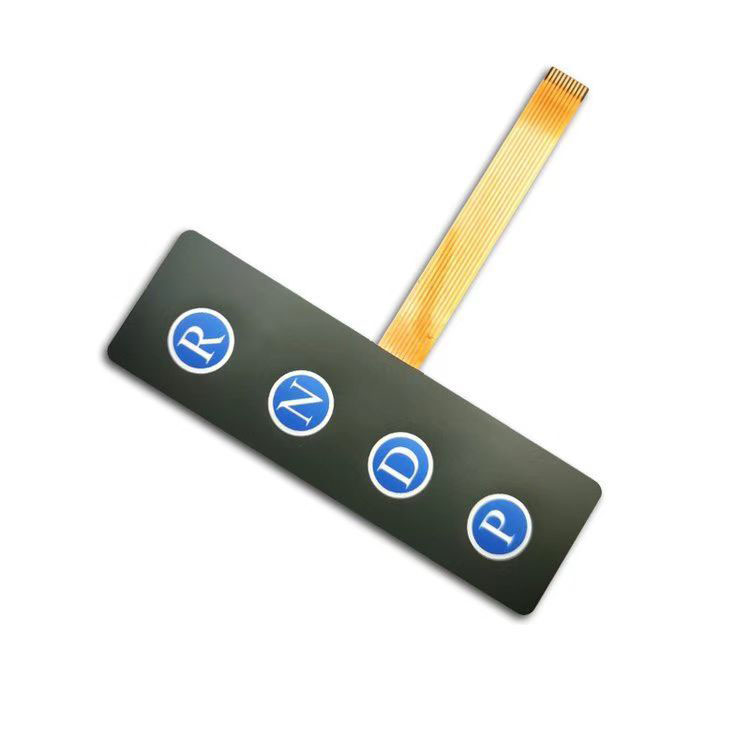
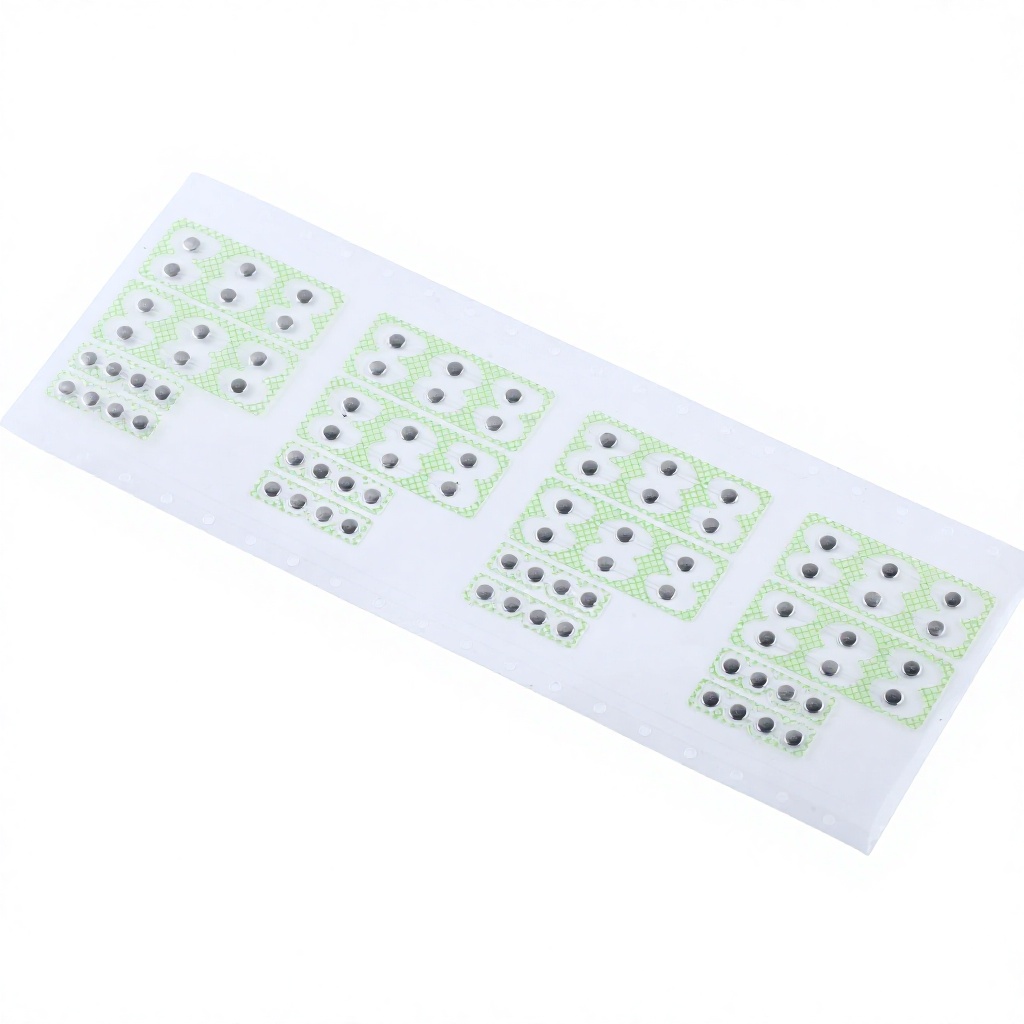
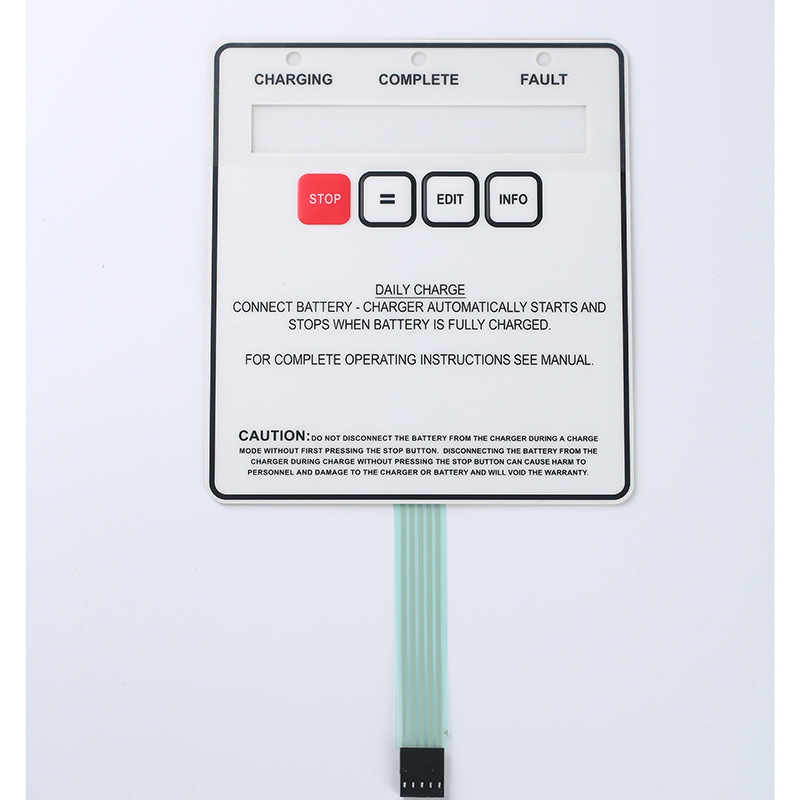
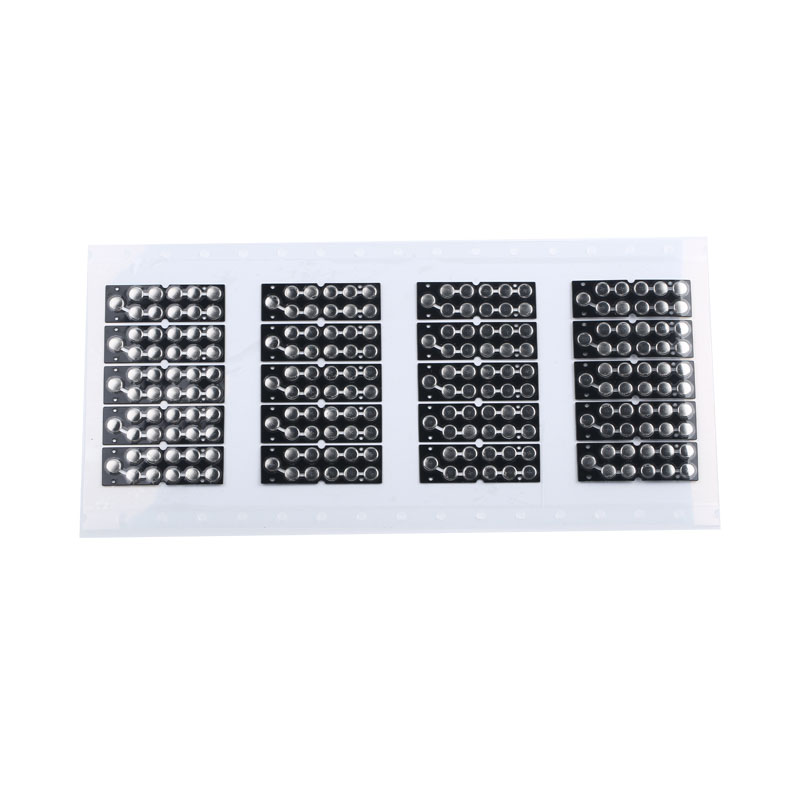
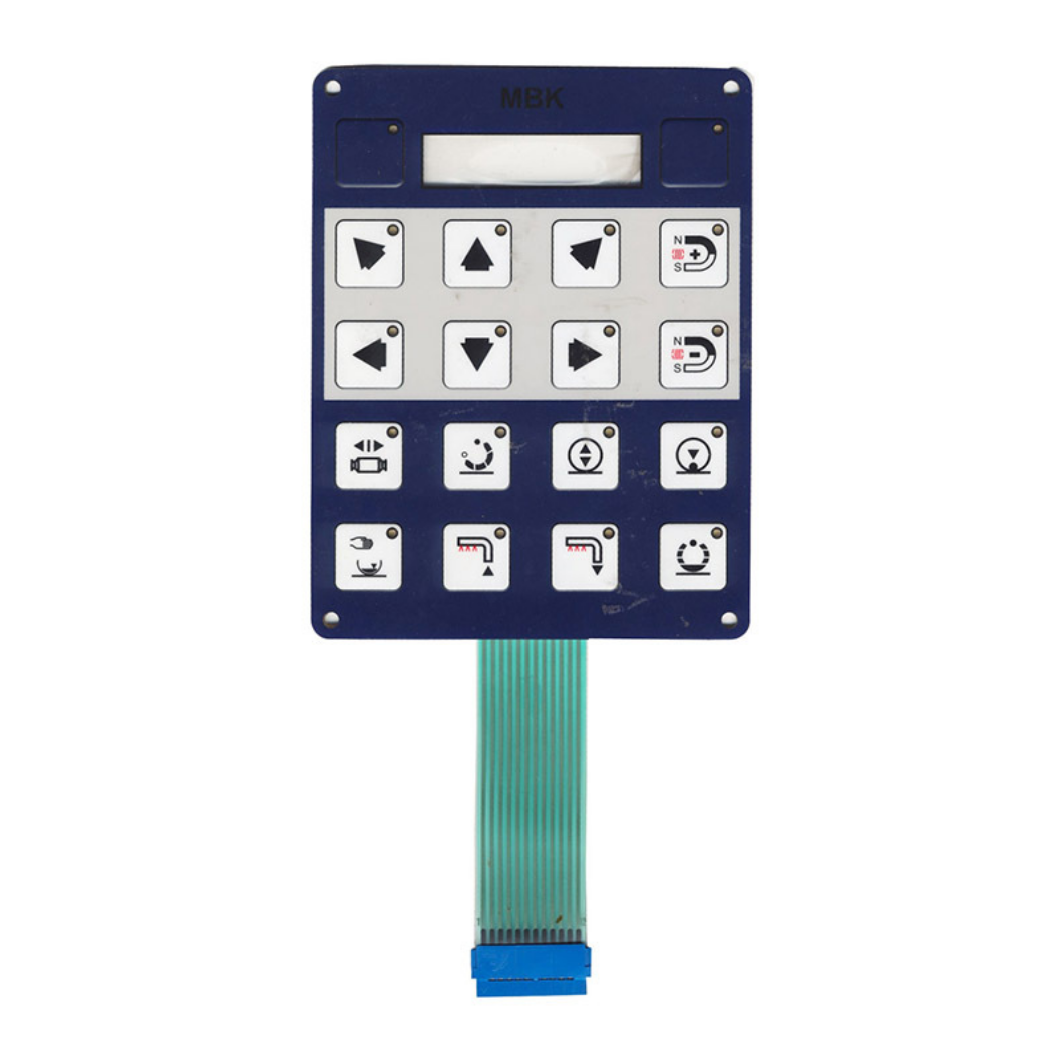
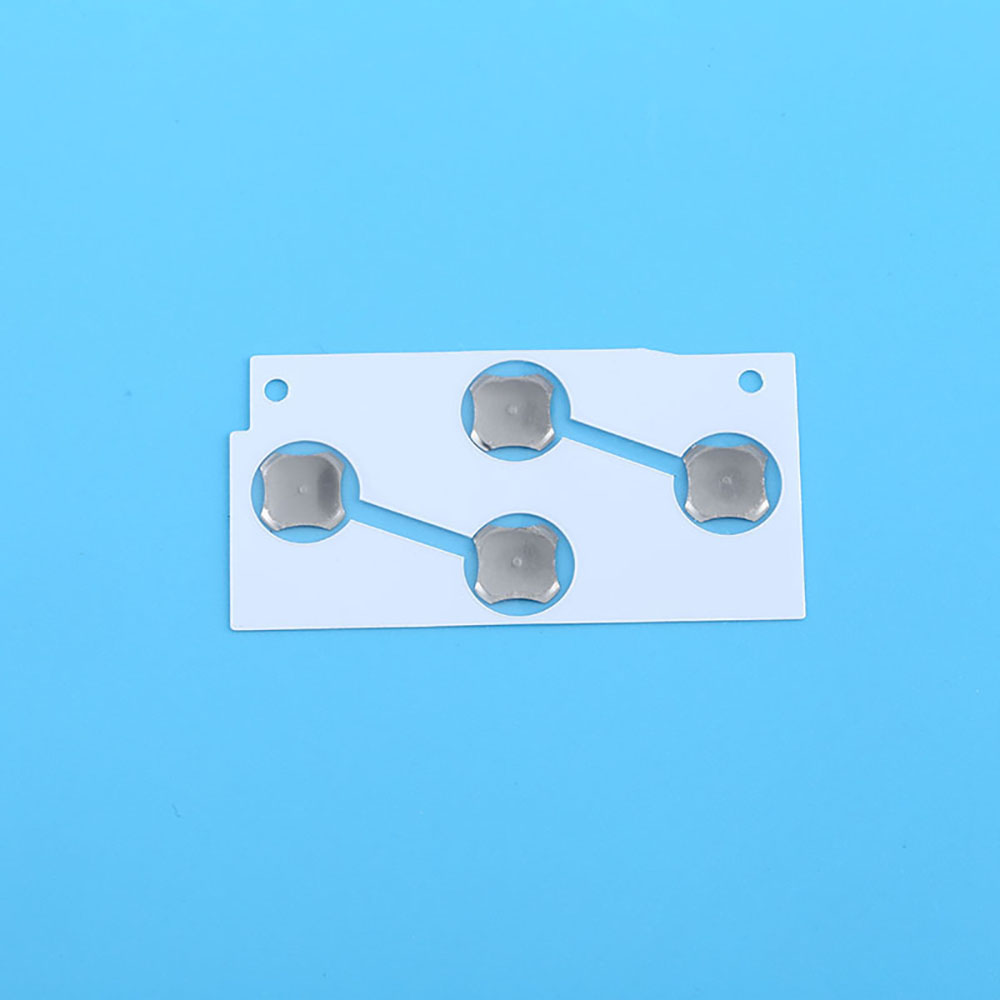
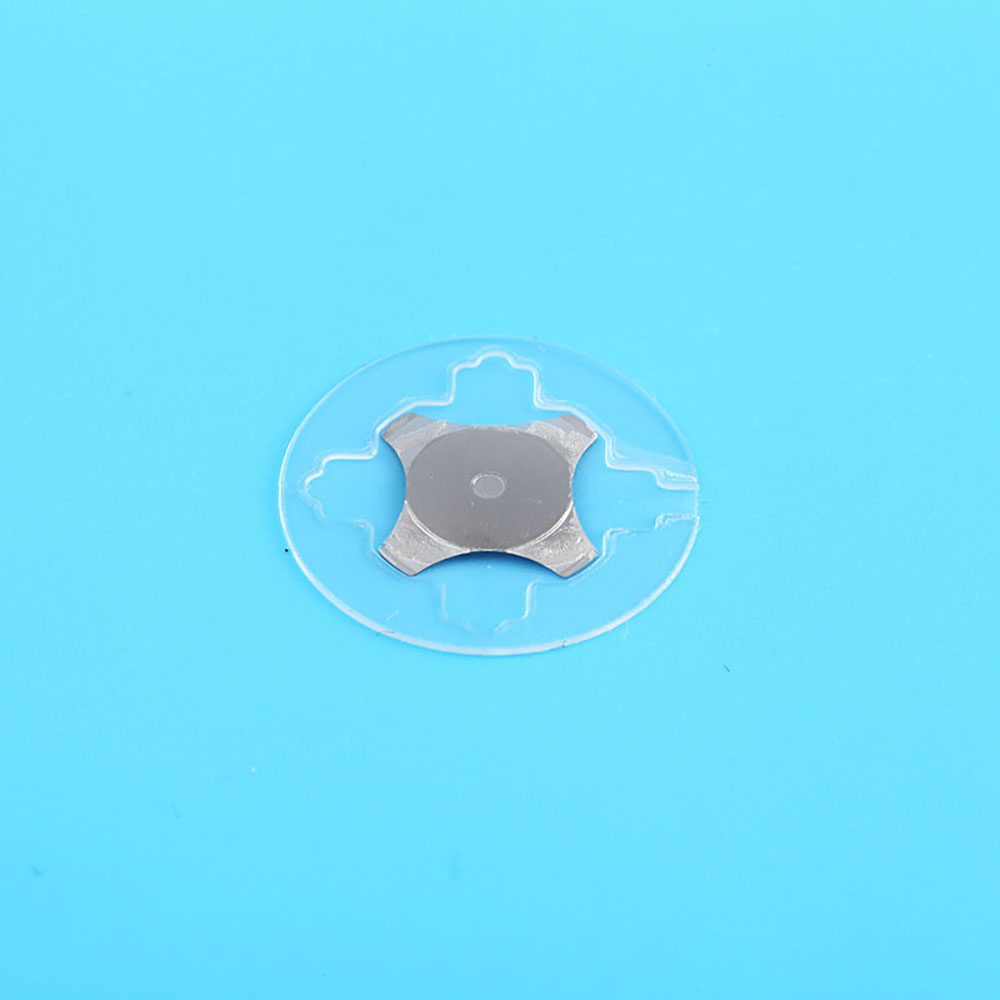
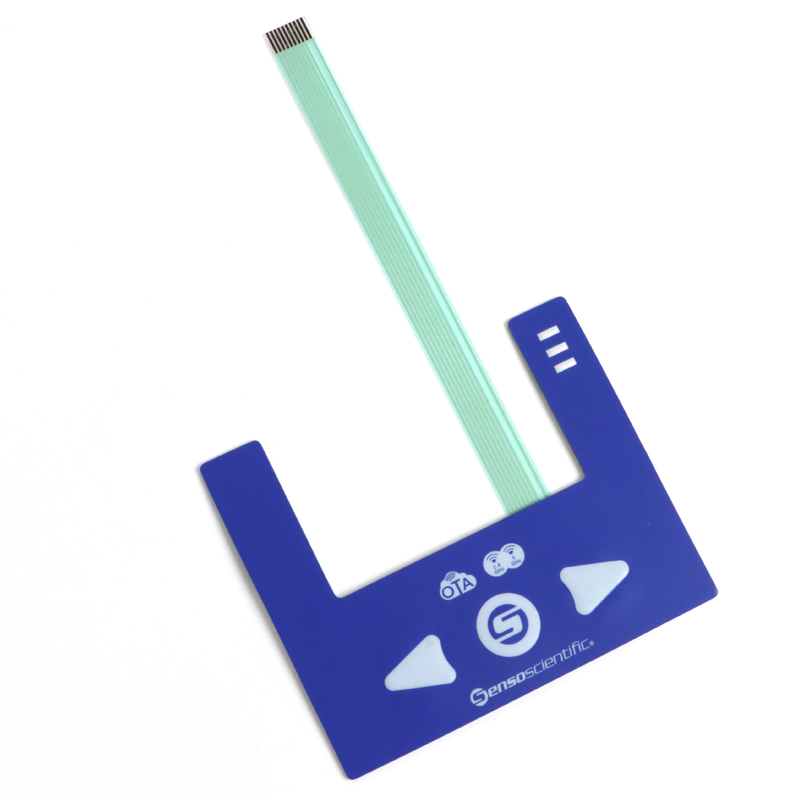
Precision Optical Light Guide Panels (LGP) & Thin-Film Backlighting Architecture
In modern optoelectronic interfaces, achieving razor-thin profiles without sacrificing radiometric distribution is the holy grail for industrial and mechanical engineers. A Light Guide Panel (LGP) operates on the physics of Total Internal Reflection (TIR). Light emitted from high-efficacy edge-lit side-view LEDs enters the optical-grade PMMA (Polymethyl Methacrylate) or polycarbonate (PC) substrate. Unhindered, light rays bounce internally between polished surfaces until encountering engineered micro-optical dot matrix extractions.
At our precision manufacturing facility, we implement both micro-dot laser etching and sub-micron UV nano-imprint lithography to manipulate the critical angle of reflection. By dynamically varying dot density, pitch, and diameter proportional to distance from the light entry point, we eliminate common hot-spots, vignetting, and chromatic aberration. The result is a luminous field with exceptional planar uniformity (≥90%) and thermal stability suited for mission-critical instruments.
Ultra-Thin Z-Axis Profiles
Standard PMMA and Optical Silicone light guides range from 0.25mm to 2.0mm. Designed specifically to integrate within compact sealed enclosures without expanding the structural envelope.
Gradient Dot Algorithmic Tooling
Proprietary ray-tracing optical calculations dictate custom dot-matrix patterns, ensuring zero luminance attenuation from edge-launch to distant corners across irregular geometry.
NEMA 4X & IP67 Environmental Sealing
Coupled with engineered acrylic pressure-sensitive adhesives (3M 467MP, 468MP, VHB), our LGP-backed membrane assemblies withstand severe ingress, chemical washdowns, and thermal cycles.
Comparative Stack-Up & Material Performance Matrix
Selecting the optimal light transmission medium and mechanical tactile stack-up depends heavily on operating conditions, thermal dissipation, flexing fatigue, and UV exposure. Review our validated OEM specifications below:
| Optical / Mechanical Parameter | Optical-Grade PMMA (Acrylic) | Optical Polycarbonate (PC) | Optical Grade TPU / Silicone (LGF) |
|---|---|---|---|
| Refractive Index (nD) | 1.492 | 1.586 | 1.410 - 1.450 |
| Luminous Transmittance | 92% - 93% | 88% - 90% | 86% - 89% |
| Thickness Availability (Z-Height) | 0.50mm – 6.00mm | 0.125mm – 1.50mm | 0.10mm – 0.40mm |
| Heat Distortion Temperature (HDT) | 85°C – 100°C | 130°C – 140°C | Up to 150°C |
| Flexural Resilience | Rigid / Semi-Rigid | High Impact / Flexible | Ultra-Flex / Dynamic Wrap |
| Yellowing Index Resistance (ΔYI) | Superior (<1.0 after 1000h UV) | Moderate (Requires UV blocker) | High Thermal Stability |
| Tactile Dome Compatibility | Requires precision pocket routing | Laser-cut dome cavities | Direct dome layer overlay |
Austin, Texas Market Applications: Powering the "Silicon Hills" Hardware Boom
Austin has cemented its position as one of the world's fastest-growing hardware, semiconductor, and clean-tech epicenters. Beyond software ecosystems, the Greater Austin corridor—spanning Round Rock, Pflugerville, Buda, and East Austin—houses advanced manufacturing operations in high-reliability electric vehicle mobility, power storage, semiconductors, medical biotechnology, and ruggedized commercial infrastructure. Custom OEM Light Guide Panels and tactile membrane assemblies serve as the pivotal physical bridge between high-speed embedded logic and real-world human control.
Electric Vehicle & Energy Storage (BESS)
With massive electric transport Gigafactories and grid battery operations throughout Central Texas, our LGPs illuminate rugged battery management telemetry panels, high-voltage sub-modules, and public DC fast-charging interface consoles subjected to blazing Texas UV exposure and ambient heat exceeding 45°C.
Austin MedTech & Diagnostic Systems
Austin's healthcare development community demands human-machine interfaces that tolerate intense chemical sterilization (bleach, IPA, quaternary ammonium). Our backlit sealed membrane panels provide uninterrupted optical legibility for surgical diagnostics, point-of-care analyzers, and patient monitors.
Semiconductor Fab Automation & Tooling
Serving cleanroom automation and robotic cluster controllers across Austin semiconductor fabrication plants. Low-outgassing optical adhesives, ESD-shielded circuitry, and dead-front iconography ensure zero contamination and fail-safe visual feedback under high-intensity overhead cleanroom lighting.
Localized Development Trends Shaping Austin's Optical Procurement
Original Equipment Manufacturers in Austin are actively pivoting away from bulbous, energy-intensive backlighting towards edge-lit light guide films (LGF) and micro-etched panels. Key industry dynamics include:
1. Miniaturization & Dead-Front Aesthetics: Product design agencies located in downtown Austin prioritize minimalist, sleek housings where status icons remain completely invisible ("dead-front") until illuminated by an underlying, precision-masked LGP.
2. Supply Chain De-risking & Rapid Turnaround: Austin hardware startups operate in agile prototyping sprint cycles. Rapid turnaround on laser-patterned LGP prototypes (<5 working days) allows engineering teams to validate optical beam patterns and luminous lux performance prior to cutting high-volume injection tooling.
3. Harsh Climate Thermal Cycling: Outdoor deployment throughout Texas demands components validated under extreme thermal fluctuation (-40°C to +85°C). Cevra's environmental chamber testing guarantees that bonded light guides, diffusers, and reflector films will not delaminate, buckle, or shift color spectrum over years of operational life.
Why Tier-1 Engineers Choose Cevra Over Sourcing Brokers
Direct manufacturing execution in Dongguan with dedicated engineering support catering to American OEM specifications, CAD validation, and quality auditing.
Vertically Integrated Cleanroom
Screen printing, class 1,000 dust-free lamination, CNC precision routing, laser cutting, and automatic dome placement are executed entirely in-house. No sub-tier contracting risks or intellectual property leakage.
Rigorous Metrology & Optical Testing
Every production batch passes strict inspection via CCD vision systems, 2D optical measuring projectors, spectrophotometers, dome force load displacement curves, and environmental climate testing cabinets.
Streamlined US Export & Trade Assurance
DDP shipping directly to Austin warehouses, ESD export packaging, barcode lot traceability, transparent T/T payment terms, and Alibaba Trade Assurance backing give US procurement teams frictionless delivery.
Austin OEM Purchasing & Technical FAQ
Clear, direct answers regarding DFM reviews, minimum order constraints, tooling lead times, and optical specifications.
How do you achieve uniform backlighting without hot spots in thin custom panels?
What design files and specifications are required to begin prototype tooling?
Can Light Guide Panels be integrated directly with tactile metal dome arrays?
What is the typical prototype lead time and MOQ for Austin, Texas-based companies?
How do you ensure reliability under Texas environmental heat and UV conditions?
Ready to Engineer Your Custom Backlit Assembly?
Consult directly with our optomechanical application engineers. Get immediate DFM feedback, stack-up optimization, and factory-direct quotation within 24 hours.