Engineered Switch & Touch Interface Assemblies
Tested configurations built to standard tolerances or fully customized to your proprietary CAD dimensions, operating voltages, and environmental actuation specifications.
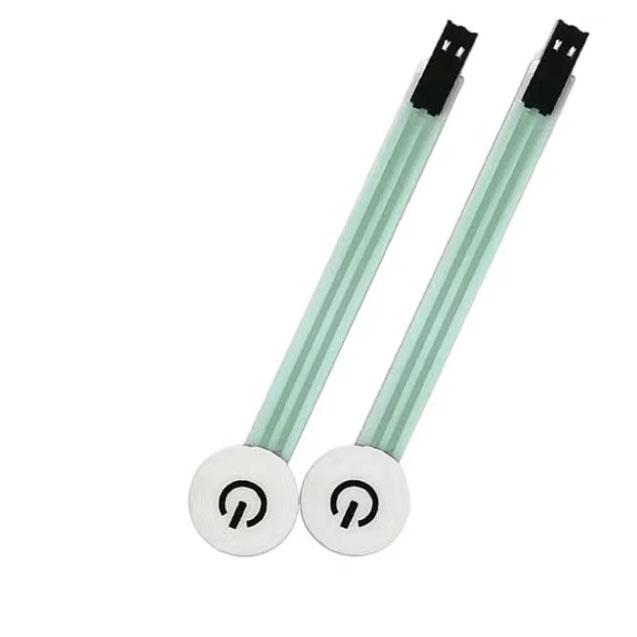
High Quality Single Button Small Membrane Switch
Technical Specs →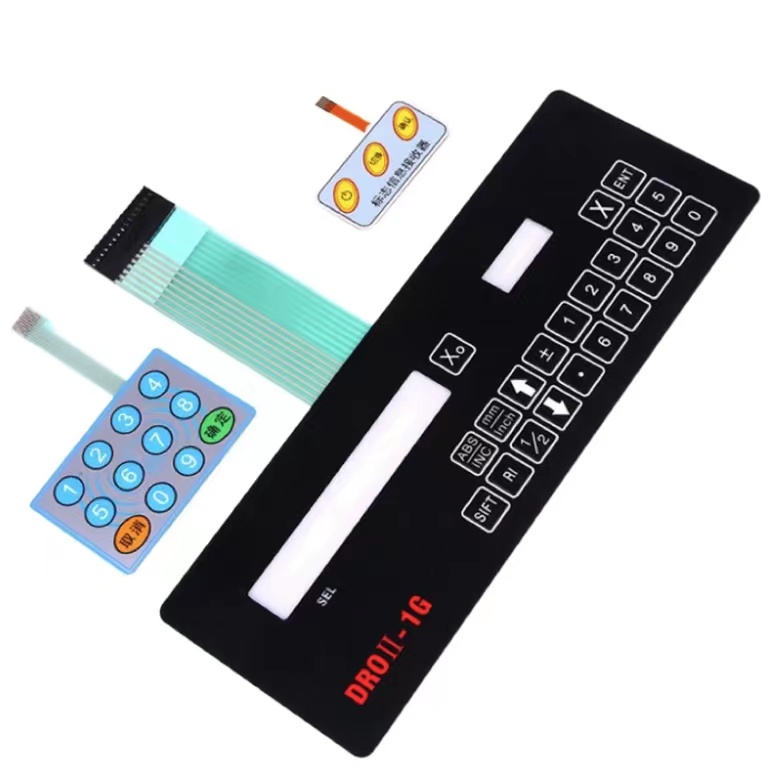
Factory Direct Custom Graphic Overlay Membrane Switch Keyboard
Technical Specs →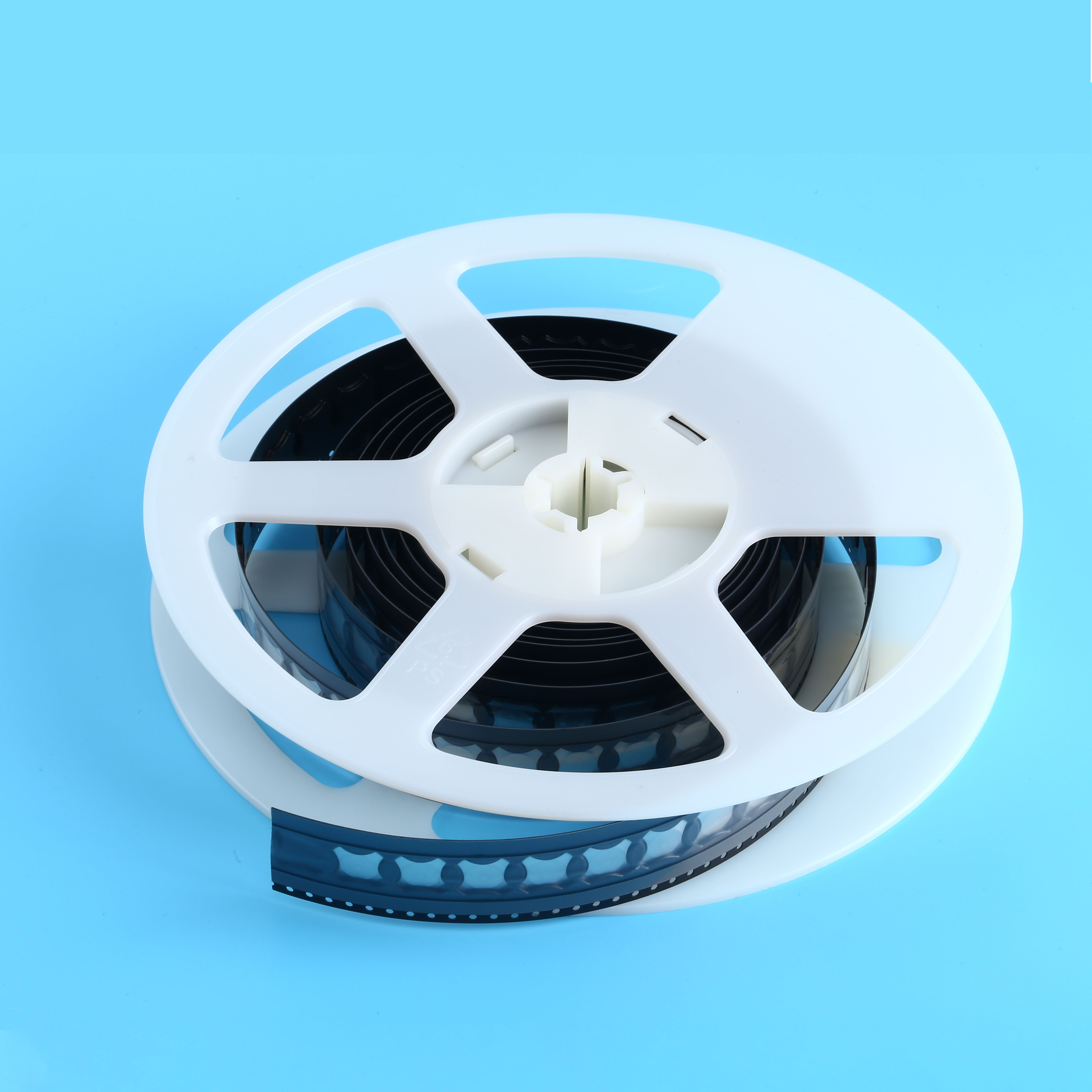
Custom Cross 4-Legged Snap Dome Poly Metal Dome Reel Packing Array
Technical Specs →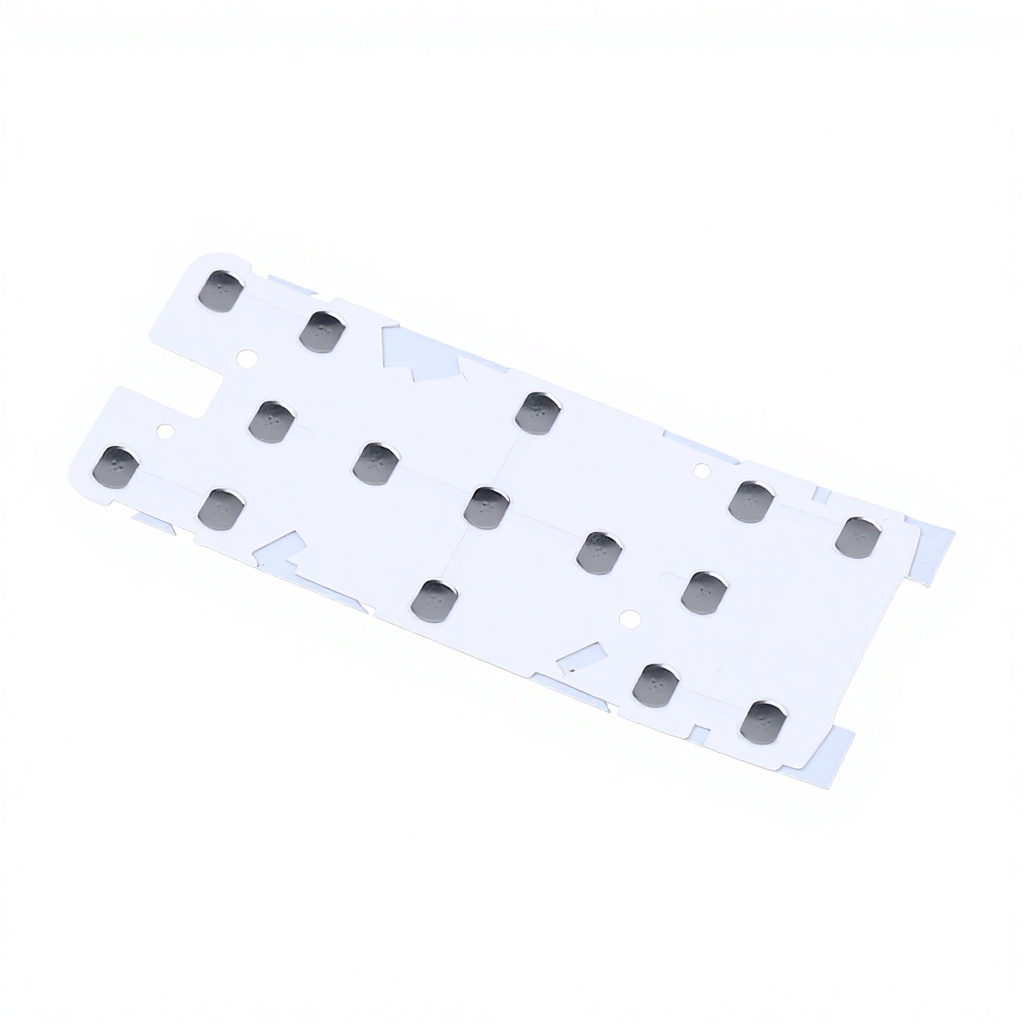
White PET Waterproof Single Layer SUS301 Stainless Dome Array
Technical Specs →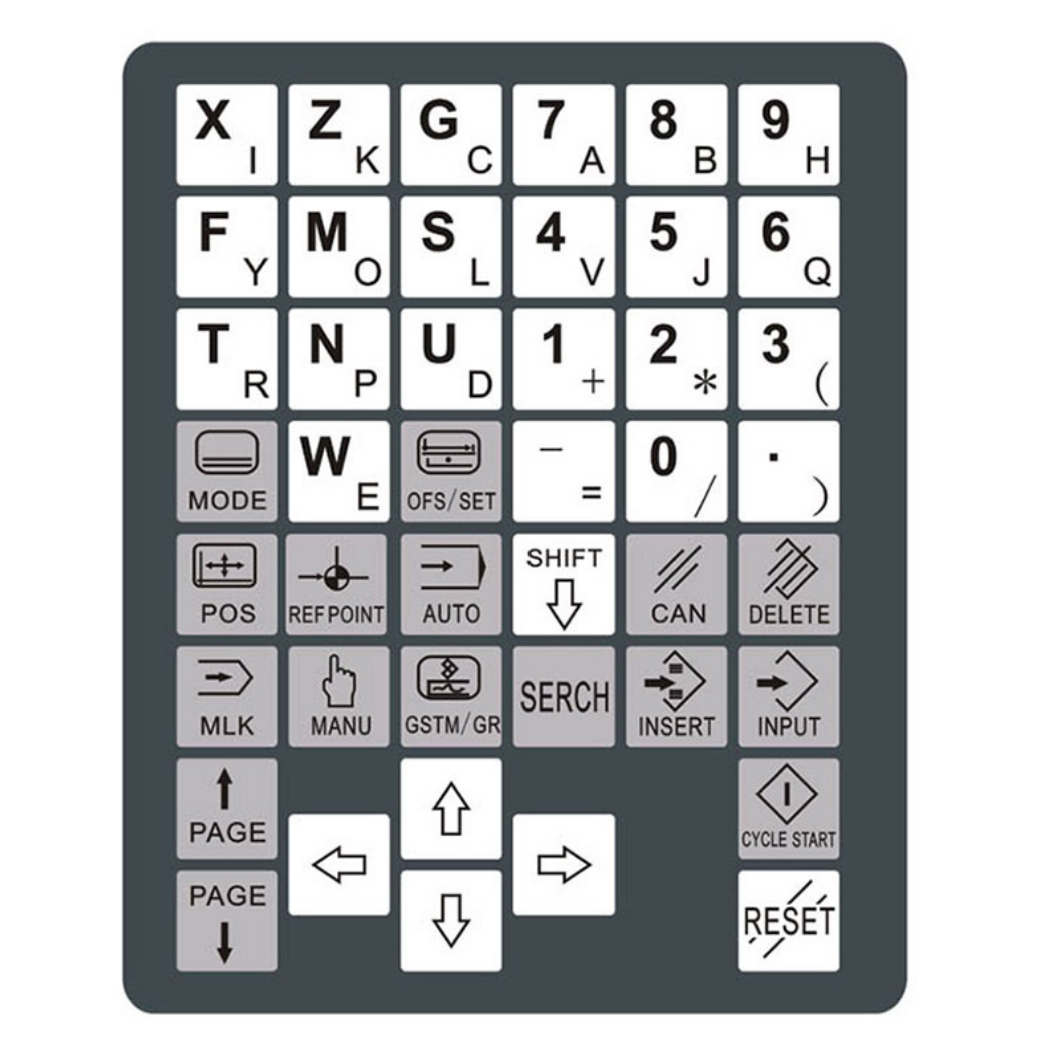
Industrial Standard 3x3 4x5 Matrix Membrane Keypad Keyboard Panel
Technical Specs →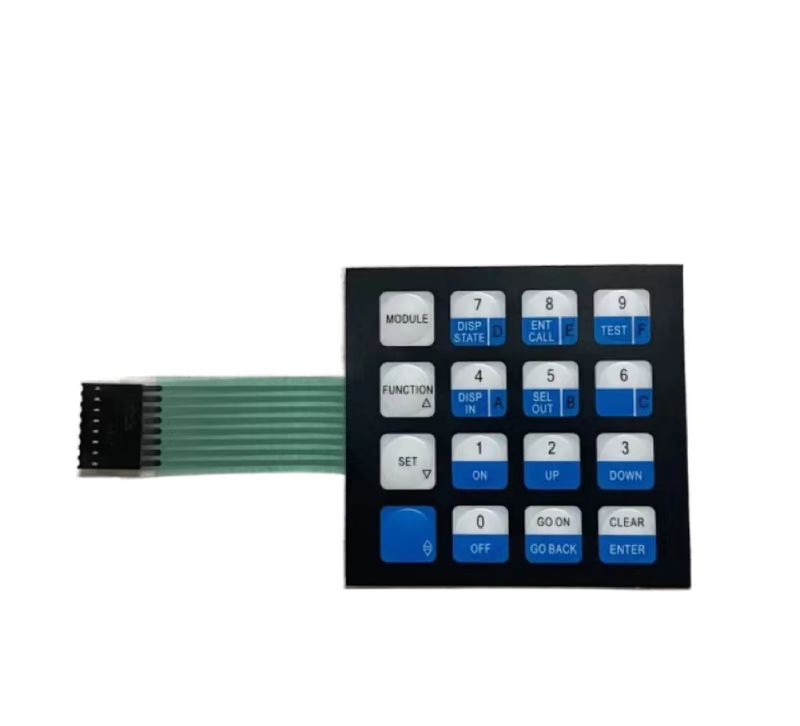
4x4 Tactile Metal Dome Flexible Membrane Switch Graphic Overlay
Technical Specs →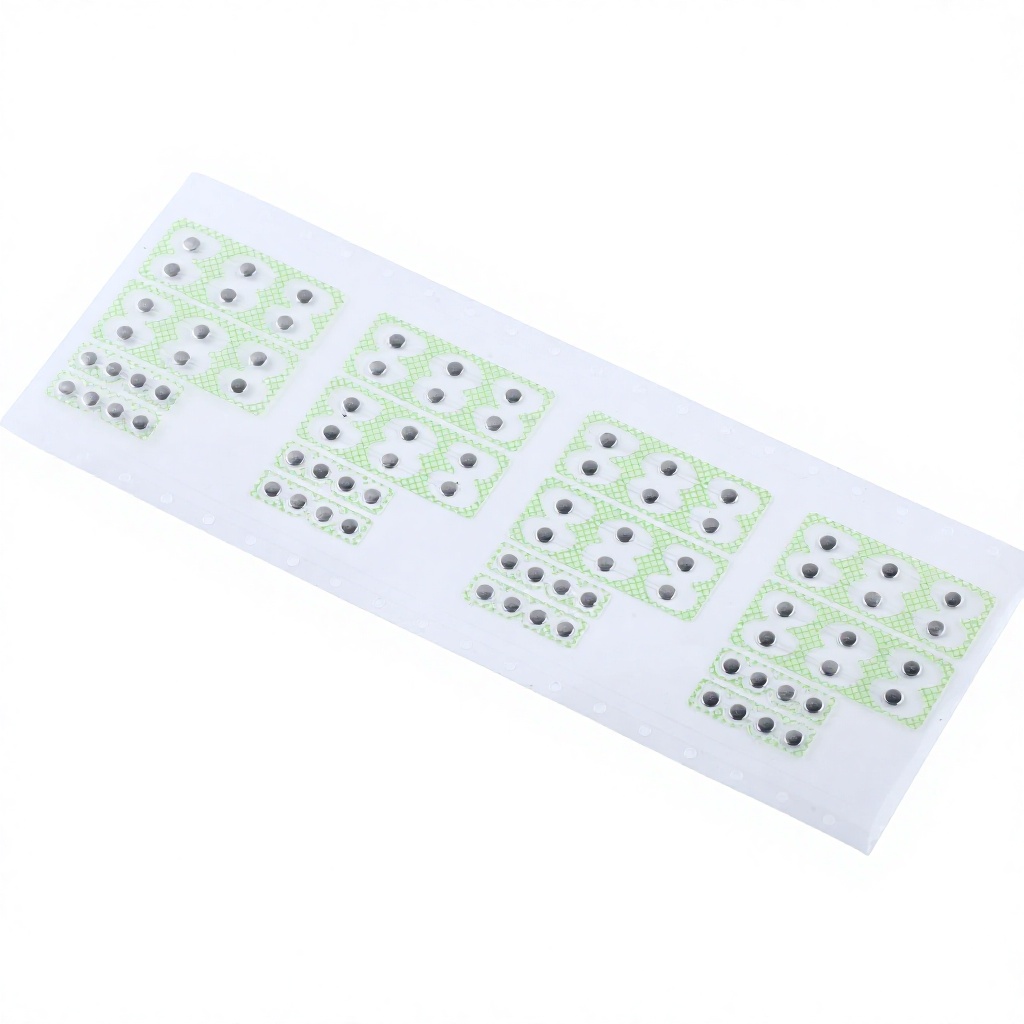
Waterproof Single Layer SUS301 Stainless Steel Dome Array Assembly
Technical Specs →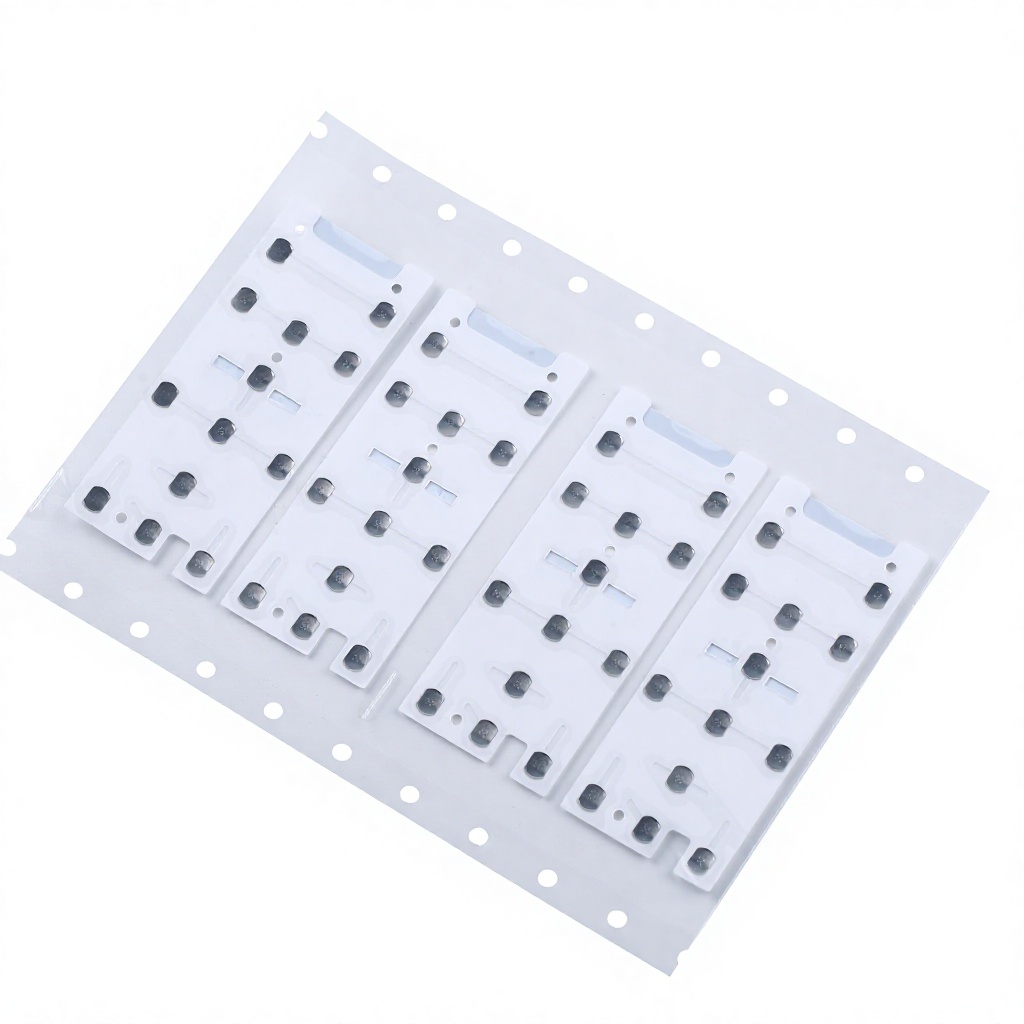
Double-Sided Adhesive Single Layer SUS301 Stainless Steel Dome Array
Technical Specs →Engineering OEM Capacitive Touch & Membrane Interfaces for the Seattle Ecosystem
The greater Seattle metropolitan corridor—spanning the industrial hubs of Everett, Bellevue, Redmond, Renton, and Kent Valley—represents one of the world's most sophisticated intersections of advanced hardware prototyping, commercial aviation, edge cloud computing architecture, and medical telemetry. As device form factors evolve from mechanical actuation to hermetically sealed solid-state surfaces, design engineers in the Pacific Northwest face stringent demands for HMI (Human-Machine Interface) durability, electromagnetic resilience, and cleanability.
Dongguan Cevra Electronic Technology Co., Ltd. fills the bridge between rapid Puget Sound design sprints and high-precision, cost-optimized volume production. Unlike traditional brokers or catalog-only suppliers, we provide in-house capacitive sensor printing, silver trace screen deposition, custom FPC tail bonding, and cleanroom die-cutting under a verifiable ISO 9001 quality framework.
Comparative HMI Architecture Analysis for Pacific Northwest Hardware Teams
Selecting the optimal switch paradigm requires a balanced trade-off among actuation force, ambient moisture protection, lifecycle endurance, and tooling costs. The following empirical comparison outlines how our manufactured components map against diverse application requirements:
| Evaluation Parameter | Capacitive Membrane Touch Panel | Tactile SUS301 Metal Dome Switch | Solid-State Piezo / Optical Sensor |
|---|---|---|---|
| Typical Actuation Lifecycle | Exceeds 5,000,000 to 10,000,000 touches | 1,000,000 to 3,000,000 snap cycles | 5,000,000+ cycles |
| Ingress Protection Rating | Up to IP67 / IP68 continuous submersion seal | IP65 splash-proof with perimeter gaskets | IP68 hermetic weld / resin encapsulated |
| Tactile Feedback Mechanism | Zero stroke; audio buzzer or haptic vibration | Crisp physical snap (180g – 450g actuation) | None; reliance on visual/auditory signals |
| Surface Substrate Materials | Chemically strengthened glass, Autotex PET, PC | Embossed Polycarbonate, Polyester films | Anodized Aluminum, Stainless Steel plates |
| EMI / RFI Shielding Options | Printed graphite grids, copper mesh, ITO coats | Selective silver grid, aluminum foil barriers | Inherent metallic housing attenuation |
| Tooling & Prototyping Lead Time | 7 to 12 working days with laser-cut films | 5 to 10 days for custom steel rule tooling | 4 to 8 weeks for CNC machining & tooling |
Localized Puget Sound Application Profiles
Modern capacitive sensor switches engineered by Cevra solve operational dilemmas distinct to Seattle's leading industries:
- Aerospace & Avionics Cabin Controls (Everett & Renton Corridors): Passenger service units (PSU), galley control panels, and in-flight entertainment interfaces require ultra-low profile profiles, self-extinguishing flame-retardant resins conforming to FAR 25.853, and robust backlighting integration using precision light guide films (LGF) without hot spots.
- Cloud Datacenter Infrastructure & Edge Server Nodes (Redmond & Seattle): High-density blade servers, environmental monitoring enclosures, and rackmount hot-swap panels leverage our capacitive touch sensor films for seamless, tamper-resistant access keypads that eliminate mechanical wear and airborne particulate intrusion.
- Bio-Medical & Telemetry Devices (Bothell & South Lake Union): Diagnostic devices, surgical carts, and patient monitors necessitate non-porous front overlays capable of withstanding daily sterilization using hospital-grade disinfectants like isopropyl alcohol, bleach, and quaternary ammonium solutions without yellowing or circuit degradation.
- Marine Electronics & Outdoor Fleet Telematics (Port of Seattle & Ballard): Marine navigational consoles operating in Puget Sound's high-humidity, salt-fog environments benefit from our water-immune capacitive firmware layouts, hydrophobic surface coatings, and continuous perimeter 3M 300LSE adhesive sealing.
Pacific Northwest HMI Development Trends
Key technological shifts reshaping component procurement across Washington State hardware developers.
Water-Immune Capacitive Sensing
Seattle’s maritime exposure and rain-heavy environment require adaptive baseline self-calibration algorithms and dual-electrode capacitive matrices that maintain activation accuracy despite fluid puddling or condensation.
Thin-Profile Light Guide Film (LGF)
Hardware teams are moving away from bulky discrete LED arrays toward ultra-thin 0.125mm optical LGF integration, ensuring uniform illumination of key legends and status icons with minimal draw on host power rails.
Medical-Grade Antimicrobial Films
Biotech manufacturers specify textured polyester overlays (such as Autotex AM) integrated with Microban® silver-ion antimicrobial technology to permanently disrupt microbial growth on shared laboratory touch panels.
Flexible Hybrid Electronics (FHE)
Combining printed conductive inks directly on stretchable, thermoformable substrates allows capacitive interface controls to curve across non-planar industrial housings and vehicle interior bezels.
Factory-Direct Manufacturing: Dongguan Cevra Electronic Technology Co., Ltd.
Established in March 2009 in Dongguan—the core electronics supply hub of Guangdong, China—Cevra operates over 2,600 square meters of specialized clean workshop facilities. Built on the core values of "people-oriented, technology-driven, quality first, and customer-focused engineering," our facility maintains comprehensive ISO 9001 certified quality control, with full on-site facility verification executed independently by SGS Group.
For US procurement managers, ordering directly from our manufacturing floor eliminates distributor margins and provides instant DFM (Design for Manufacturability) insights directly from the engineers printing and laminating your parts.
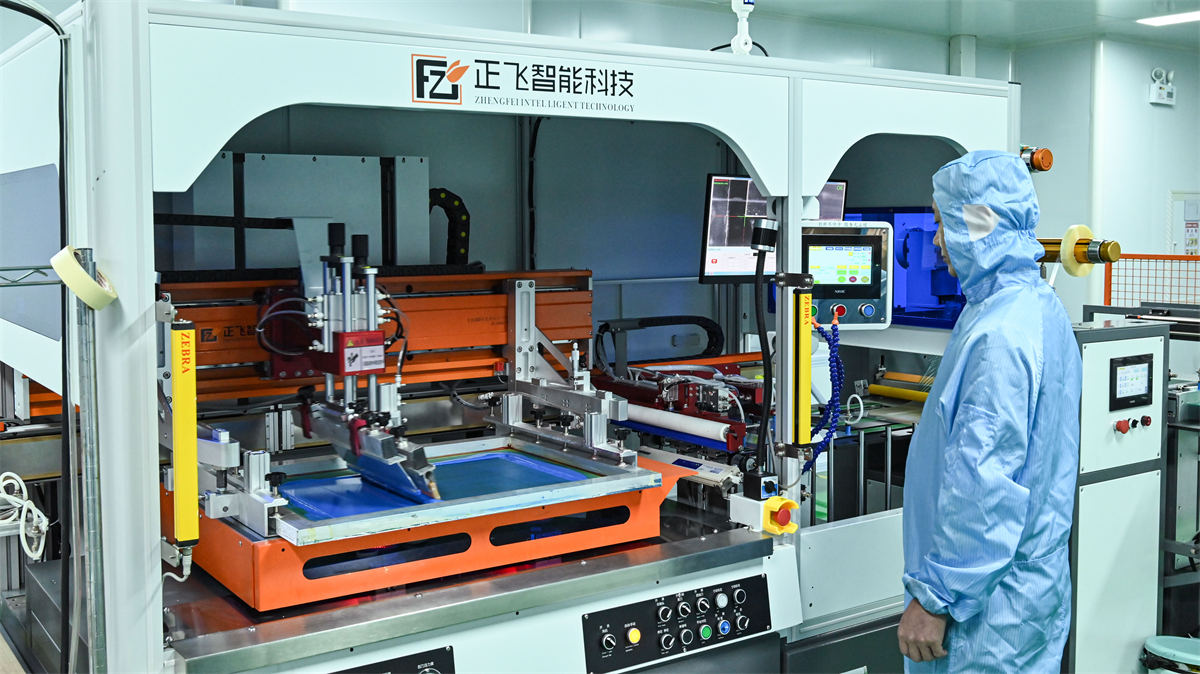 Precision Screen Printing Line
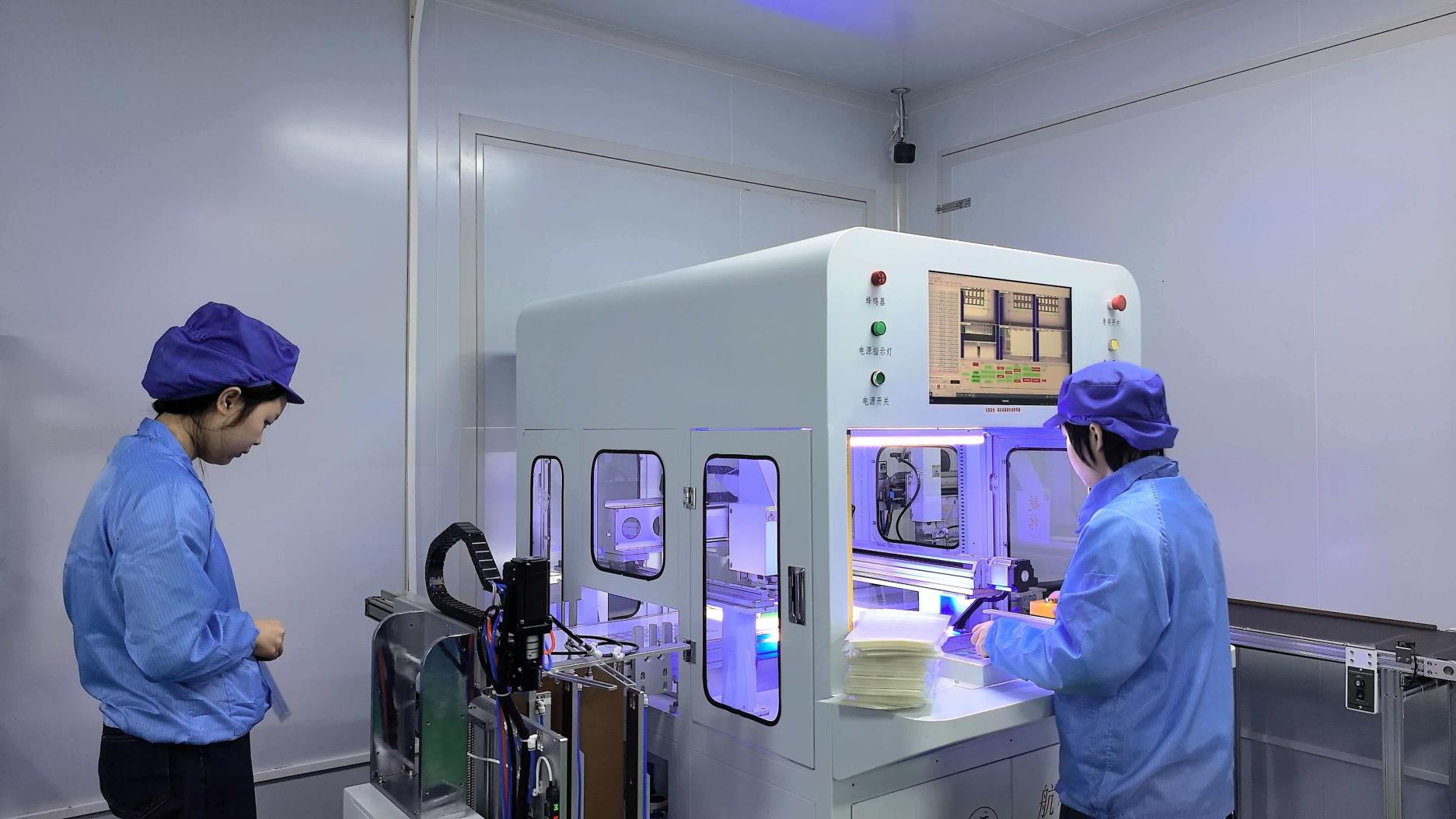 Cleanroom Automatic Lamination
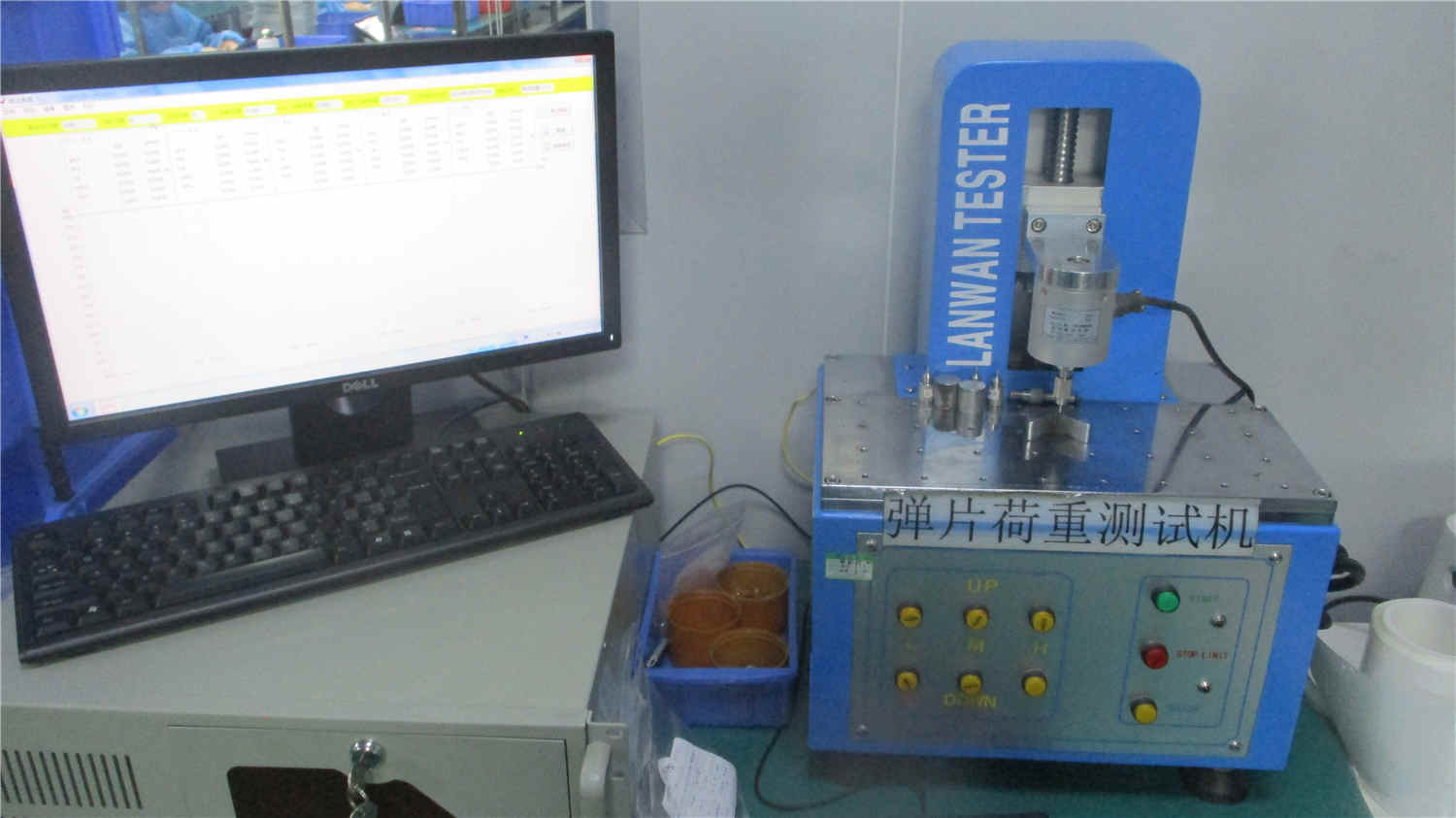 Dome Force & Tactile Testing Lab
Full In-House Fabrication
Equipped with semi-automatic screen printers, high-precision laser cutters, CCD optical alignment punching presses, and high-speed multi-station laminators for repeatable micrometer-scale registration.
Exhaustive Laboratory Testing
Every lot undergoes life-cycle testing via automated dome-load testers, high/low temperature environmental stress chambers (-40°C to +85°C), 180° peel adhesion testers, and electric surface hardness testers.
Direct Engineering Consultation
Our bilingual senior CAD and materials engineering teams assist with graphic film selection (PET vs. PC), adhesive selection (3M 467MP, 468MP, 300LSE), and tail pitch configurations (0.5mm, 1.0mm, 2.54mm pitch).
Seattle OEM Procurement & Engineering FAQ
Clear, direct answers regarding lead times, international logistics, material compliances, and tooling costs.
How fast can prototype samples be delivered to engineering facilities in the Seattle/Bellevue area?
Once CAD drawings (DXF, DWG, PDF, or Gerber files) and Pantone color references are finalized, rapid prototypes are fabricated in 5 to 7 working days. Express international air freight (via DHL, FedEx, or UPS Priority) takes 3 to 4 business days directly to Sea-Tac and your facility, enabling design validation in under two weeks.
What are the differences between PET and PC overlays for outdoor or industrial use in Washington State?
Polyester (PET, such as Autotex XE or MacDermid Autotype) provides superior flexural fatigue resistance (exceeding 5 million cycles) and resists chemical washdowns, harsh solvents, and outdoor UV degradation without embrittlement. Polycarbonate (PC) is cost-effective, easy to emboss, and offers high optical clarity for display windows, but is susceptible to environmental micro-cracking when exposed to aggressive industrial chemicals.
Can your capacitive touch sensors operate reliably through thick acrylic or front glass bezels?
Yes. By tailoring the copper or printed silver electrode geometries, tuning line pitch, and pairing with appropriate high-sensitivity controller ICs (e.g., Microchip, Cypress, or Azoteq), our capacitive sensor films achieve high-signal SNR tracking through non-conductive cover lenses (glass up to 6mm, PMMA/polycarbonate up to 3mm), even when the operator is wearing industrial or cleanroom gloves.
What Minimum Order Quantities (MOQ) apply to custom OEM orders?
To support early-stage NPI (New Product Introduction) and pilot line runs for Pacific Northwest tech startups, we offer low MOQ options: graphic overlays and membrane keypads start from as low as 10 to 100 units. Metal dome arrays start from 100 pieces, and raw bulk snap domes start at 1,000 pieces. Full volume production pricing tiers unlock at 500, 1,000, and 10,000+ units.
Are your switch components compliant with US environmental standards (RoHS, REACH, UL flammability)?
All raw materials—including Autotex films, conductive carbon/silver pastes, 3M pressure-sensitive adhesives, and stainless steel SUS301 domes—are backed by complete material certifications conforming strictly to RoHS 3 (EU 2015/863), REACH (SVHC list), and conflict-free mineral declarations. Flame-retardant substrate ratings (UL94 V-0 or UL94 VTM-2) can be specified upon drawing submission.
How does Cevra handle IP protection and non-disclosure agreements (NDA) with US clients?
We routinely execute bilateral Non-Disclosure Agreements governed by applicable international or state laws prior to receiving customer proprietary schematics, tooling files, or firmware topologies. CAD files are retained on secured, partitioned internal servers accessible solely by authorized project development personnel.