Featured Industrial Membrane Switches & Metal Dome Assemblies
Precision manufactured at our Dongguan production facility according to strict ISO 9001, RoHS, and CE standards, engineered specifically to satisfy the mechanical endurance and environmental demands of Portuguese original equipment manufacturers.
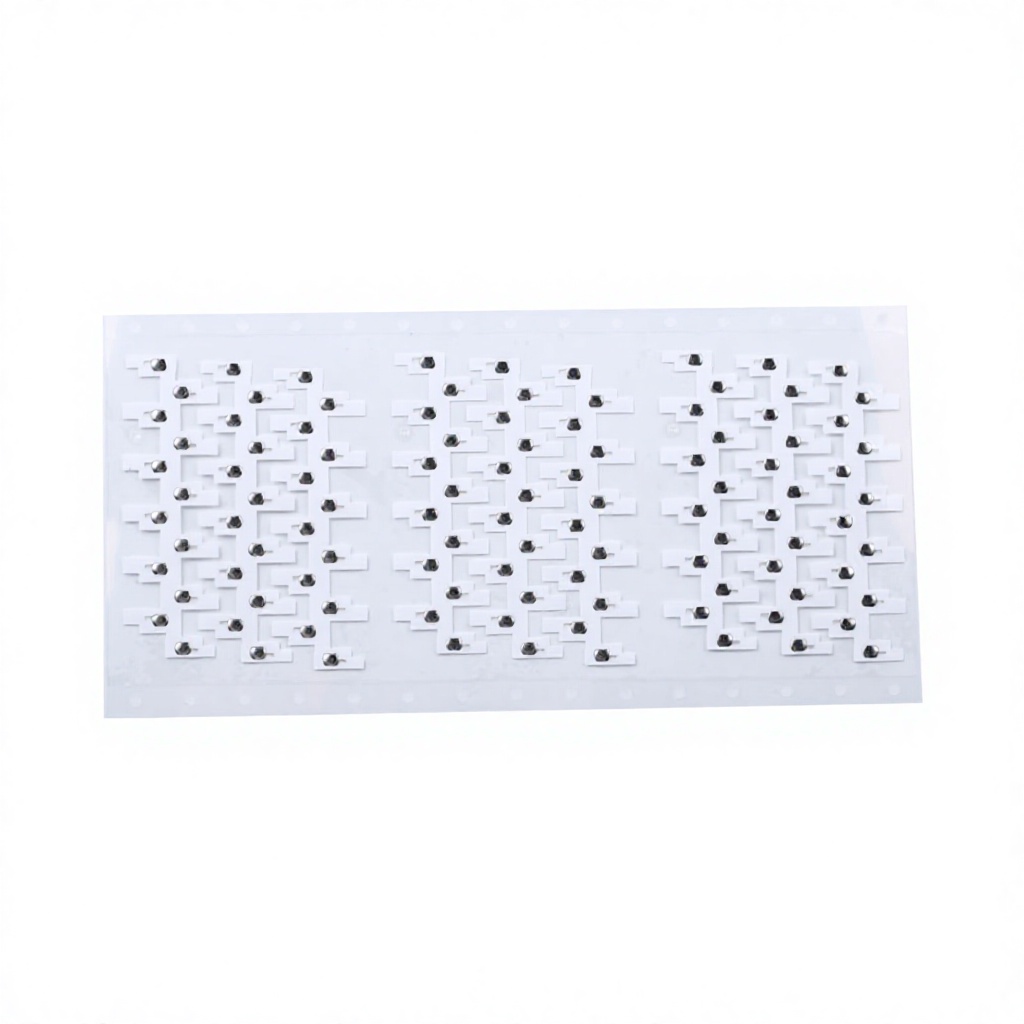
Single Layer SUS301 Stainless Steel Metal Dome Array for Earphone Mobile Phone Keypad Remote Control Switch
- Material: SUS301 Stainless Steel
- Trip Force: 160g – 350g Custom
- Contact Life: >1,000,000 Actuations
- Application: Precision Handhelds / Telecom
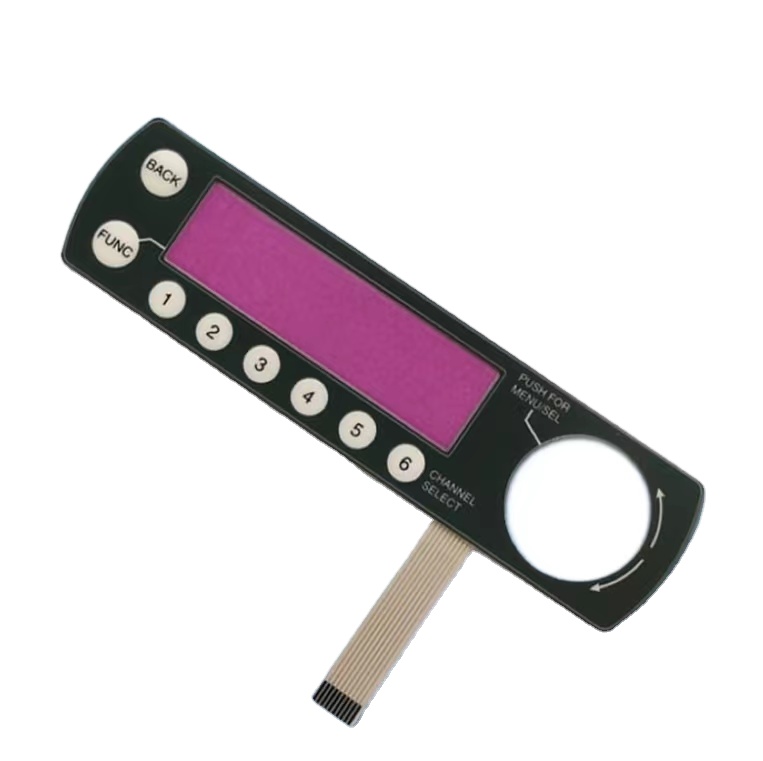
Customized Medical Instrument Membrane Switch PET Membrane Key PC Membrane Switch
- Substrate: Autotex PET / Lexan PC
- Protection: IP65 / IP67 Antimicrobial
- Circuit: Silver Paste on Flexible PET
- Standard: RoHS & REACH Compliant
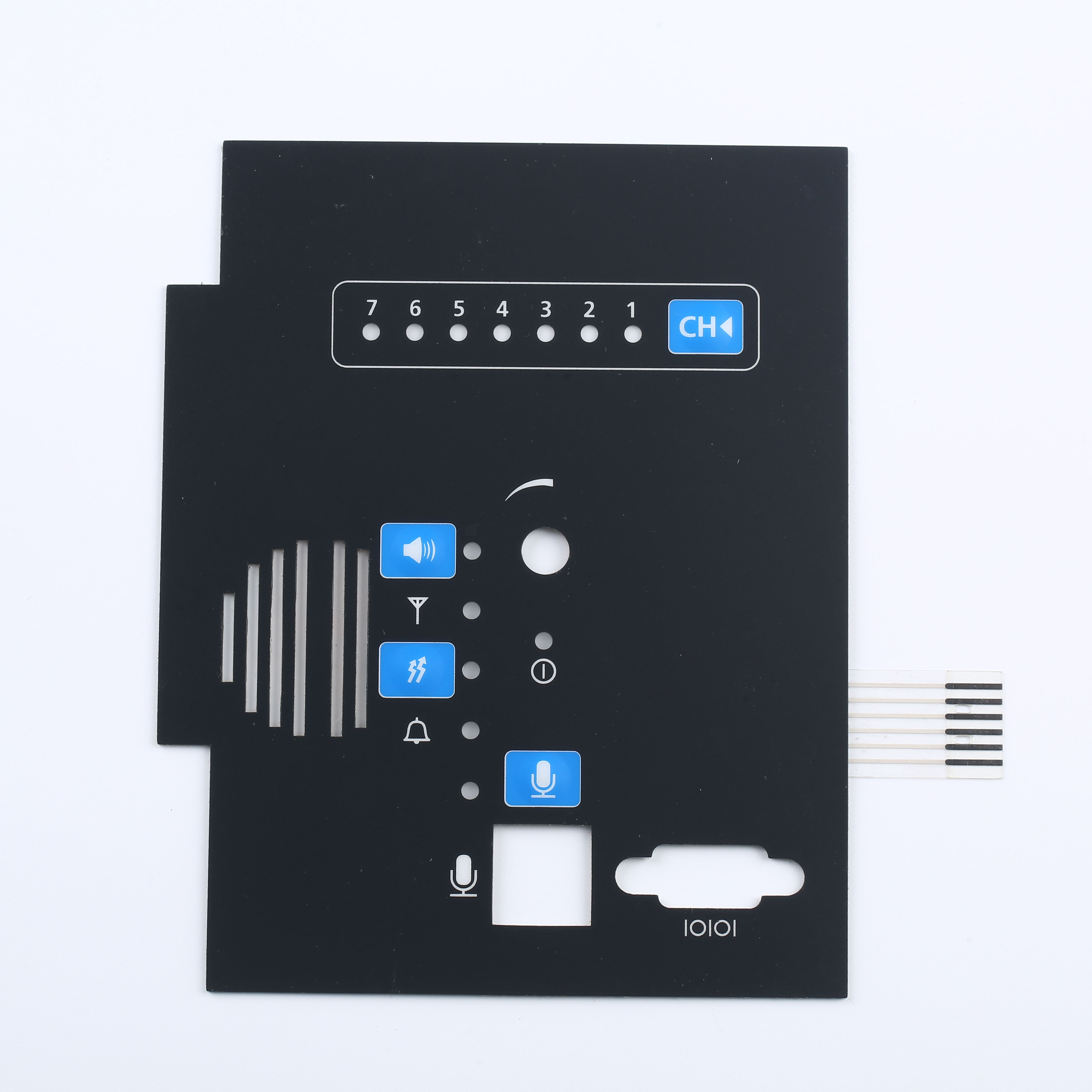
Polycarbonate Film Touch Switch Panel Screen Printing Process Electronic Product Instrument Display Membrane Switch
- Printing: Multi-Color Precision Silk Screen
- Surface: Velvet / Matte Textured
- Window: High Transmittance LCD Tint
- Adhesive: 3M 467MP / 468MP Heavy Duty
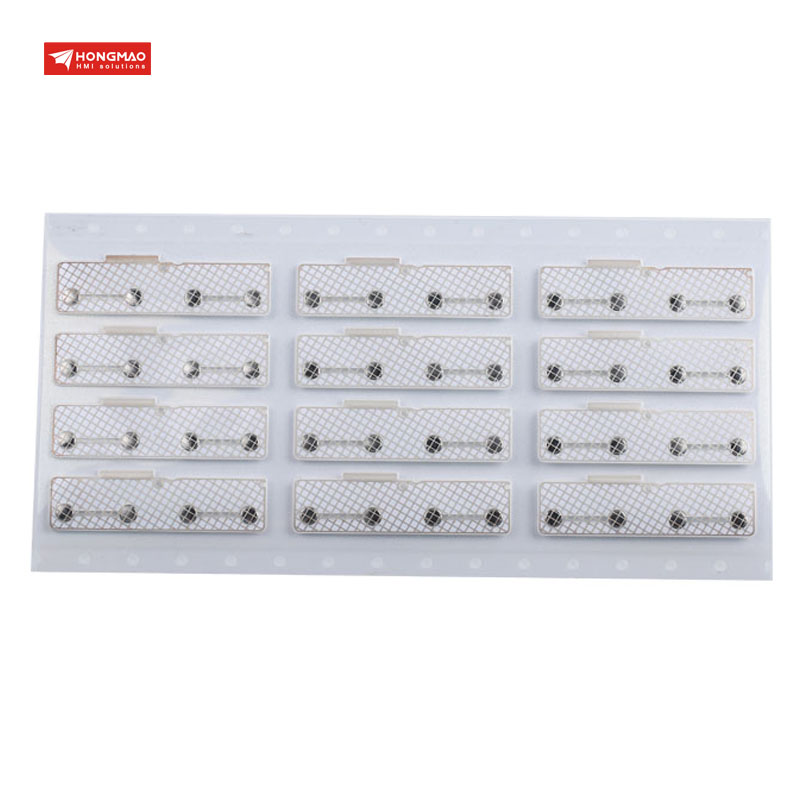
Double-sided SUS301 Stainless Steel Dome Array EMI Metal Dome Array
- Shielding: Al-Mylar / Printed Carbon Grid
- Dome Type: 4-Legged Cross / Triangular
- Contact: Nickel / Gold Flash Plating
- Usage: High-Frequency Industrial Control
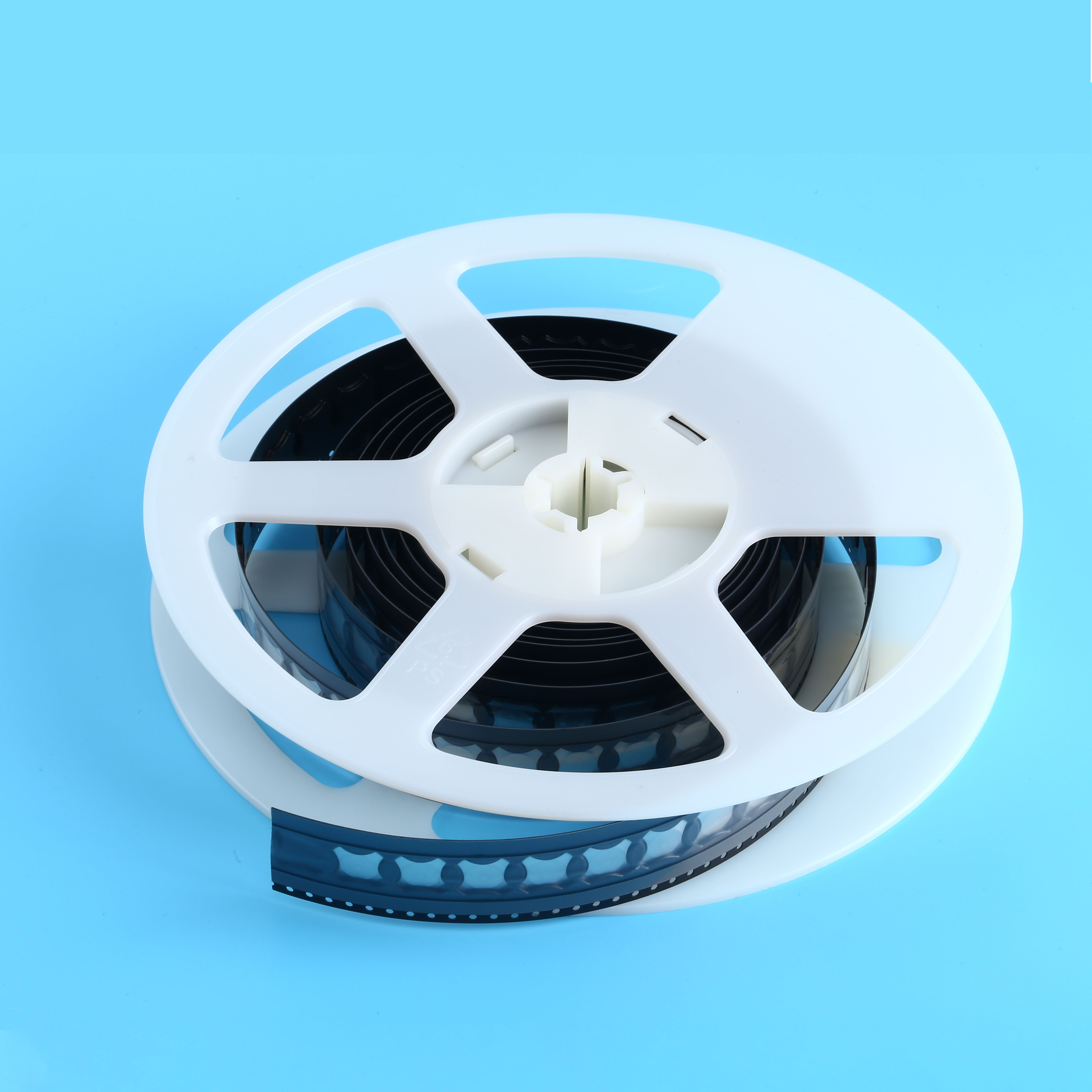
New Trend Factory Custom Cross 4-Legged Snap Dome Poly Metal Dome in Reel Packing Metal Dome Array
- Packaging: Automated Tape & Reel Carrier
- Diameters: 6mm, 8.4mm, 10mm, 12mm
- Tactile Ratio: 50% – 65% Crisp Snap
- Assembly: High-Speed Pick-and-Place Compatible
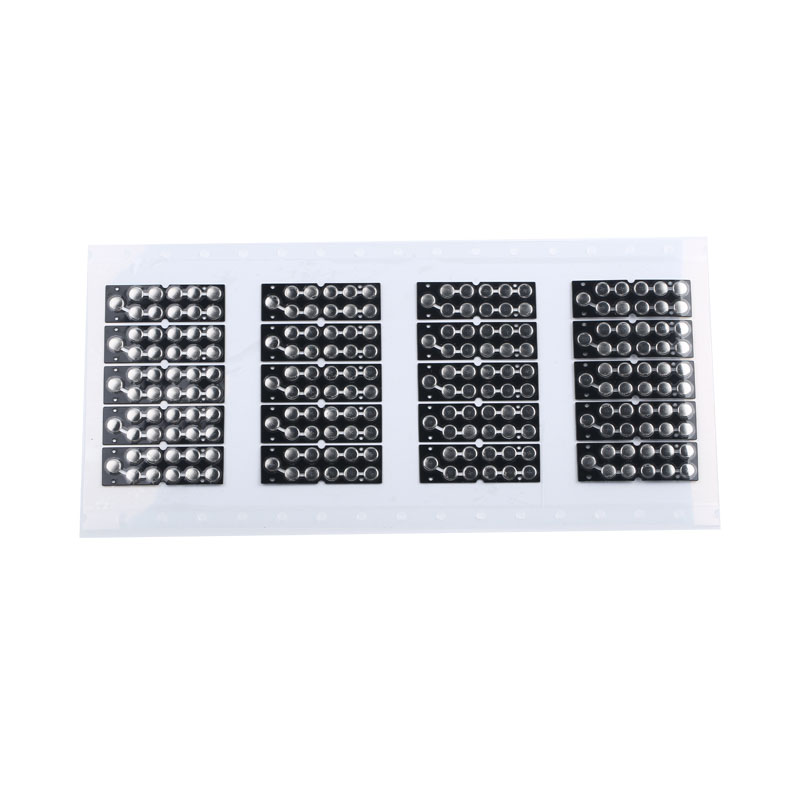
Free Sample Round Metal Dome Array Single Layer Transparent Pet With Adhesive for Television Remote Control
- Carrier: Optical Grade Mylar with Vent Grooves
- Shape: Round Snap Dome with Center Dimple
- Adhesive: Non-Residual High-Tack Acrylic
- Operation: Consumer Electronics & Controllers
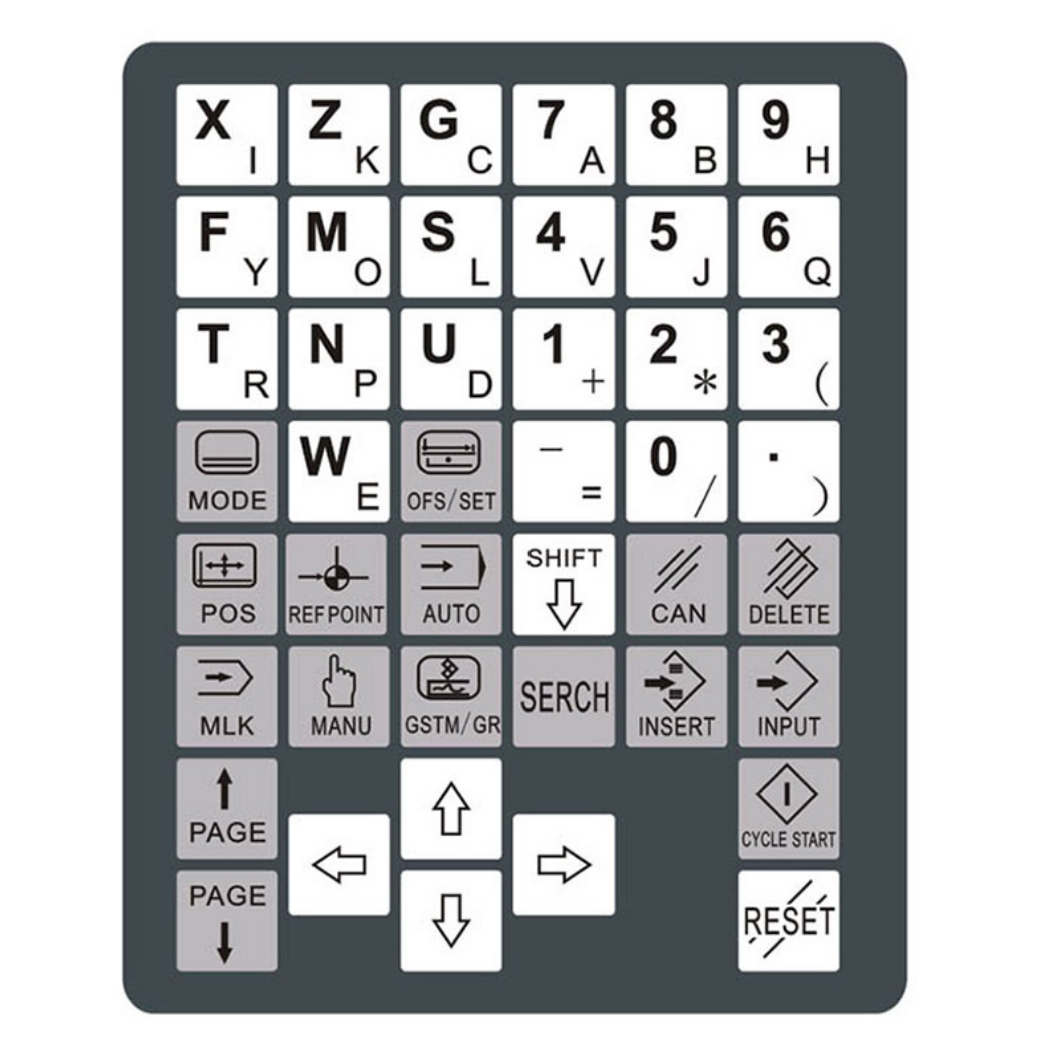
Custom Standard Good Price 3X3 4X5 Matrix Membrane Switch Keypad Keyboard Panel for Fuel Dispenser
- Environment: UV Resistant & Hydrocarbon Proof
- Key Layout: 3x3 / 4x5 Matrix Tail Architecture
- Connector: 2.54mm Pitch Female Housing / ZIF
- Ingress: Hermetically Sealed Perimeter (IP67)
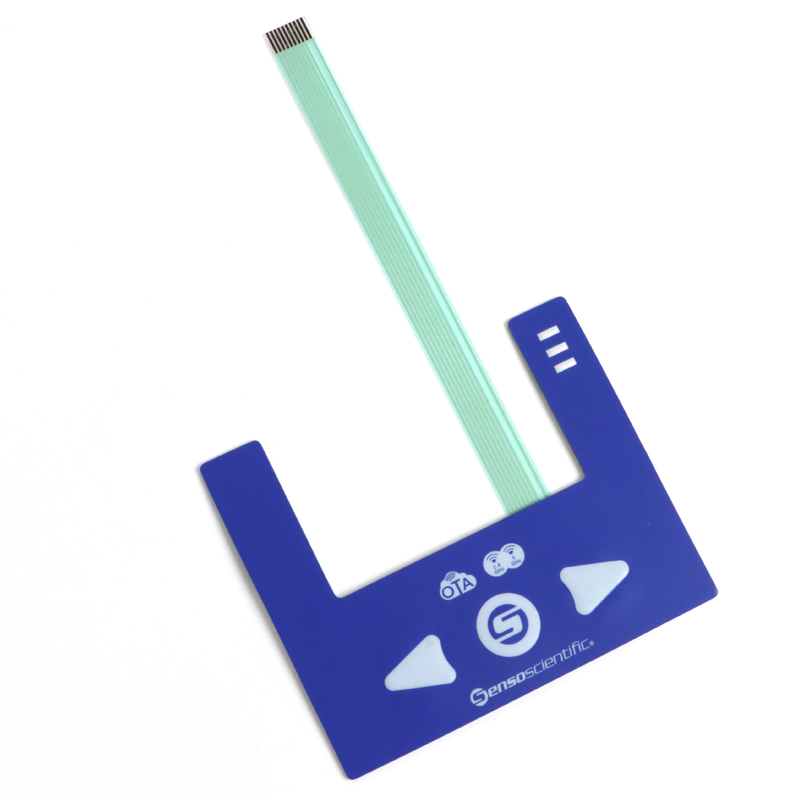
Manufacturer Custom Membrane Keypads Membrane Keyboard and Led Membrane Graphic Overlay
- Lighting: Embedded Surface Mount SMD LEDs
- Light Guide: Ultra-Thin LGF Uniform Illumination
- Embossing: Rim, Pillow, or Dome Key Relief
- Certification: ISO 9001 / SGS Certified Build
Empowering Portugal's Modern Engineering Ecosystem with Precision China HMI Manufacturing
In an era where Portuguese advanced manufacturing is accelerating under European Industry 4.0 initiatives, human-machine interfaces (HMI) have evolved from passive decorative fascias into critical operational sub-assemblies. From the high-precision automotive engineering corridors of Palmela, Setúbal, and Aveiro, to the automated wine-bottling and agro-food processing hubs of Porto, Ribatejo, and Alentejo, procurement engineers require membrane switches and front control interfaces that survive harsh operational environments without sacrificing tactile elegance.
For Portuguese procurement teams, sourcing directly from an established China manufacturer like Dongguan Cevra Electronic Technology Co., Ltd. (operating since 2009) unlocks significant competitive advantages: eliminate unnecessary European intermediary markups, obtain bespoke layer stack-up engineering, and access advanced production equipment benchmarked to international automotive standards. Operating out of our 2,600㎡ modern manufacturing center in Dongguan, Guangdong, we supply engineered custom membrane switches, stainless steel metal dome arrays, capacitive touch modules, and graphic overlays tailored to Portugal’s specialized regulatory and operational requirements.
Rigorous EU & CE Regulatory Compliance
All raw substrates (Autotex PET, Lexan Polycarbonate, conductive silver pastes, and 3M transfer adhesives) comply 100% with EU REACH Regulation (EC No 1907/2006) and RoHS Directive 2011/65/EU, ensuring zero friction across Portuguese customs borders.
Direct Atlantic Logistics Integration
Optimized shipping channels connecting Shenzhen and Hong Kong directly to Port of Sines, Port of Leixões (Porto), and Lisbon Airport (LIS), reducing total landed costs and compressing prototype turnaround to under 7 working days.
Design for Manufacturability (DFM)
Our in-house CAD and materials engineering team provides complimentary DFM stress-testing on your mechanical schematics, optimizing trace resistance, spacer venting channels, and dome actuations before die-punching.
Localized Application Scenarios Across Portugal's Key Industrial Sectors
Portugal's industrial economy is distinct, requiring membrane switch architectures configured for distinct chemical, mechanical, and climatic stresses. Here is how our engineering directly addresses Portuguese end-market applications.
Automotive & Tier-1 Transportation (Palmela / Aveiro / Mangualde)
Surrounding the major automotive clusters such as Autoeuropa in Setúbal and supply chains around Aveiro, control keypads demand extreme thermal resilience. Our membrane switches utilize thermally stabilized PET circuitry and high-cycle SUS301 stainless steel metal dome arrays that operate effortlessly from -40°C to +85°C. Applications include specialized cabin auxiliary controls, diagnostic vehicle scanners, and refrigerated transport refrigeration interface panels.
Agro-Food, Wine Bottling & Cork Processing (Douro / Alentejo / Ribatejo)
Portugal’s world-renowned wine bottling lines, olive oil extraction mills, and cork manufacturing plants require frequent IP65/IP67 wash-downs using acidic cleaners, alcohol solutions, and high-pressure steam. We specify chemically inert textured Autotex PET graphic overlays bonded with solvent-resistant 3M 300LSE adhesive, guaranteeing zero edge-curling or legibility loss when exposed to wine splashes, detergents, and vegetable oils.
Medical & Laboratory Diagnostic Instrumentation (Lisbon / Porto Tech Parks)
Biomedical and analytical device creators located in Oeiras Valley and Porto require seamless, anti-microbial surfaces. Our medical instrument membrane panels incorporate flat or pillow-embossed keys with sealed perimeter barriers, enabling regular decontamination with isopropyl alcohol, bleach, and quaternary ammonium solutions without risk of internal circuit degradation or liquid ingress.
Maritime, Naval Port Equipment & Saline Environments (Sines / Leixões / Setúbal)
Equipment deployed along Portugal’s 1,794 km Atlantic coastline faces continuous saline mist and intense ultraviolet degradation. Cevra engineers utilize UV-stabilized hard-coated films and nickel/gold-plated metal domes enclosed inside a completely sealed IP67 perimeter gasket, preventing oxidation, trace short-circuits, and embrittlement on outdoor harbor and naval consoles.
Renewable Energy, Solar Inverters & EV Charging Hubs
Portugal is a European pioneer in wind and solar power generation. Solar inverter stations across the sunny Alentejo and national EV charging networks (MOBI.E) demand user interfaces that remain legible under direct Iberian sunlight. We supply optical anti-glare display windows, high-contrast reverse-printed legends that never scratch off, and Light Guide Film (LGF) backlit keys for night-time operation.
Fuel Dispensers & Outdoor Vending Terminals
Matrix membrane switches deployed on retail fuel stations (such as Galp or Repsol networks throughout Portugal) must withstand mechanical vandalism, high actuation frequency, and continuous gasoline vapors. Our 3x3 and 4x5 fuel dispenser keypad arrays feature heavy-gauge embossed Polycarbonate facias backed with internal EMI/RFI grounding barriers.
Material Selection Matrix for Portuguese Industrial Environments
Selecting the proper overlay material is the most critical decision in human-machine interface longevity. Below is an engineering comparison between PVC, Polyester (PET), and Polycarbonate (PC) for your application.
| Evaluation Parameter | Polyvinyl Chloride (PVC) | Polyester (PET - Autotex/Melinex) | Polycarbonate (PC - Lexan) |
|---|---|---|---|
| Primary Mechanical Attribute | Economical, high flexibility, flame retardant | Extreme flex-fatigue life (>5 million cycles) | Superior impact strength & optical clarity |
| Embossing & Tactile Durability | Fair (tends to lose shape over repeated cycles) | Exceptional (Maintains dome memory) | Good (Best for deep cold-drawn forming) |
| Chemical & Solvent Resistance | Moderate (Sensitive to aromatic hydrocarbons) | Superior (Withstands acids, oils, alcohols) | Moderate (Attacked by ketones and esters) |
| Outdoor UV & Weathering | Moderate (Can yellow over years in UV) | High (With 2L UV-inhibited topcoats) | Moderate (Requires UV-stabilized grade) |
| Operating Temperature Window | -10°C to +60°C | -40°C to +85°C (Continuous) | -30°C to +105°C |
| Ideal Applications in Portugal | Cost-sensitive indoor appliances, disposable overlays | Bottling lines, medical devices, high-cycle keypads | Instrumentation faceplates, LCD window displays |
| Cost Profile | Lowest Entry Cost | Mid to Premium | Economical to Mid |
HMI Technological Trends Across the Portuguese Market
The rapid digitization of European hardware manufacturing is shifting procurement paradigms. Understanding these four macro-trends enables Portuguese system integrators to future-proof their product designs.
1. Hybrid Tactile & Capacitive Touch Coexistence
While smooth glass touch displays are popular, Portuguese machinery operators handling lubricants or wearing heavy work gloves require positive physical feedback. The dominant trend is the hybrid panel: utilizing sleek flat capacitive sensing for menu navigation combined with crisp SUS301 stainless steel metal dome keys for safety-critical functions (Emergency Stop, Motor Start, Calibration).
2. Transition to Thin Light Guide Film (LGF) Backlighting
Traditional bulky EL (electroluminescent) lamps are being phased out across Europe due to inverter noise and short half-life. Portuguese OEMs are rapidly migrating to ultra-thin (0.125mm) Light Guide Film backlighting illuminated by edge-mounted SMD LEDs. This ensures dead-front hidden legends, uniform illumination, and ultra-low power consumption for field instruments.
3. Integrated Flexible Printed Circuits (FPC) with Rigid Backers
To minimize labor costs on Portuguese assembly lines, designers are moving away from loose membrane tails connected to external PCBs. Cevra provides ready-to-mount turnkey sub-assemblies featuring copper-etched polyimide FPC circuits, pre-laminated to CNC-machined aluminum or acrylic stiffener plates equipped with threaded PEM mounting studs.
4. Strict Circular Economy & Chemical Compliance (RoHS 3 / REACH)
With Portuguese environmental agencies closely monitoring industrial electronic waste, membrane keypads must not contain restricted phthalates (often found in legacy cheap PVC) or halogenated flame retardants. Cevra enforces zero-compromise eco-certified chemical raw materials with comprehensive laboratory testing certificates available on demand.
Why European & Portuguese Buyers Partner with Dongguan Cevra
Unlike trading desks that outsource assembly, Dongguan Cevra Electronic Technology Co., Ltd. (established March 2009) is a dedicated custom manufacturer with 2,600㎡ of in-house precision equipment, verified onsite by SGS Group.
16+ Years Dedicated HMI Experience
Since 2009, we have focused exclusively on membrane switches, precision metal domes, dome arrays, light guide films, and precision die-cut components. Our engineers have successfully resolved thousands of complex stack-up challenges for international clients.
End-to-End In-House Production
Every stage of production—from semi-automatic silk-screen printing and high-precision laser cutting, to CCD-guided drilling, automatic layer lamination, and dome assembly—is controlled directly under one roof in Dongguan for maximum quality assurance and rapid feedback loops.
Exhaustive Laboratory Reliability Testing
Our in-house QC laboratory subjects every batch to comprehensive physical and electrical stress testing: automated metal dome load-displacement testers, high/low temperature humidity chambers, adhesive peel tension testers, holding tack fixtures, and electric pencil hardness abrasion testers.
SGS Onsite Audited & ISO 9001 Certified
Our quality management systems are independently audited and certified under ISO 9001. Furthermore, our manufacturing premises, business credentials, and export fulfillment records have been verified onsite by SGS Group, giving Portuguese buyers total confidence.
Flexible Low-MOQ Prototyping
We actively support emerging hardware startups and engineering R&D groups across Lisbon and Porto with low-volume pilot runs. Rapid laser-cut prototypes start from as low as 10 pieces, allowing your team to test tactile feel, backlighting, and fit before committing to volume tooling.
Direct English Engineering Communication
Avoid misinterpretation and communication delays. Our dedicated international technical support team speaks fluent English and works directly from your native CAD/Gerber/vector files (DXF, DWG, AI, Step), responding within 24 hours.
Frequently Asked Questions for Portuguese Buyers
Direct answers to the most common questions raised by Portuguese hardware engineers and supply chain managers.
How are customs clearance, VAT, and tariffs handled when shipping from China to Portugal?
Shipments entering Portugal (EU single market) require standard customs clearance under HS Code 8537.10 (Boards, panels, consoles for electrical control) or HS Code 8538.90. For air freight samples (via DHL, FedEx, UPS), goods clear rapidly through Lisbon (LIS) or Porto (OPO) airports. For production volume orders, we offer flexible Incoterms including FOB Shenzhen, CIF Sines/Leixões, or door-to-door DDP (Delivered Duty Paid) where import duties and Portuguese IVA (VAT at 23%) are handled directly, eliminating customs administrative burden for your receiving facility.
When should a designer choose PVC over PET or Polycarbonate for membrane switches?
PVC (Polyvinyl Chloride) is an excellent, cost-effective material choice when budget constraints are paramount and the operational environment is relatively benign—such as consumer desktop gadgets, indoor white-goods controls, or temporary single-use calibration units. However, if your application involves high actuation frequency (>100,000 presses), repeated key embossing, or chemical exposure (common in Portuguese winery and medical plants), we strongly advise specifying Polyester (Autotex PET) due to its superior flex fatigue resistance and chemical inertness.
What IP waterproof ratings can Cevra achieve for coastal Atlantic marine applications?
By implementing a continuous 3M acrylic adhesive perimeter seal, blind die-cut spacer channels, and internal venting routes isolated from the external circuit tail, we routinely produce membrane switches rated to IP65, IP67, and up to IP68 submersible standards. This ensures complete protection against high-pressure water jets during machinery wash-down and prevents saline air penetration along the Portuguese coastline.
What is the typical lead time from Gerber/CAD sign-off to delivery in Portugal?
For custom engineering prototypes, our turnaround is 5 to 8 working days following film artwork and mechanical schematic sign-off. Express air courier transit from Shenzhen/Hong Kong to Lisbon or Porto takes an additional 3 to 5 business days. For mass production orders (5,000 to 100,000+ units), typical factory fabrication lead times range between 2 to 3 weeks depending on complex backlighting and FPC integration.
How does Cevra ensure the tactile feel remains consistent across large production batches?
Tactile consistency is governed by our precision metal dome stamping and testing infrastructure. We stamp our 4-legged and triangular domes from high-tensile Japanese SUS301 stainless steel with tight dimensional tolerances. Each incoming dome reel is checked on our digital dome load tester to plot force-displacement curves (ensuring trip force stays within ±20g of target, e.g. 280g ±20g). Furthermore, our automated dome placement equipment uses CCD optical vision positioning to eliminate key offset variances.
Accelerate Your Hardware Development with Cevra
Whether you are engineering a high-durability automotive control module in Setúbal, an automated wine bottling interface in Douro, or an advanced medical diagnostic instrument in Lisbon, our engineering team is ready to evaluate your stack-up and provide a competitive wholesale quote within 24 hours.