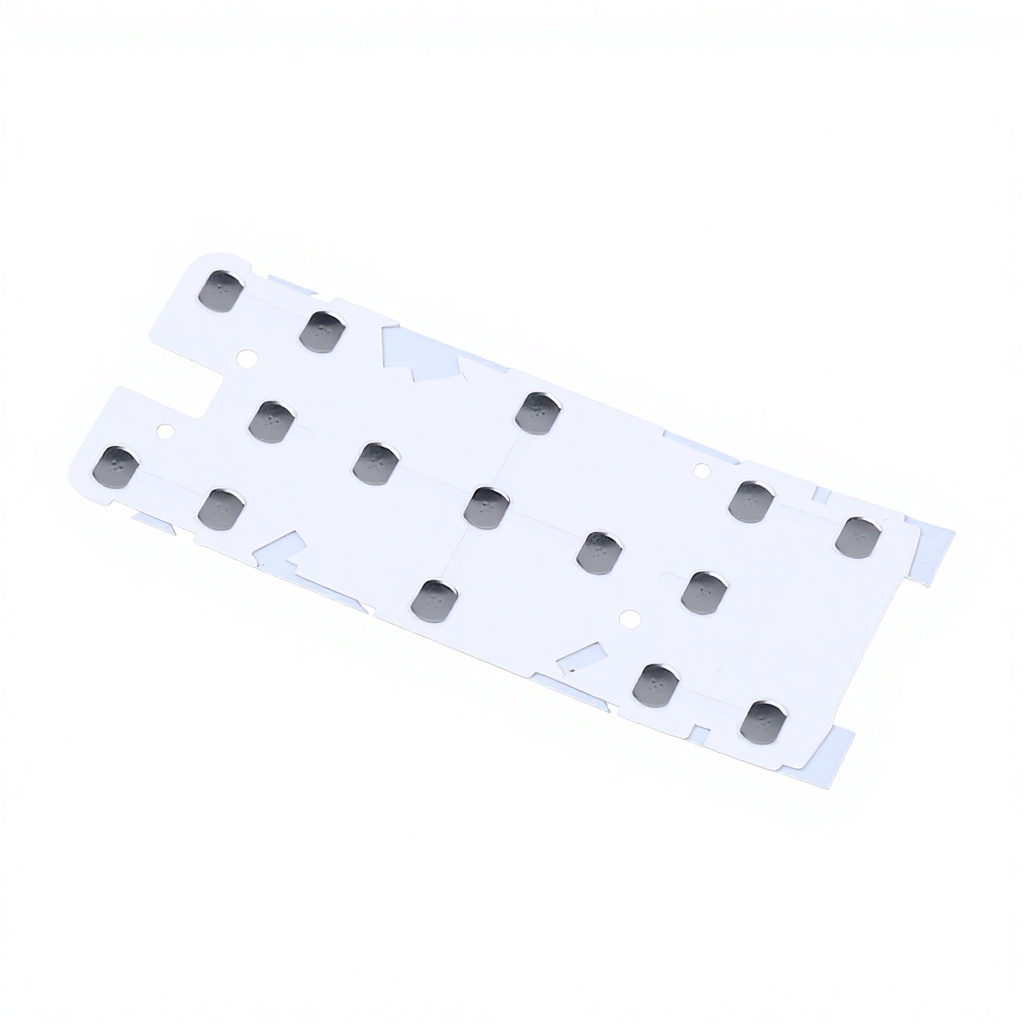
Waterproof Dome Array
Browse our certified industrial human-machine interface components designed for rigorous thermal cycling, salt mist tolerance, and long-cycle mechanical actuation.
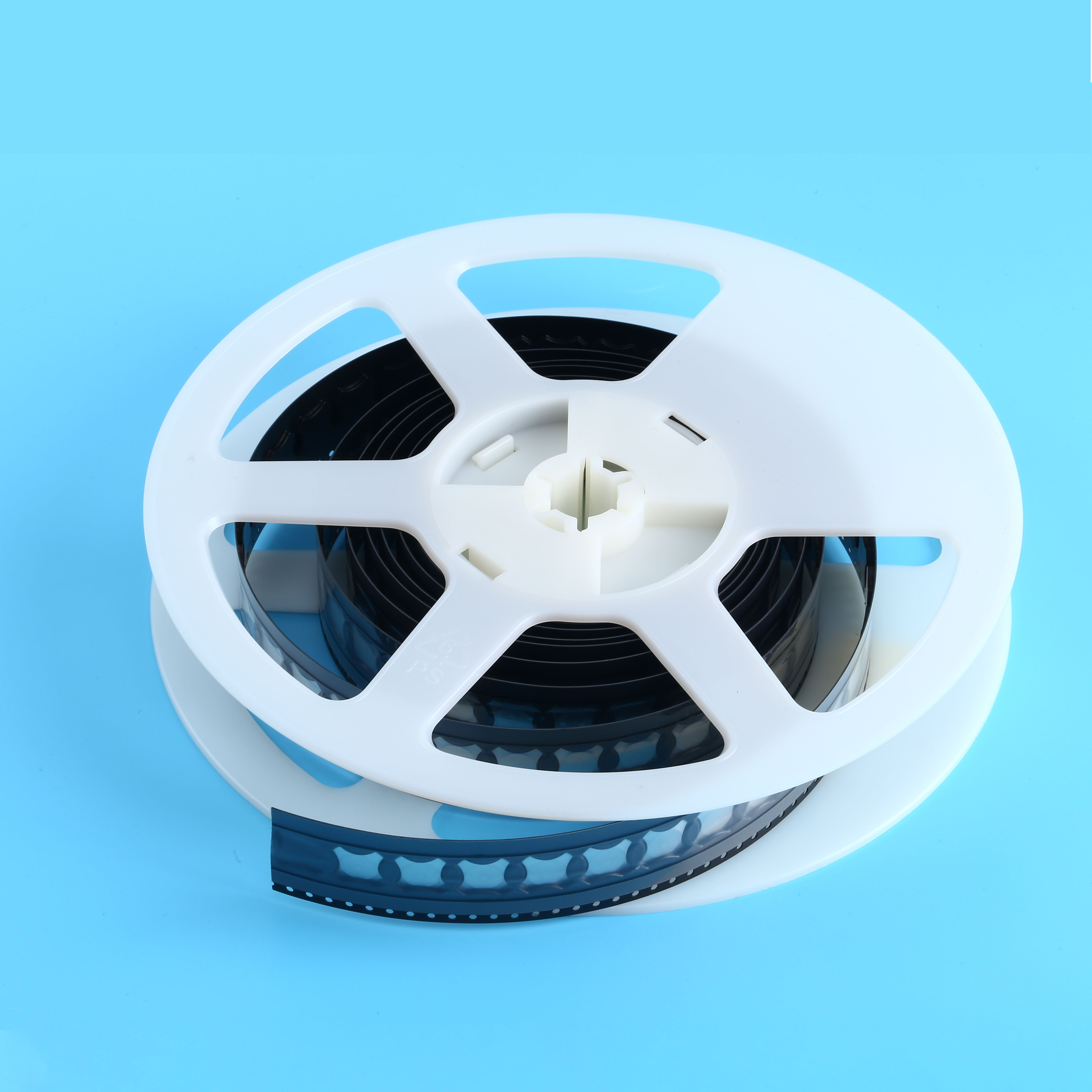
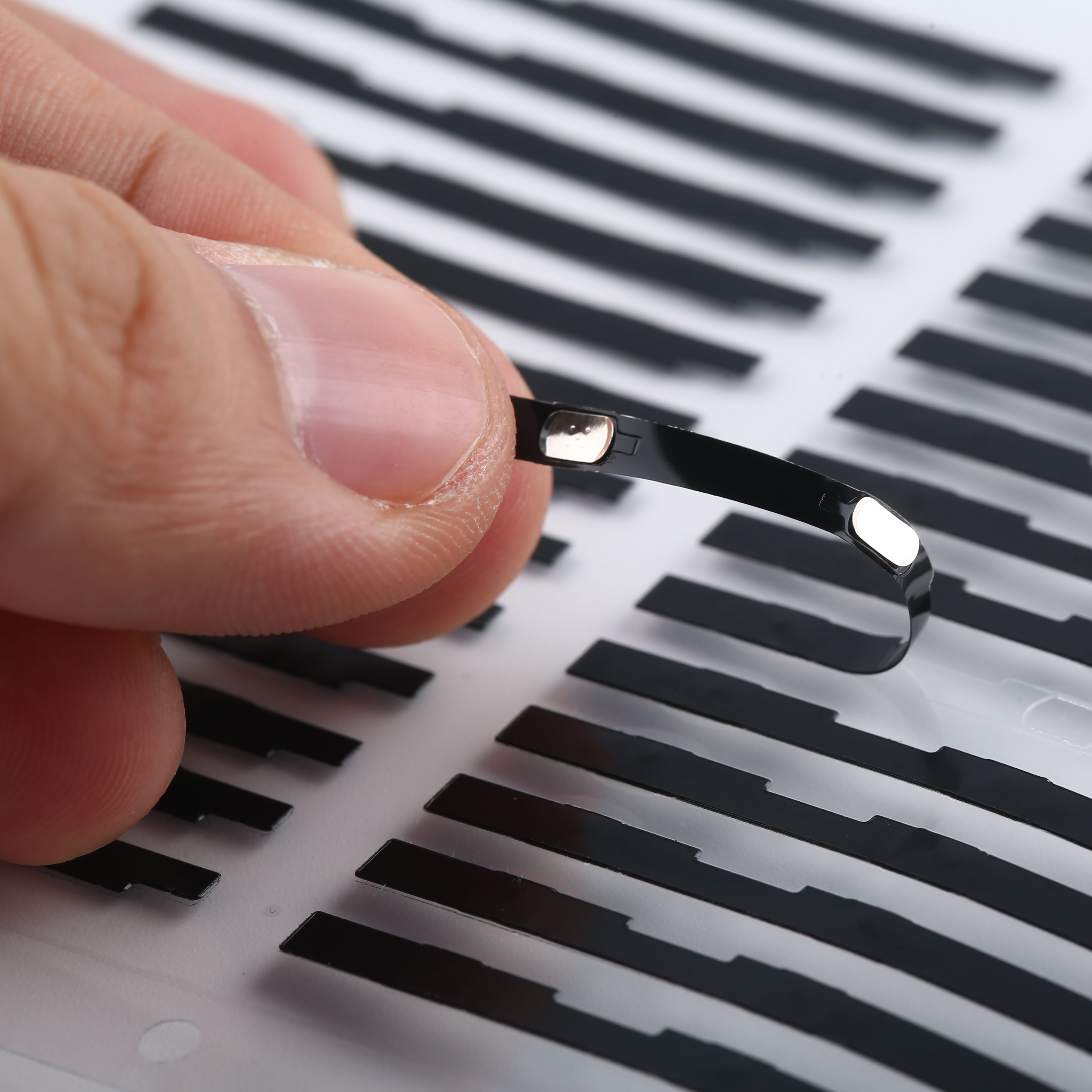
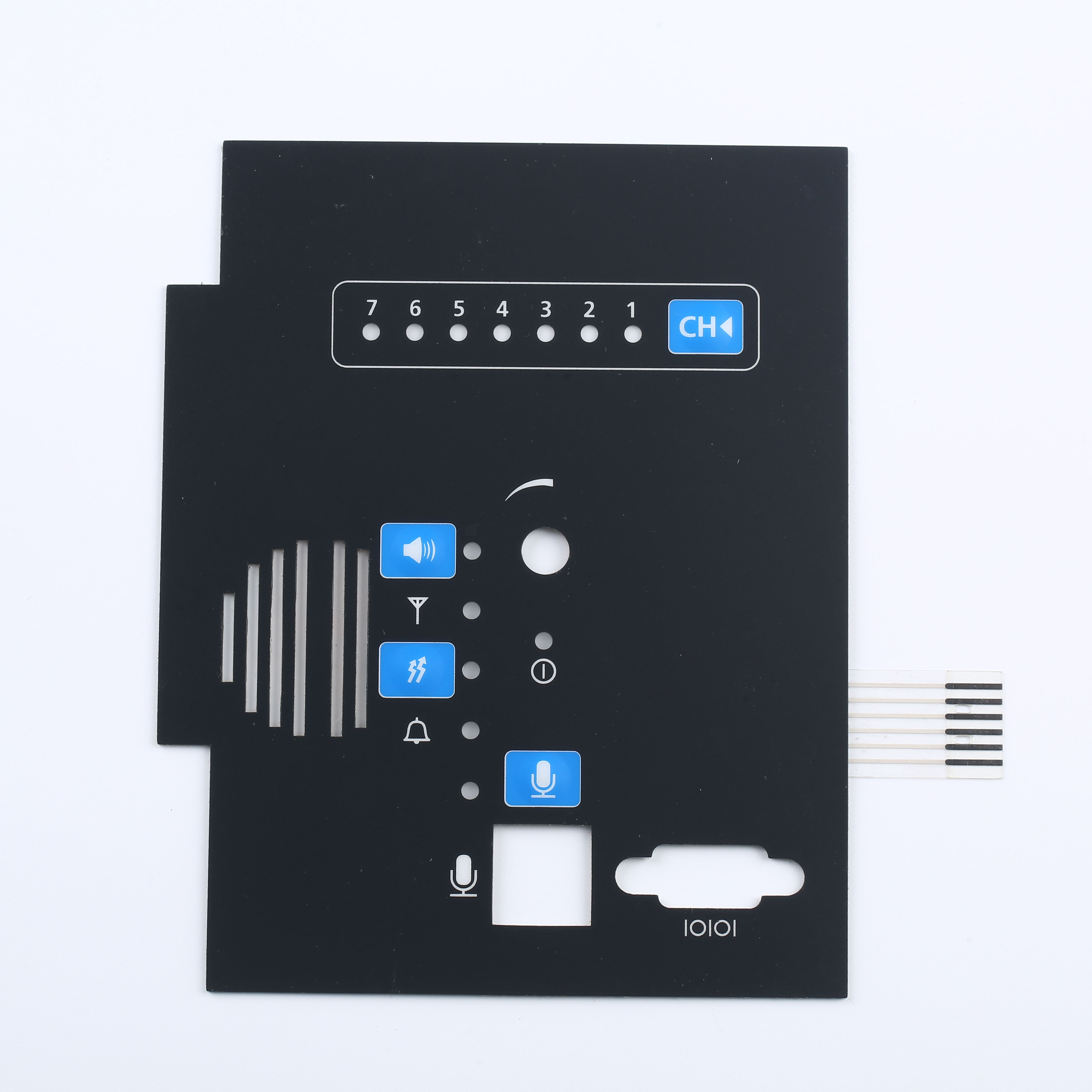
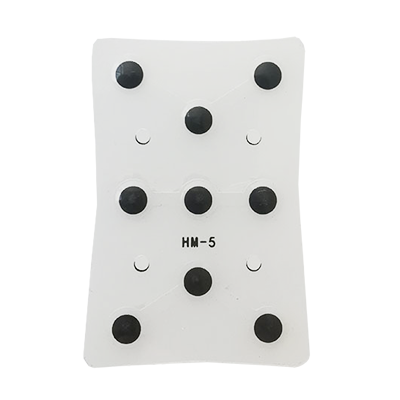
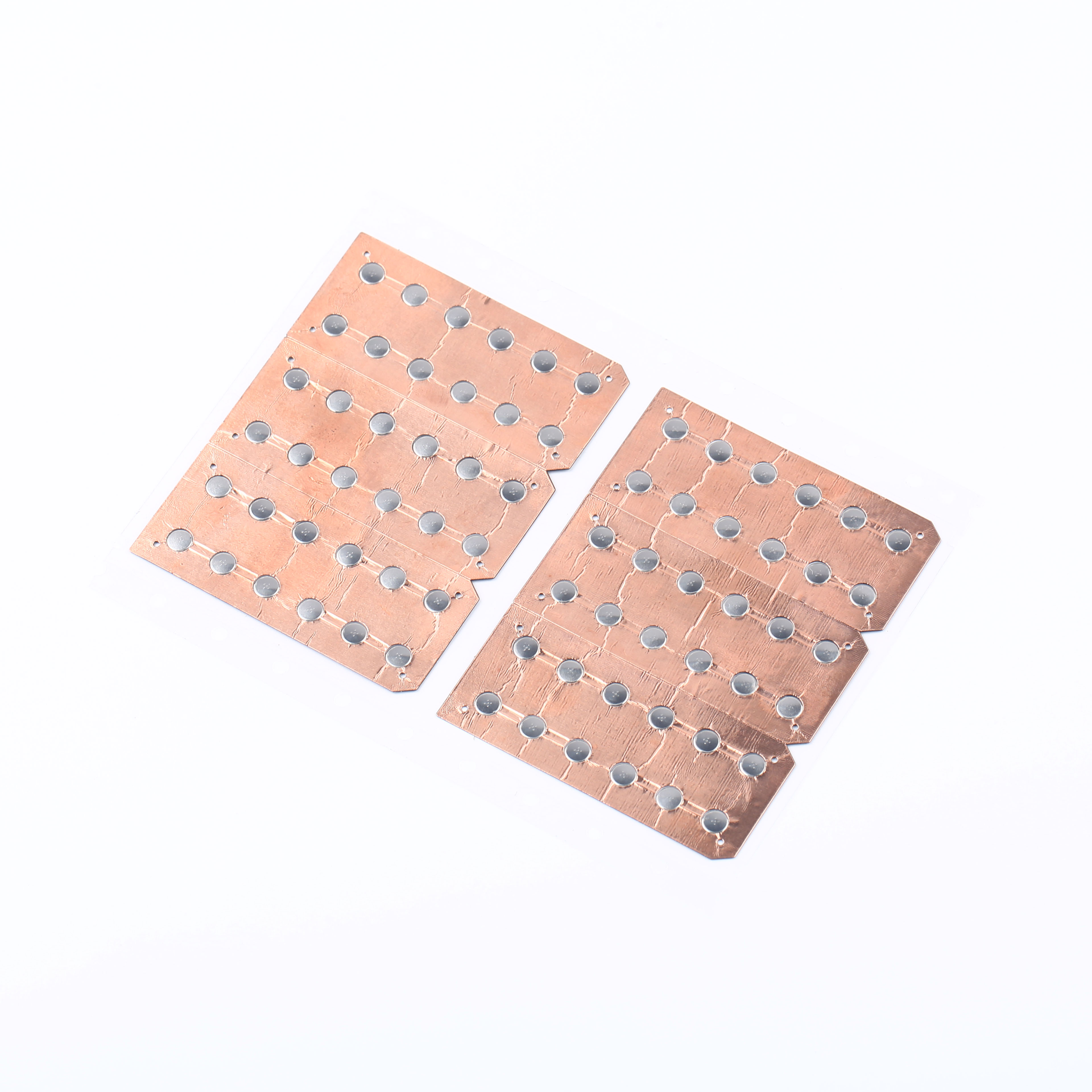
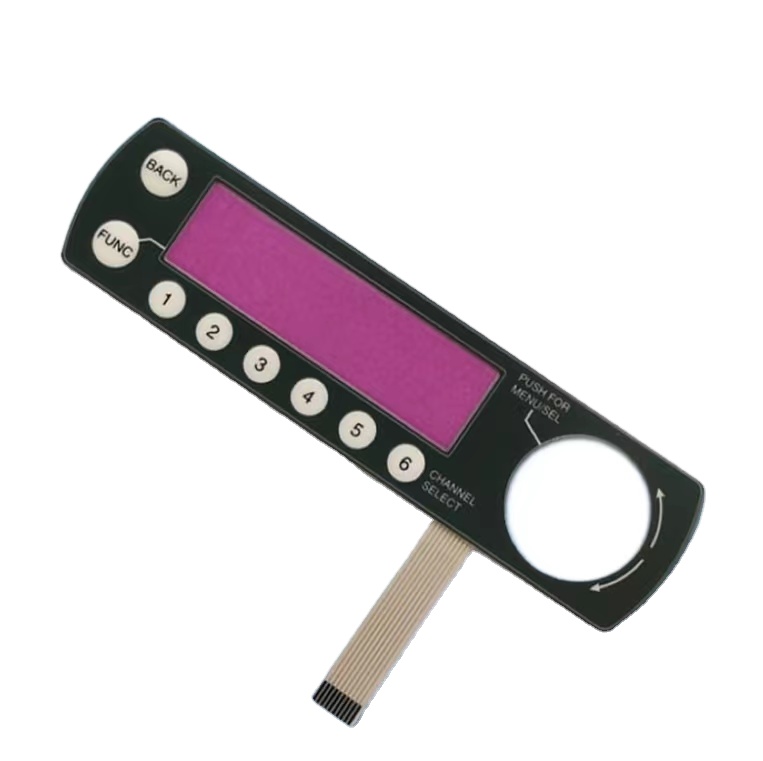
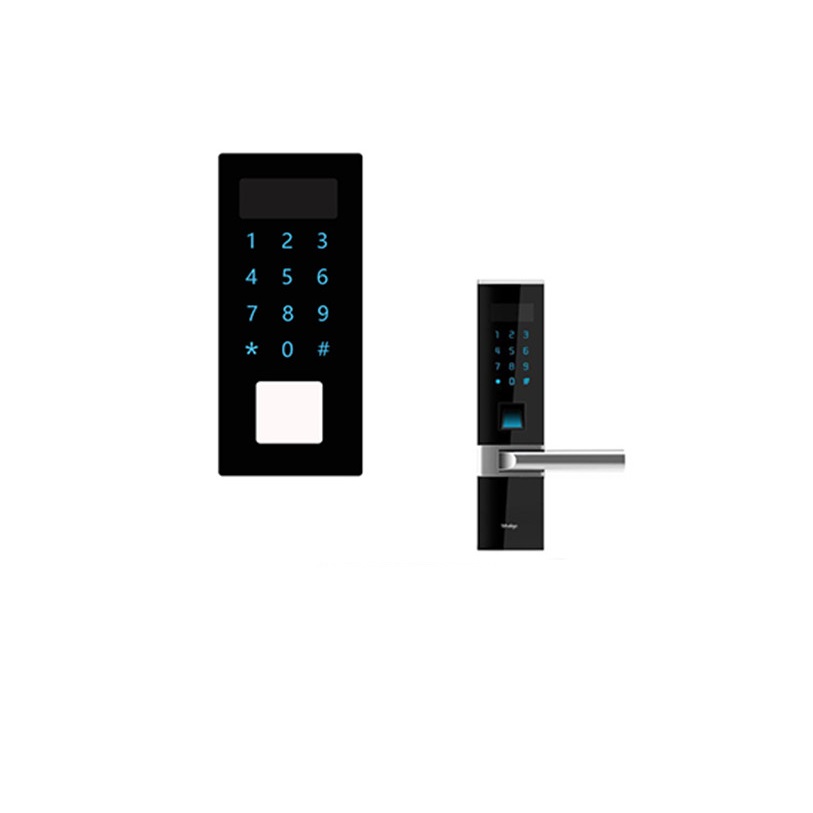
The Kingdom of Tonga, spanning 169 islands across the South Pacific with primary commercial epicenters in Tongatapu (Nuku'alofa), Vava'u, and Ha'apai, presents one of the most environmentally punitive operational envelopes for electronic equipment and Human-Machine Interface (HMI) systems. Direct exposure to airborne marine aerosols (sodium chloride and magnesium sulfate), intense tropical ultraviolet radiation (UV Index consistently reaching 11+), rapid diurnal thermal fluctuations (22°C to 35°C), and sustained ambient relative humidity averaging above 80% quickly degrade commodity front panels.
Standard commercial-grade polycarbonate overlays imported without specialized stabilizers suffer premature yellowing, embrittlement, micro-cracking, and delamination within 6 to 18 months of oceanic deployment. Furthermore, unsealed peripheral channels permit atmospheric moisture and salt fog ingress, causing silver dendritic migration across printed switch circuit traces, resulting in intermittent bridging or total electrical shorts. As China's premier direct manufacturer and exporter serving Pacific Island procurement directors, Dongguan Cevra Electronic Technology Co., Ltd. re-engineers every structural layer to ensure multi-year field survival under tropical oceanic conditions.
The core structural integrity of a graphic overlay begins with substrate formulation. For long-term deployments across Tonga's maritime terminals, agricultural processing installations, and solar microgrid enclosures, we formulate overlays utilizing high-performance Biaxially Oriented Polyethylene Terephthalate (BOPET), such as Autotype Autotex XE or MacDermid Autotex Fine. PET films exhibit inherently superior flexural fatigue strength (>5,000,000 actuations without hinge failure), outstanding resistance to petrochemical cleaners, marine engine grease, and agricultural sanitizers, and zero plasticizer leaching.
Where crystal-clear display windows with anti-reflective or anti-glare finishes are mandated (such as LCD or OLED instrument readouts on inter-island passenger ferries and navigation consoles), optical-grade UV-stabilized Polycarbonate (Lexan 8010 or HP92W) is selectively deployed. These panels undergo secondary UV-cure barrier coatings to prevent the photochemical yellowing typically accelerated by high-altitude Pacific sunlight.
| Substrate Material | Actuation Fatigue Life | UV Radiation Resistance | Salt Fog / Moisture Impermeability | Chemical Resistance (Fuels/Alkaline) | Recommended Tonga Application |
|---|---|---|---|---|---|
| Autotex XE UV-PET (200μm) | > 5,000,000 cycles | Exceptional (Outdoor Marine Grade) | Hermetic Seal Compatible | Impervious to Diesel, Salt, Acids | Marine Navigators, Solar Inverters, Fish Processing |
| UV-Stabilized Polycarbonate (Lexan HP) | ~ 100,000 cycles (Flat keys only) | High (Modified UV Inhibitors) | Moderate (Vapor Transmissible) | Sensitive to Esters & Ketones | Display Windows, Heavy Impact Enclosures, Kiosks |
| Hardcoated PMMA / Acrylic | Non-tactile (Capacitive only) | Extremely High Optical Clarity | Complete Solid Barrier | Moderate (Avoid Solvent Wipes) | Smart Door Access, Commercial POS, Telecom Hubs |
| Standard Commercial PC (Untreated) | ~ 50,000 cycles | Degrades rapidly under UV | Susceptible to Edge Curling | Cracks upon Solvent Contact | Indoor Office Use Only (Not Recommended for Tonga) |
Under continuous South Pacific oceanic humidity, standard polymer thick-film (PTF) silver paste lines are vulnerable to galvanic corrosion and electro-chemical migration. When an electric potential exists between adjacent conductive paths in the presence of adsorbed moisture, silver ions migrate through microscopic fissures in spacer layers, forming conductive metal dendrites that permanently bridge the switch contacts.
To eliminate this failure mode in systems destined for Tonga, our engineering team implements four distinct structural safeguards: First, we apply an unbroken dielectric encapsulation layer—overprinted with carbon or cross-linked polymer insulation—over all silver traces, eliminating moisture access. Second, we integrate high-shear, moisture-impermeable 3M adhesive transfer films (such as 3M 467MP, 468MP, or modified acrylic 3M 300LSE for low surface energy powder-coated chassis). Third, our perimeter seal designs incorporate continuous non-vented hydro-gaskets that meet IP67 and IP68 liquid immersion thresholds. Fourth, where high-vibration engine controls are required, we engineer Flexible Printed Circuits (FPC) using polyimide and etched copper with gold flash plating to ensure zero ionic drift.
Discover how our specialized graphic overlays and tactile membrane switch assemblies power mission-critical equipment throughout the Kingdom's key economic sectors.
Marine radio keypads, sonar navigation displays, and engine throttle panels operating aboard tuna longliners and inter-island passenger ferries based at Queen Salote Wharf in Nuku'alofa. Built with SUS301 gold-plated snap domes and IP67 perimeter seals to withstand salt water splash, diesel soot, and heavy gloved-hand actuation.
Solar inverter controller panels, battery energy storage systems (BESS), and power distribution consoles deployed across outer islands like 'Eua, Ha'apai, and Niuafo'ou. Featuring UV-stabilized Autotex XE PET overlays and Light Guide Film (LGF) uniform backlighting for clear night maintenance in tropical heat.
Control interfaces for vanilla curing chambers, squash sorting equipment, and blast-freezer refrigeration plants in Tongatapu. Resistant to high-pressure washdown chemicals, food-grade steam sanitation, and condensation cycles without graphic fade or layer delamination.
Tonga Meteorological Services and emergency tsunami sirens require 100% electrical availability. Our membrane keypads provide ESD shielding up to 15kV, anti-vibration copper-foil dome arrays, and hermetic housing gaskets to endure Category 5 tropical cyclones.
Seamless acrylic/PMMA capacitive touch panels and door lock overlays for luxury eco-resorts across Vava'u and Ha'apai. Eliminates mechanical button ingress points where sand, humidity, and salt spray typically jam traditional keypads, delivering smooth aesthetic touch control.
Diagnostic analyzers, autoclaves, and patient monitoring terminals in Nuku'alofa clinics. Built with antimicrobial textured PET finishes that resist aggressive alcohol and bleach wipes while preventing nosocomial microbial colonization on user touch points.
As the Kingdom of Tonga implements the Tonga Strategic Development Framework (TSDF II) and rapidly modernizes its public infrastructure, the specifications required for imported industrial sub-assemblies are evolving rapidly. Chinese manufacturers serving this corridor are actively adapting to three distinct technological shifts:
Traditional pure-membrane mechanical keypads are increasingly complemented by hybrid capacitive touch interfaces featuring selective tactile feedback. In public utility metering (such as Tonga Water Board remote stations and Tonga Power Limited prepayment kiosks), mechanical keypads frequently experienced sand infiltration. Modern retrofits deploy continuous 2.0mm to 3.0mm chemically strengthened PMMA or hard-coated PET faceplates with capacitive sensing circuits printed directly on the reverse side. For critical functions like emergency stops or pump activations, embedded metal domes underneath localized silicone blisters provide unambiguous tactile affirmation.
Due to Pacific shipping routes and multi-week customs processing via Nuku'alofa Port, spare components frequently sit in non-climate-controlled wharf warehouses where internal warehouse temperatures exceed 40°C with 95% humidity. Standard pressure-sensitive adhesives (PSA) suffer adhesive migration or loss of tack (tack failure) in storage before installation. Cevra addresses this by engineering industrial overlay packages with high-performance 3M 300LSE and 200MP acrylic adhesives laminated under vacuum, complete with hermetically sealed vacuum foil moisture-barrier packaging (MBP) containing active desiccant and cobalt-free humidity indicator cards. This guarantees an uncompromised 36-month shelf life prior to field application.
With outer islands transitioning aggressively toward 100% renewable microgrids, field equipment operates under strict energy budgets. Backlit control interfaces cannot afford high-draw traditional incandescent or diffuse LED arrays. Our thin Light Guide Film (LGF) technology utilizes side-firing, micro-watt surface-mount LEDs (0603 or 0805 packages) channeled through precision optical micro-dots. This achieves uniform keypad luminance with up to 75% lower current consumption compared to traditional LED switch backlights, minimizing drain on solar battery banks.
Headquartered in Dongguan, China—the epicenter of high-precision electronic manufacturing—Dongguan Cevra Electronic Technology Co., Ltd. delivers true end-to-end production control without third-party middleman markup.
Over a decade and a half dedicated strictly to custom membrane switches, metal domes, dome arrays, graphic overlays, and capacitive panels. Over 26 skilled HMI engineers ensuring precision DFM reviews on every DXF/CAD drawing.
Our complete 2,600㎡ facility is independently verified on-site by SGS Group. Production runs under strict ISO 9001:2015 protocols covering raw material inspection, lot traceability, and zero-defect quality gate policies.
Zero outsourced bottleneck operations: high-speed screen printing lines, automatic layer laminators, CCD vision-guided drilling machines, precision CNC laser cutting, and automated dome placement lines operating under cleanroom conditions.
Every production batch is validated in our internal test lab: Metal Dome Load Testers (tactile force & click ratio), High/Low Temperature Cabinets (-40°C to +105°C), Adhesive Tension Peel Testers, Holding Tack Testers, and Electric Pencil Hardness testers.
Prototype runs supported from just 10 to 100 units for engineering trials, scaling seamlessly to 100,000+ units. Air express courier shipments via DHL/FedEx to Fuaʻamotu Airport or sea freight containers directly to Nuku'alofa Port.
Ranked #5 Most Popular factory in Alibaba Keypads & Keyboards category. We provide bilateral Non-Disclosure Agreements (NDAs), verified Trade Assurance payment security, and comprehensive engineering design protection for all clients.
Clear, direct answers regarding custom tooling, oceanic shipping logistics, testing protocols, and minimum order requirements.
For rapid prototyping and urgent field maintenance batches (10 to 500 units), we utilize international express air couriers (DHL, FedEx, or SF International) routed via Auckland or Sydney into Fuaʻamotu International Airport (TBU), typically taking 5 to 9 business days. For volume mass production orders, sea freight containers leave Shenzhen or Guangzhou Port, transiting via Suva (Fiji) or Auckland directly to Queen Salote Wharf in Nuku'alofa, with a maritime transit window of approximately 24 to 32 days.
We utilize specialized outdoor-grade Autotype Autotex XE PET film pre-treated with internal UV absorbers that filter destructive ultraviolet wavelengths below 380nm. Furthermore, all printing inks are second-surface printed (reverse side printing) using imported industrial UV-resistant screen inks matched to Pantone or RAL standards. The graphic ink layer is physically shielded beneath 0.15mm–0.25mm of polymer substrate, eliminating sun-bleaching, scratch hazards, and chemical erosion.
Yes. Standard consumer membrane switches utilize 180g to 250g tactile snap domes, which provide inadequate physical confirmation when operators wear heavy marine work gloves. For our Pacific marine and agricultural customers, we assemble custom 4-legged cross domes or round domes fabricated from SUS301 stainless steel with actuation forces calibrated between 350g, 420g, and up to 500g. This delivers a crisp, unmistakable tactile click through insulated work gloves, preventing operator input error.
For switch circuit tails exposed inside enclosures, we offer two solutions: selective gold plating on flexible FPC tails or high-reliability solder-tab crimp connectors (such as Nicomatic or Amphenol Clincher) sealed with dielectric potting compound. For the internal snap domes, we provide nickel-plated or gold-plated stainless steel domes tested to 96-hour continuous neutral salt spray (ASTM B117) standards, enclosed within hermetic adhesive pockets with breather channels filtered through desiccated micro-porous membrane vents.
To provide a verified DFM (Design for Manufacturability) analysis and quotation within 24 hours, our engineering department requests your vector artwork files (.AI, .CorelDRAW, or .PDF) detailing graphic legends, window cutouts, and Pantone color codes, along with mechanical CAD drawings (.DXF, .DWG, or .STP) detailing exterior dimensions, key embossing profiles, tail ribbon routing, connector pinouts, and specified adhesive footprints.
We recognize the specialized nature of Pacific island infrastructural projects. For custom graphic overlays without embedded circuits, our MOQ starts at just 10 pieces. Complete tactile membrane switch assemblies start at 50 to 100 units for pilot prototypes. Loose tactile metal domes and standard adhesive dome sheets can be ordered from 1,000 pieces. We maintain complete tooling dies and print film screens in storage for rapid re-orders without recurring setup fees.
Connect directly with our senior application engineers in Dongguan. Receive comprehensive material stack-up recommendations, free DFM file analysis, and complete wholesale catalog access within 24 hours.