Precision Flex PCB Assemblies & Tactical HMI Panels
Engineered to withstand tropical ambient moisture, severe salinity, and high mechanical fatigue cycles in industrial Caribbean facilities.
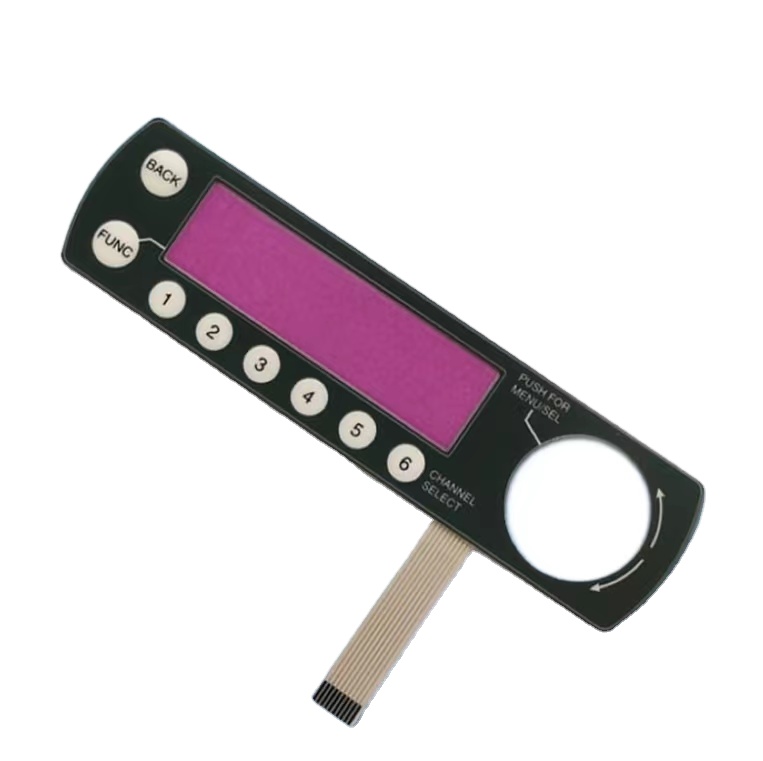
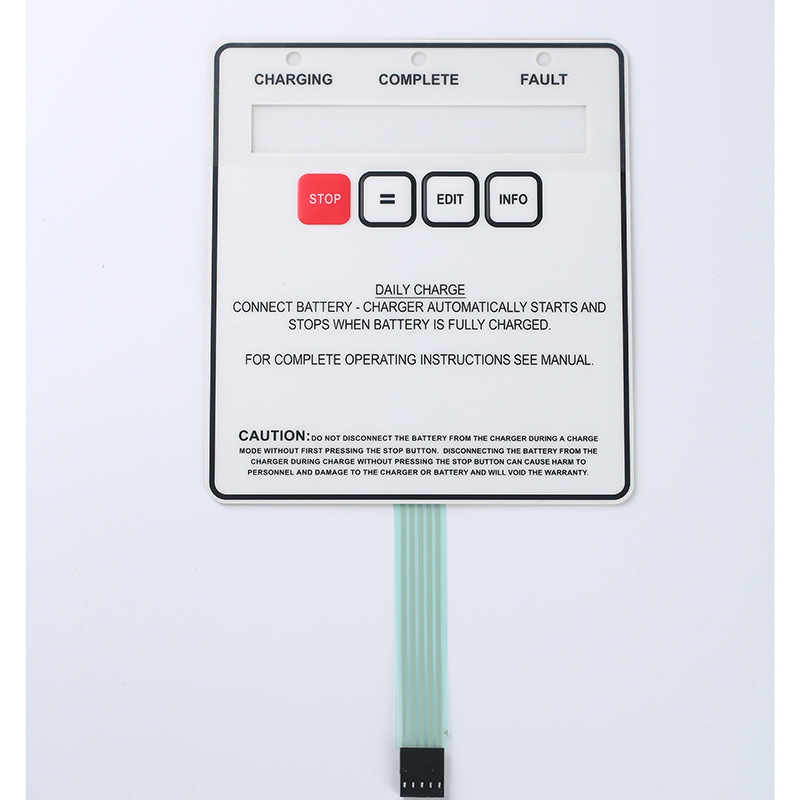

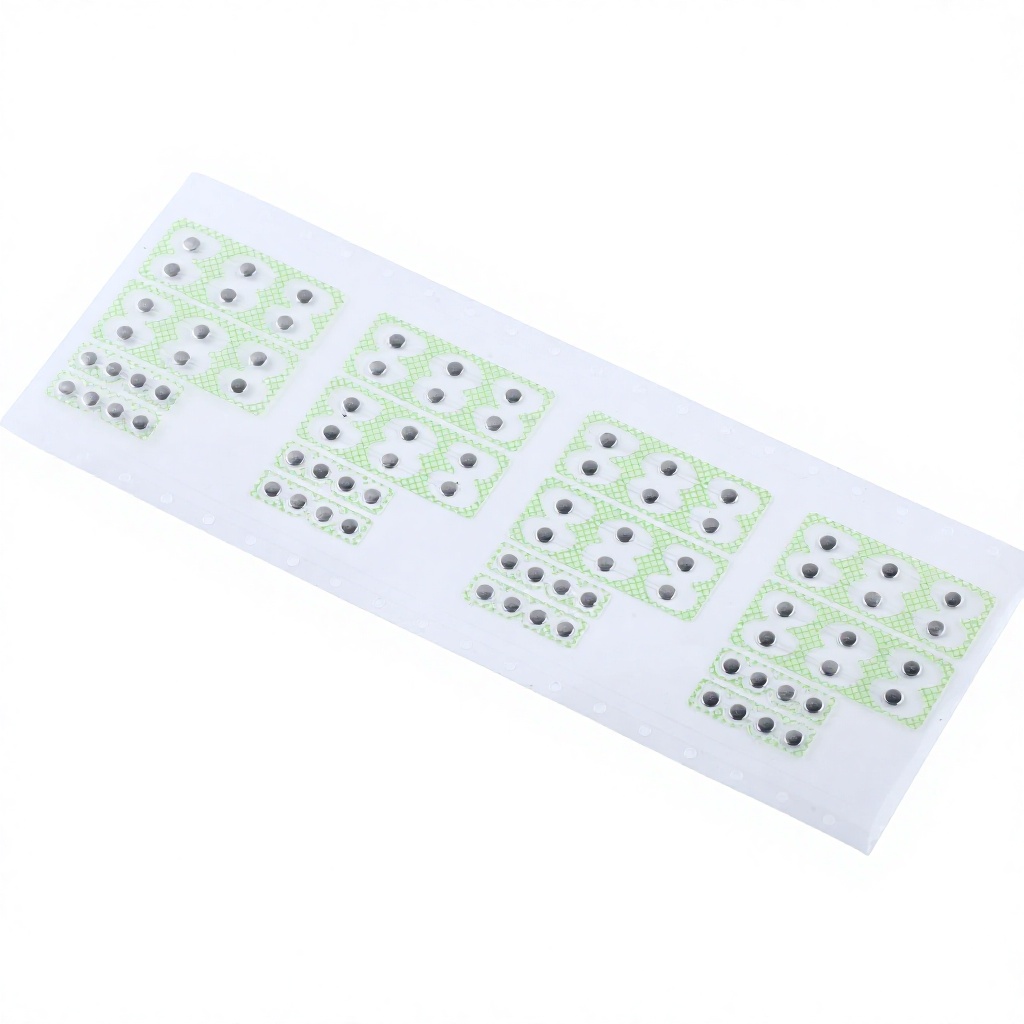
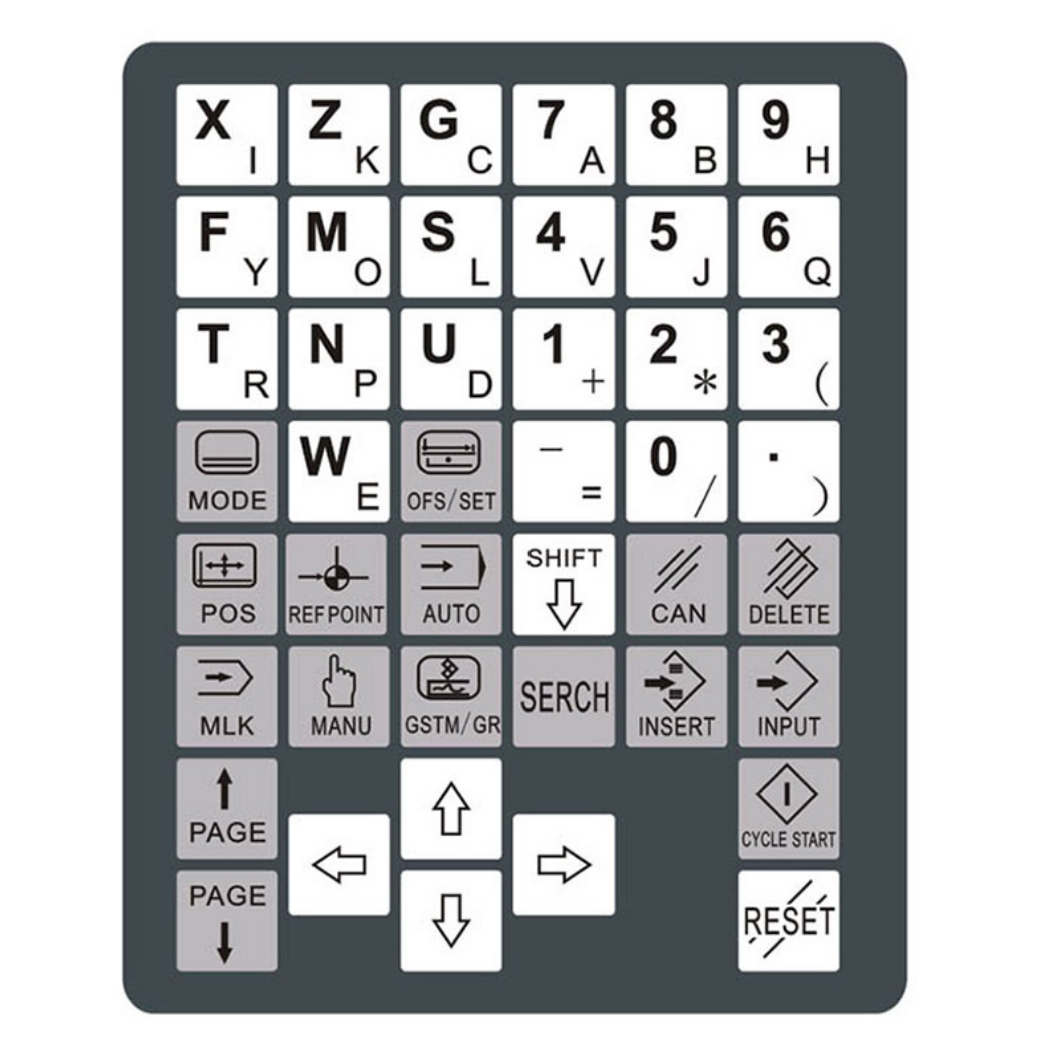
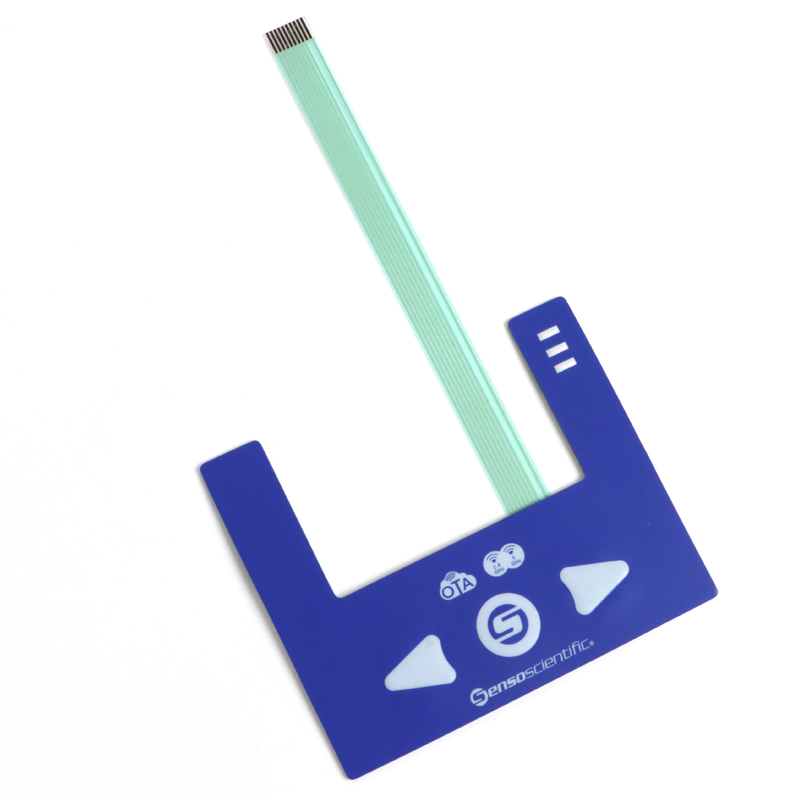
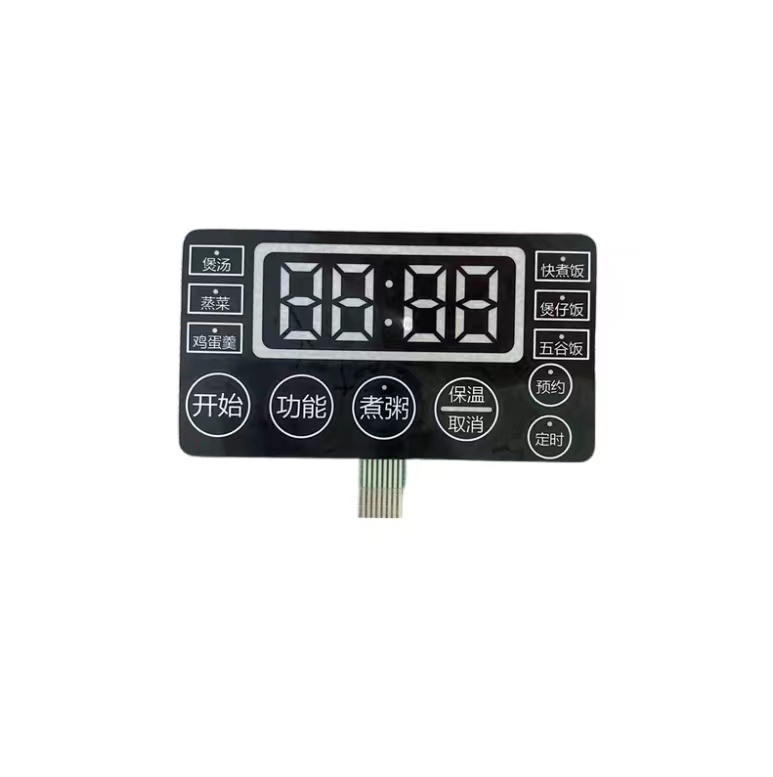
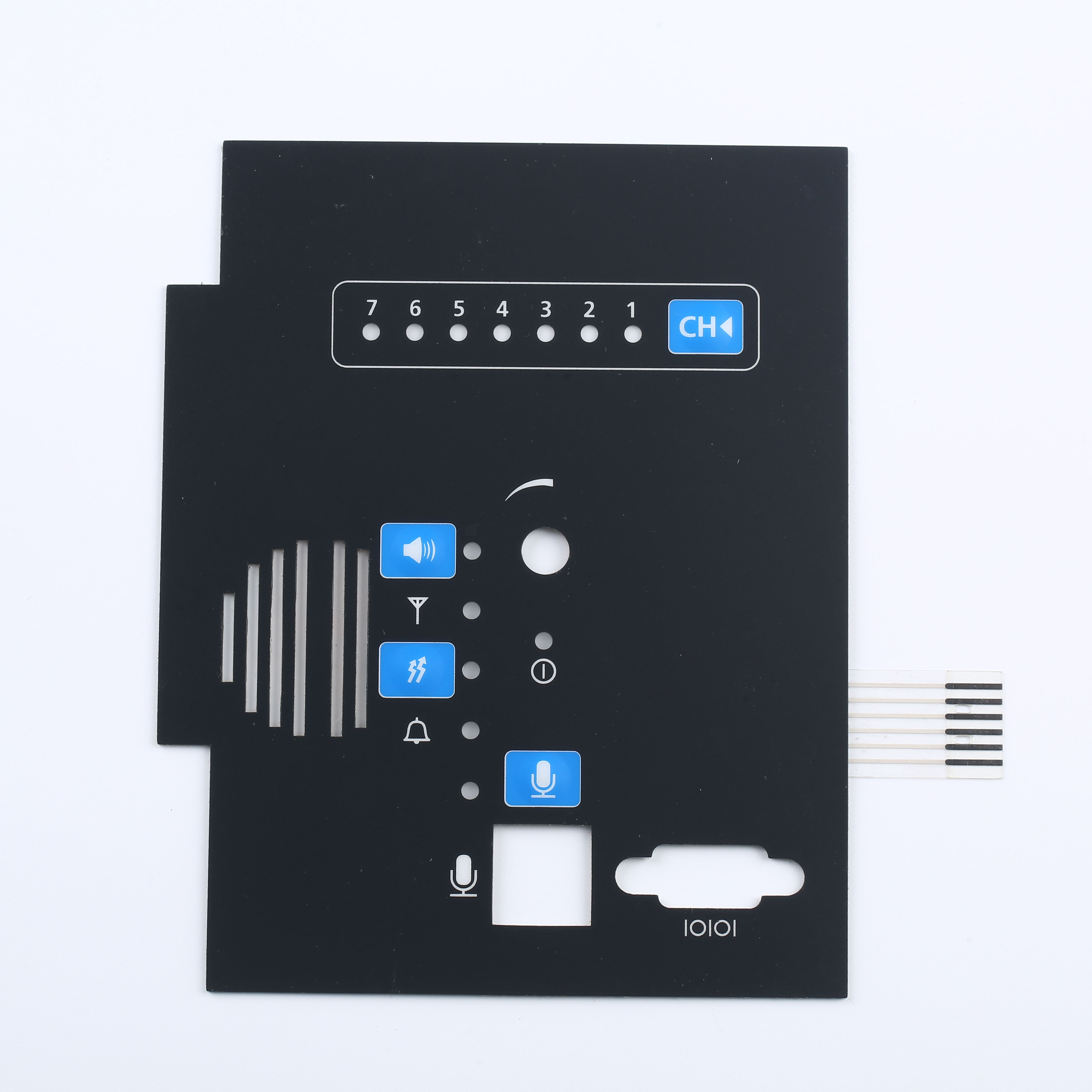
High-Reliability Flex PCB & Membrane Interface Engineering
A comprehensive engineering guide to material selection, flex stack-ups, and harsh-environment durability for procurement engineers in the Dominican Republic.
As hardware engineers and contract manufacturing directors within the Zona Franca Industrial de La Romana expand their assembly operations, the demand for high-density, dynamically resilient Flexible Printed Circuits (Flex PCBs / FPCs) and ruggedized Human-Machine Interfaces (HMIs) has grown exponentially. Modern electronic architectures require ultra-thin, low-mass interconnects capable of operating continuously within compact mechanical housings, vibrating industrial environments, and high-humidity tropical microclimates.
1. Substrate Metallurgy: Polyimide (PI) vs. Polyester (PET)
Specifying flexible circuitry requires balancing thermal tolerance, dielectric stability, and dynamic flex endurance. For simple human interface keypads and static matrix routing, polyethylene terephthalate (PET) offers an exceptional, cost-effective base for screen-printed conductive polymer thick-film silver inks. However, when surface mount devices (SMD LEDs, micro-diodes, and high-density ZIF zero-insertion-force connectors) must be reflowed using lead-free SAC305 solder profiles exceeding 245°C, high-performance polyimide (Kapton equivalent) becomes indispensable.
At our Dongguan manufacturing facilities, we process adhesiveless and adhesive-based polyimide copper clads ranging from 12.5µm to 50µm dielectric thicknesses. Adhesiveless polyimide laminates eliminate thermal degradation concerns associated with acrylic adhesive layers, granting superior dielectric breakdown voltage, lower moisture absorption (critical for humid coastal Dominican regions), and enhanced dimensional stability during laser drilling.
2. Copper Foil Characteristics: Electro-Deposited (ED) vs. Rolled Annealed (RA)
For static installation designs (flex-to-install or bend-once geometries), Electro-Deposited (ED) copper provides high tensile strength and lower cost. Conversely, for dynamic flex installations—such as internal connections within reciprocating surgical apparatus, industrial robotic actuators, or high-vibration engine sensors—Rolled Annealed (RA) copper is mandatory. RA copper features elongated horizontal crystal grains formed through mechanical rolling mills. This metallurgy allows the conductor to withstand over 1,000,000 continuous flexing cycles at bend radiuses down to 10× trace thickness without undergoing work hardening, work brittleness, or trace fracture.
| Design Parameter | Standard Prototype Capability | Advanced / High-Density Interconnect (HDI) | Operational Standard Reference |
|---|---|---|---|
| Base Dielectric Material | Polyimide (PI) 25µm / PET 125µm | Adhesiveless PI 12.5µm, 50µm, Cast Polyimide | IPC-4204A / IPC-4202 |
| Copper Foil Thickness | 0.5 oz (18µm) / 1.0 oz (35µm) RA Copper | 0.33 oz (12µm) to 2.0 oz (70µm) Ultra-Thin RA/ED | IPC-4562 |
| Min. Line Width / Spacing | 0.075mm / 0.075mm (3/3 mil) | 0.045mm / 0.045mm (1.8/1.8 mil) via Laser Direct Imaging | IPC-6013 Class 3 |
| Micro-Via Diameter | 0.15mm (6 mil) CNC Mechanical Drilling | 0.050mm (2 mil) UV Laser Micro-Via Piercing | IPC-2223 Sectional Design |
| Surface Finish Coating | Immersion Gold (ENIG 1-3µ" Au / 120-200µ" Ni) | Hard Electrolytic Gold, Immersion Silver, OSP | IPC-4552B (ENIG Verification) |
| Dielectric Breakdown Voltage | > 5,000 V / mil | > 7,500 V / mil (Tested under ASTM D149) | MIL-STD-202 Method 301 |
| Operating Temperature | -40°C to +85°C | -55°C to +135°C (High TG Thermal Cycle PI) | IEC 60068-2-1 / 2-2 |
3. Mitigating Galvanic Corrosion & Ionic Migration in Marine Microclimates
La Romana's geographical location along the Caribbean coast presents specific engineering challenges: elevated relative humidity (consistently exceeding 80%) coupled with high airborne salt aerosol concentrations. In sub-optimally processed FPC and membrane layers, trace moisture ingress initiates electrochemical migration (dendritic copper/silver growth) under continuous DC electrical bias, precipitating catastrophic short circuits.
To safeguard hardware destined for Dominican deployment, our factory integrates hydrophobic thermosetting solder mask coverlays, polyimide cover films with flame-retardant epoxy adhesives, and vacuum-laminated fluorocarbon sealing rings. For graphic overlays and exposed key interfaces, selective 3M 200MP and 300LSE adhesive gaskets provide IP67 and IP68 boundary protection against chemical washes, saline mist, and caustic sanitizing agents.
Industrial Application Scenarios Across La Romana & the Caribbean
How our custom-manufactured flexible circuits and tactile interface systems empower Dominican Republic's primary manufacturing hubs.
Medical Device Assembly (Zona Franca)
The Dominican Republic is one of Latin America's foremost exporters of disposable medical devices and diagnostic surgical tools. Our cleanroom-fabricated flex circuits provide biocompatible, gamma-radiation-sterilizable, and ultra-miniaturized interconnects for patient monitoring probes, disposable endoscopic handles, and sterile fluidic valve actuators manufactured inside La Romana Free Zones.
Agro-Industrial & Sugar Refining Controls
La Romana is home to large-scale cane sugar refining operations (Central Romana Corporation) demanding heavy-duty automation. Our stainless steel SUS301 metal dome arrays and ruggedized polycarbonate graphic control consoles withstand abrasive particulate fallout, high ambient heat, industrial vibration, and continuous steam exposure without contact degradation.
Marine, Coastal & Luxury Yacht Systems
Servicing the world-class Marina de Casa de Campo, our sealed capacitive touch membrane panels and flex connectors provide IP68-rated waterproof human-interface consoles for onboard navigational equipment, luxury architectural lighting panels, and tender vessel propulsion diagnostics resistant to intense ultraviolet radiation and seawater salt spray.
Off-Grid Solar & Power Inverter Electronics
The expansion of distributed solar infrastructure across the eastern Dominican Republic requires robust power electronics. Our high-copper-weight flexible circuits and matrix switchboards deliver thermal dissipation and reliable high-voltage isolation within commercial microinverters, battery management systems (BMS), and solar pump controllers.
Procurement Evolution & Logistics into the Dominican Republic
Analyzing nearshoring incentives, supply chain resilience, and freight routing for La Romana hardware developers.
Under the auspices of Dominican Law 8-90 on Free Trade Zones, international OEMs and contract electronics manufacturers operating in La Romana benefit from 100% exemptions on import tariffs, corporate taxes, and value-added duties (ITBIS). This legal framework has positioned the Dominican Republic as an indispensable nearshoring assembly node for North American and European end-markets under the DR-CAFTA agreement.
However, because high-density flexible printed circuits and customized membrane switches represent specialized chemical, etching, and cleanroom disciplines, local fabricators are nonexistent. Caribbean manufacturers rely on direct partnerships with vetted tier-one China wholesale flex PCB factories to guarantee IPC Class 3 yields, high-layer-count availability, and rapid tooling turnarounds.
Air Cargo Expedited Routing
For rapid prototyping and weekly production batches, shipments move directly from Shenzhen/Hong Kong hubs to Las Américas International Airport (SDQ) or Punta Cana International (PUJ), reaching La Romana industrial parks in 4 to 6 business days via DHL Express, FedEx, or dedicated air-forwarders with bonded transit clearance.
Ocean Freight & Deep-Sea Logistics
For high-volume monthly assembly container loads, consolidated ocean freight routes dispatch from Shenzhen or Nansha to the Port of Caucedo (DP World multimodal logistics terminal) or the Port of Rio Haina. Standard maritime transit windows range from 28 to 34 days, offering substantial freight cost economies of scale for mass-production keypads.
Free Trade Zone Bonded Delivery
We provide complete commercial invoice harmonization, customized Harmonized System (HS) code assignment (HS 8534.00 for printed circuits, HS 8537.10 for switchboards), and clean origin declarations to streamline seamless passage through the Dirección General de Aduanas (DGA) directly into bonded zone inventories.
Why International OEM Brands Partner with Our Dongguan Plant
Over 16 years of certified engineering focus, audited quality control, and vertical integration from raw copper to assembled HMI modules.
ISO 9001 Certified & SGS Onsite Audited
Our Dongguan manufacturing complex operates under strict ISO 9001 quality management procedures. Our facility, production lines, test equipment, and human resources have been verified onsite by SGS Group, providing verifiable supply chain compliance for tier-1 medical and automotive sub-tier suppliers.
100% In-House Precision Process
We retain absolute control over every fabrication milestone: CAD/CAM engineering review, automated screen printing, CCD visual drill alignment, high-speed stamping, precision laser cutting, automatic layer lamination, and robotic metal dome placement without subcontracting leaks.
Advanced Laboratory Verification
Every product batch is subjected to comprehensive internal laboratory scrutiny: computerized tactile curve dome load testers, high-and-low temperature climate cycling cabinets (-40°C to +105°C), 180° peel adhesion tension meters, solvent rubbing testers, and automated optical CCD inspection.
Engineering DFM & Rapid Tooling
Our dedicated team of bilingual application engineers conducts preliminary Design for Manufacturability (DFM) reviews within 24 hours of CAD receipt. We offer low minimum order quantities (MOQs from 10–100 pieces for pilot prototypes) leading smoothly into hundreds of thousands of production units.
Frequently Asked Questions for La Romana Buyers
Actionable answers addressing engineering parameters, minimum orders, certifications, and Caribbean supply chain logistics.
What engineering files are required to obtain a formal DFM review and flex PCB quotation?
How do your flexible circuits withstand high humidity and coastal salt spray in the Dominican Republic?
Can you manufacture flexible circuits with integrated SMT component assembly (SMT on FPC)?
What are your typical prototype and mass production lead times for Dominican Free Zone accounts?
How does our company handle customs clearance and Free Trade Zone documentation under Law 8-90?
What is your minimum order quantity (MOQ) for custom membrane switches and flexible circuits?
Ready to Engineer Your Flexible PCB & HMI Solution?
Connect directly with our senior application engineers in Dongguan. Receive comprehensive DFM analysis, custom stack-up schematics, and factory-direct wholesale pricing within 24 hours.