Precision Tactile Membrane Switches & Keypad Solutions
Explore our heavy-duty interface portfolio engineered for OEM integration across Nevada's gaming floors, resort utility systems, and field equipment.
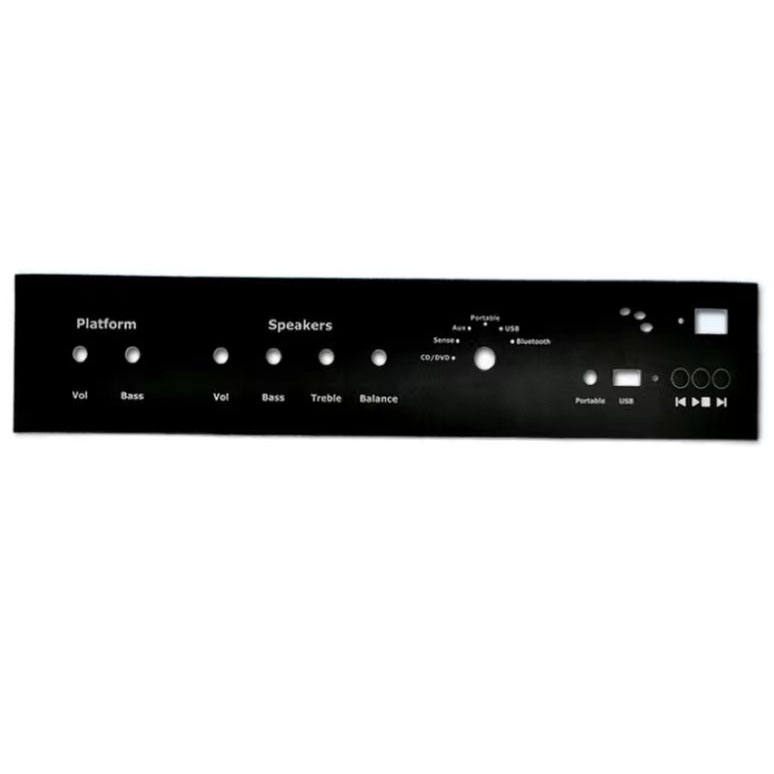
Intelligent Touch Membrane Switch Panel
Multi-layer capacitive and tactile surface sealed against detergents, humidity, and constant utility usage.
View Product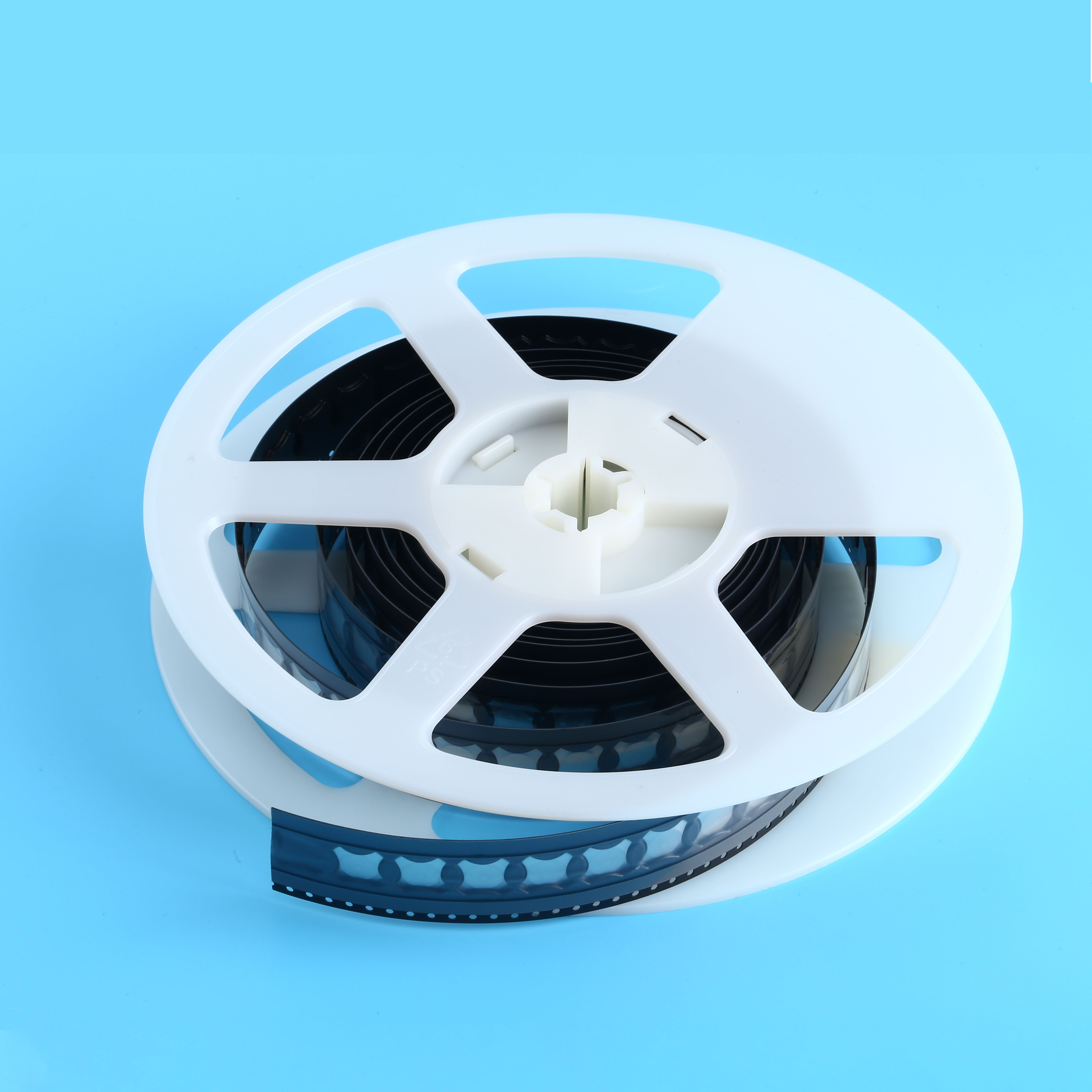
Cross 4-Legged Snap Metal Dome Array
Reel-packaged poly-tape metal dome arrays providing crisp click ratios and tactile travel for high-speed automated SMT assembly.
View Product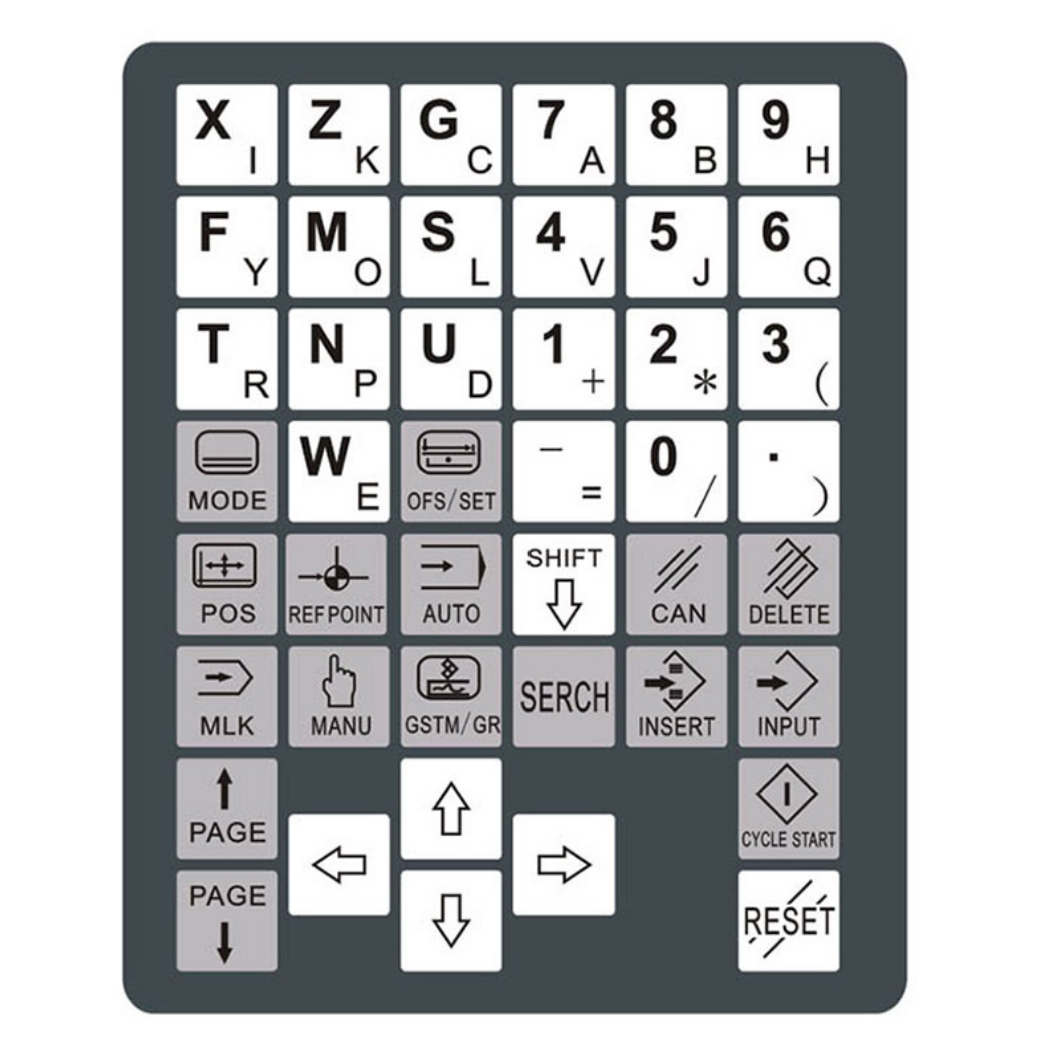
3x3 / 4x5 Matrix Dispenser Keypad
Heavy-duty matrix layout constructed with UV-stabilized Autotex PET, engineered specifically for fuel, outdoor utility, and POS kiosks.
View Product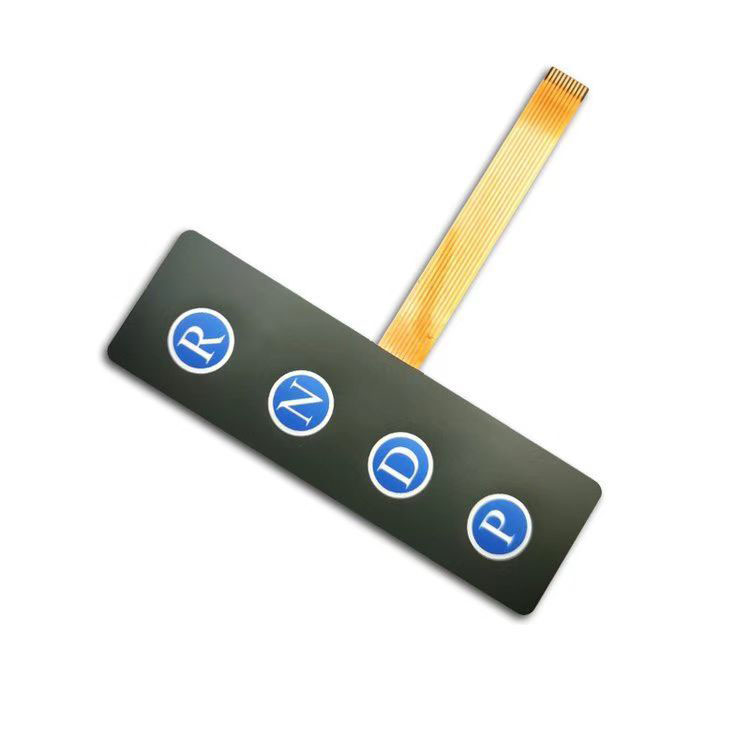
Embossed Backlit Button Controller
Integrated surface-mount micro-LEDs paired with perimeter pillow embossing for low-light venue operating environments.
View Product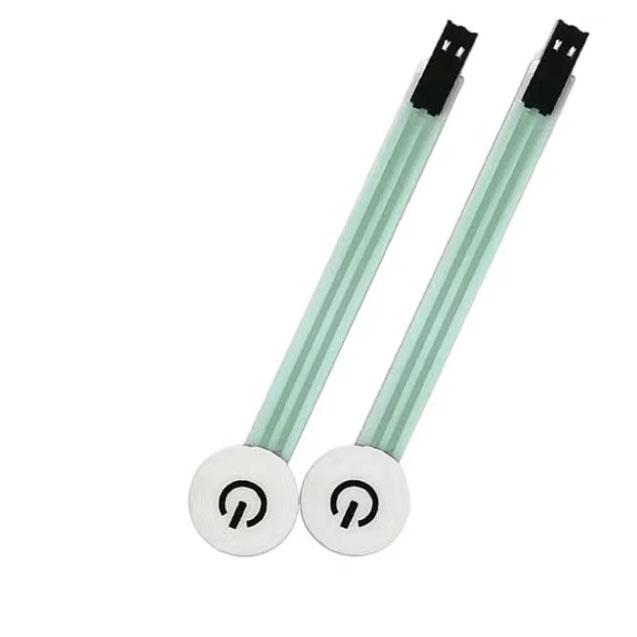
Single-Key Miniature Membrane Actuator
Ultra-compact single-contact momentary switch equipped with genuine 3M 467MP adhesive backing for service buttons.
View Product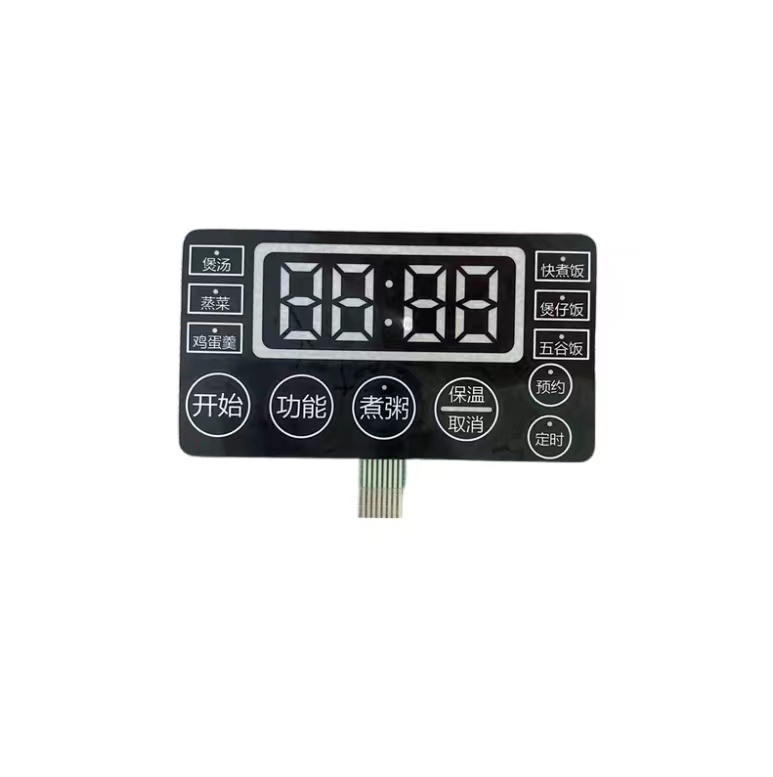
Black PC Matte Control Panel
High-tensile polycarbonate front overlay featuring clear optical LCD display windows and anti-glare micro-textured surfaces.
View Product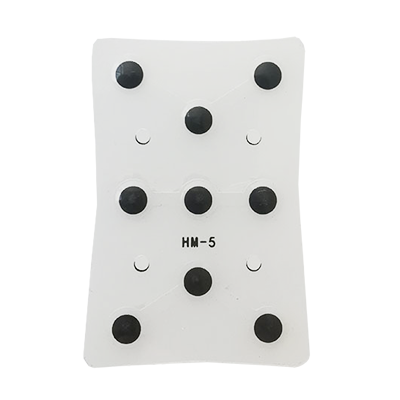
LGF Backlit Membrane Keypad Assembly
Ultra-thin Light Guide Film (LGF) architecture providing uniform graphic illumination without hotspots for casino interface terminals.
View Product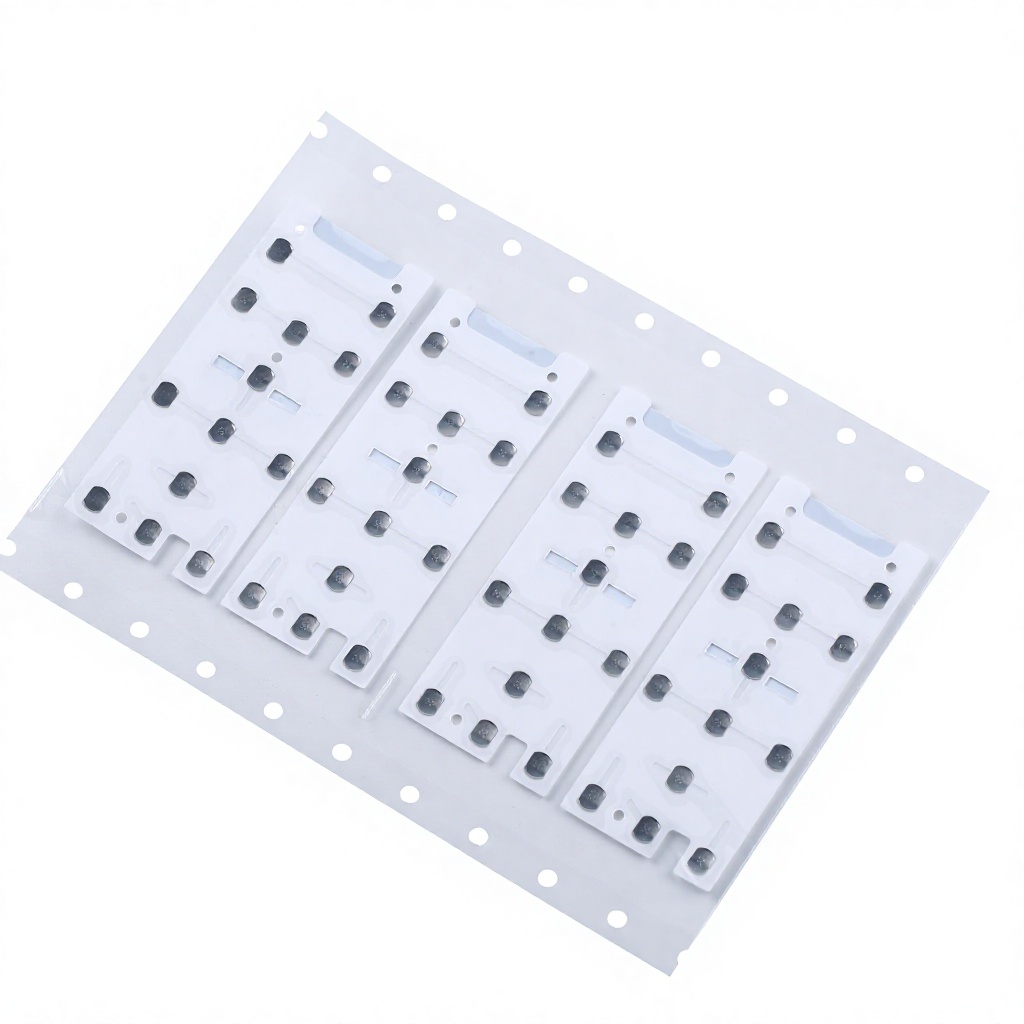
SUS301 Stainless Metal Dome Array
Single-layer custom die-cut carrier sheet loaded with nickel-plated SUS301 domes for high-cycle tactile longevity.
View ProductApplication Architecture for the Greater Las Vegas Market
Technical evaluation of membrane switch implementations across gaming, high-throughput hospitality, and commercial infrastructure.
Tactile Human-Machine Interfaces in High-Traffic Entertainment & Gaming
The Las Vegas industrial landscape occupies a unique space within electronic hardware engineering. As the premier epicenter for electronic gaming machines (EGMs), slot cabinet manufacturing, amusement kiosks, and high-volume resort automation, hardware components deployed in the Clark County basin are subject to exceptional duty cycles. Unlike standard consumer electronics, Human-Machine Interfaces (HMIs) utilized in Las Vegas casinos, sportsbooks, and entertainment venues run continuously 24/7/365, experiencing millions of human actuations under heavy mechanical stress.
Dongguan Cevra Electronic Technology Co., Ltd. supplies high-spec embossed membrane keypads, graphic overlays, and stainless-steel metal dome arrays tailored specifically to address these stringent operational demands. In electronic gaming terminals and bill validators, reliability is directly tied to revenue protection: switch bounce, silver migration, or tactile dead zones translate into machine downtime. By integrating precision-stamped SUS301 stainless steel domes (offering tactile snap ratios exceeding 45% and rated for 1,000,000 to 5,000,000 actuations), our engineering group ensures that casino floor hardware provides immediate, reassuring tactile feedback that players and operators require.
Furthermore, gaming machines and self-service ticketing kiosks in Las Vegas require distinct aesthetic appeal and specialized environmental sealing. Spilled alcoholic beverages, soda syrups, and industrial-grade quaternary ammonium sanitizers can rapidly degrade unsealed electromechanical pushbuttons. Our custom membrane switches feature seamless front overlays with full perimeter adhesive gaskets (incorporating 3M 200MP, 300LSE, or 468MP laminates). This creates an impenetrable IP65 to IP67 barrier preventing liquid ingress into underlying logic boards, while custom rim, pillow, or dome embossing creates high-tactile locating points for operators and patrons alike.
Emerging Interface Trends in the Nevada Industrial Ecosystem
How the shift toward smart automation, edge-lit aesthetics, and extreme climate durability is shaping HMI procurement in Las Vegas.
Uniform LGF & Side-Emitting LED Backlighting
Modern gaming cabinets and hospitality point-of-sale terminals demand modern visual aesthetics. The industry has shifted from bulky incandescent assemblies to ultra-thin Light Guide Film (LGF) membrane panels. By utilizing side-firing micro surface-mount diodes (SMDs) and laser-etched light distribution dots, our LGF keypad solutions achieve perfectly uniform illumination across symbols, legends, and brand logos within an ultra-low profile stack-up under 1.2mm.
Desert Climate Resilience & UV Hard-Coating
Las Vegas experiences severe climatic swings: outdoor ambient temperatures frequently exceed 110°F (43°C) during summer months, dropping significantly in winter. Outdoor valet panels, resort parking gates, fuel dispensing systems, and airport logistics terminals require UV-stabilized Autotex XE hard-coated polyester films. These specialized substrates prevent yellowing, embrittlement, and adhesive degassing caused by prolonged exposure to the intense Mojave Desert solar radiation.
Hybrid Capacitive-Tactile Sensor Integration
Hardware developers across Henderson and North Las Vegas are increasingly designing hybrid interfaces that combine sleek capacitive touch sensing with physical embossed tactile metal domes for critical operations. Our production floor integrates conductive polymer traces, capacitive sensor loops, and stainless dome cavities onto a single flexible printed circuit (FPC), giving product designers the freedom to merge capacitive slider bars with positive-click emergency controls.
Substrate & Actuation Technology Performance Matrix
Selecting the optimal substrate and layer construction is critical for long-term product survivability in Las Vegas commercial deployments. The following comparison highlights key engineering parameters across common HMI architectures.
| Performance Parameter | Autotex PET Embossed Membrane Switch | Polycarbonate (PC) Graphic Overlay | Capacitive Touch Film Switch | SUS301 Metal Dome Array (FPC/PCB) |
|---|---|---|---|---|
| Mechanical Flex Life | >5,000,000 cycles | ~50,000 cycles (Embossed) | Infinite (Solid-State) | 1,000,000 - 5,000,000 cycles |
| Chemical / Cleaning Resistance | Superior (Solvents, Alcohols, Acids) | Moderate (Sensitive to Harsh Chemicals) | Superior (Mounted Behind Glass/Acrylic) | N/A (Internal Core Component) |
| Tactile Ratio & Feedback | Crisp Snap (35% - 55% with Metal Dome) | Softer Tactile Snap | None (Requires Haptic / Buzzer IC) | Exceptional Snap Ratio (up to 60%) |
| Thermal Operating Range | -40°C to +85°C (-40°F to 185°F) | -20°C to +60°C (-4°F to 140°F) | -30°C to +85°C (-22°F to 185°F) | -50°C to +125°C (-58°F to 257°F) |
| Ideal Las Vegas Use-Cases | Industrial control, Fuel pumps, Kitchens | Indoor gaming kiosks, Display fascias | Luxury hotel controls, Smart mirrors | Handheld remotes, Keyboards, Game decks |
Dongguan Cevra: Verified Manufacturing Excellence
Why procurement officers and hardware design engineers in Nevada partner directly with our Dongguan facility.
A Fully-Integrated 2,600㎡ Production Facility — Not a Broker
Established in March 2009 in Dongguan, Guangdong, China—the global epicenter of precision electronics manufacturing—Dongguan Cevra Electronic Technology Co., Ltd. operates as a true custom manufacturer. Verified on-site by SGS Group and holding an active ISO 9001 Quality Management System certification, we control the entire vertical manufacturing sequence under one roof. Unlike export trading intermediaries, every critical layer of your membrane switch assembly—from graphic overlay printing, laser profiling, and CCD alignment drilling to automatic laminating, dome mounting, and electrical test staging—is handled in-house by our 26+ skilled engineering specialists.
Rigorous In-House Testing Laboratory
We maintain full lab capability including automated dome load testers to graph force-displacement curves, high/low temperature environmental test chambers, tension peel testers, holding tack fixtures, and electric pencil hardness gauges.
High-Precision Tooling & Printing
Equipped with class-leading semi-automatic screen printing lines, precision CNC punchers, high-speed laser cutters, and automated CCD optical drilling machines to maintain layer registration tolerances within ±0.05mm across complex multi-key arrays.
Traceable Sourcing & Rapid DFM Review
We utilize certified premium materials including Autotex polyester, Makrofol polycarbonate, genuine 3M adhesives (467MP/468MP/300LSE), and SUS301 stainless steel. Our bilingual engineering desk delivers comprehensive Design for Manufacturability (DFM) reviews within 24 hours.
Frequently Asked Questions for Las Vegas Importers & Engineers
Key technical and logistics inquiries regarding custom membrane switch production, compliance, and international shipping.
What engineering documentation is required to initiate a custom prototype quotation?
To provide a detailed manufacturability review and exact quotation, our team requires your vector graphics file (AI, CorelDRAW, or PDF with vector outlines), mechanical housing tolerances (AutoCAD DWG, DXF, or STEP format), required circuit pinout diagram, specified tactile actuation force (e.g., 250g, 350g, or 450g), termination pitch (standard 2.54mm or 1.0mm/1.27mm ZIF), and the target operating environment (indoor/outdoor, chemical exposure, backlighting preferences). Our engineering team can also reverse-engineer legacy keypads from physical samples.
Should our gaming or kiosk hardware use Polycarbonate (PC) or Polyester (PET) overlay film?
For applications experiencing high actuation cycles or chemical exposure—such as casino button panels, automated payout kiosks, or commercial kitchens—Polyester (PET, such as MacDermid Autotex) is strongly recommended. PET boasts a flex life exceeding 5 million actuations without micro-cracking and resists alcohol-based cleaning agents. Polycarbonate (PC) is ideal for flat, non-tactile fascia plates with large crystal-clear optical display windows, decorative front trims, or low-cost static informational panels where deep thermoforming or flame retardancy (UL94 V-0) is required.
How does Cevra ensure protection against ESD and silver migration in dry desert environments like Nevada?
The extremely low relative humidity in Southern Nevada creates heightened static electricity hazards. Cevra implements multi-tiered electrostatic discharge (ESD) mitigation, including continuous conductive silver-carbon or copper grid ground planes laminated into the stack-up, safely discharging static spikes up to 15kV away from sensitive host MCUs. To prevent silver migration under high DC bias, circuit traces can be overprinted with protective dielectric coatings, insulated with carbon ink cross-overs, or engineered on polyimide Flexible Printed Circuit (FPC) copper substrates.
What are the minimum order quantities (MOQ) and production lead times for shipments to Nevada?
We maintain an agile prototyping department to support product development cycles. Initial functional prototypes typically have a low MOQ of 10 to 50 pieces, with production toolings and first-article samples completed in 7 to 10 working days. Mass production lead times generally range between 12 and 18 working days depending on backlighting complexity. For Las Vegas clients, we provide direct air express shipments (via DHL, FedEx, UPS) with transit times of 3 to 5 business days, as well as consolidated ocean freight to West Coast ports (Long Beach/Los Angeles) followed by expedited truck freight to Clark County.
How are tactile actuation feel and contact resistance verified before shipment?
Every production batch undergoes automated functional testing. We utilize high-speed electrical continuity test rigs to guarantee zero open circuits, short circuits, or erratic trace impedance (contact resistance is typically kept below 100 Ohms for silver ink circuits and below 1 Ohm for FPC copper traces). Mechanical snap feel is verified using our automated Dome Load Force Tester, which plots the actuation trip force (F1), switch travel distance (S1), and release return force (F2) to ensure strict adherence to your requested click feel ratio.
Are Cevra products compliant with US import regulations, RoHS, and REACH?
Yes. All raw materials sourced for our membrane keypads—including base films, conductive inks, conductive metal domes, spacer adhesives, and wire connectors—fully comply with RoHS 3 (EU Directive 2015/863) and REACH standards. We supply Certificates of Compliance (CoC), material declarations, and SGS laboratory test data sheets with shipments to satisfy North American customs and OEM vendor qualification audits.