Precision Tactile Membrane Switches & Sensor Film Solutions
Engineered for high resilience, electrical conductivity, tactile consistency, and ingress defense in high-humidity and marine-adjacent deployments.
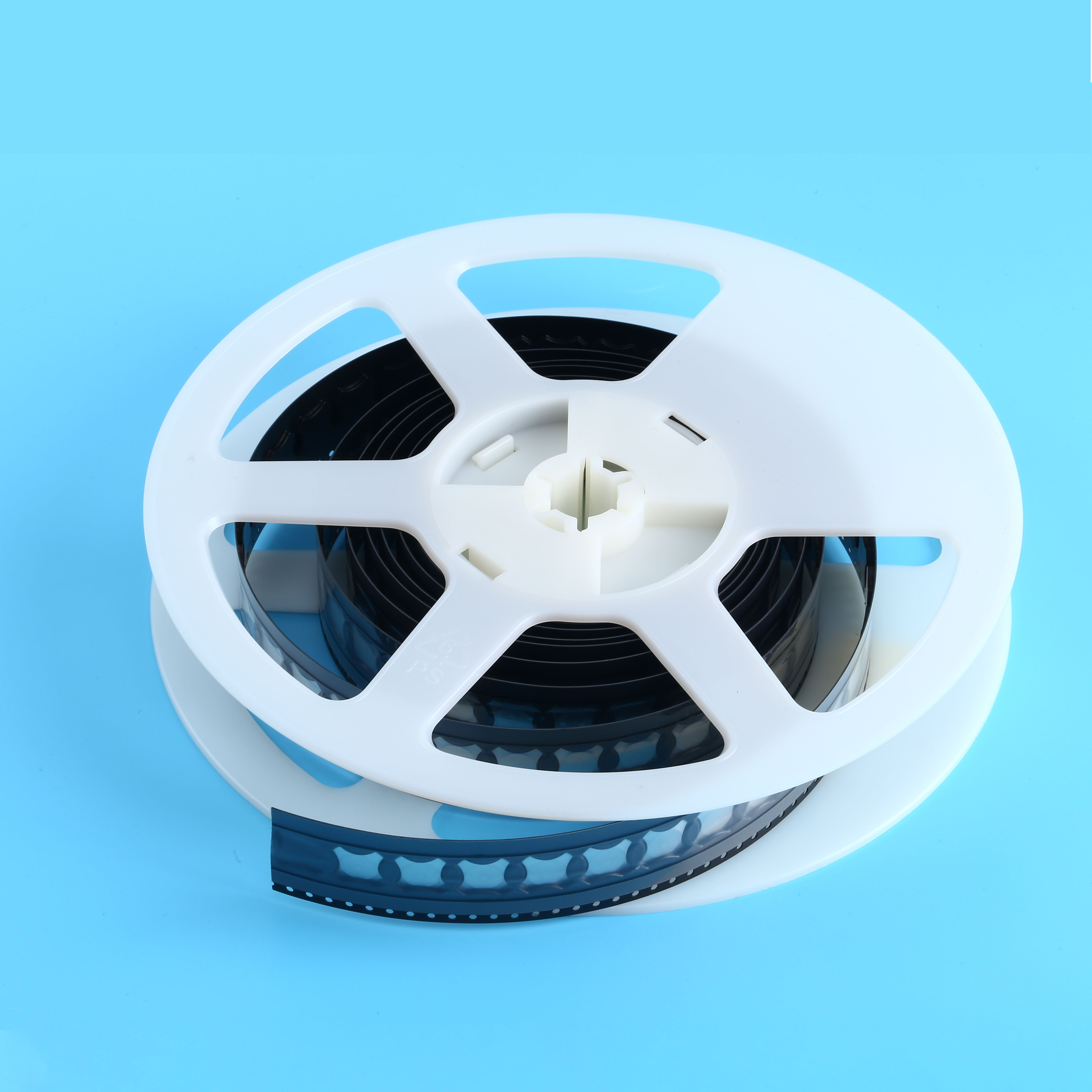
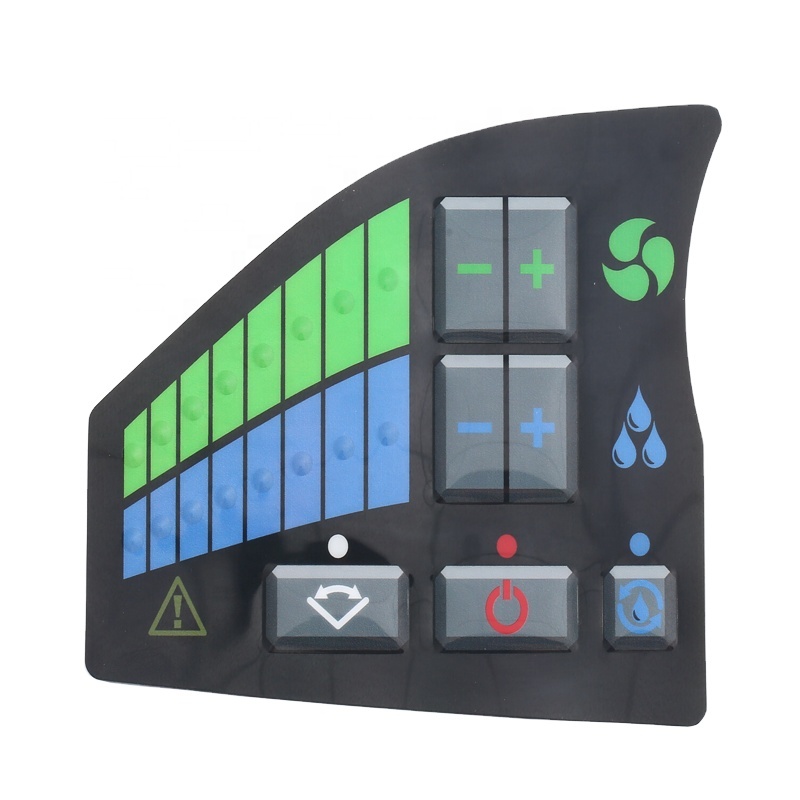
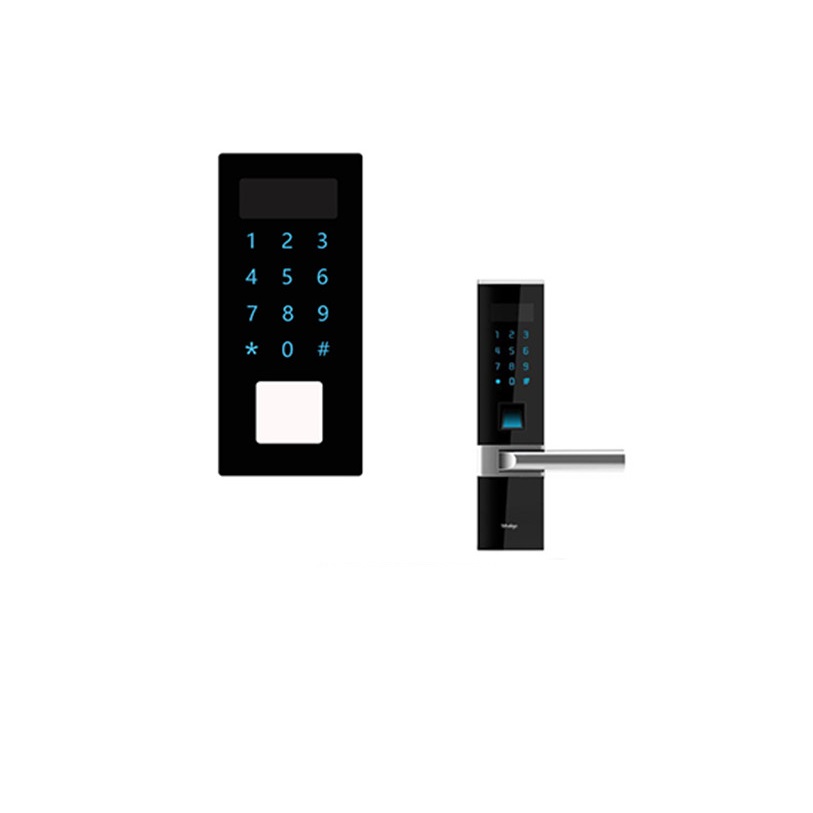
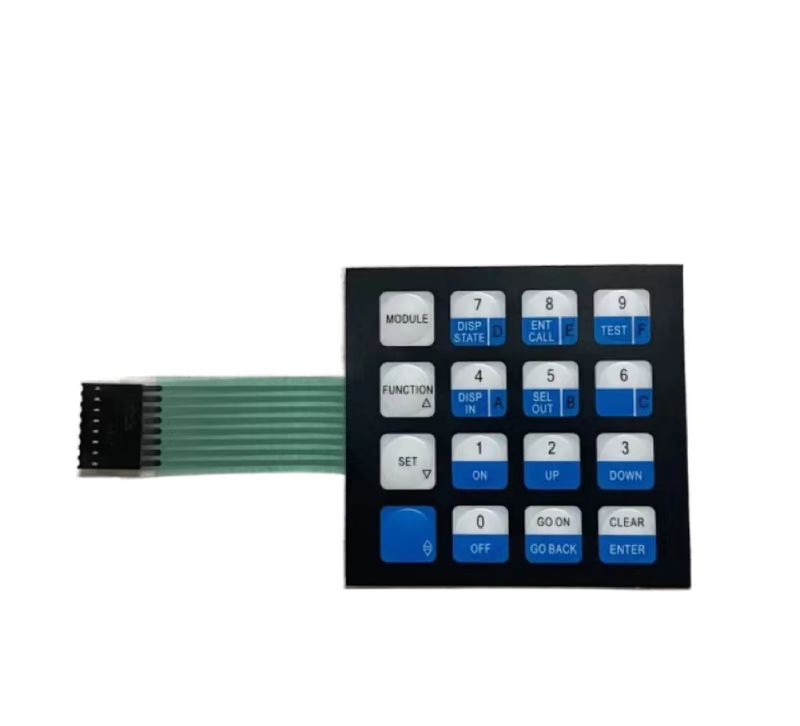
Comprehensive Technical Report: Sensor Film Switches & Thin-Film HMI Engineering
As industrial automation, maritime infrastructure, municipal utilities, and remote monitoring systems advance toward miniaturization, human-machine interface (HMI) modules face strict engineering challenges. Modern Sensor Film Switches bridge the gap between mechanical durability and sophisticated digital sensing. Moving beyond basic tactile contact, these devices integrate capacitive matrices, resistive force-sensing resistors (FSR), and flexible printed electronics directly into micro-thin sub-millimeter profiles.
1. Architecture of Industrial-Grade Sensor Thin Films
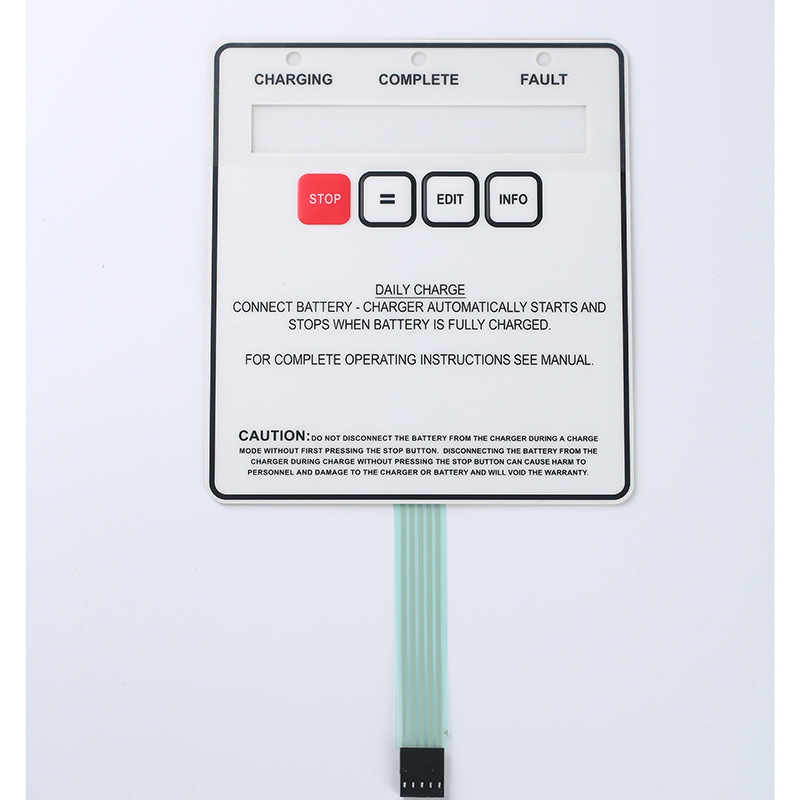
The operational longevity of a membrane sensor switch relies on precision layer formulation. In high-performance settings, our factory produces multilayer assemblies engineered to isolate conductive pathways against thermal contraction, chemical vapor exposure, and mechanical stress fatigue:
- Graphic Overlay Exterior: Medical-grade Autotype polyester (PET) or ultraviolet-stabilized Lexan polycarbonate (PC) treated with matte, textured, or anti-glare coatings to withstand heavy scrubbing, harsh UV radiation, and broad pH detergents.
- Micro-Embossed Actuation Zones: High-precision rim or pillow embossing calibrated to deliver clear physical alignment for machine operators wearing protective gloves.
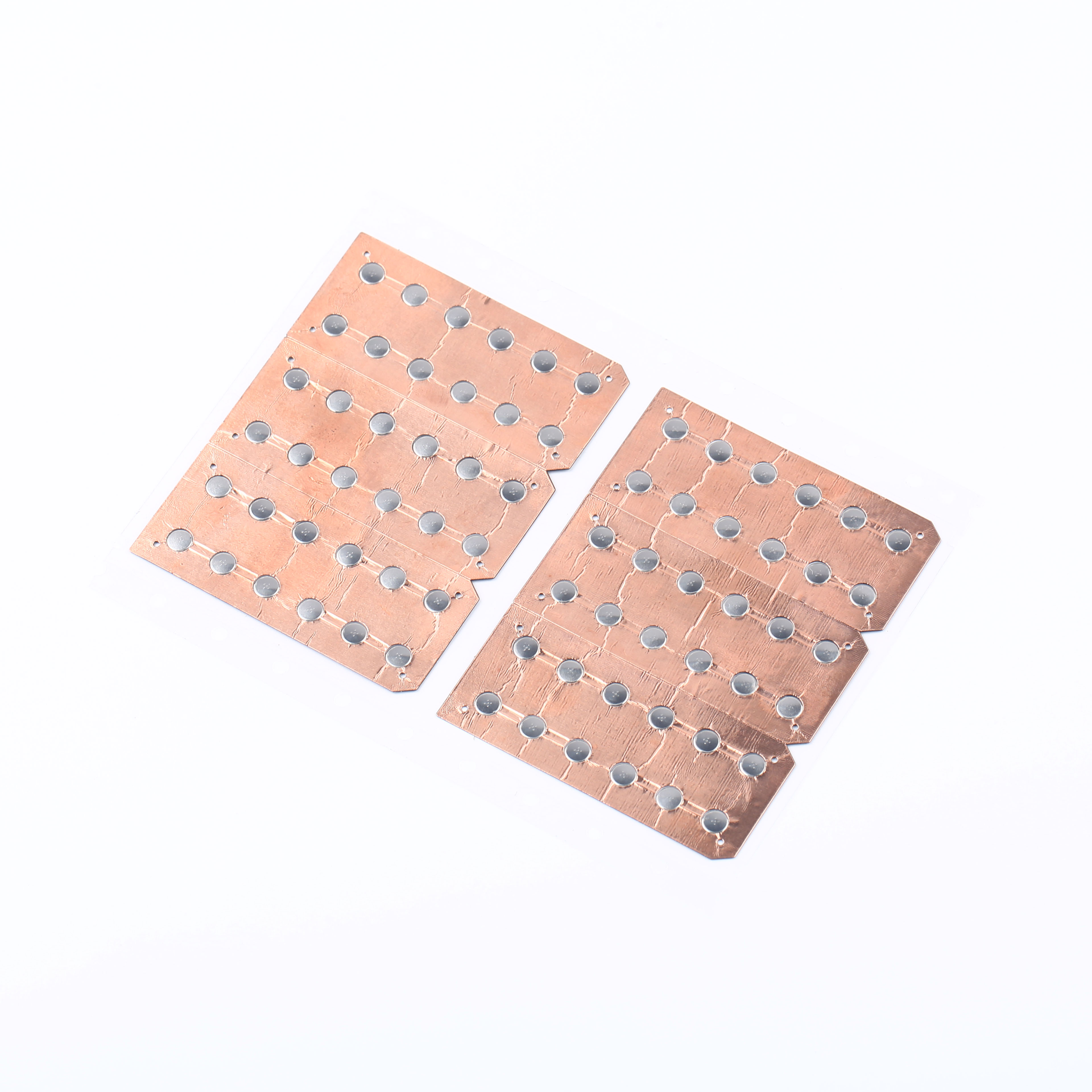
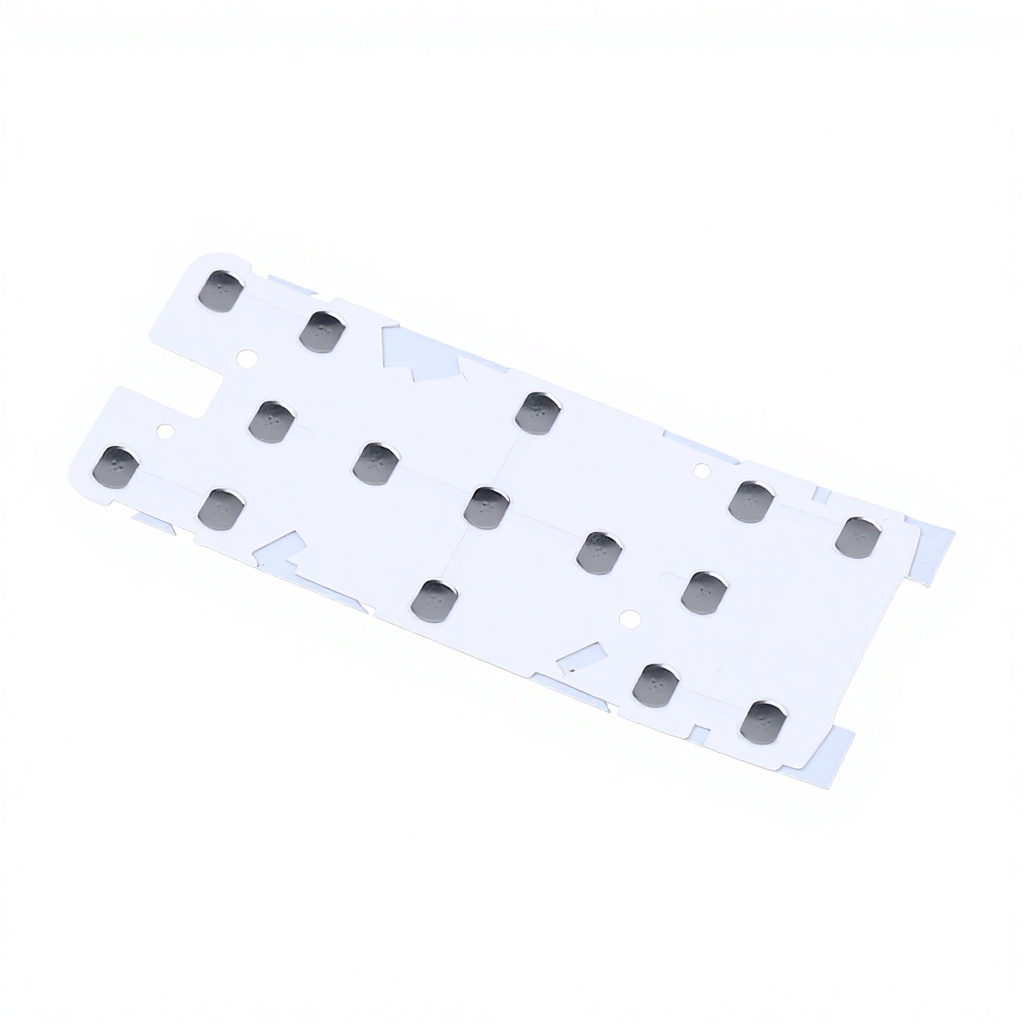
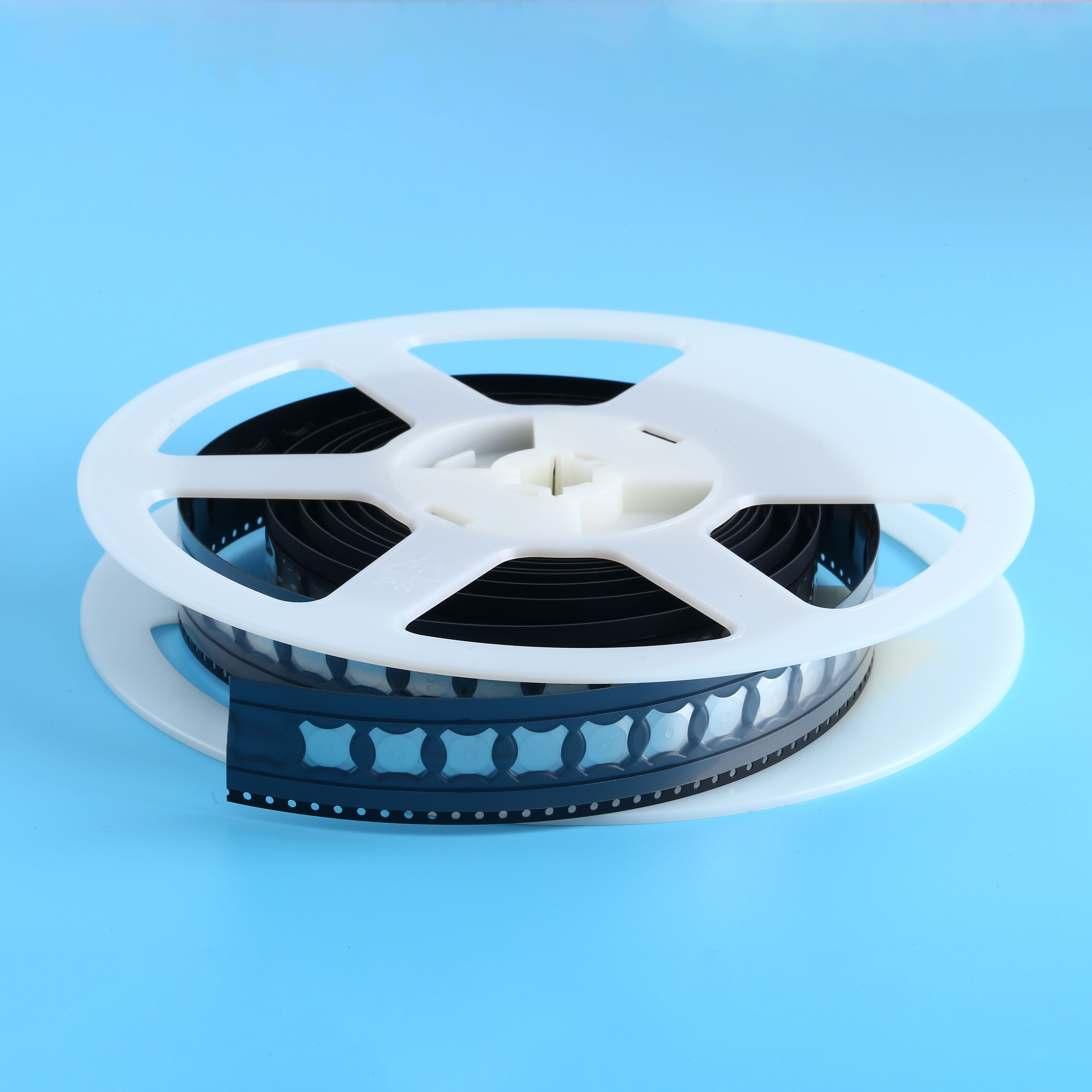
- Tactile Core Layer: High-tensile stainless steel snap domes (SUS301/SUS304) with selective nickel or immersion gold electroplating, guaranteeing contact resistance under 1 ohm and exceeding one million reliable mechanical actuations.
- Sealing Spacers & Gas Venting: High-performance 3M 467MP/468MP acrylic adhesives paired with laser-machined micro-venting channels that balance internal atmospheric pressure shifts without compromising IP67 ingress barriers.
- Flexible Printed Circuitry (FPC/PET): Screen-printed low-resistance silver conductive inks baked under controlled thermal profiles, reinforced by carbon overcoats to prevent electrochemical migration under sustained DC loads.
| Evaluation Parameter | Tactile Dome Sensor Switch | Capacitive Thin-Film Sensor | Resistive Force-Sensing Array |
|---|---|---|---|
| Actuation Profile | Definite mechanical snap (160g – 450g) | Solid-state proximity / zero actuation force | Dynamic analog pressure gradient |
| Environmental Ingress Protection | IP65 to IP67 with perimeter adhesive gaskets | Hermetic IP68/IP69K seamless barrier | IP65 encapsulated enclosure |
| Operating Temperature Rating | -40°C to +85°C continuous | -20°C to +70°C solid-state | -30°C to +75°C continuous |
| Electrochemical Migration Barrier | Dielectric layer overcoat + carbon print | Continuous conductive ITO/PEDOT film | Polymer thick-film encapsulation |
| Best Marine / Remote Utility Use | Control panels with gloved operator input | Sealed touch interfaces and cleanrooms | Continuous fluid/weight level monitoring |
2. Localized Deployment Realities: Operating in Nauru and Pacific Island Microclimates
Nauru’s equatorial maritime climate presents distinctive engineering hurdles for electronics and electromechanical assemblies. Situated in the central Pacific Ocean, the island experiences year-round temperatures averaging 30°C, ambient humidity levels consistently surpassing 80%, high levels of airborne maritime saline spray, and distinct phosphate mineral dust residues. Standard commercial switches often suffer early breakdown due to salt crystal fouling, trace corrosion, and delamination.
Phosphate Mining, Heavy Extraction, and Processing Systems
Nauru’s ongoing primary industrial activities revolve around phosphate extraction, handling, and transshipment. Phosphate dust is hygroscopic, fine, and chemically active. When fine particulate settles across unsealed mechanical contacts, it absorbs ambient moisture to create a corrosive paste that corrodes unplated switches and causes trace shorts. Our IP67-rated sealed sensor switches use closed perimeter adhesive barriers that safeguard electrical contacts from corrosive mineral particulate.
Seawater Desalination, Water Reverse Osmosis, and Pumping Facilities
Because Nauru relies on desalination and groundwater systems, municipal utility pumps operate close to corrosive seawater. Control panels face humid maritime winds, temperature swings, and chemical splashes. By using solid-state capacitive sensor films and stainless steel SUS301 metal dome arrays protected by antimicrobial, chemically resistant PET overlays, municipal operators get a sealed control surface that prevents moisture penetration.
Renewable Solar Arrays and Island Microgrid Storage
To reduce dependence on imported diesel fuel, Nauru continues deploying grid-scale and distributed solar photovoltaic arrays alongside battery energy storage systems (BESS). Outdoor inverter panels and field monitoring equipment endure high solar UV radiation and rapid temperature fluctuations. Cevra’s UV-resistant graphic overlays protect internal circuitry from cracking, yellowing, and thermal separation under intense equatorial sun.
Telecommunications, Port Terminals, and Navigational Infrastructure
Harbor terminals and maritime navigational systems on Nauru require resilient HMIs for crane panels, radio units, weather stations, and telemetry transmitters. In moisture-heavy air, open mechanical pushbuttons often develop internal surface oxidation. Our hermetically sealed membrane switches, built with gold-plated contact pads and non-corroding FPC tails, maintain low circuit resistance even after years of salt mist exposure.
3. Strategic Sourcing Architecture: Connecting China's Manufacturing Strength with Nauru
Operating a specialized facility in small island economies like Nauru comes with steep economic overheads, limited access to specialized raw polymer films, and high maintenance costs for cleanrooms. The optimal supply chain structure combines direct engineering partnerships with specialized production facilities in China, such as Dongguan Cevra Electronic Technology Co., Ltd., backed by dependable global air freight to Nauru International Airport (INU).
By producing components within Dongguan’s established electronics corridor, Cevra provides access to automated roll-to-roll screen printing, precise laser cutting, and certified environmental testing labs. In addition, our scalable production runs make it practical to support low minimum order quantities (MOQs) for field replacements, pilot runs, and specialized utility projects.
Why International Engineers Choose Cevra
Direct from our Dongguan facility: verified quality management, full in-house capabilities, and certified materials built to international standards.
16+ Years Direct Factory Operations
Established in March 2009 in Dongguan, China, Cevra is an authentic ISO 9001 certified manufacturer with 2,600㎡ of in-house cleanroom and production space, eliminating trading markups and communication gaps.
Third-Party Audited & SGS Verified
Our production floor, test labs, and quality systems undergo rigorous onsite verification by SGS Group. Every custom build includes verifiable material test sheets and traceable batch documentation.
Full In-House Fabrication Workflow
From CCD alignment drilling, precision screen printing, and laser die-cutting to automated layer lamination and dome positioning, all assembly stages remain under our direct control.
Stringent Reliability Laboratory
Equipped with high/low temperature chambers, dome load dynamic testers, holding tack testers, peel tension meters, and pencil hardness testers to ensure performance in demanding environments.
OEM/ODM Design for Manufacturability
Our engineering team provides comprehensive DFM analysis, advising on circuit trace widths, connector pitch, LED backlighting selection, and custom layer stack-ups tailored to your enclosure.
Global Logistics & Flexible MOQ
We accommodate low-volume initial runs and rapid prototyping (down to 10 pcs for custom overlays) paired with reliable air express delivery directly to Nauru and worldwide locations.
Frequently Asked Questions for Sourcing & Engineering
Direct technical answers addressing environmental resistance, tooling specifications, and international delivery protocols.
How do sensor switches withstand Nauru’s humid marine conditions?
What engineering design files are required to initiate tooling and sample fabrication?
What are the differences between PET and Polycarbonate (PC) overlays in tropical island settings?
How can engineers test and inspect metal snap dome performance across high-volume production batches?
What are your minimum order requirements (MOQs) and standard transit times to Nauru?
Ready to Build Your Custom HMI or Sensor Switch Assembly?
Submit your CAD drawings, overlay schematics, or operational criteria. Our engineering team will review your files and provide a manufacturability review and quote within 24 hours.
Inquire Now