Engineered Solutions for Czech OEMs
Featured Interface & Membrane Switch Assemblies
Tailored directly to the operational specifications of Central European hardware developers, offering superior ingress protection, mechanical longevity, and customized tactile actuation profiles.
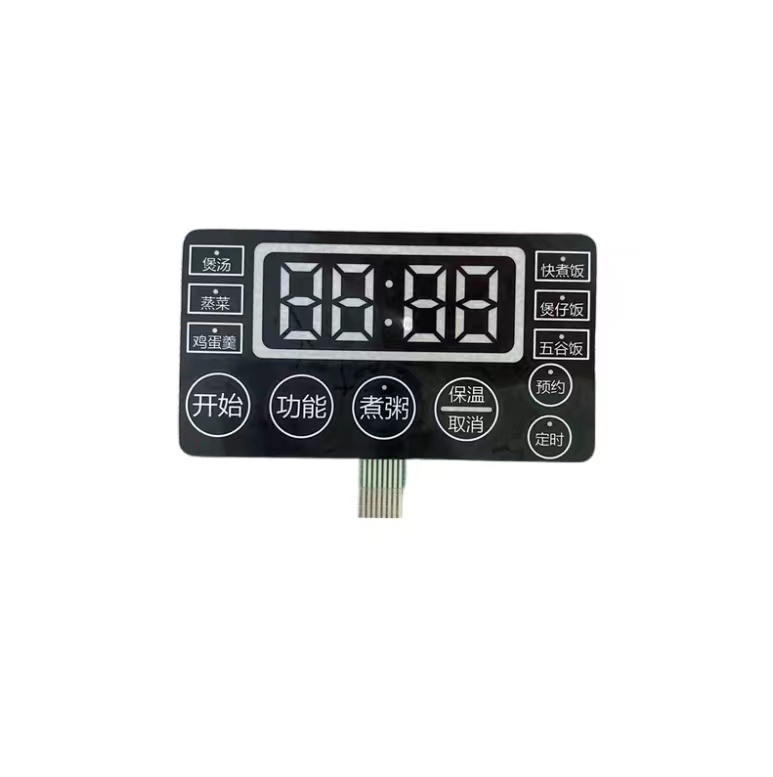
LGF Backlit Membrane Keypad with Metal Dome Array
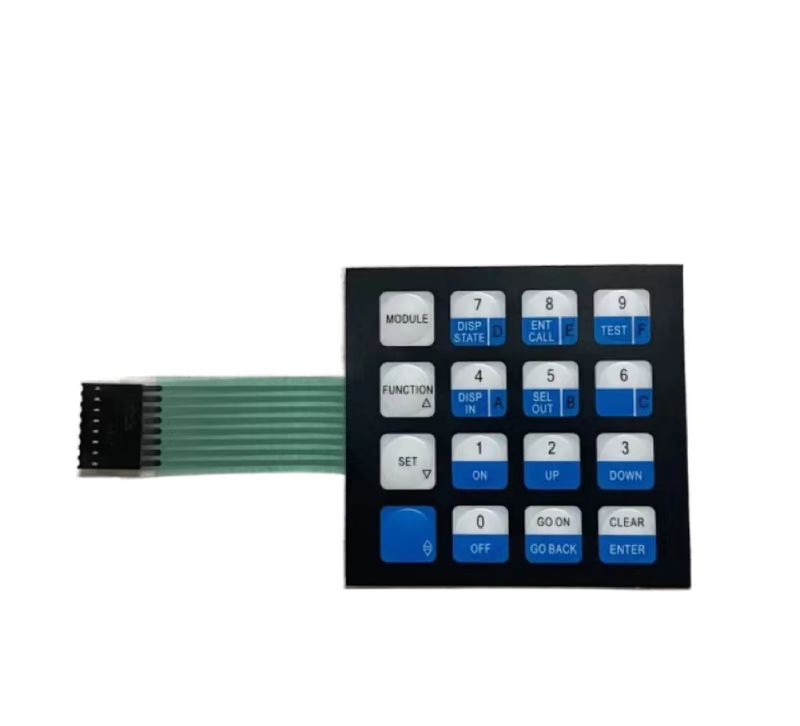
Custom 4x4 Matrix Tactile Dome Flexible Switch
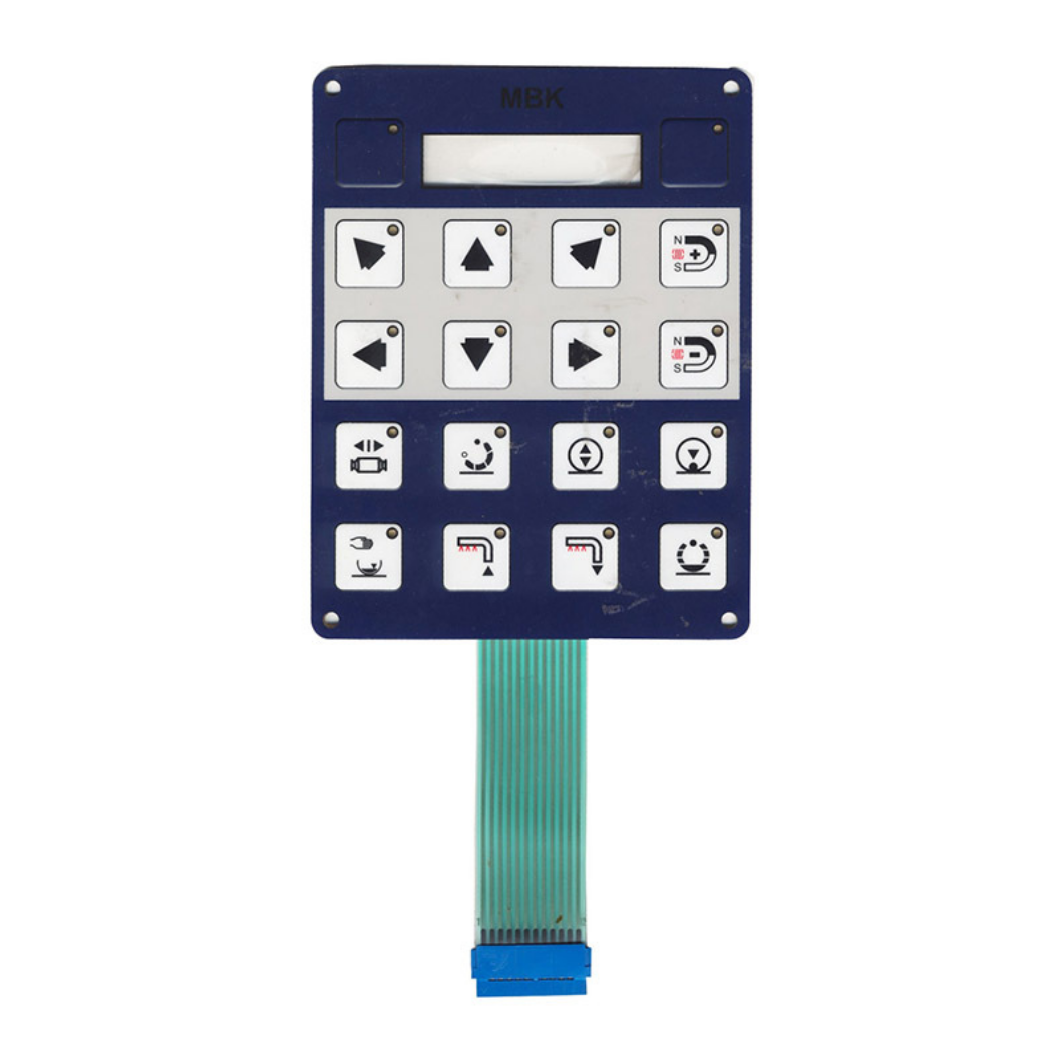
Precision 1-Row 4-Key Linear Input Membrane Panel
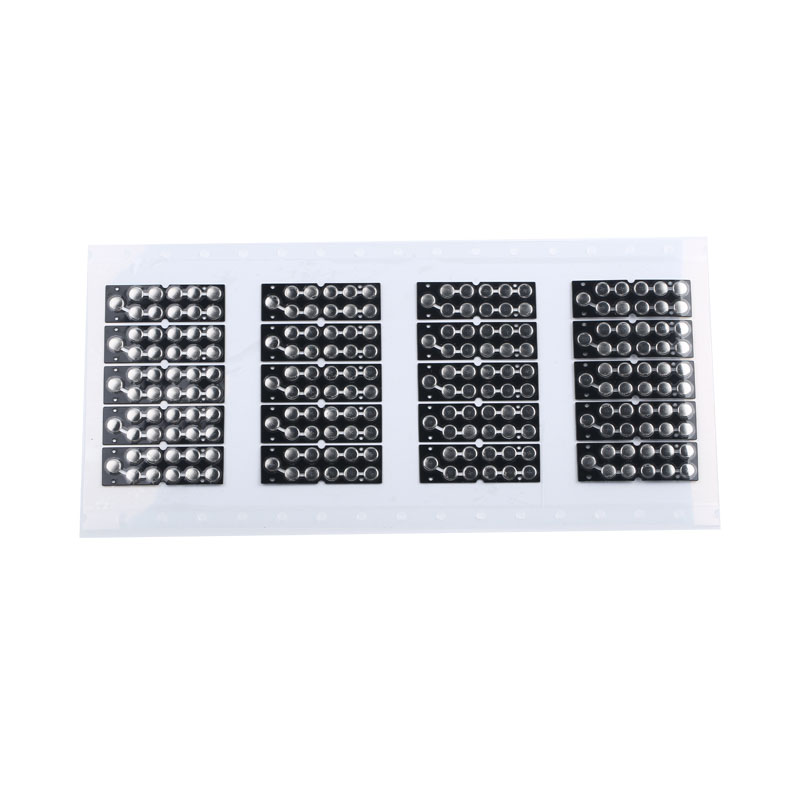
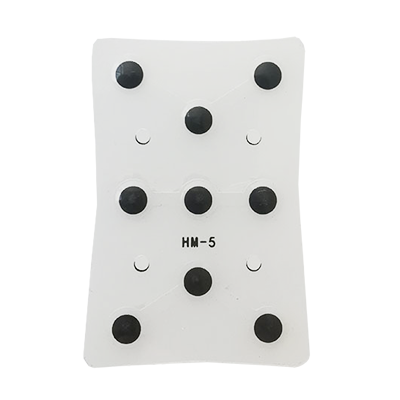
Single-Layer Adhesive Round Metal Dome Array Sheet
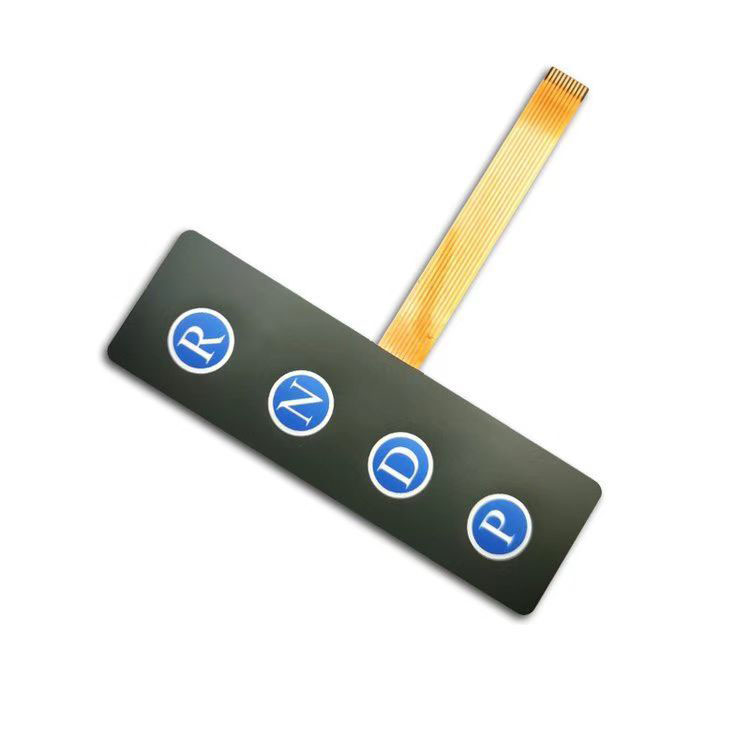
Embossed Backlit Industrial Multi-Button Interface
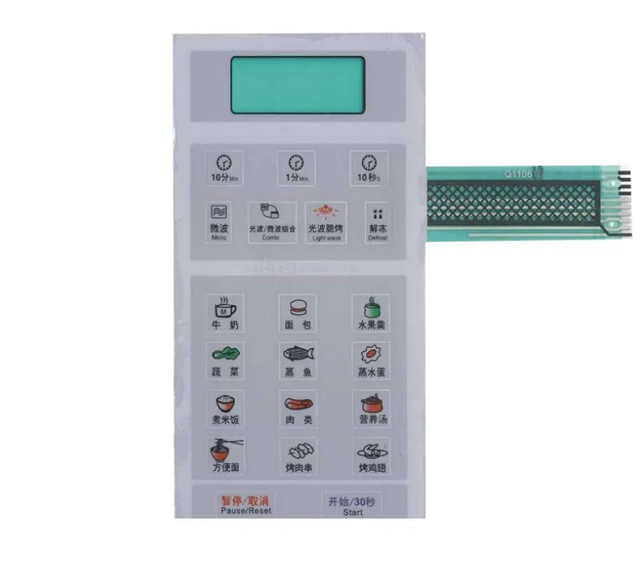
Standard Industrial Electronic Control Overlay Assembly
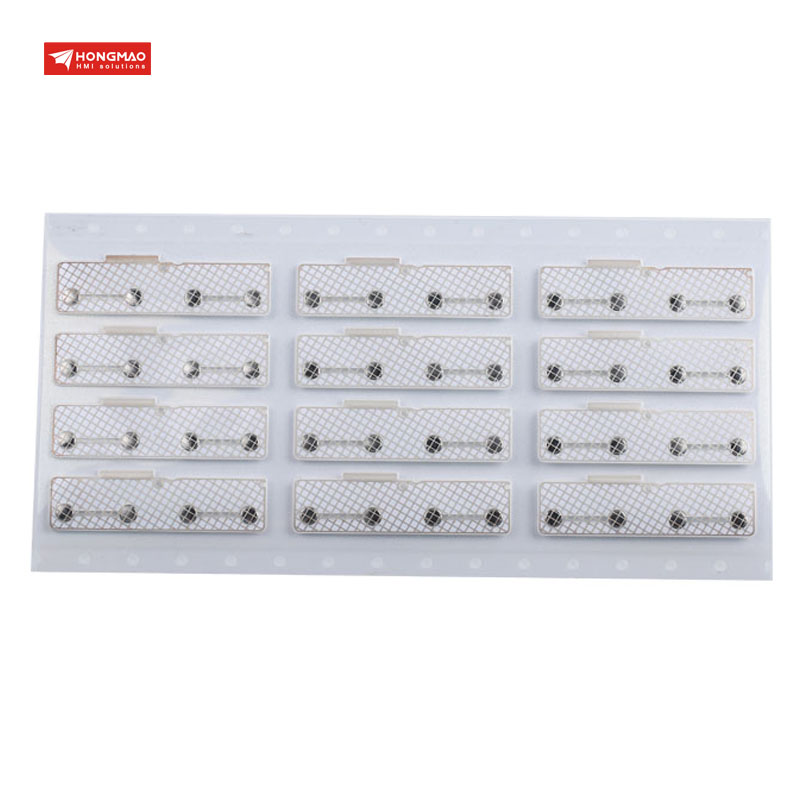
Double-Sided SUS301 EMI Shielded Stainless Dome Array
Regional Engineering Context
Strategic HMI Integration for the Czech Republic & Central Europe
A comprehensive technical evaluation of membrane switch dynamics within Bohemia's advanced manufacturing hubs, precision medical clusters, and transport infrastructure.
Prague as a Nucleus for Central European Embedded Systems
The Greater Prague metropolitan area and the wider Central Bohemian Region (Středočeský kraj) serve as a premier intersection for European embedded systems design, machine tool production, and advanced industrial automation. As Czech manufacturers accelerate initiatives surrounding Industry 4.0 (Průmysl 4.0), the requirement for ultra-durable, mechanically resilient, and hermetically sealed Human-Machine Interfaces (HMIs) has escalated dramatically.
Historically reliant on standard electromechanical pushbuttons, Czech original equipment manufacturers (OEMs) are modernizing their interface architectures toward integrated membrane assemblies. Membrane switches provide complete planar sealing (meeting IP65 to IP67 ingress protection standards), which proves indispensable for machine shops throughout Bohemia where aerosolized cutting fluids, particulate dust, and vibration are routine operating conditions.
Engineering Principle: Ingress protection in membrane switches is achieved through continuous perimeter gasket adhesive die-cutting (utilizing 3M 200MP or 300LSE adhesive matrices), which eliminates fluid ingress pathways common to traditional cut-out chassis switches.
Localized Industrial Application Profiles Across the Czech Republic
Procurement teams and hardware development leads from Prague to Brno, Plzeň, and Ostrava source membrane switch assemblies across four primary industrial domains, each with strict environmental and tactile specifications:
- Automotive Assembly & Test Automation (Škoda Auto Ecosystem): Diagnostic interfaces, mobile teach pendants, and quality assurance control consoles requiring high resistance to grease, brake fluids, and shop floor cleaning agents. Autotex textured polyester (PET) overlays remain the standard due to superior chemical resistance compared to standard polycarbonate (PC).
- Bohemian Medical Electronics & Diagnostic Devices: Cleanable, flush graphic interfaces engineered for bedside monitors, infusion pumps, and lab analyzers. These assemblies integrate anti-microbial coatings and capacitive switch configurations with backlighting to ensure sterility and error-free low-light readability.
- Railway & Heavy Traction Electronics (Škoda Transportation corridors): Traction power substations, passenger signaling devices, and driver cabin peripherals that mandate wide operating thermal ranges (-40°C to +85°C) and stringent electromagnetic compatibility (EMC/EMI shielding).
- Precision Instrumentation & CNC Controls: Machine tool control interfaces demanding distinct snap-tactile feedback (typically 280g to 450g trip forces) using nickel-plated SUS301 stainless steel domes that allow machine operators wearing heavy work gloves to receive unmistakable physical confirmation of every command.
Technical Comparison: Overlay Substrates for Czech Industrial Demands
Selecting the optimal graphic substrate is the first point of failure in severe industrial environments. Below is our engineering baseline when quoting Prague engineering designs:
| Substrate Property | Biaxially-Oriented PET (Autotex / MacDermid) | Optical Polycarbonate (Lexan / Makrofol) | Hybrid FPC / Acrylic Touch |
|---|---|---|---|
| Flexural Fatigue Life | >5,000,000 cycles (Superior for key embossing) | <100,000 cycles (Prone to stress cracking) | Static surface; zero mechanical flex |
| Chemical Resistance | Resistant to alcohols, hydrocarbons, mild acids | Vulnerable to aromatic hydrocarbons & ketones | High surface hardness (up to 7H with glass) |
| Embossing Stability | Requires thermo-hydroforming; permanent shape | Cold embossable; easy forming for display windows | Planar only |
| Primary Czech Use-Case | Heavy industrial CNC, railway, automotive labs | Indoor home appliances, measurement windows | Medical touchscreens, cleanroom HMIs |
The Shift Toward Backlighting & Light Guide Film (LGF) in Modern Prague HMIs
Modern European ergonomics dictate that interface states must remain unambiguous in variable ambient light conditions. While traditional membrane switches relied on discrete surface-mount LEDs soldered to flexible printed circuits (FPCs), this architecture often yielded uneven light hotspots and increased overall switch thickness. For the modern Czech instrumentation sector, Dongguan Cevra specializes in incorporating thin Light Guide Film (LGF) layers measuring just 0.125mm to 0.25mm. By coupling side-firing micro-LEDs into high-refraction optical microstructure guides, we produce perfectly uniform graphic illumination across complex key icons, operational status lines, and corporate branding legends while maintaining an ultra-thin stack profile under 1.2mm total thickness.
Market Evolution
Emerging HMI Trends Shaping the Bohemian Market
How Czech system integrators are navigating modern interface challenges with our specialized manufacturing capabilities.
EMI/RFI Shielding for CE Compliance
As EU machinery directives and EMC regulations become more stringent, Czech equipment builders require integrated shielding. Cevra incorporates double-sided printed silver grids, solid aluminum foil, or ITO-coated transparent films that ground electromagnetic interference directly to the housing ground lug.
Capacitive Sensing Combined with Tactile Domes
Hardware innovators in Prague are increasingly combining smooth capacitive touch sensors (ideal for scrolling and menu navigation) with physical snap metal domes for mission-critical e-stop or power toggles. Our hybrid fabrication capabilities bridge both technologies in a single stack-up.
Rigid Backer Integration (FR4 & Aluminum)
To reduce final assembly cycle times at Czech assembly plants, Cevra supplies turnkey membrane switches premounted to CNC-machined anodized aluminum plates or FR4 PCBs with integrated PEM press-fit studs, converting component supply into plug-and-play modules.
Verified Manufacturer Credibility
Why European Engineers Direct-Source from Dongguan Cevra
Operating as an ISO 9001 certified manufacturing plant rather than a trading intermediary, we provide direct engineering oversight, stringent material traceability, and scalable mass production.
SGS Onsite Verified Factory
Our 2,600㎡ Dongguan facility has been independently audited and verified on-site by SGS Group. From cleanroom screen printing lines to automatic laminating presses, our hardware footprint satisfies Western European vendor compliance mandates.
16-Year In-House Stamping & Tooling
Established in March 2009, we build our own precision stamping dies for 4-leg, round, and triangular metal domes in SUS301 stainless steel. With over 15 qualified partner material suppliers, we control raw material consistency from incoming reels to final shipping cartons.
Strict Reliability & Lab Validation
Every shipment bound for the EU is subject to automated CCD vision inspection, 100% electrical circuit continuity testing, dome actuation load testing, pencil hardness scratch tests, holding tack adhesion checks, and thermal shock chamber cycling (-40°C to +85°C).
Seamless EU Logistics & Alibaba Trade Assurance
We routinely support Czech engineers with rapid prototyping (CAD/Gerber review within 24 hours), fast air couriering via DHL/FedEx to Prague Václav Havel Airport (PRG), and fully secured transactional workflows protected by Alibaba Trade Assurance for peace of mind.
Purchasing Intelligence
Frequently Asked Questions by Czech Procurement & Technical Leads
Key considerations regarding European import compliance, prototyping timelines, technical drawing formats, and tactile tuning.
Are Cevra membrane switches compliant with EU RoHS and REACH regulations?
Yes. All raw materials sourced for European production—including PET films, silver conductive inks, 3M acrylic adhesive transfer tapes, carbon overcoats, and metal domes—are fully compliant with the latest EU RoHS Directive (EU) 2015/863 and REACH regulation (EC 1907/2006). Comprehensive SVHC test certificates are available upon project quotation.
What is the typical prototype lead time and delivery schedule to the Prague area?
Upon sign-off of our production layer stack-up drawing and graphic artwork proof, membrane switch and overlay prototypes are typically fabricated within 7 to 10 working days. Rapid air express delivery from Shenzhen/Guangzhou to Prague or Brno takes 3 to 5 business days, allowing Czech R&D teams to validate fit and function rapidly before mass release.
What file formats are required for our hardware engineers to receive DFM feedback?
We accept CAD engineering files in DXF, DWG, or STEP format for mechanical dimensions, cutout locations, tail length, and connector pitch. For graphic overlays, vector artwork files in Adobe Illustrator (.AI), vector PDF, or CorelDraw with Pantone matching system (PMS) color codes or RAL identifiers ensure 100% color fidelity across production batches.
How do we choose between printed silver circuits and flexible copper circuits (FPC)?
For standard matrix keypads where circuit traces carry small signals (under 100mA at 5-30V DC), screen-printed conductive silver ink on PET film is the most cost-effective and reliable solution. If your design integrates active surface-mount components (dense SMT LEDs, resistors, IC drivers) or requires trace pitches under 1.0mm (such as 0.5mm ZIF connectors), an etched copper FPC substrate is recommended to prevent silver migration.
Can you provide custom tactile force profiles for operators wearing protective gloves?
Yes. For industrial equipment used in automotive plants or cold environments where operators wear work gloves, standard consumer snap domes (180g-220g) may lack physical feedback. We produce 4-legged metal domes with actuation forces ranging up to 350g, 400g, or 500g, engineered with pronounced rim or center dimples to provide unmistakable feedback through heavy gloves.
What Minimum Order Quantities (MOQs) apply for custom production runs?
To support Czech R&D labs and niche machinery manufacturers, our MOQ starts as low as 10 to 50 pieces for specialized graphic overlays and prototype batches. For customized membrane switch assemblies, standard runs typically begin at 100 pieces, while bulk metal dome arrays scale to hundreds of thousands of units with volume price tiering.