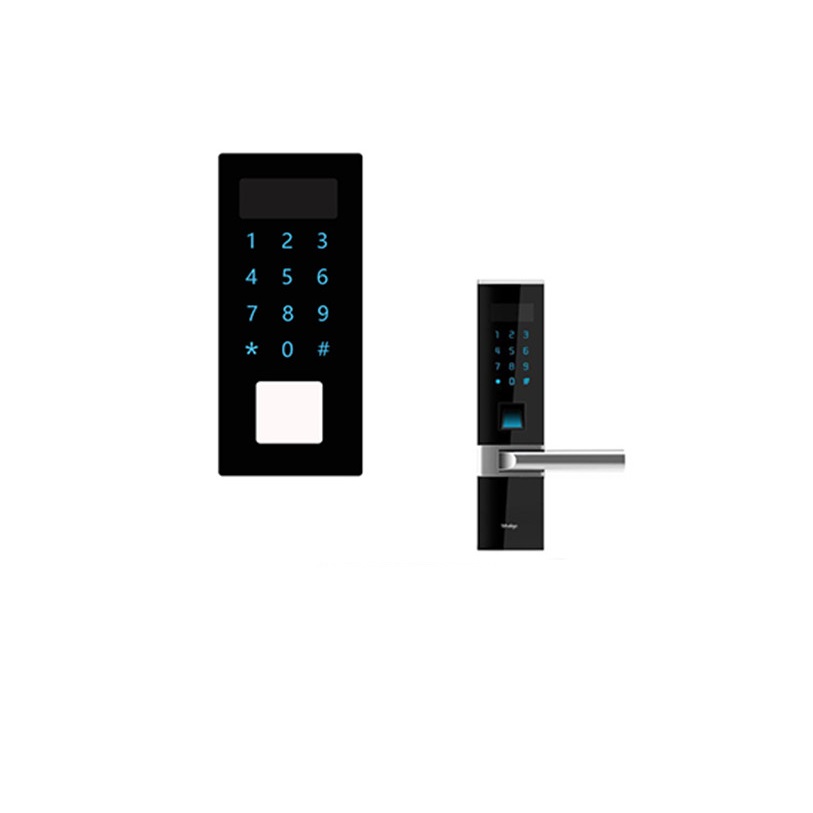
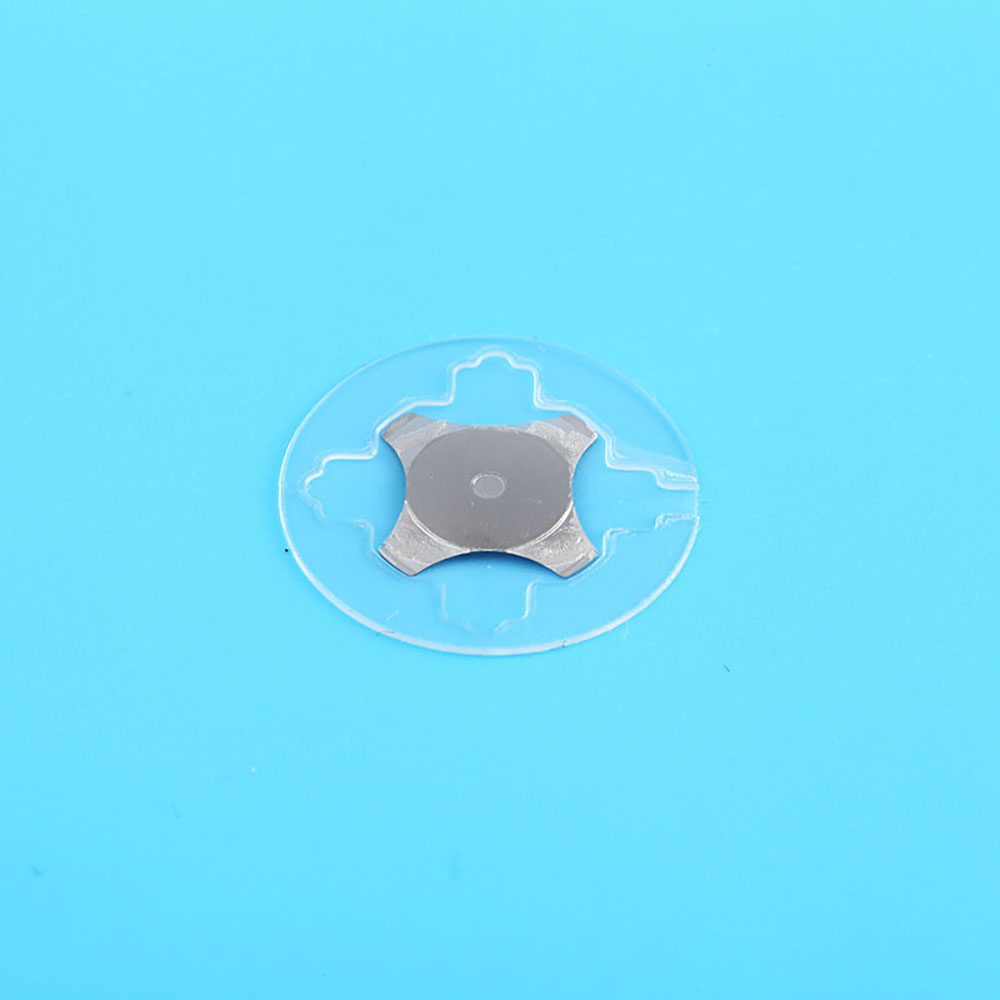
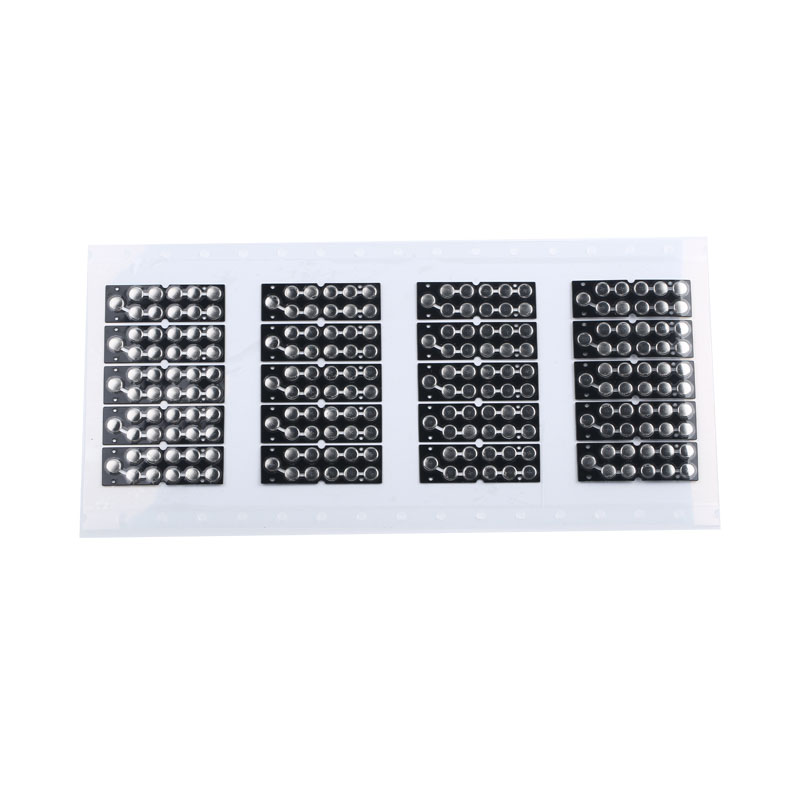
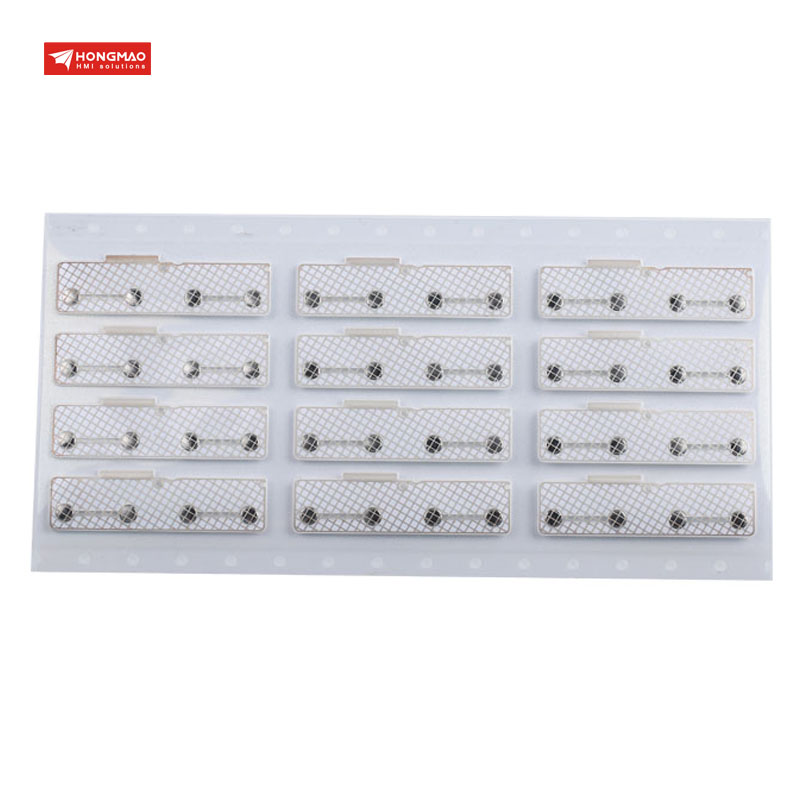
Deploying electronic user interfaces within the unique microclimate of Saint Vincent and the Grenadines introduces unforgiving environmental stressors that trigger catastrophic field failures in generic, commercial-grade membrane keypads. Engineers, system integrators, and OEM procurement directors operating across the Kingstown commercial zone, the Port of Kingstown, Bequia maritime shipyards, and private Grenadine resort infrastructure face a triple threat: pervasive airborne sodium chloride crystallization, continuous solar ultraviolet degradation (average UV Index exceeding 11 throughout 300+ days a year), and cyclical thermal-humidity delamination.
"A standard commercial polycarbonate membrane switch installed on coastal machinery in St. Vincent typically experiences embrittlement, window clouding, and adhesive creeping within 9 to 14 months if standard indoor acrylic adhesives and non-stabilized polymers are specified."
1. Accelerated Salt Fog & Galvanic Oxidation Resilience (ASTM B117 Compliance)
The maritime atmosphere across SVG carries fine aerosolized seawater carried by easterly trade winds. When standard silver conductive inks are exposed to micro-breaches or moisture penetration through switch borders, galvanic corrosion and silver electromigration occur rapidly. Under electrical potential, silver ions migrate between adjacent conductive traces across wet dielectric gaps, establishing dendritic bridges that create irreversible short circuits.
To eliminate silver migration in SVG installations, Dongguan Cevra Electronic Technology Co., Ltd. implements two distinct engineering countermeasures:
- Carbon Blended Barrier Passivation: 100% encapsulation of silver circuit traces utilizing a cross-linked conductive carbon ink overcoat. The carbon barrier prevents moisture contact with raw silver, ensuring consistent insulation resistance (>100MΩ at 100V DC) even after prolonged exposure.
- Flexible Copper Clad Laminate (FPC) Polyimide Cores: For mission-critical marine navigational cockpits and water utility pump stations, our engineering department converts silver-printed polyester circuits to rolled-annealed copper FPC assemblies with gold-plated contact fingers (ENIG finish), yielding total immunity to environmental oxidation and vibration-induced trace fracturing.
2. Polymer Degradation Dynamics: Autotex XE PET vs. Standard Polycarbonate
The choice of overlay substrate dictates the operational lifespan of machinery operating under the harsh Caribbean sun. While standard Polycarbonate (PC) offers optical clarity and ease of deep thermoforming, unshielded PC is inherently susceptible to photodegradation. Ultraviolet-B photon absorption causes scission of the polymer backbone, causing noticeable yellowing, hazing of LED/LCD display windows, and surface micro-cracking within months.
For St. Vincent & the Grenadines, Cevra standardizes on chemically stabilized biaxially oriented polyethylene terephthalate (specifically MacDermid Autotex XE or equivalent hardcoated marine-grade PET). The fluoropolymer hardcoat absorbs destructive UV radiation, preserving transparency (>89%) and tactile switch flex life up to 5,000,000 continuous switch flexes without micro-fracturing along key embossing ridges.
| Performance Metric |
Standard Graphic PC (Lexan 8B35) |
Premium Hardcoated PET (Autotex XE) |
PMMA Acrylic Structural Overlay |
| UV Resistance (Florida 2-Yr Equivalent) |
Yellowing Index > 8.0 (Fails) |
Yellowing Index < 1.5 Passed |
Inherent UV Stability Superior |
| Tactile Actuation Fatigue |
~100,000 – 250,000 cycles |
>5,000,000 cycles Military Grade |
Rigid (Non-Actuating) |
| Salt Spray Corrosion (ASTM B117) |
Adhesive perimeter edge creep |
Impervious with 3M 300LSE/468MP |
Impervious Hermetic Bond |
| Chemical & Solvent Resistance |
Vulnerable to hydrocarbons & DEET |
Resistant to fuels, salts, washdown |
Resistant to mild cleaners |
| Embossing Retention at 40°C Ambient |
Moderate stress relaxation |
High mechanical memory retention |
Machined / CNC Beveled |
3. Sealing Hermetics: Continuous Gasketing and Micro-Venting Strategies
Pressure differential failure is one of the most widely misunderstood root causes of switch malfunction in island climates. Tropical island afternoon squalls cause rapid surface temperature drops on equipment enclosures, cooling enclosed air pockets and creating internal vacuum vacuums that suck humid, saline air directly past weak adhesive boundaries.
Cevra prevents moisture ingress by engineering continuous closed-cell perimeter adhesive gaskets utilizing high-performance modified acrylic adhesives (such as 3M 9472LE or 3M 468MP 200MP Series). When sealed keypads require internal air venting for tactile snap dome deflection, our CAD engineering team designs internal tortuous channel vent networks routed back into the host dry-box enclosure, or integrates hydrophobic PTFE microporous membrane vents (0.2 µm pore rating) that equalize barometric pressure while blocking liquid water and salt particles (IP67 / IP68 protection).