Precision Membrane Control Panels & Tactile Keypad Switches
Direct manufacturer supply from our high-precision Dongguan production center to mechanical engineers and system integrators in Jelgava, Latvia.
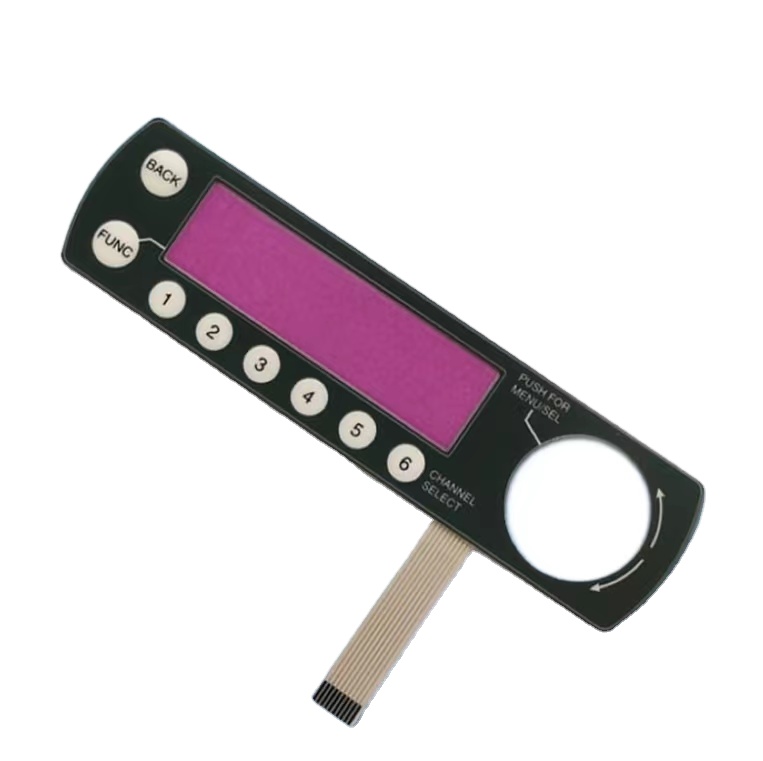
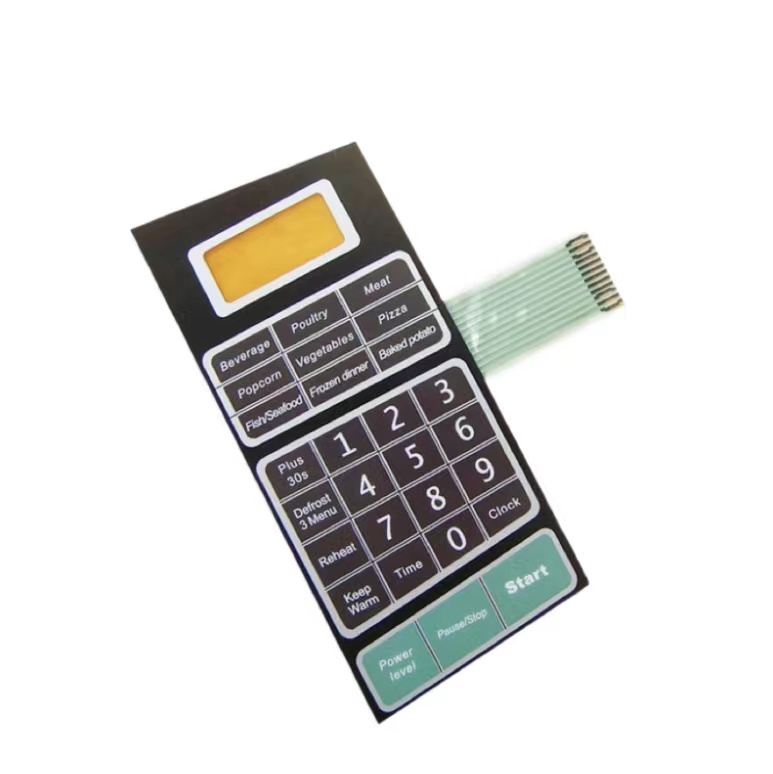
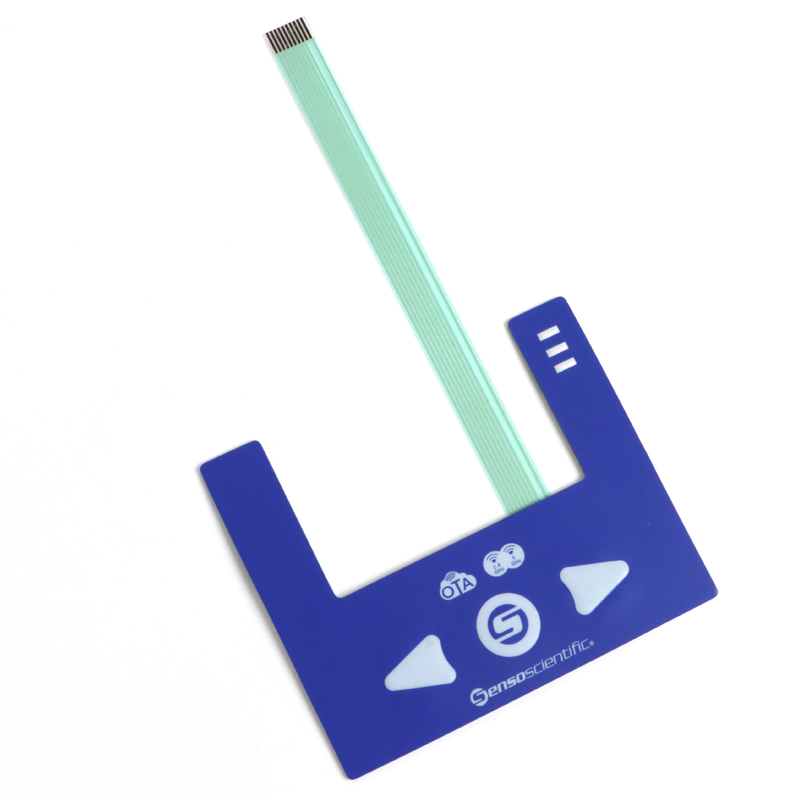
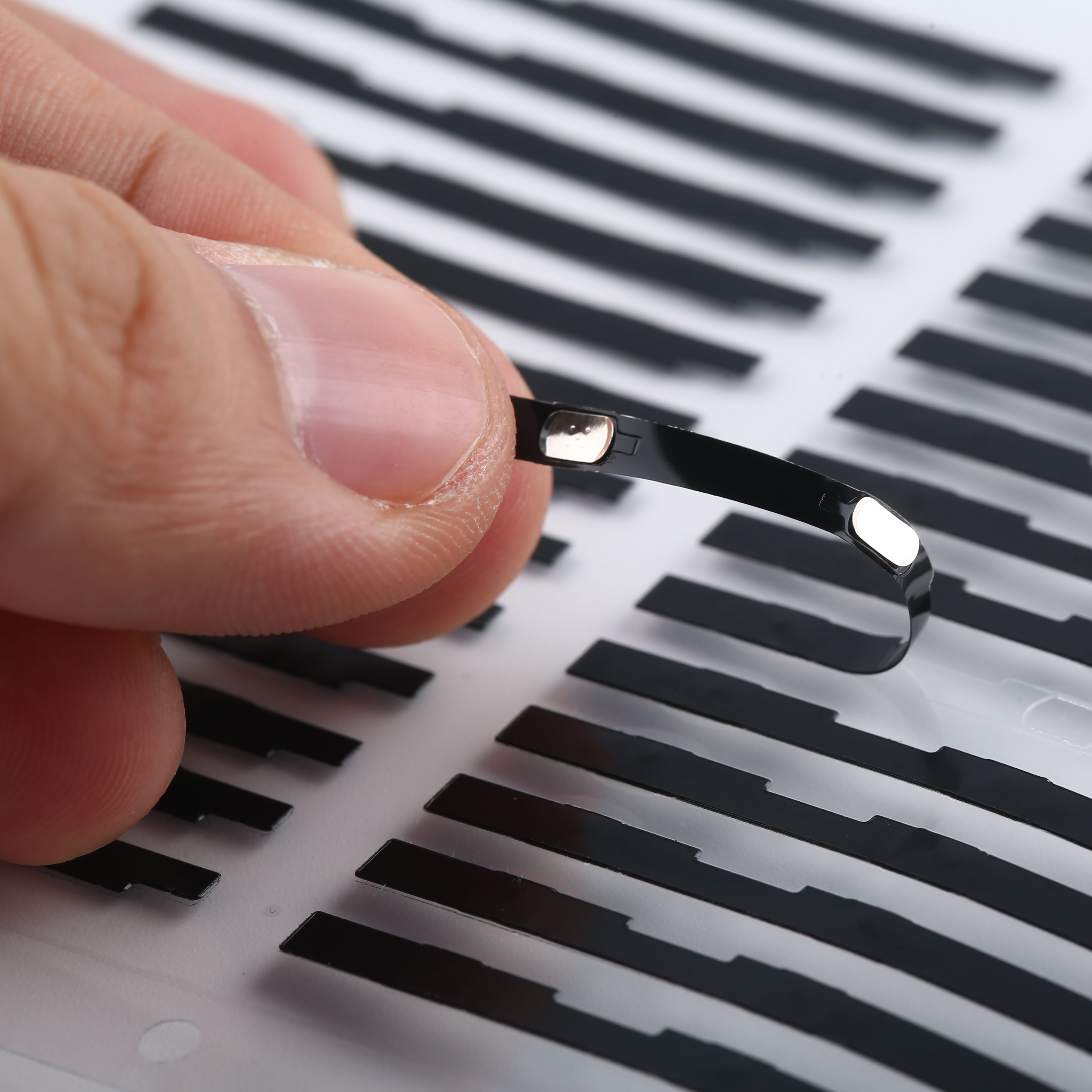
Engineering the China–Jelgava HMI Supply Chain for Baltic Heavy & Precision Industries
Jelgava, historically established as Latvia's engineering capital through landmark transportation and mechanical manufacturing traditions (dating back to the iconic RAF automotive era and perpetuated today across the NP Jelgava Business Park and Zemgale industrial zones), has transitioned rapidly into an advanced European manufacturing node. Modern industrial enterprises in Jelgava and the wider Zemgale economic corridor specialize in heavy machinery assembly, precision metalworking, agritech automation, biorefinery instrumentation, and intelligent transit systems. However, localized procurement in the Baltic states frequently faces a structural bottleneck: regional electronics fabricators often focus on PCBA mounting or basic sheet-metal laser processing, lacking the ultra-cleanroom printing facilities, sub-millimeter die-cutting, and chemical etching infrastructure required for complex, multi-layer Human-Machine Interface (HMI) control consoles.
This technical white paper explores how Chinese high-precision custom membrane switch fabrication bridges this capability gap for industrial OEMs in Jelgava. By utilizing a vertically integrated production line in Dongguan, China—encompassing Class 10,000 dust-free silk-screen printing, computerized CCD punching, automated pick-and-place metal dome arrays, and climatic stress test chambers—European design engineers can procure world-class, custom-engineered interface consoles at optimized economies of scale, without sacrificing strict EU compliance mandates such as CE marking, RoHS 2.0, REACH, and IP67/IP68 ingress protection standards.
Mitigating Environmental Stress: Thermal Expansion, Condensation & Chemical Aggression
Engineering membrane control panels for operational deployment in Jelgava requires rigorous material selection to withstand the demanding Baltic climate. Winters regularly expose hardware to sub-zero temperatures approaching -30°C, while summer humidity and indoor process heating create wide operational temperature gradients (-40°C to +85°C thermal cycling envelope). Standard commercial membrane overlays made from cheap calendered PVC or untreated standard polyesters experience catastrophic failure under these stresses—exhibiting adhesive delamination, silver trace micro-fractures, yellowing, and key embrittlement.
For Jelgava's agricultural implement manufacturers (e.g., harvesting equipment, grain elevator control stations, and bio-fertilizer dosing units), Cevra incorporates Autotex® and Autoflex® biaxially-oriented heat-stabilized polyester (PET) films combined with optical-grade acrylic spacers. PET displays superior molecular elasticity and dynamic switch flexural fatigue life exceeding five million actuations, compared to polycarbonate (PC), which is reserved for high-impact window applications. Furthermore, our internal adhesive layers utilize modified 3M™ 200MP and 300LSE acrylic structural bonding tapes, formulated specifically to eliminate outgassing, prevent bubble formation across rapid barometric variations, and seal firmly against both powder-coated cast metals and low-surface-energy (LSE) polypropylene enclosures.
Engineering Trade-Offs for Baltic Industrial Applications
Comparative structural assessment for equipment designers shortlisting interface technologies in Jelgava.
| Evaluation Parameter | Tactile PET Membrane Panel | Capacitive Sensing Touch Overlay | PCB + SUS301 Metal Dome Array | Rigid Anodized Metal Faceplate |
|---|---|---|---|---|
| Tactile Feedback | Crisp tactile click (SUS301 snap dome: 250g–450g) | Zero tactile feel; requires haptic buzzer or LED flash | Definitive mechanical snap directly on circuit board | Rigid mechanical stop; requires external push switches |
| Moisture & Ingress Sealing | IP65 to IP68 continuous fluid barrier with border gasket | Hermetic glass/PET faceplate, optimal for wet cleaning | Depends on secondary top overlay housing integration | Immune to abrasion; perimeter seal requires O-rings |
| Sub-Zero Actuation (-30°C) | Maintains click ratio via custom venting channels | Requires recalibration for frost/moisture layer drift | Flawless physical mechanical actuation down to -50°C | Unaffected by thermal extremes (-50°C to +150°C) |
| Chemical Resistance | High resistance to diesel, fertilizers, alcohols, and acids | Excellent glass/hardcoated PET chemical inertia | Dependent on external protective graphic overlay | High solvent and saltwater corrosion tolerance |
| Tooling & Setup Overhead | Low initial tooling cost; fast turnaround (5-7 days) | Moderate tooling for controller tuning and sensor stack | Minimal tooling if mounting to existing SMT PCB | Moderate tooling for CNC milling and fiber laser engraving |
Localized Engineering Applications Across Jelgava & Zemgale
Customizing HMI architecture to meet the specific operational parameters of Latvia's core manufacturing industries.
Agritech & Forestry Machinery Cabins
The Zemgale agricultural belt utilizes complex harvesting, tilling, and forestry equipment that operates under severe vibrations, dust storms, and outdoor UV exposure. Our custom control panels feature Autotex XE outdoor-rated polyester with high-bond acrylic adhesives, preventing yellowing and micro-cracking from solar radiation. Sealed metal dome switches ensure operators receive crisp tactile actuation even when wearing thick winter work gloves inside heavy machinery cabins.
Food Processing & Bio-Refinery Lines
Jelgava's robust dairy, grain processing, and bio-industrial facilities demand human-machine interfaces that withstand aggressive washdown procedures using caustic cleansers, hot water sprays, and enzymatic sanitizers. We engineer IP67-rated seamless capacitive touch keypads and flat-surface membrane switches with closed-perimeter perimeter gasketing. The absence of mechanical crevices eliminates microbial colonization zones and satisfies rigorous EU hygiene and food safety standards.
Custom Industrial Measurement & IoT Enclosures
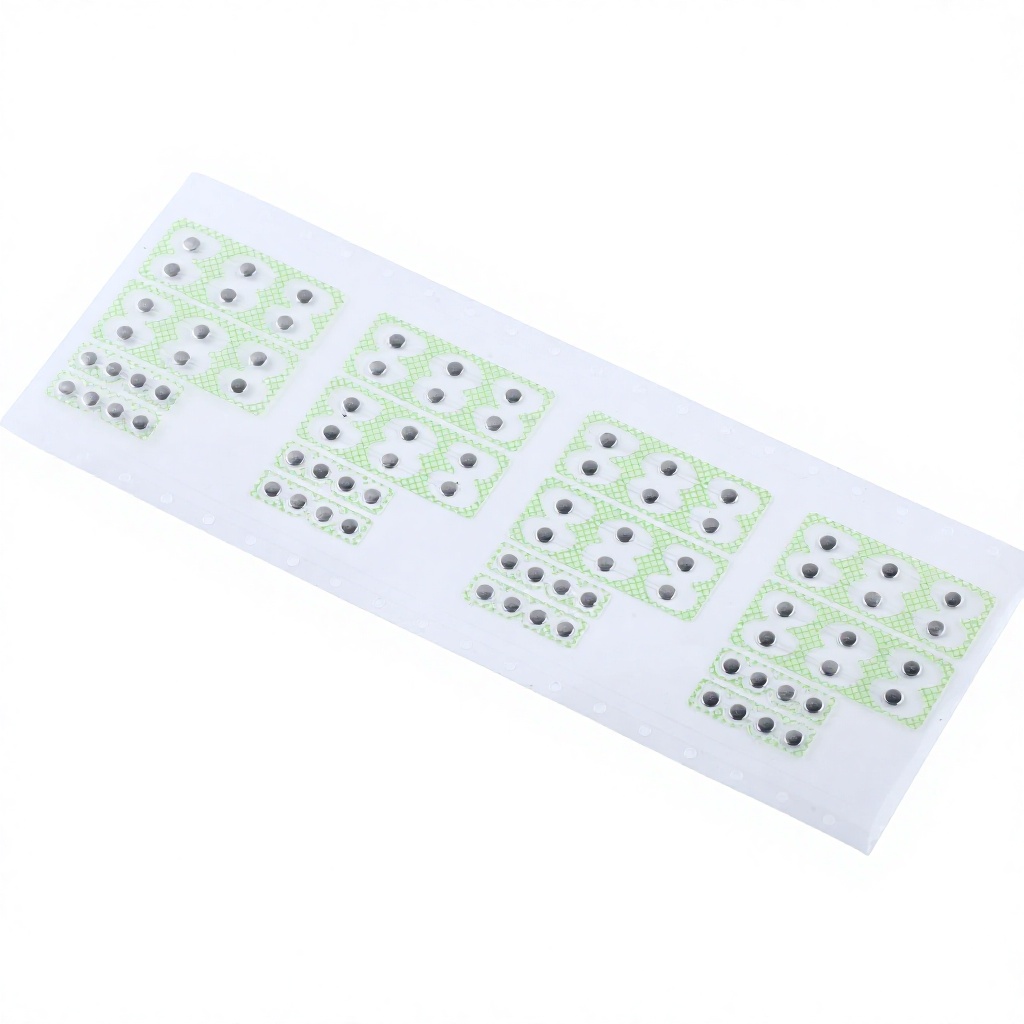
As Baltic electronics manufacturers expand into IoT-enabled environmental monitoring, water treatment automation, and telematics hardware, compact form factors become paramount. Cevra supplies flexible copper FPC circuits paired with single-layer SUS301 stainless steel dome arrays. Featuring contact resistance below 1 Ohm and profile thicknesses under 0.8mm, these assemblies integrate effortlessly onto compact DIN-rail controllers and portable field testing units.
Why EU Hardware Engineers Partner with Cevra Electronic Technology
Over 16 years of specialized engineering in Dongguan, audited by SGS and certified under ISO 9001:2015.
100% In-House Cleanroom Workflow
From screen-printing silver conductor circuits and precision dielectric insulating inks to CCD optical drilling, automatic layer lamination, and automated dome array placement—everything occurs within our 2,600㎡ Dongguan facility. No subcontracting ensures absolute trace impedance control, reliable silver-migration mitigation, and complete traceability across each batch.
Comprehensive Laboratory Verification
Every custom production run destined for European clients undergoes rigorous validation in our QC testing center: automated metal dome load-deflection curve profiling (evaluating trip force and click ratio), electrical contact resistance validation, pencil surface hardness testing (up to 3H), high-low temperature environmental cabinet cycling (-40°C to +85°C), and 180° adhesive peel strength analysis.
Fast-Track DFM & Door-to-Door Logistics
Our dedicated English-speaking technical sales team provides comprehensive Design for Manufacturability (DFM) reviews within 24 hours of receiving your CAD, DXF, or Gerber files. We support flexible prototype volumes starting as low as 10 to 100 units, with express air-cargo delivery via Riga International Airport (RIX) with transparent DDP terms handling all EU import customs formalities directly to your Jelgava facility.
Frequently Asked Questions: Procuring Custom HMIs in Jelgava
Clear, technical answers covering design parameters, material specifications, minimum orders, and EU customs logistics.
What specific design files and engineering parameters are needed to quote and build a custom panel?
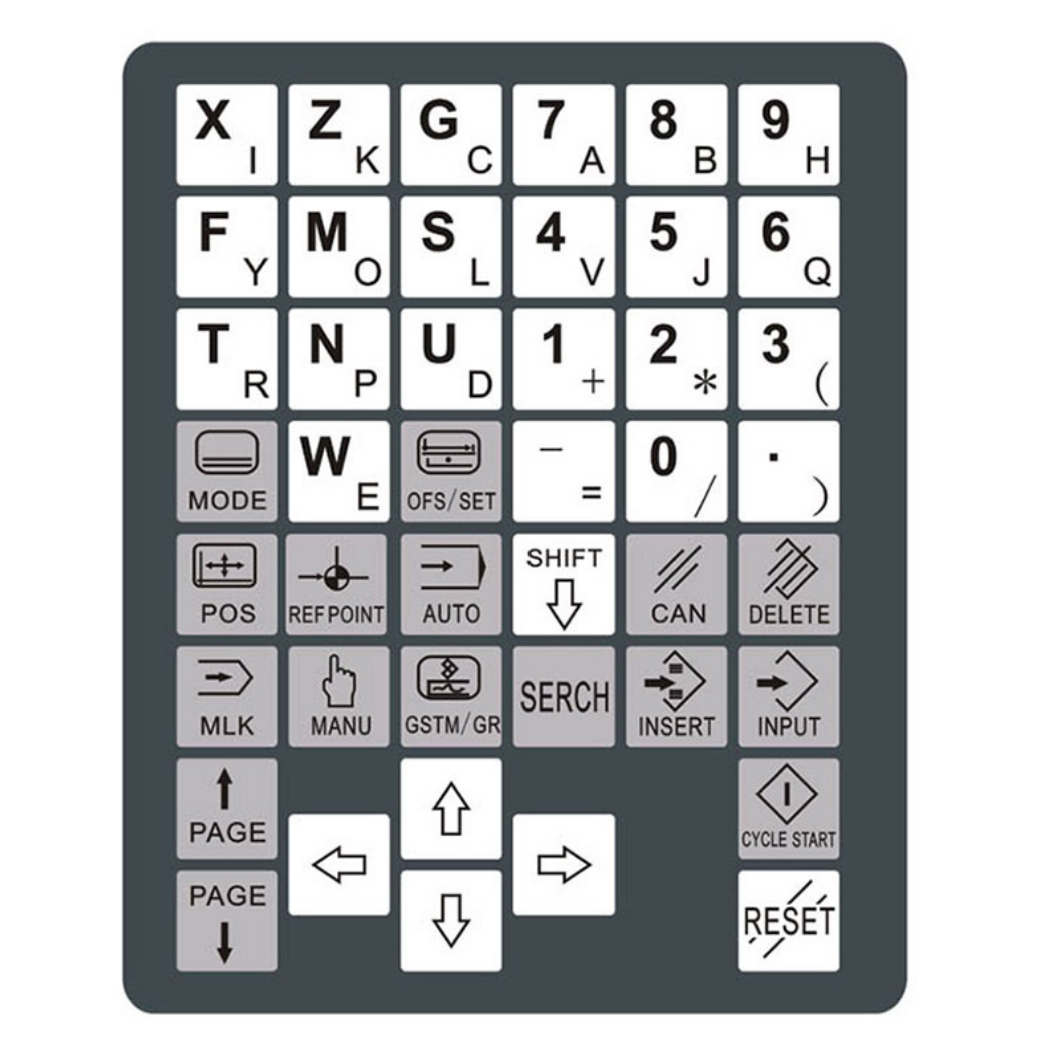
To begin a custom build, our engineering department requires vector artwork files (such as Adobe Illustrator .AI, vector .PDF, or CorelDraw) outlining graphic legends, window cutouts, and Pantone or RAL color matching codes. For mechanical dimensions, embossing heights, tail exit routing, and connector pinouts, please submit 2D CAD drawings (.DXF or .DWG) or 3D STEP models. If your interface integrates embedded LEDs, active resistors, or complex matrix circuits, an electrical schematic or circuit netlist ensures correct pin pitch matching (standard 1.0mm, 1.27mm, or 2.54mm pitch connectors, or ZIF zero-insertion-force tails).
How do you prevent silver migration and circuit failure in moist or freezing Baltic environments?
Silver migration is an electrochemical process that occurs when silver ions drift between energized conductors under high humidity and direct DC voltage potentials, creating short circuits. To eliminate this risk in Jelgava's humid and freezing winter conditions, Cevra utilizes high-density carbon ink overprinting on all exposed silver conductive traces. Additionally, we print high-solid-content UV-curable dielectric insulating layers over the entire conductive matrix and incorporate internal moisture-block perimeter sealing. For extreme operational reliability, we recommend converting to Flexible Printed Circuits (FPC) with polyimide film and copper traces, which are completely immune to silver migration.
What is the difference between PET and Polycarbonate (PC) for graphic overlays?
Polycarbonate (PC) is visually clear, easy to thermoform, offers high optical clarity for display windows, and carries a UL94 V-2 or V-0 flame rating. However, PC exhibits poor flexural fatigue life (typically under 100,000 cycles before cracking when embossed) and is susceptible to chemical attack from industrial solvents, fuels, and harsh detergents. Polyester (PET), such as Autotex®, provides exceptional mechanical memory, enduring over 5,000,000 tactile flex cycles without micro-cracking. PET also resists a broad spectrum of chemicals, acids, and industrial oils, making it the industry benchmark for heavy machinery, automotive test rigs, and processing plants in Jelgava.
What tactile feedback options exist for operators wearing industrial safety gloves?
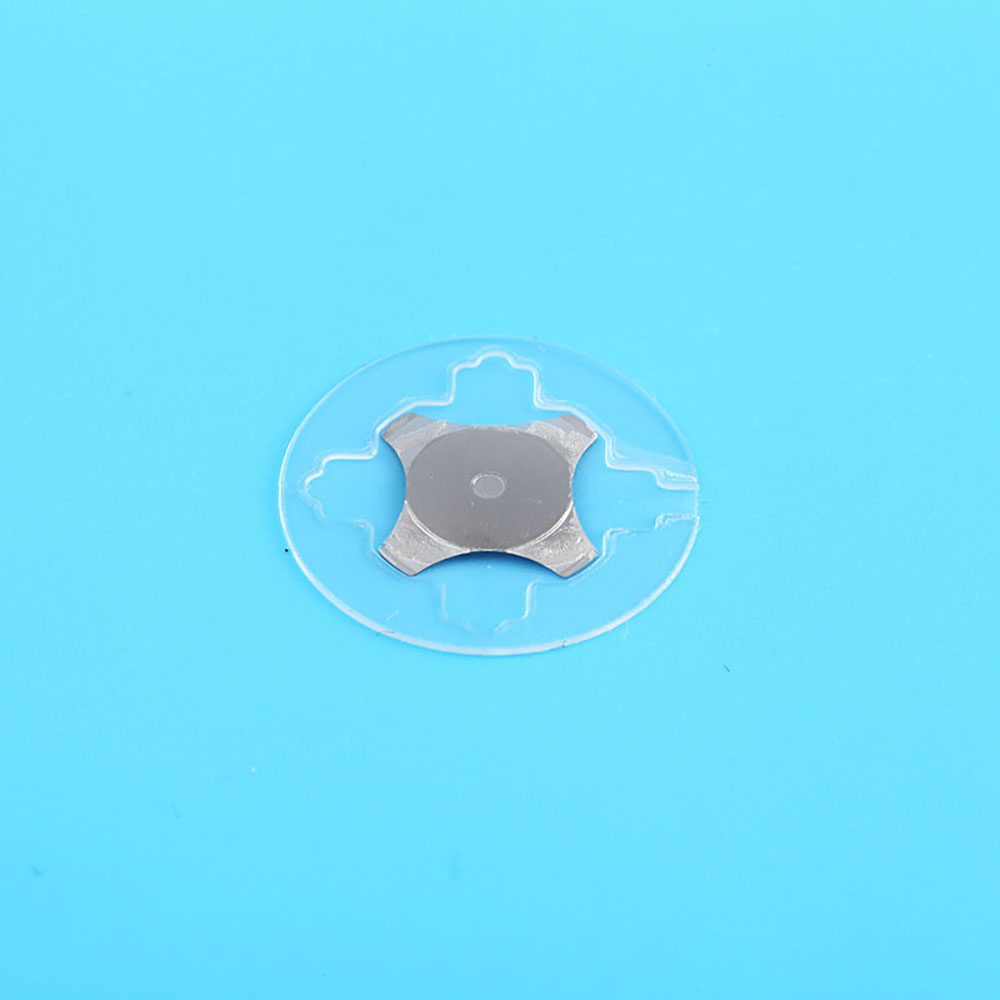
When plant technicians or farm operators wear heavy work gloves, standard flat or low-force switches fail to provide sufficient sensory feedback. For these applications, we implement tactile stainless steel SUS301 metal snap domes with high actuation forces (ranging from 350 grams to 500 grams) paired with pillow, rim, or polydome graphic embossing (0.3mm to 0.5mm height). This combination delivers a distinct mechanical snap and an audible click ratio above 50%, ensuring operators feel positive switch contact even through insulated work gloves.
What are your Minimum Order Quantities (MOQ) and production lead times for shipments to Latvia?
We actively support engineering prototypes and small-batch pilot runs with MOQs starting at just 10 pieces for graphic overlays and 50 to 100 pieces for fully assembled membrane control keypads. Prototyping typically takes 5 to 8 working days from final artwork and DFM sign-off. High-volume serial production runs are completed in 12 to 18 business days. For shipments to Jelgava, express air freight via DHL, FedEx, or UPS delivers to Riga Airport within 3 to 5 business days, with full customs clearance and DDP options handling Latvian import tariffs seamlessly.
Does your manufacturing comply with European RoHS, REACH, and CE regulations?
Yes. Dongguan Cevra Electronic Technology Co., Ltd. operates in full compliance with European Union directives. All raw materials—including polyester substrates, conductive silver pastes, structural adhesives, surface mount LEDs, and metal domes—are certified non-hazardous and fully compliant with RoHS 3 (Directive 2015/863/EU) and REACH (EC 1907/2006) regulations. Full material declaration sheets and SGS chemical analysis reports are provided with every production lot for compliance verification.
Upgrade Your Equipment Interfaces with China's Leading Custom HMI Manufacturer
Whether you require a rapid 10-piece prototype run for an agricultural console redesign in Jelgava or a mass-production schedule of 50,000 IP67 sealed membrane keyboards, our engineering team is ready to review your CAD files and deliver complete DFM feedback.