Precision Human-Machine Interface Components for Baltimore OEMs
Seamlessly integrate high-performance tactile feedback and ultra-uniform backlighting into your next-generation medical, marine, and defense electronics.
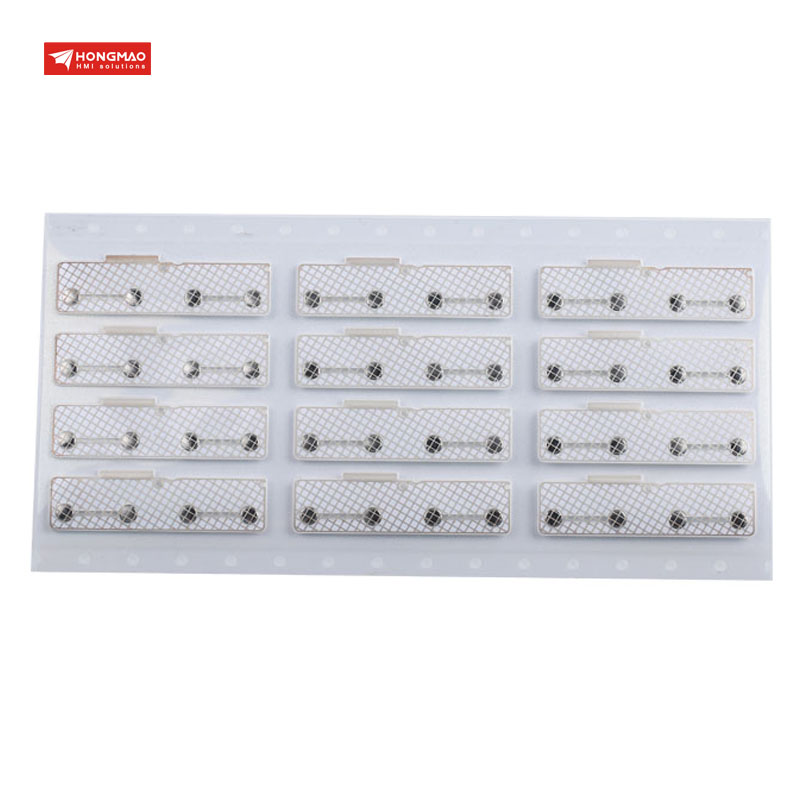
Double-sided SUS301 Stainless Steel Dome Array EMI Array
Ultra-responsive tactile dome array stamped from premium SUS301 stainless steel with integrated grounding for high-frequency EMI shielding.
View Engineering Specs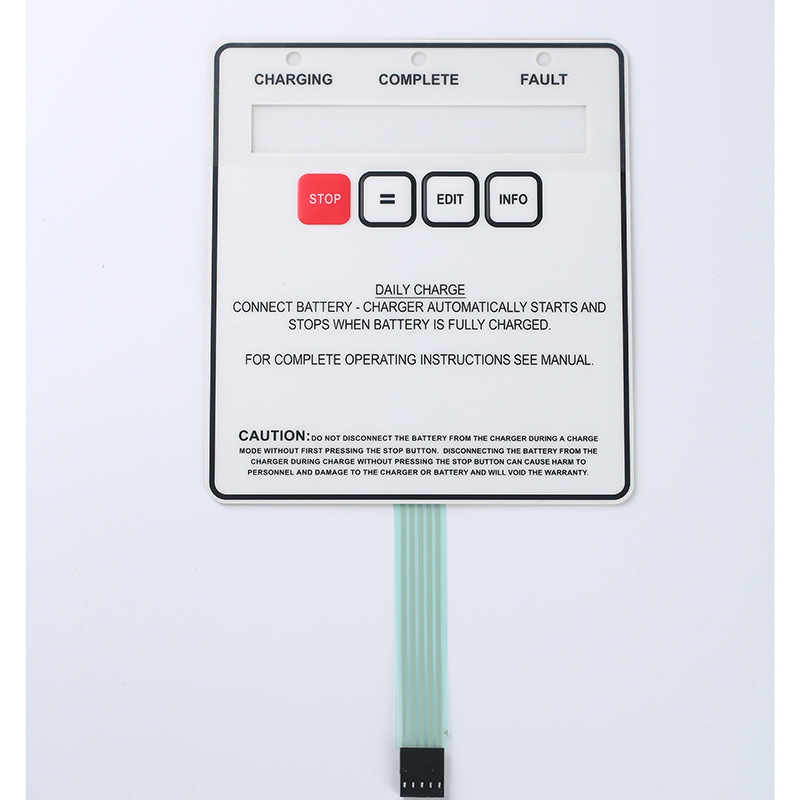
Waterproof & Dustproof Medical Membrane Switch Panel
IP67 sealed control panel designed for clinical washdown protocols, featuring antimicrobial PET surface overlays and chemical barrier layers.
View Engineering Specs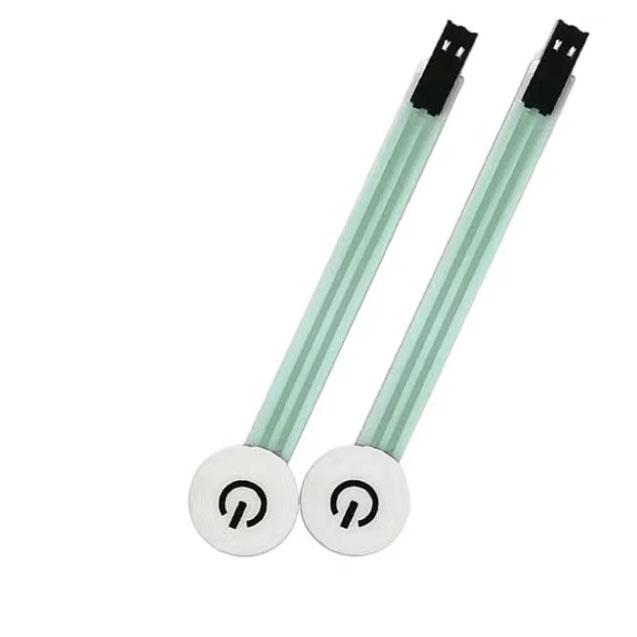
High Quality Single Button Small Membrane Switch
Compact footprint auxiliary trigger switch engineered for space-constrained instrumentation, handheld remotes, and emergency cut-off circuits.
View Engineering Specs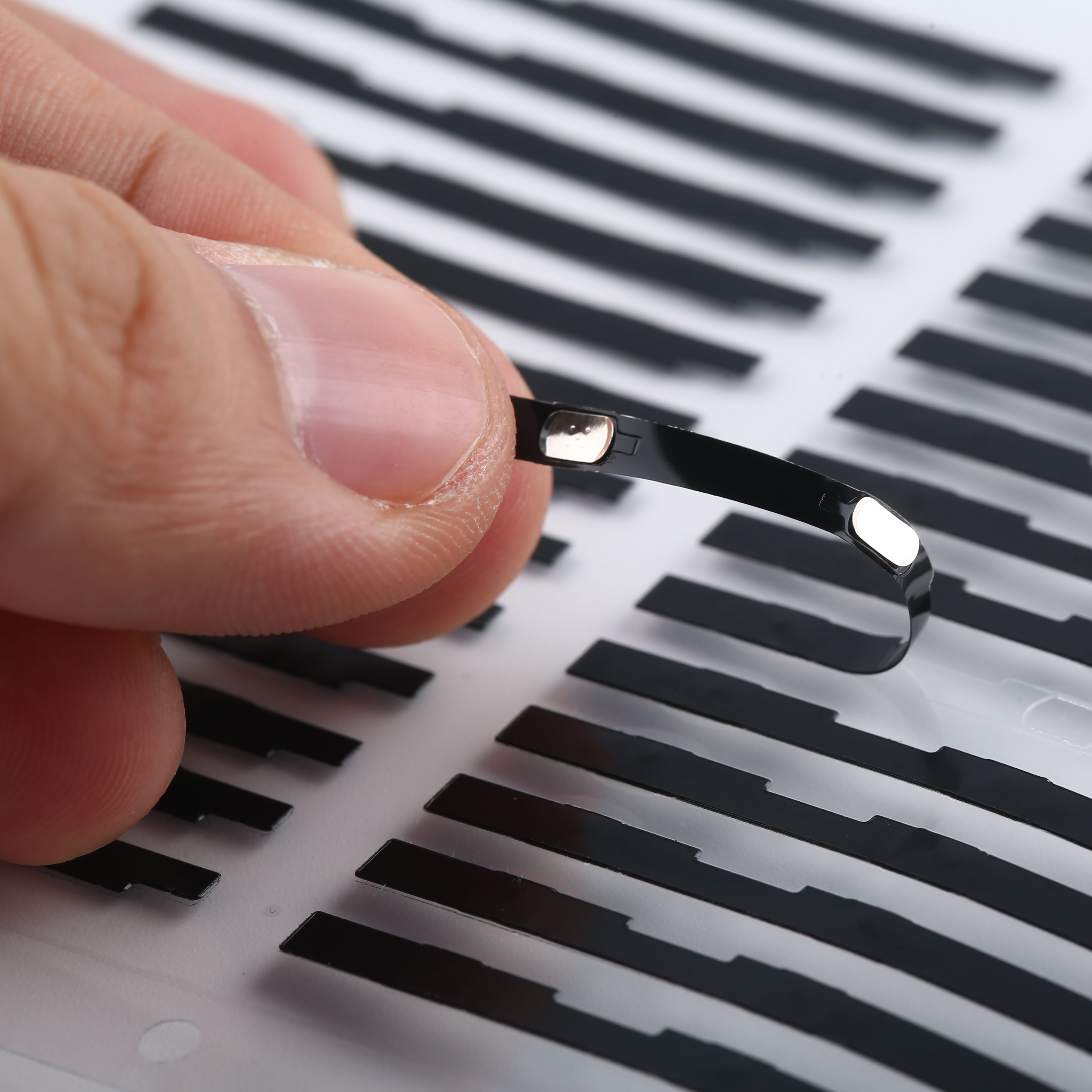
Oval Metal Dome Array with Single-Layer PET Adhesive
Elongated form-factor oval snap domes on high-shear release liners, optimized for narrow bezels, audio communications, and avionics headsets.
View Engineering Specs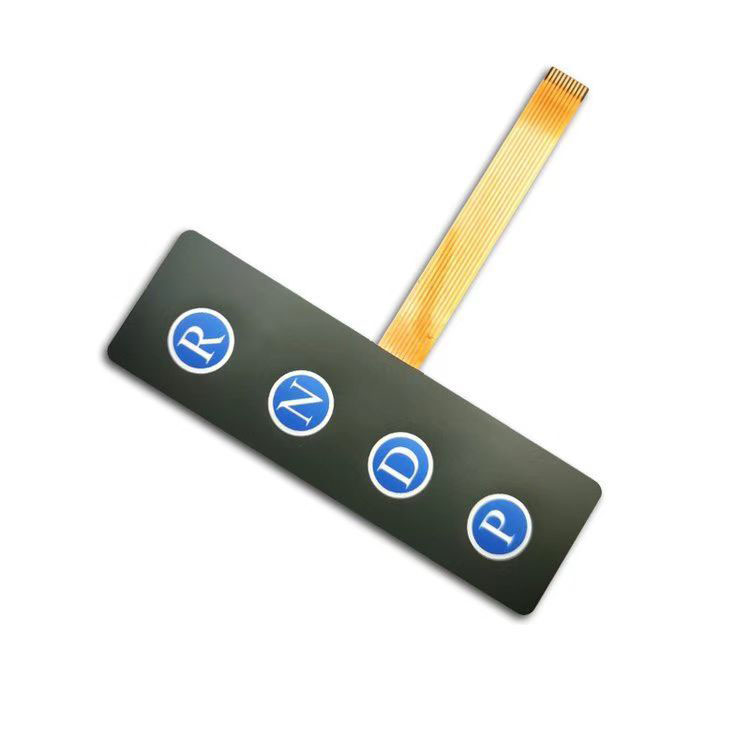
Embossed Backlit 3-5 Button Touch Controller Keypad
Integrated micro-optical LGF backlit assembly with tactile rim embossing, delivering balanced backlighting across custom numerical keys.
View Engineering Specs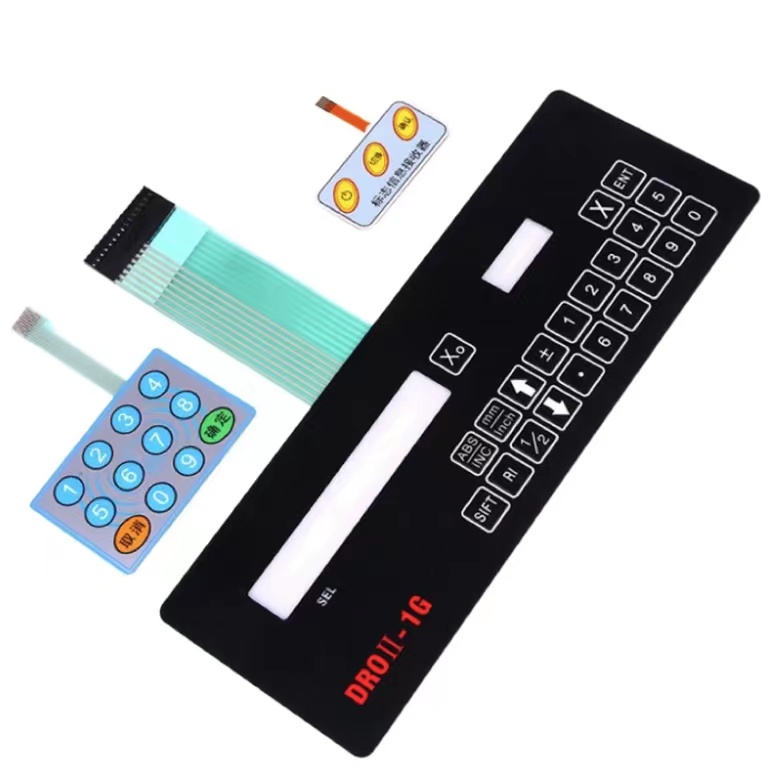
Factory Direct Custom Graphic Overlay Membrane Keyboard
Sub-surface screen-printed polycarbonate/polyester graphic overlays with selective UV texturing, LCD display windows, and 3M 467MP adhesive.
View Engineering Specs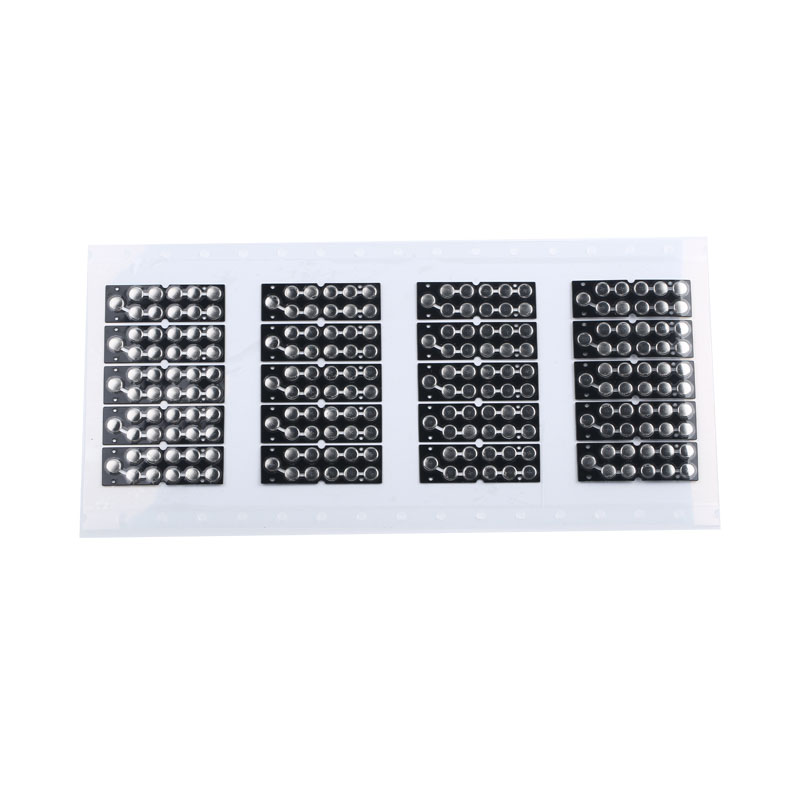
Round Metal Dome Array Transparent PET Carrier
Circular snap dome arrays with precise optical alignment marks, providing distinct tactile actuation curves and minimum 1,000,000 cycle lifespans.
View Engineering Specs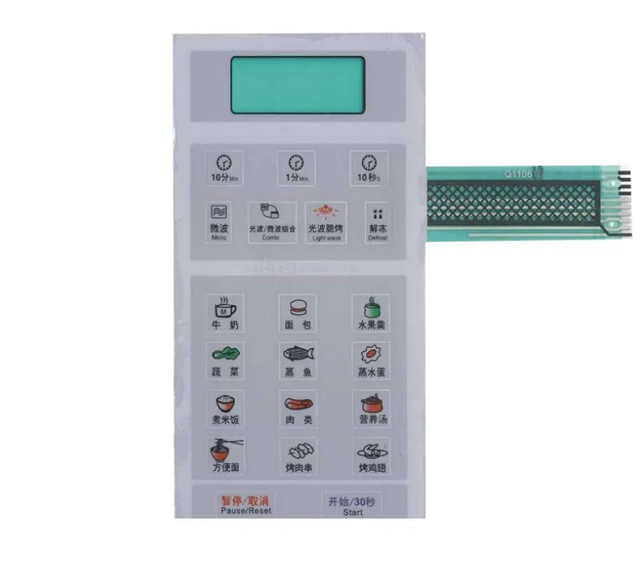
Industrial Electronic Membrane Switch Control Panel
Cost-engineered silver-printed flex circuits with built-in pitch tails, environmental seal perimeter barriers, and customizable tactile snap feedback.
View Engineering Specs16+
Years Precision Mfg (Est. 2009)
2,600㎡
ISO 9001 Cleanroom Facility
100%
CCD Vision & Dome Force Inspected
< 24h
Engineering DFM & Quote Turnaround
1. The Optics and Mechanics of Light Guide Film (LGF) Integration
In contemporary Human-Machine Interface (HMI) design, modern electronics require thinner stack-ups, reduced thermal dissipation, and uniform aesthetic illumination across dense keypad arrays. Traditional backlighting methodologies—such as point-source discrete LEDs placed beneath individual keys, surface-mounted Electroluminescent (EL) foils, or bulky molded light pipes—introduce severe engineering compromises. Discrete LEDs create unacceptable hot spots and require deep vertical clearances (often exceeding 2.0 mm to 3.5 mm). EL foils suffer from rapid half-life lumen degradation (often dropping below 50% luminance in under 3,000 hours of continuous operation) and generate high-frequency inverter hum. Bulk molded acrylic light pipes add excessive mass and thickness, completely eliminating sleek planar industrial designs.
Light Guide Film (LGF) technology solves these systemic issues by combining the physics of Total Internal Reflection (TIR) with micron-precision optical surface dot printing or laser-etched micro-prisms. Dongguan Cevra Electronic Technology Co., Ltd. manufactures LGF modules using optical-grade thermoplastic films—chiefly high-transmissivity Polycarbonate (PC) or optical Polyethylene Terephthalate (PET) ranging from 0.100 mm to 0.250 mm in physical thickness. Side-firing ultra-compact Surface-Mount LEDs (0402, 0603, or 0805 packages) couple light directly into the polished input facets of the film.
As light propagates laterally across the interior of the film via total internal reflection, it encounters mathematically modeled dot distributions. At each dot location, the critical angle of incidence is disrupted, forcing light rays to refract normal (perpendicular) to the graphic overlay surface. By adjusting dot density proportionally to the square of the distance from the side-firing emitter, Cevra achieves a backlighting luminance uniformity exceeding 85% across the entire illuminated surface, eliminating glare and color shadowing across complex alphanumeric keys and perimeter halos.
Optical Architecture & Layer Stratification
A production-grade LGF membrane keypad is a multi-tier laminated mechanical stack where each sub-layer performs distinct optical, electrical, or tactile duties:
1. Sub-surface Printed Graphic Overlay: Printed on Autotex fine/velvet textured PET or Lexan 8010 PC (0.125 mm to 0.175 mm), protecting printed iconography from chemical ingress, mechanical abrasion, and biological sterilants. Clear or tinted display windows are integrated directly above illumination zones.
2. Optical Coupling & Upper Barrier Spacer: Precision die-cut adhesive spacers featuring optical isolation boundary channels. These channels prevent unwanted light spill into adjacent indicator windows or unlit touch tracks.
3. Micro-Patterned Light Guide Film (LGF): The core optical medium engineered with micro-dots. Actuation clearance apertures can be precision laser-cut around metal dome perimeters to allow tactile click force to transmit directly without attenuating tactile feedback feel.
4. Specular White Bottom Reflector Film: A micro-thin (0.05 mm) micro-voided PET layer laminated directly below the LGF to redirect downward scattered photons upward toward the user, increasing effective surface lux output by up to 40% with no increase in LED current draw.
5. Tactile Metal Dome Array: SUS301 stainless steel domes (4-leg, round, or triangular) anchored to a transparent PET carrier. Trip forces range from 160g to 450g to provide positive tactile confirmation through the LGF layer.
6. Flexible Printed Circuit (FPC) or Silver Trace Matrix: Screen-printed conductive polymer thick-film silver ink with carbon overcoat protection, or polyimide copper circuits, configured to interface directly via standard zero-insertion-force (ZIF) or crimped connectors.
| HMI Illumination Architecture | Total Layer Thickness | Luminance Uniformity | Power Consumption | Expected Operational Lifespan | Tactile Switch Integration |
|---|---|---|---|---|---|
| Cevra Micro-Dot LGF Assembly | 0.8 mm – 1.4 mm | > 85% Across Surface | Low (10–30 mA total) | > 50,000 Hours (LED Limited) | Direct Integration without Tactile Loss |
| Discrete Top-Firing Surface LEDs | 2.5 mm – 4.5 mm | Poor (Severe Hot Spots) | High (Individual key LEDs) | > 50,000 Hours | Requires tall silicone plungers |
| Electroluminescent (EL) Foil | 0.8 mm – 1.2 mm | High (Initially) | High AC Inverter Voltage | 3,000 – 5,000 Hours to 50% Lux | Moderate (Prone to puncture) |
| Molded Optical Acrylic Waveguide | 3.0 mm – 6.0 mm | Moderate (70% - 75%) | Moderate | > 50,000 Hours | Requires secondary mechanical switches |
2. Strategic Deployment in Baltimore's High-Reliability Industrial Sectors
The greater Baltimore metropolitan area and the broader Maryland I-95 industrial technology corridor represent one of North America's most demanding environments for embedded electronics and interface systems. From the life-science research institutions surrounding Johns Hopkins University and the University of Maryland BioPark to the maritime freight terminal operations at the Port of Baltimore (Helen Delich Bentley Port), hardware deployed in this market faces unique mechanical, chemical, and environmental stresses. Dongguan Cevra Electronic Technology Co., Ltd. configures its custom LGF membrane assemblies and SUS301 dome arrays to meet these exact regional design challenges.
Medical Diagnostics & Bio-Processing
Deployed in automated pathology analyzers, infusion pumps, and surgical sterilizers throughout Baltimore biomedical facilities. Overlays utilize chemical-resistant, anti-glare Autotex films certified to withstand harsh hospital disinfectants (bleach, isopropyl alcohol, Cidex) with IP67 washdown hermetic seals.
Port Logistics & Maritime Avionics
Engineered for cargo handling machinery, terminal crane controls, and Chesapeake Bay vessel telemetry. Features conformal silicone perimeter gaskets and hydrophobic vent membranes that resist saline corrosion (ASTM B117 salt spray verified) while providing high-contrast night illumination.
Defense & Tactical Systems
Serving defense sub-contractors tied to the Aberdeen Proving Ground (APG) and Fort Meade technology clusters. Cevra integrates NVIS (Night Vision Imaging System) compliant green LED coupling with double-sided SUS301 metal dome arrays that provide grounding for high-frequency EMI/RFI attenuation.
Heavy Fleet & Industrial Automation
Custom control interfaces for automated manufacturing, railway switching hubs, and distribution robotics across Maryland logistics nodes. Designed for continuous operating temperatures from -40°C to +85°C with high-tactile snap domes yielding positive tactile feedback through protective work gloves.
3. Emerging Engineering Trends Shaping Mid-Atlantic HMI Procurement
Procurement engineers and hardware architects across Baltimore and the broader Chesapeake technological basin are increasingly moving away from legacy mechanical keypads and unlit capacitive touch surfaces. As embedded systems grow more sophisticated, local original equipment manufacturers (OEMs) demand three clear engineering improvements:
Ultra-Low Profile Enclosure Optimization
Portable analytical instruments and compact military field equipment are constrained by strict volumetric and weight budgets. Industrial designers can no longer allocate 5 mm of chassis depth solely for user input interfaces. By pairing ultra-thin 0.125 mm optical PET LGF matrices with 0.3 mm deep metal domes, Cevra delivers fully functional, backlit, tactile control switches within a complete stack-up thickness of less than 1.1 mm. This enables engineers in Baltimore to expand battery cell volumes, improve thermal heat dissipation, or reduce enclosure profiles.
Selective Multi-Color Illumination & Dark-Room Usability
Modern clinical settings and maritime bridge consoles require distinct functional lighting states: ambient standby, operational state confirmation, and emergency alarms. Cevra incorporates multi-channel optical barrier channels within a single LGF sheet, allowing split-zone LED routing. A single control faceplate can illuminate operational indicators in calibrated NVIS Green A (for night-vision compatibility), diagnostic icons in daylight-visible 6500K True White, and alarm states in high-intensity 625nm Amber Red—without cross-channel light bleed.
Hybrid Capacitive-Tactile Sensor Integration
To balance sleek modern aesthetics with safety-critical operational tactile feedback, Maryland industrial equipment manufacturers are specifying hybrid membrane switches. These panels integrate capacitive proximity sensing arrays into the flexible circuit layer beneath the LGF. The system illuminates backlight zones when an operator's hand approaches, but requires a mechanical snap-dome actuation (280g to 350g actuation force) to execute high-liability machine commands, preventing accidental triggering from fluid splashes, stray EMI, or electrical noise.
4. Dongguan Cevra: Advanced Manufacturing Ecosystem & Quality Rigor
Dongguan Cevra Electronic Technology Co., Ltd. (founded in March 2009 in Dongguan, Guangdong, China) operates a modern 2,600 m² cleanroom manufacturing facility dedicated to custom human-machine interface components. Unlike trading agencies that outsource production stages across unverified vendors, Cevra manages every phase of production under one roof: from optical micro-dot layout simulation, precision screen printing, laser die-cutting, and CCD automatic drilling to cleanroom lamination, metal dome positioning, and 100% automated electrical testing.
ISO 9001 & SGS Onsite Verified
Our quality management system is independently inspected and certified by SGS Group. Production traceability ensures consistent polymer curing, ink adhesion, and electrical integrity from prototype batches to 100,000-unit mass production runs.
Comprehensive Analytical Lab
Our in-house metrology and testing facility includes computerized metal dome load-displacement analyzers, high/low thermal shock test cabinets (-40°C to +105°C), 180° peel strength testers, dynamic holding tack rigs, and electric pencil scratch hardness testers.
Direct North American Logistics Support
Specialized export teams handle direct logistics into the Baltimore-Washington metropolitan zone. We offer complete DFM (Design for Manufacturability) engineering reviews, English technical consultations, flexible sampling MOQs, and Trade Assurance protection.
Frequently Asked Questions: Sourcing LGF Interfaces in Baltimore
Direct technical and commercial answers for Maryland hardware designers, supply chain managers, and contract manufacturers.
What design files and specifications are required to initiate an LGF membrane switch quote?
To begin design review and DFM (Design for Manufacturability) feedback, please share your vector artwork (Adobe Illustrator .AI, CorelDraw, or vector PDF), mechanical layer drawings (AutoCAD .DWG, .DXF, or 3D STEP files), and an initial schematic or pinout definition. Be sure to note your target LED input drive voltage/current, required tactile snap force (e.g., 280g SUS301 domes), preferred overlay material (Autotex PET or Lexan PC), adhesive requirements (e.g., 3M 467MP, 468MP, or VHB foam tape), and projected annual volume.
How does LGF compare to fiber-optic mesh and EL backlighting for medical diagnostic panels?
Light Guide Film (LGF) outperforms both alternatives in critical clinical applications. Electroluminescent (EL) panels rely on high-frequency AC inverters (60–115V AC, 400Hz) that generate electromagnetic emissions capable of interfering with sensitive diagnostic sensor readings. Additionally, EL foils degrade significantly within 3,000 hours. Fiber-optic mesh requires high-pressure compression tools that can break individual glass fibers over time, and its thickness typically exceeds 1.5 mm. LGF uses standard low-voltage DC surface-mount LEDs (2.8V–3.4V DC), operates completely silently, generates zero EMI, and maintains stable lumen output over 50,000 operational hours.
What are typical production lead times and shipping routes to Baltimore, Maryland?
Engineering prototype tooling, DFM sign-off, and sample manufacturing typically take 7 to 10 business days from artwork approval. Full production batch runs are completed in 15 to 20 working days depending on quantity and layer complexity. For expedited orders destined for Baltimore facilities, air express couriers (DHL Express, FedEx Priority, UPS Worldwide) deliver directly to BWI Airport or your facility dock in 3 to 5 business days. Sea freight shipments enter via the Port of Baltimore (Seagirt Marine Terminal) with typical ocean transit times of 22 to 28 days.
How does Cevra ensure long-term tactile consistency across metal dome arrays?
Every production batch of snap domes is fabricated from SUS301 precision stainless steel strip. We test raw materials and finished dome arrays using our computerized Dome Load Force Tester, tracking actuation force (F1), contact force (F2), tactile return force (R1), and overall tactile ratio (Click Ratio = [F1 - F2] / F1). This rigorous testing guarantees consistent tactile feedback through the overlying LGF layer, maintaining actuation stability across more than 1,000,000 cycles without flattening or micro-fracturing.
Can our engineering team sign a Non-Disclosure Agreement (NDA) prior to releasing proprietary CAD designs?
Yes. We routinely execute bilateral or customer-supplied Non-Disclosure Agreements with North American defense subcontractors, medical device designers, and industrial manufacturers. All customer IP, CAD geometries, schematic nets, and custom graphic overlay vector assets are securely archived on isolated servers accessible only to the dedicated project engineering group.
Ready to Engineer Your Custom LGF Membrane Assembly?
Collaborate directly with our technical team in Dongguan. Whether you are developing a low-profile medical controller, a ruggedized marine console, or an avionics terminal for the Baltimore market, we provide comprehensive DFM evaluations, optical ray-trace guidance, and rapid prototyping.