Core Engineering Product Portfolio for Portsmouth OEM/ODM Sourcing
Precision-manufactured in our verified 2,600㎡ Dongguan plant under strict ISO 9001:2015 controls. Our flexible electronics deliver dependable tactile life cycles up to 5,000,000 cycles, extreme salt-spray resilience, and high flex-durability for Solent engineering teams.
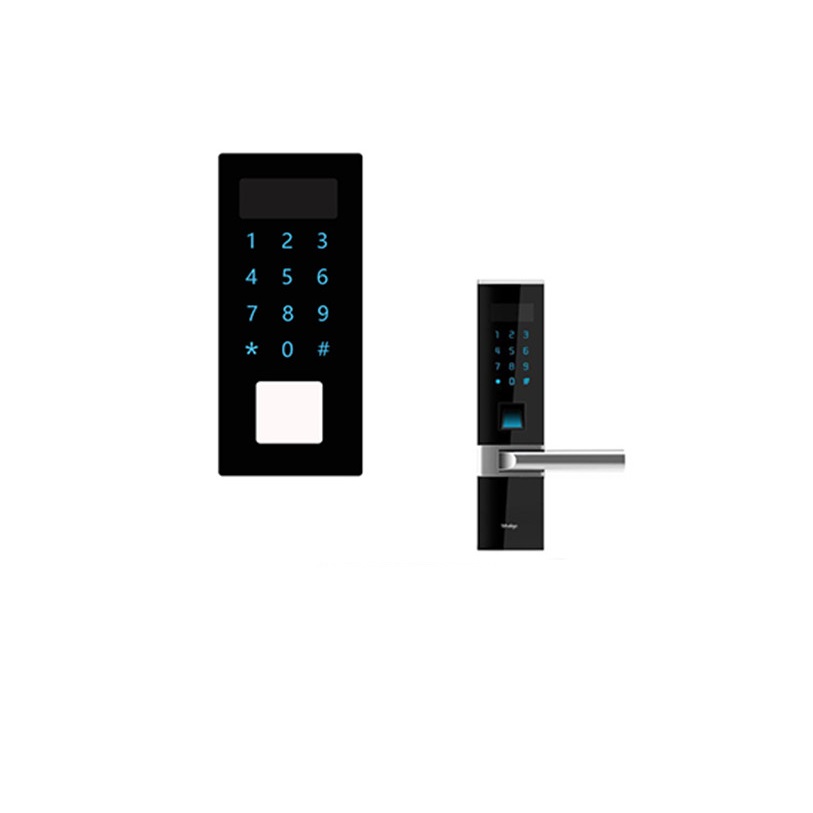
Custom Waterproof Capacitive PMMA Touch Membrane Switch
- Substrate: Optical PMMA / PET
- Circuit Layer: Silver / Carbon Ink
- Sealing: 3M 300LSE Barrier
- Tactile Life: Capacitive / Non-Moving
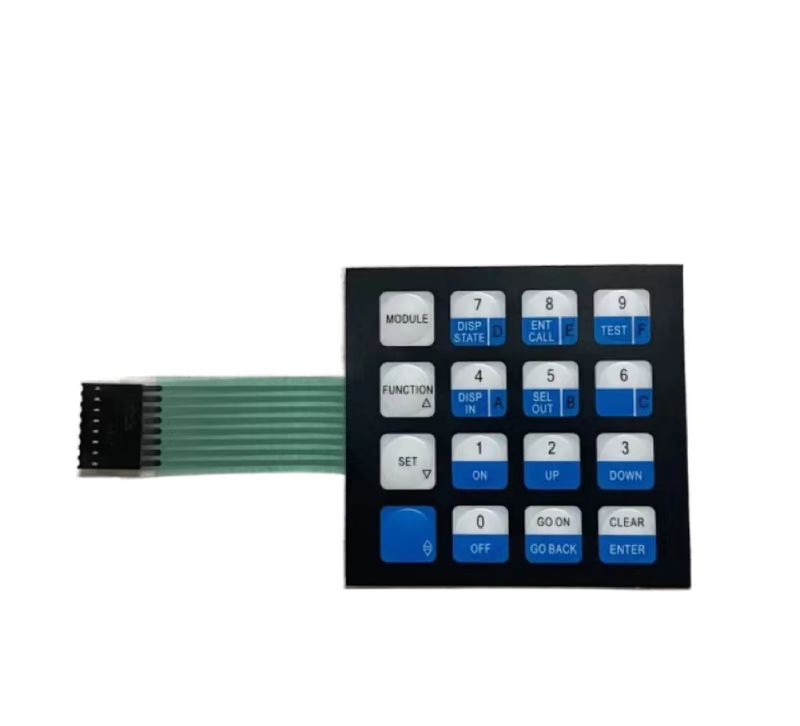
Custom 4x4 Tactile Metal Dome Flexible Matrix Keypad
- Layout: 16-Key Numeric Matrix
- Dome Type: SUS301 Stainless Snap
- Actuation Force: 280g - 350g ±30g
- Overlay: Autotex Matte PET
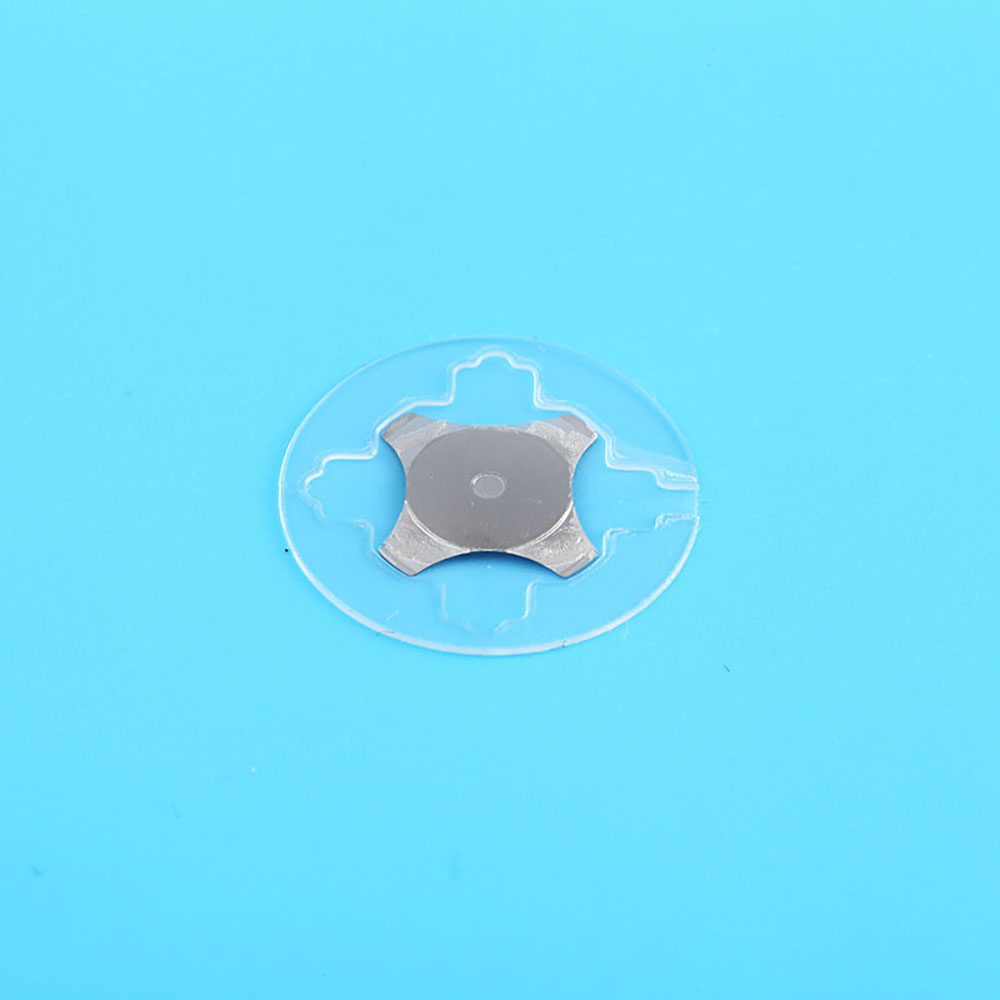
Single-Layer PET Adhesive Metal Dome Array Sheet
- Carrier Film: High-Tack Clear PET
- Contact Finish: Nickel / Gold Plated
- Vent Channels: Integrated Air Escape
- Resistance: < 100 mΩ Closed
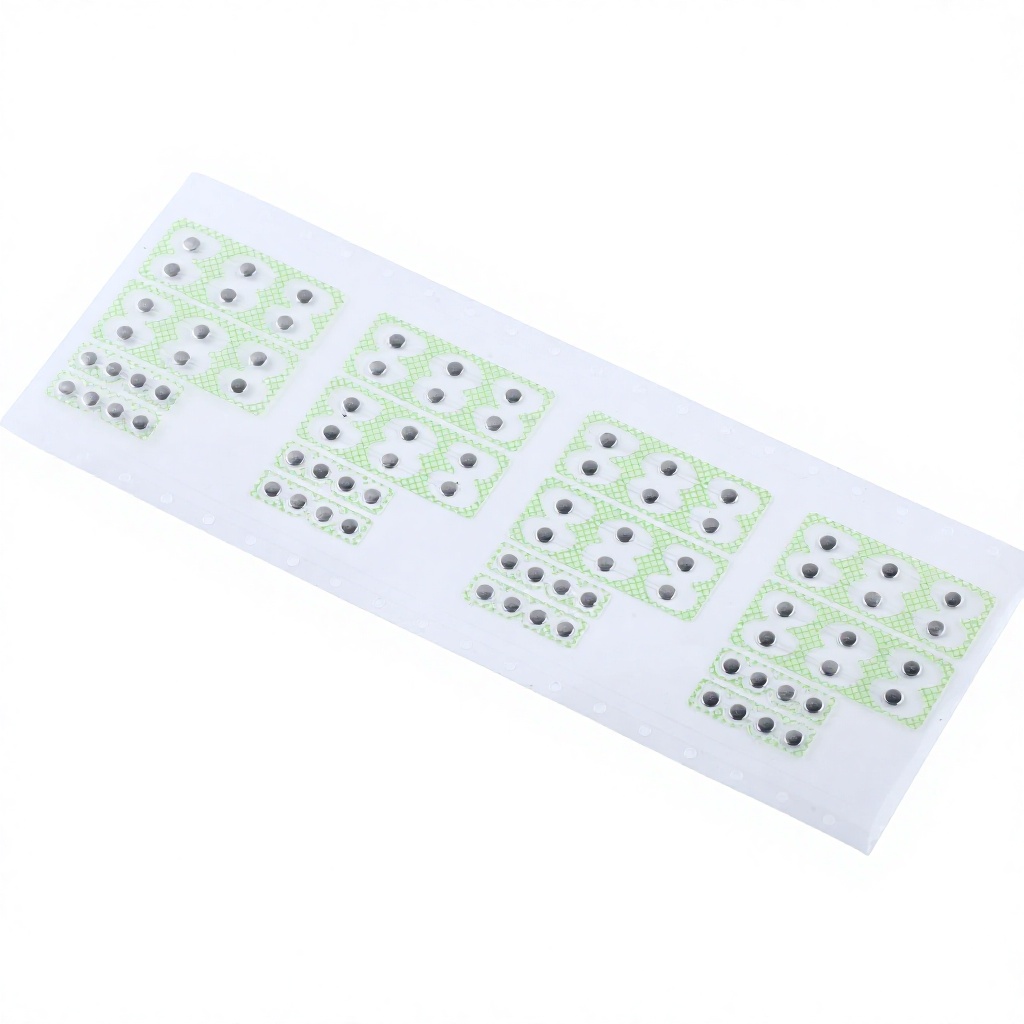
Waterproof SUS301 Stainless Steel Remote Dome Array
- Dome Alloy: SUS301 Precision Strip
- Protection: Moisture / Dust Seal
- Operating Temp: -40°C to +85°C
- Feedback: Crisp Snap Ratio >45%
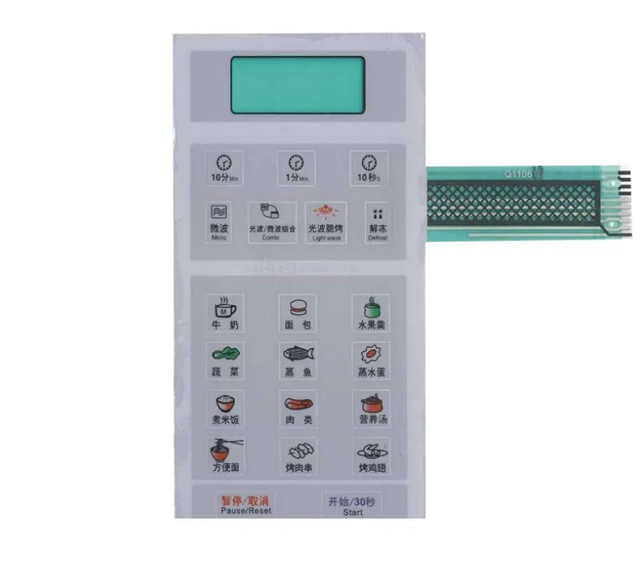
Direct Electronic Graphic Membrane Switch Control Panel
- Front Panel: Chemical-Resistant PC
- Circuit Layer: Double-Sided Conductive
- Tail Pitch: 2.54mm / 1.0mm ZIF
- Dielectric V: > 500V DC Breakdown
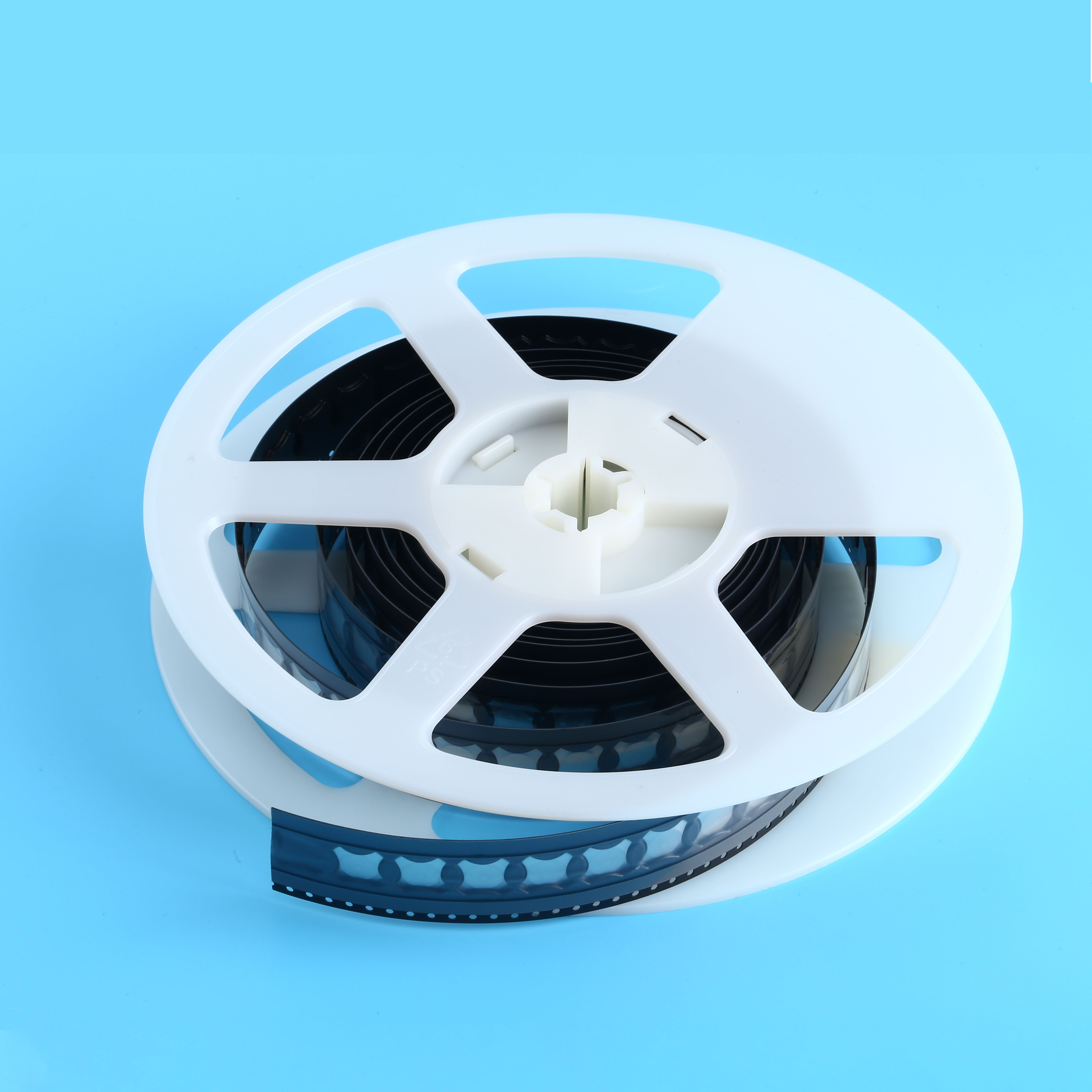
Cross 4-Legged Tactile Snap Domes in Tape & Reel
- Form Factor: 4-Legged Cross (8.4-12mm)
- Center Dimple: Optional Positive Click
- Packaging: EIA-481 Tape & Reel
- Switch Cycles: > 1,000,000 Actuations
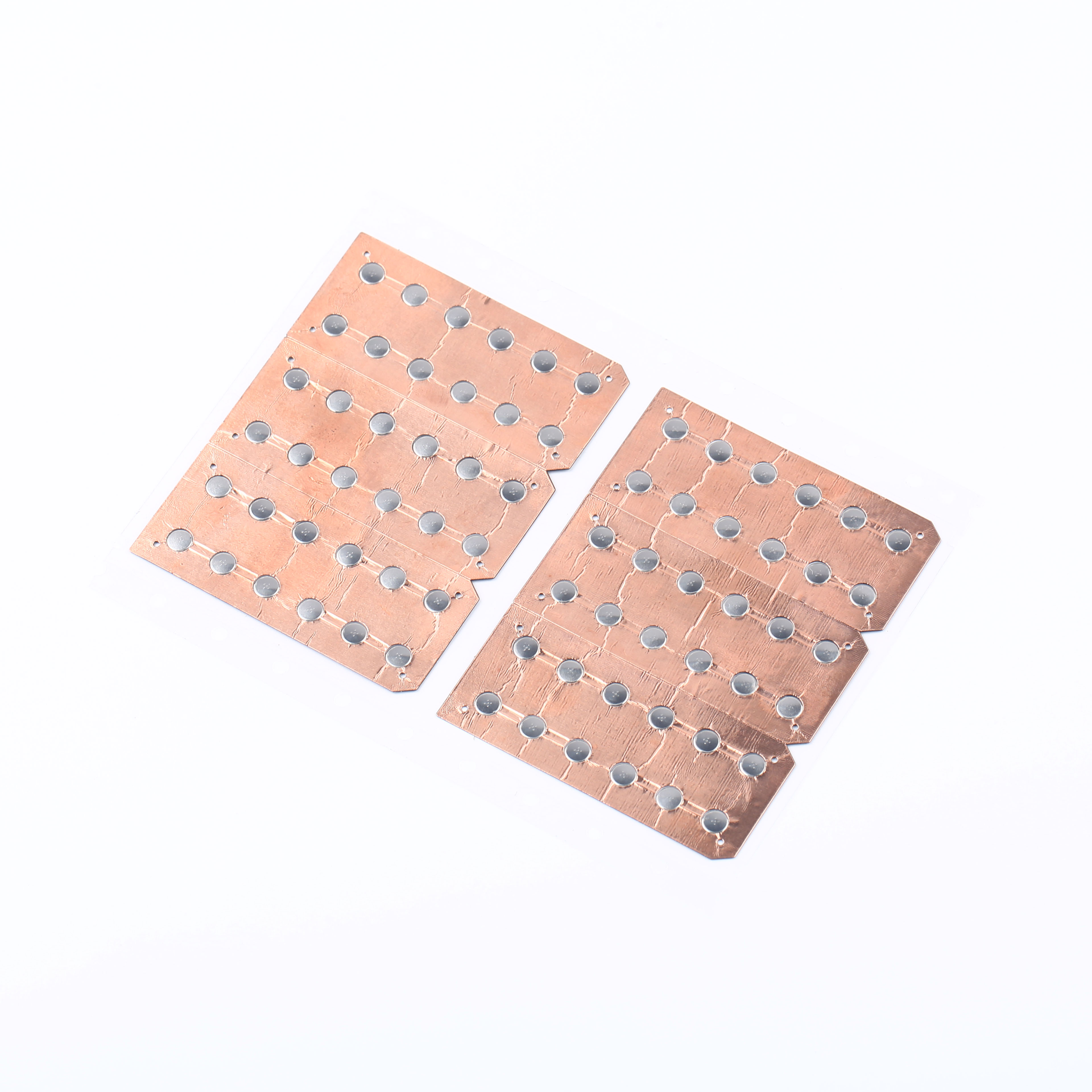
Round Metal Snap Dome Sheet with Copper Foil Array
- Shielding: Electro-Deposited Cu Foil
- Grounding: Integrated Perimeter Drain
- Array Format: Custom Multi-Key Grid
- Backing Adhesive: 3M 467MP / 468MP Acrylic
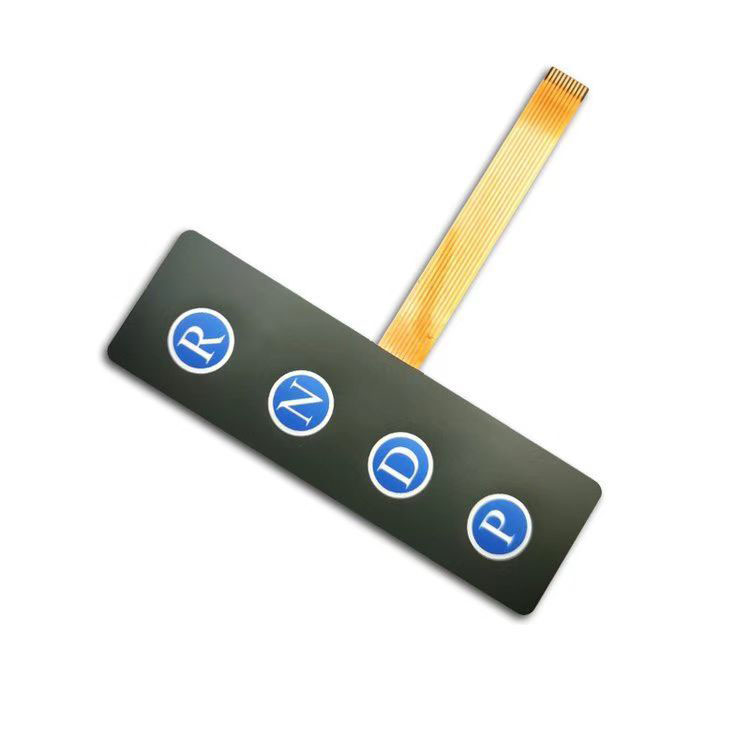
Embossed Backlit Multi-Button Touch Controller Panel
- Backlight Tech: Side-Firing LED + LGF
- Key Embossing: Rim & Pillow Emboss
- Illumination: Uniform NVIS / Daylight
- Tail Protection: Polyimide Strain Relief
Advanced Flexible Printed Circuit (FPC) & Membrane Architecture for Harsh Operating Conditions
Flexible Printed Circuits (FPCs) and flexible membrane interfaces are no longer merely passive interconnect components; in modern naval computing, marine telemetry, and mission-critical Solent automation platforms, they serve as the foundational mechanical-electrical conduit. When operating across marine coastal environments such as Portsmouth Harbour, Southampton Water, and the English Channel, standard commercial printed electronics suffer rapid galvanic degradation, electrolyte dendrite migration, and flexural fatigue. Dongguan Cevra Electronic Technology Co., Ltd. applies over 16 years of specialized manufacturing experience to solve these physics-based failure mechanisms at the layer-stack design phase.
Substrate Mechanics: Polyimide (PI) vs. Biaxially-Oriented PET
Selecting the optimal dielectric base requires balancing thermodynamic stability, dielectric loss, moisture absorption, and thermal reflow capabilities. For cost-sensitive industrial human-machine interfaces, stabilized heat-treated Polyester (PET) films offer exceptional mechanical bounce and dielectric isolation up to 500V/mil. However, when surface mount components (micro-LEDs, thermistors, ZIF connectors, and sensor controllers) require automated reflow or hot-bar soldering at temperatures reaching 245°C - 260°C, adhesiveless Polyimide (PI) is mandatory to eliminate film shrinkage, trace bridging, and layer delamination.
| Performance Characteristic | Polyimide (PI) Flexible Circuits | Polyester (PET) Screen-Printed Flex | PMMA Acrylic Hybrid Touch Panels |
|---|---|---|---|
| Operating Thermal Range | -40°C to +125°C (Extreme Naval Spec) | -20°C to +70°C (Standard Marine Cabin) | -30°C to +80°C (Deck Interface Spec) |
| Soldering & SMT Assembly | Full Lead-Free SMT Reflow Compatible | Conductive Epoxy / Low-Temp Anisotropic | Surface-Bonded Tail or Direct FPC Bond |
| Conductor Metallurgy | RA / ED Copper (0.5 oz, 1.0 oz, 2.0 oz) | Sub-Micron Silver + Carbon Flake | ITO / Silver Nanowire / Copper Flex Tail |
| Tensile Strength / Modulus | High Yield (200 MPa / 2.5 GPa) | Moderate (150 MPa / 3.8 GPa) | Rigid Front Shield (70-80 MPa) |
| Salt-Fog Corrosion Tolerance | Superior with Polyimide Coverlay + ENIG | Requires Edge Perimeter Gasketing | Naturally Impervious Front Facia (IP68) |
Mitigating Galvanic Silver Migration in Marine Salt-Air Atmospheres
Portsmouth's coastal environment presents elevated atmospheric salinity (sodium chloride aerosol) combined with high relative humidity. Under DC voltage bias, conventional silver-printed membrane traces are susceptible to electrochemical silver dendrite growth across adjacent conductor gaps, causing catastrophic circuit shorts. Cevra's engineering protocols eliminate this vulnerability through two proprietary counter-measures:
- Continuous Dielectric Encapsulation: Complete screen printing of cross-linked UV curable polymer over-varnish, isolating all conductive traces from ambient condensation.
- Carbon Interlayer Overprinting: Depositing a dense, high-purity carbon barrier layer over silver switch contacts before assembling nickel- or gold-plated stainless steel snap domes, preventing metallic diffusion and micro-arcing.
- ENIG & Hard Gold Plating for Copper FPC: Applying Electroless Nickel Immersion Gold (ENIG, 2-5 µin Au over 120-200 µin Ni) or electrolytic hard gold (up to 30 µin Au) across all exposed pads, guaranteeing zero oxidation even after 96 hours of ASTM B117 salt spray exposure.
Tailored FPC & Tactile Keypad Integration Across Portsmouth's Key Sectors
Portsmouth occupies a premier position in the United Kingdom's maritime defence, deep-sea research, and commercial port engineering network. Supported by the Portsmouth International Port, HM Naval Base Portsmouth, and proximity to the Solent Freeport innovation corridor, engineering organizations across PO postcodes demand electronic sub-assemblies built to withstand relentless environmental stresses. Cevra operates as a high-velocity direct Tier-1 and Tier-2 supply-chain partner for local system integrators.
Naval Bridge Consoles & Weapon System HMIs
Naval surface vessels and fleet auxiliary craft stationed in Portsmouth require rugged human-machine interface controls that comply with strict shock, vibration (MIL-STD-810H / Def Stan 00-35), and electromagnetic interference (Def Stan 59-411) profiles. Cevra designs shielded FPC cables and tactile snap dome arrays featuring full copper foil Faraday cages and grounded perimeter mesh to block RF interference from shipboard radar suites.
- 301 Stainless steel snap domes rated to 500g force
- Night Vision Goggle (NVG) compliant backlighting
- IP67 perimeter gasket barriers against salt spray
USV & UUV Autonomous Subsea Telemetry
The Solent region has emerged as Europe's focal hub for Unmanned Surface Vessels (USV) and Unmanned Underwater Vehicles (UUV). Hull-mounted oceanographic sensors, acoustic modems, and battery power manifolds operate under severe dimensional constraints and hydrostatic pressure. Our multi-layer dynamic FPCs replace bulky copper wire harnesses, delivering ultra-low-profile interconnects that conform cleanly to curved cylindrical pressure vessels.
- Dynamic bend radius down to 3x circuit thickness
- Multi-layer rigid-flex design with polyimide stiffeners
- High dielectric isolation under hydrostatic pressure
Quayside Cranes & Cold-Storage Handheld Scanners
At Portsmouth International Port and surrounding logistics distribution hubs, automated cargo handling machinery, terminal tractor cabs, and rugged handheld barcode terminals must survive perpetual vibration, UV weathering, and sudden temperature shifts from freezing reefers to open quaysides. Cevra supplies chemical-resistant graphic overlays embossed with high-rebound tactile snap switches that function flawlessly even when operated with heavy industrial work gloves.
- UV-stabilized Autotex XE exterior film overlays
- Tactile feedback validated to ASTM travel displacement
- 3M 300LSE adhesive bonding to low-surface-energy ABS
Emerging Procurement Trends Shaping Portsmouth's Electronics Sourcing
The electronics manufacturing ecosystem across Hampshire, the Solent, and southern England is currently undergoing significant structural shifts driven by supply-chain de-risking, carbon-reduction mandates, and stringent regulatory revisions following the United Kingdom's exit from the European Union. Procurement officers and chief technology officers in Portsmouth must balance local rapid-turn development against the undeniable economic and volume scalability of specialized Chinese manufacturing facilities.
1. Dual-Track UKCA & CE Regulatory Compliance
Naval and marine electronic hardware deployed across UK territorial waters requires the UKCA marking, while systems integrated into vessels operating in EU ports must maintain CE certification. Cevra supplies full compliance dossiers including RoHS 3 (EU 2015/863), REACH (EC 1907/2006 SVHC), and halogen-free certifications for all raw Polyimide, adhesives, and screen inks, enabling frictionless cross-border audit compliance.
2. Streamlined Free-Port Logistics via Heathrow & Southampton
With the operational expansion of the Solent Freeport tax-free customs zone, Portsmouth hardware manufacturers can leverage rapid customs clearance procedures. Cevra partners with express air carriers (DHL Express, FedEx International Priority) providing door-to-door transit times of 3 to 5 business days from our Dongguan loading bay directly to Portsmouth engineering facilities, supported by full DDP (Delivered Duty Paid) invoicing.
3. Total Cost of Ownership (TCO) Rationalization
Domestic UK PCB prototyping houses carry high NRE (Non-Recurring Engineering) and tooling charges, rendering medium-to-high volume production uneconomical. Cevra bridges this gap by offering low-volume NRE sample tooling with rapid 5-day prototype turnaround, allowing Solent hardware innovators to transition seamlessly into scalable container-load volume without re-qualifying overseas suppliers.
Why Portsmouth Integrators Rely on Dongguan Cevra Electronic Technology Co., Ltd.
Established in March 2009 in Dongguan, Guangdong, China, Dongguan Cevra Electronic Technology Co., Ltd. operates a high-precision manufacturing campus dedicated to human-machine interfaces, tactile metal dome arrays, and flexible circuit integration. Our 2,600-square-meter facility houses cleanroom production suites, automated laser die-cutting machinery, and high-precision inspection laboratories benchmarked against international aerospace and naval testing standards.
SGS Group Onsite Verified Facility
Unlike trading entities, our physical manufacturing plant, staff credentials, and production lines have undergone comprehensive onsite audit and verification by the world's foremost inspection authority, SGS Group.
Traceable ISO 9001:2015 Execution
Every raw material batch (Autotex PET, Dupont Kapton, 3M VHB adhesives, stainless steel alloys) arrives with manufacturer Material Safety Data Sheets (MSDS) and Certificates of Analysis (CoA) linked to lot serial numbers.
Integrated Environmental Testing Lab
In-house testing includes Dome Load Displacement Analyzers, MIT Flex Fatigue Testers, Programmable Thermal Shock Chambers (-40°C to +150°C), Adhesive Peel Strength Testers, and Electric Pencil Hardness Instruments.
In-House Manufacturing Equipment Matrix
By conducting 100% of printing, die-cutting, visual alignment, lamination, and electrical testing in-house, Cevra eliminates third-party subcontracting delays, protecting intellectual property and maintaining total control over quality gates:
| Equipment Category | Technical Capability / Machine Model | Quality Assurance Objective |
|---|---|---|
| Screen Printing Lines | Semi-automatic and high-precision flatbed printers | Uniform deposit thickness of silver/carbon conductive tracks |
| Laser Direct Cutting | High-speed UV and CO₂ precision laser systems | Burr-free edge cuts with positional tolerance within ±0.05mm |
| CCD Target Drilling | Optical registration punching and drilling units | Eliminates interlayer alignment skew across multi-tier FPCs |
| Automated Lamination | Heated roller vacuum laminating machines | 100% bubble-free adhesive transfer, preventing ingress voids |
| Automated Dome Placement | High-speed pick-and-place metal dome arrays | Zero missed domes, uniform tactile force distribution across panels |
| Automated Visual Inspection | High-resolution CCD optical surface verification | Detects pinholes, micro-opens, bridges, and graphic overlay blemishes |
Frequently Asked Questions by Portsmouth Engineering & Sourcing Teams
Critical technical, commercial, and logistical clarifications for engineering managers and supply chain directors across Hampshire and the wider United Kingdom.
How does Cevra support DFM and Gerber / CAD file reviews for Portsmouth clients?
Our bilingual senior engineering team conducts complete Design-For-Manufacturability (DFM) evaluations within 24 hours of receiving your CAD data (Gerber RS-274X, ODB++, AutoCAD DXF, or Adobe Illustrator files). We analyze trace pitch, annular rings, bend radius constraints, adhesive boundary clearances, and LED thermal dissipation. If design optimizations are needed, we deliver annotated redline drawings and suggested layer stack-ups prior to tooling fabrication.
What logistics route is used to ensure rapid shipping to Portsmouth post-Brexit?
Goods are packaged in ESD shielding, vacuum-sealed bags with desiccants, packed into reinforced export cartons, and dispatched from Shenzhen or Hong Kong international air hubs. Using DHL Express or FedEx Priority, transit times to Portsmouth (including customs declaration via UK Customs CHIEF/CDS systems) consistently range between 3 to 5 business days. We provide full commercial invoices, commodity tariff codes (HS Code 8537.10 / 8534.00), and Certificate of Origin documents for seamless clearance.
How do you guarantee that tactile snap domes retain their click feel in damp marine environments?
We stamp our metal snap domes exclusively from premium SUS301 stainless steel strip imported from certified precision steel mills, featuring optional nickel or selective gold flash plating. Each batch is subjected to cyclic actuation life testing on our automated dome load tester, verifying that the tactile trip ratio ([(Actuation Force - Return Force) / Actuation Force] × 100%) remains above 45% over 1,000,000 to 5,000,000 switch operations.
Can you manufacture flexible circuits that comply with IPC-6013 Class 3 requirements?
Yes. For aerospace, naval defence, and mission-critical telemetry projects based in Portsmouth, we build to IPC-6013 Class 3 specifications (High Reliability Electronic Products). This standard mandates continuous monitoring of plating thickness in through-holes, strict dielectric separation tolerances, 100% netlist electrical continuity testing at elevated DC potentials, and micro-section analysis to verify copper ductility and grain structure.
What are your Minimum Order Quantities (MOQs) for prototype versus production batches?
We actively support Portsmouth's engineering prototype lifecycle. For custom graphic overlays and membrane switch functional prototypes, our MOQ starts at just 10 to 50 pieces using digital cutting and laser tooling to bypass expensive hard tooling. Once your design is locked for full-scale series production, we scale smoothly to hundreds of thousands of units with hard die-cut tooling, driving per-unit costs down substantially.
How do we protect proprietary designs and intellectual property when sharing files?
We routinely sign Non-Disclosure Agreements (NDAs) drafted under English Law with UK clients before receiving proprietary technical files. All customer CAD files, Gerber archives, and graphic artworks are stored in encrypted, isolated project directories accessible solely by authorized project engineers.
Accelerate Your Next Portsmouth Hardware Project with Cevra
Bridge advanced Chinese manufacturing scalability with your local Portsmouth engineering precision. Contact our engineering team today for technical feedback, stack-up recommendations, or a detailed quotation within 24 hours.